

The financialisation of international trade in agriculture products drives price volatility, the displacement of small farmers, and food insecurity. Speculative trading and industrial farming hinder sustainable practices. Reforms in financial systems and support for regenerative agriculture are crucial for long-term food security.
Read More
The article, written in 1994, calls on Jesuits to become more environmentally conscious and take local, practical actions to address the global ecological crisis. It emphasises eco-spirituality rooted in solidarity with the poor and the Earth and encourages discernment and humility. Jesuits can contribute to healing the Earth through justice, interrelatedness, and conservation.
Read More
WK Pradeep SJ discusses the socio-ecological crisis driven by consumerism, human interference, and misguided worldviews. He advocates for a balanced ecocentric perspective and calls for structural political, economic, and social changes to address environmental issues and ensure global solidarity.
Read More
Lelia Imhof and Maria Orozco from the Catholic University of Córdoba, Argentine, share their nature-based solution: biosolar roofs, which combines green roofs and photovoltaic panels to reduce energy consumption, promote sustainability, and contribute to ecological justice. Their study on biosolar roofs reflects how a Jesuit University's research agenda addresses social transformation demands.
Read More
Béla Kuslits discusses intensive agriculture's environmental and ethical impacts and advocates for biodiversity conservation, less farming and efficient food production. It highlights plant-based diets, reducing food waste, and adjusting consumption patterns to achieve sustainability.
Read More
This article advocates for Christian communities to embrace community gardens as a reflection of integral ecology. Drawing on projects in the Irish Jesuit Province, it highlights the benefits of food production, environmental sustainability, and community-building, all rooted in the theological reflection on the Genesis account of Eden.
Read More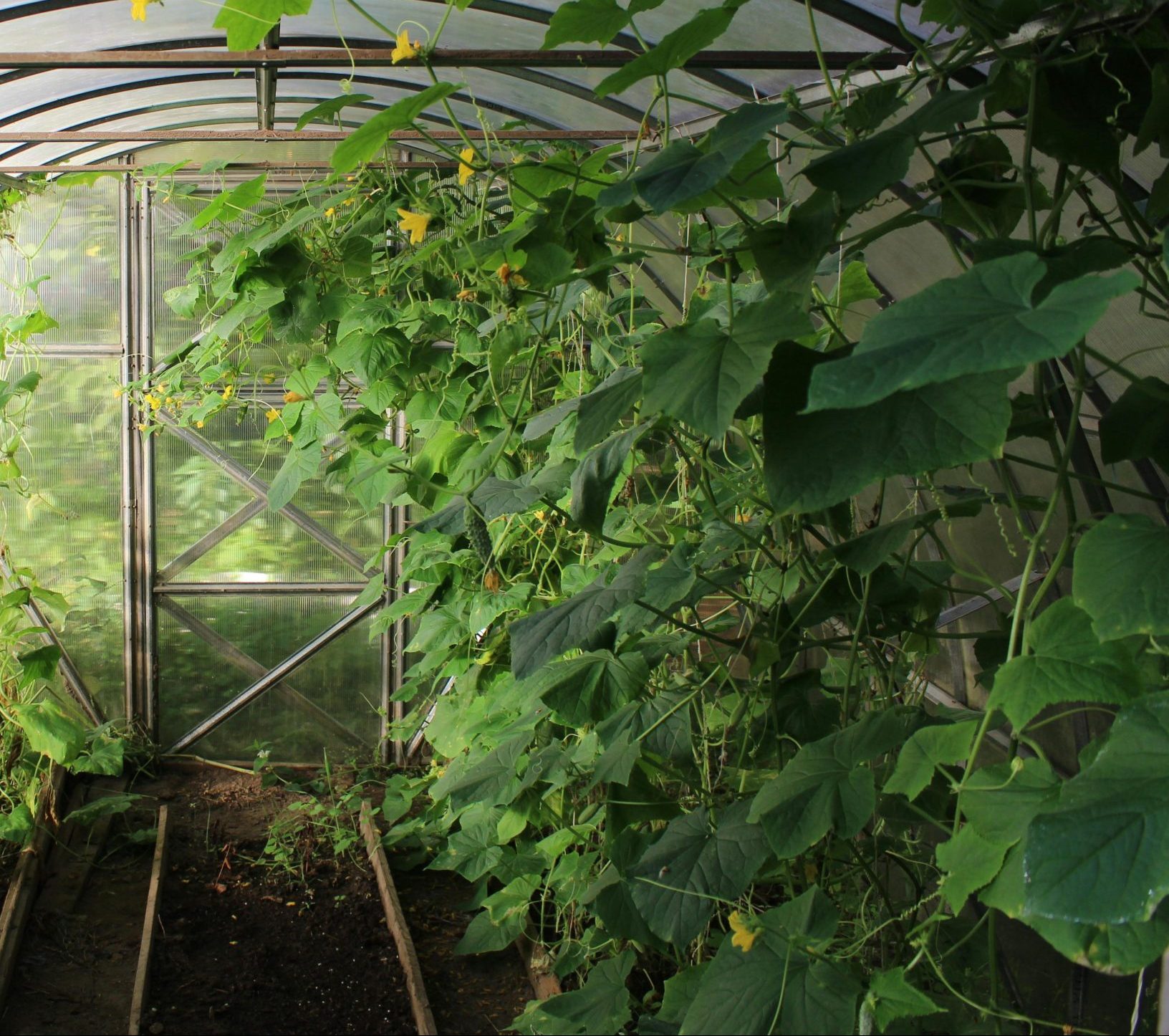
Urban agriculture (UA), using soilless techniques like hydroponics, offers city dwellers a solution to hunger by producing food locally with minimal land and recycled resources. This innovative method empowers communities—particularly women and youth—and supports environmental sustainability and food security.
Read More
This article highlights how agroecology and participatory action research (PAR) can help combat food and water insecurity in Central America. Focusing on Nicaraguan farming communities, Christopher Bacon’s article showcases cooperatives that help mitigate climate crises and food shortages. His piece advocates for universities and institutions to partner with local communities to promote justice through ethical, community-driven solutions.
Read More
This article, “Betting on Agroecology as a Way of Agricultural Production and Establishing Social Relations” is a collaborative piece of three professors from the Universidad Pontificia Comillas’s School of Agricultural Engineering. They have been directly engaged in agricultural education and production for several decades then shifted from promoting the “technocratic or industrial paradigm” of agriculture to agroecology. Promotio Iustitiae asked how they have become so impassioned about agroecology. Their experience of fruitful collaboration between the University and Valladolid City residents was a turning point. Here is their reply: “The choice for agroecology in the whole of INEA (School of Agricultural Engineering) was intuitive at the beginning. At the end of the 1990s and the beginning of the 21st century, the growing societal concern was on sustainable agriculture and the reduction of [negative] impacts on the environment. It was our school farm’s organic vegetable gardens developed with, and for, Valladolid City’s 430 elderly residents that launched us into concrete actions: we transformed the school’s curriculum and the way we cultivated our farm and we joined social and consumer initiatives (organic production cooperative, the Ana Leal House of Ecology and Welcome, etc.). All of this we did with the full collaboration of teachers and teams… Sometimes conversion is a process and in our case, we continue to move forward steadfastly.”
Read More
I protest against the questions being addressed to Jesuit "environmentalists/scientists." This implies that environmental issues might be the prerogative or sole interest of scientists. I say that environmental issues are everyone's responsibility, especially every Jesuit's. Scientists can help to perpetuate the problem or they can offer alternatives. But it seems to me that the basic issue of the environment resides in our theological vision.
Read More