
Where It Seems That God Is Not Present: Testimony on Faith, Justice, and Practical Atheism
I have never been able to separate my vocation from the land where I was born. Bolivia is not a country that is easily understood: it is a tapestry of contradictions, of multiple peoples, of breathtaking heights and jungles overflowing with life. It is also a place where faith is breathed almost like the air: in endless processions, in the embroidery of a ‘saya’, in a peasant's prayer before sowing, in the gaze of an Amazonian woman who contemplates the river as if it were a sacred book.
But at the same time—and I say this with pain and hope—it is a country where too often we live as if God did not exist. Where one can light a candle with deep devotion, and the next day accept corruption as part of the system. Where patron saints are celebrated with enthusiasm, but the creation that is their home is destroyed. Where dignity is venerated, but the lives of the poor are exploited.
Over time, I have come to understand that this phenomenon is not unique to Bolivia or Latin America. It is what tradition calls practical atheism: not denying God with words, but erasing him from the fundamental decisions of life. This is the field in which I work every day as a Jesuit: a world that claims to believe in God but does not allow God to transform existence. And it is precisely this fracture that GC 32 lucidly named, reminding us that serving the faith requires promoting justice, not as two separate tasks, but as one and the same mission entrusted to us by the Lord. Along the same lines, Gustavo Gutiérrez reminds us that it is not possible to speak of God without taking into account the cry of the poor, because it is there that faith is tested and fulfilled.
What I share here is not an analysis or an academic study. It is something simpler and more fragile: my own testimony, as taught to me by the life of the Bolivian people, Ignatian spirituality, and the Gospel.
The cracks where I learned to see
At the beginning of my academic service at the University, I thought that lack of faith would be seen in outright rejection, intellectual denial, or explicit indifference. I was wrong.
The true absence of God—the one that really hurts—I found in other places: in the normalization of lies, in the silent renunciation of hope, in the resigned acceptance of injustice, in the cover — up of abuses, in the indifference to the devastated land, and in the accumulated sadness of so many young people without a future.
Bolivia taught me that faith does not die from external attacks, but from internal erosion. And that erosion is noticeable when no one expects God to transform what really weighs heavily.
I have seen it in university classrooms, where almost everyone says they believe, but feel that faith is "useless" for professional decisions; in communities where religious festivals coexist with patronage mechanisms; in rivers that no longer have fish, in forests reduced to ashes; in villages where exploitation becomes an accepted routine.
And within grew a question that continues to accompany me: How can we proclaim the living God in places where life itself seems to have shrunk?
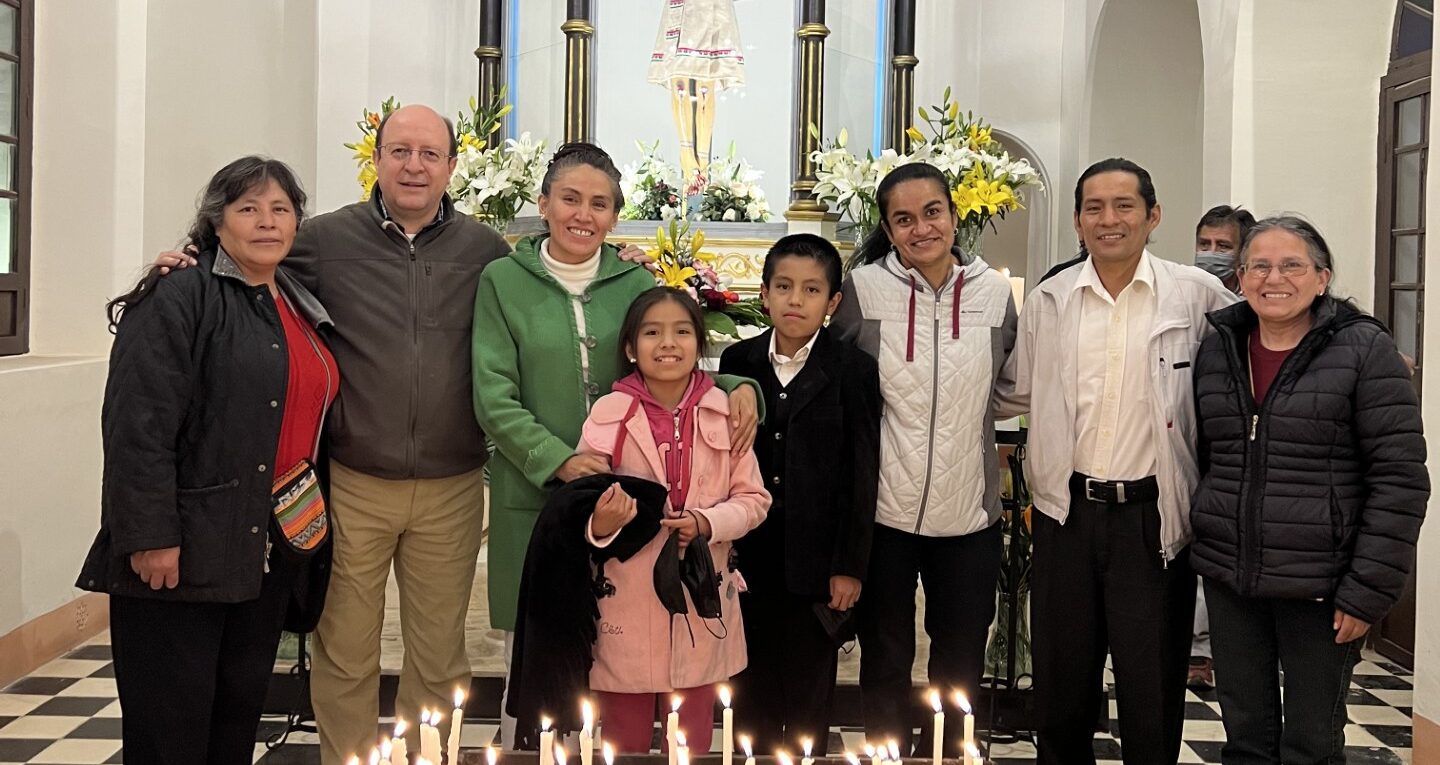
When GC 32 ceased to be a document and became a path
I knew GC 32 as a revered text within the Society of Jesus. But it was not a text of a decree that convinced me. It was the people's faces.
In a workshop with young university students in Cochabamba, a girl said to me with disarming sincerity: "Father, I believe in God. But when I look for work, when I must decide what to do with my life, when I see that the corrupt prosper... God doesn't count. Not because he doesn't exist, but because he's useless."
I felt a blow to my chest. It was like hearing GC 32 backwards: injustice not only contradicts faith but renders it ineffective. I understood, in a new way, that the call to unite faith and justice is not an ideological program, but the condition of possibility for a faith that wants to be credible. In Gutiérrez's language, we could say that a faith that does not take on the history of the poor ends up speaking of God "with its back turned" on reality and therefore ceases to be Good News.
The highlands taught me that faith is tested in small things
One cold morning in El Alto (a city next to La Paz, at an altitude of 4300 meters), we were working with students from an Academic Peasant Unit of the Bolivian Catholic University on issues of public ethics. One of them said to me, "Father, I am devout. But to get something done, you have to pay; otherwise, it doesn't happen. What does God want here?"
I didn't know how to respond right away. But that question stayed with me for a long time. I discovered that practical atheism is not about denying God, but about accepting that evil has the last word, that there is no alternative, that it is not worth trying anything different.
However, two years later, I saw small acts of resistance among those same young people, such as environmental audits on campus, solidarity support for neighborhood fairs, and proposals for transparency in their own careers. They were small glimmers, but enough to remind me of an Ignatian intuition that continues to sustain me: when faith becomes practice—even in the smallest way—it opens cracks through which God's light enters.
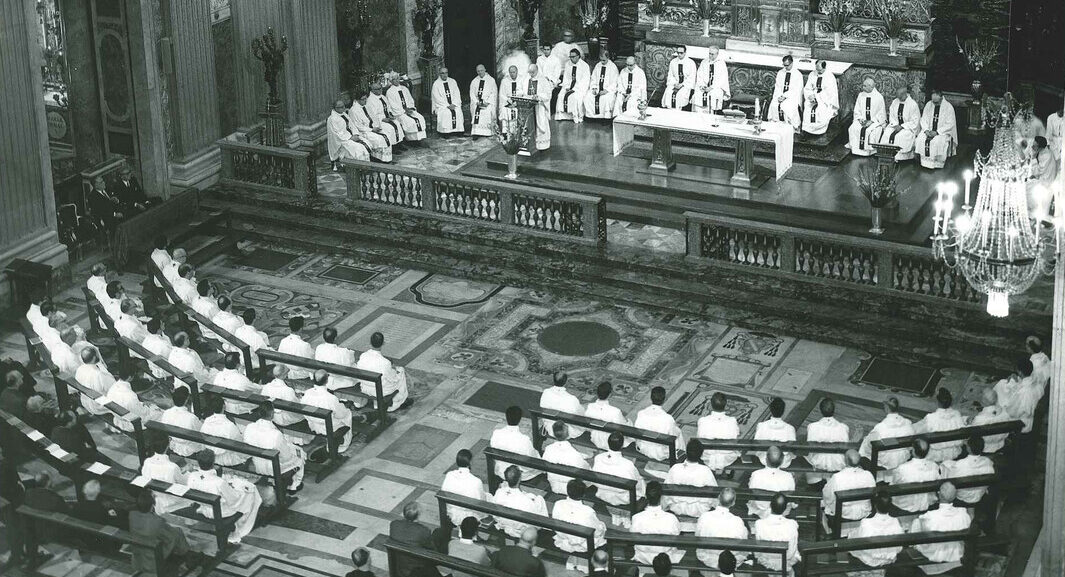
The Amazon taught me that faith is defended by caring for life
The most powerful experience I had in the Amazon occurred many years ago, when I was a novice and was sent to Moxos for a few months. I was in a village called San José, accompanied by a Jesuit student. There was a logging company cutting down trees. After a celebration of the word that we had organized in the community, an elderly man approached me and said, "You spoke at Mass (sic) about praying. That's fine. But praying also means stopping destruction. What good is it to ask God for life if we cut down what gives us life?". He said it without confrontation, almost as if he were stating the obvious. Today, that phrase has become for me a living parable of Laudato si'.
I understood that praying, for them, was learning to look at the forest again as a gift, not as booty. The Amazonian faith is deep, but it is not disembodied. It does not separate God from the river, nor the Creator from his creation. There, evangelization was done by reforesting, sowing in community, measuring water turbidity, caring for what sustains life, and educating with values.
And I understood clearly that, in the Amazon region, ecological destruction is a form of practical atheism, and that proclaiming the Gospel necessarily involves defending threatened life.
The Chaco taught me that faith becomes dignity
In the Guaraní Chaco, I experienced one of the most profound lessons of my mission. It was in the heart of the Bolivian region called Isoso, at a community assembly discussing problems of exploitation of some community members who went to work in the sugar cane harvest. Marta, a normally quiet young woman, spoke up and said, "We believe in God. But if we accept being treated as if we are worthless... then we are denying the God who made us."
That day I understood that faith is not defended first in temples, but in bodies that refuse to continue being humiliated. Evangelization consiste of recovering the language, demanding fair contracts, organizing to denounce abuses, and calling each person by their name in Guaraní and not by a number on a work list.
The ñande reko—the Guaraní way of being—and the Gospel illuminated each other. We responded to practical atheism not with speeches, but by accompanying the recovery of dignity where it had been denied.
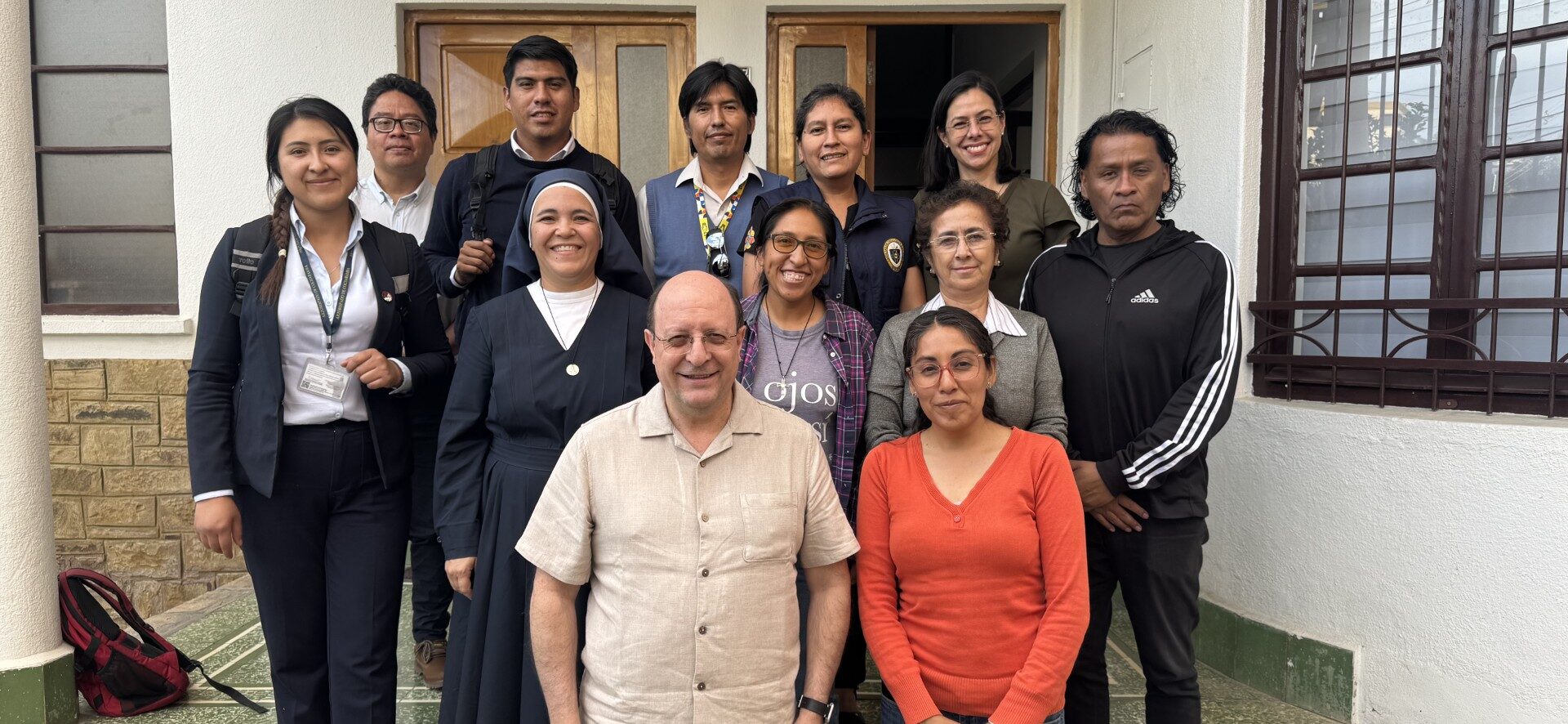
What does Ignatian spirituality do?
I will put it simply. Ignatian spirituality has taught me not to despair. To trust that God is at work even where I see only weariness or disorder. To look for signs—residues under the ashes—that indicate where life is making its way.
I have found those embers, for example, in a student who decides not to accept a "small" bribe; in an Amazonian woman who teaches her children to care for water; in a young Guaraní man who speaks for the first time in front of his community; in a teacher who resigns from a position for the sake of consistency; in a neighborhood that organizes a soup kitchen during a crisis.
Ignatius invites us to "...in all things seek and find God our Lord" (Constitutions 288). Over the years, I have come to understand that "all things" also includes what seems contrary to God, even on the downside of life: corruption, violence, pollution, indifference, cover — ups. Not because God desires these realities, but because there he struggles to make his way through conscience, solidarity, and the small courageous decisions that no one sees but that sustain the world.
Practical atheism as a wound... and as an opportunity
I have learned not to see practical atheism only as a threat, but as an open question. It does not necessarily mean rejection of God; often it expresses a hunger for meaning, disenchantment, historical weariness, skepticism toward a faith that does not seem to transform anything.
Many young people say they believe, but they live divided lives. Many adults pray but feel that God does not intervene. Many communities venerate religious symbols but cannot find ways to embody the justice that those symbols proclaim.
And at this point, a conviction deeply rooted in the spirituality and witness of Luis Espinal SJ, forged in a context of violence that seemed to stifle all hope, always comes back to my mind: God is not absent or distant, but present in the concrete lives of those who struggle not to be denied their dignity. As he himself pleaded in one of his prayers: "Present in our brothers and sisters, especially the poorest and most oppressed, may we know how to find You, Lord" (Prayers at Point Blank Range). Espinal's intuition—so simple and so profound—accompanies me every time I come into contact with practical atheism, because it helps me recognize that every gesture of human dignity is already a theological place, even when no one names it as such.
The wound of practical atheism is real, but it can become an opportunity to proclaim a God greater than our inconsistencies: a God who is not offended by being forgotten, but who strives to return by discreet, often invisible paths.
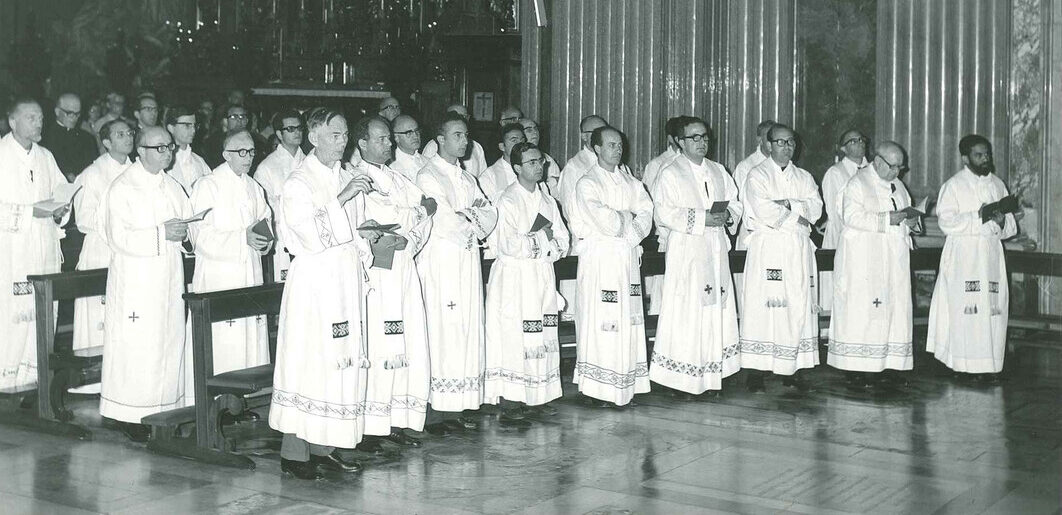
What GC 32 taught me in the flesh
GC 32 has become a silent compass for me. It is not a text that I quote, but a perspective that I have taken on: faith becomes real when it touches justice; justice becomes evangelical when it is born of faith; and both become mission when they are lived in community and through discernment.
Subsequent Congregations spoke of inculturation, dialogue, reconciliation. But the intuition is the same: to allow Christ, the reconciler, to link our faith with the real history of our people, our devotions with our public life, our words with our practices. In the words of St. Irenaeus and Gustavo Gutiérrez, it is a matter of confessing that the glory of God is that the poor live, and that any reflection on God that forgets this fact runs the risk of becoming irrelevant.
Sometimes I imagine Fr. Pedro Arrupe visiting Bolivia today. I think he would smile to see that his intuition continues to be embodied in humble places: in the hands that sow where there was fire, in the eyes of young people who discover their vocation as service, in the indigenous languages that are regaining strength, in communities that pray with their feet on the ground.
The slaughtered lamb standing upright: symbol of a country that insists on rising up
Emilio Travieso's proposal about the Lamb slain and standing (Promotio Iustitiae article from the first week of September 2025) touches me deeply. I feel that this symbol describes Bolivia better than any other. The oracle of the Apocalypse says: "Then I saw, in the midst of the throne and of the four Living Creatures and in the midst of the Elders, a Lamb standing, as if it had been slain" (Rev 5:6).That image encapsulates the Christian paradox: the victim who remains standing, the wound that does not disappear and yet is a place of life.
In many ways, we are a country slaughtered by corruption, violence, inequality, latent racism, the loss of creation, and lack of opportunities. But we are also a country that remains standing because of the faith that resists, the creativity of the people, the strength of the community, the hope that springs forth again, and the dignity that no one can extinguish.
The standing Lamb reminds me that Christ is revealed not only in triumphs, but also in wounds. His resurrection does not erase the scars: it transforms them into a source of life for others. And I sincerely believe that the mission of faith and justice today consists in accompanying that process: helping the scars of the people become places of reconciliation.
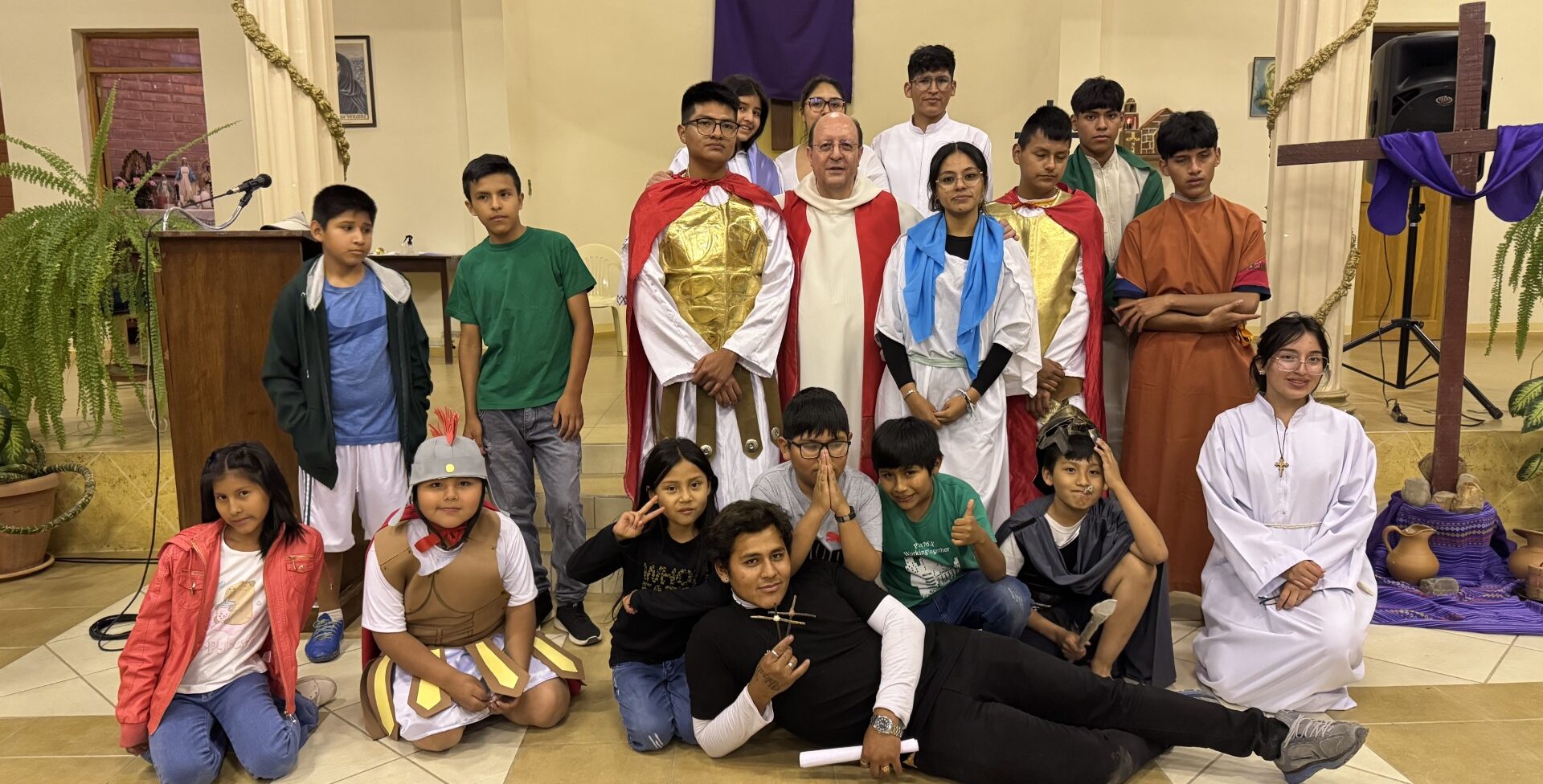
Where I thought God was not, there I found him
If someone asked me where I have found God most in my mission, I would have to respond with very specific scenes: a student who decided to speak the truth when no one else did; a woman who defended her river as if she were defending her children; a young Guaraní man who regained his word; an elderly man who taught me that to pray is to care; a mother who continued to fight for her children's education when she no longer had the strength.
I have discovered that, where I thought God was absent, He had already arrived before me, working silently in the hearts of individuals and peoples.
That is my testimony. That is my hope. And that is the greatest gift Bolivia has given me: to believe again in a God who lives where life seems impossible, a God who, like the Lamb that was slain and stands, never ceases to rise and lift us up.
Perhaps I could say, in closing, that practical atheism is not only a problem to be denounced, but also a theological challenge that calls us to action. GC 32 had the clarity to understand that a faith that does not translate into justice ends up being irrelevant, and Liberation Theology was able to name this fracture by showing that God can be found in the concrete history of the poor. Where God seems absent—in normalized injustice, in resignation, in the destruction of life—we are paradoxically entrusted with a spiritual task: to make God credible again through practices of justice, dignity, and care. Perhaps today, in secularized contexts or those tired of religious discourse, the proclamation of the Gospel is less about affirming God and more about making life possible, trusting that, as GC 32 believed, faith is reborn when it is lived where it is most questioned.
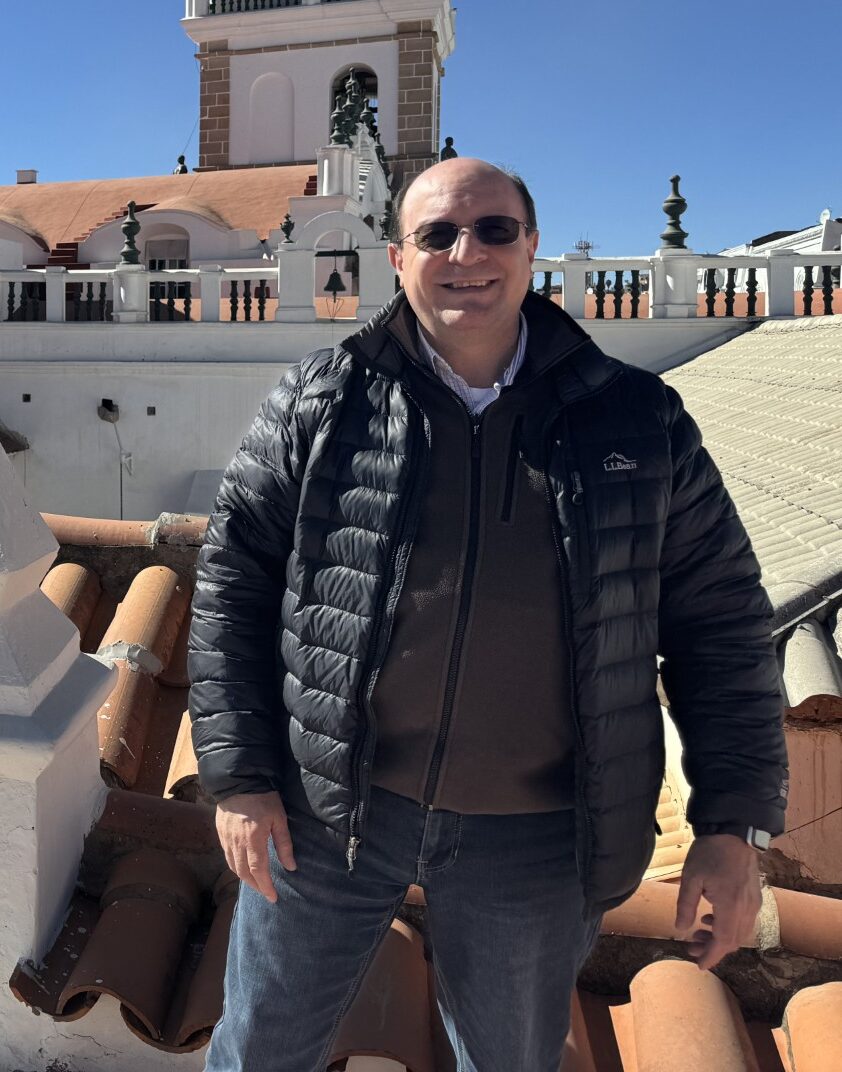
Manuel Gilberto Hurtado Durán SJ is a Bolivian Jesuit. He holds a doctorate in theology from the Centre Sèvres (Paris) and is currently president of the San Pablo Faculty of Theology at the Bolivian Catholic University, Cochabamba campus. His academic and pastoral work is in the field of systematic theology and the theology of religions, with a particular interest in intercultural and interreligious dialogue. He develops a comparative Amerindian theology based on the oral traditions of indigenous peoples. He accompanies formative, spiritual, and pastoral processes, integrating faith, justice, and care for our common home.
Related Posts:
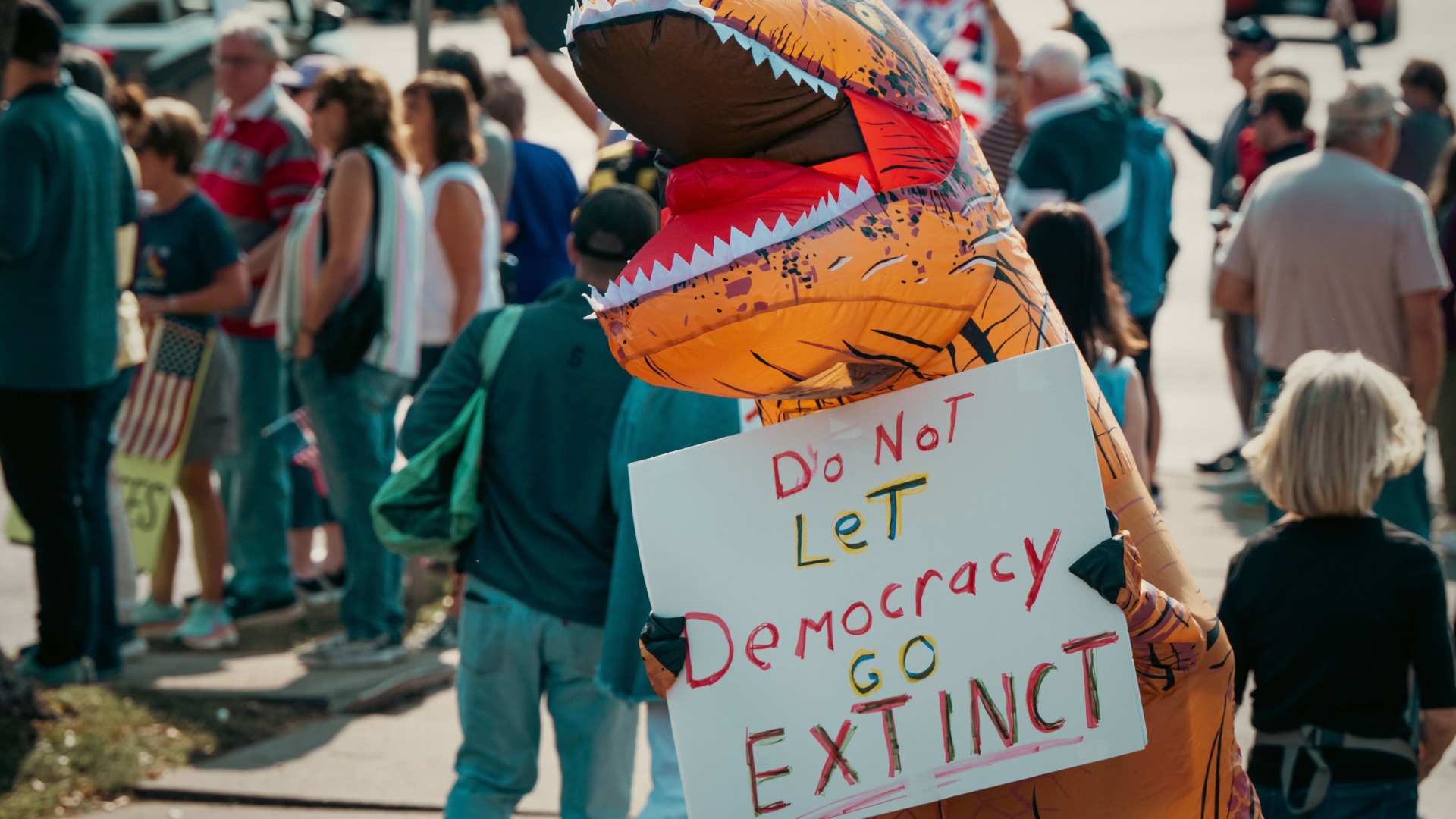
Democracy, which has historically proven most effective in meeting these criteria, cannot be taken for granted. In our AI era, citizens should press for more than multiparty elections and the protection of basic freedoms; that institutional core is not enough. We must carefully regulate and channel powerful technologies with the capacity to divide us from one another and short-circuit social and political participation. That means maintaining spaces in civil society where human contact and social friendship can flourish without the mediation of machines, beginning with the educational systems through which all citizens pass. It means fighting deepfakes and disinformation in the public sphere, so that citizens still operate in a world of facts and evidence and political representation has a strong basis.
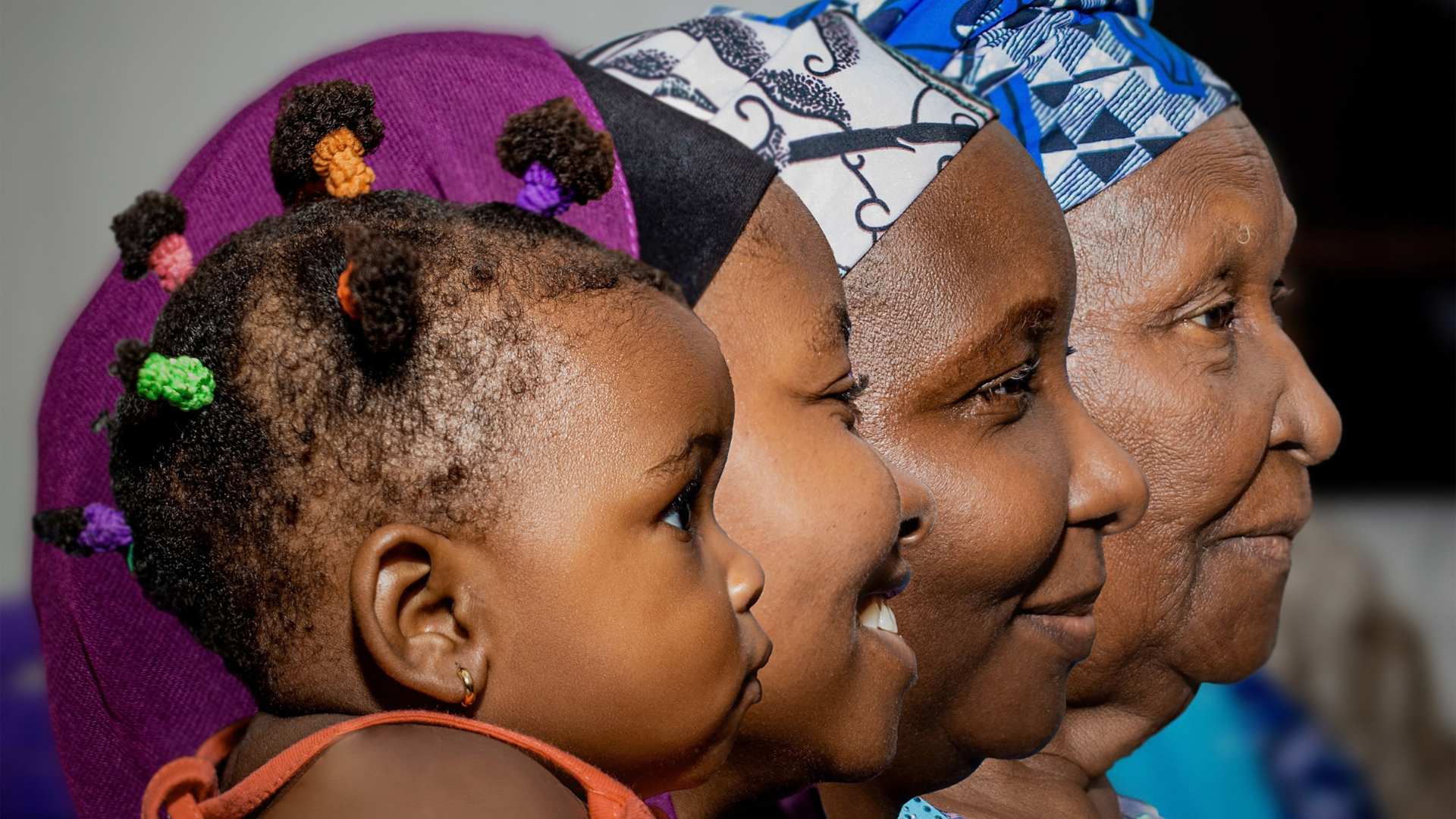
Artificial intelligence (AI) is increasingly entering public life in Ghana, including through digital systems used for identification, verification and service delivery. The ethical question is therefore not simply what AI can do, but what happens to people when digital systems become gateways through which citizenship, mobility or access to services are recognised. In northern Ghana, especially in border communities, this is a concrete question. I was privilege to visit Pusiga community in November 2025 with a Jesuit friend of my mine who is originally from the community. Thus, the topic for this article resonates very well with me.
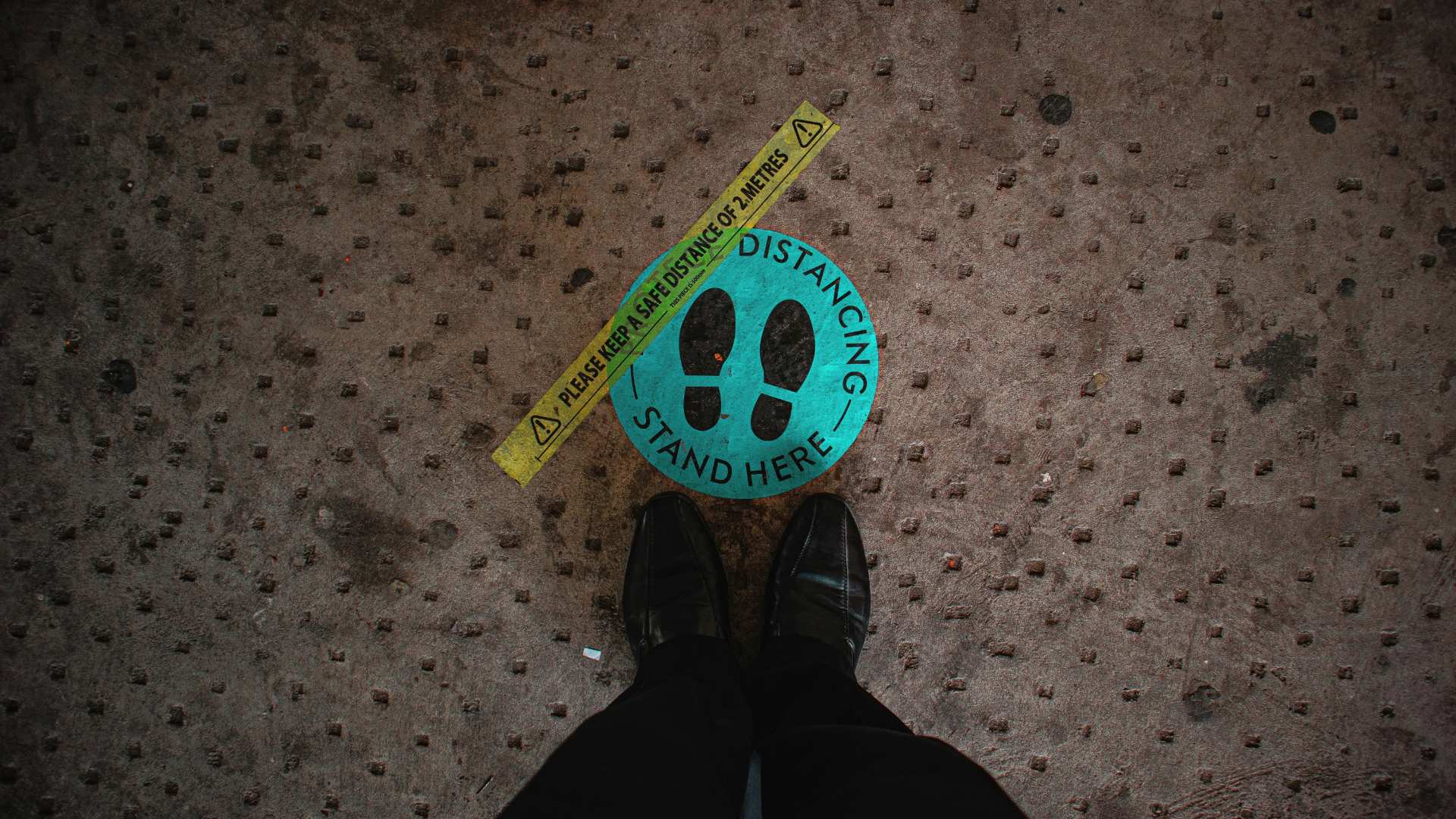
The article ‘Pandemic and Authoritarianism’, by Germán Rosa, SJ, was written in the midst of the COVID-19 crisis, but its insights extend beyond that context. The pandemic appears to reveal and accelerate political trends that were already present: the concentration of power, the weakening of democratic checks and balances, and the acceptance of extraordinary restrictions in the name of collective security. Rosa’s main concern is that fear may lead citizens to silently surrender their freedoms and rights, and that measures which were initially intended to be temporary become normalized and endure. Furthermore, in societies riven by inequality, control is never distributed neutrally: it falls most heavily on the impoverished, marginalized groups, migrants, dissidents and those who defend rights and territories.
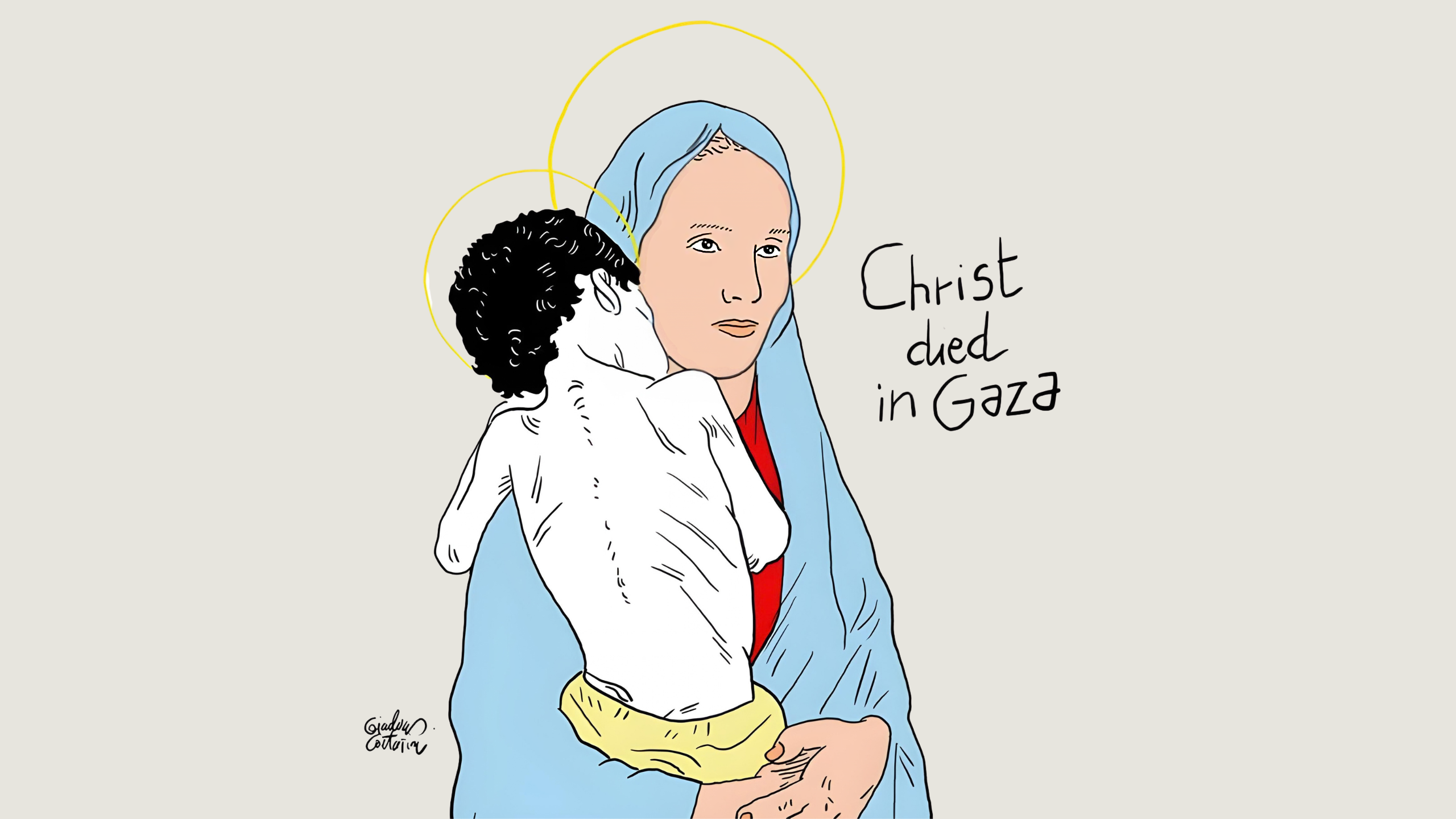
Speaking of dead children is uncomfortable. Yet it can also be healing. As I listened to the stories shared that day, I found myself returning to memories I may at times shy away from remembering. Iremember finding my sister’slifeless body in bed one Saturday morning. Ihad cometo carry her out with me to watch cartoons.As I listened tothe story of Hind Rajab, a 5-year-old girl who had been trapped inside a car attacked by Israeli forces,the memory of a little boy reaching out to touch his sister came back. The young girlhadmanaged to call the Red Crescent for help but hours later she and the paramedics who had come toassisther were all found dead. The chilling story reminded me of the shocking cold that struck my hand as I gently touched my sister’s arm in a futile attempt to wake her up.
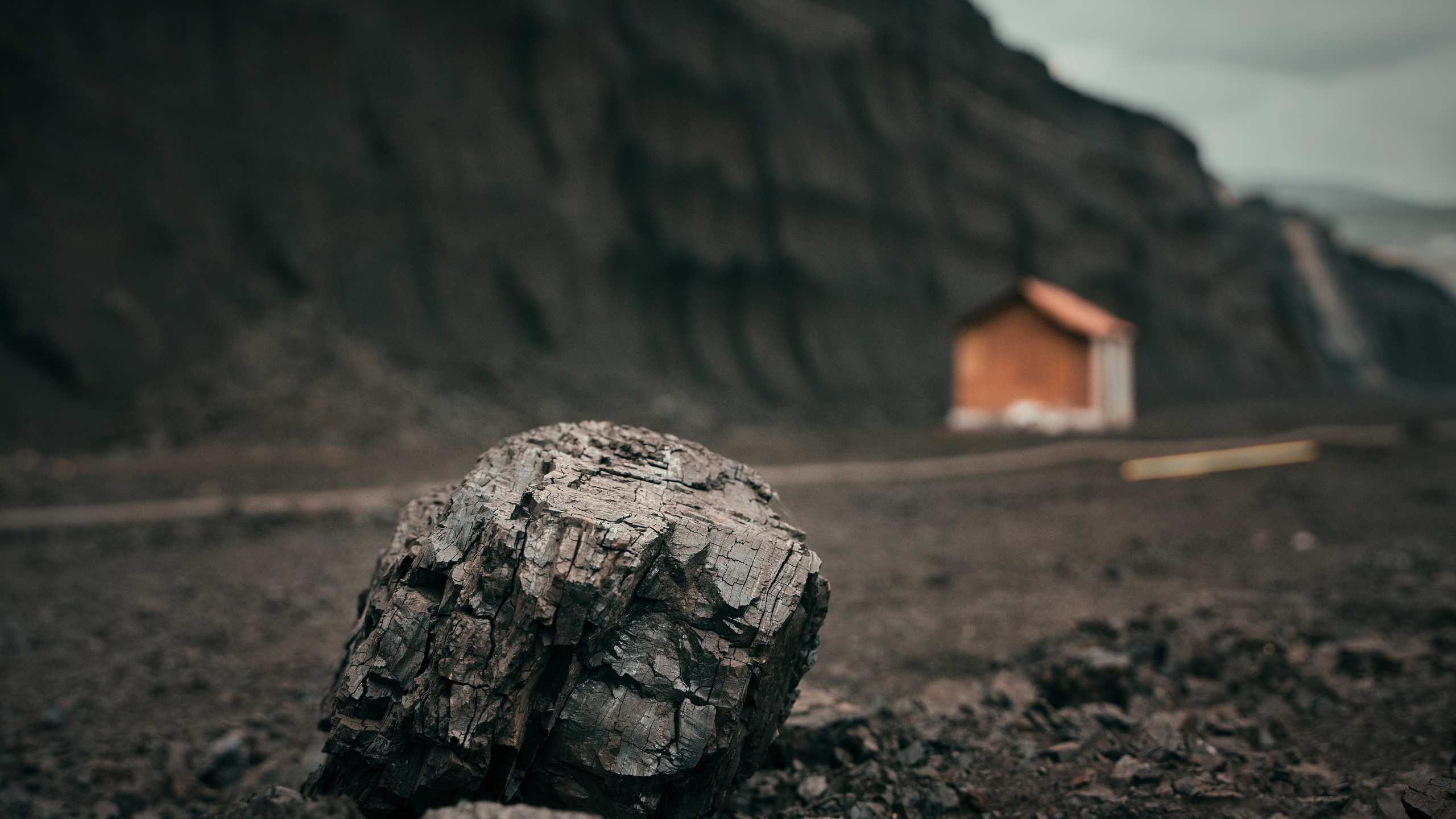
Who Are the Victims and Those at Risk of Becoming Victims? When it comes to mining, particular attention must be paid to those who are most vulnerable: Indigenous communities whose livelihoods depend on their land, forests, rivers, and water sources; small-scale farmers; fishers; poor families; women, children, and older people; as well as communities with the least bargaining power in legal, economic, informational, and political matters. They may become victims when land loses its social function, when water sources are polluted or disappear, when the environment is damaged, when livelihoods are disrupted, or when their social and cultural life is transformed without their genuine consent.
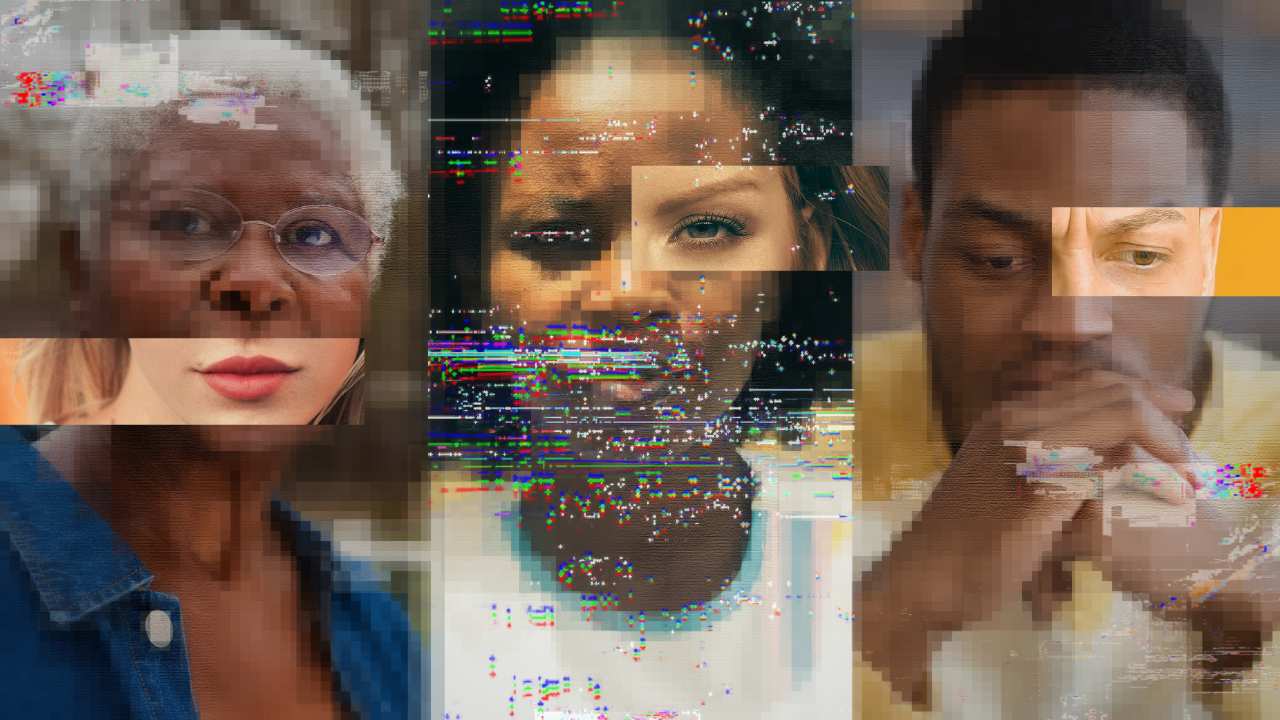
In the affluent community where I live, I walk down the street wearing a t-shirt of the elite Jesuit institution I once attended. It’s as if I presumptuously assume that the t-shirt will alleviate the prospect of being seen by surveilling gazes. Yet, I am instantaneously reminded as car doors lock when I walk beside them, and as purses clutch when I pass by, that my body is rendered as a site of suspicion. I am reminded that my Blackness precedes my existence. I am reminded that my darkened body occludes the presumption of innocence. I am reminded that my dark skin has eviscerated my humanity and has turned me into an object of fear.


