Fighting for Faith and Justice
Forty-six years ago, I became a Jesuit because I wanted to follow in Jesus' footsteps and advocate for greater justice in the world. If it had been up to my dear grandfather, I would have studied dentistry to take over his dental practice. Dentists earn a lot of money in Germany. When I realized that millions of people in our world are starving, I couldn't rest easy. The story of the rich young man in the Gospel was important to my decision. He has a great fortune, but he feels that money and material possessions alone do not fulfill life. He is searching for something more. Jesus makes him an offer: "If you want to be perfect, go, sell your possessions and give the money to the poor, and you will have treasure in heaven; then come, follow me."
I remember that before I joined the Jesuit order, I gave away all the money I had. I felt great happiness doing it and thought of Jesus' words: "What good is it for a man to gain the whole world if he loses his life?" The Gospel story ends differently: the young man leaves sad because he had a lot of wealth and didn't want to part with it. Then Jesus says to his disciples: "It is difficult for a rich man to enter the kingdom of heaven. It is easier for a camel to pass through the eye of a needle than for a rich man to enter the kingdom of God."
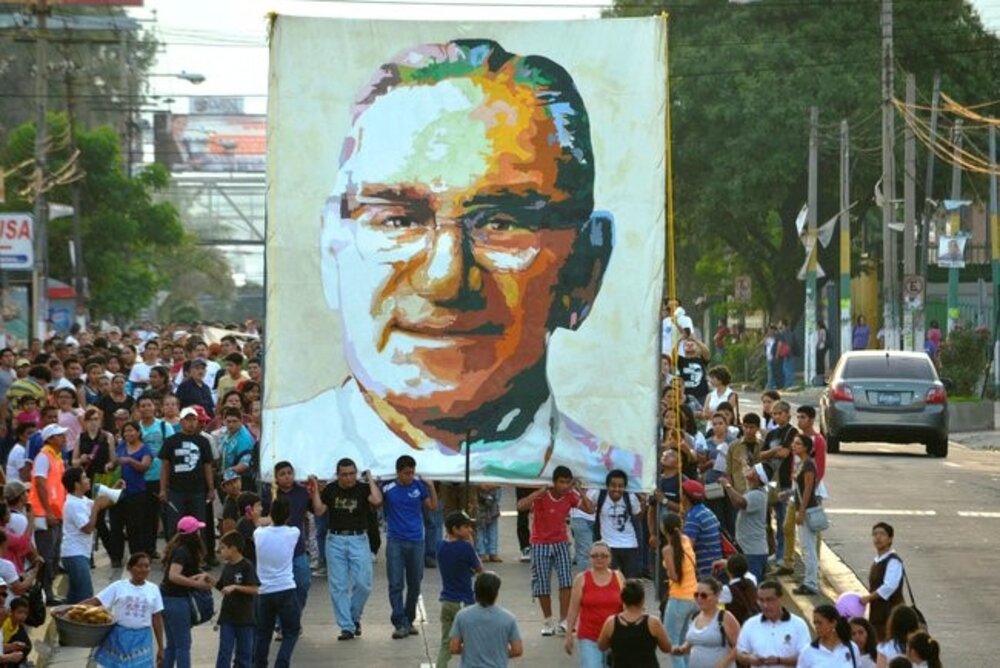
In the novitiate, I learned that the Society of Jesus, with Decree 4 of the 32nd General Congregation, summarized its mission for today's world as the fight for faith and justice. That confirmed my decision to become a Jesuit. On March 24, 1980, I was deeply moved by the news of Archbishop Oscar Romero's assassination in El Salvador during Holy Mass. I was shocked, but I also felt profound admiration for his witness of following Jesus to the ultimate consequences.
The question of global justice accompanied me on my journey within the order. During my philosophy studies, conversations with Johannes Müller SJ, who led the Socio-Political Institute of the Faculty of Philosophy in Munich, were significant. I was persuaded by his idea of an ethical foundation for development policy: to eliminate human suffering in all its forms and aspects, or at least to minimize it as much as possible.
I made my regency at the magazine Orientierung in Zurich. From its then editor-in-chief, Ludwig Kaufmann SJ, I learned that journalism and communication can serve the struggle for faith and justice. In his book on "The Forerunners of Faith," he provided an impressive account of the conversion of Oscar Romero, who went from being a fearful and apolitical bishop to becoming a prophetic defender of the poor. He had close personal ties with the Jesuits in El Salvador, whom he visited in 1979 after the Latin American Bishops' Conference in Puebla. He opened my eyes to Latin America.
During my studies in Paris, I searched for a theology that would connect faith and justice. I found it in Johann Baptist Metz's political theology and in liberation theology. After a meeting with Jon Sobrino SJ, the idea for a doctoral thesis on liberation theology developed. For me, it was important to spend some time in El Salvador to understand the country, the people of Archbishop Romero, and the context in which Jon Sobrino and Ignacio Ellacuría's theology evolved.
On October 8, 1988, I was ordained a priest. I chose the motto for my first Mass: "Whatever you did for one of these least brothers of mine, you did for me." This is also the most quoted passage in Karl Rahner's theological writings, the European theologian who has influenced me the most. During the conflict over liberation theology, he defended Gustavo Gutiérrez, rightly considered its father.
In 1989, I traveled to El Salvador. Jon Sobrino warmly welcomed me on September 1, 1989, at the community of the Central American University, where I would be staying. However, there was a disappointment: the guest rooms were full, so I had to move to a nearby community. The first few weeks became a meaningful pilgrimage to key sites in Archbishop Óscar Romero's life: his birthplace, Ciudad Barrios; his first diocese, Santiago de María; his simple home near the chapel where he was assassinated; and his tomb in the cathedral.
For my studies, Sobrino encouraged me to read not only the books in the library, but also the book of reality. This was the most important source for his theology. So I accompanied a young colleague to a rural parish called Jayaque, where Ignacio Martín-Baró SJ, in addition to his work at the UCA, served as parish priest on weekends. The people of Jayaque welcomed me warmly and sang me a welcome song about the martyrdom of Archbishop Óscar Romero. Their living conditions contrasted sharply with this. In Jayaque, I learned to distinguish between poverty and misery. The vast majority of the people of Jayaque lived in misery: without running water, without enough food, without healthcare, without electricity, without schooling.
At the end of October, Ignacio Martín-Baró introduced me at Mass as the new priest of the parish. Less than three weeks later, he and five colleagues, along with Elba and Celina Ramos, were murdered by army soldiers. I had the opportunity to meet them all. Archbishop Arturo Rivera y Damas said before their riddled bodies: "The same hatred that killed Archbishop Romero also killed the Jesuits and the two women." I thought of the words of the 32nd General Congregation: "We will not work for justice without paying a price for it."
Ignacio Ellacuría SJ, as the university's rector, demanded it be the voice for the voiceless. Segundo Montes SJ, a sociologist and director of the university's Human Rights Institute, was especially concerned with the fate of refugees from the civil war. Ignacio Martín-Baró SJ, a social psychologist, focused on the effects of war on children. Amando López SJ and Juan Ramón Moreno SJ taught theology aligned with liberation theology and maintained close ties with grassroots church communities. Joaquín López y López SJ was one of the founders of the José Simeón Cañas Central American University and was director of the popular education movement "Fe y Alegría" (Faith and Joy) when he was murdered. Elba Ramos, a cook in my community, was someone I knew well, as was her daughter Celina.
After the funeral, the mourners in Jayaque "appointed" me as the parish pastor. I was surprised and hesitant, but the then provincial José María Tojeira SJ encouraged me to keep working in Jayaque. In the following months, we experienced both challenging and beautiful moments. The challenges included harassment and persecution by the military, and three of our dedicated community leaders were arrested and tortured. We managed to secure their release only by paying cash. On the positive side, I enjoyed walking with the community along the path of the Gospel—the path of death and resurrection. Later, with my parents, I dedicated my doctoral thesis, titled "Theology of the Crucified People," to the community of Jayaque.
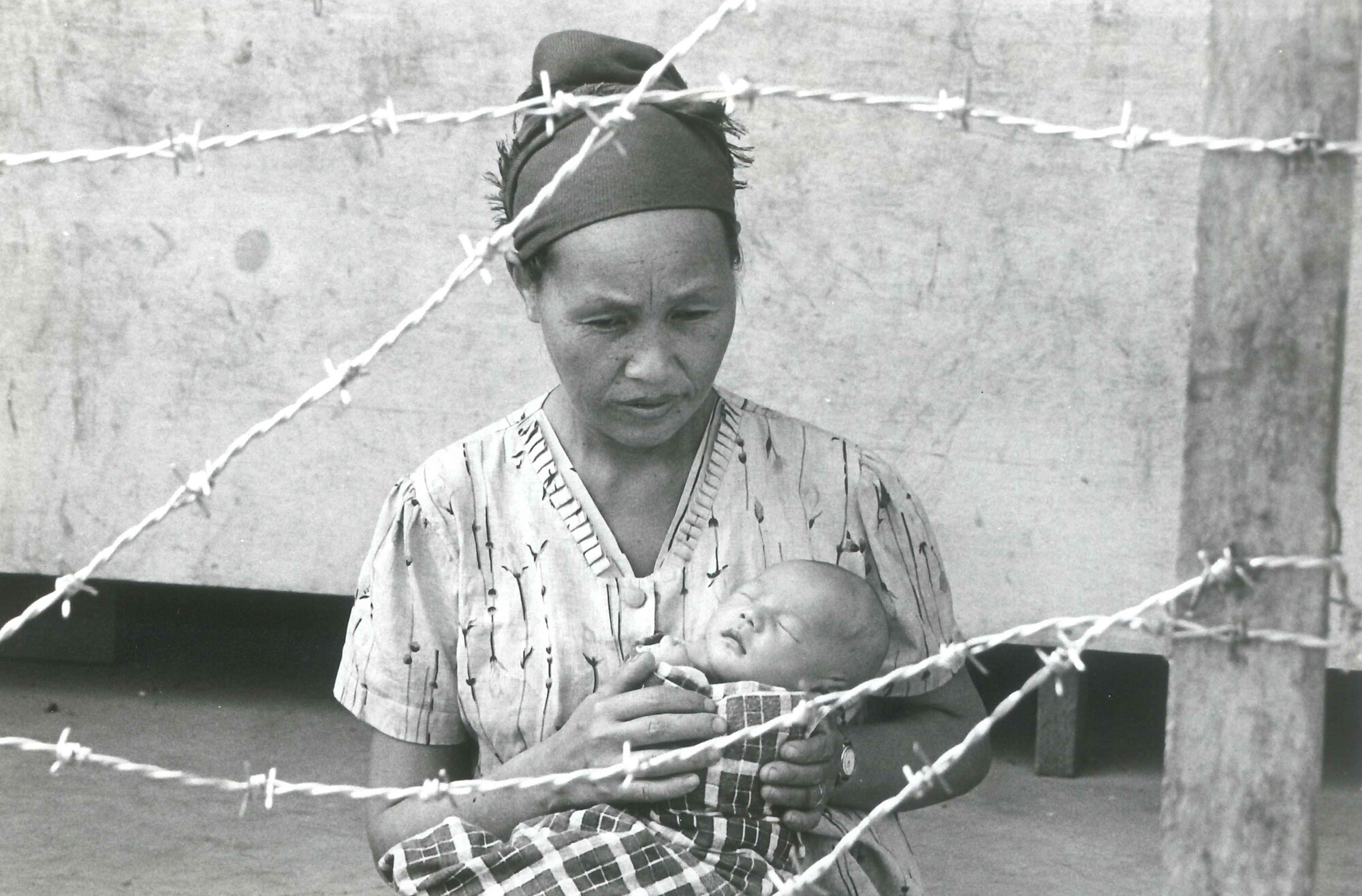
It was difficult for me to leave El Salvador in 1991 and return to Germany. In Europe, the wall between East and West had fallen, and the Cold War had ended. An era of peace and reconciliation was anticipated. However, in 1991, amidst a disintegrating Yugoslavia, a new war erupted in Europe for the first time since World War II. The young Jesuits of the Croatian province reached out for help in a letter, seeking aid for victims of expulsions and ethnic and religious hatred. Ottmar Edenhofer SJ, who was then studying theology in Frankfurt, responded to this plea. Demonstrating great organizational skill, he founded the Jesuit relief organization "Bosnien und Kroatienhilfe der Jesuiten“ (Help for the People of Bosnia and Herzegovina) for Bosnia and Croatia, which provided food and medicine to war zones and allowed students who had fled Sarajevo to continue their studies in Zagreb.
In 1993, I took over leadership of the aid program for Bosnia and Croatia, which we linked institutionally to the Jesuit Refugee Service. Its then director, Mark Raper SJ, sent Dutchman Jan Stuyt SJ as a valuable collaborator. The support of the then Croatian provincial Stjepan Kušan SJ, who later became responsible for JRS in Bosnia and Croatia, was important. I especially remember a stay in besieged Sarajevo, where Tomislav Slokar SJ was the only Jesuit who remained until the end of the war. In a conversation with Archbishop Vinko Puljić, I told him about Archbishop Óscar Romero. Later, I was able to send him one of my books on Óscar Romero, which had been translated into Croatian.
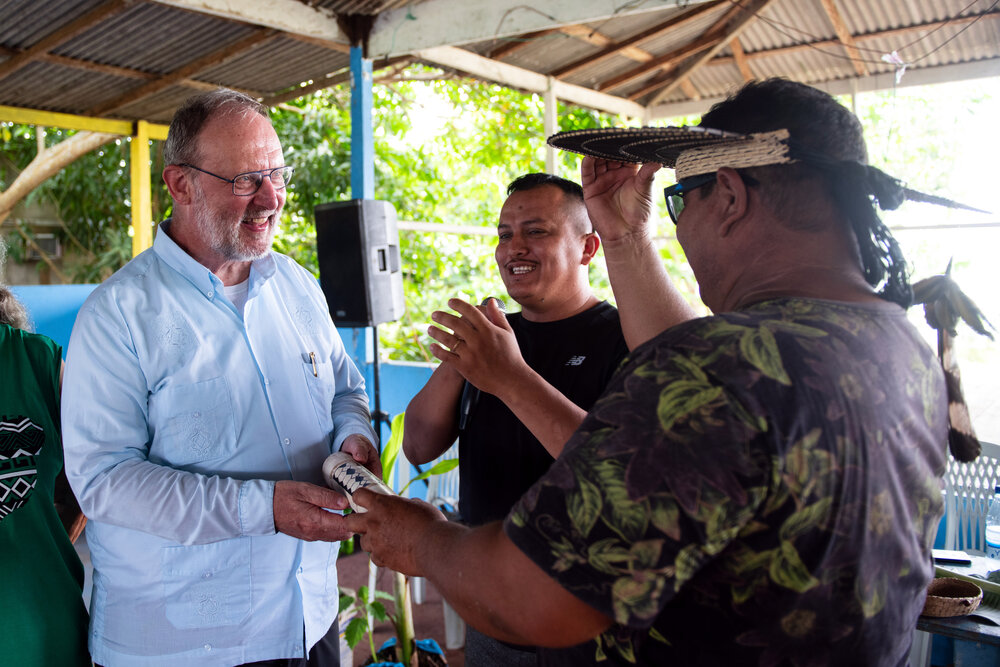
I then completed my third probation in the Society of Jesus in India. There, I was particularly involved with the Dalits, the untouchables of the Indian caste system. I met Antony Raj SJ, who was a Dalit and fought for the liberation and equality of Dalits in Indian society and the Church. In 1989, Antony founded the Dalit Christian Liberation Movement, which also faced criticism and resistance within the Church. I was especially interested in Dalit theology, inspired by Latin American liberation theology. Its most notable representative is Sebastian Kappen SJ, who died in 1993. In a lengthy article, I discussed the struggle for the liberation of Dalits in Indian society and the Church.
After my Tertianship, I wanted to return to El Salvador. However, Provincial Jörg Dantscher SJ convinced me that, in today's globalized world, it is more important to build bridges than to take sides. From 1995 to 2009, I worked as editor-in-chief of the monthly magazine Stimmen der Zeit. Jon Sobrino, SJ, provided me with important guidance for my journalistic work: to be honest with reality. The reality of our world is that millions of people are victims of poverty and exploitation. Bringing this truth to light is a fundamental challenge for responsible journalism. As a guest lecturer, I regularly gave lectures at the Central American University in San Salvador and at the Centre Sèvres in Paris. This allowed me to keep my connection with the community of Jayaque alive.
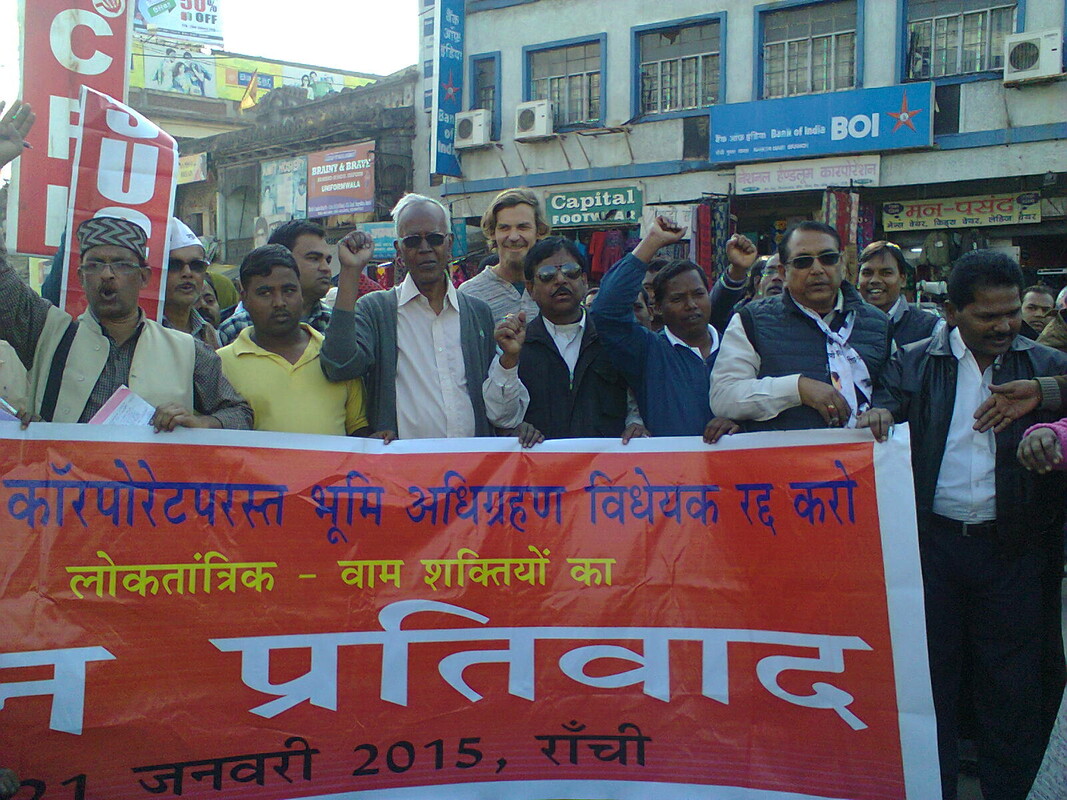
From 2014 to 2021, I served as Secretary for European Affairs at the Jesuit European Social Center in Brussels. There, with a team of Jesuits and laypeople, we aimed to defend the interests of those who have no voice in Europe and the world. In addition to the directives from our General Congregations on faith and justice, we relied on the principles of Catholic social teaching, which remain highly relevant to the effort of European unification. In 2020, India was sadly represented in Brussels by the arrest of Stan Swamy SJ, who was advocating for the rights of India's indigenous peoples, the Adivasis. Attempts were made to link him to violent acts using false evidence. Alongside French MEP Pierre Larrouturou, I was able to secure signatures from 50 members of the European Parliament on a letter to Indian Prime Minister Narendra Modi, demanding Stan Swamy's release. Stan died in July 2021, still behind bars.
In 2021, I unexpectedly received a request from the German Bishops' Conference to lead the Latin American charity Adveniat. Founded in 1961, Adveniat was established in gratitude for the aid that Christians in Argentina, Brazil, and Chile sent to Germany to help alleviate suffering after World War II. With a team of 80 employees at Adveniat's headquarters in Essen and partners across Latin America and the Caribbean, we fund more than 1,000 projects annually with a budget of 34 million euros. The name Adveniat is derived from the Latin petition in the Lord's Prayer: "Thy kingdom come." Our goal is to contribute to the growth of the Kingdom of God.
Church charities are seen in Germany as the positive face of the Church. For me, Adveniat is an institutional expression of the fight for faith and justice. We gather donations and thus foster sharing. Through our information and education efforts, we raise awareness of the challenges of global justice.
In Latin America and the Caribbean, we work with parishes, dioceses, religious communities, and non-governmental organizations. Our guiding principle is the option for the poor. We support pastoral work, education, human rights, the protection of indigenous peoples, and the environment. In doing so, we are especially influenced by Pope Francis' encyclical Laudato Si' and the documents of the Synod of the Amazon. This year's donation campaign is called "The Future of the Amazon" and emphasizes protecting rainforests and indigenous communities. Through the projects we support and help develop, we show that change is possible for the better; that’s why I like to call them "biotopes of hope."
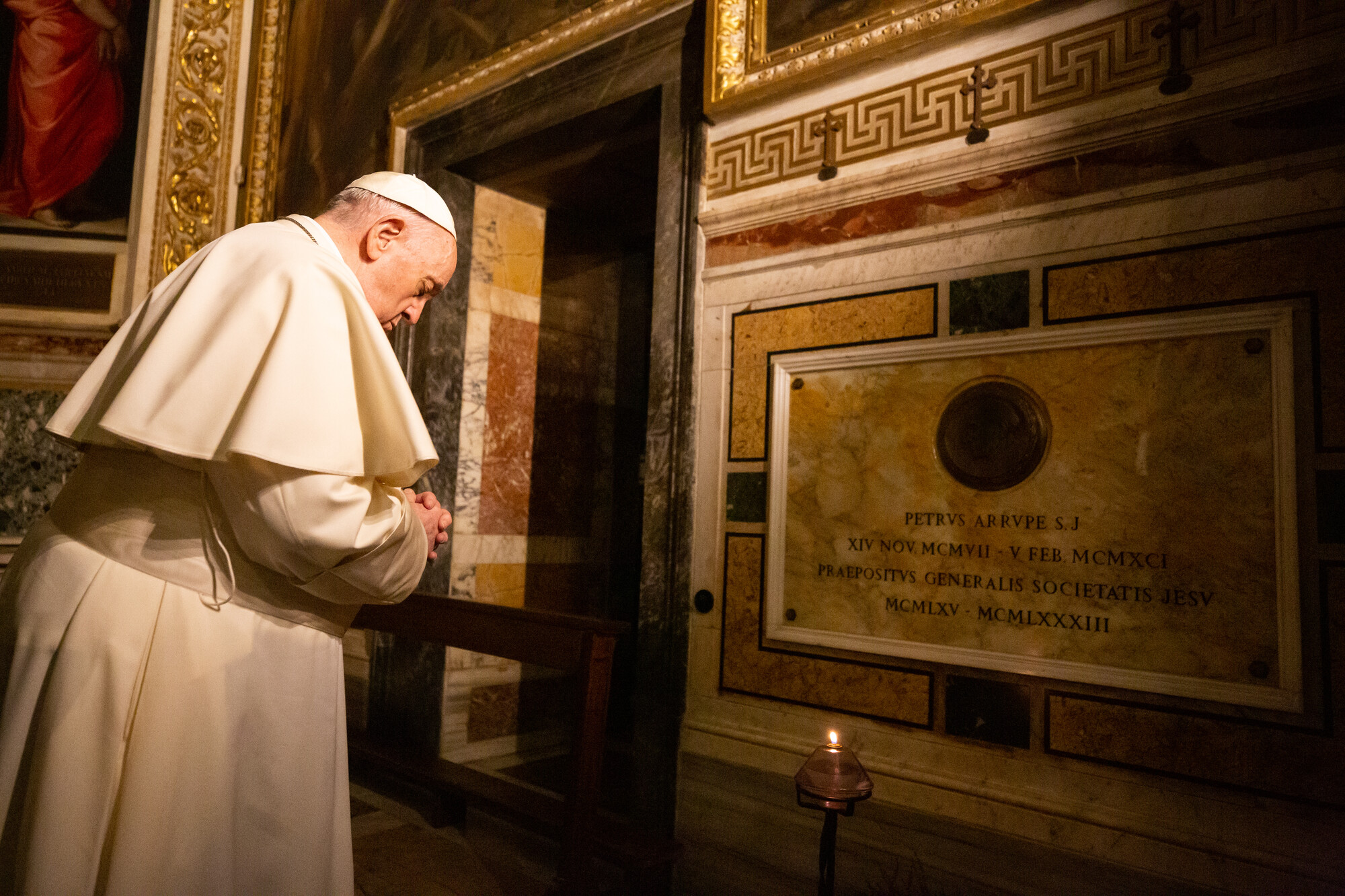
Jerónimo Nadal SJ, one of the first Jesuits, summarized the global scope of the Society of Jesus with the phrase: "The world is our home." Our mission is universal and worldwide. Here, we also hear the missionary mandate of the Risen Christ to his disciples: "Go into all the world and preach the Gospel to every creature." This means that we are "communitas ad dispersionem": a global community sent not only to human beings but to all creatures, to proclaim through words and actions the good news of God's humanity and His kingdom.
I also understand Nadal's phrase in a practical way: Jesuits have houses and communities all over the world. A UN employee once asked me who booked my hotels. To his surprise, I said I didn't need hotels because my order has houses in major cities worldwide. I just check in there. It's always very comforting for me to find welcome in one of our communities and feel at home.
It's not just about buildings but about communities. We have brothers all over the world. We are friends in the Lord who can rely on each other. This is especially important in difficult missions. As the person responsible for aid to Bosnia and Croatia, I could count on my local brothers when deciding how far I could venture into war zones. As general director of Adveniat and on behalf of the German Bishops' Conference, I support the challenging peace and reconciliation process in Colombia. Here, too, trust in my Colombian brothers is essential.
Pope Francis once described the uniqueness of the Jesuits as follows: "men of the whole" (men who face reality in its entirety). The Society of Jesus is a global player in the struggle for faith and justice. Like previous popes, Pope Leo XIV has recently encouraged Jesuits to go beyond geographical, cultural, intellectual, and spiritual boundaries, where known maps are no longer sufficient. As servants of Christ's mission, we are called to make this world more human, more just, and therefore more divine.
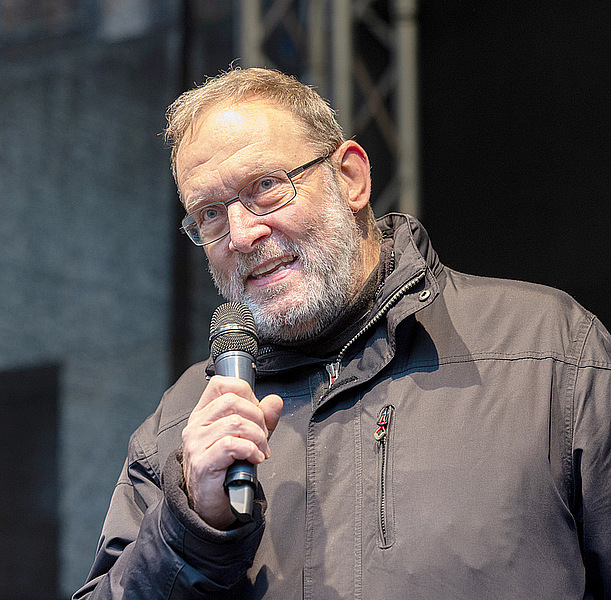
Martin Maier SJ, born in 1960, joined the Jesuit Order in 1979, studied philosophy, theology and music in Munich, Paris, Innsbruck and San Salvador. Doctor of Theology with a thesis on Latin American liberation theology. Country pastor and lecturer in theology in El Salvador. From 1995 to 2009, editor-in-chief of ‘Stimmen der Zeit’ (Voices of the Times), from 2009 to 2014 rector of Berchmanskolleg in Munich, from 2014 to 2021 representative of the Jesuit Order for European Affairs in Brussels, since 2021 chief executive of the Latin American aid organisation Adveniat.
Related Posts:
By examining the tensions between democratic institutions, citizen participation, social movements, and the common good, the article opens a path for reflecting on how new forms of power emerge and how societies can respond to them. As AI systems increasingly shape public life and influence collective decision-making, Bado's vision of a more participatory and substantive democracy challenges us to consider how technology can be governed in ways that promote justice, inclusion, accountability, and human dignity. We invite readers to revisit this earlier reflection as a valuable source of inspiration for discerning how democracy may evolve in response to the opportunities and risks posed by AI and for ensuring that technological progress continues to serve people and the common good.

In Magnifica Humanitas, Pope Leo XIV warns that machine intelligence in war ends by “reducing victims to data.” The machine profiling that registers a person for food can also be used to select a person as a target. A small drone circling a road, with no one steering it, can have such a profile as its target. A drone like this is an autonomous weapon system. Once activated, it selects and attacks targets by itself, matching what its sensors detect to a programmed target profile. No human being decides, at the moment of the strike, that this particular person will die or is the right target. The case most often cited as the first use of such a weapon against people, reported by UN experts, was in Africa, in Libya in 2020.
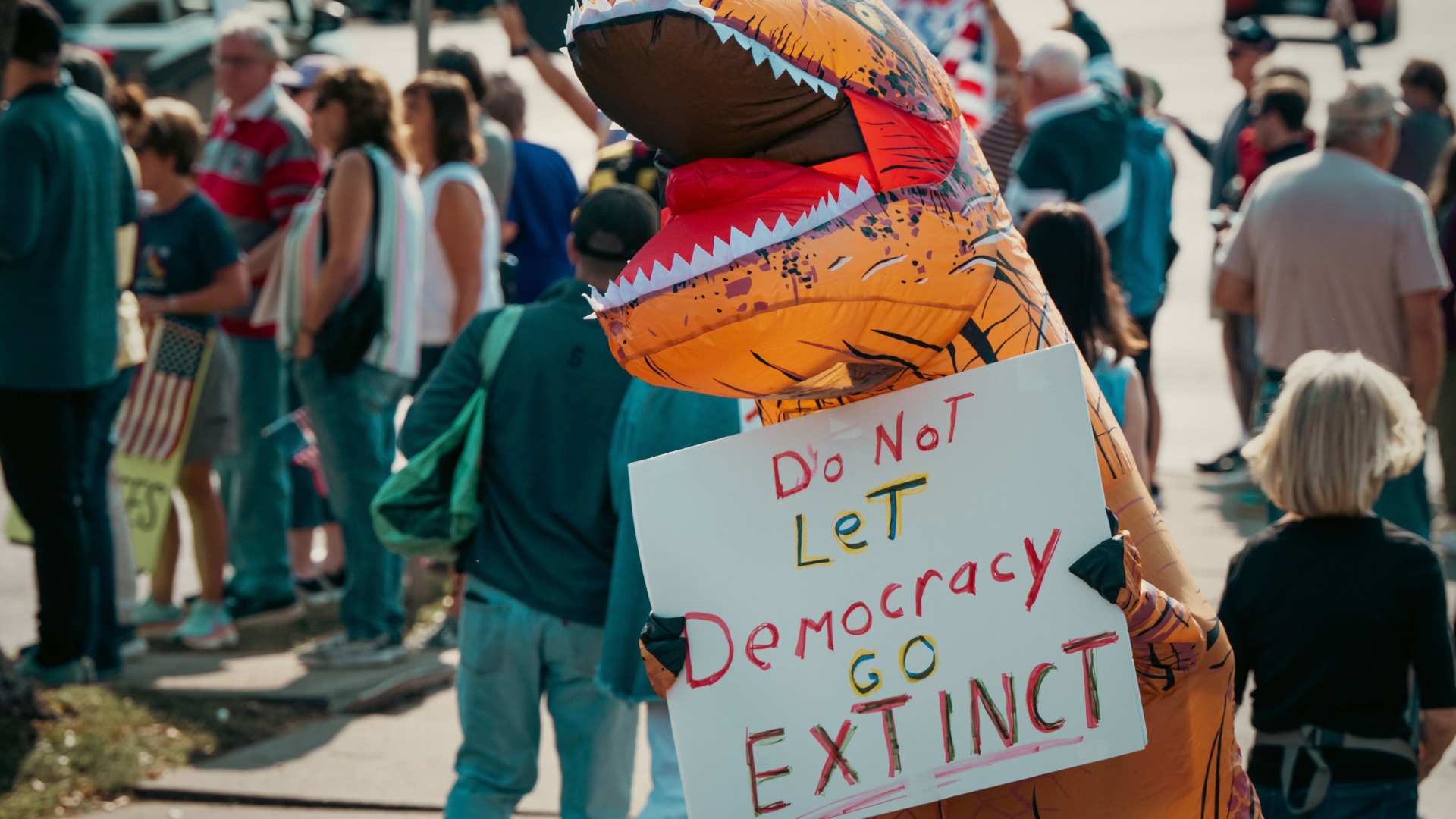
Democracy, which has historically proven most effective in meeting these criteria, cannot be taken for granted. In our AI era, citizens should press for more than multiparty elections and the protection of basic freedoms; that institutional core is not enough. We must carefully regulate and channel powerful technologies with the capacity to divide us from one another and short-circuit social and political participation. That means maintaining spaces in civil society where human contact and social friendship can flourish without the mediation of machines, beginning with the educational systems through which all citizens pass. It means fighting deepfakes and disinformation in the public sphere, so that citizens still operate in a world of facts and evidence and political representation has a strong basis.
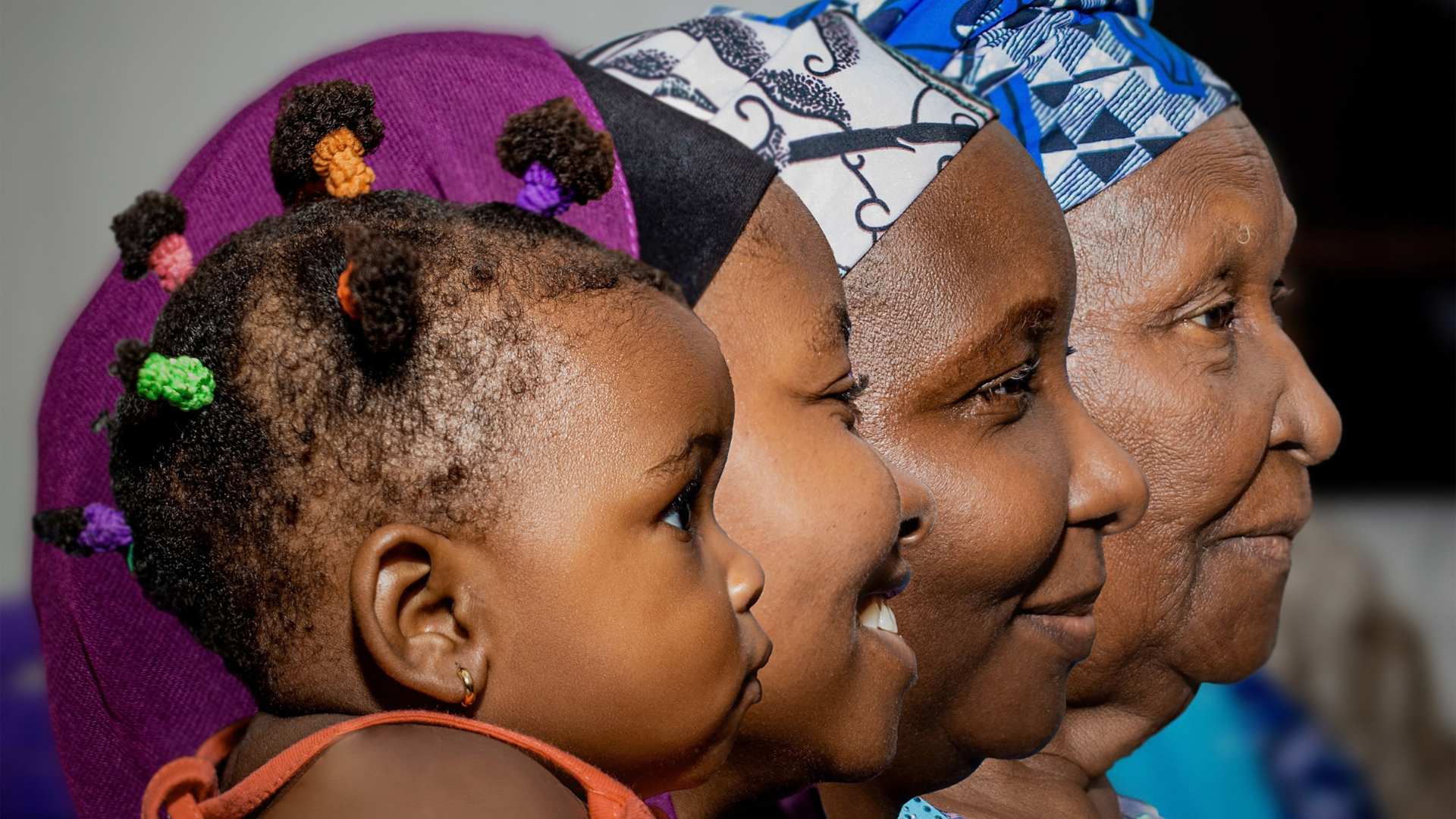
Artificial intelligence (AI) is increasingly entering public life in Ghana, including through digital systems used for identification, verification and service delivery. The ethical question is therefore not simply what AI can do, but what happens to people when digital systems become gateways through which citizenship, mobility or access to services are recognised. In northern Ghana, especially in border communities, this is a concrete question. I was privilege to visit Pusiga community in November 2025 with a Jesuit friend of my mine who is originally from the community. Thus, the topic for this article resonates very well with me.
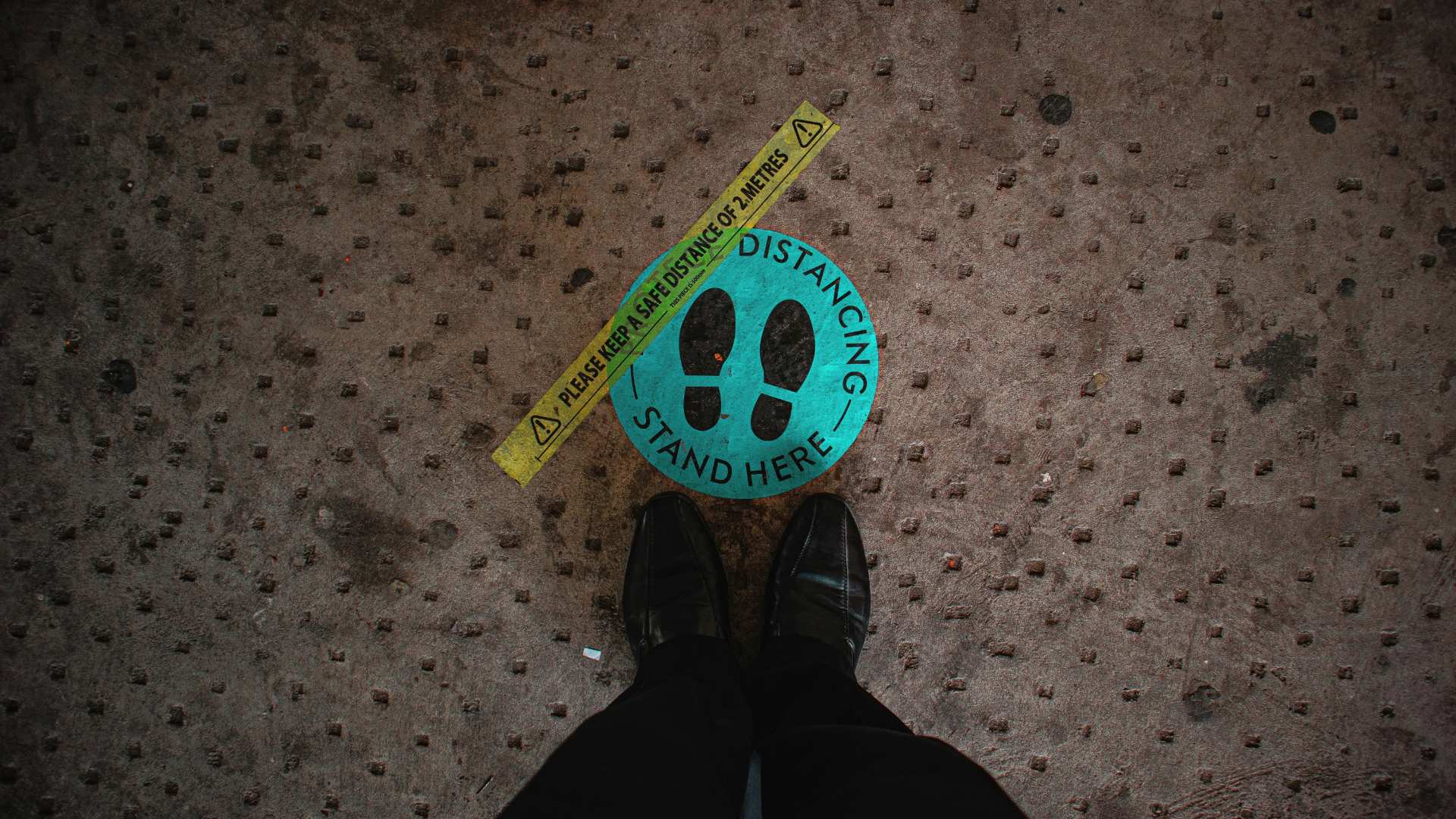
The article ‘Pandemic and Authoritarianism’, by Germán Rosa, SJ, was written in the midst of the COVID-19 crisis, but its insights extend beyond that context. The pandemic appears to reveal and accelerate political trends that were already present: the concentration of power, the weakening of democratic checks and balances, and the acceptance of extraordinary restrictions in the name of collective security. Rosa’s main concern is that fear may lead citizens to silently surrender their freedoms and rights, and that measures which were initially intended to be temporary become normalized and endure. Furthermore, in societies riven by inequality, control is never distributed neutrally: it falls most heavily on the impoverished, marginalized groups, migrants, dissidents and those who defend rights and territories.
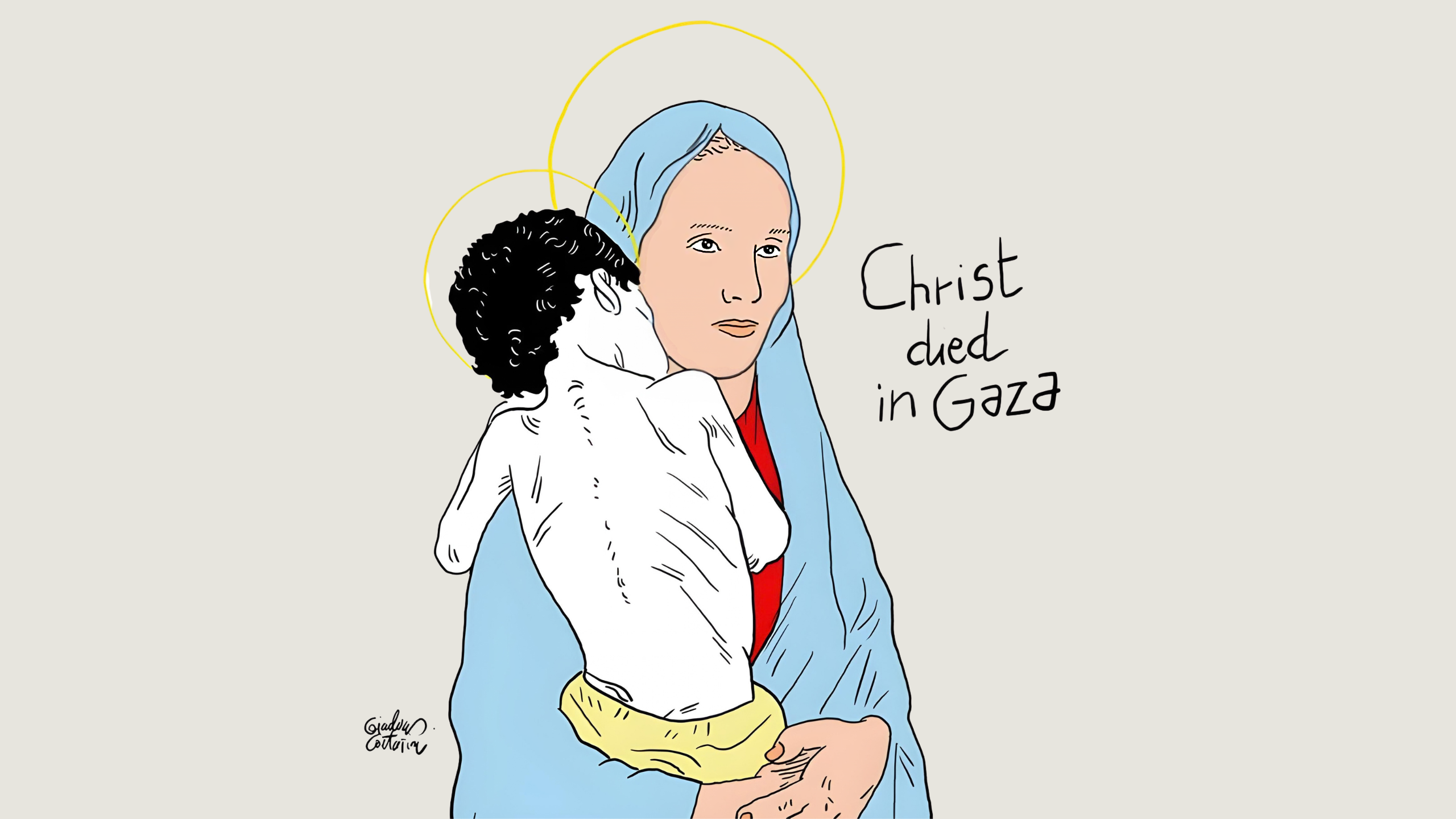
Speaking of dead children is uncomfortable. Yet it can also be healing. As I listened to the stories shared that day, I found myself returning to memories I may at times shy away from remembering. Iremember finding my sister’slifeless body in bed one Saturday morning. Ihad cometo carry her out with me to watch cartoons.As I listened tothe story of Hind Rajab, a 5-year-old girl who had been trapped inside a car attacked by Israeli forces,the memory of a little boy reaching out to touch his sister came back. The young girlhadmanaged to call the Red Crescent for help but hours later she and the paramedics who had come toassisther were all found dead. The chilling story reminded me of the shocking cold that struck my hand as I gently touched my sister’s arm in a futile attempt to wake her up.


