
A Universal Spirituality for Our Times
The Society of Jesus has been listening to God's voice through different decades and has expressed its Identity and Mission during and after the conclusion of its successive General Congregations. The GC 32 declared that Faith and Justice must go hand in hand and that promoting Justice is essential to growing in authentic and genuine Faith. Fighting for the poor and marginalized, a theme repeated by many GCs, is a commitment that every Jesuit inherits from Jesus, their leader, who always stood with the poor. GC 34 emphasized the comprehensive nature of our Mission, connecting Faith, Justice, Inculturation, and Dialogue with other religions and cultures. Furthermore, GC 36 called every Jesuit to Spiritual Conversion by reconciling with God, Humanity, and Creation to promote Justice, Peace, and Care for our common home.
As a Jesuit working in the field of Inter-religious Dialogue for Peace and Harmony, the documents of GC 32, and the succeeding congregations have inspired and motivated me to have a comprehensive view of our Jesuit Life and Mission. My grassroots-level involvement and the spirit of the succeeding General Congregations have opened my mind and heart to move forward in union with our brothers and sisters from other religions and cultures practicing a Universal Spirituality to promote Justice, Peace, Joy, and Hope in the modern world.
In the modern world, we observe that each religious, cultural, or national group often promotes its own sectarian, divisive, specific, and fundamentalist spirituality to strengthen its own dominance over others. This tendency can lead to conflicts. In contrast, a Universal Spirituality is one that is shared and beneficial for all groups, religions, nations, races, cultures, and traditions. It promotes justice, peace, harmony, friendship, collaboration, and the collective progress of all groups and nations around the world. Therefore, such a Universal Spirituality (US) would be truly agreeable and acceptable to everyone, and it is certainly the need of the hour for our modern world, which faces wars and suffering. What would be the key features of such a Universal Spirituality?
Before exploring the key features of a Universal Spirituality, we first need to define the meaning of the word ‘Spirituality’. We can describe it simply like this: True Spirituality is a dynamic, living process—more of a psychological or immaterial process in action—that emanates from an individual and extends beyond that person to reach all realities that surround or are connected to them. While ‘Ego’ is an inward, self-centred, centripetal psychological force that confines a person’s heart to their own material body and pride, ‘Spirituality’ is an outward, other-oriented, centrifugal psychological force that expands the heart to the infinite universe, beings, eternity, and the Super-being (God). As a result, Spirituality always fosters harmonious relationships between a person and all the beings and realities around them. The driving force behind a person’s spirituality is their belief system, worldview, values, and attitudes. Based on these various belief and value systems, we can identify different kinds of Spiritualities such as Catholic Spirituality, Buddhist Spirituality, Islamic Spirituality, Tribal Spirituality, and others.
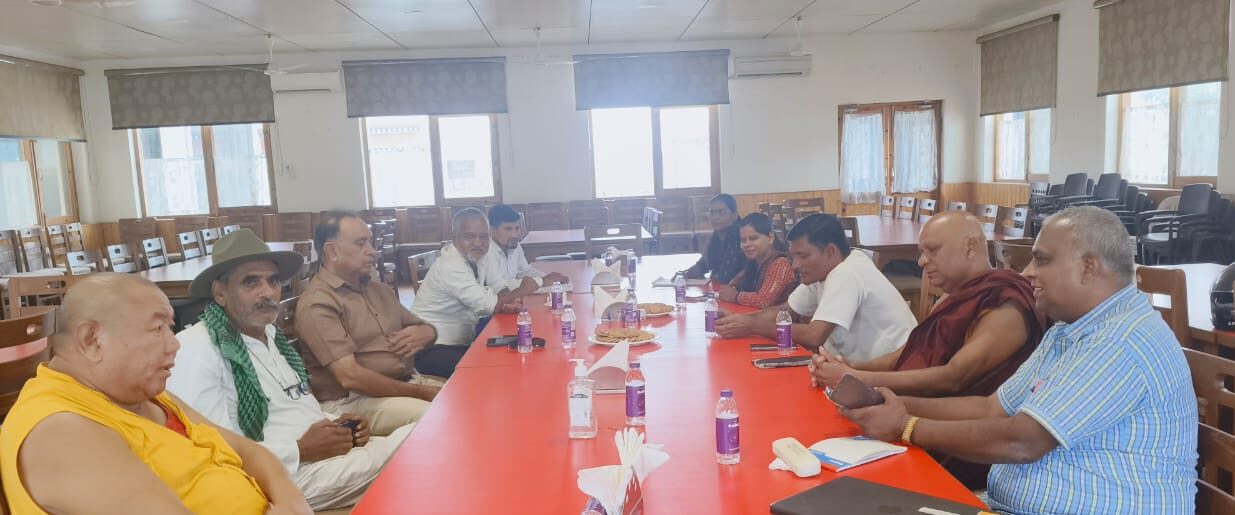
Although spiritualities from all religions and traditions are centrifugal in nature—transcending oneself and reaching out to other realities—and share many common features, a particular religious spirituality may not resonate with someone from a different faith. Therefore, forcing one’s value system and spirituality on others can lead to hatred, conflicts, and violence. This is evident in the modern world today. As a result, the urgent need is to discover a Universal Spirituality that appeals to and is acceptable by people of all religions and traditions. Such a Universal Spirituality would promote mutual respect, care, cooperation, sharing, justice, peace, trust, joy, mercy, and happiness among people of diverse cultures, nations, and religions. We must promote this Universal Spirituality everywhere in the world. How can we accomplish this? What values, attitudes, and guiding principles will inspire and sustain such a Universal Spirituality?
That leads me to reflect on the values, attitudes, and guiding principles that would ignite a Universal Spirituality in humans, which in turn would foster peaceful coexistence, a healthy ecology, and sustainability in the world. In my opinion, the first guiding principle of a Universal Spirituality, without a doubt, would be:
1) Care for Our Common Home, Mother Earth (Eco-Spirituality)
This concern for ecology and Mother Earth has been emphasized today by scientists, environmentalists, and spiritual leaders like the late His Holiness Pope Francis and His Holiness the Dalai Lama. Many religions also emphasize the importance of caring for Mother Earth. There is no other physical phenomenon in our existence that connects us so closely as our dear Mother Earth. The Earth, as our mother, provides all the essentials that sustain us—humanity—and the biosphere: air, water, fire, food, clothing, shelter, minerals, technology, medicine, life, happiness, hope, and spiritual experiences. The shortage, pollution, and imbalance of any of these necessities in any part of the world impact the well-being of all humanity. A prime example is the global outbreak of the Coronavirus, which started in one corner of the world but quickly affected every corner. This experience clearly demonstrates that caring for Mother Earth and its elements (eco-spirituality) should be the primary focus of universal spirituality as its guiding principle.
2) Care for Human Solidarity and Morality
To effectively care for Mother Earth and the environment, we need solidarity, collaboration, and cooperation among all nations to protect and preserve Mother Earth from various dangers. Even if one nation pursues unscientific industrialization, it can affect the entire ecosystem because we are all interconnected. Therefore, human solidarity and collective efforts among nations are essential to safeguard Mother Earth.
To strengthen this human solidarity, we must address the issue of human morality, since a lack of morality leads to division, oppression, exploitation, and harm to both one another and the Earth. Today, worldwide problems like ecological imbalance, deforestation, poverty, and violence result from humanity’s failure to uphold moral values, attitudes, and behaviors. Human morality reminds us of our dignity, honor, responsibility, duties, and the imperatives we must follow for a just and peaceful coexistence. Thus, Universal Spirituality—aiming for a just and peaceful social order—must foster a universal morality that promotes human solidarity. The question is, what can ensure the growth of solidarity and morality among humans? This leads us to the third guiding principle of Universal Spirituality.
3) Inter-Religious Relations, Building, and Spiritual Development
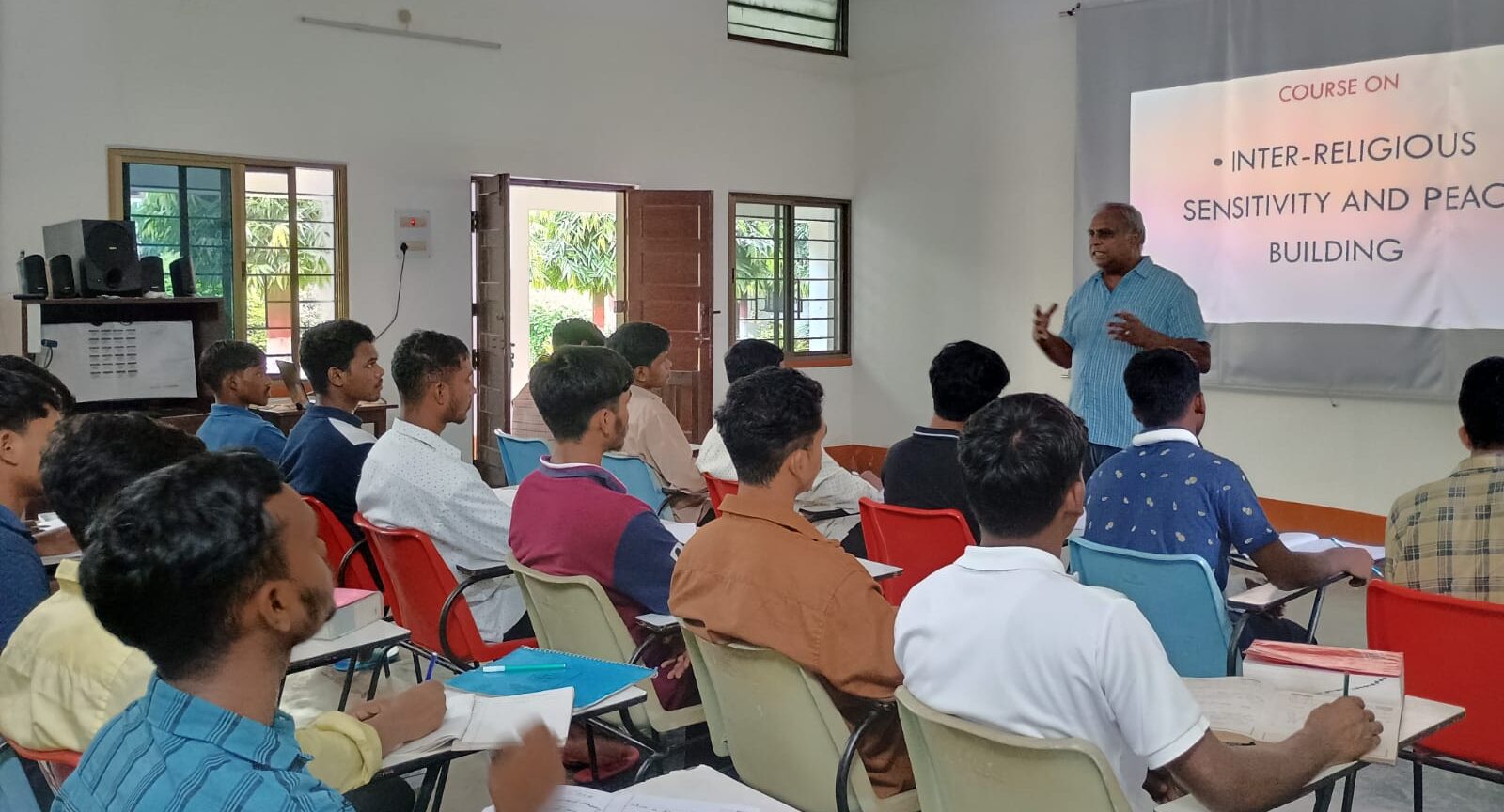
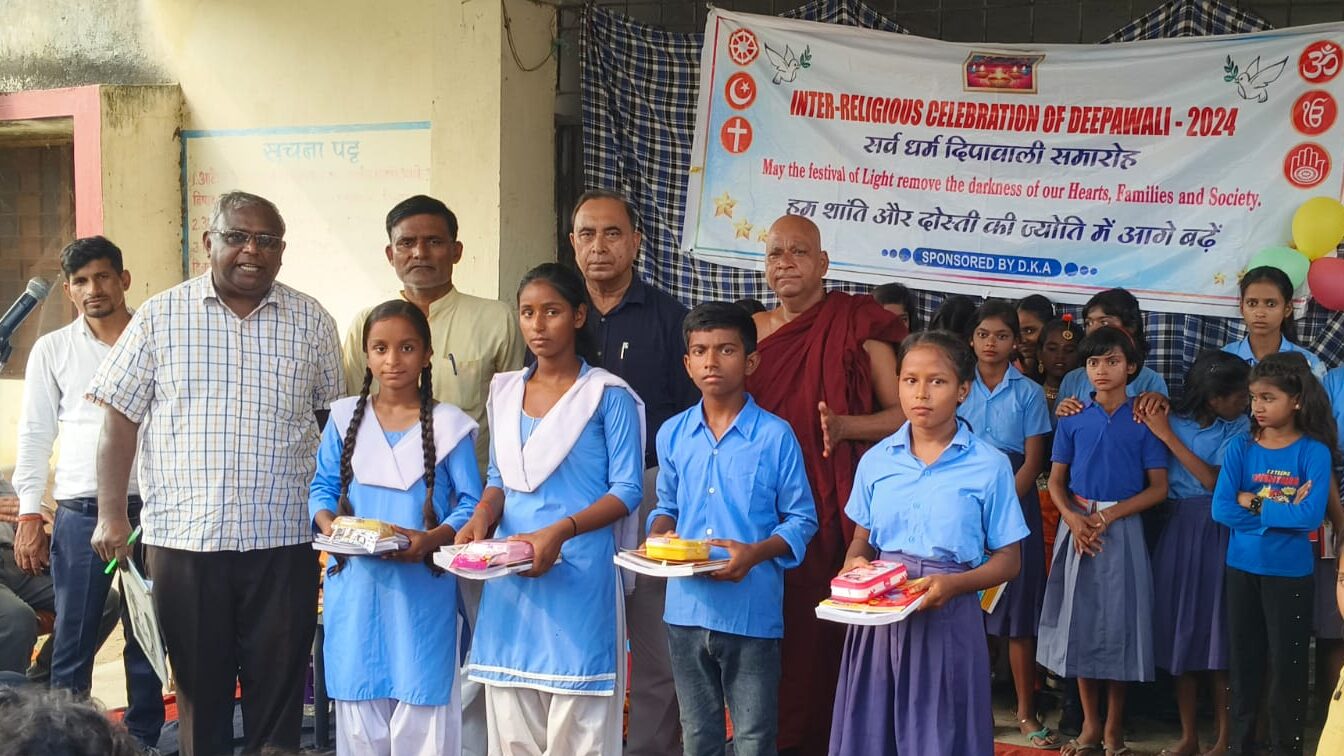
A true religion aims to unite people with the Supreme Power (understood as God in many religions, but as Dharma in Buddhism) and promote morality and spirituality among humanity. However, as we have previously seen, sometimes individual religion can become triumphalist, sectarian, and divisive. Therefore, Universal Spirituality must always encourage INTER-RELIGIOUS ENGAGEMENT AND ENRICHMENT so that all world religions work together for cooperation, collaboration, unity, and solidarity among humans, rather than fostering comparison, competition, division, and domination. Thus, inter-religious engagement and enrichment are among the best ways to promote human solidarity. Additionally, the pursuit of moral and spiritual growth across religions helps us identify the universal human moral and spiritual values that benefit all people, regardless of their religion or nation. Many spiritual Gurus from diverse cultural and religious backgrounds have identified Greed (born of Craving), Hatred (born of Pride), and Falsehood (Ignorance) as the roots of evil and immorality in the world. They explain that from Greed springs the evil of avarice, attachments, and the desire to amass unlimited wealth, pleasures, and resources, leading to inequality, poverty, environmental exploitation, and social unrest. Pride (ego) gives rise to all evils such as anger, revenge, conflicts, violence, arms races, wars, and destruction, resulting in immense suffering, ecological disasters, insecurity, and hopelessness. Both Greed and Hatred originate from Falsehood, or adherence to untruth. The key question then becomes: how can we free humanity from Greed, Hatred, Pride, and Falsehood that cause all forms of suffering and evil? The answer to this question points to the fourth principle of Universal Spirituality.
4) Common Search for Truth
What is the importance of Truth in our lives? When we examine different religions and their views on Truth, certain facts become clear. The Hindu Vedic traditions declare that “The Truth will Triumph.” Lord Buddha stated that “Knowing things as they truly are and behaving accordingly will liberate one from all sufferings. So, attain Wisdom which is the Truth of all things to liberate you.” Lord Jesus Christ preached that “The Truth will set you free,” and further he said that “I came to bear witness to the Truth.” Atheists also agree that “We are ready to accept the Truth of any matter but not the belief of any religion.” And Mahatma Gandhi, who became a global leader in the 20th century, summarized the core of all religions as: “All religions are different paths that seek the same Truth. There is no religion higher than Truth and Righteousness.” From the discussion above, we understand that nearly all religions emphasize Truth as the foundation of our freedom, liberation, and happiness. But why is Truth so vital in our lives? It’s because following the truth helps us recognize evil and sin in our lives, and it encourages reconciliation with all beings in our existence. This leads to forgiveness, justice, and harmony at all levels. Therefore, a shared search for Truth through inter-religious dialogue is essential for promoting morality in humanity via Reconciliation. Reconciliation then becomes our next crucial guiding principle in Universal Spirituality.

5) Promotion of Reconciliation Through Compassion and Mercy
As we all experience in our lives, only when we accept the hard truths (both positive and negative qualities) about ourselves do we become humble, honest, repentant, purified, transformed, and authentic. Individually, once a person becomes truthful and honest with himself or herself, he or she humbly accepts his or her faults, mistakes, wrongdoings, and virtues, and goes through a process of self-realization, repentance, reconciliation, transformation, self-acceptance, and attains inner peace and happiness.
The meaning of the word ‘reconciliation’ is to ‘make peace with,’ ‘to make friends with,’ or ‘to get re-united with’ oneself and other beings and persons. In the four-way reconciliation, a person begins with a) reconciliation with oneself and proceeds through b) reconciliation with the Supreme Power (God or Dharma), c) reconciliation with other human beings, and d) reconciliation with Nature, along with its elements and creatures. This four-way reconciliation motivates a person to give up greed, attachments, pride, and hatred, and to grow in simplicity, sharing, humility, and compassion. It thus enables him or her to attain personal credibility, authenticity, integrity, and harmony with all beings in our existence, which in turn fosters joy, happiness, security, and hope in his or her life.
Thus, we see that promoting the search for Truths through Inter-religious dialogue in Universal Spirituality fosters overall reconciliation, leading to integrity, authenticity, simplicity, generosity, humility, compassion, purity, and peace in individuals. Additionally, it encourages reconciliation, justice, equality, fraternity, peace, and harmony within a nation or society. Therefore, in Universal Spirituality, the promotion of Reconciliation is a fundamental guiding principle. The spirit of Reconciliation will certainly seek justice and empowerment for the weakest and the poorest in our societies and nations. Consequently, this will be our following guiding principle in Universal Spirituality.
6) Empowerment of the Weakest Through Justice
Truth-based reconciliation will surely motivate us to deliver justice to the most vulnerable and marginalized groups in our nations and societies who have suffered for a long time. The materially poor, the physically and mentally challenged, girl children, women, the sick, and the elderly in our community need special attention to ensure their safety, well-being, empowerment, and peaceful living. Supporting and empowering them will promote peace, happiness, hope, mercy, and harmony within them, among us, and throughout society as a whole.
7) Promoting the Spirit of Seeking the Meaning and Purpose of Life
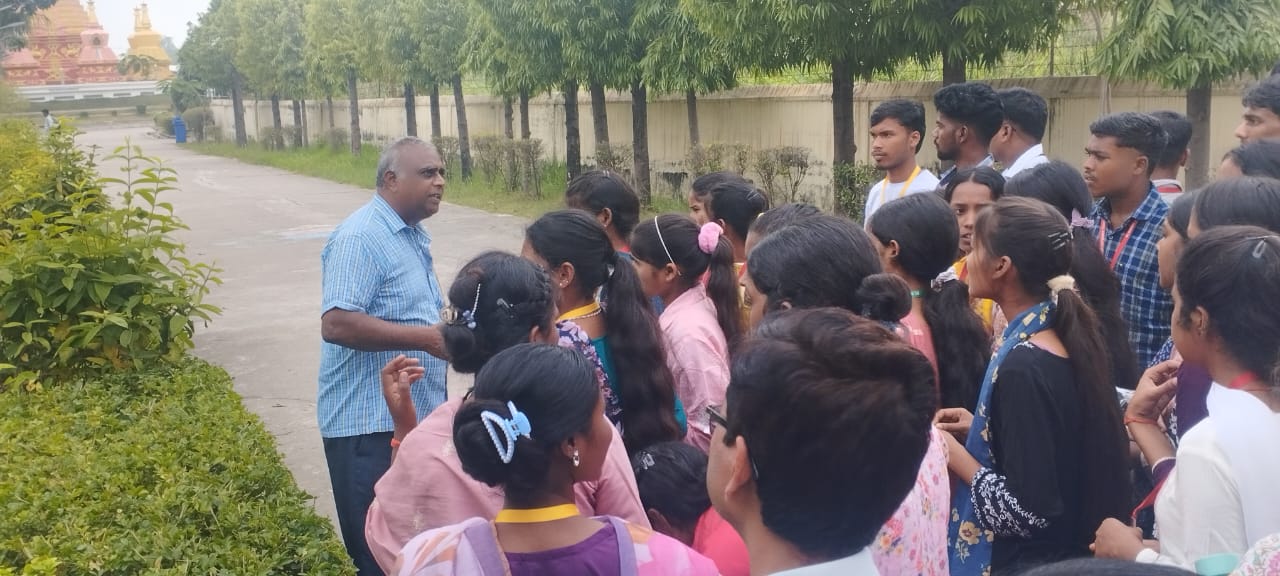
Humans’ pursuit of meaning and purpose in life is a fundamental aspect of every person. This quest for meaning is essential to the spiritual dimension and life of each individual. Therefore, in Universal Spirituality as well, the spirit of searching for life's meaning and purpose must be a core guiding principle. To foster this quest in everyone, spiritual practices such as Introspection, Constant Union with the Supreme Power (God), Meditation, Self-evaluation, Self-purification, and Self-realization— which lead to Inner Freedom, Compassion, and Service-mindedness— should be ingrained in each person. It is this spiritual effort within Universal Spirituality that will enlighten and empower individuals to sincerely practice all the other six guiding principles mentioned above.
Conclusion
Although everyone longs for ‘Justice, Peace, Reconciliation, Harmony, Love, Compassion, Mercy, and Hope’ in their lives, the path to achieving them remains a mystery for many. The Universal Spirituality presented here offers hope as the most effective pathway for people to attain these deeply desired virtues.
May the guiding principles of this Universal Spirituality, namely,
1) care for our common home, Mother Earth (eco-spirituality)
2) care for human solidarity and morality
3) inter-religious relations building and spiritual development
4) common search for truth
5) promotion of reconciliation through compassion and mercy
6) empowerment of the weakest through justice
7) promoting the spirit of seeking the meaning and purpose of life,
enlighten, empower, inspire, and impel us to become torch bearers in the modern world as shining stars of justice, peace, reconciliation, harmony, joy, mercy, hope, and happiness on earth.
 Soosai E. Lawrence SJ
Related Posts:
Artificial intelligence (AI) is increasingly entering public life in Ghana, including through digital systems used for identification, verification and service delivery. The ethical question is therefore not simply what AI can do, but what happens to people when digital systems become gateways through which citizenship, mobility or access to services are recognised. In northern Ghana, especially in border communities, this is a concrete question. I was privilege to visit Pusiga community in November 2025 with a Jesuit friend of my mine who is originally from the community. Thus, the topic for this article resonates very well with me.
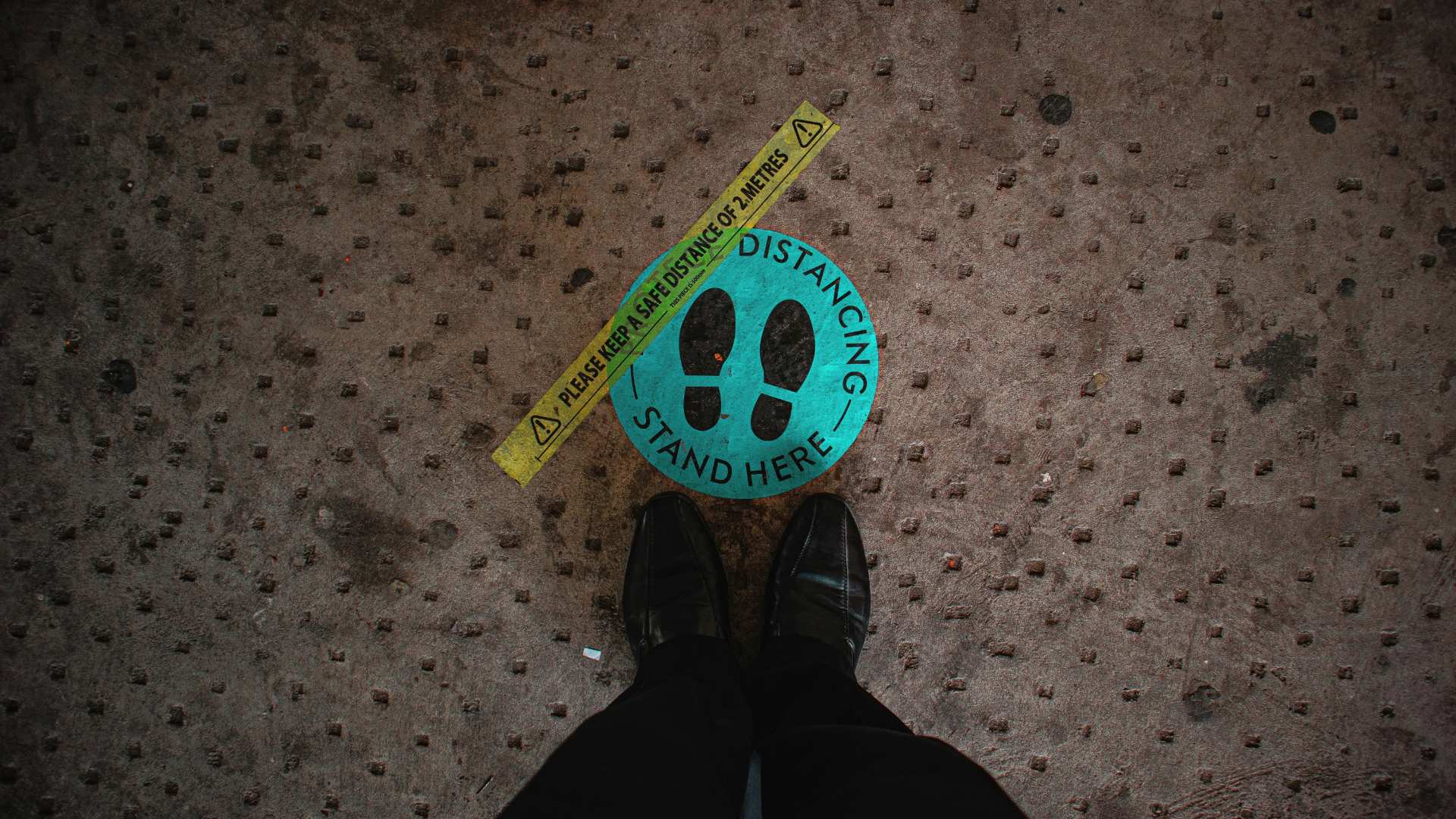
The article ‘Pandemic and Authoritarianism’, by Germán Rosa, SJ, was written in the midst of the COVID-19 crisis, but its insights extend beyond that context. The pandemic appears to reveal and accelerate political trends that were already present: the concentration of power, the weakening of democratic checks and balances, and the acceptance of extraordinary restrictions in the name of collective security. Rosa’s main concern is that fear may lead citizens to silently surrender their freedoms and rights, and that measures which were initially intended to be temporary become normalized and endure. Furthermore, in societies riven by inequality, control is never distributed neutrally: it falls most heavily on the impoverished, marginalized groups, migrants, dissidents and those who defend rights and territories.
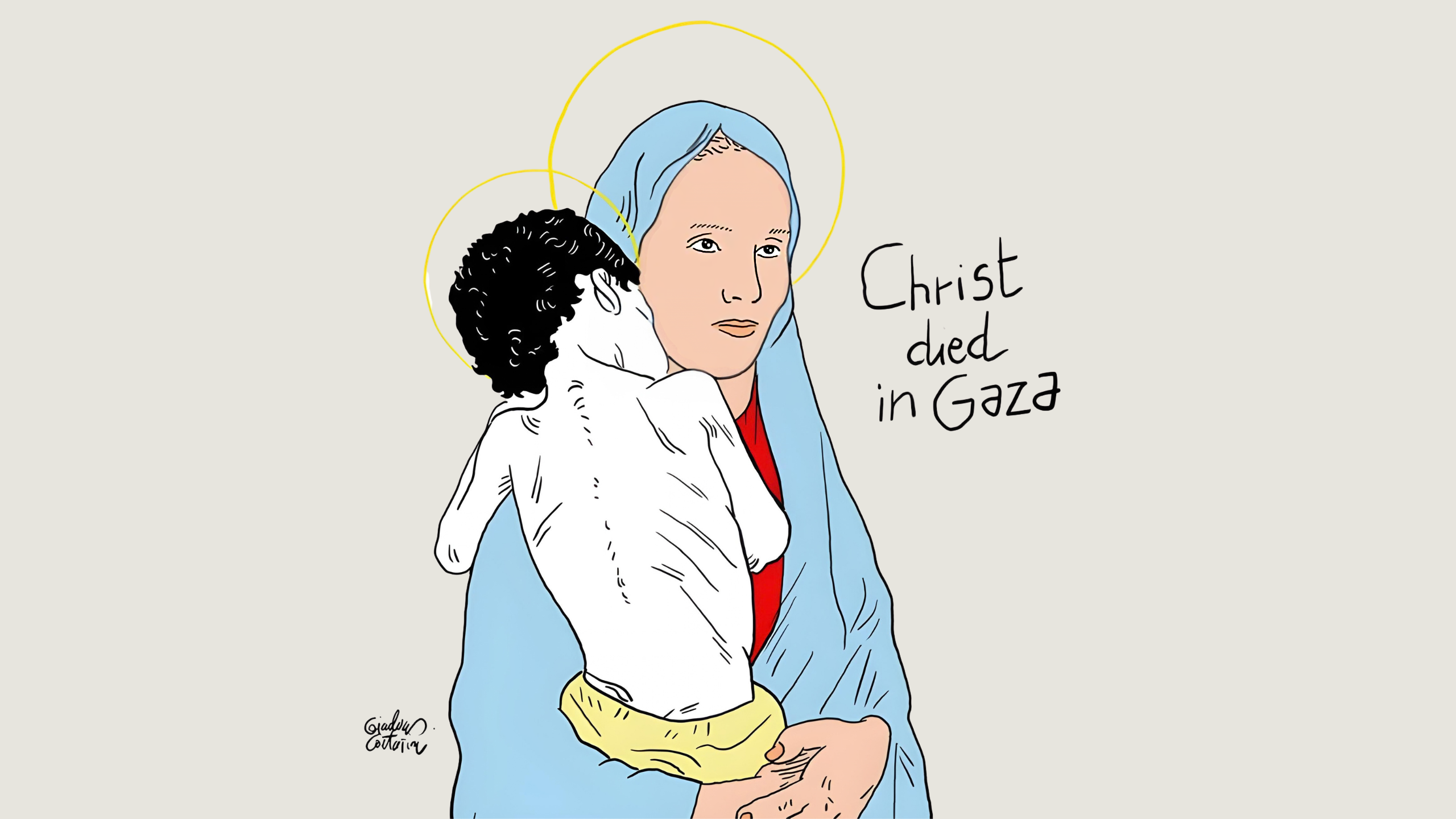
Speaking of dead children is uncomfortable. Yet it can also be healing. As I listened to the stories shared that day, I found myself returning to memories I may at times shy away from remembering. Iremember finding my sister’slifeless body in bed one Saturday morning. Ihad cometo carry her out with me to watch cartoons.As I listened tothe story of Hind Rajab, a 5-year-old girl who had been trapped inside a car attacked by Israeli forces,the memory of a little boy reaching out to touch his sister came back. The young girlhadmanaged to call the Red Crescent for help but hours later she and the paramedics who had come toassisther were all found dead. The chilling story reminded me of the shocking cold that struck my hand as I gently touched my sister’s arm in a futile attempt to wake her up.

Who Are the Victims and Those at Risk of Becoming Victims? When it comes to mining, particular attention must be paid to those who are most vulnerable: Indigenous communities whose livelihoods depend on their land, forests, rivers, and water sources; small-scale farmers; fishers; poor families; women, children, and older people; as well as communities with the least bargaining power in legal, economic, informational, and political matters. They may become victims when land loses its social function, when water sources are polluted or disappear, when the environment is damaged, when livelihoods are disrupted, or when their social and cultural life is transformed without their genuine consent.
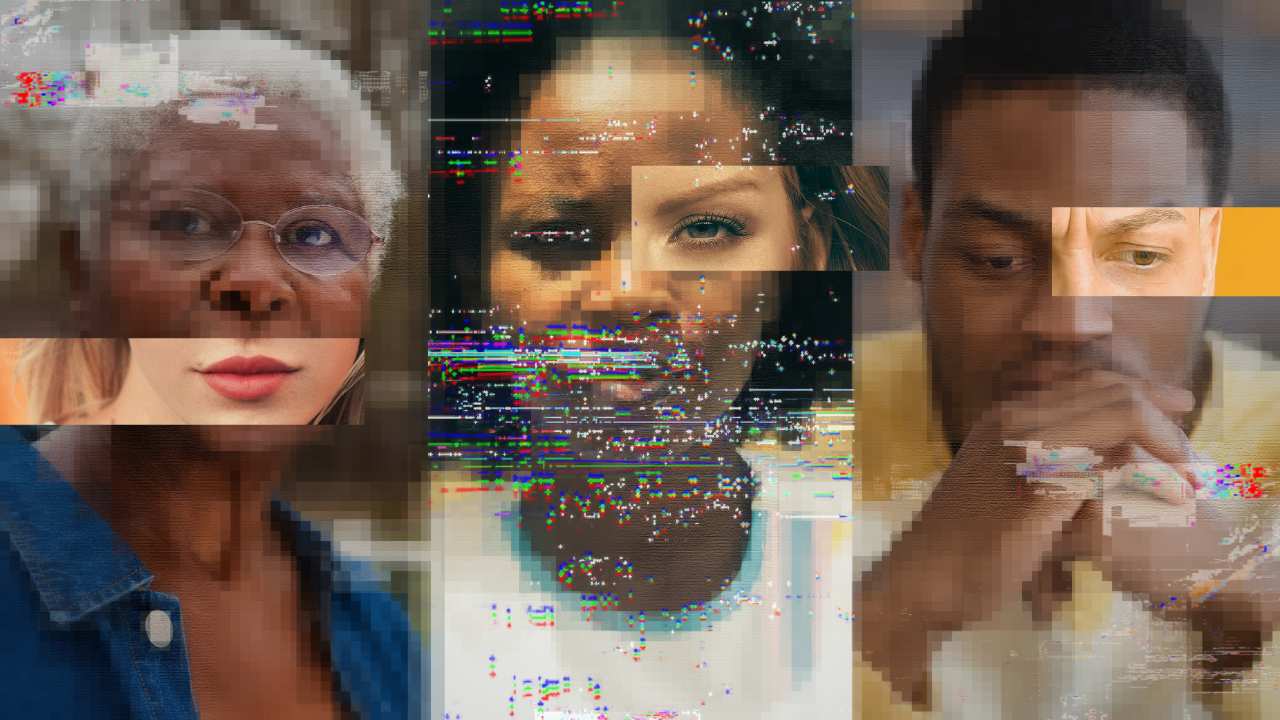
In the affluent community where I live, I walk down the street wearing a t-shirt of the elite Jesuit institution I once attended. It’s as if I presumptuously assume that the t-shirt will alleviate the prospect of being seen by surveilling gazes. Yet, I am instantaneously reminded as car doors lock when I walk beside them, and as purses clutch when I pass by, that my body is rendered as a site of suspicion. I am reminded that my Blackness precedes my existence. I am reminded that my darkened body occludes the presumption of innocence. I am reminded that my dark skin has eviscerated my humanity and has turned me into an object of fear.

When Omar came upon the place in a neighborhood on the outskirts of town, he saw a white rosary hanging over the door and felt a sense of relief. He had been told it was a shelter run by nuns. He had been sleeping poorly for several days and walking in very difficult conditions. His feet were injured, his shoes were torn, and his clothes—which had been wet and had dried on his body over the past two weeks—were terrible. The smell was unbearable. His wife and two young children had been taken in three days earlier at another location, where they could regain their strength. He, being a man, was not allowed to stay in the same space; that was the safety policy they had explained to him.


