
Nothing in AI Is Immaterial. The Genocost of the Digital Age in the DR Congo
I was born in Katanga, the Copper Belt that holds roughly half the world's cobalt, and raised in Kivu, where coltan became, in my lifetime, both fortune and curse. Presently, I am based in California and pursuing advanced engineering degrees at Santa Clara University (SCU), a Jesuit University in the heart of Silicon Valley, one of the most technologically innovative hubs. The inseparable link between those minerals and artificial intelligence haunts my daily life here. I do not approach this link through the archive, but through the ground I was born and raised on. To tell this history is not to complain about a stranger who wrecked our region; it is to take responsibility for what is happening in my country. And so, reading Pope Leo's new encyclical,Magnifica Humanitas (MH), I begin with the question that has long followed me: When will the majority of Congolese finally benefit from their own immense natural wealth, rather than paying for it with their suffering, and, too often, their lives?
Pope Leo XIV's 2026 encyclicalMagnifica Humanitas insists on a truth easy to overlook: nothing in the world of AI is immaterial or magical (MH 173). Every seemingly immediate response, the Pope writes, is the result of a long chain of mediation involving vast networks of natural resources, energy infrastructure and, above all, people. Artificial intelligence is not only software but also hardware, and hardware is made of minerals torn from the earth. Here, my country is most directly implicated. Rich in copper, cobalt, coltan, and rare earths, the Democratic Republic of the Congo (DR Congo) has fueled successive industrial revolutions, yet this wealth has never brought about integral development for its people. A few profit, the many pay. At its extreme, this produces what we have come to call agenocost, a genocide for economic gain, the sacrifice of innocent lives so that extraction may continue.
When the encyclical was launched in the Synod Hall at the Vatican on 25 May 2026, the Congolese theologian Leocadie Lushombo, of the Jesuit School of Theology at Santa Clara University, drew its insights to their logical conclusion from the standpoint of the Global South. The critical minerals that make AI possible (cobalt, nickel, copper, lithium, tungsten, and rare earths) are torn from the soil of the Global South yet never foster the integral development of its peoples. Here lies the decisive reversal. It might be assumed that the Global South stands at the margins of AI, since so many of its people lack even access to a phone. The opposite is true. Because the raw material for every chip is drawn from the earth, the Global South is not a bystander but one of AI's principal actors, its material foundation. The countries of the Global South, Lushombo argues, must be written into AI governance, not left outside it, a point she draws from Chinasa Okolo's recent call in the journal Science to embed critical minerals in the way we govern AI. The continent that may never fully use AI is the continent that makes AI possible.
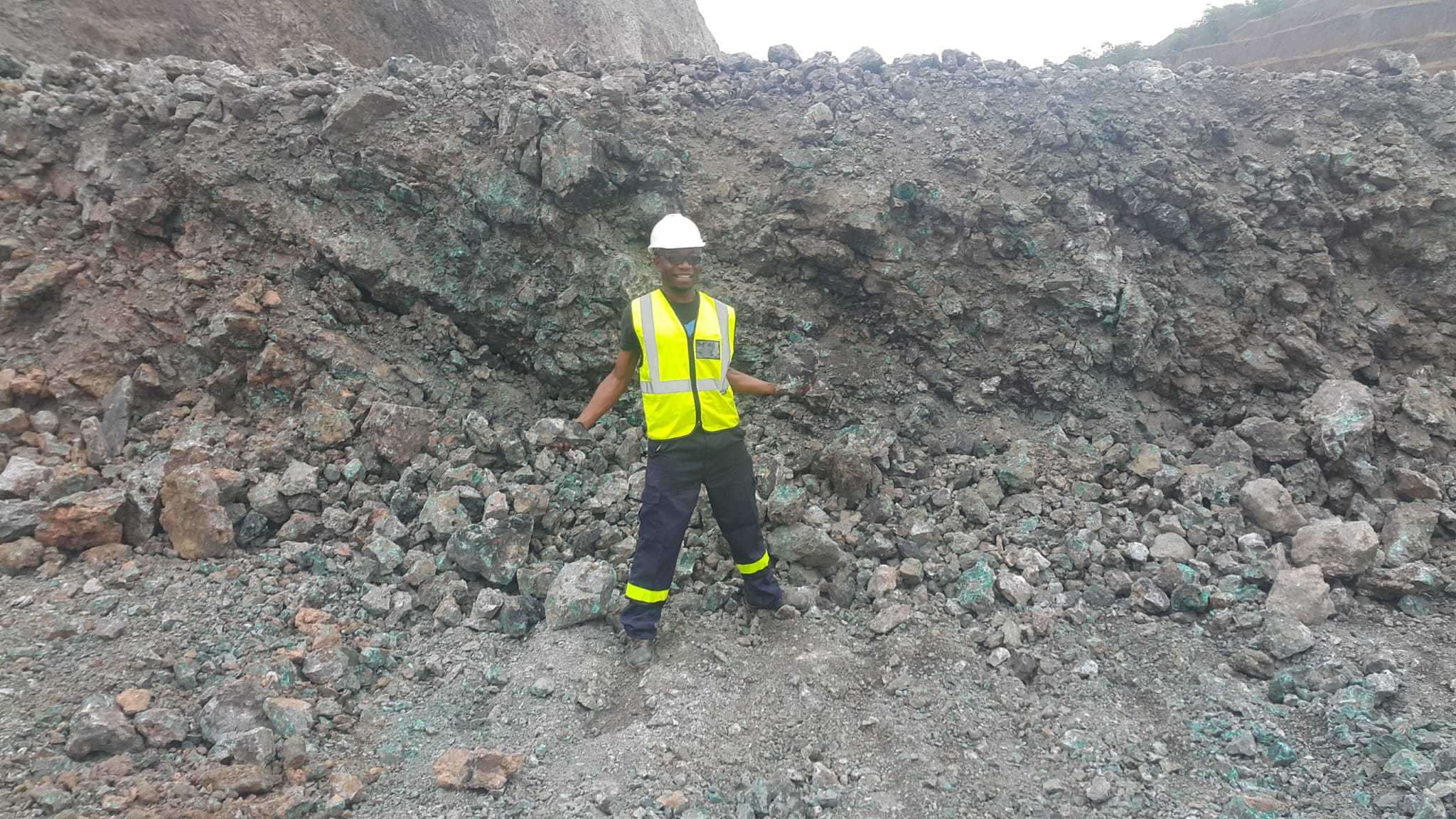
The DR Congo's contribution to the AI hardware chain centers on four minerals, which I subdivide into two families. From Katanga come cobalt and copper: cobalt, the metal that stabilizes the lithium-ion batteries powering the data centers and servers on which AI depends, mined alongside copper, the basic conductor in every circuit and cable. From the Kivu come the '3T' minerals (Tantalum, Tin, and Tungsten). Tantalum, extracted from coltan, is the one most tied to computation itself, forming the capacitors embedded in semiconductors and circuit boards. The point is not abstract. Recent investigations, including documentation from Global Witness, Amnesty International, UN Group of Experts, and more, have traced coltan smuggled from armed-group-controlled mines in eastern DR Congo into the supply chains of major technology firms, while the certification schemes meant to keep such material out have proven porous. The chain that connects a digger's pit in Kivu to a server in Silicon Valley is far shorter and more direct than the seamless surface of our devices would suggest.
The exploitation of Congolese minerals does not merely accompany our wars. It sustains them. Minerals are rarely the spark of war, but they are their fuel and their reward. Over three decades of fighting, a special elite has emerged, a military bourgeoisie stretching from the trenches of the Kivu to the offices of Kinshasa and the corridors of Kigali, for whom violence has become a profitable way of life. For these men, peace is bad business. War is not a breakdown of the system; it is the engine. This is not a hallucination but a real fact. The DR Congo wars have become the deadliest conflict since the Second World War. Countless UN reports, human-rights advocates, and scholars have shown this. Among them are Jason Stearns, Siddharth Kara, and David Van Reybrouck, whose books on the eastern conflict I have read against my own experience. Millions died. And, even today, the war continues. Most fell not to bullets, but to the hunger, displacement, anxiety, and disease that war leaves behind. This is the wound my country now namesgenocost.
To speak ofgenocost is not to borrow a metaphor. It is a concept the Congolese have defined, legislated, and commemorated themselves. That means the destruction of a population through the systemic economic exploitation of its vital resources, when such effects are willed, known, or accepted as a necessary cost of profit. The term was coined by Congolese activists in 2013, in the wake of the United NationsMapping Report on the crimes committed in the east since 1996. In 2022, it was enacted into Congolese law, with the National Reparations Fund, FONAREV, established to assist victims. It names a century of predation, from the rubber terror under Leopold II, when an estimated ten to thirteen million Congolese died, to the resource wars of our own time. Each year, on the second of August, a memorial in Kinshasa of ninety-three stelae and an eternal flame honors the dead. Congolese did not wait for the world to name its dead. Even as we wait for the world to do the same and more, we are pushing for restorative justice and sincere reparations.
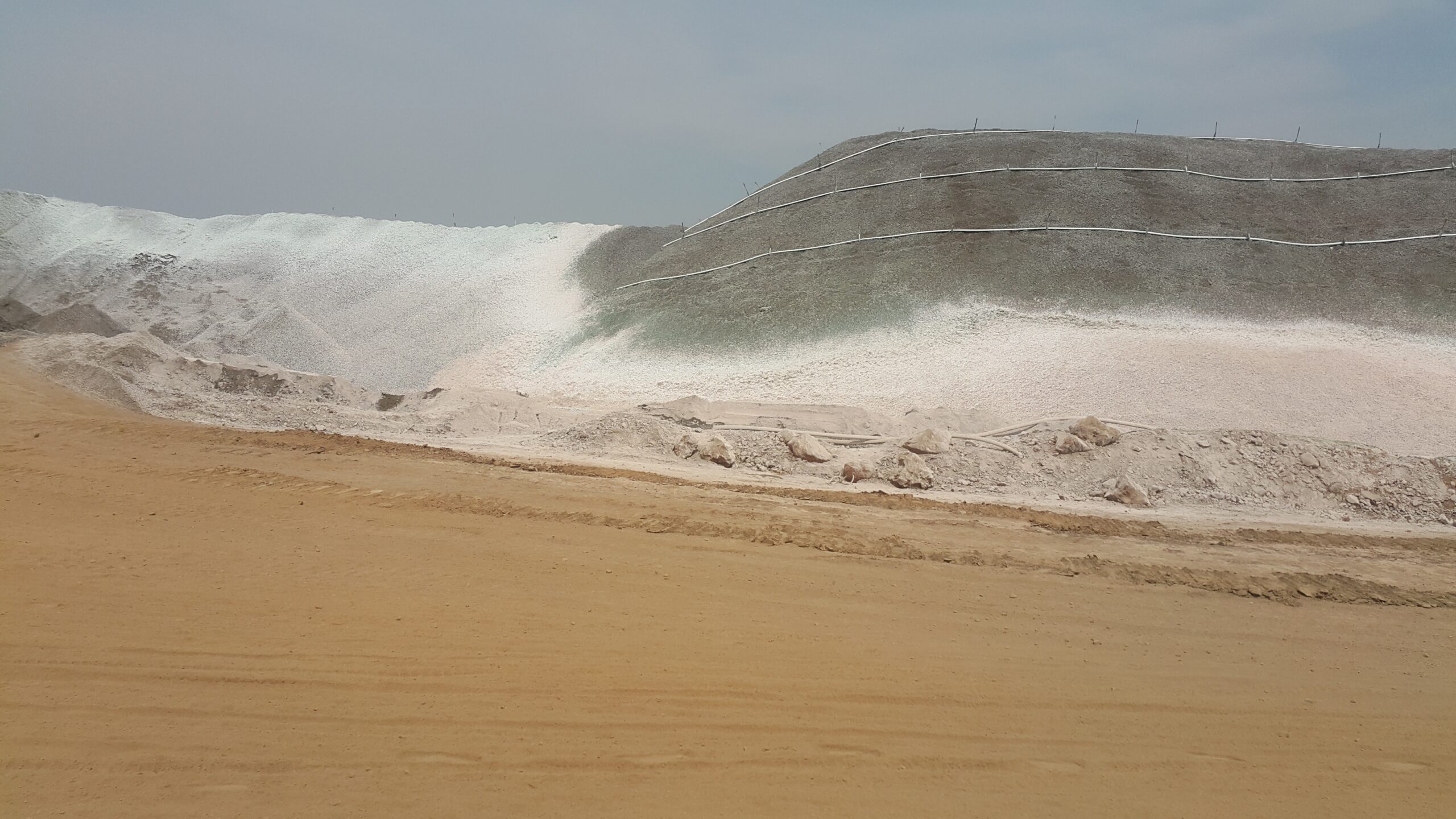
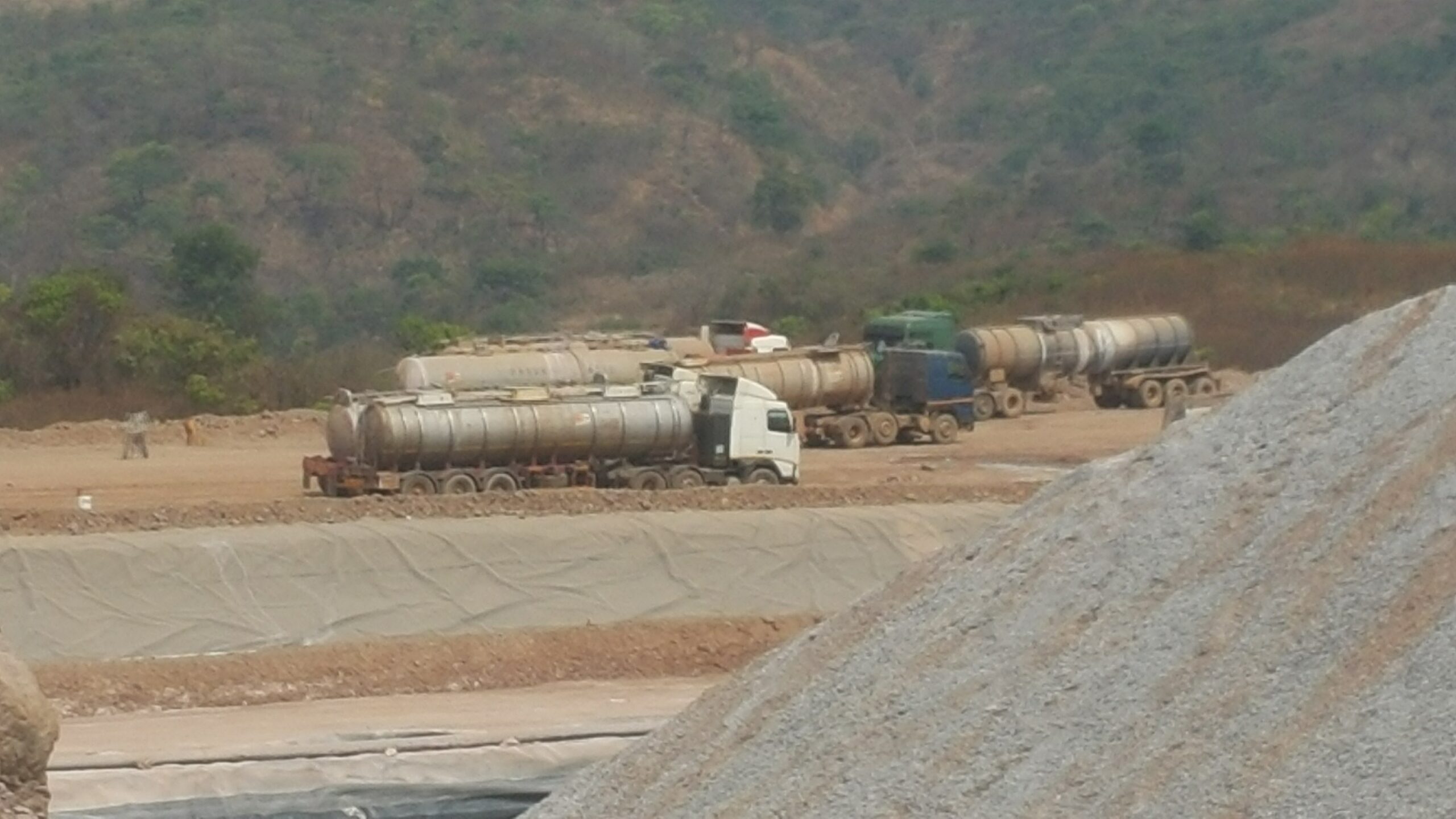
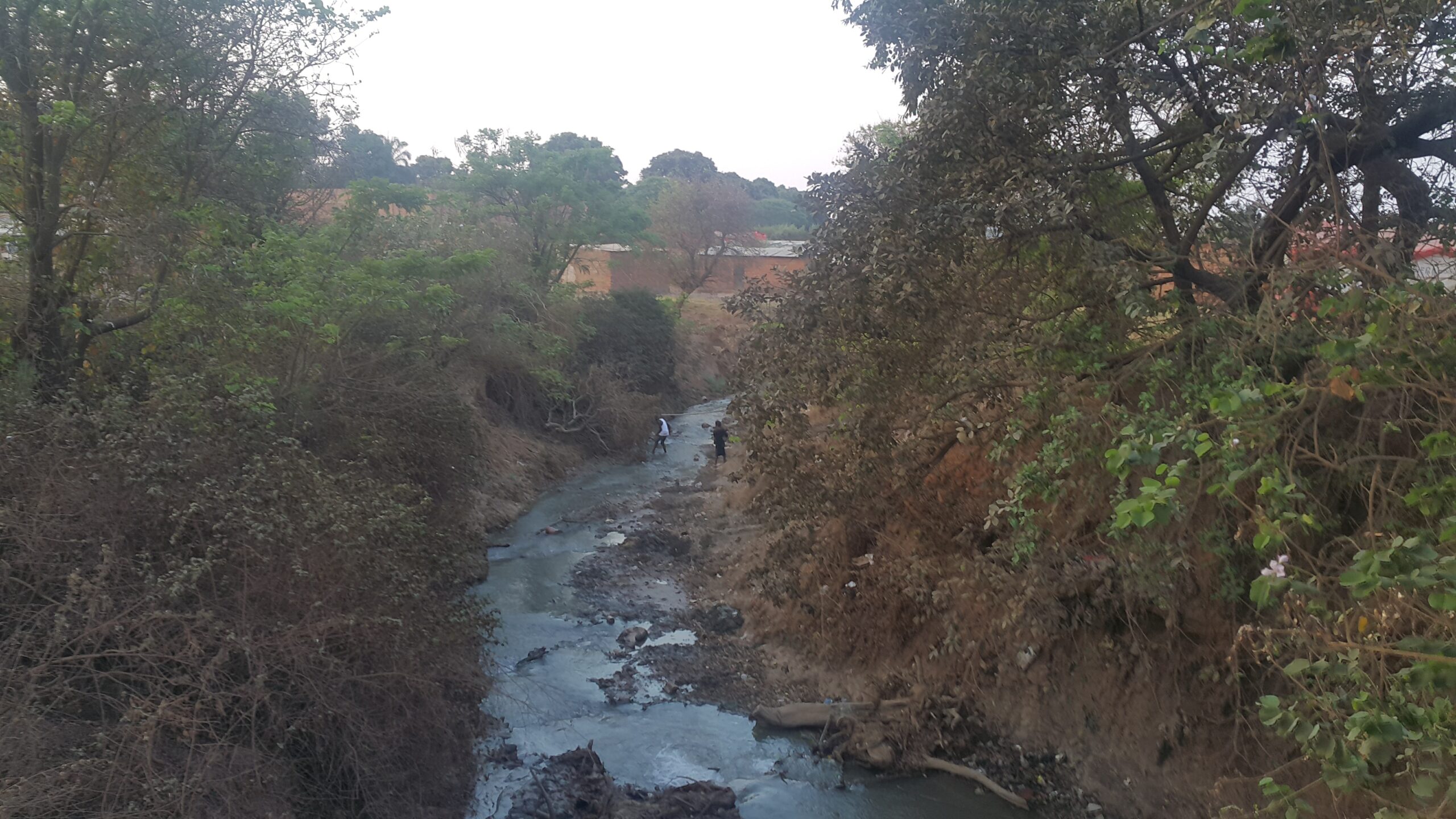
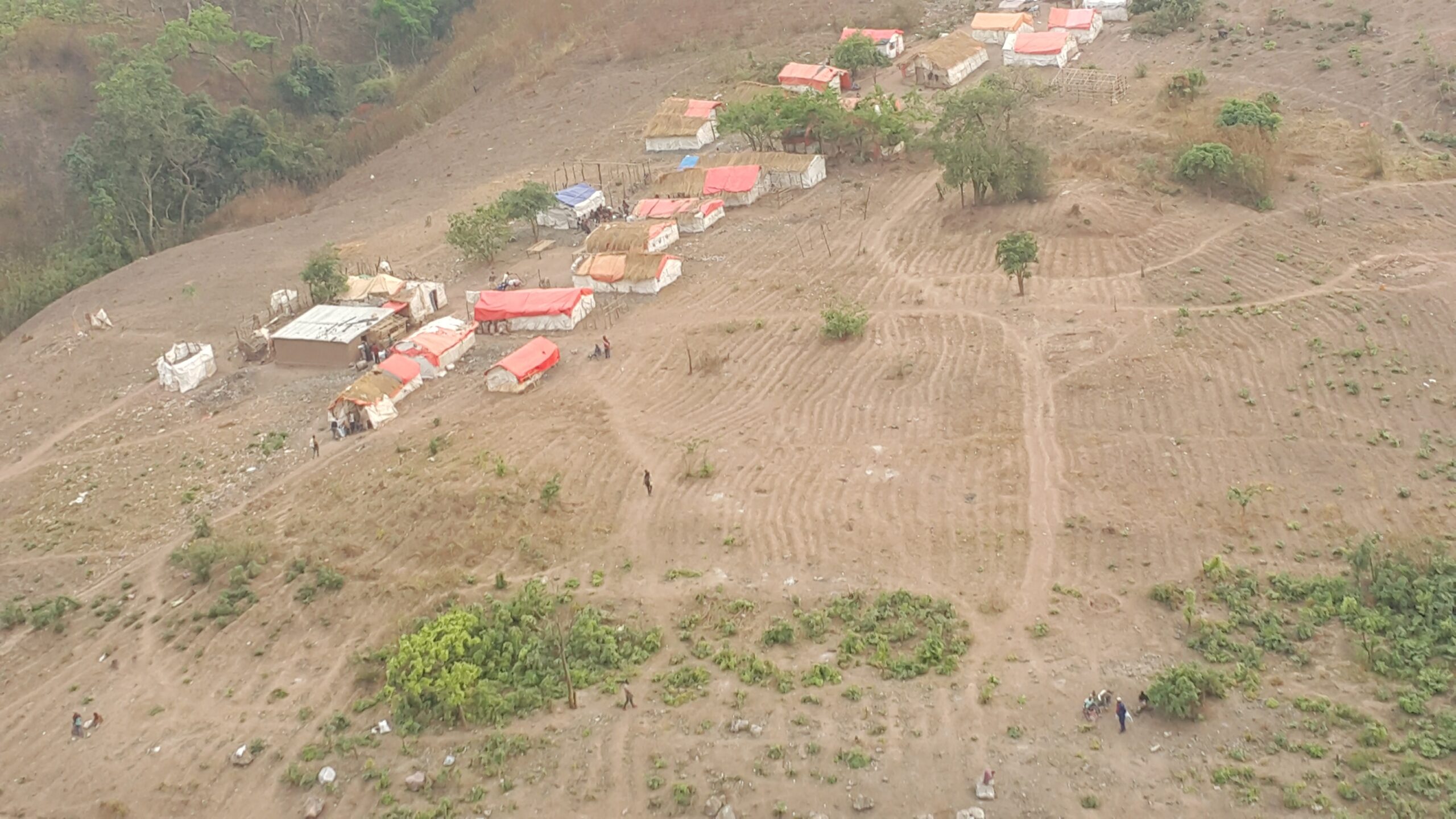
This harmful situation is not only human but also ecological in nature. Around Kolwezi, alongside some timidly successful human development stories, the earth has been hollowed into vast craters, and toxic waste from the processing plants seeps into the soil and water. Rivers that once gave life now carry contamination. In the Kivu, artisanal pits scar the hillsides and silt the streams below. This is the cost the ‘cloud’ imposes on our watersheds. Every server cooled in the global North draws, somewhere, on a river fouled in the global South. Integral ecology, as the Church teaches, refuses to separate the cry of the earth from the cry of the poor. In the DR Congo, they are the same cry. To defend the dignity of the digger is also to defend the river, the forest and the soil that extraction has wounded.
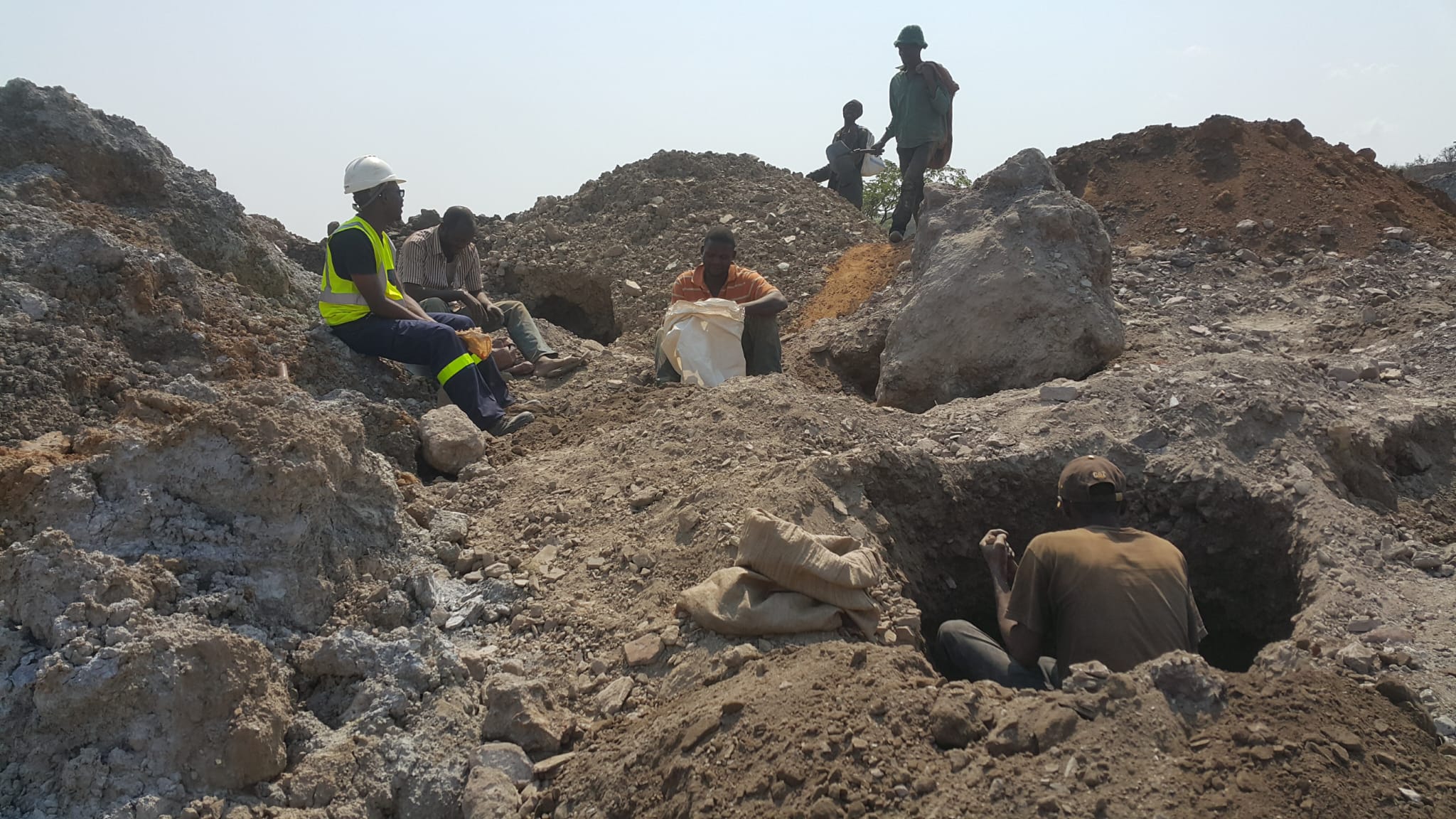
Yet the territories that bear the costs of the cloud are not only victims. They resist. They build. I saw this myself in 2020. As a student in Rome, I joined an information campaign on conflict-free minerals, organized by the Fondazione MAGIS. My task was to collect data on artisanal mining in eastern Congo. What marked me most were the traceability records of Abbé Justin Nkunzi, current director of the Justice et Paix Commission in the Archdiocese of Bukavu. He let me read and copy them. They were patient documents, tracing, pit by pit, what came out of the mines. Holding those pages, I understood that the will to change is already here, on the ground. Against the elites, the local companies, and the multinationals who profit from disorder stand the people who organize from below. They are citizen movements demanding water, electricity, and security. They long, above all, for peace and stability. And they are the cooperatives now forming in the mining zones, where diggers pool their output and try to escape the middlemen who have always captured the value of their labor.
Here the encyclical and my life converge. They point to two things. The first, Pope Leo names directly: supply chains must become transparent, so that no competitive advantage is built on hidden exploitation. Ethical due diligence must accompany them (MH 179). The schemes meant to ensure this have failed before. Transparency cannot be a label. It must be a verified chain, from the pit to the processor. The second, my experience insists upon: the communities who bleed for these minerals must be made partners, partners in the management of what lies beneath their land, and in its benefit. This means cooperatives that let diggers sell collectively. It means a fixed share of the revenue is returned to the people of the provinces, so they can build schools, clinics, roads, and clean water that extraction has always promised but never delivered. It means genuine consent over the concessions carved out of their ground. For too long the Congolese have been treated as the labor beneath the chain, never as partners within it. To give the victims a voice and a share is to refuse the logic ofgenocost at its root.
Will this continue? I do not know. But I will not answer with despair. I answer with conditional hope. Hope that depends on what we choose to do. I have stood at both ends of this chain. I have seen the pits of Kivu from below, and I now study among those who design the chips from above. So let me be concrete. The engineer can ask where the minerals in his design were dug and refuse to build until he knows. The student can break the comfortable ignorance that treats the digger as invisible. The investor can move capital toward the companies that can answer, and away from those that cannot. The Congolese in the diaspora can carry the truth of the pits into the rooms that would rather not see it. None of this waits for permission. It waits on people willing to look down on the chain and act. The Ignatian tradition asks exactly this: to see this reality from below, to judge it against the dignity of those who dig, and to act alongside them. The minerals of the DR Congo built the digital age. They can yet help build a just one. The eternal flame in Kinshasa burns for the dead. May it also light a path for the living.
Author
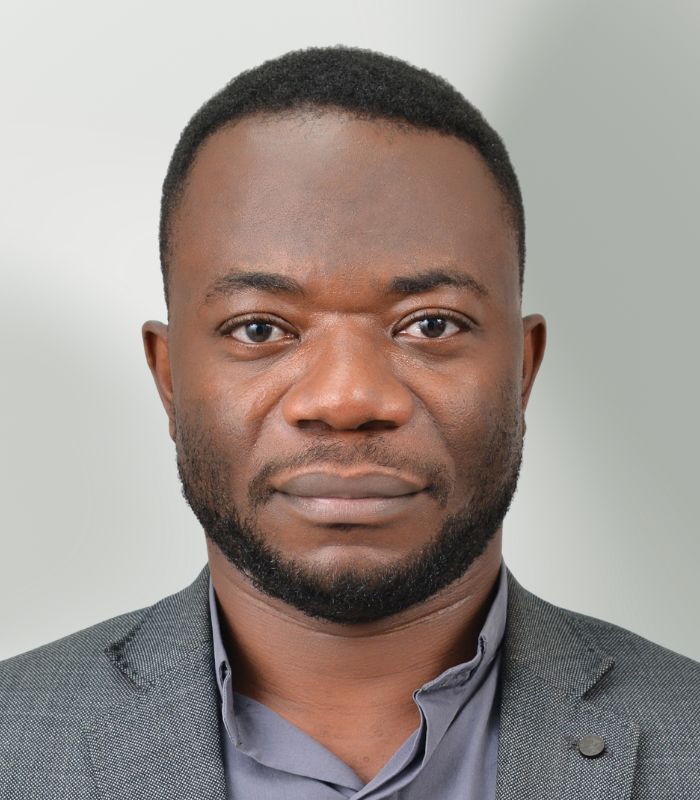
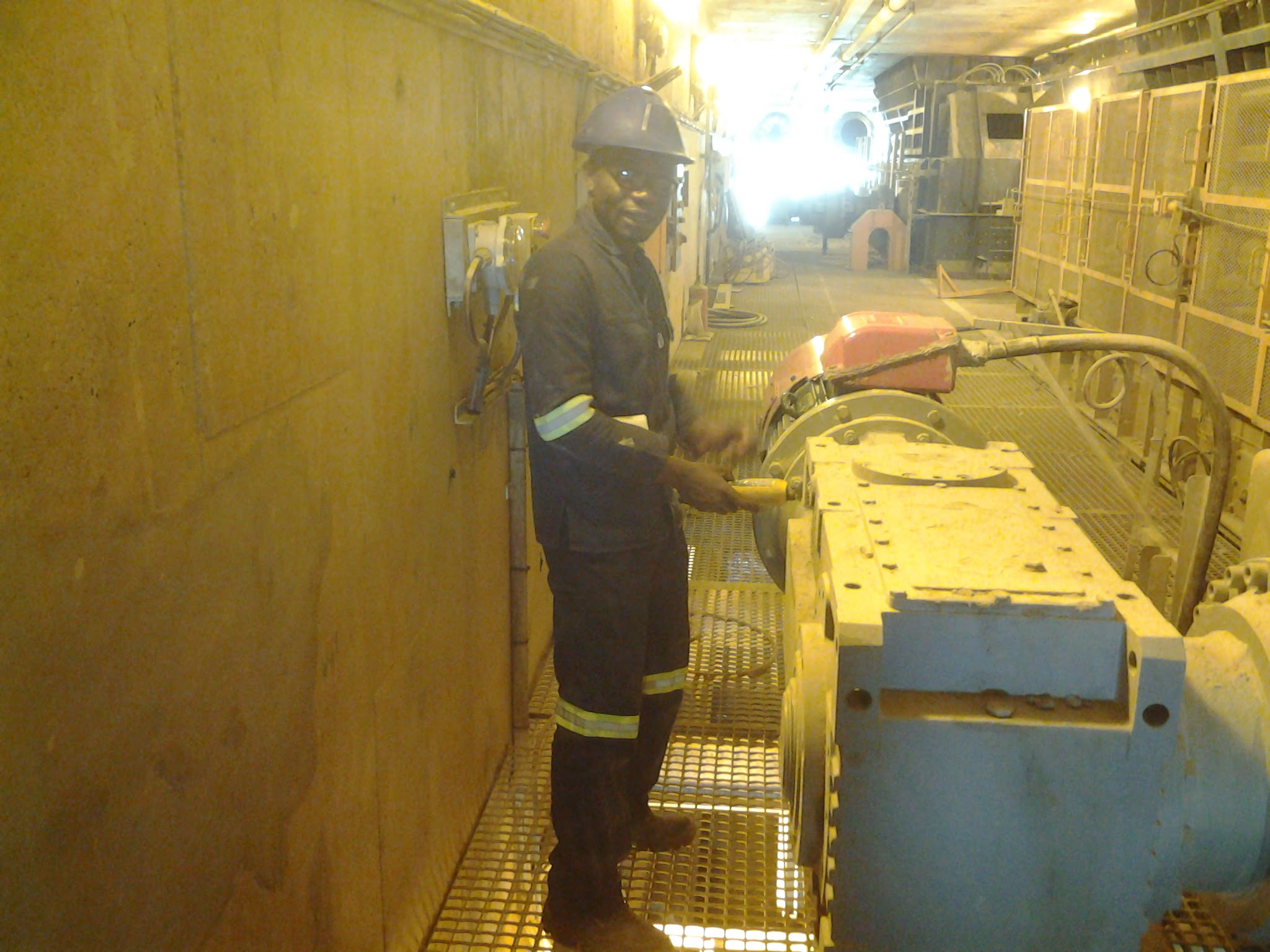
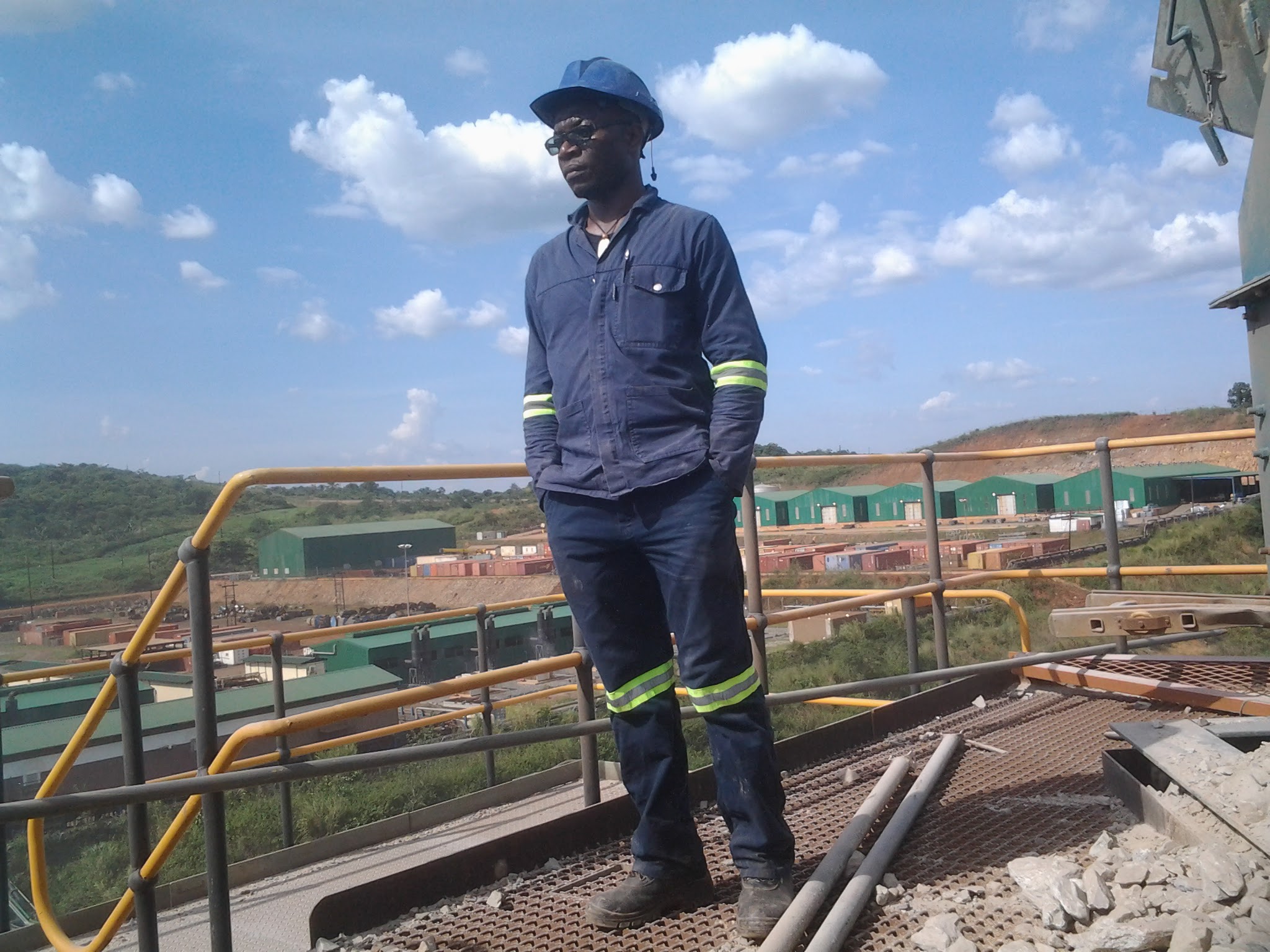
Didier Cimalamungo Bahizire, SJ, is a Jesuit priest from the DR Congo. He holds an Engineer's Degree in General Engineering (UCAC-Icam), a License in Theology (Pontifical Gregorian University), and an STL in Ethics and Moral Theology (Jesuit School of Theology, Santa Clara University), where his thesis examined restorative justice for mining corporations in Kivu's coltan sector. His current research in Electrical and Computer Engineering at Santa Clara University focuses on power systems and sustainable energy. A former lecturer at Loyola University of Congo, he draws on eight years in Africa's mining industry and on his research into ethical gold traceability to work at the intersection of engineering, extractive-industry ethics, and Catholic social teaching.
Related Posts:
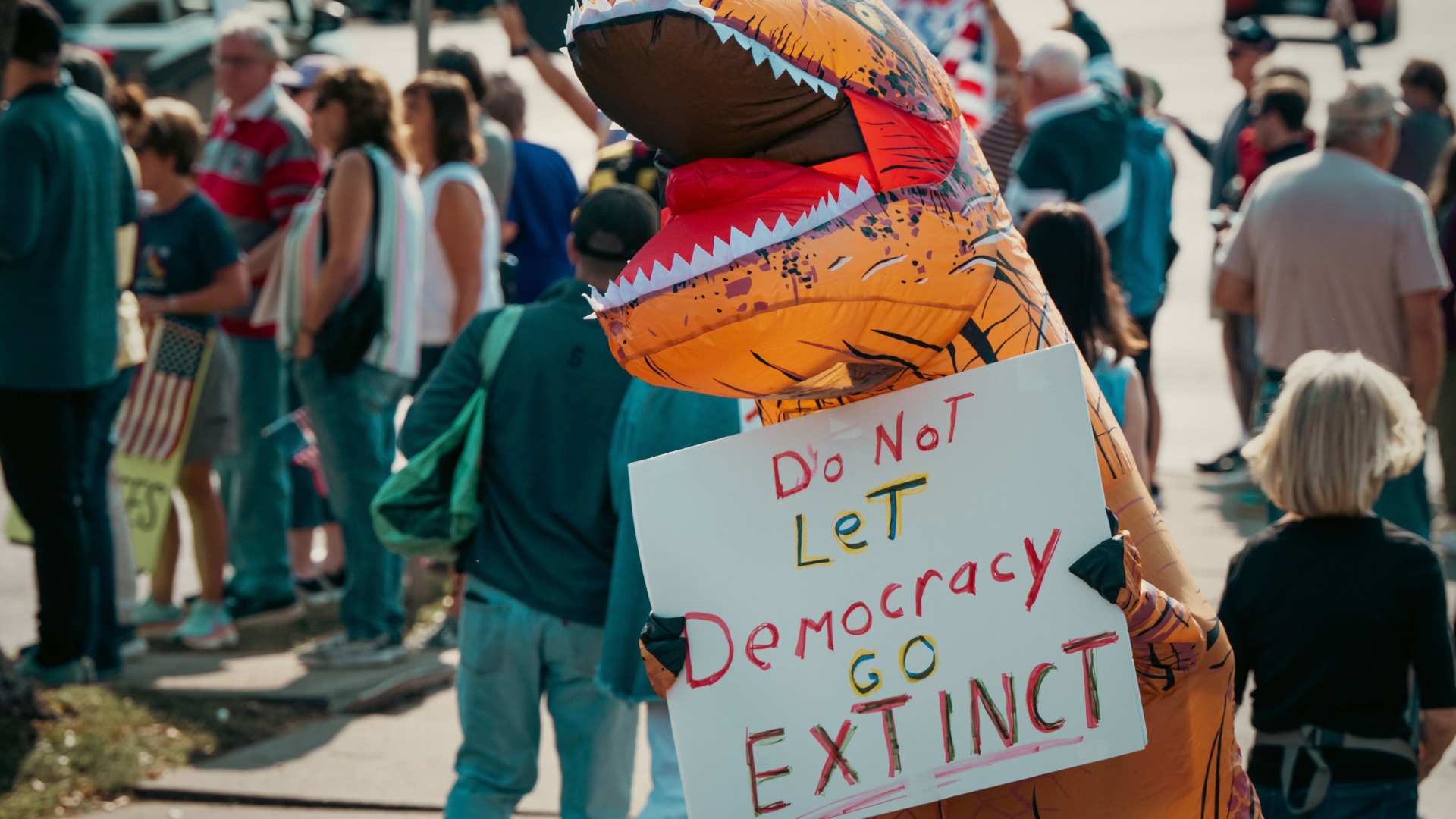
Democracy, which has historically proven most effective in meeting these criteria, cannot be taken for granted. In our AI era, citizens should press for more than multiparty elections and the protection of basic freedoms; that institutional core is not enough. We must carefully regulate and channel powerful technologies with the capacity to divide us from one another and short-circuit social and political participation. That means maintaining spaces in civil society where human contact and social friendship can flourish without the mediation of machines, beginning with the educational systems through which all citizens pass. It means fighting deepfakes and disinformation in the public sphere, so that citizens still operate in a world of facts and evidence and political representation has a strong basis.
Artificial intelligence (AI) is increasingly entering public life in Ghana, including through digital systems used for identification, verification and service delivery. The ethical question is therefore not simply what AI can do, but what happens to people when digital systems become gateways through which citizenship, mobility or access to services are recognised. In northern Ghana, especially in border communities, this is a concrete question. I was privilege to visit Pusiga community in November 2025 with a Jesuit friend of my mine who is originally from the community. Thus, the topic for this article resonates very well with me.
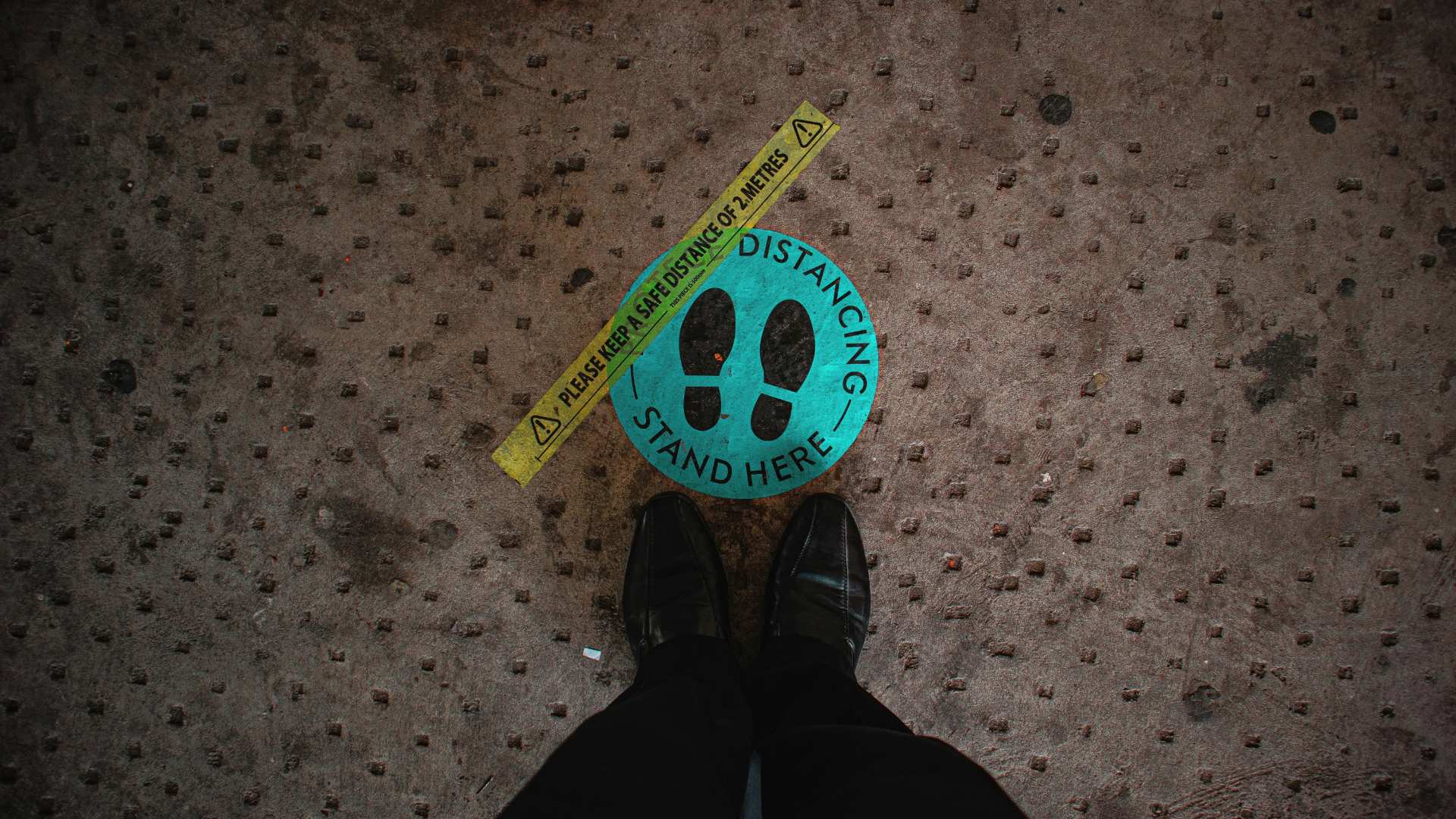
The article ‘Pandemic and Authoritarianism’, by Germán Rosa, SJ, was written in the midst of the COVID-19 crisis, but its insights extend beyond that context. The pandemic appears to reveal and accelerate political trends that were already present: the concentration of power, the weakening of democratic checks and balances, and the acceptance of extraordinary restrictions in the name of collective security. Rosa’s main concern is that fear may lead citizens to silently surrender their freedoms and rights, and that measures which were initially intended to be temporary become normalized and endure. Furthermore, in societies riven by inequality, control is never distributed neutrally: it falls most heavily on the impoverished, marginalized groups, migrants, dissidents and those who defend rights and territories.
In the affluent community where I live, I walk down the street wearing a t-shirt of the elite Jesuit institution I once attended. It’s as if I presumptuously assume that the t-shirt will alleviate the prospect of being seen by surveilling gazes. Yet, I am instantaneously reminded as car doors lock when I walk beside them, and as purses clutch when I pass by, that my body is rendered as a site of suspicion. I am reminded that my Blackness precedes my existence. I am reminded that my darkened body occludes the presumption of innocence. I am reminded that my dark skin has eviscerated my humanity and has turned me into an object of fear.

When Omar came upon the place in a neighborhood on the outskirts of town, he saw a white rosary hanging over the door and felt a sense of relief. He had been told it was a shelter run by nuns. He had been sleeping poorly for several days and walking in very difficult conditions. His feet were injured, his shoes were torn, and his clothes—which had been wet and had dried on his body over the past two weeks—were terrible. The smell was unbearable. His wife and two young children had been taken in three days earlier at another location, where they could regain their strength. He, being a man, was not allowed to stay in the same space; that was the safety policy they had explained to him.

Every political community arises, to some extent, from a promise of protection. But that promise cannot be understood in a narrow or reductionist way. Protection does not mean only defending against danger, containing threats, or neutralizing risks. It also means upholding the conditions that make a truly human life possible: belonging, recognition, education, work, health, participation, relationships, and rights. A society does not protect only when it prevents someone from being attacked; it also protects when it prevents someone from being abandoned, rendered invisible, or excluded from the community to which they belong.