

In Magnifica Humanitas, Pope Leo XIV warns that machine intelligence in war ends by “reducing victims to data.” The machine profiling that registers a person for food can also be used to select a person as a target. A small drone circling a road, with no one steering it, can have such a profile as its target. A drone like this is an autonomous weapon system. Once activated, it selects and attacks targets by itself, matching what its sensors detect to a programmed target profile. No human being decides, at the moment of the strike, that this particular person will die or is the right target. The case most often cited as the first use of such a weapon against people, reported by UN experts, was in Africa, in Libya in 2020.
Read More
Democracy, which has historically proven most effective in meeting these criteria, cannot be taken for granted. In our AI era, citizens should press for more than multiparty elections and the protection of basic freedoms; that institutional core is not enough. We must carefully regulate and channel powerful technologies with the capacity to divide us from one another and short-circuit social and political participation. That means maintaining spaces in civil society where human contact and social friendship can flourish without the mediation of machines, beginning with the educational systems through which all citizens pass. It means fighting deepfakes and disinformation in the public sphere, so that citizens still operate in a world of facts and evidence and political representation has a strong basis.
Read More
Artificial intelligence (AI) is increasingly entering public life in Ghana, including through digital systems used for identification, verification and service delivery. The ethical question is therefore not simply what AI can do, but what happens to people when digital systems become gateways through which citizenship, mobility or access to services are recognised. In northern Ghana, especially in border communities, this is a concrete question. I was privilege to visit Pusiga community in November 2025 with a Jesuit friend of my mine who is originally from the community. Thus, the topic for this article resonates very well with me.
Read More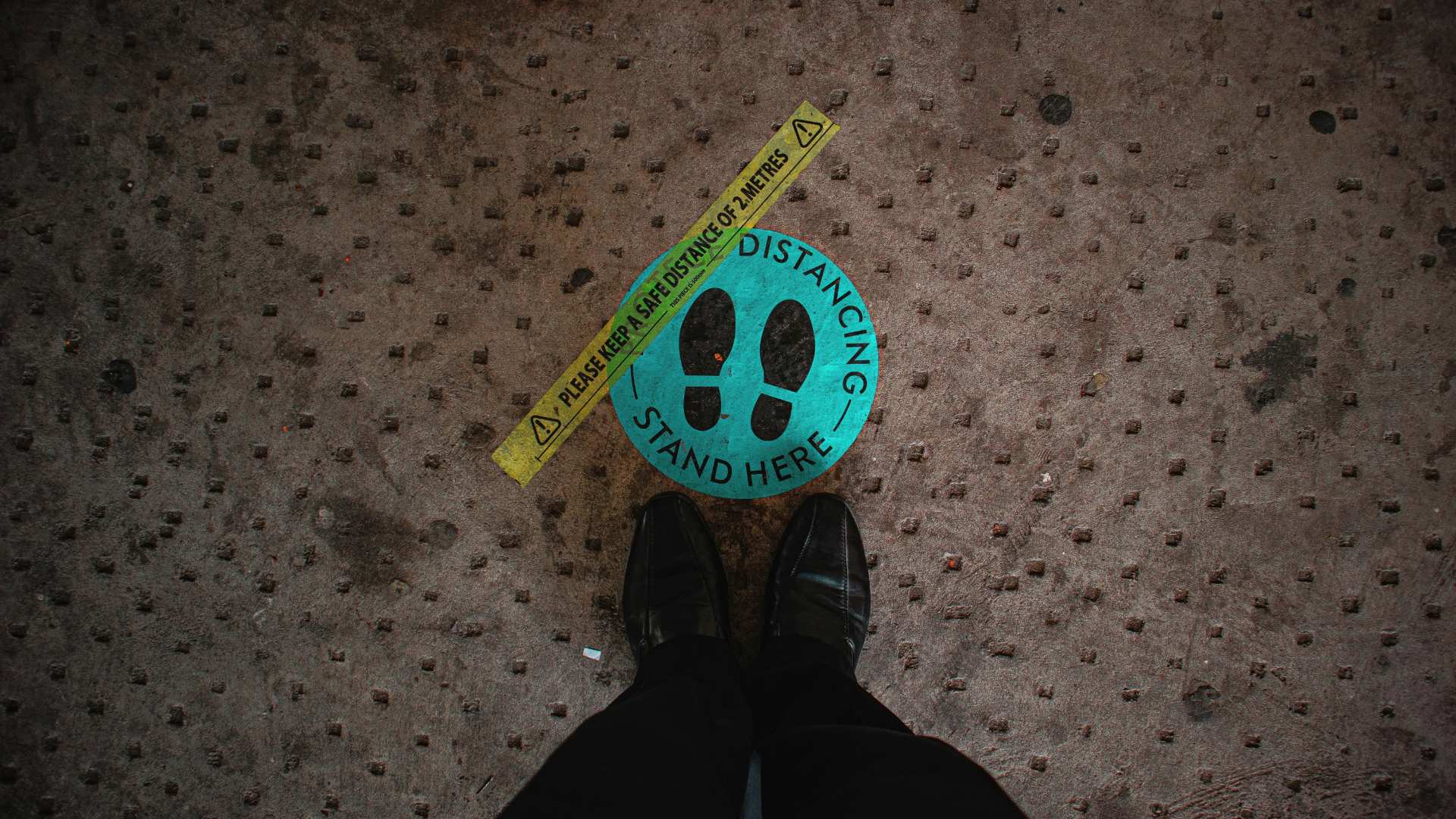
The article ‘Pandemic and Authoritarianism’, by Germán Rosa, SJ, was written in the midst of the COVID-19 crisis, but its insights extend beyond that context. The pandemic appears to reveal and accelerate political trends that were already present: the concentration of power, the weakening of democratic checks and balances, and the acceptance of extraordinary restrictions in the name of collective security. Rosa’s main concern is that fear may lead citizens to silently surrender their freedoms and rights, and that measures which were initially intended to be temporary become normalized and endure. Furthermore, in societies riven by inequality, control is never distributed neutrally: it falls most heavily on the impoverished, marginalized groups, migrants, dissidents and those who defend rights and territories.
Read More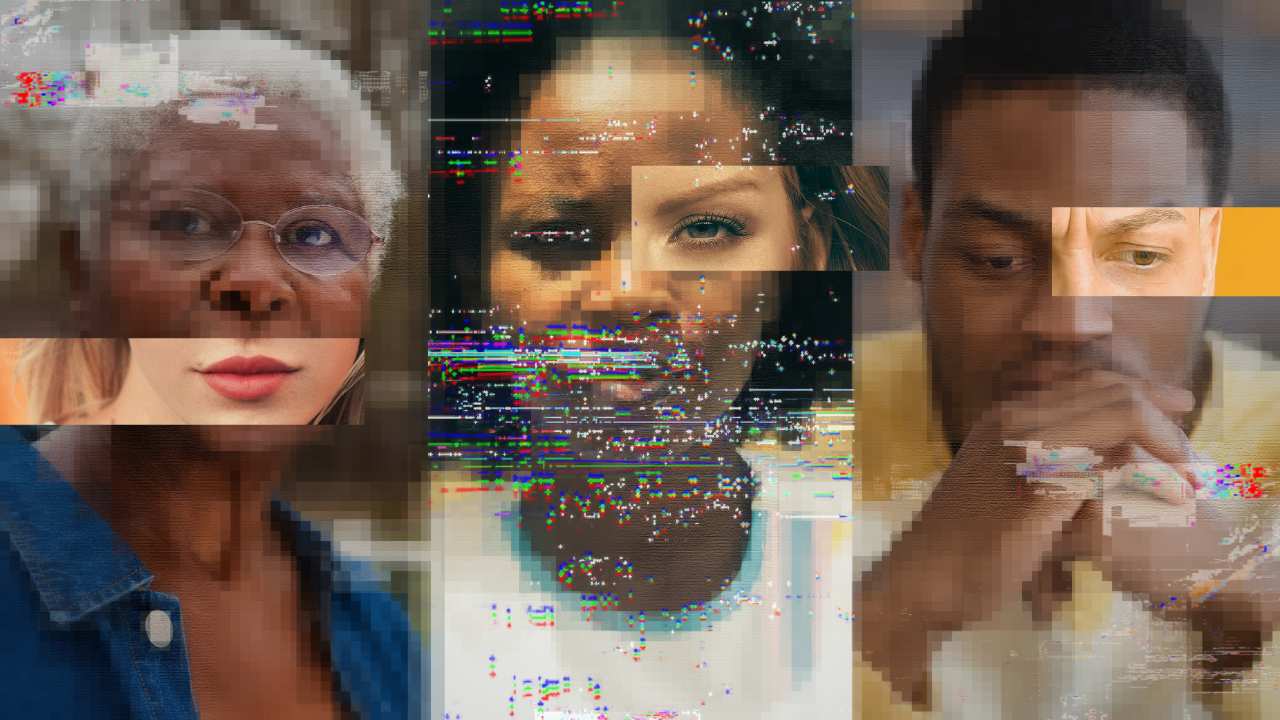
In the affluent community where I live, I walk down the street wearing a t-shirt of the elite Jesuit institution I once attended. It’s as if I presumptuously assume that the t-shirt will alleviate the prospect of being seen by surveilling gazes. Yet, I am instantaneously reminded as car doors lock when I walk beside them, and as purses clutch when I pass by, that my body is rendered as a site of suspicion. I am reminded that my Blackness precedes my existence. I am reminded that my darkened body occludes the presumption of innocence. I am reminded that my dark skin has eviscerated my humanity and has turned me into an object of fear.
Read More
When Omar came upon the place in a neighborhood on the outskirts of town, he saw a white rosary hanging over the door and felt a sense of relief. He had been told it was a shelter run by nuns. He had been sleeping poorly for several days and walking in very difficult conditions. His feet were injured, his shoes were torn, and his clothes—which had been wet and had dried on his body over the past two weeks—were terrible. The smell was unbearable. His wife and two young children had been taken in three days earlier at another location, where they could regain their strength. He, being a man, was not allowed to stay in the same space; that was the safety policy they had explained to him.
Read More
Every political community arises, to some extent, from a promise of protection. But that promise cannot be understood in a narrow or reductionist way. Protection does not mean only defending against danger, containing threats, or neutralizing risks. It also means upholding the conditions that make a truly human life possible: belonging, recognition, education, work, health, participation, relationships, and rights. A society does not protect only when it prevents someone from being attacked; it also protects when it prevents someone from being abandoned, rendered invisible, or excluded from the community to which they belong.
Read More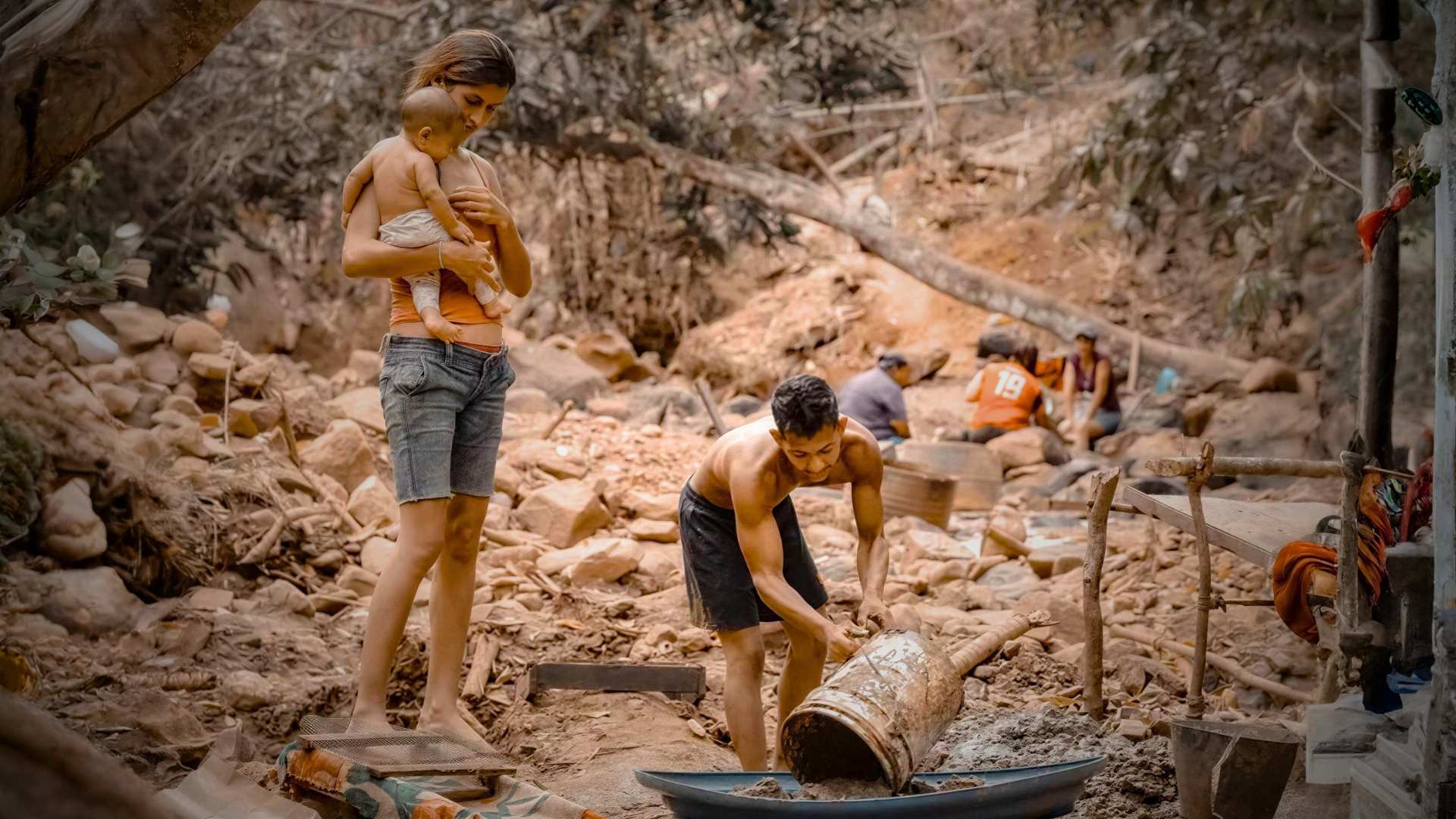
Artificial intelligence makes Matthew Carnes’s proposal to move towards an economy of solidarity and reconciliation, grounded in the dignity of every person and the common good, especially urgent. Faced with a technological transformation that renders precarious work invisible, perpetuates discrimination, and threatens to concentrate the benefits of increased productivity, the text invites us to ask not only how much value innovation creates, but who shares in that value, who is excluded, and what conditions enable human flourishing. Lifelong learning, social protection, and the participation of those displaced by these changes emerge as essential conditions if artificial intelligence is to serve decent work rather than an economy without workers.
Read More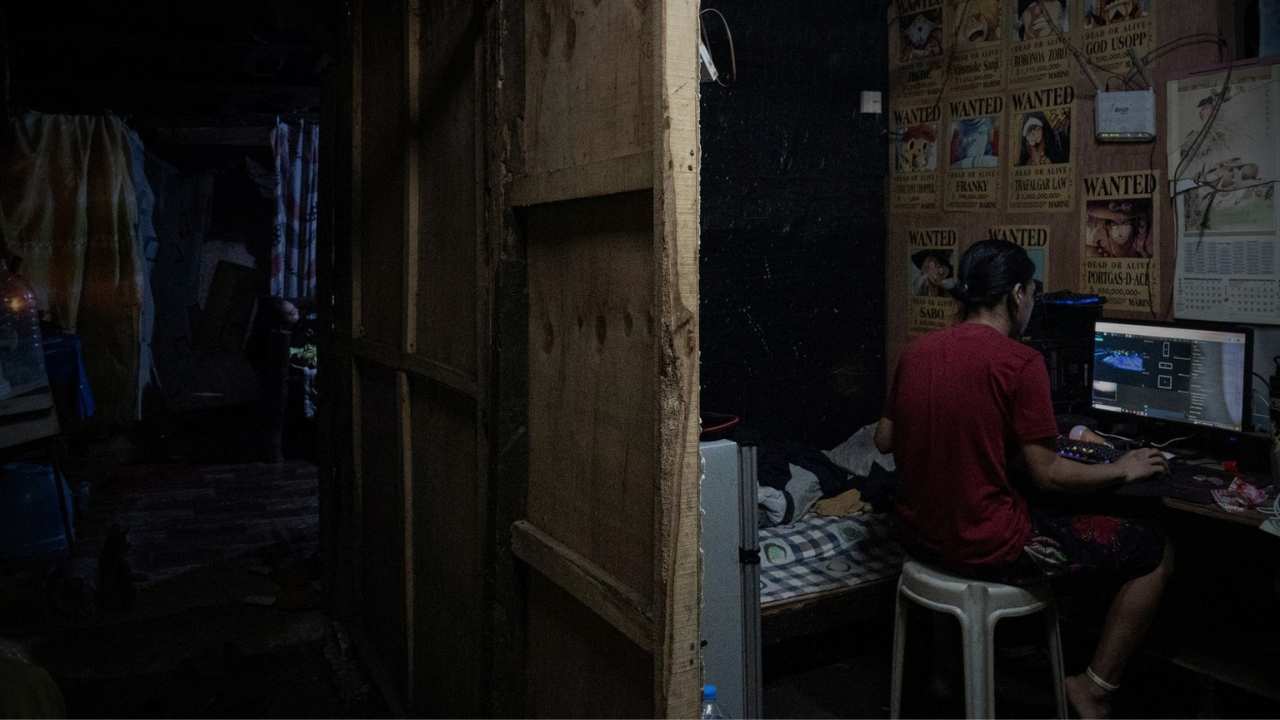
Artificial intelligence (AI) is transforming the world of work on several fronts simultaneously. It alters the conditions of those who work to make it possible, often in invisible and precarious jobs; it changes hiring, organizational, and career advancement processes, where automated decisions can reproduce historical inequalities under the guise of neutrality; it heralds a new labor paradigm in which part of the economic value may grow without a proportional increase in human labor; and it transforms the way we educate professionals who will have to coexist with it, altering both teaching methods and the competencies required of graduates.
Read More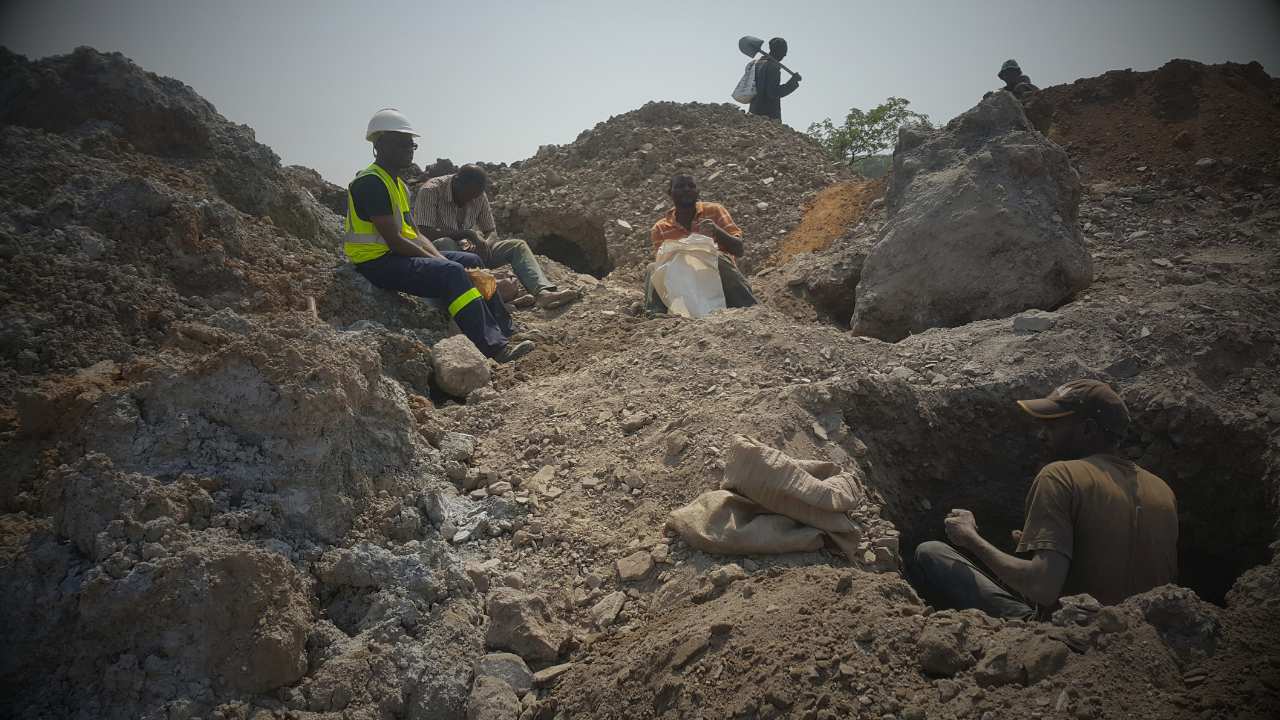
The inseparable link between those minerals and artificial intelligence haunts my daily life here. I do not approach this link through the archive, but through the ground I was born and raised on. To tell this history is not to complain about a stranger who wrecked our region; it is to take responsibility for what is happening in my country. And so, reading Pope Leo's new encyclical, Magnifica Humanitas (MH), I begin with the question that has long followed me: When will the majority of Congolese finally benefit from their own immense natural wealth, rather than paying for it with their suffering, and, too often, their lives?
Read More- 1
- 2