
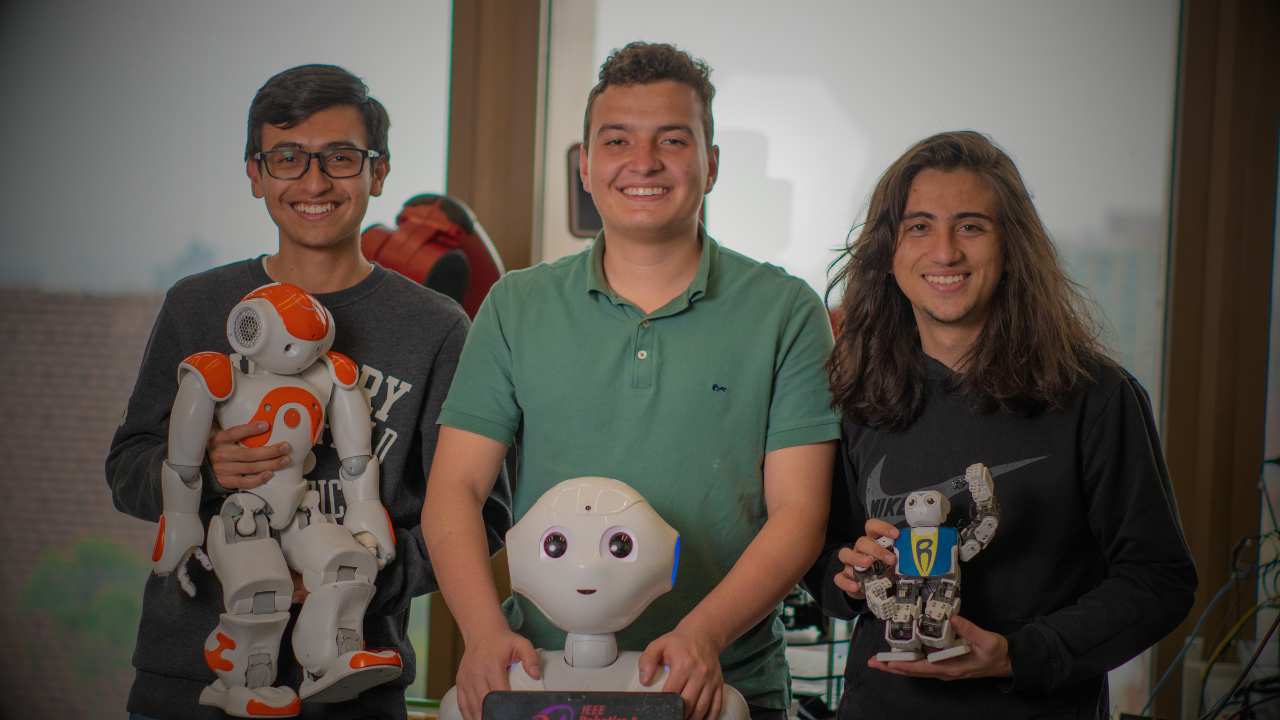
The Industrial Revolution asked whether economic progress could be reconciled with workers' dignity. It also challenged the assumption that economic progress is inherently good. Can greater productivity alone be called progress if it comes at the expense of human dignity, social cohesion, or the natural world? More than a century later, artificial intelligence poses a different but equally profound challenge. Machines are no longer transforming only how we produce goods; they are beginning to transform how we think, decide, create, and even relate to one another. The question before us is therefore not merely technological. It is anthropological.
Read More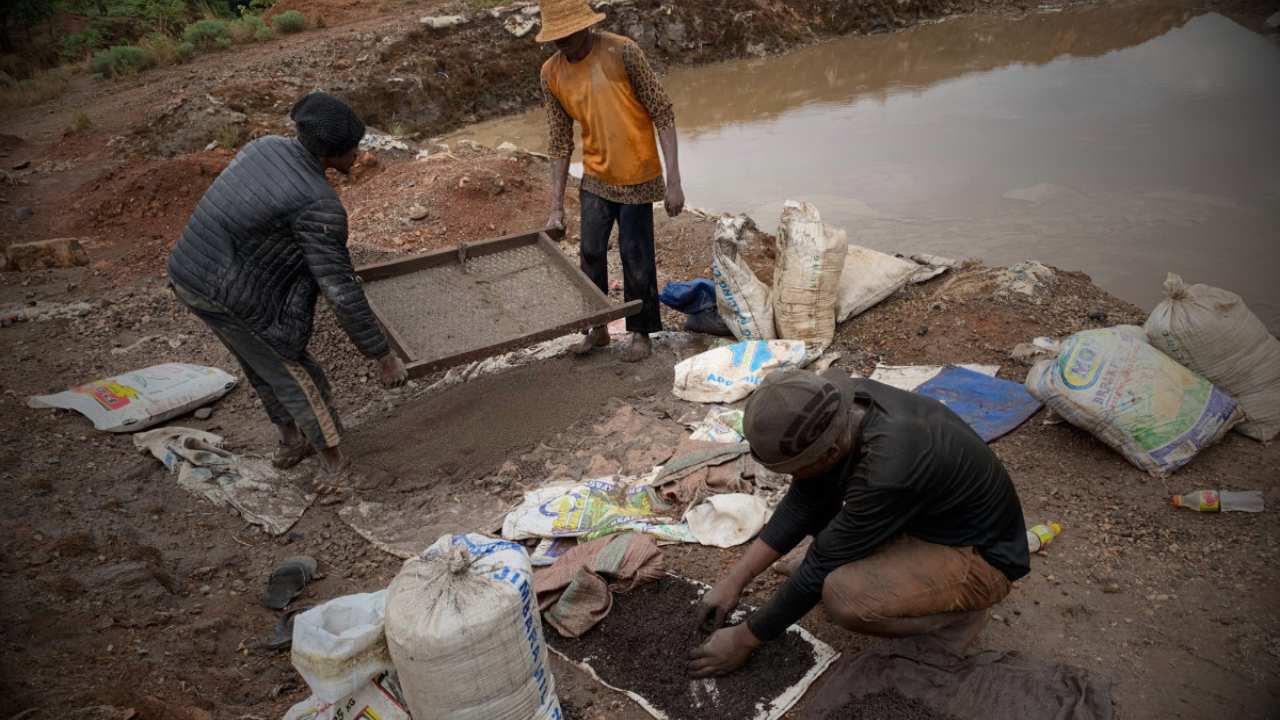
Artificial intelligence is often presented as an immaterial technology, yet it rests on a very concrete infrastructure: devices, data centers, and networks whose manufacture requires minerals such as tin, gold, cobalt, lithium, and copper. For this reason, reading AI from the perspective of socio-environmental justice means looking toward the territories where its supply chains begin: communities marked by conflict, precarious economies, ecological damage, and violations of human rights.
Read More- 1
- 2