
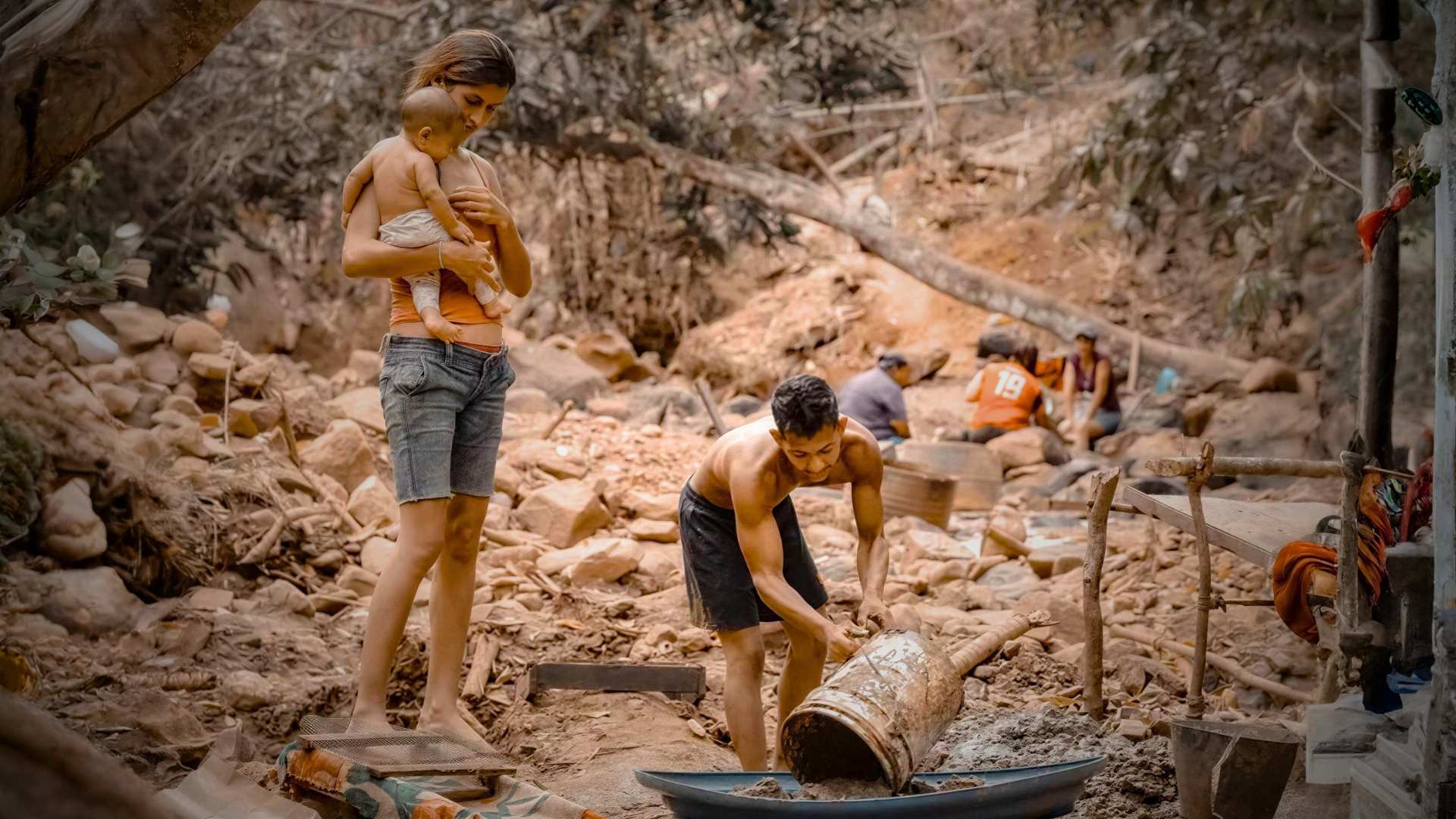
Artificial intelligence makes Matthew Carnes’s proposal to move towards an economy of solidarity and reconciliation, grounded in the dignity of every person and the common good, especially urgent. Faced with a technological transformation that renders precarious work invisible, perpetuates discrimination, and threatens to concentrate the benefits of increased productivity, the text invites us to ask not only how much value innovation creates, but who shares in that value, who is excluded, and what conditions enable human flourishing. Lifelong learning, social protection, and the participation of those displaced by these changes emerge as essential conditions if artificial intelligence is to serve decent work rather than an economy without workers.
Read More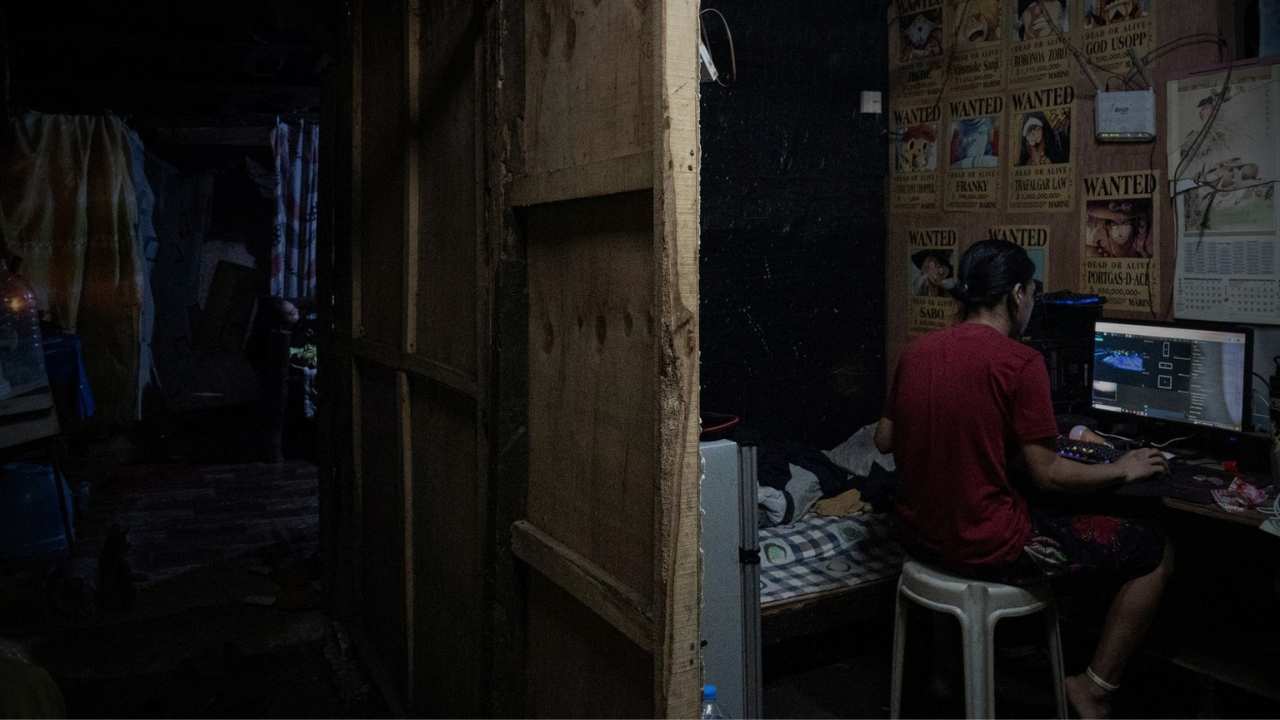
Artificial intelligence (AI) is transforming the world of work on several fronts simultaneously. It alters the conditions of those who work to make it possible, often in invisible and precarious jobs; it changes hiring, organizational, and career advancement processes, where automated decisions can reproduce historical inequalities under the guise of neutrality; it heralds a new labor paradigm in which part of the economic value may grow without a proportional increase in human labor; and it transforms the way we educate professionals who will have to coexist with it, altering both teaching methods and the competencies required of graduates.
Read More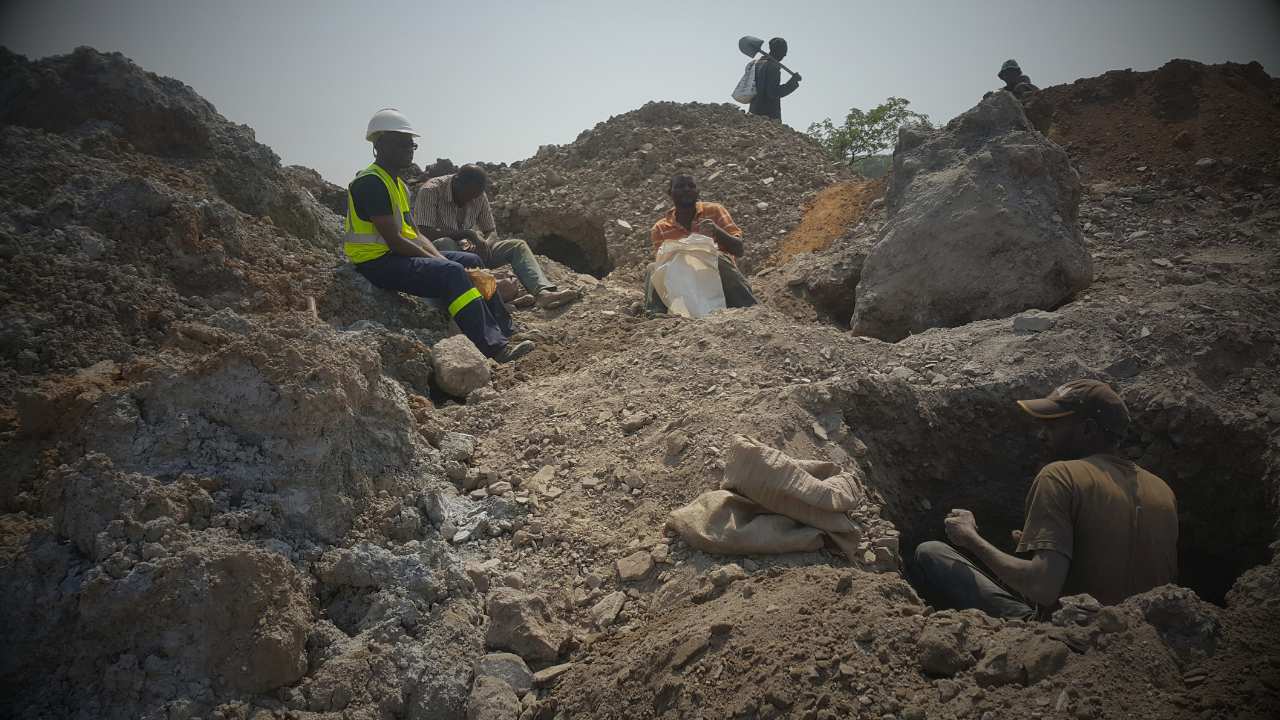
The inseparable link between those minerals and artificial intelligence haunts my daily life here. I do not approach this link through the archive, but through the ground I was born and raised on. To tell this history is not to complain about a stranger who wrecked our region; it is to take responsibility for what is happening in my country. And so, reading Pope Leo's new encyclical, Magnifica Humanitas (MH), I begin with the question that has long followed me: When will the majority of Congolese finally benefit from their own immense natural wealth, rather than paying for it with their suffering, and, too often, their lives?
Read More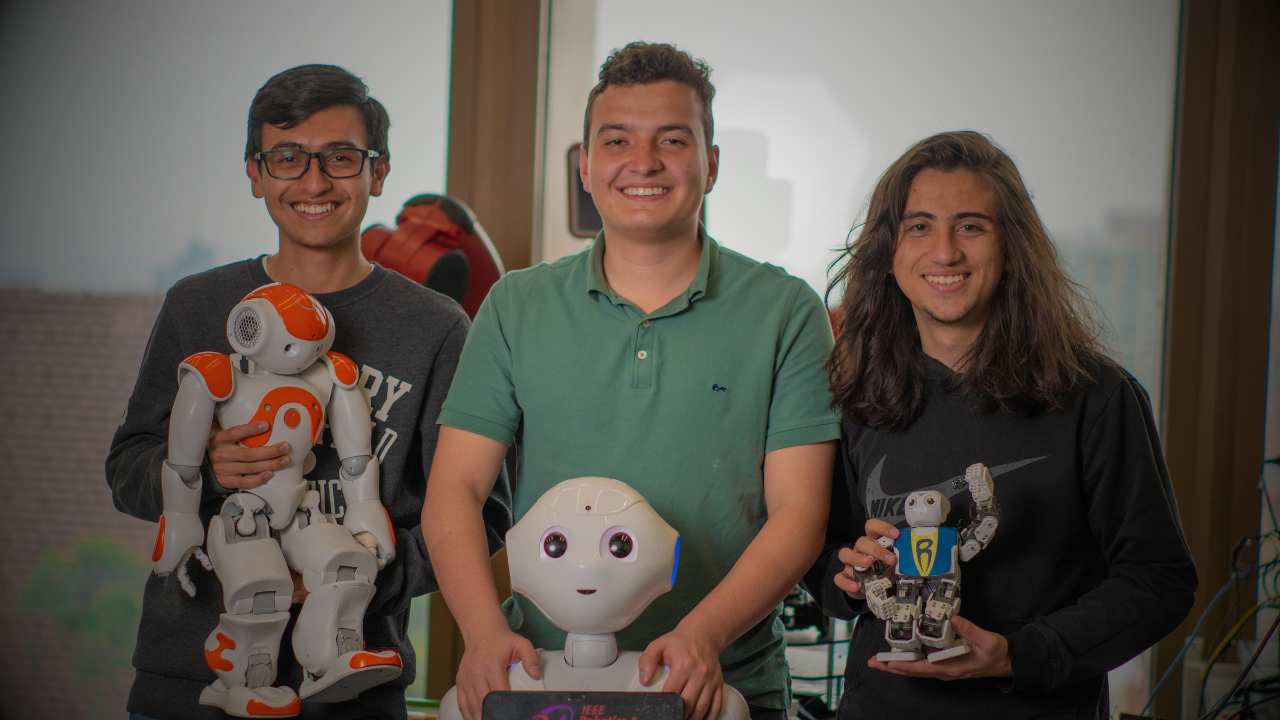
The Industrial Revolution asked whether economic progress could be reconciled with workers' dignity. It also challenged the assumption that economic progress is inherently good. Can greater productivity alone be called progress if it comes at the expense of human dignity, social cohesion, or the natural world? More than a century later, artificial intelligence poses a different but equally profound challenge. Machines are no longer transforming only how we produce goods; they are beginning to transform how we think, decide, create, and even relate to one another. The question before us is therefore not merely technological. It is anthropological.
Read More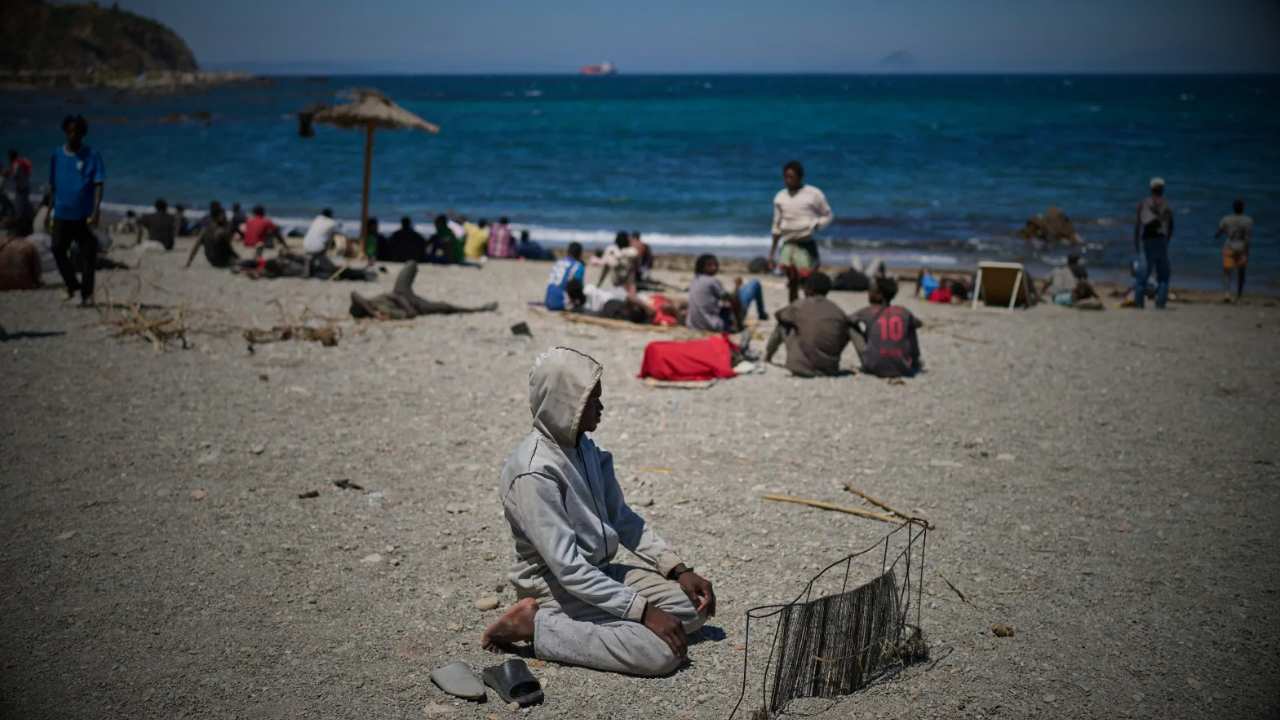
There are times when remaining silent ceases to be prudent and begins to look too much like indifference. I sincerely believe we are going through one of those times. The events unfolding around Ceuta—the images of people attempting to reach Spanish territory by sea or by swimming, the lives lost, and, above all, the narratives that immediately began to take shape around these events—should compel us to engage in a much deeper reflection than what is allowed by hasty headlines, political slogans, or viral social media posts.
Read More