Addressing Hidden Hunger Through Soilless Cultivation of Vegetables
Abstract
Urban agriculture (UA), using soilless techniques like hydroponics, offers city dwellers a solution to hunger by producing food locally with minimal land and recycled resources. This innovative method empowers communities—particularly women and youth—and supports environmental sustainability and food security.
General Introduction
Urban Agriculture (UA), the practice of cultivating, processing, and distributing food in or around urban areas (FAO, IFAD, UNICEF, WFP, and WHO. 2023), is emerging as a sustainable solution to a global problem -- hidden hunger (Ulimwengu et al., 2023). A deficiency of essential micronutrients characterises hidden hunger despite adequate calorific intake. The Food and Agriculture Organization (FAO) recommends a daily intake of 400 g of vegetables and fruits. However, in many urban areas, especially in developing countries, people consume too little of these nutritious foods for various reasons: (i) unavailability due to lack of local production, (ii) lack of access due to affordability or urban planning issues, (iii) utilisation issues due to food loss and waste, and (iv) temporal food instability. This often results in malnutrition, an abnormal physiological condition caused by inadequate, unbalanced, and excessive macronutrients or micronutrients. Malnutrition includes undernutrition (i.e., vitamin and mineral deficiencies, leading to child stunting and wasting), overweight, and obesity (Ulimwengu et al., 2023).
While urban spaces do not have the production capacity to ensure their inhabitants' food security, they can supplement diets with locally grown fruits and vegetables, enhancing micronutrient intake and thus improving urban nutrition security (Martelozzo et al., 2014).
Beyond addressing food security and access to nutritious food, UA also promotes socioeconomic and environmental sustainability. It can enhance urban livelihoods, offer subsistence or cash income, reduce food loss and waste, and contribute to environmental protection when implemented effectively. Moreover, because UA does not require great access to land, water, or wealth, UA opens up new opportunities, particularly for women and young adults, fostering a sense of community and empowerment.
However, the implementation of UA in sprawling urban landscapes has its own set of challenges. Limited space, poor soil quality, and often inadequate access to water, fertiliser, sunlight, and energy are common issues. Nevertheless, innovative food production techniques such as hydroponics, bioponics, and aquaponics offer promising solutions which do not require exceptional access to land, water, or up-front investments. These soilless techniques are flexible in size; thus, small units require just a couple of square meters of a backyard, a rooftop, or a wall to which they can be attached in some instances. Furthermore, they are mobile to some degree. Thus, if land tenure issues arise that force households to relocate, they can be moved along with the other household furnishings. Where water is scarce, reclaimed water, i.e. wastewater from kitchens and even laundry that has undergone treatment to remove contaminants, can be used (Tao et al., 2017). It can be enriched with liquid fertilisers to prepare nutrient-rich solutions for soilless cultivation. The liquid fertiliser can be produced from organic waste, including food waste such as vegetable scraps, fruit peels, chicken droppings, or insect frass (Szekely and Jijakli 2022). While simple forms of hydroponics and bioponics may not require energy, aquaponics, combining recirculating aquaculture systems with hydroponics (Junge et al., 2017) requires energy for water recirculation. Nevertheless, solar panels can provide renewable energy. Thus, soilless UA is a prime example of a circular economy (Ellen MacArthur Foundation, 2014).
This paper delves into the transformative potential of soilless UA, exploring how it can combat hidden hunger, i.e., nutrition insecurity, and promote socioeconomic and environmental sustainability in our rapidly urbanising world.
Why Is Urban Agriculture Relevant?
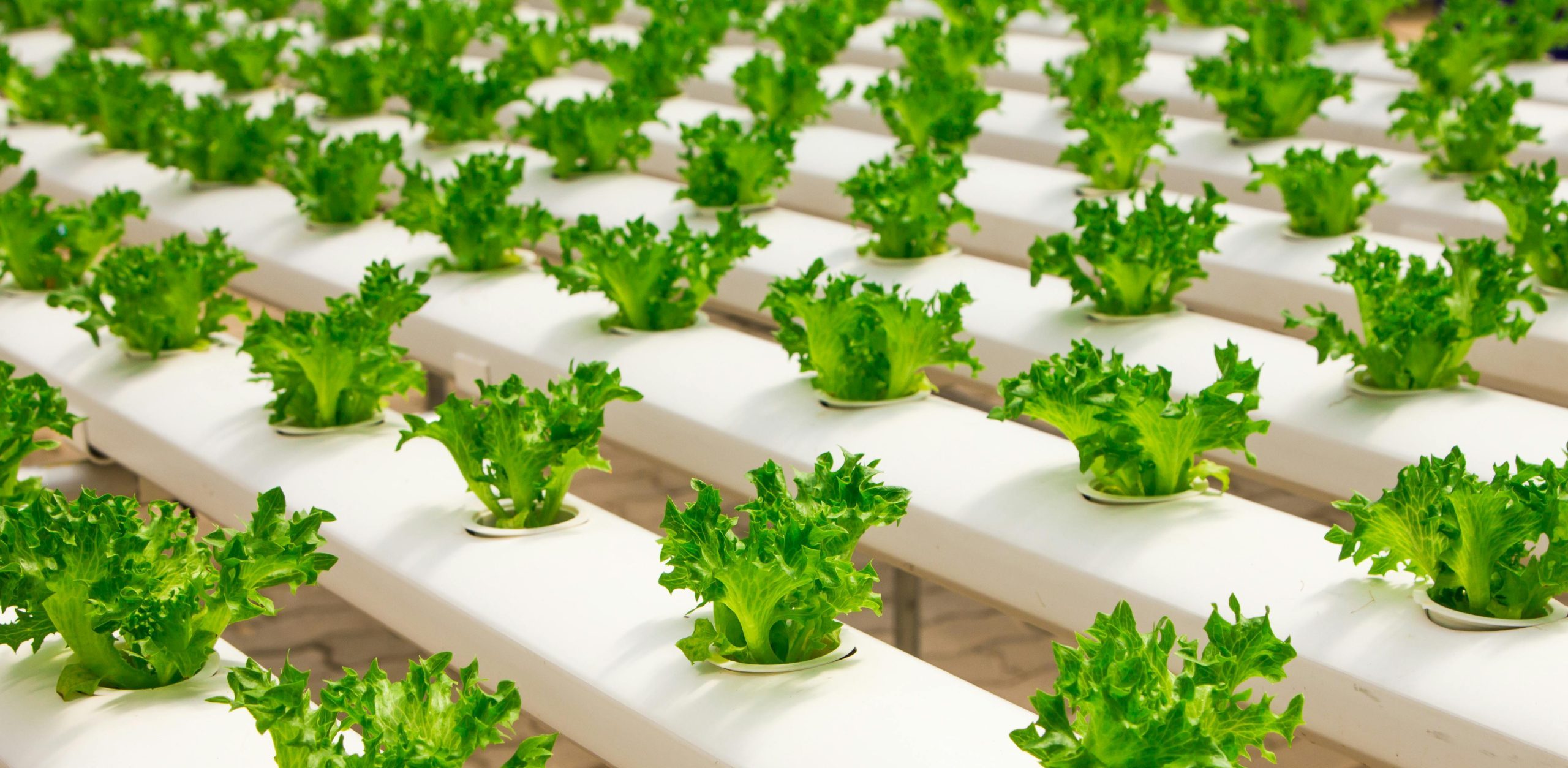
Urban areas face a plethora of challenges. For example, more and more people find themselves in so-called food deserts (Wright et al. 2016), areas with limited access to supermarkets, grocery stores, and local food markets. Thus, urban areas face rising health costs linked to unhealthy diets, i.e., malnutrition. Malnutrition is an umbrella term for poor nutrition, whether inadequate consumption or absorption of nutrients (i.e., undernutrition or hidden hunger) or excess consumption (i.e., overnutrition), leading to obesity, diabetes, and heart disease.
In addition, growing cities with scarce green areas are subjected to a heat island effect, a phenomenon where urban areas are warmer than their surrounding rural areas. Shrinking cities (Meng et al., 2021) are characterised by unused areas, called brownfield sites, that are often heavily polluted and the soil degraded. Climate change will aggravate these challenges with rising average temperatures, flood risks, droughts, and other extreme weather events (Lumbroso, 2020), leading to widespread regional water and arable land shortages and aggravating food and nutrition insecurity (FAO, 2009).
UA can contribute to the resilience of food systems, combatting food deserts and thus improving consumers' access to fresh and nutritious food. This is especially important in mega-cities of the Global South, where the urban sprawl extends over several kilometres. In situations of broken supply and value chains (as experienced in the case of the COVID-19 pandemic, local unrest, or even wars), the urban population still has access to healthy food if it is produced super-locally.
On the one hand, UA facilities can be protected from weather risks associated with climate change using simple shading systems. On the other hand, UA can also help mitigate the heat island effect. By growing food locally, the emissions of greenhouse gases associated with transporting food from rural to urban areas are reduced. The green spaces within cities can help preserve biodiversity and support pollinators. At the same time, green spaces act as sponges and retain rainfall, which again evapotranspires and cools the surroundings.
What Are Soilless Cultivation Methods?
Soilless cultivation methods involve growing plants using water-based solutions containing nutrients (elements) essential for plant growth, such as nitrogen, phosphorus, potassium, and iron.
Conventional hydroponics mainly relies on non-renewable mineral fertilisers for nutrient supply (Maucieri et al. 2019). Moreover, some hydroponic farms still use open systems where the exhausted culture solution still contains nutrients and is discharged after a single use since many countries lack legislation requiring the recycling or treatment of the effluents.
Bioponics (Figure 1) refers to a cultivation method that uses organic nutrient sources within hydroponic cultivation methods (Gartmann et al., 2023). These organic nutrient sources, e.g. from food waste or chicken droppings, are typically recycled into a nutrient-rich solution that can be used for plant growth (Szekely and Jijakli 2022).

In addition to hydroponics, many "-ponic" terms have recently emerged, namely aquaponics, digeponics, anthroponics, fogponics, aeroponics, and organoponics. Fogponics and aeroponics are different methods of nutrient solution delivery to the plant roots. Anthroponics and digeponics denote the use of human urine and digestates in plant cultivation and are forms of bioponics.
Aquaponics is a system that combines aquaculture (raising aquatic animals such as fish in tanks) with hydroponics (cultivating plants in water) (Graber and Junge, 2009). The waste from the fish serves as organic food for the plants, and the plants naturally filter the water for the fish. Aquaponics is, therefore, also a form of bioponics. While aquaponics has received considerable attention recently (Goddek et al., 2019), other forms of bioponics have yet to be investigated in-depth. This contribution concentrates on hydroponics, bioponics, and aquaponics.
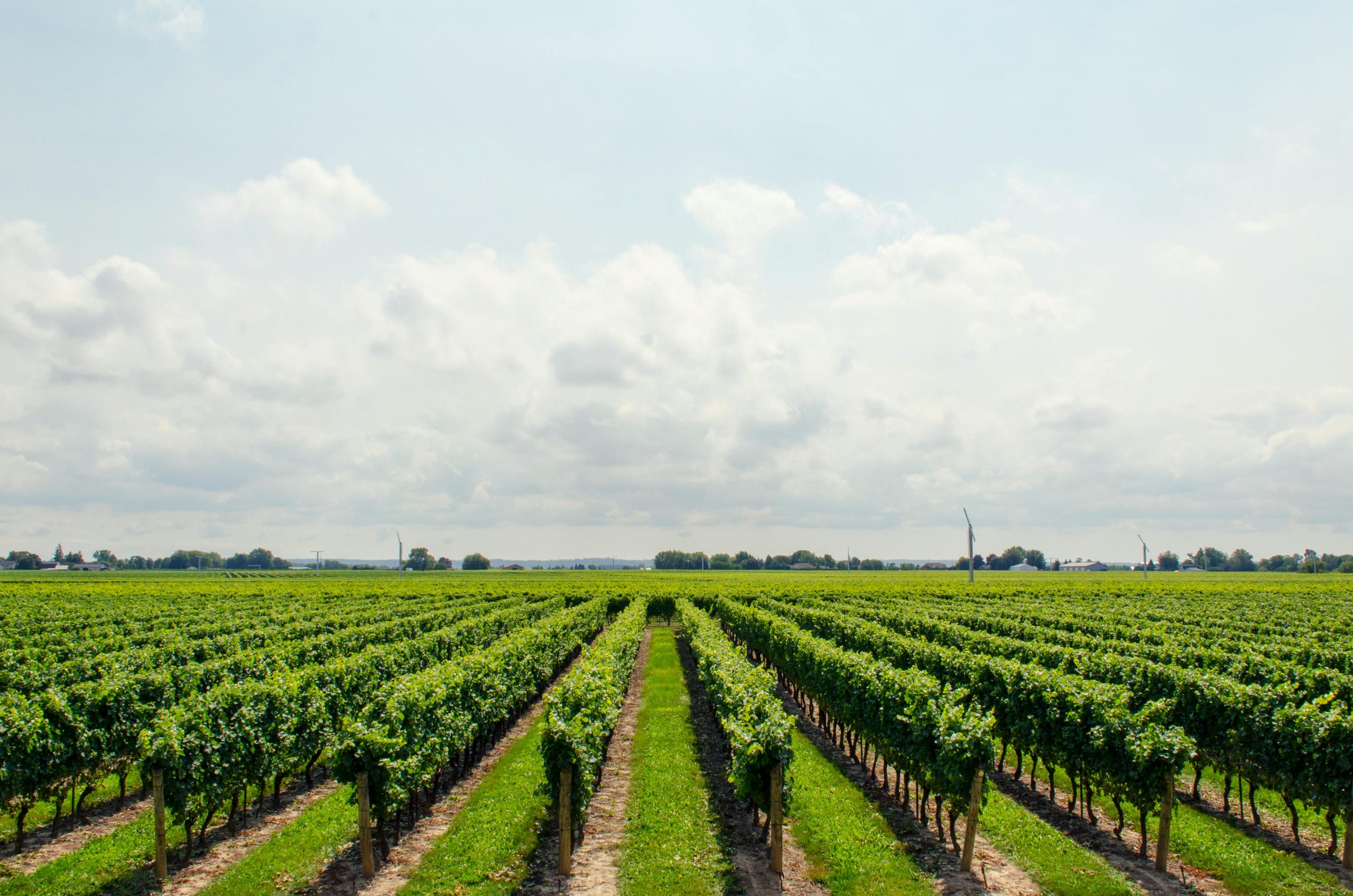
There are several reasons why soil-independent (or soilless) cultivation methods may be preferable to traditional soil-bound production within the city's footprint. One of the main reasons is poor soil quality: Urban soils are often degraded, meaning they can be overly saline, have low organic matter content, compacted soil, and the surface sealed. In addition, degradation involves contamination due to industrial activities and waste disposal. This means that the conventional use of arable land is becoming increasingly complex, affecting the quality and safety of the food produced. One aspect of waste disposal is the potential contamination of soils with human pathogenic microorganisms such as Escherichia coli or Salmonella spp. Infections with these can cause disease and even death (Black et al. 2021). As hydroponics, bioponics, and aquaponics do not rely on soil, soil degradation and contamination issues are largely eliminated.
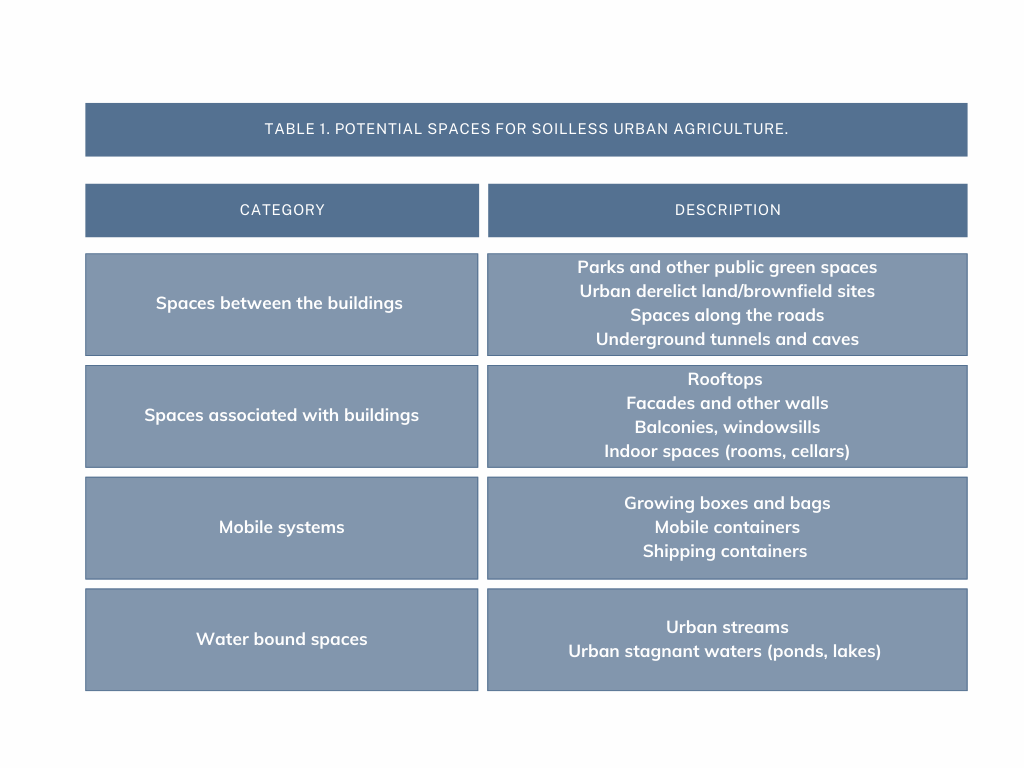
The other reason is limited space: Farming is spatially and temporally bound. Finding space is, therefore, an essential requirement for any form of UA. Soilless cultivation can effectively use urban spaces such as backyards, rooftops, and walls to produce vegetables and fruits (Table 1). The systems can be stacked vertically, so they are ideal for urban settings.
Other benefits of soilless cultivation include water use efficiency and reduced infestation with pests and plant diseases. As the water is recirculated in soilless cultivation systems, this yields substantial water savings compared to traditional farming. Also, the controlled environment of soilless systems reduces the need for harmful pesticides and herbicides.
What Are the Challenges and Limitations of Soilless UA?
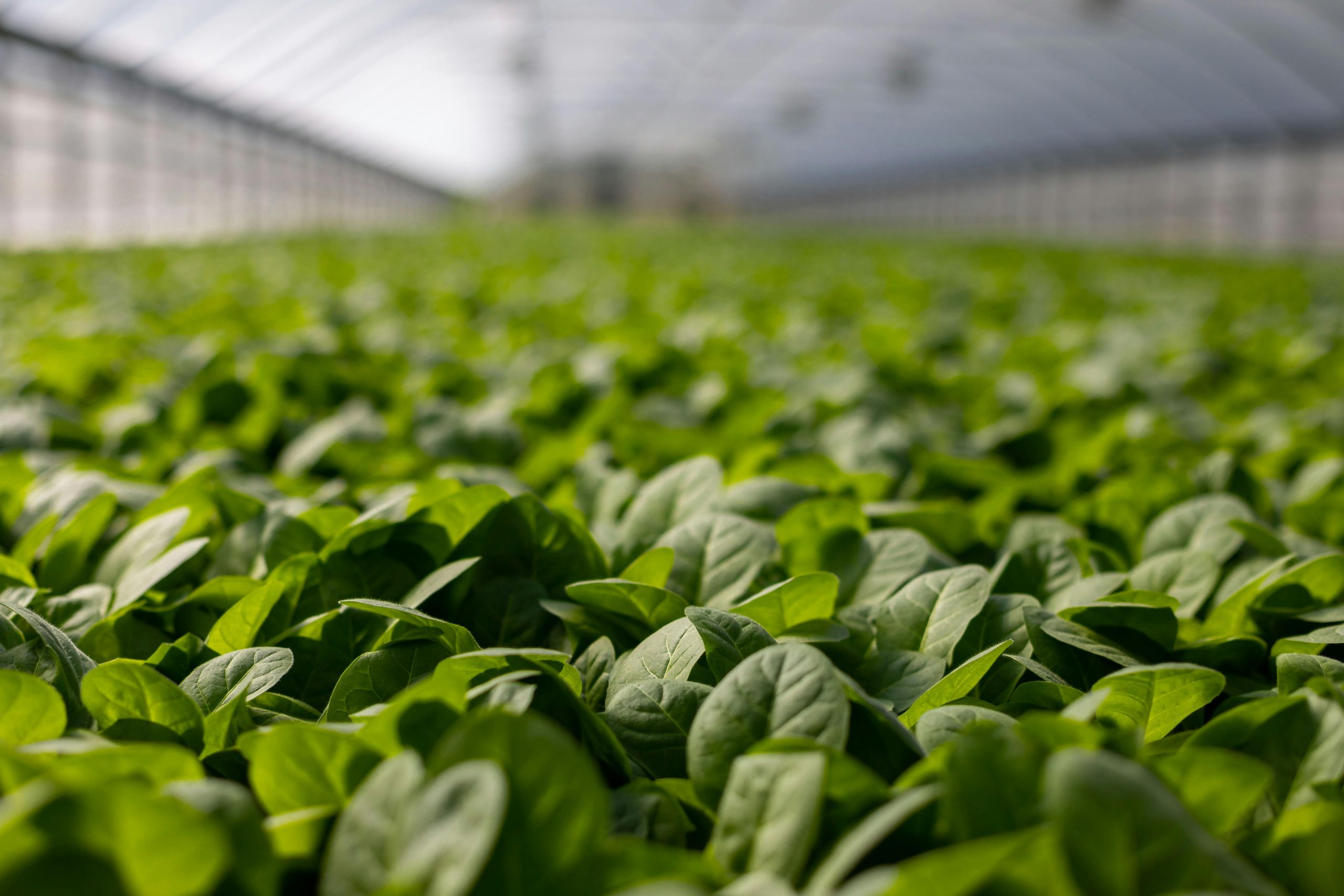
Despite its numerous benefits, soil-independent UA faces several challenges that can hinder its widespread implementation and effectiveness. The limited space in urban areas restricts the scaling-up of UA systems. For example, the median commercial rooftop farm size was 650 m2 (Bühler & Junge, 2016). Finding a sturdy rooftop or open space of this size is challenging in many European cities. Therefore, in contrast to conventional, soil-bound agriculture, UA cannot expand existing sites but needs to scale up either by multiplication of sites or by going vertical, and many small units need to be operated and monitored instead of a few large ones. This fragmentation and decentralisation pose their own set of challenges.
Urban farmers may struggle to access necessary water, energy, seeds, and farming equipment. Many sprawling cities have only intermittent water and energy supply. Urban land and water costs can also be high, and land tenure is problematic. On top of land tenure issues, UA may face additional legal and regulatory challenges. Zoning laws, for instance, may not permit agricultural activities in urban areas.
Depending on the technological sophistication, the construction and maintenance of soilless production systems may, but not necessarily, require a higher upfront investment than traditional soil-based cultivation (Fussy and Papenbrock, 2022).
Soilless cultivation may not require more labour than conventional agriculture. Still, it involves more human capital as it requires more extensive knowledge and skills, which urban residents may not initially have access to. Particularly in recirculating (closed) soilless systems, there is a risk of uncontrolled multiplication of pathogens. Management procedures and safety measures to prevent disease infections must thus be put in place and linked to human capital.
The Project Integrated and Circular Technologies for Sustainable City Region FOOD Systems in Africa (INCiTiS-FOOD, https://incitis-food.eu/) focuses on the introduction of circular agri-food practices (namely hydroponics, aquaponics, recirculating aquaculture systems, and insect farming) in African city regions. The foundations of INCiTiS-FOOD are eight urban living labs in six African countries: Tamale (Ghana), Nairobi and Nakuru (Kenya), Franceville (Gabon), Bamenda (Cameroon), Lagos and Ibadan (Nigeria), and Moyamba (Sierra Leone). Living lab staff gathered for the Training of Trainers in Tamale, Nakuru, and Franceville. The trainers, experts in soilless technologies, came from Germany, Israel, and Switzerland. The training sessions were intensive, participatory, and collaborative, encompassing theoretical knowledge and hands-on learning of sustainable agri-food practices.
What truly enriched these gatherings was the rich mixture of people, cultures, environments, and climates. Through the interactions with each other and immersion in the diverse cultures, all participants, including the trainers, benefitted, and mutual trust deepened, which fostered collaboration. Although theoretical knowledge can be imparted in online courses and webinars nowadays, the practical application of seemingly simple methods sometimes needs to be practised in vivo and onsite. For fruitful cooperation and understanding, it is of paramount importance to interact directly. Thus, the training was also a chance to co-create new knowledge and ideas. The INCiTiS-FOOD project will conclude by the end of 2026, but the impact will last much longer. This is because it is not just about knowledge transfer but about fostering a global community united in pursuing food and nutrition security and empowering women and young adults.
For the reasons discussed above, different forms of UA will inevitably form an inherent and growing part of the future of the circular food economy of cities. The vast adaptability of soilless systems implies that they can be implemented in all kinds of spaces and at different technology levels, from low to high tech (Figure 2). However, choosing the appropriate system for climatic, spatial, and societal conditions brings inherent trade-offs: not all aspects can be simultaneously maximised. Hence, the customisation process must include co-creation with the future owners and operators of the systems.
Technological advancements, especially in soilless cultivation techniques and resource recovery, will allow food to be grown where UA was previously difficult or impossible, such as zones of extreme aridity, on the water surface and underwater, or in disused underground tunnels.

Two very different examples of soilless cultivation systems. Left: Low-tech hydroponic, so called "garafa", system constructed from waste plastic water bottles (Photo: F. Orsini, University of Bologna).
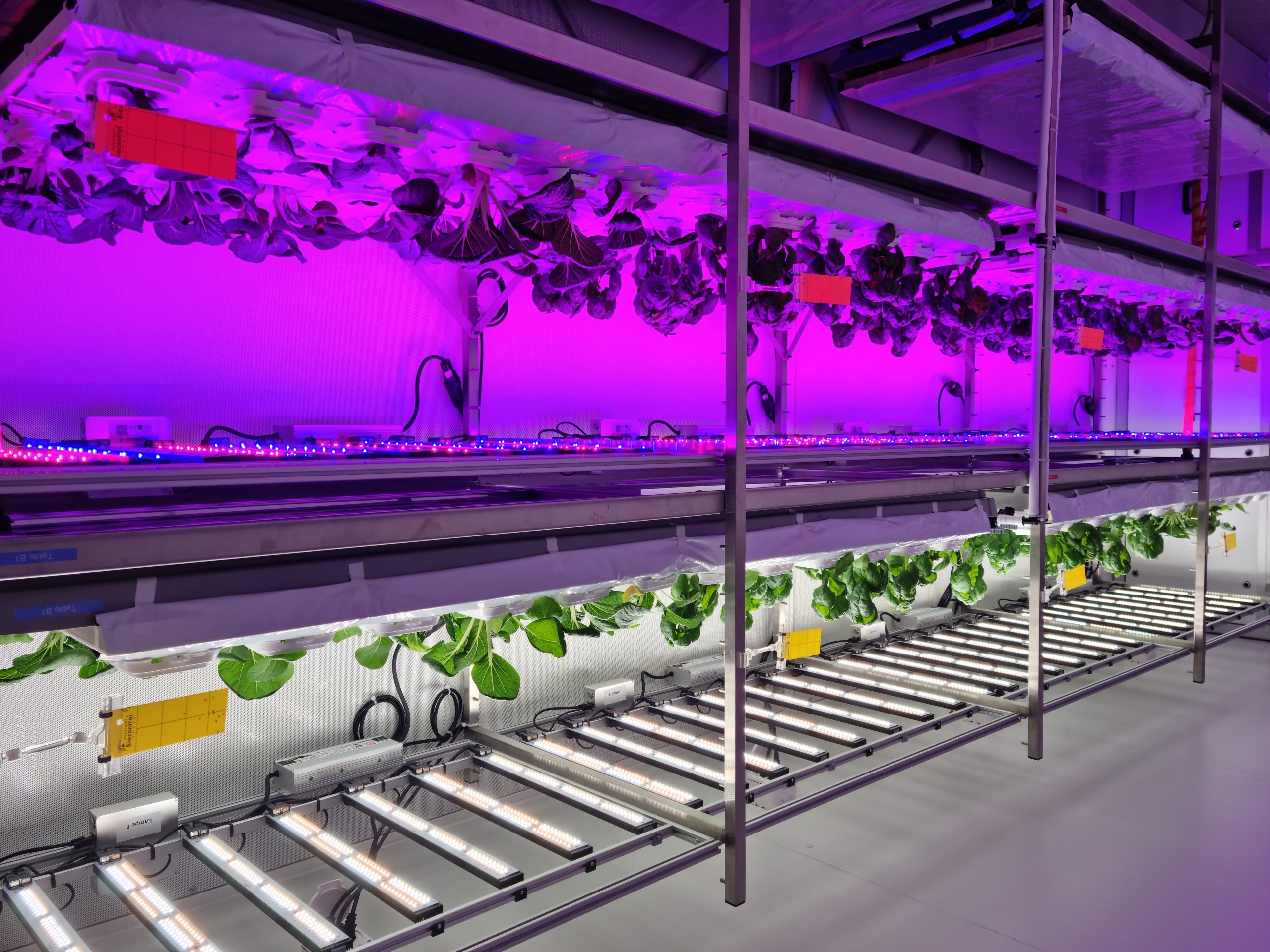
High-tech bioponic system in a fully climatised chamber (Photo: Z. Schmautz, Zürich University of Applied Sciences).
Food production currently critically depends on mineral fertilisers. Yet, the supply of potash (K) and phosphate rock (P) is more and more subject to global shocks (e.g. the COVID-19 pandemic, war in Ukraine, and energy crises), and, consequently, prices are highly volatile. About 15% of P is discharged in domestic wastewater and sewage sludge, while losses from sludges and wastewater from food processing industries correspond to 44 kt P per year (Huygens et al., 2019). Another component of mineral fertiliser is nitrogen (N). The production of nitrogen-based fertilisers via the Haber-Bosch process consumes 1-2% of global energy and accounts for 1.4% of anthropogenic CO2 emissions (Kyriakou et al., 2020). To protect the environment, the Farm to Fork Strategy of the European Commission (2020) aims to reduce the use of fertilisers by at least 20% by 2030 by managing N and P inputs better throughout their lifecycle. This can only be achieved in circular systems that can increase the efficiency of the entire use chain of fertiliser nutrients via recovery and reuse. Therefore, the development of soilless UA is a step in the right direction.
We are not only facing global food insecurity but also nutrition insecurity. Although we search for simple answers to address the challenges, none will be had. Soilless food production, including vertical farming and any other form of UA, is not an alternative or competition to traditional farming but a complementary form of providing healthy and nutritious food. We will need ALL possible forms of crop production in the future.
For soilless UA to thrive, we need to develop innovative solutions (including industrial symbiosis, resource recovery processes, and automatisation) at both ends of the spectrum, low-tech and high-tech. Therefore, soil-independent technologies like hydroponics, bioponics, and aquaponics will probably develop in two diverging directions:
- On the one hand, low-tech solutions to be predominantly implemented in developing countries and for non-professional applications and
- On the other hand, high-efficiency, hi-tech technology should be predominantly implemented in professional applications in high-income countries.
Both low- and high-tech soilless UA will spur job creation and thus create income (Verner et al., 2021). Jobs would be created in the soilless UA systems and along the value chain, including extension and capacity building. The exact number of jobs created would depend on various factors such as the scale of implementation, acceptance of the urban population of UA, market demand, or legislation and government policies, but will likely reach a 3-digit million number.
Thus, any solution needs to be integrated into the fabric of the urban areas and accepted by its inhabitants. This requires holistic, visionary, flexible urban planning, training programs at all education levels, especially in so-called green jobs, and supportive legislation and policies involving stakeholders and consumers. Each town and city would also benefit from an appropriate urban food policy roadmap developed participatively (IFAD, 2021).
(Original: English)
Acknowledgement: The research leading to this publication has received funding from the European Union's Horizon Europe research and innovation program and the Swiss State Secretariat for Education, Research, and Innovation (SERI) under grant agreement No. 101083790 (INCiTiS-FOOD).
Disclaimer: The information and views set out in this study are those of the author(s) and do not necessarily reflect the official opinion of the European Commission. The Commission does not guarantee the accuracy of the data included in this study.Neither the Commission nor any person acting on the Commission's behalf may be held responsible for using the information contained therein.
Black, Z., Balta, I., Black, L., Naughton, P. J., Dooley, J. S., & Corcionivoschi, N. (2021). The fate of foodborne pathogens in manure-treated soil. Frontiers in Microbiology, 12, 781357. https://doi.org/10.3389/fmicb.2021.781357.
Buehler, D., & Junge, R. (2016). Global trends and current status of commercial urban rooftop farming. Sustainability, 8(11), 1108. https://doi.org/10.3390/su8111108.
Ellen MacArthur Foundation (2014). Towards the Circular Economy. Retrieved from https://archive.ellenmacarthurfoundation.org/assets/downloads/publications/Towards-the-circular-economy-volume-3.pdf.
European Commission (2020). Farm to Fork Strategy. Retrieved from https://food.ec.europa.eu/horizontal-topics/farm-fork-strategy_en.
FAO (2009). FAO's Director-General on How to Feed the World in 2050. Population and Development Review, 35(4), 837–839. http://www.jstor.org/stable/25593700
Fussy, A., & Papenbrock, J. (2022). An overview of soil and soilless cultivation techniques—chances, challenges and the neglected question of sustainability. Plants, 11(9), 1153. https://doi.org/10.3390/plants11091153
Gartmann, F., Hügly, J., Krähenbühl, N., Brinkmann, N., Schmautz, Z., Smits, T. H., & Junge, R. (2023). Bioponics—An Organic Closed-Loop Soilless Cultivation System: Yields and Characteristics Compared to Hydroponics and Soil Cultivation. Agronomy, 13(6), 1436. https://doi.org/10.3390/agronomy13061436.
Goddek, S., Joyce, A., Kotzen, B., & Burnell, G.M. Eds. (2019). Aquaponics food production systems: Combined aquaculture and hydroponicp production technologies for the future. Springer Open; https://library.oapen.org/handle/20.500.12657/22883).
Graber, A., & Junge, R. (2009). Aquaponic Systems: Nutrient recycling from fish wastewater by vegetable production. Desalination, 246(1-3), 147-156. https://doi.org/10.1016/j.desal.2008.03.048.
Huygens D., Saveyn H.G.M., Tonini D., Eder P., Delgado Sancho L. (2019) Technical proposals for selected new fertilising materials under the Fertilising Products Regulation (Regulation (EU) 2019/1009). Publications Office of the European Union, Luxembourg. Retrieved from: https://data.europa.eu/doi/10.2760/186684.
IFAD. (2021). Rural development report 2021. Transforming food systems for rural prosperity. Rome, IT: International Fund for Agricultural Development (IFAD). Retrieved from: https://www.ifad.org/en/rural-development-report/.
Junge, R., König, B., Villarroel, M., Komives, T., & Jijakli, M. H. (2017). Strategic points in aquaponics. Water, 9(3), 182. https://doi.org/10.3390/w9030182.
Kyriakou, V., Garagounis, I., Vourros, A., Vasileiou, E., & Stoukides, M. (2020). An electrochemical Haber-Bosch process. Joule, 4(1), 142-158. https://doi.org/10.1016/j.joule.2019.10.006.
Love, D. C., Fry, J. P., Li, X., Hill, E. S., Genello, L., Semmens, K., & Thompson, R. E. (2015). Commercial aquaponics production and profitability: Findings from an international survey. Aquaculture, 435, 67-74. https://doi.org/10.1016/j.aquaculture.2014.09.023
Lumbroso, D. (2020). Flood risk management in Africa. Journal of Flood Risk Management 13(3): Article e12612. https://doi.org/10.1111/jfr3.12612.
Martellozzo, F., Landry, J. S., Plouffe, D., Seufert, V., Rowhani, P., & Ramankutty, N. (2014). Urban agriculture: a global analysis of the space constraint to meet urban vegetable demand. Environmental Research Letters, 9(6), 064025. https://doi.org/10.1088/1748-9326/9/6/064025.
Maucieri, C., Nicoletto, C., van Os, E., Anseeuw, D., Van Havermaet. R., and Junge, R. (2019) Hydroponic Technologies. In: Aquaponics Food Production Systems. Goddek, S. et al. (Eds.). pp. 77-110. Springer Nature Switzerland AG. https://doi.org/10.1007/978-3-030-15943-6.
Meng, X., Jiang, Z., Wang, X., & Long, Y. (2021). Shrinking cities on the globe: Evidence from LandScan 2000–2019. Environment and Planning A: Economy and Space, 53(6), 1244-1248. https://doi.org/10.1177/0308518X211006118.
Szekely, I., & Jijakli, M. H. (2022). Bioponics as a promising approach to sustainable agriculture: a review of the main methods for producing organic nutrient solution for hydroponics. Water, 14(23), 3975. https://doi.org/10.3390/w1423397.
Tao, W., Sauba, K., Fattah, K. P., & Smith, J. R. (2017). Designing constructed wetlands for reclamation of pretreated wastewater and stormwater. Reviews in Environmental Science and Bio/Technology, 16(1), 37-57. https://doi.org/10.1007/s11157-016-9419-5.
Ulimwengu, J.; Domgho, L.M.; Collins, J.; and Badiane, O. (2023). Hidden hunger: A global problem with local solutions. AKADEMIYA2063 Project Report Series, No. 1. Kigali, Rwanda: AKADEMIYA2063. https://doi.org/10.54067/nspt.001
Verner, D., Roos, N., Halloran, A., Surabian, G., Tebaldi, E., Ashwill, M., Vellani, S., & Konishi, Y. (2021). Insect and hydroponic farming in Africa: the new circular food economy. Washington, DC, USA: World Bank. Retrieved from: https://openknowledge.worldbank.org/handle/10986/215.
Wright, J. D., Donley, A. M., Gualtieri, M. C., & Strickhouser, S. M. (2016). Food deserts: What is the problem? What is the solution? Society, 53, 171-181. https://doi.org/10.1007/s12115-016-9993-8.
Disclaimer
The views, thoughts, and opinions expressed in the article belong solely to the author(s). They do not purport to reflect the opinion or views of the Secretariat.