

WK Pradeep SJ discusses the socio-ecological crisis driven by consumerism, human interference, and misguided worldviews. He advocates for a balanced ecocentric perspective and calls for structural political, economic, and social changes to address environmental issues and ensure global solidarity.
Read More
Lelia Imhof and Maria Orozco from the Catholic University of Córdoba, Argentine, share their nature-based solution: biosolar roofs, which combines green roofs and photovoltaic panels to reduce energy consumption, promote sustainability, and contribute to ecological justice. Their study on biosolar roofs reflects how a Jesuit University's research agenda addresses social transformation demands.
Read More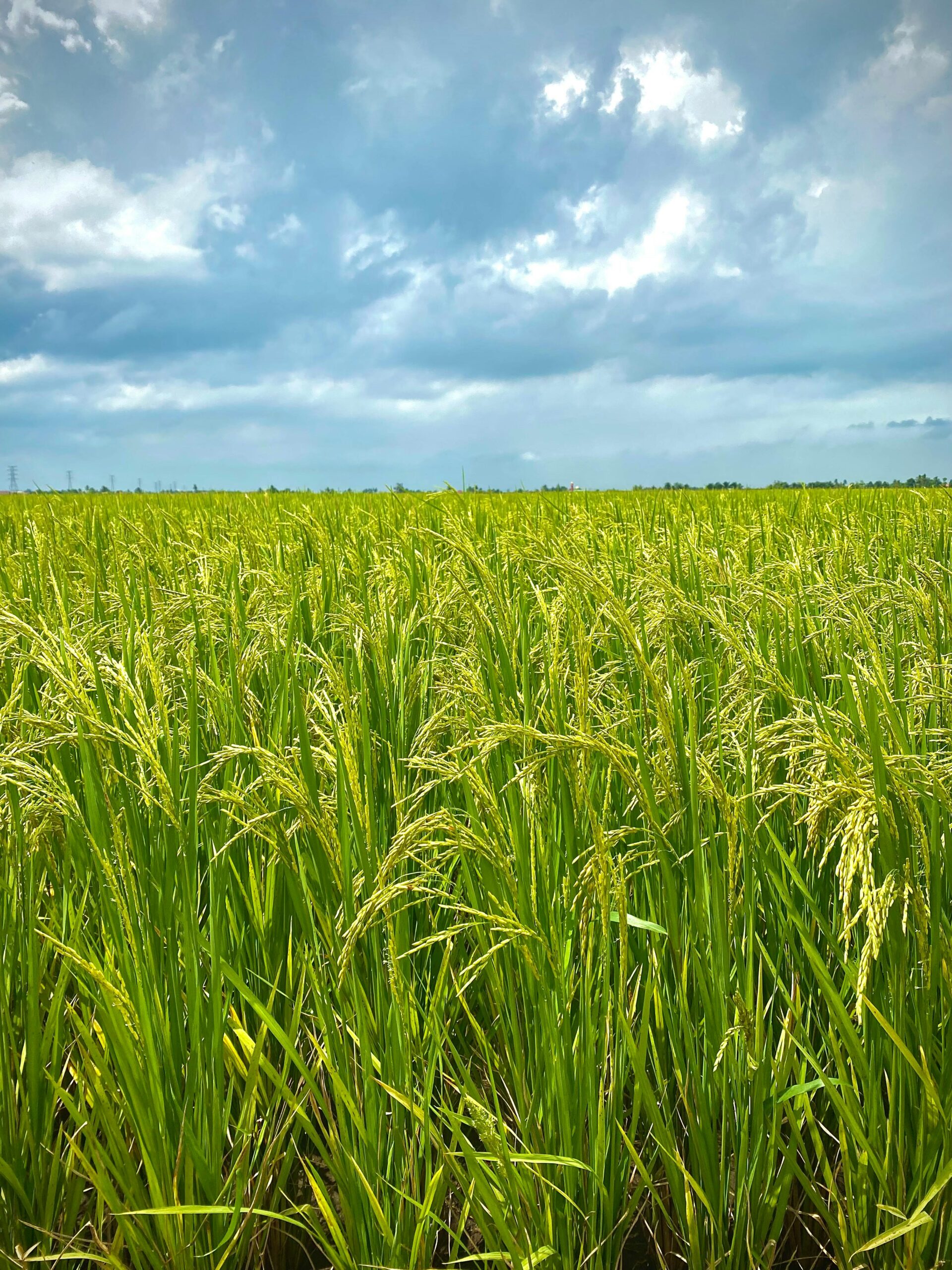
Béla Kuslits discusses intensive agriculture's environmental and ethical impacts and advocates for biodiversity conservation, less farming and efficient food production. It highlights plant-based diets, reducing food waste, and adjusting consumption patterns to achieve sustainability.
Read More
Peru relies on family farming for national food security, yet limited access to irrigation greatly hinders agricultural productivity. This article explores how family farmers, community agents, institutional professionals, and local government authorities in the Cusco region collaborated to co-create water harvesting projects to ensure food security.
Read More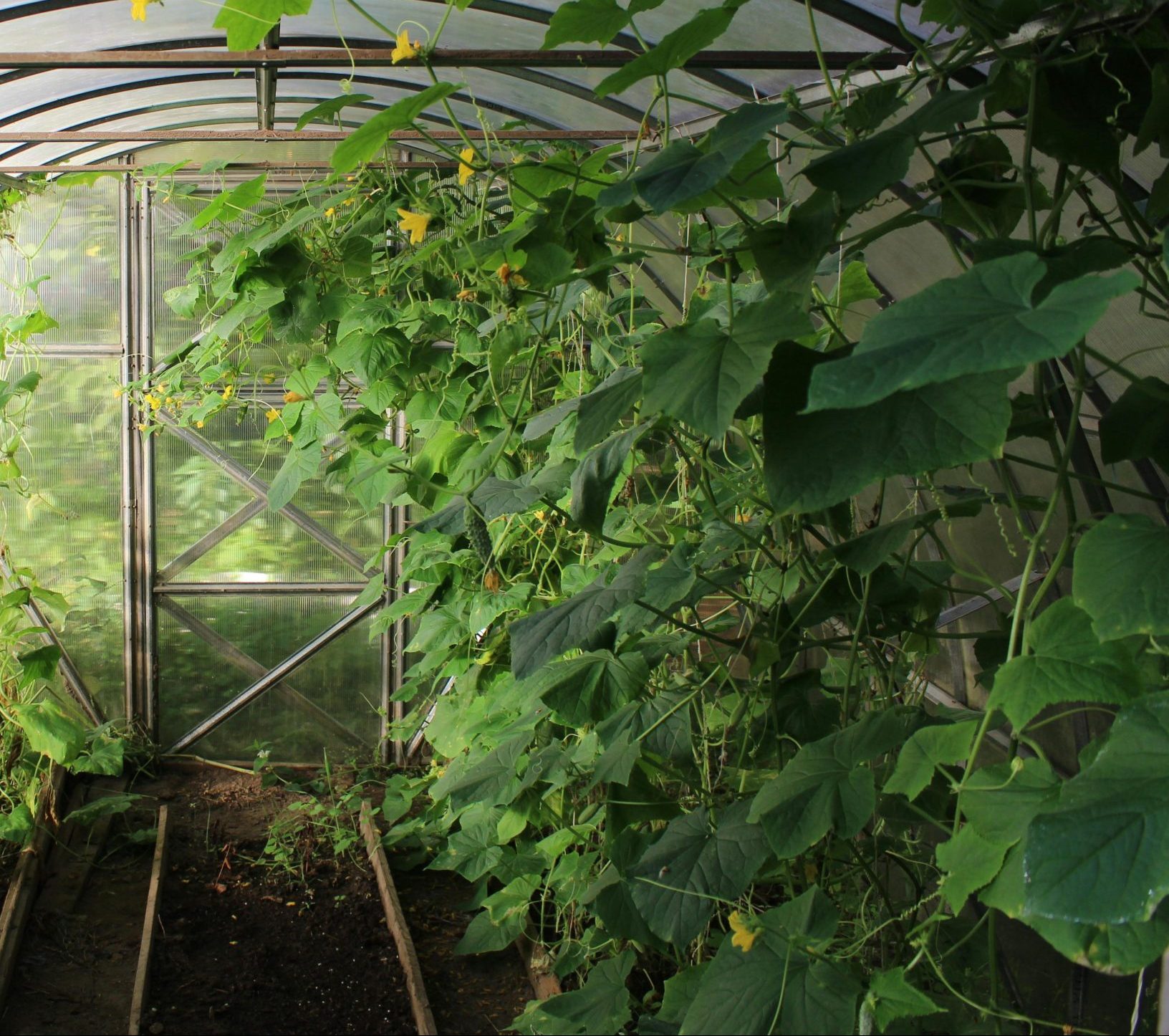
Urban agriculture (UA), using soilless techniques like hydroponics, offers city dwellers a solution to hunger by producing food locally with minimal land and recycled resources. This innovative method empowers communities—particularly women and youth—and supports environmental sustainability and food security.
Read More
This article highlights how agroecology and participatory action research (PAR) can help combat food and water insecurity in Central America. Focusing on Nicaraguan farming communities, Christopher Bacon’s article showcases cooperatives that help mitigate climate crises and food shortages. His piece advocates for universities and institutions to partner with local communities to promote justice through ethical, community-driven solutions.
Read More
I protest against the questions being addressed to Jesuit "environmentalists/scientists." This implies that environmental issues might be the prerogative or sole interest of scientists. I say that environmental issues are everyone's responsibility, especially every Jesuit's. Scientists can help to perpetuate the problem or they can offer alternatives. But it seems to me that the basic issue of the environment resides in our theological vision.
Read More
This article offers an overview of various agricultural approaches including Sustainable Agriculture, Conservation Agriculture, Climate-smart Agriculture, and Agroecology, among others. By classifying these concepts, it sets the stage for understanding their role in promoting ecological resilience. The article also highlights key lessons from field experiences at the Jesuit-operated Kasisi Agriculture and Training Center in Zambia, in partnership with the Seed and Knowledge Initiative.
Read More
Agricultural production systems in place before the first Green Revolution were described as traditional systems. The environmental, economic, social, and cultural destruction caused by the Green Revolution subsequently led, in the 1970s, to the search for alternatives to mitigate damages. The recovery of traditional agricultural knowledge and practices guided and framed this undertaking. The dialogue between interdisciplinary teams of NGOs and certain academics contributed to the recovery and exceptionally, support from departments or state agencies in the agricultural sector of a few countries.
Read MoreThe ecological crisis also challenges our faith and reconciliation with Creation has been a central theme of the Jesuit mission since the 35th General Congregation, but how can we make this happen? Ignatian spirituality provides the foundation for response to ecological questions not only in a contemplative manner but also through practical actions in our lives and works.
Read More