Sustainably Harvesting Water in the High Mountains: When the Project Comes from Them
Abstract
Peru relies on family farming for national food security, yet limited access to irrigation greatly hinders agricultural productivity. This article explores how family farmers, community agents, institutional professionals, and local government authorities in the Cusco region collaborated to co-create water harvesting projects to ensure food security.
Peru is located in the western part of South America, currently populated by 33 million people. It is a megadiverse country due to its variety of ecosystems which allow for the development of different productive economic activities. The last national agricultural census (CENAGRO) of 2012 indicates that 97% of agricultural producers are family farmers, which is very important for national food security, given that more than 75% of fresh foods come from this family farming.
Family farming is a way of life. It’s characterised by the small area of land managed (agricultural units of less than 5 hectares per family), a lack of technology, limited access to irrigation systems, using family members as the workforce and its development in the Andean and Amazonian region of Peru.
In the area of Cusco, there are a total of 2,666,567.32 hectares of crops, only 17% (445,014.9) of which have some type of irrigation technology.
Challenging Areas
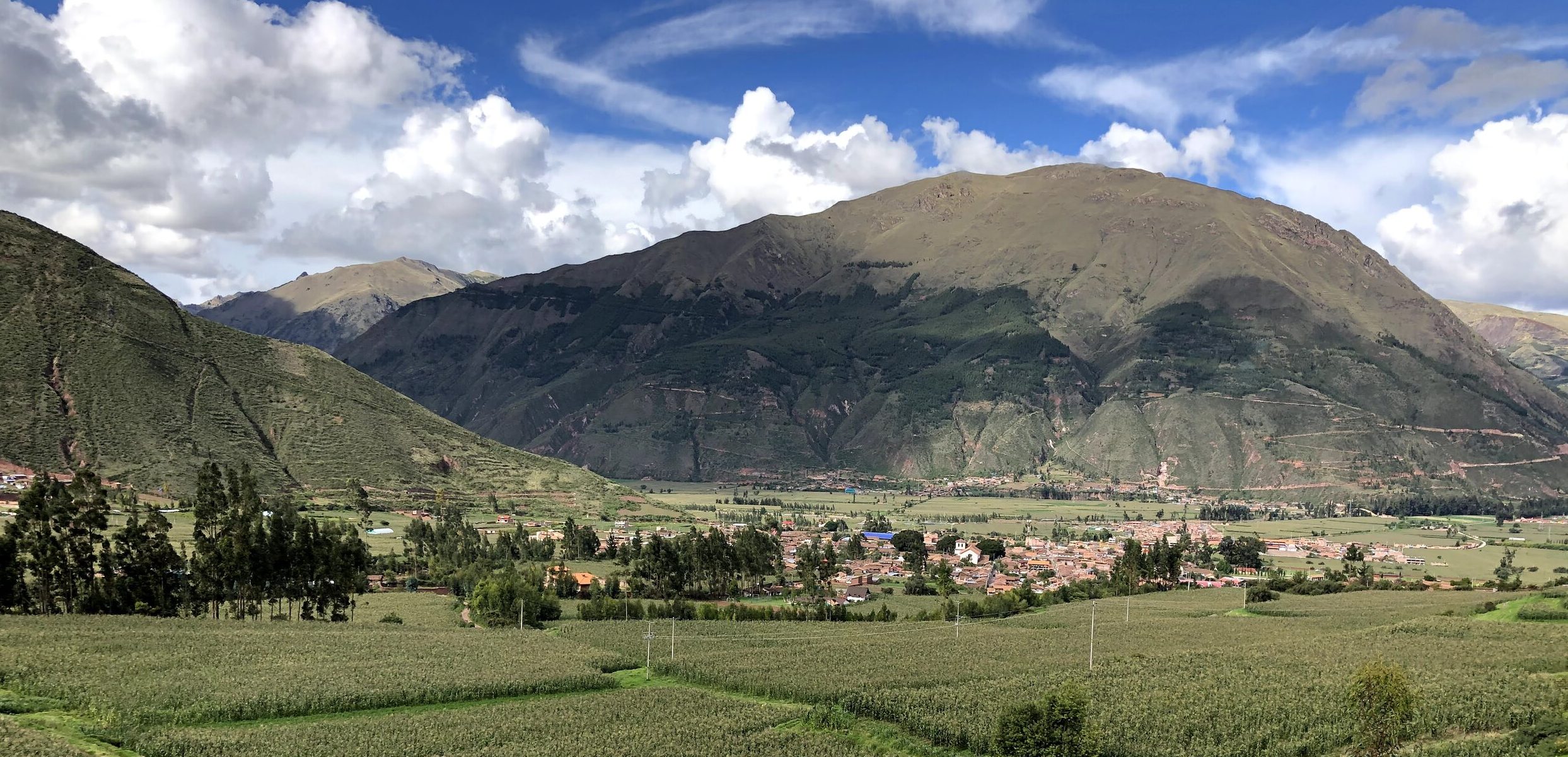
Quispicanchi is a province of Cusco, Peru, with a population of 101,000 people who live in rural communities and small urban centres. For 76% of the total population, their main source of work and survival is farming. Among these family farms, those who produce solely for their own needs and those who produce due to demand and/or for commercialisation can still be distinguished.
Despite having the second highest glacier in Peru, Ausangate, and three rivers of significant volume, Vilcanota, Mapacho and Araza, one of the main problems of farming in Quispicanchi is access to irrigation, especially considering that only 25% of agricultural units have irrigation. If on top of this we add the micro land division[1] of these units, the promotion of agricultural development is a challenge that implies establishing a close relationship with the families; organising agricultural producers, rural communities and local institutions; designing a working route that allows for identification; constructing alternative innovative strategies; recovering the wisdom of the people, and elaborating an action plan where responsibilities are shared.
A Suitable Alternative
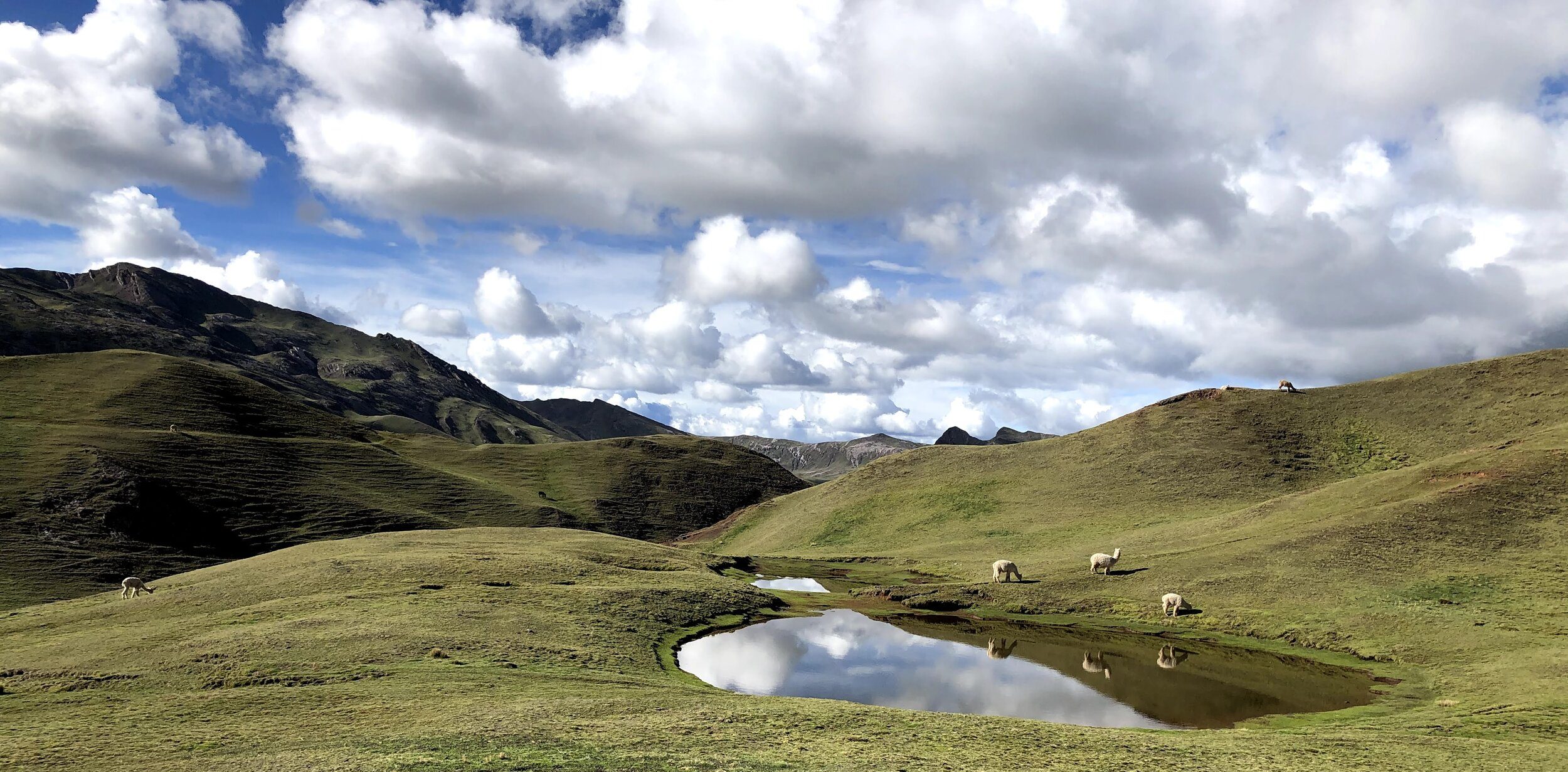
Many research and advocacy organisations for development have experimented with projects and strategies so that farmers would have enough water for their work, all of which used permanent sources of water (water springs, streams, rivers, lagoons, etc). But for family farming that is rainfed, seasonal or in other words depends solely on rain that forms in high Andean regions of more than 3,500 m a.s.l., harvesting water is a great alternative to this problem.
The technology to harvest water consists of identifying natural dams located at the head of cultivation areas; capturing and conducting rainwater towards the natural dam for its duration; constructing dikes and shortcuts for containment; projects for conducting and distributing the water, and fundamentally, organising the farmers to manage the water harvest.
The first water harvesting experience in the province of Quispicanchi (1998) was an initiative that came from the Huarahuara rural community to resolve the problem that farmers from the Lloqueta, Churubamba, Culli, Ccollotaro and Huarahuara communities were facing. After monitoring the operation over the years, this experience was replicated in other communities and districts of Quispicanchi where farmers live with common problems and favourable topographical characteristics.
During the period of identifying the problem, co-creating the solution, scaling the project and the sustainability of the water harvest; the participation of the families, their organisation of the producers and managers of the system, the rural community, the local authorities and the support of the CCAIJO team was important. Along those lines, 16 water harvest projects were executed providing 1,500,000 cubic metres of water annually to irrigate 300 hectares benefiting approximately 980 families (agricultural units) of 16 communities of the Ccatcca, Ocongate, Urcos and Andahuaylillas districts.
Changes Generated
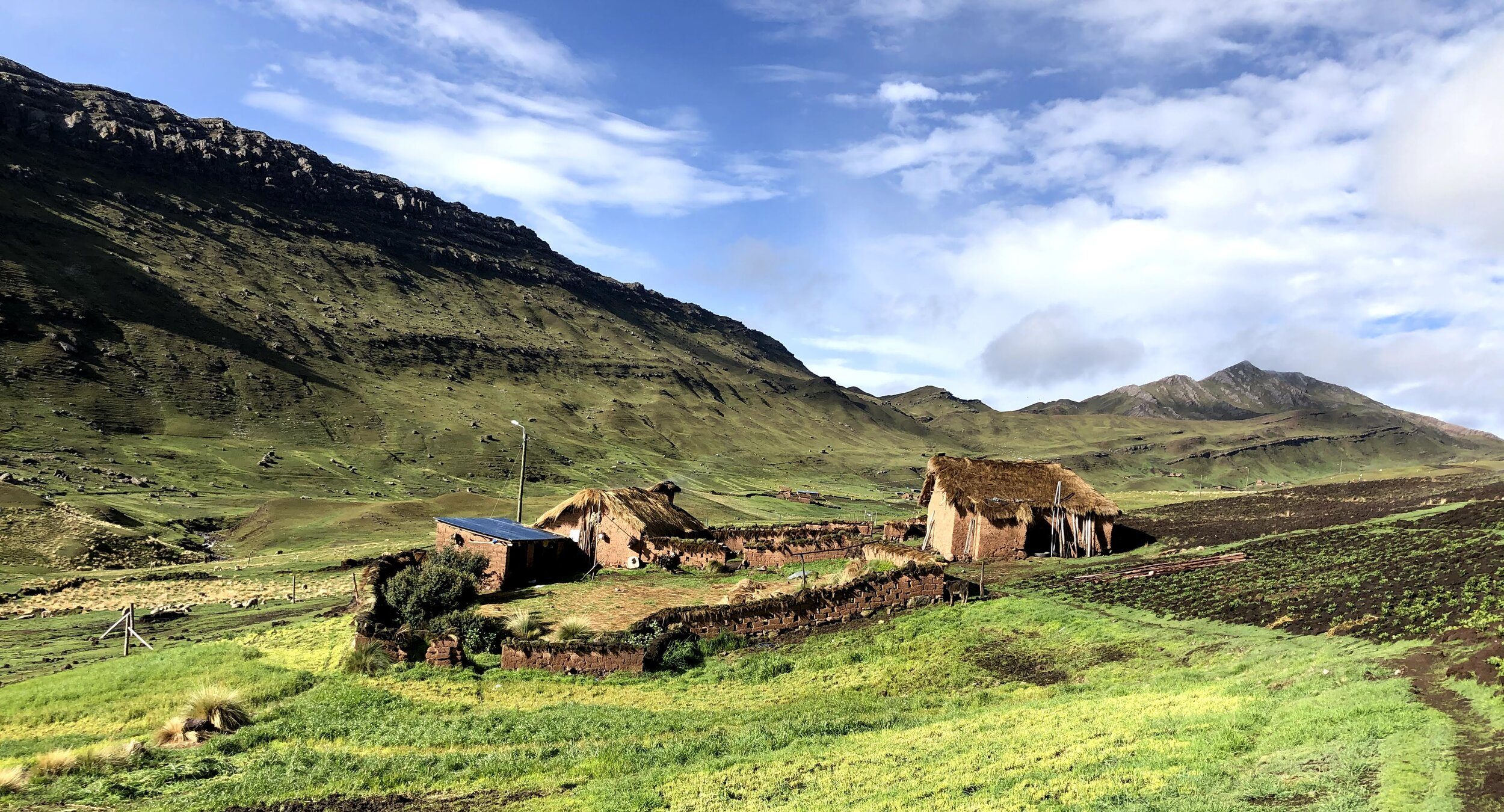
Implementing water harvesting generated results and/or visible changes to the dynamic of the community. Families recovered their interest in farming, the land began capitalising (with irrigation technologies, and infrastructure like sheds and barns) and fundamentally, it reduced the mass migration of communities to the city.
On the other hand, improvements were noted such as the agricultural production of two harvests per year, the transition from farming to livestock with an emphasis on the production of cattle and guinea pig livestock, and the demand to construct more water harvests (or micro dams). Additionally, we can confirm that water harvesting allows downstream aquifers to recharge (a water harvest that was executed for farming purposes is currently being used for human consumption).
Public Policy
Among the CCAIJO strategies, reproducibility, transfer and sustainability are methods that contribute to creating public policies that favour farming and rural development. Under this strategy, 14 of the 16 water harvests that were executed in Quispicanchi had different levels of implication, participation and co-financing from the municipalities. Quantity, duration and experience were useful in order to transfer these responsibilities to the municipalities who, after requests and pressure from the people, farmers and rural communities, incorporated it into their investment programmes, and strengthened their project design teams and their teams in charge of carrying out the water harvest.
Following the experience developed by CCAIJO in Quispicanchi and by other centres in other regions of the country, the Ministry of Agricultural and Irrigation Development (MIDAGRI) summoned CCAIJO and other centres to contribute to the Sierra Azul Fund Executive Unit design. The objective is to increase agricultural water safety by sowing and harvesting water from agricultural and high Andean areas spanning all Peruvian land, and primarily favouring farmers with lower levels of economic income in situations of poverty or extreme poverty.
In 2015, the Ministry of Environment awarded CCAIJO with the National Environment Award “Antonio Brack Egg” for its support in improving the environmental conditions and its action against climate change in rural areas through its projects “Sowing and Harvesting Water in the Quispicanchi Province of Cusco”.
Peru is currently experiencing the start of a new government, one of the most noticeable announcements is the implementation of a “second agricultural reform” aimed at prioritising family farming within public policy, and one of its main components is the harvesting of water. With this in mind, following requests from farmer organisations, the rural communities and the Ministry of Agricultural and Irrigation Development, CCAIJO is participating in the design of this policy.
A Space for Mutual Learning
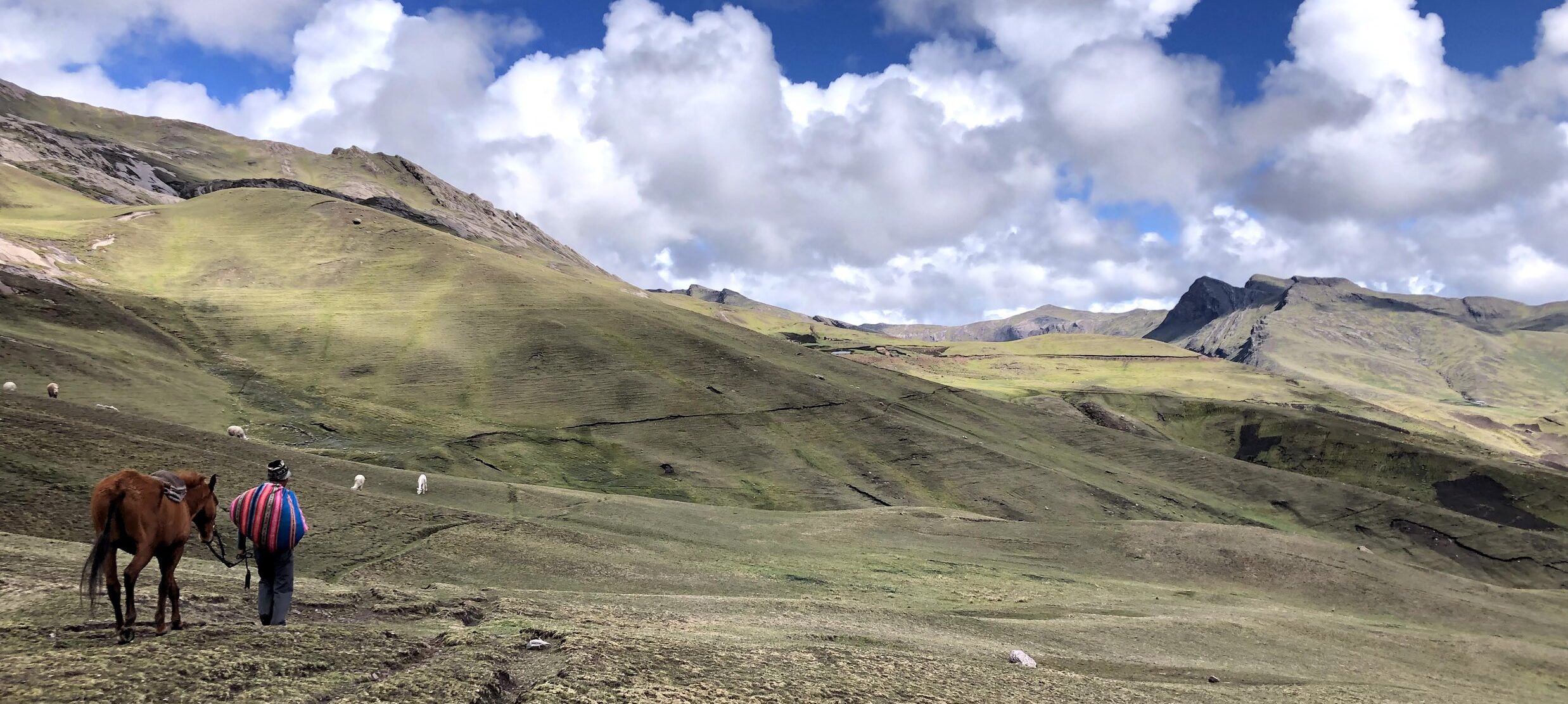
In the last two decades, the rural communities of Quispicanchi have become a preferred place to visit. Hundreds of farmers, leaders of farmer organisations, rural community directives, public and private institutional professionals, regional and municipal authorities, from towns of Quispicanchi, from the region and country have come and witnessed the experience from a social, technical, or budgeting perspective to replicate the project in other areas.
Within the communities, there are leaders capable of receiving visitors, explaining the components of the project, and managing the required conditions to carry out the water harvesting. They can reveal and suggest the effective route before the relevant entities and they know the procedures for establishing the organisation of water harvesting management.
Learning from the Experience
To conclude with this brief description of the experience, we can confirm the importance of the participation of the producers, highlighting it as a fundamental strategy in the development and sustainability of water harvesting. During the experience, we have supported producers who identified and prioritised the problem. It is directly from these producers that the idea of the project came about. Organised producers designed and planned the project with the facilitation of professionals. It is they who, through their organisations, establish the responsibilities for the duration of the construction. Experienced leaders and managers contribute decisively to the development of water harvesting management mechanisms. In other words, the organised producers were the protagonists and to them, we attribute the sustainability of this answer to their strategic problem.
Original in Spanish