
A Journey Through Discernment in Common
Abstract
Sean Carroll SJ reflects on the commitment of the USA West Province to discernment in common as a guiding vision for Jesuits and their lay partners: 'Discernment in common is not simply a tool that we use, but also a way of being together as Jesuits and apostolic partners.' He discusses the successes, challenges and lessons learned in developing the capacity for communal discernment across ministries. He also provides concrete examples of initiatives in education, youth engagement and migrant support in his province.
In August 2023, I faced an important decision as provincial. From September through December 2022, the USA West Province of the Society of Jesus had engaged our communities and ministries in spiritual conversations about where the Spirit was present and moving in our work and where the Spirit was inviting us to go. Fr. Ed Fassett, S.J. and Mr. Charlie Kelley, a consultant who had guided the former U.S. Jesuit Conference through a strategic discernment process in 2005, steered this effort with the support of a committee of Jesuits and lay partners.
In June 2023, we invited all province Jesuits and two lay representatives from each apostolate to gather for conversations and reflection on the feedback from the 1,250 people who had participated in the spiritual conversations. During this Spirit-filled meeting at Loyola Marymount University in Los Angeles, we identified four apostolic directions that complement the Society’s Universal Apostolic Preferences (UAPs). They are to:
· Ground our experience of God through the Spiritual Exercises, Ignatian spirituality and Ignatian discernment.
· Promote and support mutual collaboration.
· Foster community and belonging.
· Exercise an apostolic preference for youth and the marginalized.
While those four directions were essential guideposts, we still needed a vision to orient and focus our apostolic efforts. That was the decision before me in August of 2023. After spending time in prayer, it became clear to me that God was calling us to be a community of Jesuits and apostolic partners that fully embraces discernment in common. This vision would not only help our province respond to God’s call, but it would also allow us to serve the Church and its mission more deeply. It looked like it was a daunting task, especially since it would require building capacity throughout the province to engage in this form of communal discernment. We would also be attempting to follow the example of the First Companions, who discerned together in prayer how God was calling them to shape their common life and mission.

Fr. Steve Sundborg, SJ, and Fr. Sean Carroll, SJ
Change of Epoch
Part of the context for this vision relates to what Father General has referred to as a “change in epoch.”[1] Both Pope Francis and Pope Leo XIV use the phrase, though in Evangelii Gaudium (52) Francis referred to it as “epochal change.” It describes a fundamental shift in history – an actual change of era, rather than a transition within an existing one – with all the fear, disequilibrium, and disruption it entails. [2]
The emergence of artificial intelligence, the prolific growth in the number of Jesuits in the Society of Jesus in some places in the world and the decline in others, and the rise of populist movements across numerous countries are but a few signs of the tumultuous and chaotic change we are experiencing. As Jesuits and lay companions, we are not immune to the turbulence and conflict these trends create.
At the same time, it seems to me that within this context, discernment in common offers us a way to grow as a community and to fulfill the Church’s mission by rooting ourselves more deeply in our history and spirituality. It provides a way forward that grounds us and enables us to draw closer to one another and to God as we move into the future. This practice becomes an anchor and a source of support as we consider how to fulfill our mission and deepen our identity in such challenging times.
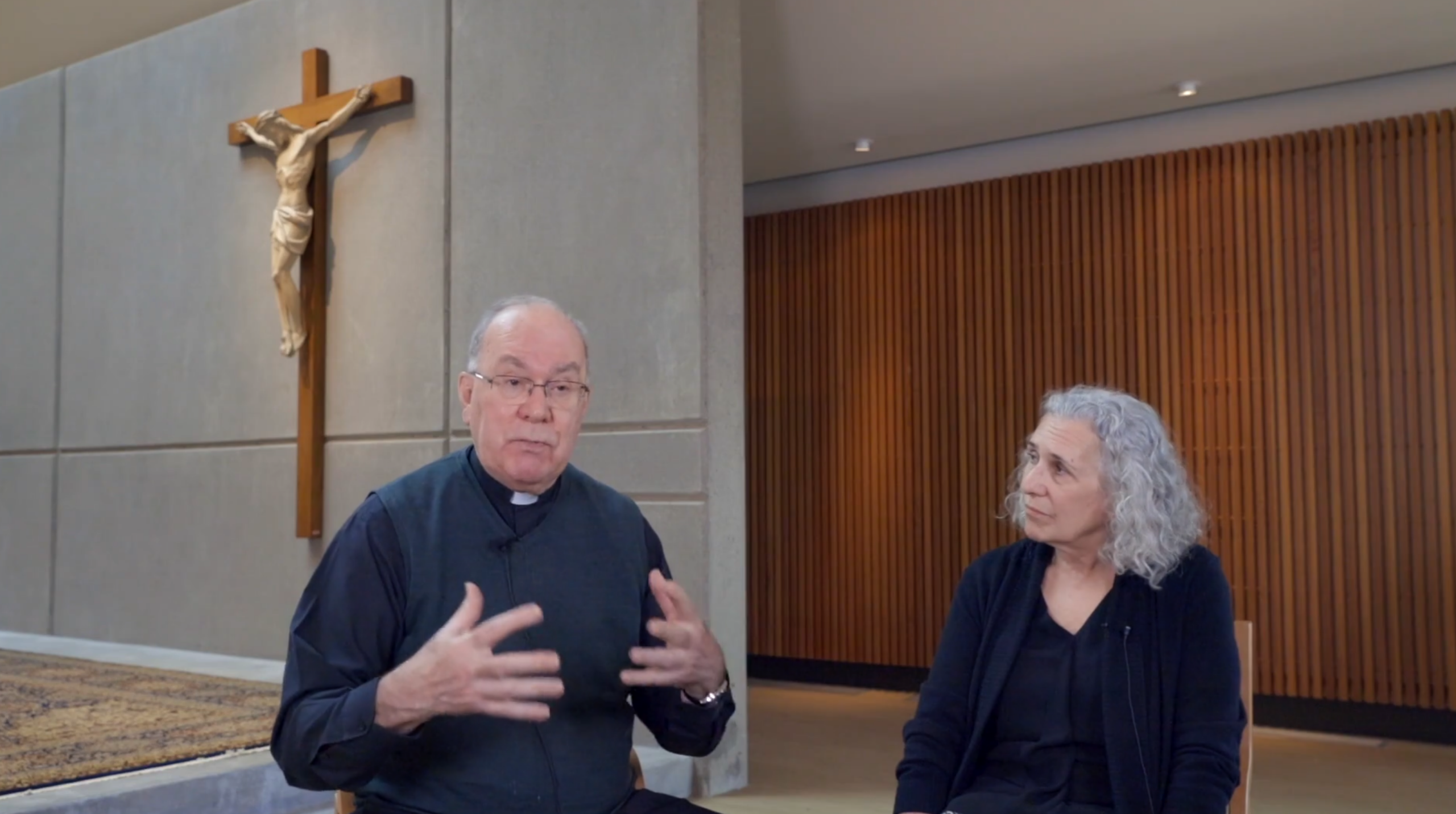
Fr. Steve Sundborg, SJ, and Cindy Reopelle have been helping the province develop capacity in discernment in common.
What Has Gone Well
For our province to become a community that fully embraces discernment in common represents a significant cultural shift, as many of our lay collaborators and even some of our Jesuits are unfamiliar with the practice. To fill that need, I have put together a small committee of Jesuits and lay collaborators led by Fr. Steve Sundborg, S.J. and Ms. Cindy Reopelle as co-chairs. Steve brings a wealth of experience through his background in spirituality and use of discernment in common from his tenure as president of Seattle University and his work with the Board of Trustees at Georgetown University. Cindy offers her extensive background in Jesuit secondary education and her leadership in Ignatian spirituality as the executive director of the Spiritual Exercises in Everyday Life (SEEL) in Spokane, Washington.
I have asked them to build capacity throughout the province so that we may more fully engage in discernment in common. Steve, Cindy and their committee have developed a number of resources to support this effort, including a 10-Point Primer on Discernment in Common, a video, and a set of case studies that have been widely shared across the province.
Our strategy has been twofold: first, to work through the sectors (pre-secondary and secondary education, higher education, pastoral and spiritual ministries, justice and ecology organizing) to offer directors of works and key personnel both knowledge about and experience with discernment in common; and second, to build capacity among Jesuits in their communities.
In pre-secondary and secondary education, Steve introduced discernment in common at the semi-annual gathering of presidents, principals, board chairs, and Jesuit superiors. He provided an overview of the practice, offered the group an experience of it, and encouraged them to return to their ministries and identify a key question they might engage. He asked them to engage in common discernment regarding the “soul” of their school, i.e., the essence of their mission and identity.
A number of schools were able to gather a group and grow in their capacity to practice discernment in common. One school found it helpful for discerning whether to resume a capital campaign. Another gained clarity regarding a significant property purchase that would support the school’s future, while a third discerned how to ground their strategic planning in their mission.
In addition to our pre-secondary and secondary education sector, I am pleased to report that other apostolic sectors have also begun building common capacity for discernment. In social ministries, discernment in common has helped bring the faith dimension into key questions and conversations that can all too easily remain in the secular realm. In parish ministries, a group of pastors found spiritual conversation to be a helpful way of examining their ministries in a prayerful and discerning manner. In higher education, a group of Jesuits used the practice to recognize the call to support their brother Jesuits working in this sector, particularly in a context where fewer Jesuits are serving the Church in this important area of ministry.
Not only has building capacity helped our works grow in their ability to use discernment in common for key questions, it has also enabled people to draw closer to one another. A number of participants have described how the process has helped them develop a deeper trust and connection with one another. I have noticed this especially among boards of trustees or directors who have engaged in discernment in common together. One school shared that, although they did not achieve clarity on the specific matter they were discerning, the experience strengthened their bonds in a way that had not existed previously.
I have also observed that even when people are initially reluctant to engage in discernment in common, once they participate and experience it firsthand, they see and feel its wisdom. One school board member expressed this clearly some months ago when, after taking part in the process, he wrote that he was “all in” with the vision and where it would lead them.
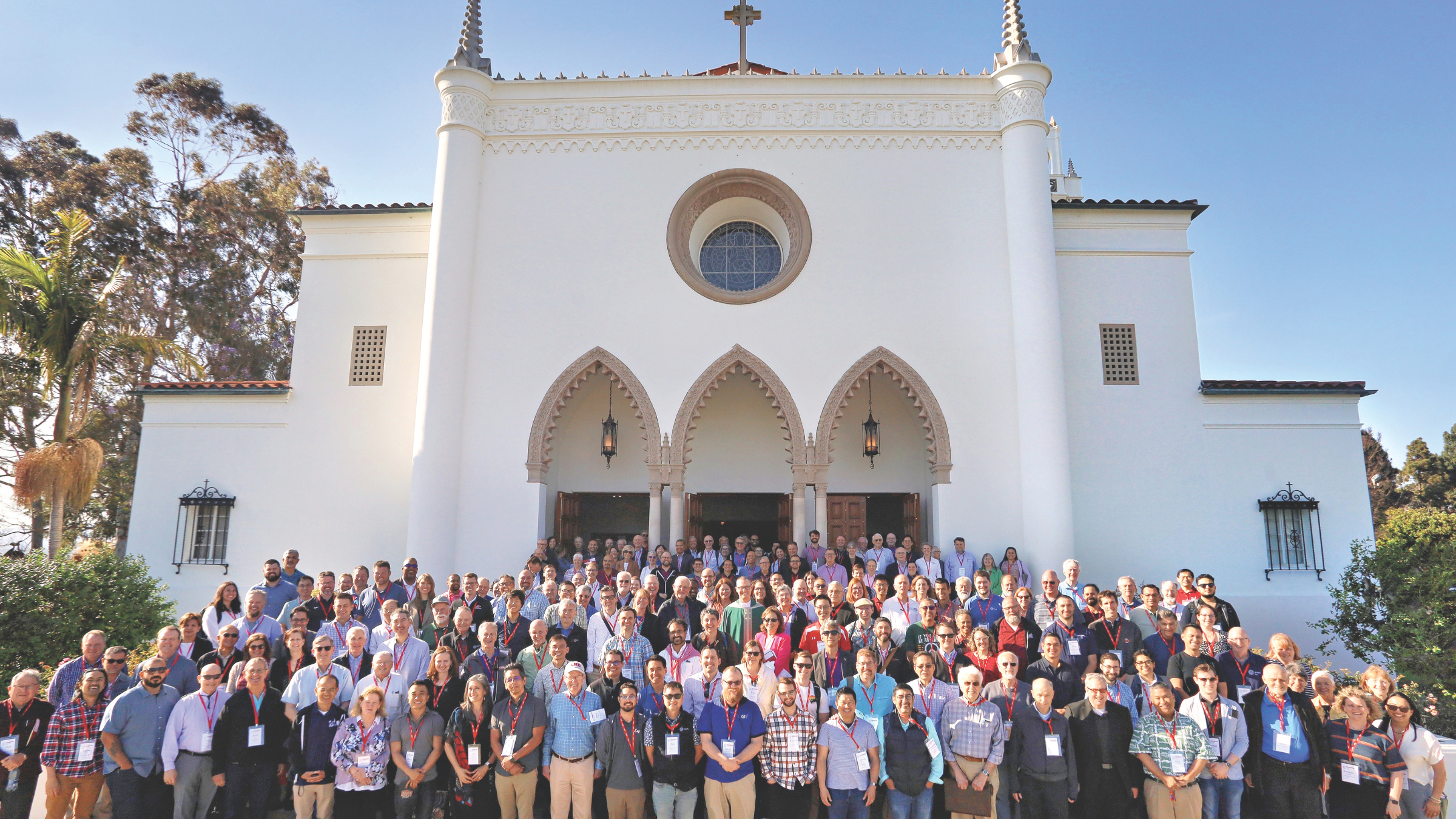
Jesuits and lay partners at an apostolic planning gathering at Loyola Marymount University, Los Angeles, June 2023
What Has Been Challenging
In general, I have found that lay people in our province have been very open to, encouraged by and even excited about building capacity for discernment in common. Jesuits, on the other hand, though not universally, have at times expressed skepticism. Part of the explanation may rest with me, since at the outset, I did not give the communities a concrete question to discern, and my communication with them could have been clearer.
Yet, I believe there may be a deeper, multi-faceted explanation for this sentiment. Some Jesuits do not view discernment in common as particularly new; for instance, Seattle University and the leadership of the former Oregon Province have used it for years to prayerfully discern important questions. Other Jesuits, I suspect, may feel overwhelmed with their current commitments and may be reluctant to invest time and effort in this process. Still others may not have seen some previous province initiatives to do discernment bear the fruit they had hoped for, which can make them doubt whether this one will be successful.
Another challenge is helping Jesuits and lay people together develop the level of trust and spiritual freedom needed to discern in common. [3] We know that in our individual discernments, two things are required: 1) trust in the Lord, and 2) enough spiritual freedom to be indifferent to what God is asking us to do. The same is true for discernment in common. Yet, people often come to this exercise with varying degrees of trust and spiritual freedom. These challenges remind us that discernment in common is not just a technique to learn, but a way of proceeding that takes time to develop and grow.
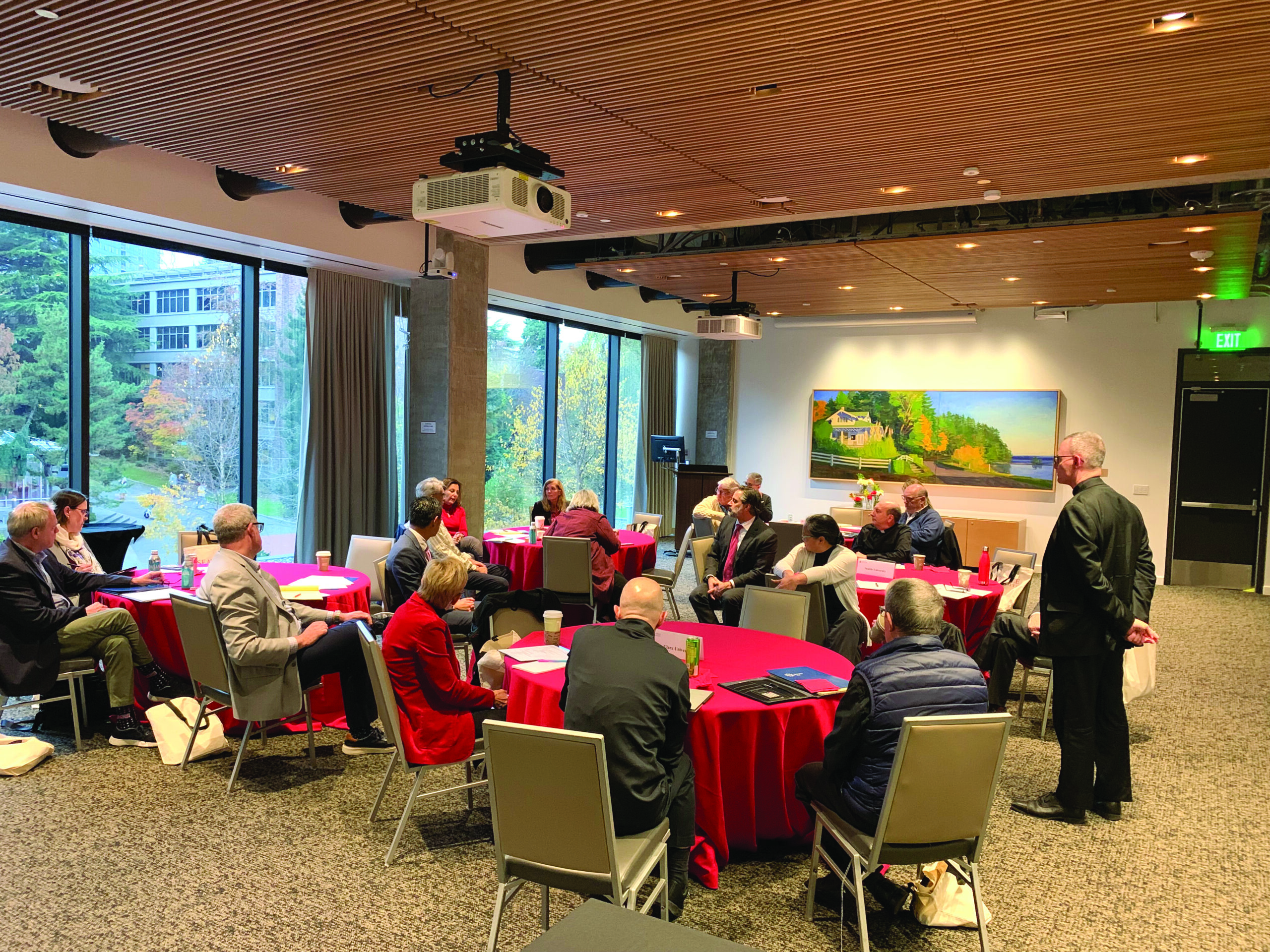
Fr. Sean Carroll, SJ, talked to higher education leaders about discernment in common.
What We Have Learned
One powerful lesson has emerged from our Jesuit communities: the importance of identifying and choosing well the question to be discerned. [4] As noted earlier, the matter for discernment should concern a core aspect of a community's or ministry's life – something directly related to mission and identity. Fr. General has emphasized that most decisions should continue to be made through our customary practices of consultation, deliberation, and reflection; only a small percentage – perhaps five percent – will naturally lend themselves to a discernment-in-common process related to mission. [5] When Jesuit communities focus their reflection on a well-chosen question, the exercise tends to go more smoothly and fruitfully.
I have also learned that the support of the Jesuit community superior and the director of a work plays a critical role in the success of discernment in common. Ideally, they not only encourage the process but also participate in it themselves, investing personally in this important Ignatian spiritual practice. When both the superior and the director of the work are engaged, it encourages broader participation.
In addition, the preparatory work for discernment in common plays a key role in building trust and spiritual freedom within the group. The more opportunities people have to get to know one another, the readier they are to engage meaningfully in the process.
Our province has eleven distinct geographic regions spread across ten states, and we have recently begun regional discernments through spiritual conversations. We are asking Jesuits and collaborators in each region to discern how they might put into practice, through a concrete plan of action, one or more of our apostolic directions in relationship to the Universal Apostolic Preferences. This process invites participants to approach the question in a cross-sector way, with the hope that they can discern with freedom, openness, and creativity. Still, it can be a challenge to assemble a group that shares these qualities to a sufficient degree for good discernment to take place. Given this, we encourage participants to spend some time getting to know one another before they begin. If we do not devote sufficient time to this foundational work, it risks undermining the process.
Taking a gradual approach to discernment in common has also proven helpful. We are asking our regional groups to engage in spiritual conversations because we have found that this form of prayerful reflection and dialogue is more accessible to a broad range of people than more formal discernment in common. [6] As decree one, paragraph twelve of General Congregation 36 reminds us, spiritual conversation “involves an exchange marked by active and receptive listening and a desire to speak of that which touches us most deeply. It tries to take account of spiritual movements, individual and communal, with the objective of choosing the path of consolation that fortifies our faith, hope and love.” Discernment in common, on the other hand, describes the overall process of prayerfully making a particular decision, which includes choosing the matter carefully, fostering trust and freedom in the group, and seeking the will of God. In a word, spiritual conversation serves as a building block for discernment in common, and it allows Jesuits and lay partners across the province to participate in a broader process of discernment that is well-suited to a range of experiences and capacities.
Fr. Steve Sundborg, SJ, led the province's middle and high school leaders through a communal discernment experience.
What We Hope
I have great hopes for what discernment in common will do for our province. It can provide a way for Jesuits and lay partners within a region to discern with freedom and openness. Together, they will provide input on how they will engage the province’s four apostolic directions and the Universal Apostolic Preferences of the Society of Jesus. They will consider whether to pursue something new or to deepen commitments already underway.[7]
While our regional conversations are important, I realize that we do not need to wait for that process to conclude before moving forward on an essential apostolic direction. Some months ago, I met with a number of Jesuits who work with youth and young adults and asked them how we might deepen our apostolic preference for young people through the gift of Ignatian spirituality. Their responses led me to gather them as a group, which has sparked an extraordinary process of listening and discernment called “Speak Up: The Jesuits are Listening.”
A province-wide effort to hear the voices of the young, Speak Up involves seventy trained young adults facilitating spiritual conversations with young people about what they seek from us as Jesuits. A website has been created, which features a video inviting participation. This process will lead to a proposal that our province staff, Consultors and I will discern as we consider next steps in our service to and with young people. It is my hope that this initiative will empower us to reach people we are not currently serving and enable us to collaborate more deeply with the local Church, while avoiding duplication of the excellent work already happening in many of our youth and young adult ministries.
In addition, we are examining ways we might more intentionally exercise our apostolic preference for marginalized people. In San Diego, California, Fr. Scott Santarosa, S.J., pastor of Our Lady of Guadalupe Parish, and his team have been doing important work accompanying immigrants to their court hearings. They are offering support at a very vulnerable moment for immigrants in the United States who are facing possible arrest and deportation.
I am hopeful that we can build capacity for Jesuits and lay people to provide this type of support in different areas of the province. Recently, we held an online meeting for Jesuits interested in this kind of accompaniment work, and the participation of 40 Jesuits in that initial gathering deeply encouraged me. Ms. Annie Fox, my provincial assistant for justice and ecology organizing, has helped lead these efforts to stand with people on the margins. She has also played an important role in a broader effort to uphold the human dignity of migrants, particularly through support of a recent bi-national border Mass that the Kino Border Initiative helped plan and host along the U.S.-Mexico border, as well as through actions connected to a national “One Church, One Family” initiative.
Discernment in common will play an essential role as we move forward, especially as we ask how God is inviting us to advance our apostolic directions, while God transforms us in the process.
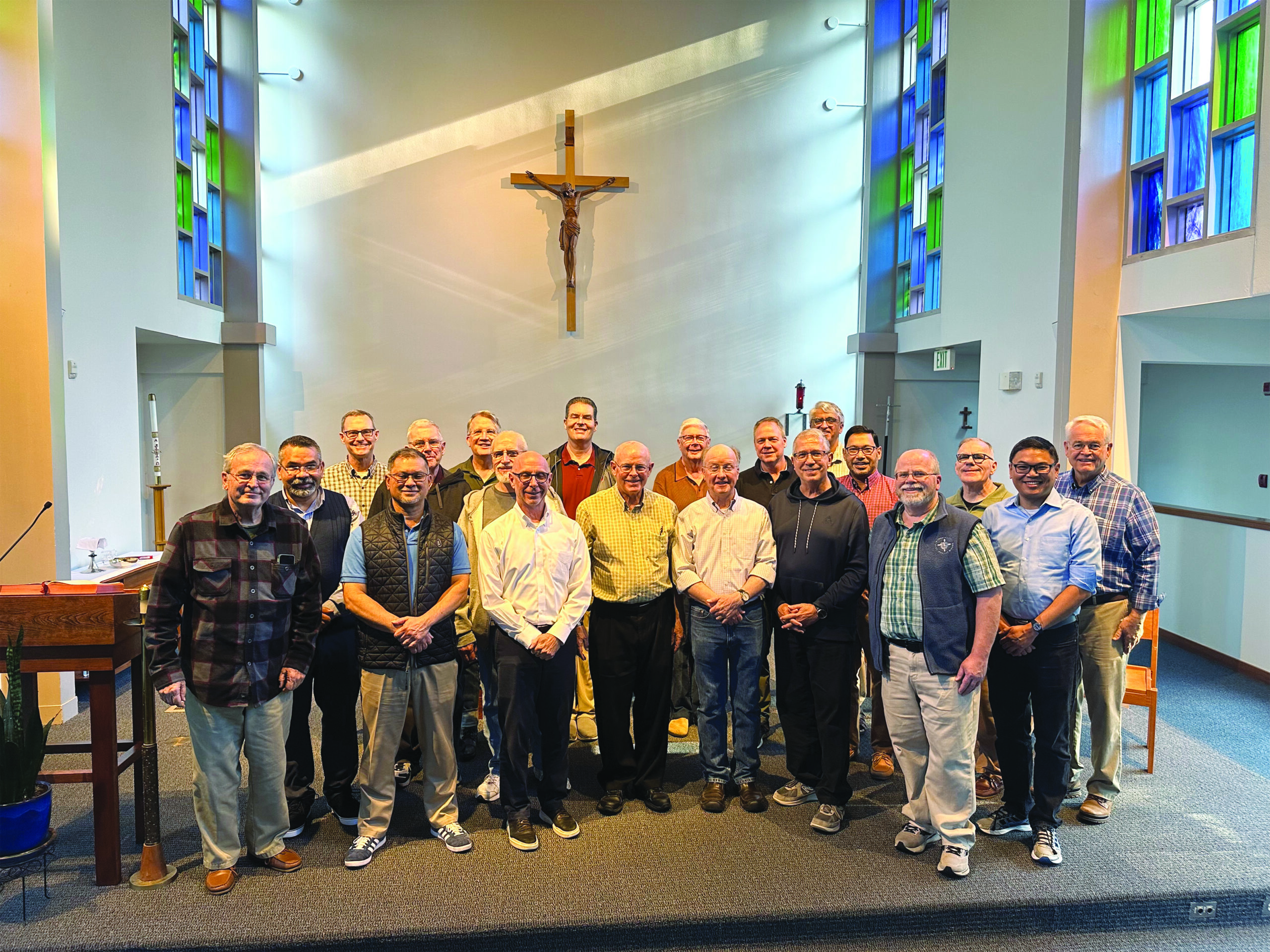
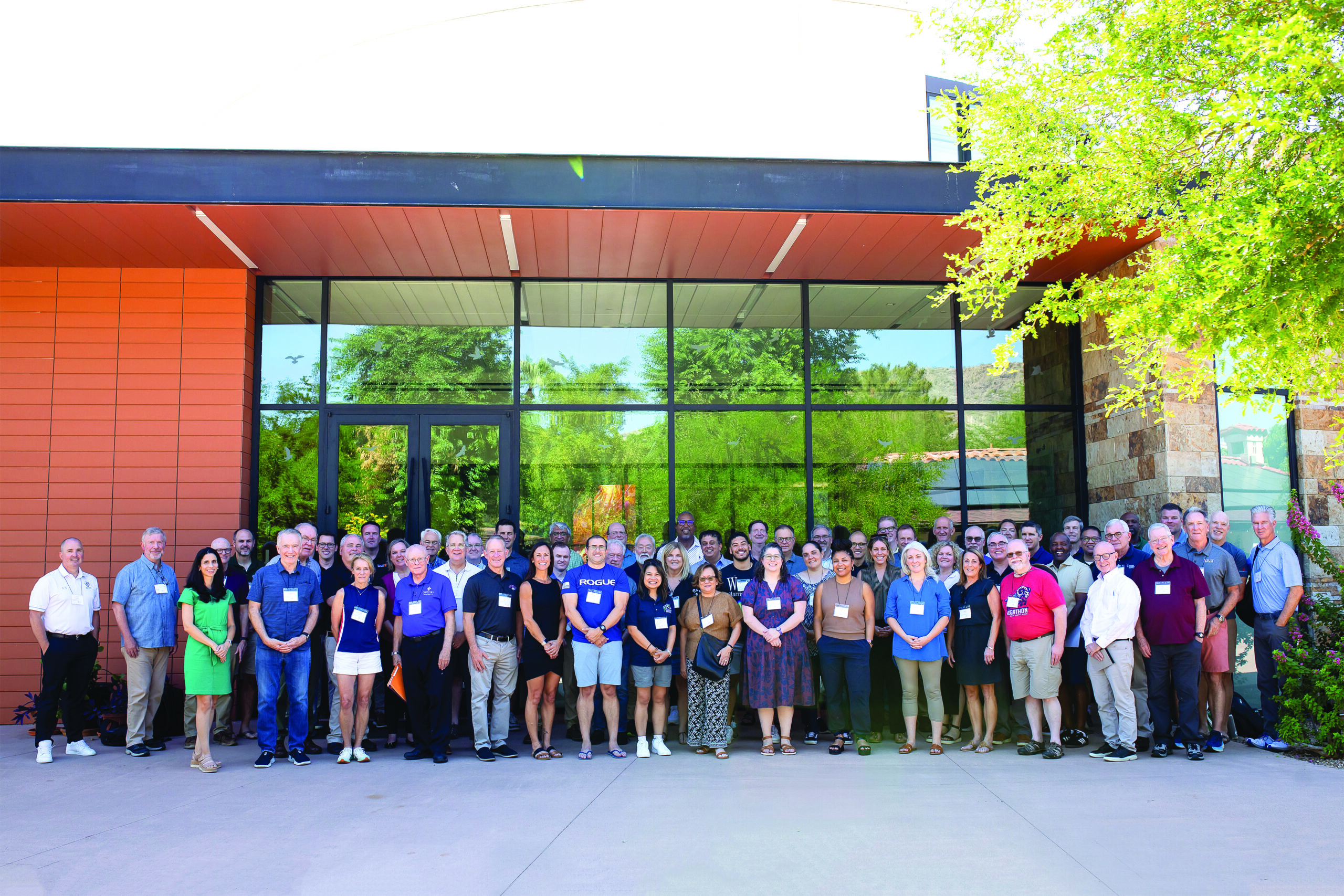
Superiors of communities in Jesuits West participated in an exercise in discernment in common.
Meeting of Major Superiors and Audience with Pope Leo XIV
During the Meeting of Major Superiors in October 2025, we were grateful for the opportunity to meet with Pope Leo XIV. He clearly affirmed the Society of Jesus’ Universal Apostolic Preferences and encouraged us to continue along this path. At the same time, he called us to continue going to the frontiers, just as Pope Benedict XVI urged the Society of Jesus to do when he addressed the delegates of General Congregation 35 in 2008. Whether those frontiers may be physical, cultural, intellectual or spiritual, Pope Leo emphasized that staying close to Christ enables us to respond faithfully to this call. [8]
While embracing discernment in common at the province level offers one important way of going to the frontiers, I also hope that it draws us all closer to Christ at a challenging and chaotic time for our world. It helps us to be part of and to contribute to synodality within the Church. As we continue this journey, I hope that discernment in common becomes not simply a tool we use but also a way of being together as Jesuits and apostolic partners. In that closeness, may we allow God to show us the way “to the frontiers of today and beyond, renewing the Church and building a Kingdom of justice, love and truth.” [9]
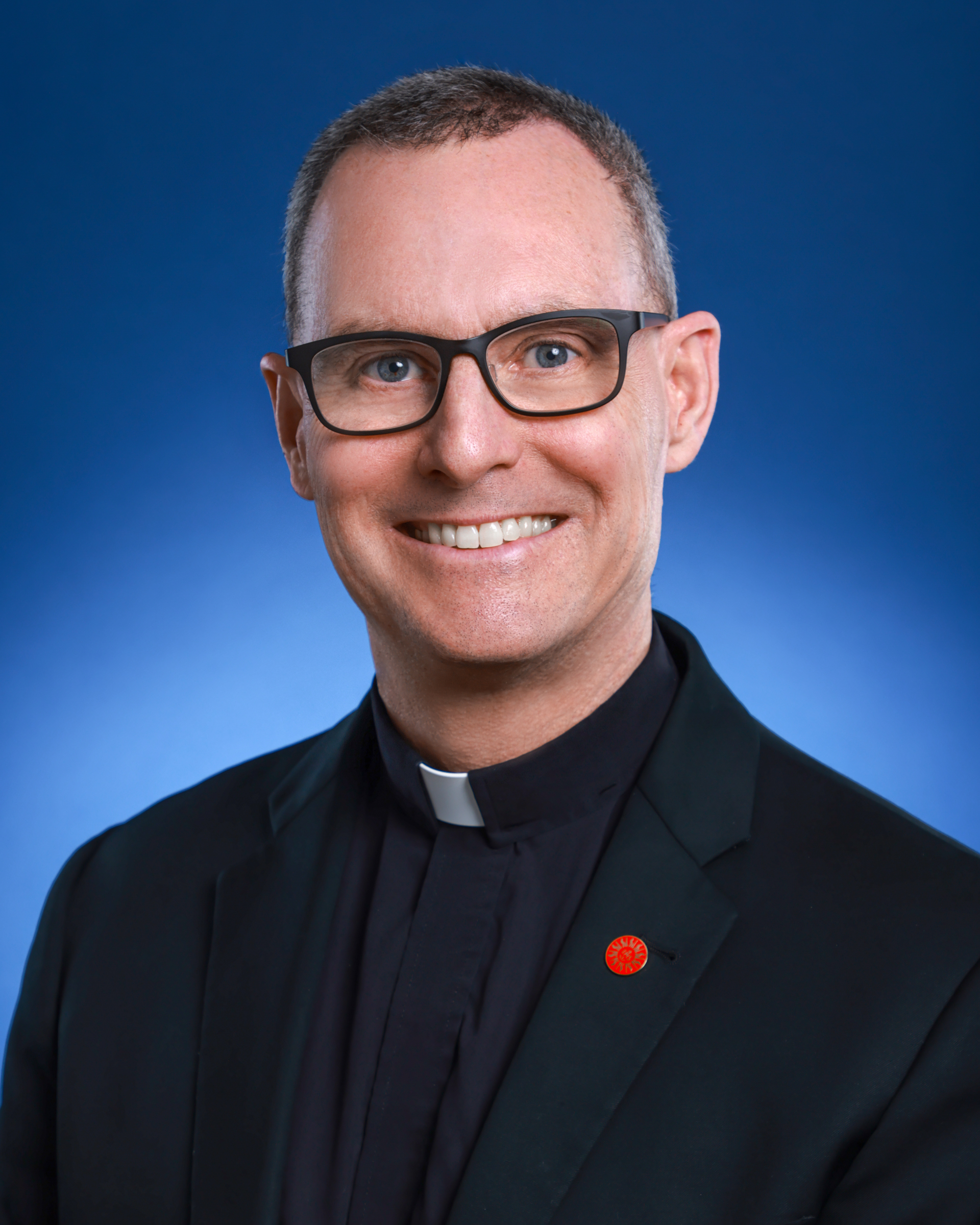
Sean Carroll SJ entered the Society of Jesus in 1989 and was ordained a priest in the year 2000. After eight years of parish ministry, he served from 2009 to 2021 as the executive director of the Kino Border Initiative, a binational Catholic ministry focused on migration at the U.S.-Mexico border and working in the areas of humanitarian assistance, education and research/advocacy. He is currently the provincial of the USA West Province of the Society of Jesus.
[1] Arturo Sosa, «La universidad jesuita: testigo de esperanza, presencia creativa y dialógica», Asamblea de la Asociación Internacional de Universidades Jesuitas, Universidad Javeriana, Bogotá, Colombia, 29 de junio al 3 de julio de 2025.
[2] Austin Ivereigh, «La hoja de ruta de León para la Iglesia», The Tablet, 15 de noviembre de 2025, 4. Véase también León XIV, «Discurso del papa León XIV a los superiores mayores de la Compañía de Jesús», 24 de octubre de 2025, 1.
[3] Arturo Sosa, «Sobre el discernimiento en común», 27 de septiembre de 2017, 3.
[4] Ibíd.
[5] Arturo Sosa, Comentarios pronunciados en la Asamblea Mundial de Universidades Jesuitas, Universidad de Deusto, Bilbao, España, 8-12 de julio de 2018.
[6] Arturo Sosa, “Discernment in Common,” September 27, 2017, 5-6.
[7] Arturo Sosa, «Planificación apostólica: un camino de renovación y esperanza», 6 de diciembre de 2023, 3.
[8] Pope Leo XIV, “Address of Pope Leo XIV to the Major Superiors of the Society of Jesus,” October 24, 2025, 2.
[9] Ibid.