Agroecology and Participatory Action Research for Food and Water Justice in Central America
Abstract
This article highlights how agroecology and participatory action research (PAR) can help combat food and water insecurity in Central America. Focusing on Nicaraguan farming communities, Christopher Bacon’s article showcases cooperatives that help mitigate climate crises and food shortages. His piece advocates for universities and institutions to partner with local communities to promote justice through ethical, community-driven solutions.

I remember driving with local community leaders into northern Nicaragua’s mountains to meet with organized farmers as we continued a long-term relationship that sought to explain and construct strategic responses to drought and an El Niño event in 2016. The Famine Early Warning Systems Network warned that this area, and much of Central America, was experiencing a stage three food crisis characterized by severe food insecurity coping responses, such as skipping meals and selling assets. Yet here we found farmers that had organized themselves into a cooperative and invested not only in organic coffee for export, but also in corn and beans for their own consumption and local markets. Although some of these farmers still reported several months of low-level food insecurity, conditions were buffered by their diversified farming practices and a community-based seed and grain bank. The recently upgraded village water system provided access to drinking water from mountain streams. In times of hunger and thirst, the farmers told us how they recently packed up their mules with several thousand pounds of corn and brought them to a neighboring community where they knew others were suffering more. They remembered how these neighbors once sheltered and fed them when they fled their land after it was attacked during the wars of the 1980s. The practical hope in diversified farming and solidarity are matched by global challenges to secure rights to food and water.
Global Hunger and Thirst
The related global facts that three billion people are malnourished (FAO, UNICEF, WFP, & WHO, 2020), 2.2 billion live without access to a safely managed drinking water source (WHO, 2021), and agriculture remains a key driver of anthropogenic climate change, water contamination, and biodiversity loss, have accelerated calls for food and water system transformation. At the same time, climate change and market governance failures have contributed to increasingly extreme events that exact a devastating toll on agriculture, food security, water systems, and the livelihoods. Recent environmental and economic shocks, including COVID-19, the 2015/16 El Niño and resulting weather-related hazards worldwide, the exceptionally strong 2017 and 2020 hurricane seasons in the Caribbean, as well as changing food prices and political violence, have continued to threaten rural livelihoods, food security, and wellbeing. Although there is currently more than enough food to feed 10 billion people and enough freshwater on the planet for more than seven billion people, access is uneven and too much is wasted (Holt-Giménez, E., Shattuck, A., Altieri, M., Herren, H., & Gliessman, S., 2012).
These stats are not evenly distributed affecting a mythical “global average person”, instead the uneven patterns of who benefits and who pays for pollution and climate risks follow a persistent pattern of global injustice. The small-scale farmers, landless workers, urban poor, and so many others in the majority world (e.g. the 80% + of the world that survives on less than $10/day) creatively sustained their cultures in marginal spaces, burn less oil, use less water, and eat less food, yet face the most devastating impacts from climatic changes. Even within wealthy countries, study after study have shown that low income residents and racial/ethnic minorities suffer disproportionate exposures to air and water pollution, while their proximity to parks, healthy food, and other environmental benefits is often lower.
Collectively the governmental and corporate response to these challenges has been totally incommensurate with the scale of the problem. Not only have government programs and business efforts fragmented themselves into narrow commercially oriented approaches that often undermine local efforts for positive change, they also often focus on either food or water. Furthermore, the depth of ethical and social commitment needed to foster solidarity and sustain this work remains too shallow, while both scale and creativity of public investments and policy changes is too weak or commercialized. In the case of agriculture, the business interests and imperialism behind spreading many strategies that led to production in plantation monocultures is still very strong. Although one might expect that universities focused on developing sharing, and applying knowledge through public service, could be leading the charge to address these injustices, all too frequently those of us in higher education also find ourselves segmented in disciplinary silos or constrained to incremental advances that are insufficient.
How to Respond?
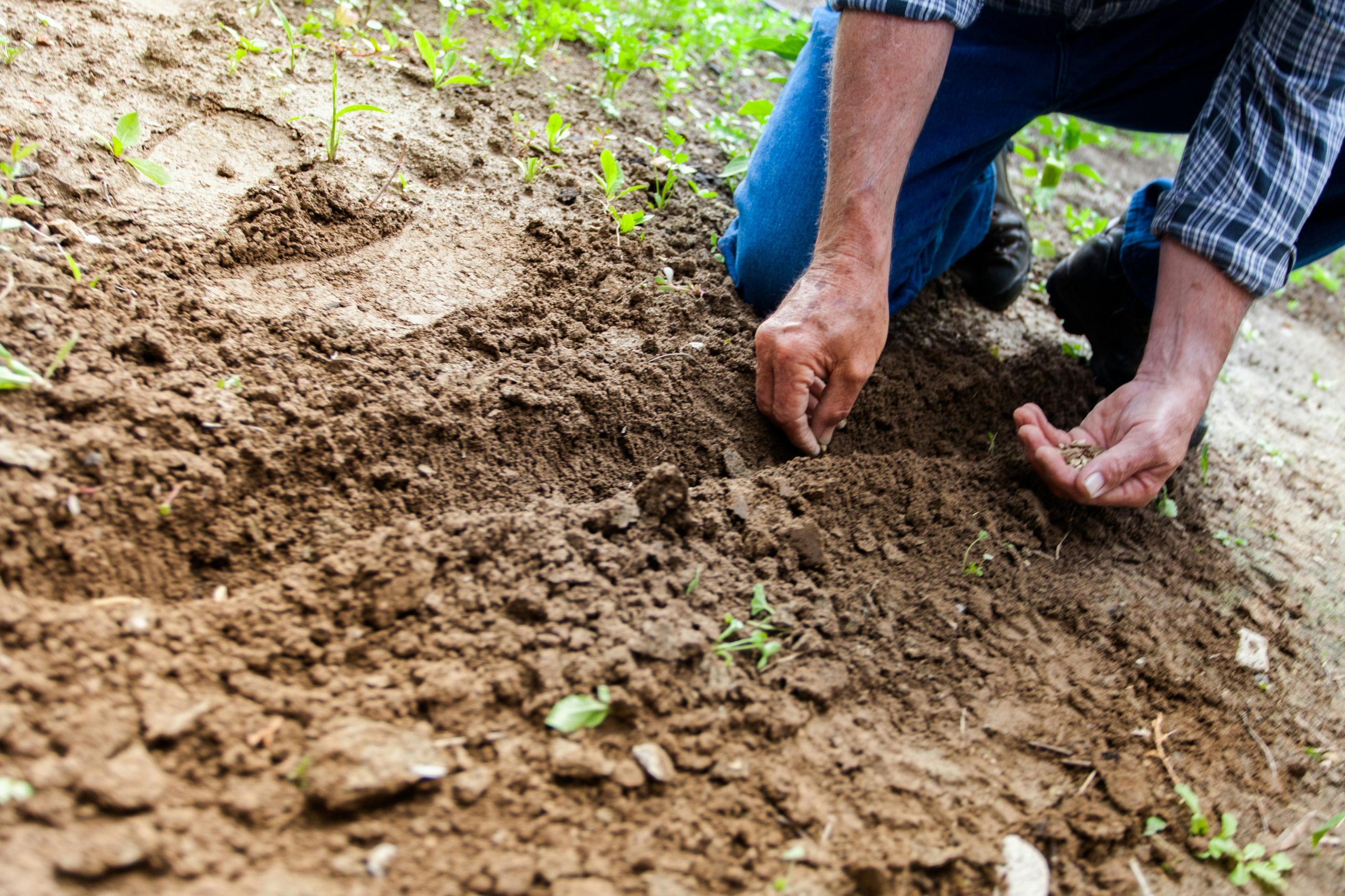
I will share several experiences about personal and collaborative efforts to do our own small part to foster transformative responses to these global challenges and their local manifestations. I write from my perspective as an individual, an associate professor of Environmental Studies, and a co-founder of the Environmental Justice and Common Good Initiative at Santa Clara University, a Jesuit Catholic university in California, USA. As a response to these multiple and overlapping challenges, I offer community-based participatory action research and agroecology as two principle-based integrative approaches that could help universities and other institutions form relationships with communities and initiate partnerships to secure the human right to food and water. If universities invest in these approaches, they will also contribute to institutional transformations that help respond toPope Francis’ 7-Year Journey Towards Integral Ecology and the process of becoming a Laudato Si’ University.
Participatory Action Research and Agroecology
Participatory action research (PAR’s) aims to cultivate equality and democracy in the relationship between community and researcher, involving community members and their representatives in defining the research agenda, conducting research, and shaping the outputs (e.g., sharing results in community meeting, public forum, instead of only journal articles). PAR is an approach that fosters a “democratic process concerned with developing practical knowledge, … bringing together action and reflection, theory and practice, in participation with others, in the pursuit of practical solutions to issues of pressing concern to people, and more generally the flourishing of individual persons and their communities.” (Reason, P., and Bradbury, H. Eds., 2001) The action step consists of community-led social changes to improve conditions (Bacon, C., Mendez, E., & Brown, M., 2005). Although the relationship building means it often takes longer than a conventional research project, scholars have showed how effective PAR processes improve relevance, rigor and reach (Balazs, C. L., & Morello-Frosch, R., 2013: 9-16). Inspired by Paolo Freire (2018), Martín-Baró(1994) and others, PAR emerged in part to transform the extractive and broadly colonial practices of European and North American university-based researchers conducting projects about – not with – the poor and others in the majority world. This work starts with building trust among participants, recognizing our relative privileges, and entering into a dialogue with the plurality of knowledge systems, worldviews, spiritualities, and epistemologies linked to different identities and livelihoods.
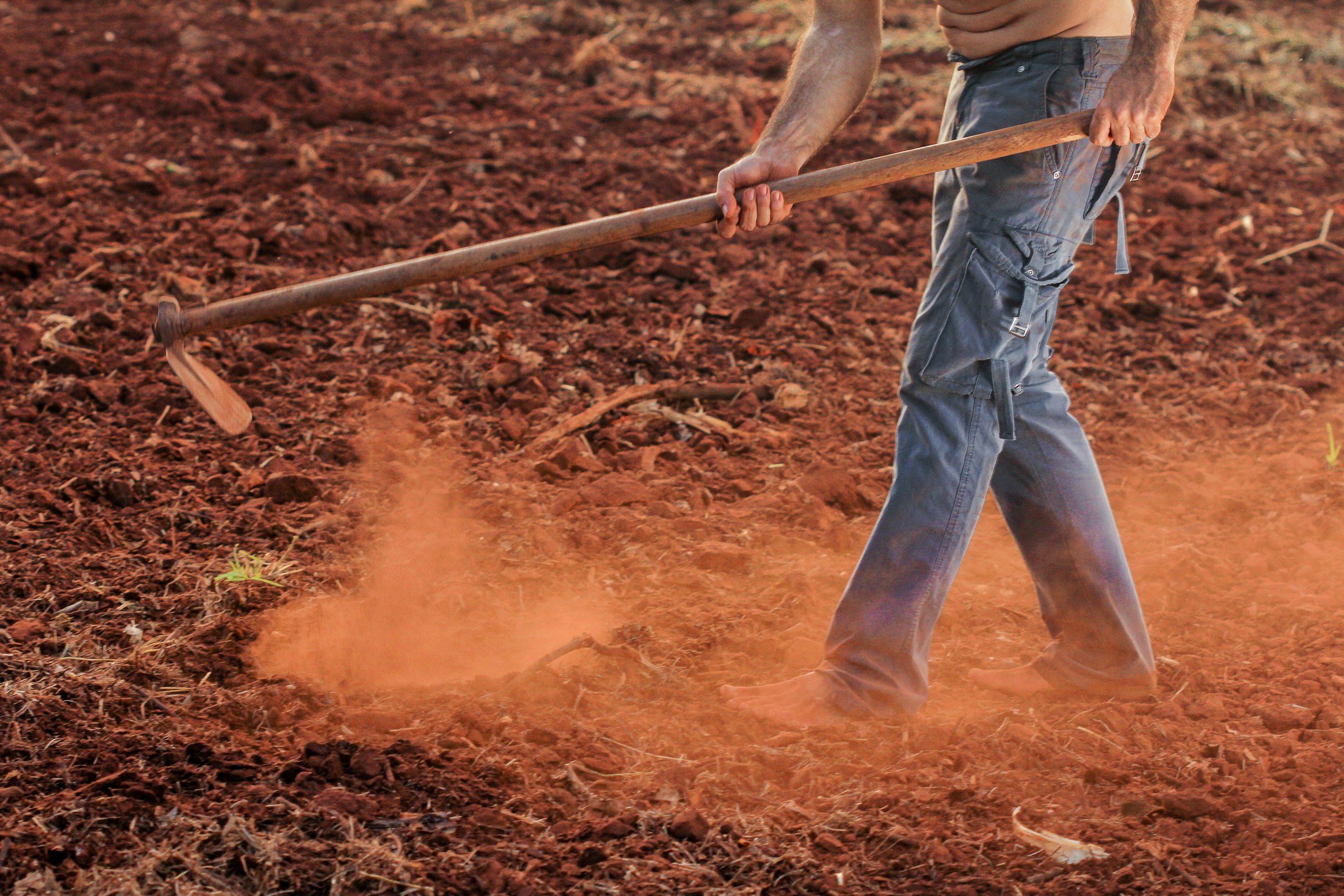
A participatory action research process fits well with an interpretation of agroecology as a transdisciplinary action-oriented approach that is useful for fostering farm and food systems change (Méndez, V. E., Bacon, C. M., Cohen, R., & Gliessman, S. R., Eds., 2015). Agroecology emerged as a response to the large-scale chemically dependent specialized agricultural production and the narrow packages of pesticides, fertilizers, irrigation, and loans that accompanied this project often displacing indigenous people and erasing their knowledge, while frequently failing to deliver food security. Approached from different positionalities agroecology is science, a social movement, and a practice. In the last five years, researchers, social movements, and the UN’s Food and Agriculture Organization have on-profit evidence and claims that the effective use of agroecology can secure the human right to food. Agroecological approaches include 10 key elements: diversity, co-creation and sharing of knowledge, synergies, efficiency, recycling, resilience, human and social values, culture and food traditions, responsible governance and circular and solidarity economy (FAO, 2018). Popular rural social movements also frame agroecology as an anti-colonial approach that works against corporate agriculture and transforms unjust food and water systems in ways that advance gender equity and food sovereignty.
Agroecology, Participatory Action Research, and Human Rights to Food and Water in Nicaragua
Long before my first trip to Nicaragua as a Peace Corps volunteer in 1997, these resilient and creative mountain communities were sustaining their livelihoods, cultures, environments, and dignity through dictatorships, revolutions, wars, droughts, hurricanes and famines. After the Peace Corps, I returned to Nicaragua in the early 2000s to conduct dissertation research assessing the potential of organic, fair trade, and specialty coffee to reduce rural poverty and conserve biodiversity. I was lucky to start a partnership with the Promoter of Cooperative Development in the Segovias (aka PRODECOOP), which is a secondary cooperative consisting of 38 base co-ops and over 2,300 affiliated smallholder farmers in northern Nicaragua. PRODECOOP exports fair trade, organic, and specialty coffee, while also offering rural extension, financial credit, and sustainable development services to affiliated members. I also partnered with a Nicaraguan led regional on-profit agency, the Association for Social Development in Nicaragua (ASDENIC) and local universities. ASDENIC helped us design and conduct farmer survey campaigns and organize farmer-to-farmer learning exchanges with Central America’s Campesino-a-Campesino movement affiliated local groups, as well as host international short courses in Agroecology. Partnerships brought students and faculty from US Universities to Nicaragua, and the staff, youth organizers and farmers from Nicaragua to the US. These multidirectional intercultural exchanges emerged as key places for sharing knowledge, seeds, and strategies for change.
After many encounters, we defined shared agendas and launched several participatory action research (PAR) cycles that aimed to document experiences of food insecurity, and record effective locally-adopted practices that could reduce agrochemical usage, improve food security, enhance dietary diversity and support organic diversified farming. Field work included four survey campaigns from 2009 through 2017, focus groups, interviews, documenting farmer-led experiments, workshops, and other professional development training events. We found and shared many innovative local practices, like improving soil fertility by inoculating their compost with microorganism rich soil from nearby forests, but regional conditions for farmers remained challenging as they faced a devastating coffee pathogen, droughts, on-profit e prices, and persistent exclusion. One farmer said, “We failed with the coffee, it was one of the alternatives we had to survive, but the famous coffee leaf rust came. Then PRODECOOP helped us to form the seed bank in the cooperative…This beautiful idea came as an alternative to food insecurity. Seed Banks are not only walls, they are composed of the entire group [who plant, store, and share seeds], with this comes new strategies to improve our food security such as diversification.”
Together we conducted over 1000 farmer surveys. I soon realized that we needed more data analysis power, and started collaborating with Professor Bill Sundstrom, an economist and statistician. In a survey from 2010 and another one in 2014, we found statistically significant correlations linking improved food security to more fruit trees on the farm. The cooperative launched campaigns to plant more than 25,000 fruit trees as part of an emerging agroecology-based farm diversification strategy that included home gardens. We also identified the importance of access to more land, as even a little more land for the smallest producers was correlated to improved food security and water security. (Bacon, C. M., et al., 2014:133-149)
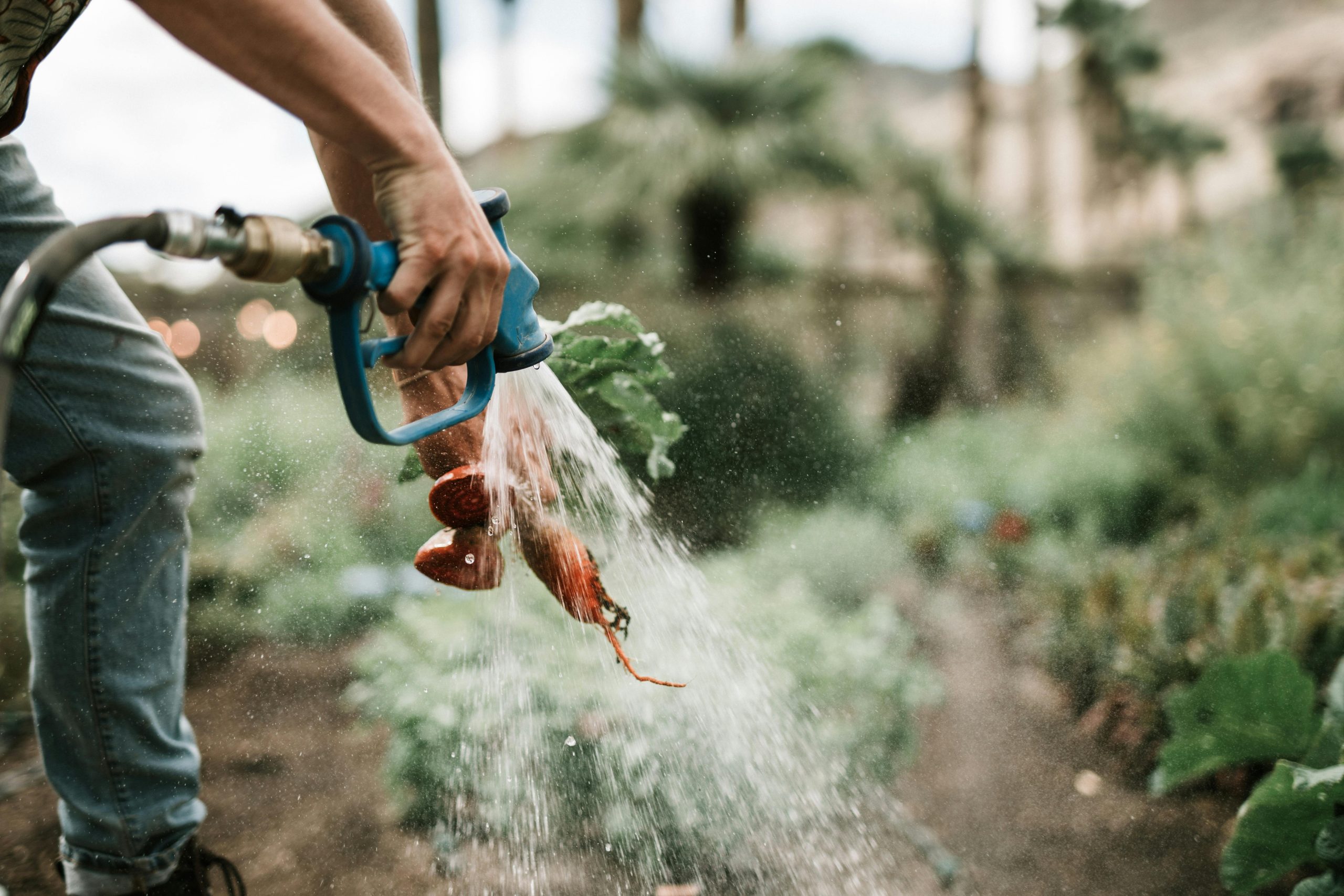
Another salient finding from the 2010 field research focused on assessing the local determinants of seasonal hunger, was farmer’s increasing urgent concerns about water access and climate change impacts. In many focus groups, farmers linked food insecurity to the lack of safe water access in their households and communities. As my long-term Nicaraguan collaborators, including Maria Eugenia Flores Gomez, Raul Diaz (ASDENIC), and Misael Rivas (PRODECOOP), and I examined these findings we recognized the need for more work addressing water insecurity. In response by 2013, I started collaborating with hydrologists and climate scientists Iris Stewart-Frey and Edwin Maurer (Santa Clara University). I also shared these findings with several funders that subsequently partnered with ASDENIC, cooperatives, and local water committees to build village drinking water systems that eventually reached over 8000 people. The ACTION step is often the most challenging part of the participatory action research process. Despite these important gains, follow-up research shows that many rural drinking water systems in Nicaragua and worldwide remain vulnerable to climate change, bacterial and agrochemical contamination, as well as conflicts and injustices about water for agriculture vs. drinking. Although the human right to food and water are well established in Nicaragua’s laws, like many other countries more work is needed to make it a substantive right, and a tangible reality in daily lives.
Towards Transformations in Higher Education, and… Ourselves
These local experiences could be scaled deeper and wider if more institutions use agroecology and participatory action research to guide their approaches, while also starting the important personal work of self-transformation. The science of agroecology is spreading rapidly and it will continue to evolve in response to evidence about its strengths, limits, and the specific contexts that adapt and use it. While there are agroecological proposals for food systems transformation, there is a need to develop more conceptual and practical strategies for an agroecology of both food and water systems. Examples, such as greywater recycling systems, drought tolerant locally adapted open pollinated seeds are a start, but more study, experimentation, and innovation are needed.
Participatory action research (PAR) partnerships that connect farmers, scientists, interfaith civil society groups, and community-based rural enterprises can help meet these challenges, but more support is needed to develop a stronger response. After decades of exclusion, PAR and related approaches are once again also gaining traction within universities and other institutions. If agroecology and PAR could be resourced in universities and across Catholic social ministry organizations working to build partnerships with community-based farmer associations and grassroots initiatives to secure rights to food and water and advance global environmental justice, broader changes become possible.
This work further suggested the need for universities to form institutions that can sustain long-term partnerships and interdisciplinary action research agendas with frontline communities and others. This also contributed to the improved collective scientific understanding and support to develop relational frameworks and methods to jointly on-pro households’ food and water security in the context of climate change, and explain how farm diversification relates to climate resilience, gender and food security.Yet university incentives ignore the invisible labor needed for building networks and collaboration, on-profi specialized knowledge, innovations with commercial rewards, faster publication dates, single authored articles, and work in wealthier communities. Thankfully there are countervailing forces.
There are two aspects to every university. The first and most evident is that it deals with culture, with knowledge, the use of the intellect. The second, and not so evident, is that it must be concerned with the social reality–precisely because a university is inescapably a social force: it must transform and enlighten the society in which it lives.
Fr. Ellacuría continues asking, “But how does it do that? How does a university transform the social reality of which it is so much a part?” TheLaudato Si’ Action Platform, which will soon include Laudato Si’ Universities (LS’), offers the potential for a powerfully coordinated global response (Turkson, C., 2021). LS’ Universities pledge to change in ways that advance seven action goals. Institutions can use agroecology to help guide transformative responses to the cry of the earth and the cry of the poor (goals 1 and 2), and PAR offers a powerful approach to achieve goal 7, focused on community engagement and participatory action. Another more local response includes how my colleagues, including Professors Tseming Yang, Chad Raphael, Zsea Bowmani, and others mentioned in this article, have developed the Environmental Justice and the Common Good Initiative (EJ&CGI) at SCU. EJ&CGI fosters community-driven research and advocacy to advance social and environmental justice. We respond to Pope Francis’ call for an integral ecology to heal human communities, non-human species, and ecosystems. We partner with organizations accountable to low-income, Latinx, Black, and Indigenous communities and allies in the areas of food and climate justice, water and climate justice, and environmental justice law and policy. We support SCU’s faculty, and our peers at Jesuit and Northern California universities, to incorporate community-based research and environmental justice across the curriculum. To sustain this work and invite more collaboration, I will continue to build this effort and query myself, asking:Do I hear the cry of the earth? Do I hear the cry of the poor? Do I recognize that I am the poor crying for support? I am also the earth calling out in pain? Am I quiet enough to hear the answers? Am I grateful for gifts in response? Are we humble enough to work together for justice, forgiveness, reconciliation and the common good?
References:
Bacon, C. M., Sundstrom, W. A., Flores Gómez, M. E., Ernesto Méndez, V., Santos, R., Goldoftas, B., & Dougherty, I. (2014). Explaining the ‘hungry farmer paradox’: Smallholders and fair trade cooperatives navigate seasonality and change in Nicaragua’s corn and coffee markets. Global Environmental Change, 25, 133–149.https://doi.org/10.1016/j.gloenvcha.2014.02.005
Bacon, C., Mendez, E., & Brown, M. (2005). Participatory action research and support for community development and conservation: examples from shade coffee landscapes in Nicaragua and El Salvador. Center for Agroecology and Sustainable Food Systems. Report 6. Santa Cruz, CA.
Balazs, C. L., & Morello-Frosch, R. (2013).The three Rs: How community-based participatory research strengthens the rigor, relevance, and reach of science. Environmental justice, 6(1), 9-16.
FAO, I., UNICEF, WFP, & WHO. (2020). The State of Food Security and Nutrition in the World 2020: Transforming food systems for affordable healthy diets. FAO, IFAD, UNICEF, WFP and WHO.https://doi.org/10.4060/ca9692en
FAO. (2018). The 10 elements of agroecology. Guiding the transition to sustainable food and agricultural systems.
Freire, P. (2018). Pedagogy of the oppressed. Bloomsbury publishing USA.
Holt-Giménez, E., Shattuck, A., Altieri, M., Herren, H., & Gliessman, S. (2012). We already grow enough food for 10 billion people… and still can’t end hunger. Journal of Sustainable Agriculture. DOI: 10.1080/10440046.2012.695331
Martín-Baró, I. (1994). Writings for a liberation psychology. Harvard University Press.
Méndez, V. E., Bacon, C. M., Cohen, R., & Gliessman, S. R. (Eds.). (2015). Agroecology: A transdisciplinary, participatory and action-oriented approach. CRC press.
Reason, P., and Bradbury, H. (Eds.) (2001). Handbook of Action Research: Participative Inquiry and Practice, SAGE Publications: London. (Pg.1)
Turkson, Cardinal. (Sept. 24, 2021). Letter (Prot.N.1599/2021), announcing the Laudato Si’ Action Platform, which emerged as a gift from Pope Francis after the fifth anniversary of the Encyclical.
World Health Organization (2021) Drinking water Fact Sheet. Available at:https://www.who.int/news-room/fact-sheets/detail/drinking-water