Agroecology: Origins, Development and Challenges
Abstract
We talked with José Alejandro Aguilar author of PI 137's first article, "Origins, Developments and Challenges of Agroecology", about how he became passionate about agroecology. He is a Colombian Jesuit priest working at the Javeriana University in Cali.
P.I. José Alejandro, being a Jesuit, what led you to dedicate a good part of your life to agroecology issues? Why are you so passionate about it?
It is something proper to my vocation to the Society of Jesus. Ignatian spirituality has moved me to experience God's presence in constructing a new earth of harmony, justice, solidarity, forgiveness, and sobriety. This is where my creativity, intelligence, and will to serve others develop. I cannot let things go on as they are; I refuse to accept current ways of understanding, experiencing and presenting a God who is alien, distant, indifferent to human actions and ways of working, producing, consuming and living—a God who does not conform to the image revealed in Jesus Christ. Without entering into the polemic or controversy about how far or how close we are to a global environmental catastrophe, it is easy to realize that the inadequate and abusive use of nature and creatures has created "new hells" in which millions of human beings seem condemned to suffer forever; St. Ignatius speaks to us about this in the Spiritual Exercises. Science is also a creation, and we must use it to the extent that it helps maintain and manifest the sacred character of [God’s] creation and consolidate relationships of justice and true fraternity among all beings.
P.I. What do you think is the most important element that can transform humanity's attitudes and practices regarding agriculture and food consumption?
The earth and all creatures, infinitely patient with human beings, suffer the consequences of an inadequate relationship. When we refuse to acknowledge the Creator and His creatures, we disregard human dignity and destroy nature. Ignatian spirituality enables us to respond to a world and a civilization in crisis through its ability to introduce us to a relationship with a God who loves unconditionally and who, by giving himself completely, invites us to love in the same way: caring for all created beings.
This crisis in which we find ourselves is not resolved through mere discussion of what is or what is not scientific (because many scientific developments have served dehumanizing purposes, deepening war, hatred, injustice, environmental deterioration, etc.), but by detaching from unnecessary attachments and accumulations, considering the gift and freedom one has received. This means recognizing reality with its limitations and taking responsibility for what we can do today and in the future.
P.I. Thank you for your kindness. We now invite our subscribers to read the article "Origins, Developments and Challenges of Agroecology."
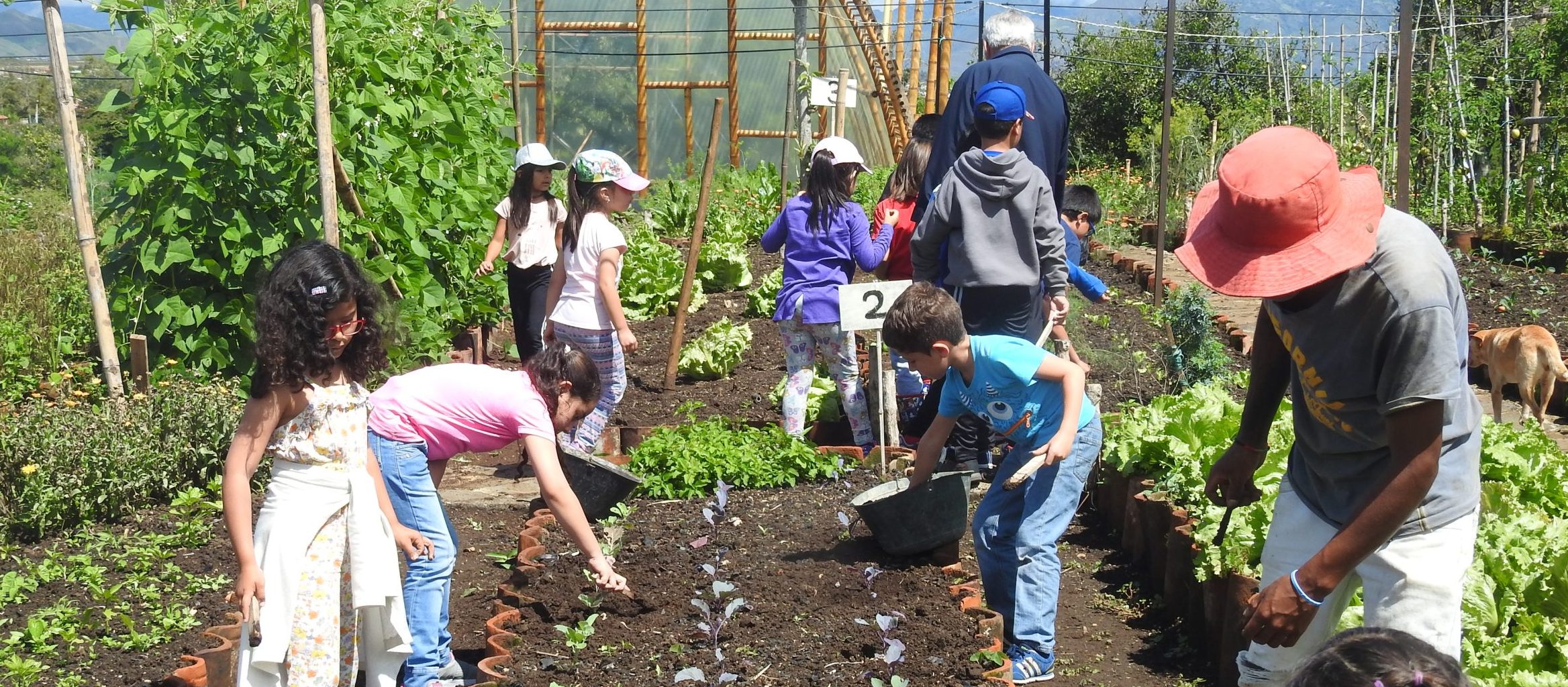
Agricultural production systems in place before the first Green Revolution were described as traditional systems. The environmental, economic, social and cultural destruction caused by the Green Revolution in the 1970s subsequently led to the search for alternatives to mitigate damages. In seeking mitigation alternatives, important clues and work horizons were found that led to the recovery of traditional agricultural knowledge and practices. Dialogue between interdisciplinary teams of NGOs, certain academics, and exceptional support from some departments or state agencies in the agricultural sector of a few countries contributed to the recovery.
Early initiatives to recover traditional agricultural knowledge and practices met strong resistance from sectors of society wedded to the Green Revolution project, now also called conventional agricultural production. One of their main arguments to justify the Green Revolution technological package was that it would bring about greater efficiency in producing the required amount of food to solve world hunger. They argued that agroecological approaches could not meet this challenge and were viable only on a small scale.
Today, however, it has been proven that agroecological production has no scale issue; the dimensions of agroecological farms are not limited, providing adequate levels of sustainable productivity and income. While it is always difficult to give specific numbers, which will always be debatable, it is estimated that in 2021, 76.5 million hectares were dedicated to agroecology, representing 1.5% of the world's total agricultural land. On the other hand, although food production increased, between 30 and 32% of food ended up as waste, and the levels of world hunger have not decreased. During the 2nd Green Revolution, leading corporations in the conventional agro-industrial sector focused on patenting genetic codes. They are now focused on earning from genetically modified organisms (GMOs), the catalyst for the 3rd Green Revolution; these corporations have now become one of the most profitable in the formal global economy.
Academic, political, and economic discussions should not focus on whether agroecology can solve world hunger. The Green Revolution was unsuccessful in such pursuit. Approaching the question from such a perspective distracts from the main challenge, how to feed the people of the world in a way appropriate to their culture and traditions, nutritionally complete, healthy for people and the environment; and, what must we do to make all this possible? The nay-saying by the opponents of agroecology has spurred research and the successful implementation of [agroecological] projects on different scales.
How might we understand agroecology today?
Early conceptual developments of agroecology primarily focused on finding practical alternatives to family farming to mitigate the Green Revolution's negative impacts; and to be scaled steadily to cover significant tracts of land. Initial approaches were centred around alternative practices, implementing appropriate technologies and organic agriculture methodologies framed in dialogue and knowledge exchange. All of this culminated in the current concept of agroecology.
The FAO proposes a widely accepted definition: "Agroecology is a holistic and integrated approach that simultaneously applies ecological and social concepts and principles to the design and management of sustainable agriculture and food systems. It seeks to optimise the interactions between plants, animals, humans and the environment while also addressing the need for socially equitable food systems within which people can exercise choice over what they eat and how and where it is produced. Agroecology is concurrently a science, a set of practices and a social movement and has evolved as a concept over recent decades to expand in scope from a focus on fields and farms to encompass the entirety of agriculture and food systems. It now represents a transdisciplinary field that includes the ecological, socio-cultural, technological, economic and political dimensions of food systems, from production to consumption."
Some currents within the social movement emphasise methodological, technical and scientific aspects, while others prioritise the social, organisational and political aspects. These trends must work in harmony for agroecology to progress. If people or organisations in any of these sectors become polarised, we will fail in our mission to scale up agroecology, thus diminishing its political impact. The ideal scenario is to have ever-more healthy food on the table, and for public policies to facilitate this ideal.
Transitioning from conventional agriculture to agroecology
Various methodologies are employed when consulting and accompanying initiatives around planning and expanding the coverage of agroecological production. In a scenario where the aim is to transform one or more conventional farms into agroecological farms, the first step is designing the future. Secondly, a profile of the current situation of the farms is drawn up. Then, strategic steps are determined to transition the farms from the current situation to the envisioned future scenario. Finally, a phased work plan is made, consulted on, evaluated and adjusted according to circumstances.
Transition strategies must consider the different contexts and characteristics of each property, such as family size and age profile, the presence or absence of mutual support relationships and collective work with neighbours, the impact of the productive systems of neighbouring farms, farm size, the presence of woodlands and/or hedgerows, the characteristics and biological quality of the soil, the impacts of previous chemical usage (biological quality of the soil), topography, surface and groundwater supply, rainfall patterns, the availability of energy sources, proximity to the storage facilities and markets, road quality and transport conditions and cost, the level of support and consultation from institutional and/or private partners in the technical, administrative and financial aspects.
Factors driving the transition
The transition from conventional to agroecological production can be bolstered by employing complementary strategies in formal and informal education, research and innovation. The latter should steadily lead to the optimisation of tools and processes, improving the ergonomic and practicality of tools, the quality of the alloys used in their manufacture, and avoiding planned obsolescence. Mechanical and industrial optimisation will require accompaniment and the digitalisation of procedures, once this is viable and convenient. Some examples are sensors that monitor and make real-time decisions on aspects such as humidity, temperature, acidity, and the presence and dynamics of insects and microorganisms; humidity sensors working in conjunction with automated irrigation systems; drones that can quickly evaluate large areas under cultivation and facilitate the planning of farms and territories, in tandem with geographic information systems. The rise of alternative energies has led to the implementation of the first solar farms on terrain unsuitable for agriculture. The need to expand solar energy production on fertile soils has given rise to the integrated production of agriculture and photovoltaic energy on the same land. This development, known as agrovoltaics, improves both the efficiency and duration of solar panels by reducing their operating temperature, and it improves agricultural production by reducing evaporation.
Other strategies include agile and supportive financing schemes, especially in the initial phases of the transition, when greater investments may be required depending on the precise circumstances of each property and community. Likewise, sales strategies can be implemented based on demand—not supply—at agreed prices, hopefully with built-in short-circuit mechanisms and circular economy processes, such as institutional purchases and direct trade. Another option is to add value to primary produce to generate jobs in the territory and increase producers' income. Participatory guarantee schemes are also important and are based on direct personal market relationships and trusted third-party certification. These systems strengthen sales strategies and solve the issue of the high cost associated with organic and fair trade certifications.
Education and training programs are strengthened by communication strategies outlining the importance and benefits of agroecological production. Finally, advocacy strategies and developing public and institutional policies that support agroecology are also very important for the transition to agroecological production.
When are agroecological products more expensive?
A controversial discussion around agroecological production is the opinion that the market price of its produce makes it inaccessible to low-income households. Consumers can find organic products more expensive if the producer purchases organic inputs and has to foot the bill for organic and fair trade certifications. The alternative is to produce fertilisers and organic inputs on the farm and work with participatory guarantee systems in which producers, customers and assessors work together to design the protocols.
There is also a significant price difference between products sold at local agroecological farmers' markets and those on supermarket shelves. The sales price is also determined by the motivations and life plans of those dealing in organic and agroecological products. Some prioritise the well-being of their families, communities and customers while taking care of the environment. On the other hand, others see it only as a business scheme meant to maximise profits.
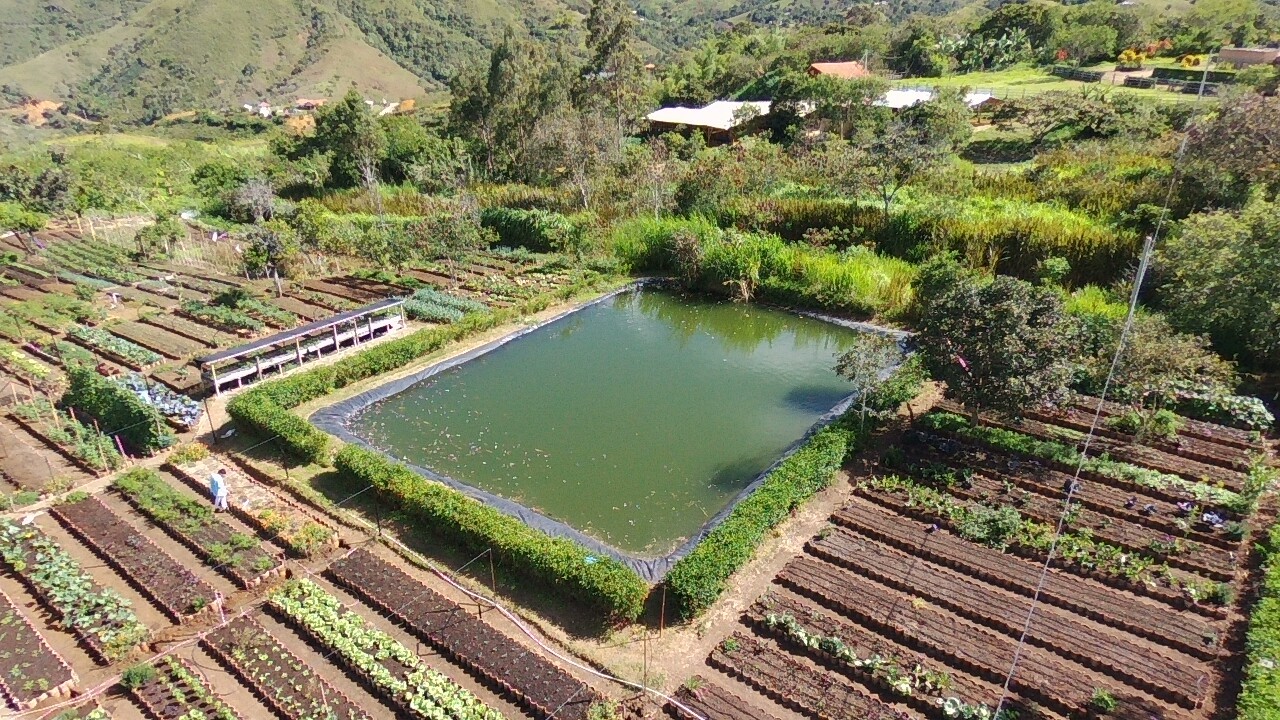
Different Agroecological Schools and Practices
Different schools of thought within agroecology share and implement the same principles and practices. Some of their achievements have bolstered agroecological research, underscoring its benefits and expanding the scale of its implementation. Particularly noteworthy are the recent contributions made to agroecology by biologists, microbiologists and molecular biologists. They have allowed us to understand better the dynamics within production systems, such as the richness and complexity of the world of microorganisms. Their work has underscored agroecology's dynamic nature. At the beginning of the ’80s in Latin America—in the early days of agroecology—a key role was played by agricultural technicians, agronomists, veterinarians, animal husbandry technicians and foresters in dialogue and knowledge sharing with the Afro, campesino, and indigenous communities.
The search for harmony between agroecological practices and cosmic elements such as the moon, planets and stars, is very explicit in biodynamics. Annual calendars provide a basis for this; they indicate the most favourable days for various activities of the agricultural cycles. Biodynamic agriculture is part of a holistic spiritual philosophy, anthroposophy, and educational philosophy (Waldorf pedagogy) inspired by the ideas of Rudolf Steiner (1861 – 1925).
Another current that is close to biodynamics is natural farming, developed by the Japanese biologist Masanobu Fukuoka (1913 – 2008). It is inspired by the Taoist concept of Wu wei which invites one to solve challenges and face situations naturally and without being forceful. Thus, it proposes, for example, to have the least impact on the land possible, to use organic fertilisers and incorporate weeds, among other practices. These practices are shared by other agroecological schools, though they may not necessarily be inspired by or even aware of their roots in Taoism.
Permaculture, which originated in Australia and inspired by Bill Mollison (1928 – 2016), is based on the theory of Trophobiosis (Francis Chaboussou 1908 – 1985). This theory has provided a wealth of knowledge to studies on the organic fertilisation of plants, explaining how plants can be encouraged to produce tissues that are more consistent and less susceptible to insect damage.
Paramagnetism, developed by entomologist Phillip Callahan (1923-2017), has contributed to the knowledge of the interactions between physics, biology and chemistry. He inspired the work on remineralising soils by using rock dust or sands. In addition to helping plants access micronutrients, these minerals have different paramagnetic levels affecting natural growth patterns.
Syntropic farming is an approach to sustainable agriculture focused on soil regeneration, which seeks to mimic the natural succession processes and ecosystem succession to create more resilient agricultural systems with greater biodiversity. It was founded in Brazil in the 1980s by Swiss researcher and farmer, Ernst Götsch. It is a form of agroforestry that shares and draws on many principles of agroecology and permaculture. The term (syn: "together"; tropos: "change" or "direction") refers to the cooperation and positive interaction between the components of an ecosystem.
The concept of regenerative agriculture dates back to the Rodale Institute in the United States in the 1980s, which recently introduced a certification system. Recently, it has gained rapid momentum in [public] policy and the market. It essentially promotes values similar to agroecology and organic agriculture as a holistic land management practice focused on soil and its organic matter. It is mainly beneficial in terms of climate change, desertification and biodiversity.
Conservation agriculture, which shares principles and practices with the other schools, is based on the interrelated principles of minimal mechanical soil alteration, permanent soil cover with live or dead plant material, and crop diversification through rotation or intercropping. It helps farmers maintain and increase yields and profits while reversing land degradation, protecting the environment, and responding to the growing challenges of climate change. The main difference is that its practitioners do not till the ground.
Conclusion
To achieve and scale the integral purposes and impacts of agroecological production (such as food quality and safety, the health of producers, consumers and the environment, to mention just a few), dialogue and knowledge sharing between the various schools and agroecological practices is indispensable. Sharing and learning from successful experiences (and even failures) would avoid confusion and misunderstanding and expand the universe of producers and consumers of agroecological products.
The difficulties of reconciling agroecology's technical and socio-political aspects should not become an obstacle to consolidating agroecological practices that can contribute to overcoming the enormous challenges of the planet and all creatures.
It is important to guarantee a balanced development between events, workshops, diplomas and academic training programmes in agroecology, with the upscaling (growth at scale) of agroecological practice and production in such a way that the supply of healthy food on the table for people’s consumption is gradually and significantly increased.
Inspired by St. Ignatius [of Loyola], we ought to remember that “Love is shown more in works than in words”. We must not be distracted by empty words. The call to love remains: to feed the hungry each day with nutritious food proper to their culture and traditions while safeguarding the health of our Common Home. Now, what more
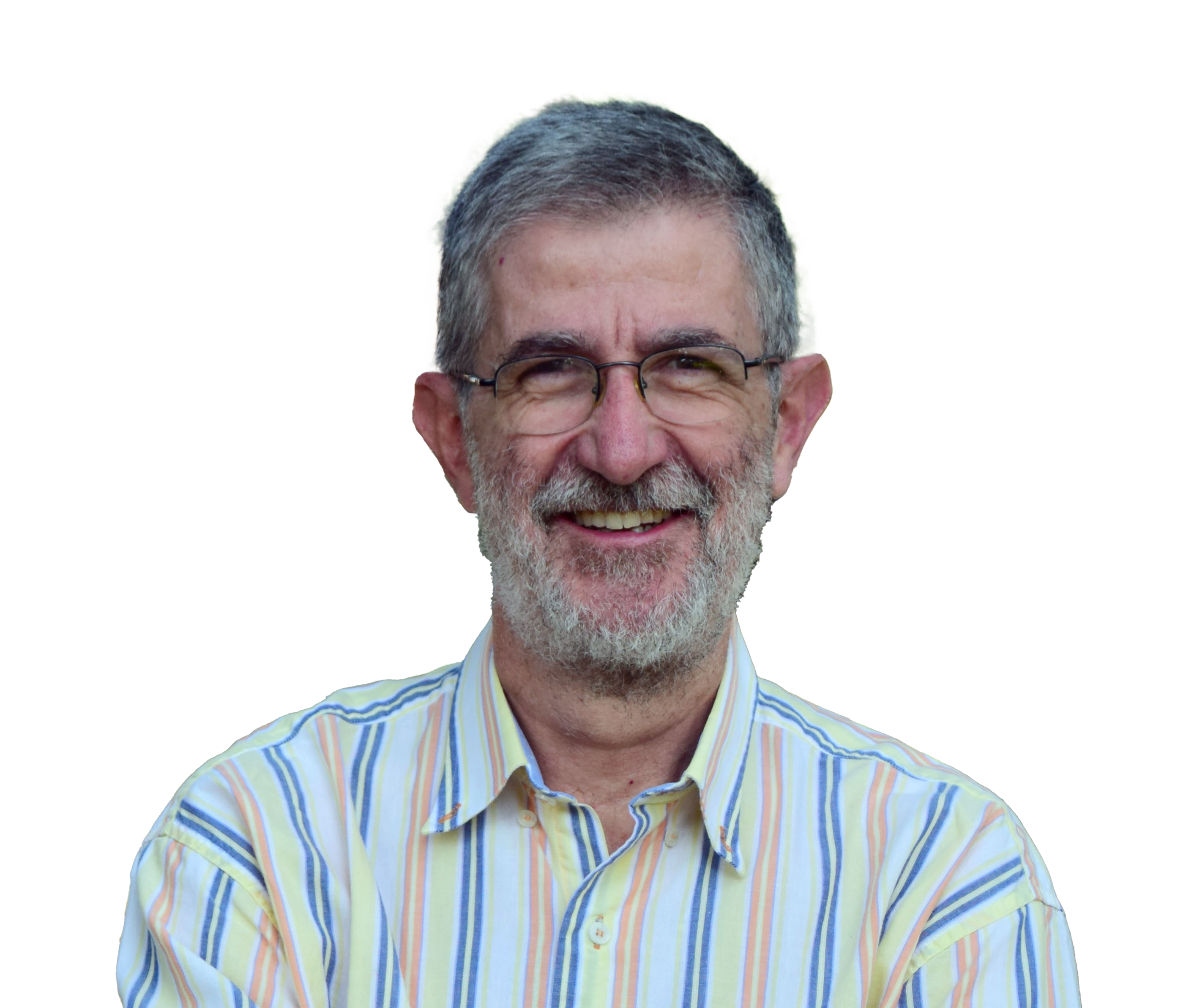 José Alejandro Aguilar, S.J.
Colombian Jesuit currently working as assistant to the Rector of the Javeriana University in the city of Cali, in strategic planning, sustainable campus management and support for research, teaching and social outreach projects in agro-ecological and environmental aspects. He worked for 25 years advising rural communities in local and regional sustainability projects in the Colombian departments of Valle del Cauca and Nariño. His latest publications are a collection of booklets on the agroecological experience of Villa Loyola, in Nariño (which can be consulted in the files attached to this publication).
Dowload PDF of the article.
Disclaimer
The views, thoughts, and opinions expressed in the article belong solely to the author(s). They do not purport to reflect the opinion or views of the Secretariat.