
Nature’s transformative potential Biosolar Roofs: Creative and Hopeful Solution for Ecological Justice
Abstract
Lelia Imhof and Maria Orozco from the Catholic University of Córdoba, Argentine, share their nature-based solution: biosolar roofs, which combines green roofs and photovoltaic panels to reduce energy consumption, promote sustainability, and contribute to ecological justice. Their study on biosolar roofs reflects how a Jesuit University's research agenda addresses social transformation demands.
An inspiration took shape
Walking the path of ecological justice requires the willingness of heart, intellect, and personal and collective will to realise the dream of having a more compassionate world towards nature and humanity. This disposition--which can arise from intellectual curiosity, a sensitivity to human vulnerability, and a profound faith experience--has inspired a group of teachers, researchers, graduates and students of the Universidad Católica de Córdoba (UCC) [Catholic University of Cordoba] to embark on a pilgrimage.
Along the way, they made an effort to hear " the cry of the earth" and forged alliances with various institutions to offer a response to the problem of energy consumption in cities. In this quest, committed men and women worked for a long time designing and installing a bio-solar roof on the premises of an agro-technical school in Alta Gracia City in Córdoba, Argentina.
Research is part of the DNA of universities and always involves a quest for something new: an idea, concept, or alternative way of explaining or understanding phenomena. But research in a Jesuit university also involves more significant challenges in that the questions "for whom" and "why" conduct research become the telos [the end, purpose or goal]regarding the co-production of knowledge, discernment of priority themes, and the practical application of this knowledge. Within this framework of the telos, a concrete and historical human face powerfully emerges, bringing forth a mission which the Society of Jesus refers to as its "intellectual apostolate".As an expression of the intellectual apostolate, research is sensitive to the demands of justice, i.e., the social transformation needed today.
The biosolar roof is the fruit of the intellectual apostolate of a large team of professionals who place people and hope for justice at the centre. Their dream took shape in the UCC Laboratory of Genetic Resources and Bioclimatic Sustainability and found support among professionals of the Arteaga Technological Centre, which belongs to the Chamber of Metallurgical Industrialists and Components of Córdoba and the Dovis & Federico Design Studio.
Journeying Together
This technological solution had its first stage of development in 2021, with financial support from the Competitiveness Fund of the City of Cordoba, "ADEC Cordoba." Initially, it involved designing a device to integrate technologies: green roofs and solar collectors to reduce [non-renewable] energy demand and promote clean energy use in cities in semi-arid areas.
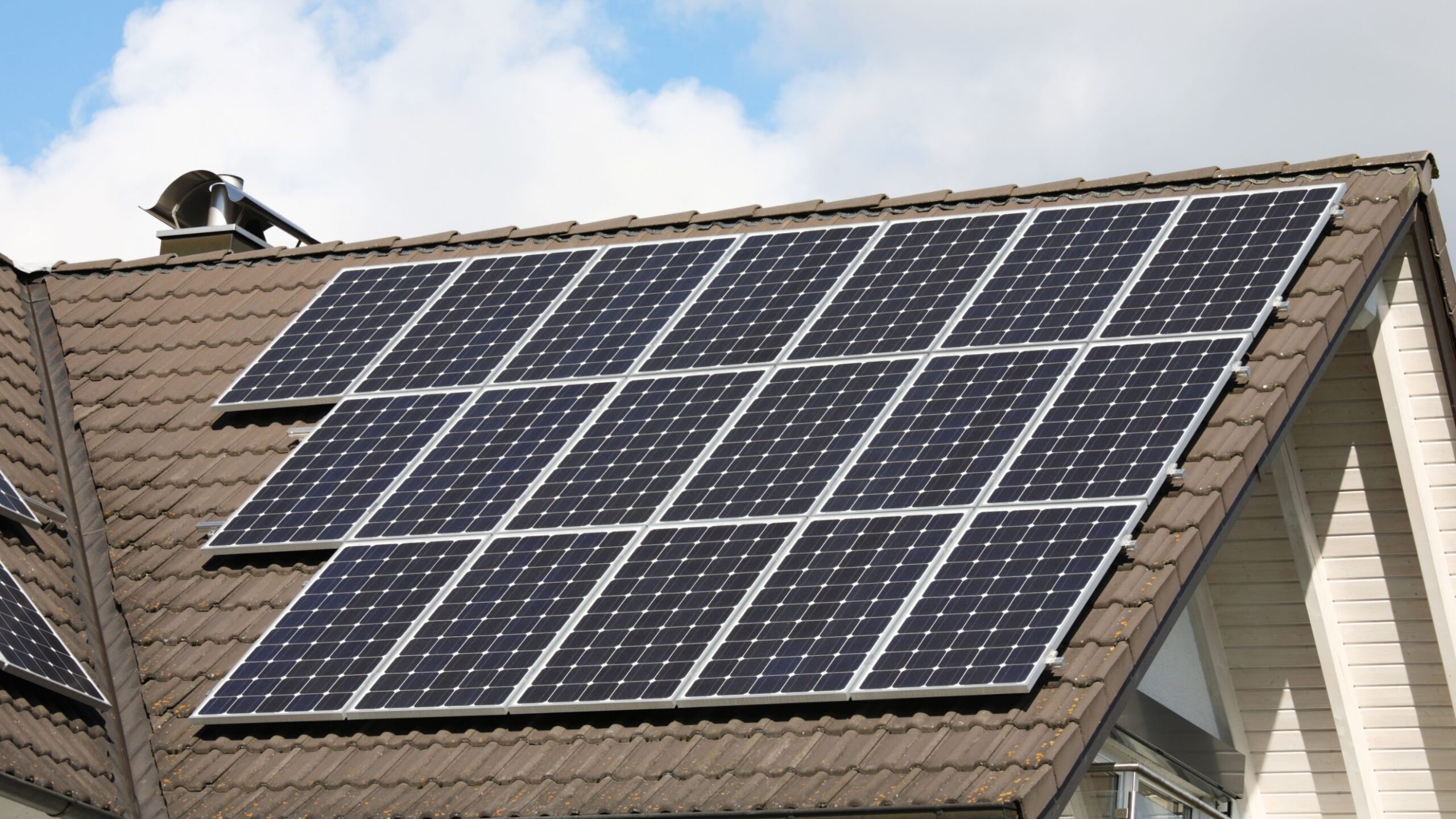
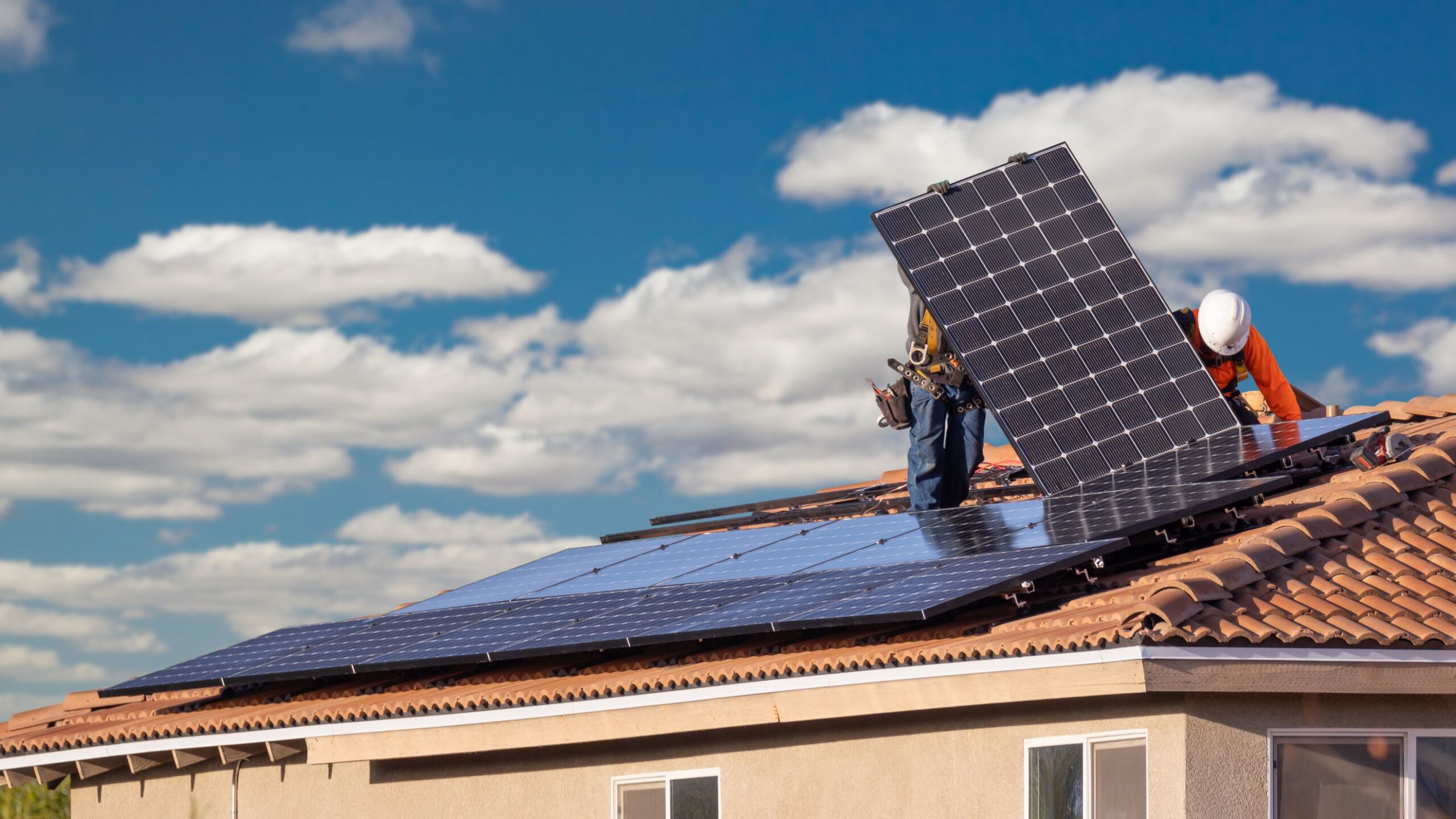
Once this first stage had been achieved, in 2022, the professionals set about giving the idea tangible materiality, i.e. building it. Finally, in 2023, installing the biosolar roof on a real scale (40 m2 of green roof with ten integrated photovoltaic panels) became necessary to test its proper functioning and prove its effectiveness.
Thus, through funding by the Federal Innovation Project of the Federal Council of Science and Technology (Cofecyt) of the Ministry of Science, Technology and Innovation of the Argentinean Nation, in coordination with the Province of Cordoba and assisted by the Secretariat of Science and Technology, the new development [biosolar roof] was installed at the "Instituto Agrotécnico Padre Domingo Viera" in Alta Gracia City. On its inauguration day, Father Andrés Aguerre SJ, Rector of the Catholic University [UCC], highlighted the generosity of the educational community for providing the space for concretely developing the biosolar roof and celebrated the collaborative work, the vocation of the researchers to serve, and the enthusiasm to generate "new things" in caring for our common home.
The Instituto Agrotécnico Padre Domingo Viera, located in Alta Gracia City, Córdoba, Argentina, has a long history of training professionals in the agro-technical field. It was born in the heart of the Effetá Foundation, which brought together many active lay [Catholics] in the Fátima de Alta Gracia Parish. It is a non-profit organisation formally created in 2005 as a human and faith-based response to the country's social and economic consequences of the 2001 crisis. In those years, the exponential increase in poverty inspired these people to accompany, in solidarity, the families most affected by joblessness and idleness, offering development opportunities, especially for children and young people. Thus, the Instituto Agrotécnico [Agrotechnical Institute] was born. It is a shared dream inspired by the hope to transform reality when, as Pope Francis says, "head, heart, hands and soul" are acknowledged as one body. It currently has approximately252 teachers and students at the secondary level.
For the school [Instituto Agrotécnico], the installation of the biosolar roof means not only a substantial improvement in terms of building and [energy] consumption efficiency, which undoubtedly brings a direct benefit for students, teachers and management staff, but above all, it is a gesture of trust and support for its aim to educate youth from a comprehensive ecological vision. On the day of the inauguration of the biosolar roof, Silvia Molina, school headmistress, said: "We are very grateful as a school. It is a privilege to benefit from this technological innovation project contributing to the school's educational quality, generating ties, stronger linkages and articulated work with the University and the Conicet (sic)".The team that developed this new technology has planned a series of training workshops for students and teachers to acquire knowledge and skills related to the operation, construction, installation and maintenance of the new devices.
Creativity and Personal Talent Put to Work
Bio-solar roofs are an integrated modular system of green roofs and photovoltaic panels.They result from a synergy that brought two existing environmental solutions into innovative dialogue.
In technical terms, such proposals are called nature-based solutions.Understanding that caring for the natural ecosystem is vital for ensuring human well-being and life balance drives these solutions.Protecting, restoring, and sustainably managing the ecosystems increases our resilience and ability to tackle societal challenges. These approaches are also expected to be cost-effective solutions, but their effectiveness depends on delivering measurable environmental and social gains. In the context of cities, nature-based solutions are those implemented through systemic, locally adapted, and resource-efficient interventions (Pillath & Soini, 2022).
The Intergovernmental Platform on Biodiversity and Ecosystem Services (IPBES) conceptual framework identifies three inclusive elements in the interaction between human societies and the non-human world: nature, nature's benefits to people, and a good quality of life. In this framework, nature's contributions to people are defined as all the positive contributions or benefits and the occasional negative contributions, losses or harms that people obtain from nature (Pascual et al., 2017). This idea resembles ecosystem services (The Economics of Ecosystems and Biodiversity, TEEB 2010). Still, it incorporates aspects associated with other worldviews on human-nature relations and knowledge systems, such as the "gifts of nature" idea of some Indigenous cultures. This conceptual framework, in this sense, aligns well with the integral ecology principles expressed in Laudato Si'.
The two technologies combined in biosolar roofs are also nature-based solutions. Green roofs were primarily developed as a strategy to address the sustainability of urban construction systems. Meanwhile, photovoltaic panels emerged as a sustainable and clean alternative to hydrocarbon-based energy generation.
Encounter and Dialogue between Technologies as a Source of "Novelty"
Green roofs are integrated systems that require plants growing in a specific medium (substrate) containing a series of waterproofing and anti-root membranes (Suárez et al., 2019). Based on substrate depth and expected subsequent maintenance (Sutton, 2015), they are classified as extensive, semi-extensive, and intensive. Among their main advantages is that they improve the thermal performance of buildings, acting at the slab (roof) level and the air in the interior space, reducing the maximum surface temperature of the slab.
The effectiveness of green roofs in reducing buildings' energy demand depends on factors such as the roofs' thermal insulation, the thickness and thermal conductivity of the substrate, the substrate's volumetric moisture content, etc. (Liu, 2014; He, 2017). Another benefit is the retention of rainwater (detention and retention of runoff) (Rodríguez Arbelo, 2017), especially if vegetation is considered an integral part of sustainable drainage systems (SuDS).
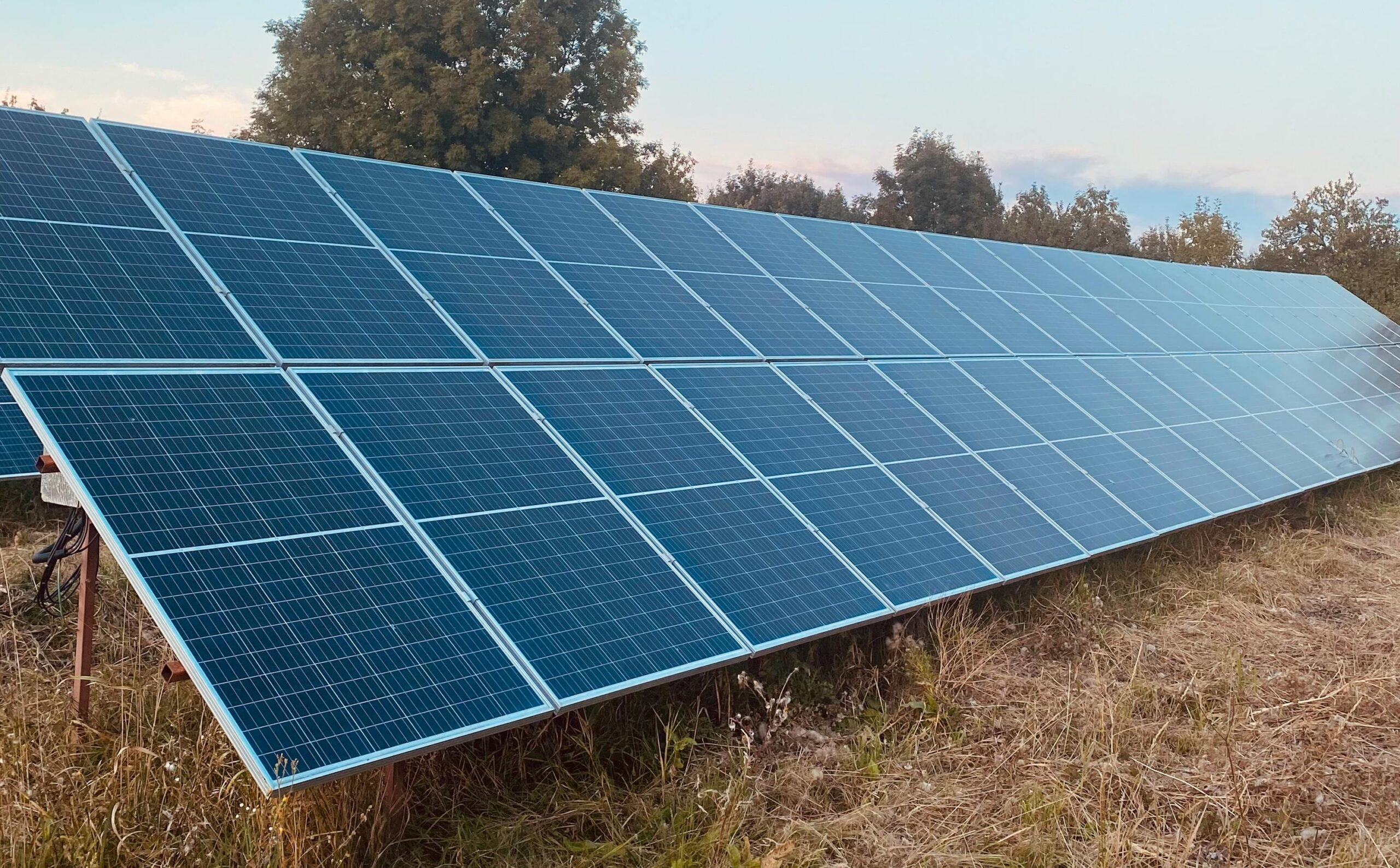
Solar collectors/photovoltaic panels (PS) are a renewable energy source with low CO2 emissions (Myhrvold and Caldeira, 2012). They are a technological strategy aimed at reducing the energy demand of buildings through passive and active use of solar energy on the one hand and reducing losses on the other.
Urban development and the construction industry account for more than one-third of cities' energy consumption and can produce the same proportion of CO2 (Chagolla Aranda, 2017). In the coming decades, industrialised nations must substantially use energy more efficiently and transform the energy matrix due to the threats and consequences of climate change and resource scarcity.
Biosolar roofs, as an innovative solution, have a twofold impact. On the one hand, they work to lessen the environmental damage caused by human activity [los efectos de antropización]. On the other, they increase energy efficiency and environmental quality, ensuring more sustainable use of regional resources (Flores Asin et al., 2015). The characteristics of green roofs and the selection of the species to be planted depend on the roof, type of building, use of the building, climate, and location (Williams et al., 2010). Consideration ofdrought tolerance, tolerance to high temperatures, and the ability to tolerate substrates with prolonged periods of saturation scarcity are essential in selecting vegetation (Simmons, 2015).
The use of native species for green roofs is justified through a combination of reasons: aesthetic because they blend in with the natural landscape; adaptive because they require less maintenance; habitat because they operate as a familiar environment for native fauna and serve to increase biodiversity; invasiveness because native plants are less likely to become invasive than non-native plants. Experts call these new environments "tentative habitats". With this idea, they explain the convergence between plant communities' characteristics and the constructed environment's conditions that mimic conditions in the plants's original habitats.
Some authors argue that plants' performance in communities is often superior to their performance in isolation, providing greater ecosystem services than in simplified communities (Lundholm, 2016; Cáceres et al., 2022; Robbiati et al., 2022). In a built ecosystem, such as biosolar roofs, plant mixtures can strengthen the performance of green roofs (Lundholm, 2015) and enhance the diversity of floral visitors, i.e. pollinating insects (Madre et al., 2013).
In biosolar roofs, the green roof contributes to increased electric production of the photovoltaic (PV) panels (Kohler et al., 2007; Chemisana & Lamnatou, 2014), andthe PV panels protect plants from constant solar exposure by providing shade and moisture to the substrate, which is reflected in higher biomass yield (heterogeneous energy source) and diversity of vegetation. Improving the efficiency of photovoltaic panels to convert solar radiation into electricity as their surface heats up remains a challenge.
However, green roofs can help reduce the local build-up of these particles (Tan and Sia 2005; Speak et al. 2012); this is in addition to the albedo effect of plants, i.e. their cooling capacity or ability to reduce the incidence of solar radiation.This results in a greater incidence or impact of the average energy flux on the panel's collector surface, called irradiance (Witmer, 2010).
Creativity, Hope and Service: The Footprints of Meaningful Research
For Jesuit universities, meaningful research addresses our time's most pressing and challenging issues. From such a wellspring, which stirs conscience and heart, comes the creative and life-giving power to offer real solutions that transform world realities. When the intellectual capacity of our academic institutions is genuinely disturbed by the "cries" of the earth and its people, it moves onward courageously, audaciously.
The risk of the academy has always been "academicism", which sometimes restricts the creative, active, and transforming power of the Spirit. Academicism has the risk of tending to the isolation of multiple disciplines, seeking purity of method, the specificity of the object, the speciality of the technique; also, not quite infrequently, the isolation of people and teams, boosting individual egos and separating, in the end, the "ideas", the "good ideas" from "concrete life". Nevertheless, life is unique, complex and diverse in its splendour and unfolding. In it, everything is connected, has its time and space, and has a reason and purpose. Today's world demands from us humanity an integral, conscious, and sensitive response to its problems—a dialogue in which people's ideas, yearnings and aspirations harmoniously dance with the Nature that sustains them.
References
Cáceres, N., Robbiati, F. O., Hick, E. C., Suárez, M., Matoff, E., Galetto, L. (2022).Analysis of biodiversity attributes for extensive vegetated roofs in a semi-arid region of central Argentina.Ecological Engineering, 178, 106602. https://doi.org/10.1016/j.ecoleng.2022.106602.
Chagolla-Aranda, M.A., Simá, E., Xamán, J., Álvarez, G., Hernández-Pérez, I., Téllez-Velázquez, E. (2017). Effect of irrigation on the experimental thermal performance of a green roof in a semi-warm climate in Mexico. Energy Building, 154, 232-243,https://doi.org/10.1016/j.enbuild.2017.08.082.
Chemisana, D., Lamnatou, C. (2014). Photovoltaic-green roofs: an experimental evaluation of system performance. Applied Energy, 119,246-256.
Flores Asin, E., Martinez, C., Cantón, A., Correa, E. (2015). Impact of vegetated roofs on energy savings in the building stock of the metropolitan area of Mendoza (AMM).Jornadas de Avances en Energías Renovables y Medio Ambiente Vol. 19, pp.05.35-05.43, 2015.Printed in Argentina ISSN 2314-1433 - Selected paper from Proceedings ASADES 2015.
Kohler, M., Wiartalla, W., Feige, R. (2007).Interaction Between PV Systems and Extensive Green Roofs. Paper presented at: 5th Annual Greening Rooftops for Sustainable Communities Conference; Minneapolis, USA.
He, Y., Yu, H., Ozaki, A., Dong, N., Zheng, S. (2017). Influence of plant and soil layer on energy balance and thermal performance of green roof system, Energy, 141, 1285-1299,https://doi.org/10.1016/j.energy.2017.08.064.
Madre, F., Vergnes, A., Machon, N., Clergeau, P., (2013) A comparison of 3 types of green roof as habitats for arthropods. Ecological Engineering, 57, 109-117
Liu, M. M. (2014). Probabilistic prediction of green roof energy performance under parameter uncertainty. Energy, 77, 667-674.
Lundholm, J. (2015). Green roof plant species diversity improves ecosystem multifunctionality. Journal of Applied Ecology, 52, 3, 726-734.
Lundholm, J.T. (2016). Coarse-and fine-scale plant species mixtures to optimise green roof ecosystem functioning.In VI International Conference on Landscape and Urban Horticulture 1189. p. 189-196.
Myhrvold, N. P., and Caldeira, K. (2012). Greenhouse gases, climate change and the transition from coal to low-carbon electricity. Environmental Research Letters, 7, 1, 014019.
Pascual, U., Balvanera, P., Díaz, S., Pataki, G., Roth, E., Stenseke, M., ... & Yagi, N. (2017). Valuing nature's contributions to people: the IPBES approach. Current opinion in environmental sustainability, 26, 7-16.
Robbiati F, Cáceres N, Hick E, Suárez M, Soto S, Barea G, Matoff E, Galetto L, Imhof L (2022) Vegetative and thermal performance of an extensive vegetated roof located in the urban heat island of a semi-arid region,Building and Environment, Vol 212,https://doi.org/10.1016/j.buildenv.2022.108791.
Rodríguez Arbelo A. 2017 Sustainable urban drainage systems: towards an integrated management of the urban water cycle. Final degree thesis. ETSAM
Simmons M., 2015. Climates and microclimates: challenges for extensive green roof design in hot climates. In Green Roof Ecosystems (pp. 63-80). Springer, Cham
Speak, A. F., Rothwell, J. J., Lindley, S. J., & Smith, C. L. (2012). Urban particulate pollution reduction by four species of green roof vegetation in a UKcity. Atmospheric Environment, 61, 283-293.
Suárez, M., Galetto, L., Cáceres, N., Hick, E., Matoff, E., Imhof, L. (2019). Performance of native plant genotypes (Glandularia-Verbenaceae) on semi-intensive green roofs with low maintenance requirements. City and the Environment (CATE), 12, 2, 1-17. https://digitalcommons.lmu.edu/cate/vol12/iss2/3
Sutton, R. K. (2015). Introduction to green roof ecosystems. In Green roof ecosystems (pp. 1-25). Springer, Cham.
Tan PY, Sia A. 2005. A pilot green roof research project in Singapore. Paper presented at: Third Annual Greening Rooftops for Sustainable Communities Conference; Boston, MA, USA.
TEEB (2010) The Economics of Ecosystems and Biodiversity: Mainstreaming the Economics of Nature: A synthesis of the approach, conclusions and recommendations of TEEB. This synthesis has been prepared by Pavan Sukhdev, Heidi Wittmer, Christoph Schröter-Schlaack, Carsten Nesshöver, Joshua Bishop, Patrick ten Brink, Haripriya Gundimeda, Pushpam Kumar and Ben Simmons. ISBN 978-3-9813410-3-4
Williams, N.S., Rayner, J.P., Raynor, K.J. (2010). Green roofs for a wide brown land: Opportunities and barriers for rooftop greening in Australia.Urban Forestry and Urban Greening, 9(3), 245-251.
Witmer, L. (2010). Quantification of the passive cooling of photovoltaics using a green roof [thesis].University Park (PA): The Pennsylvania State University.
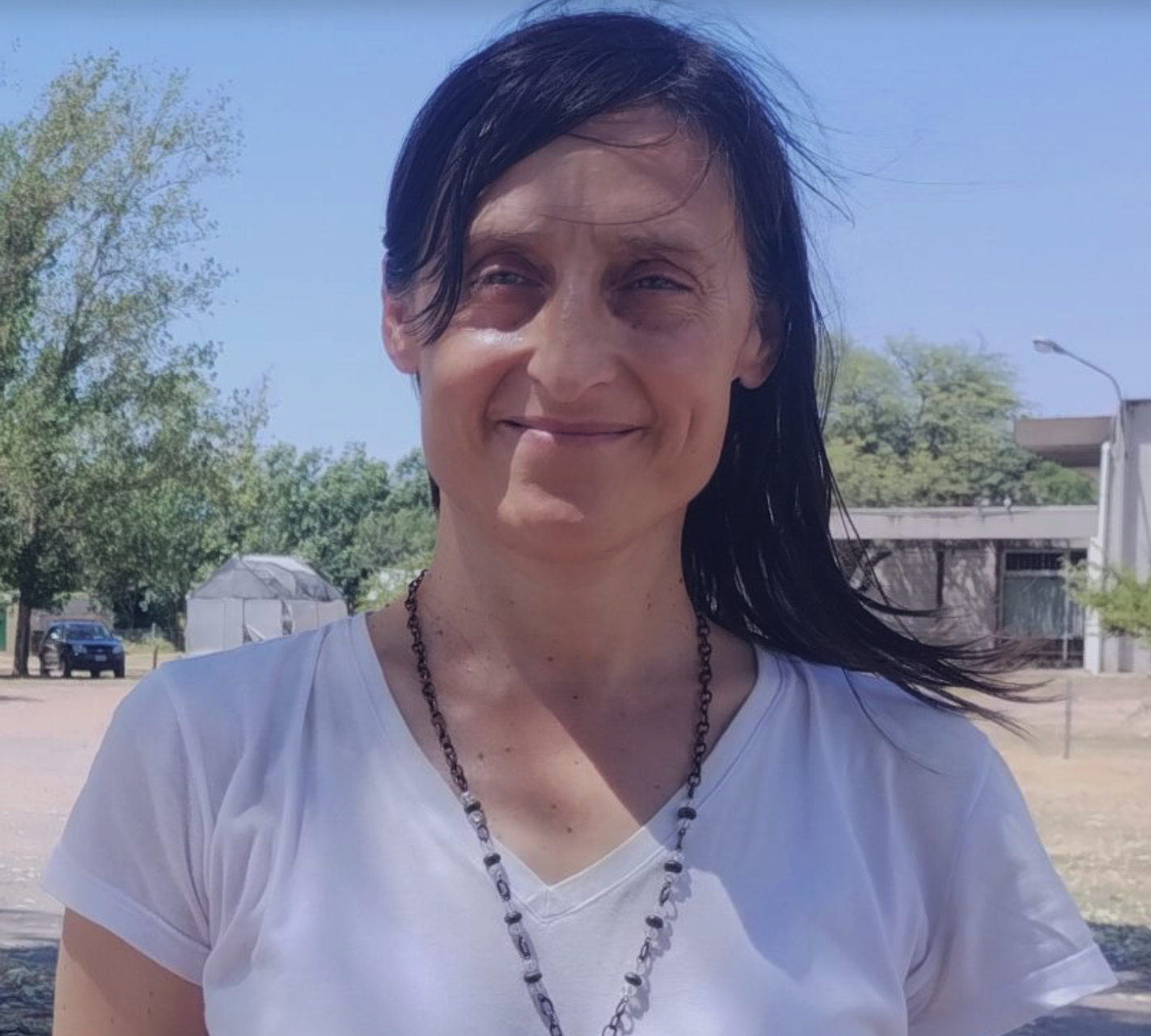 Ing. Lelia Imhof
Research Professor. Director of the
Genetic Resources and Bioclimatic Sustainability Laboratory
Catholic University of Cordoba
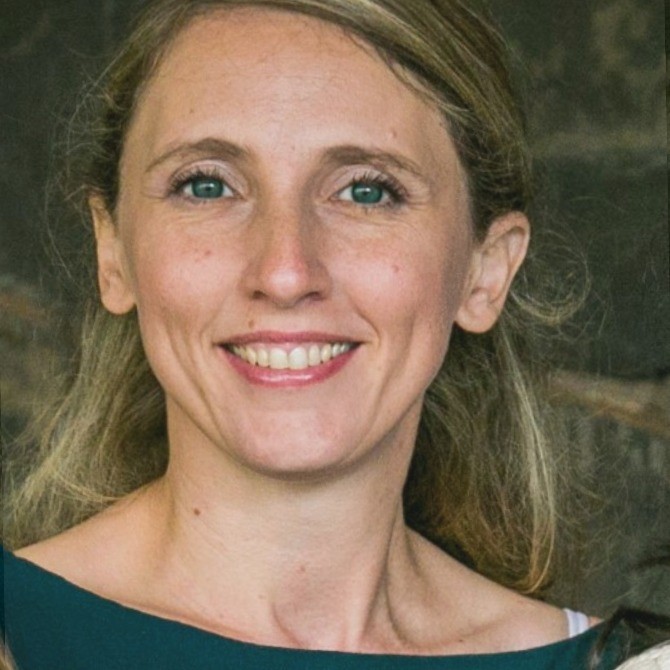 Mgter Maria Orozco
Secretary for University Social Projection and Responsibility
Lecturer in the Department of Humanist Education
Catholic University of Cordoba
Disclaimer
The views, thoughts, and opinions expressed in the article belong solely to the author(s). They do not purport to reflect the opinion or views of the Secretariat.