
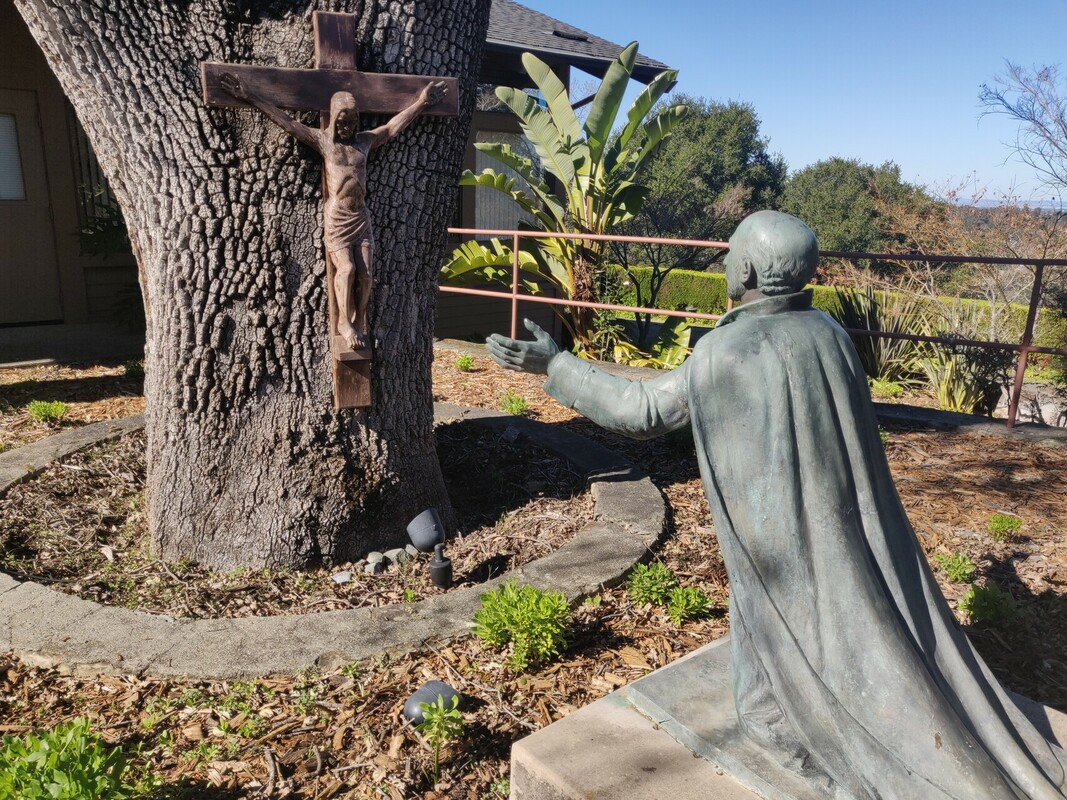
We are now rescuing a text entitled "Spirituality of Social Action", written by Darío Mollá SJ (ESP) in 2007 for Promotio Iustitiae nº 94. From his experience of working with immigrants, with people deprived of their freedom, with the formation of Jesuits and lay people -among many other ministries he has exercised- Darío invites us to enter into the mystical experience that social action entails "when the entry of the poor into our lives is so interior that it dispossesses us and frees us from ourselves", allowing us to work with patience, compassion and hope in the construction of reconciliation and justice, experiencing history as a Gift from God.
Read More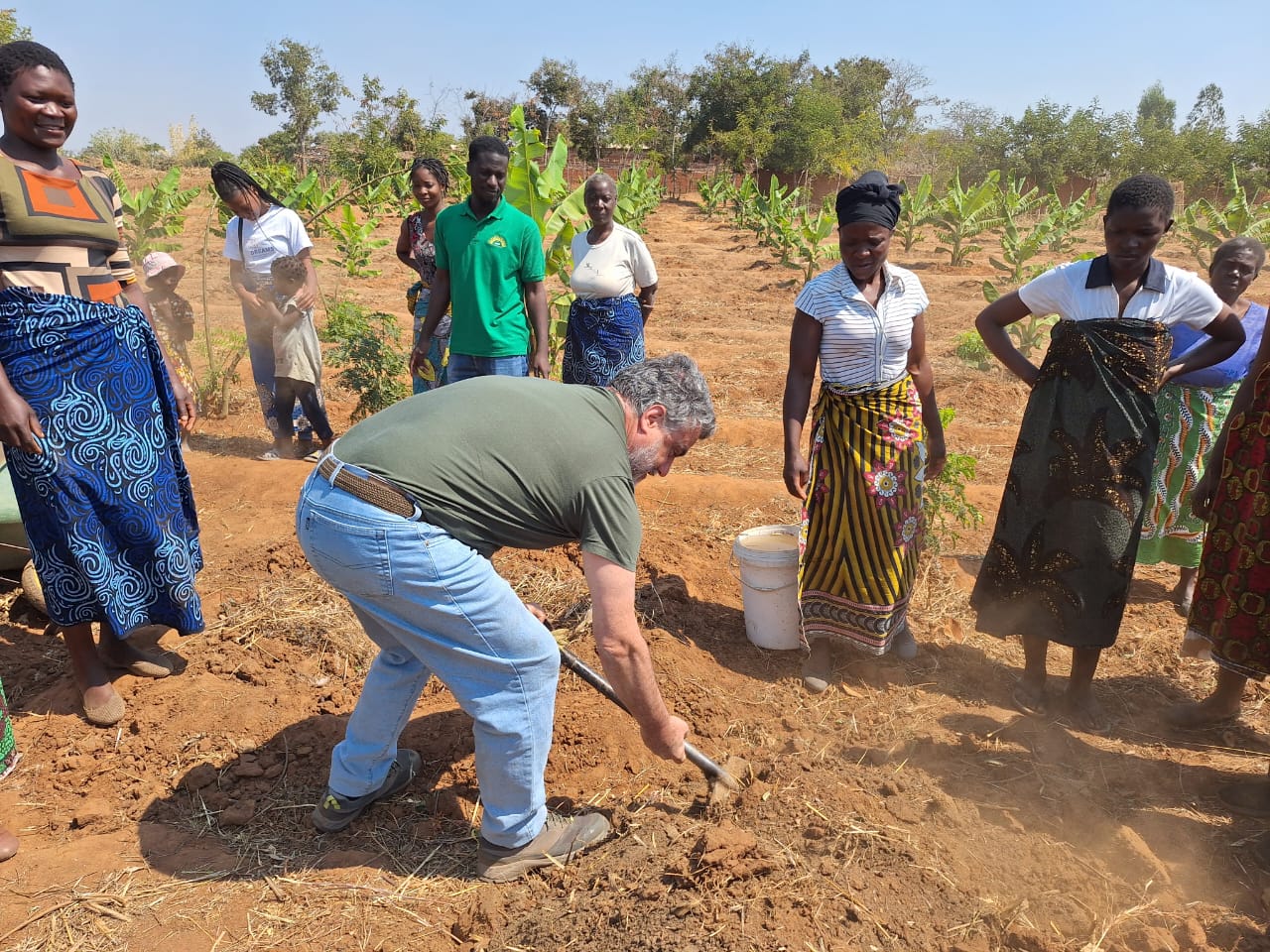
The Jesuitenweltweit (magazine of the Central Europe Jesuit Province) recently interviewed Fr. Roberto Jaramillo about the 32nd General Congregation (GC 32), its impact since Vatican II, and its importance to 21st-century global issues. The conversation also covers Jaramillo’s experiences and insights from living among the Amazonian Indigenous Peoples and how GC 32’s legacy influences his current role as the SJ Secretary for Social Justice and Ecology.
Read More
Agbonkhianmeghe E. Orobator SJ reflects: Looking back on the long trajectory of the inspiration and implementation of Decree 4, I am reminded of the words of Pope Francis to the delegates at GC 36. He declared that the Jesuit approach was to create processes rather than occupy spaces. This approach captures in essence the timeless value of Decree 4: it did not signal an event; it created a process that continues to inspire, animate, and challenge the mission of the universal Society. The places where contemporary lived realities challenge our mission as Jesuits have only expanded since the promulgation of Decree 4. The world is still roiled by turmoil, more than ever before. The gap between the wealthy and the poor is as wide as its occurrences seems to be normal. Wars and rumors of wars abound. And the fate of the earth our common home remains precarious as climate change distorts and disturbs the balance between natural and human ecologies. All this underscores the contemporary relevance of Decree 4. As I wrote in this short essay: “Decree Four serves as a basic grammar that undergirds the articulation of Jesuit life and mission in the 21st century.” The contemporary challenges summon Jesuits and Jesuit institutions to learn this grammar with greater depth and articulate its prophetic message with greater fluency.
Read More
Emilio Travieso SJ reflects on the decline of the phrase "faith and justice" as a unifying symbol for the Jesuit mission, particularly among younger Jesuits. He traces its origins to GC32 and its integration of liberation theology but notes its diminished resonance in today’s context. Proposing the Paschal Mystery—specifically the image of the slain yet standing Lamb—as a new symbolic center, he suggests it offers a more fitting expression of hope and mission in a postmodern world.
Read More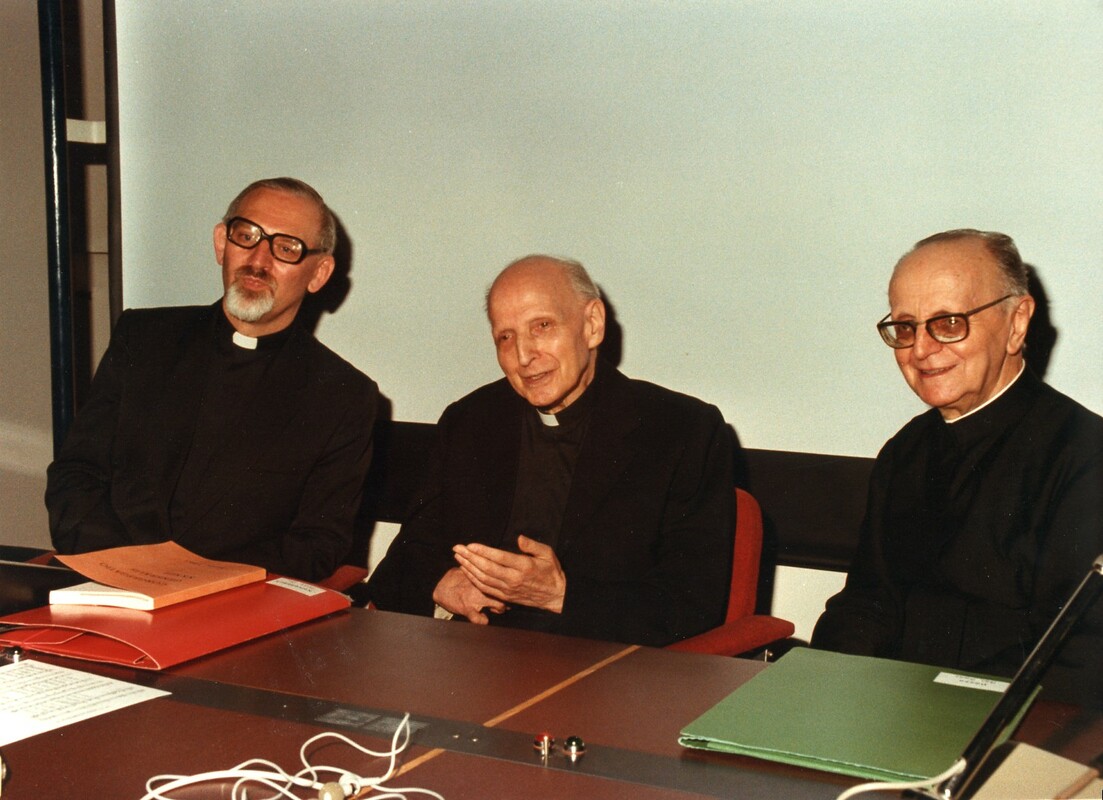
Fr. Federico Lombardi, SJ reflects on the profound impact of Fr. Pedro Arrupe’s leadership on the Society of Jesus. He highlights Arrupe’s spiritual depth, commitment to justice, and prophetic responses to global challenges. From missions among workers and refugees to confronting violence and corruption, Arrupe’s legacy continues to shape Jesuit identity and mission.
Read More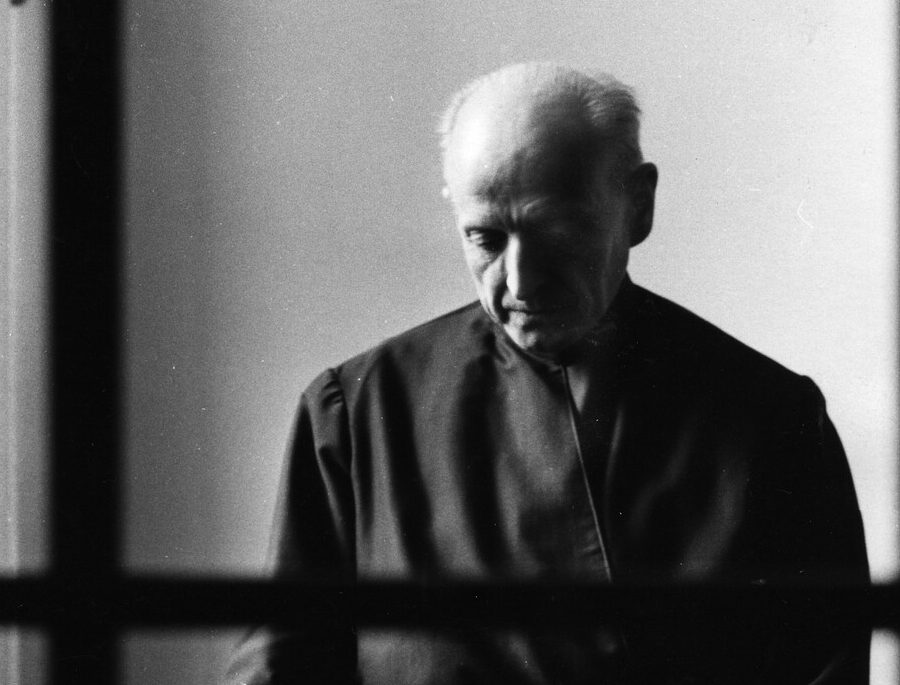
Fr. Henry Volken, S.J., then Social Justice Secretary in Rome, introduced the Promotio Iustitiae no. 46, quoting Fr. Pedro Arrupe’s final address, Rooted and Grounded in Love, which serves as his spiritual testament. In that remarkable text, Fr. Arrupe redefines the faith-justice mission as "Faith-Agape-Justice." This vision urges Jesuits to return to the heart of Ignatian spirituality—God as Agape.
Read More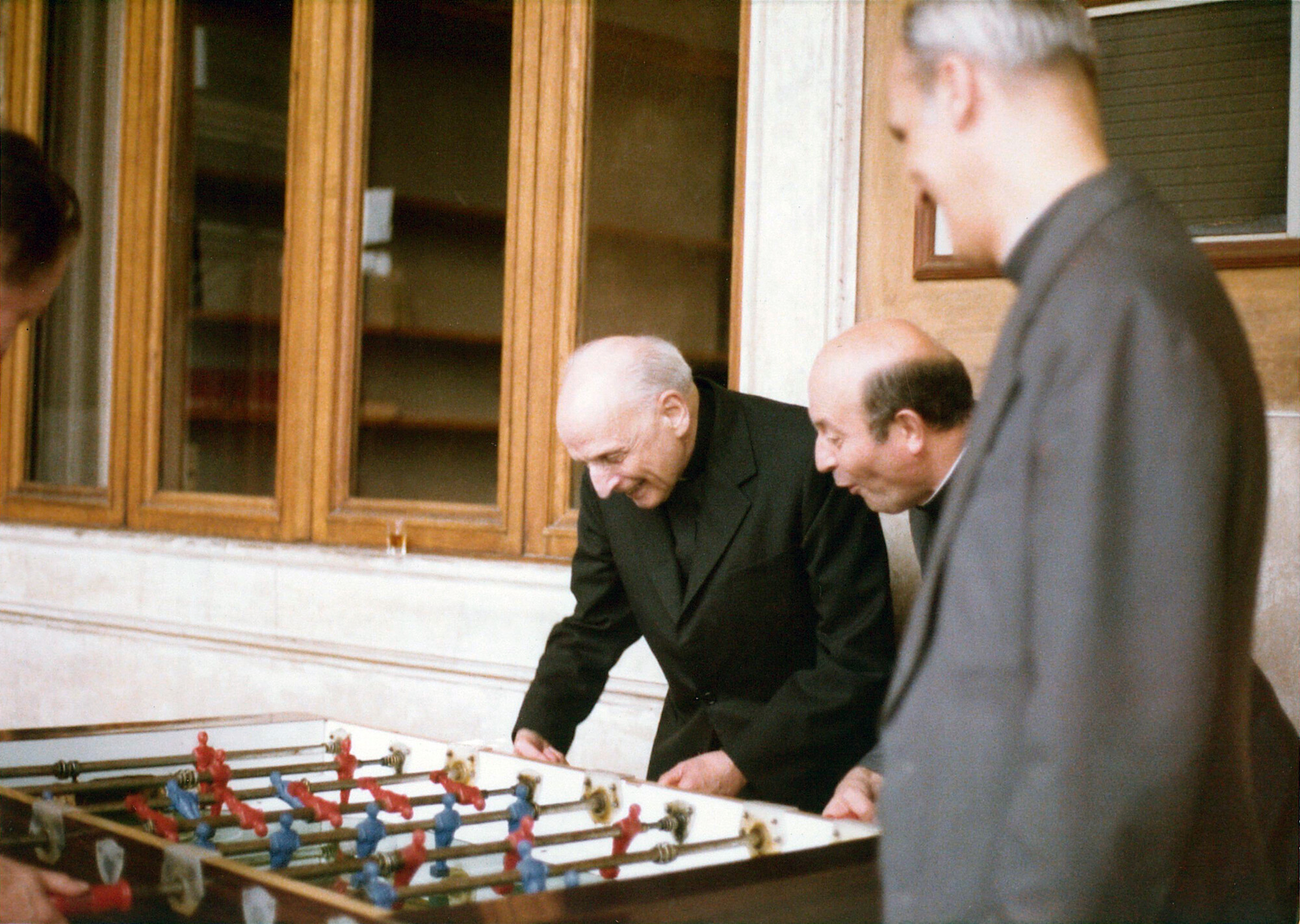
This article reflects on the life and legacy of Pedro Arrupe, SJ, emphasizing his authenticity, humility, and Gospel-rooted leadership. It highlights how his deep faith, cultural sensitivity, and commitment to justice shaped the Jesuit mission in a rapidly changing world. Even in illness and marginalization, Arrupe remained a man of prayer and joyful trust, offering a timeless witness for today’s challenges.
Read More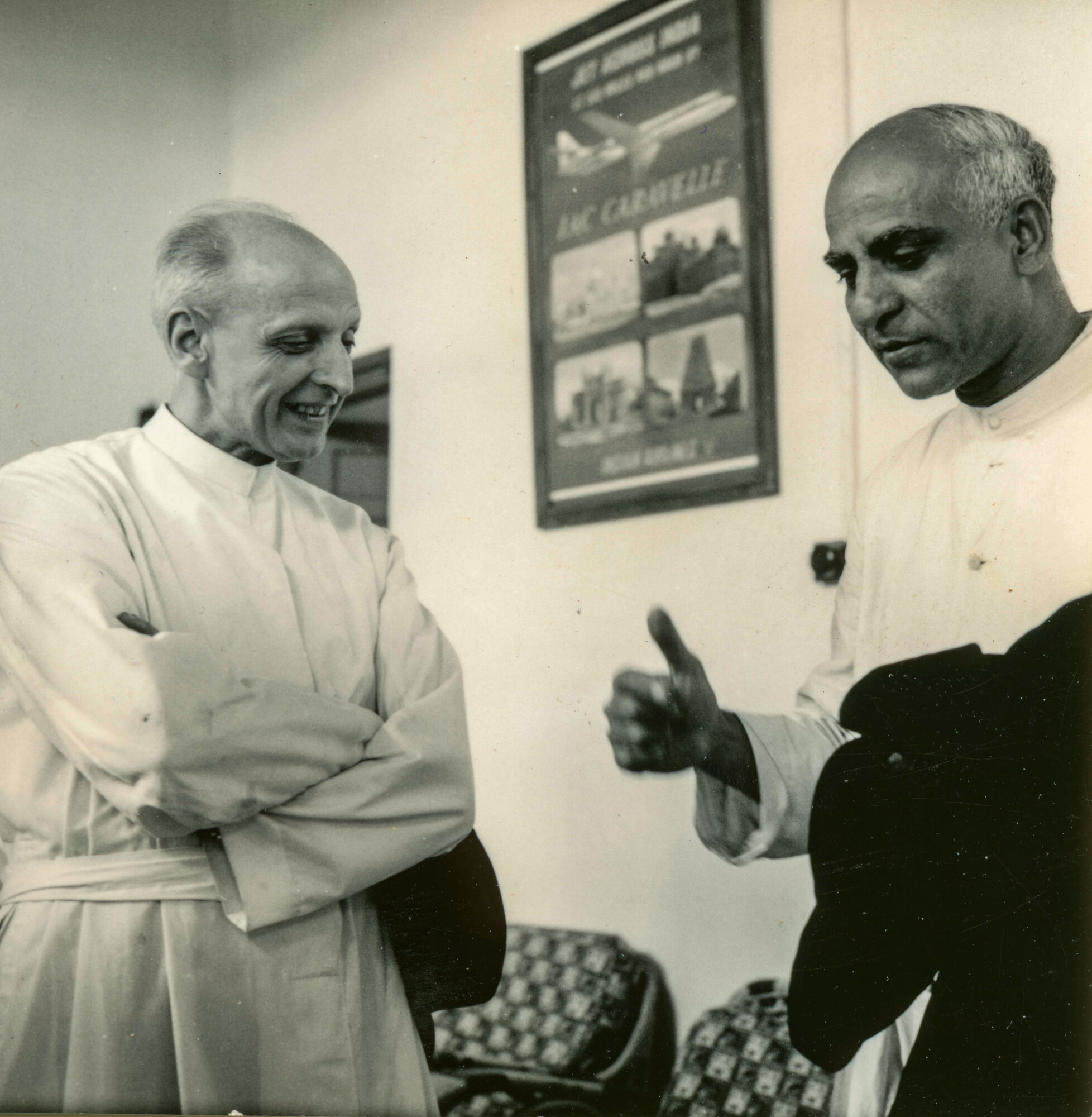
The 1979 Latin American Episcopal Conference in Puebla, Mexico, marked a pivotal moment for the Church in Latin America—and for the Society of Jesus. In this historic interview with journalists, Fr. Pedro Arrupe, then Superior General of the Society of Jesus, reflects on the challenges and responsibilities the Society faces in light of the Latin American Bishops' gathering at Puebla...
Read More
In this article, José Alberto Mesa, S.J., examines the history of Jesuit education, tracing its evolution from humanist roots to its current emphasis on “serving the faith that does justice.” The article highlights milestones, such as the establishment of early Jesuit schools that provided free education and Father Pedro Arrupe’s call to shape “men [and women] for others.” Mesa emphasizes how Jesuit education has increasingly focused on social justice, inclusion, and service to the poor. Through its schools and initiatives like Fe y Alegría, Cristo Rey, and JRS, Jesuit education worldwide reflects a new humanism—one that combines academic excellence with ethical commitments, aiming to develop individuals who seek to change the world through faith, justice, and compassion.
Read More
This article by Fr. Juan Ochagavía (CHL), one of the few remaining Jesuits who directly participated in preparing, celebrating, and developing four General Congregations (GCs) from the 31st to the 34th, recounts the historical context, theological tensions, and ecclesial challenges surrounding GC32. He emphasizes the influence of Fr. Pedro Arrupe and the unique role of Latin America, the post-conciliar Church, global injustices, and Sacred Scriptures in shaping the deliberations. The article also discusses the issue of grades among Jesuits, as well as the Vatican’s concerns. He concludes by highlighting the long-term impact of GC32, especially Decree 4, which “goes to the roots of today’s problems.”
Read More
Scaling up Regenerative Agriculture (RA) needs debt-for-climate swaps and stronger financial market regulations. Grassroots organisations and the Catholic Church, especially religious nuns, are crucial in helping small farmers transition to sustainable practices.
Read More
Indigenous peoples face increasing pressure from economic development projects that exploit natural resources, challenging their traditional relationships with land, community, and culture. This article highlights the need to recognize indigenous wisdom in ecological balance, and the role of the Jesuits in supporting indigenous rights and environmental advocacy.
Read More