
The New Humanism: An Education at the Service of Faith and the Promotion of Justice
Abstract
In this article, José Alberto Mesa, S.J., examines the history of Jesuit education, tracing its evolution from humanist roots to its current emphasis on “serving the faith that does justice.” The article highlights milestones, such as the establishment of early Jesuit schools that provided free education and Father Pedro Arrupe’s call to shape “men [and women] for others.” Mesa emphasizes how Jesuit education has increasingly focused on social justice, inclusion, and service to the poor. Through its schools and initiatives like Fe y Alegría,Cristo Rey, and JRS, Jesuit education worldwide reflects a new humanism—one that combines academic excellence with ethical commitments, aiming to develop individuals who seek to change the world through faith, justice, and compassion.
“In short: the mission of the Society of Jesus today is the service of faith, of which the promotion of justice is an absolute requirement. For reconciliation with God demands the reconciliation of people with one another ” (GC. XXXII, D.4, No. 2)
The first Jesuits understood that the Society of Jesus was founded “for the glory of God and the common good” (Formula of the Institute, 1550, No. 1). As O'Malley explains in his book "The First Jesuits," this led the Jesuits to conceive of schools as "works of charity," as described in the Constitutions (No. 440) (See, The First Jesuits, Harvard University Press, Cambridge, MA, 1993, p. 208). Schools provided a privileged opportunity for the "help to souls" that so inspired the early Jesuits in their work. The humanist educational philosophy they adopted precisely reinforced the conviction that the ultimate meaning of education was to help people orient their lives toward God and the service of the common good. The Jesuits coined the term "perfect eloquence" to describe their educational purpose: a formation that combined good rhetoric with wisdom and virtue. This was their conception of what we would call today an integral formation. For these Jesuits, an educated person was someone who knew how to speak and write, and whose words were consistent with their ethical and spiritual behavior within a context of service to the common good. In this sense, it is clear that from the very beginning, the Society's education had a social dimension, from the humanist perspective of the 16th century.
Another important element of the first schools was their free education. Saint Ignatius and the first Generals only agreed to open schools that could offer free education to ensure that the schools could serve all without distinction of financial means. This changed when the Society was restored in 1814, and the model of foundations made by large benefactors could no longer be maintained given the new political and economic contexts. In many places, nonetheless, great efforts were made to ensure that not only those with financial means could attend our schools.
However, in 1973, Father General Pedro Arrupe, responding to the call of the Second Vatican Council and the new contexts of the Church and the world, launched his famous challenge, speaking at the Congress of European Ex-Alumni in Valencia:
“Have we educated you for justice? Are you educated for justice? ... I believe we Jesuits must respond with all humility that we have not; that we have not educated you for justice, as God demands of us today.”(No. 10)
Arrupe recognized that changing times called for a concept of service to the common good that went beyond the humanism of the 16th century. As Arrupe explained:
“Action in favor of justice and participation in the transformation of the world clearly presents itself to us as a new constitutive dimension of the preaching of the Gospel, that is, the mission of the Church for the redemption of the human race and liberation from every oppressive situation” (No. 30, citing the Synod Nos. 5-6).

A new humanism was therefore needed in which the concept of service to the common good implied the promotion of justice, that is, liberation from oppression and the transformation of the social structures that make it possible. Arrupe then proposes a new interpretation of the Society's humanism and, therefore, a new way of understanding its education:
“Our educational goal and objective is to form men who live not for themselves, but for God and for his Christ; for Him who died and rose again for us: men for others, that is, who cannot conceive of love for God without love for humanity; an effective love that has justice as its first principle and that is the only guarantee that our love for God is not a sham, or even a pharisaical cloak that hides our selfishness. All of Scripture calls us to this union between love for God and effective love for our brothers and sisters” (No. 7).
Forming people for others is now the motto that embodies the Church's new calling and expresses the ideal of service to faith and justice as called for by the Pope and the bishops: "the kind of man we must form, the kind of man we must become, if we wish to serve that evangelical ideal of justice: the man for others, the new, spiritual man, that is, led by the Spirit, who transforms the face of the earth" (No. 18).
Therefore, when the 32nd General Congregation declared that "the mission of the Society of Jesus today is the service of faith, of which the promotion of justice is an absolute requirement," it was understood as a confirmation of Arrupe's call. Like Arrupe, this declaration by the Congregation generated controversy in the schools, and many thought it went too far and that, in the context of the Cold War and the ideological struggles of the time, it was forming a dangerous alignment with communist ideology. However, the Congregation, like Arrupe, only reaffirmed what the Church had declared in its documents.
Beyond the controversies, the call of Arrupe and the Congregation opened a path of reflection and renewal in the schools that continues to this day. Little by little, in many cases overcoming great resistance, schools began to embrace the new perspective, affirming that it was not enough to educate people of academic excellence, but rather people whose excellence was placed at the service of faith and the promotion of justice. The decision of the United States provincials in 1975 clearly speaks to the impact on schools: “Following the mandate of General Congregation XXXII, the provincials affirm that the service of faith and the promotion of justice, as a single guiding principle, must be fundamental to the secondary educational apostolate” (Project 1. Agreements and Decisions, October 1975, p. 4).”
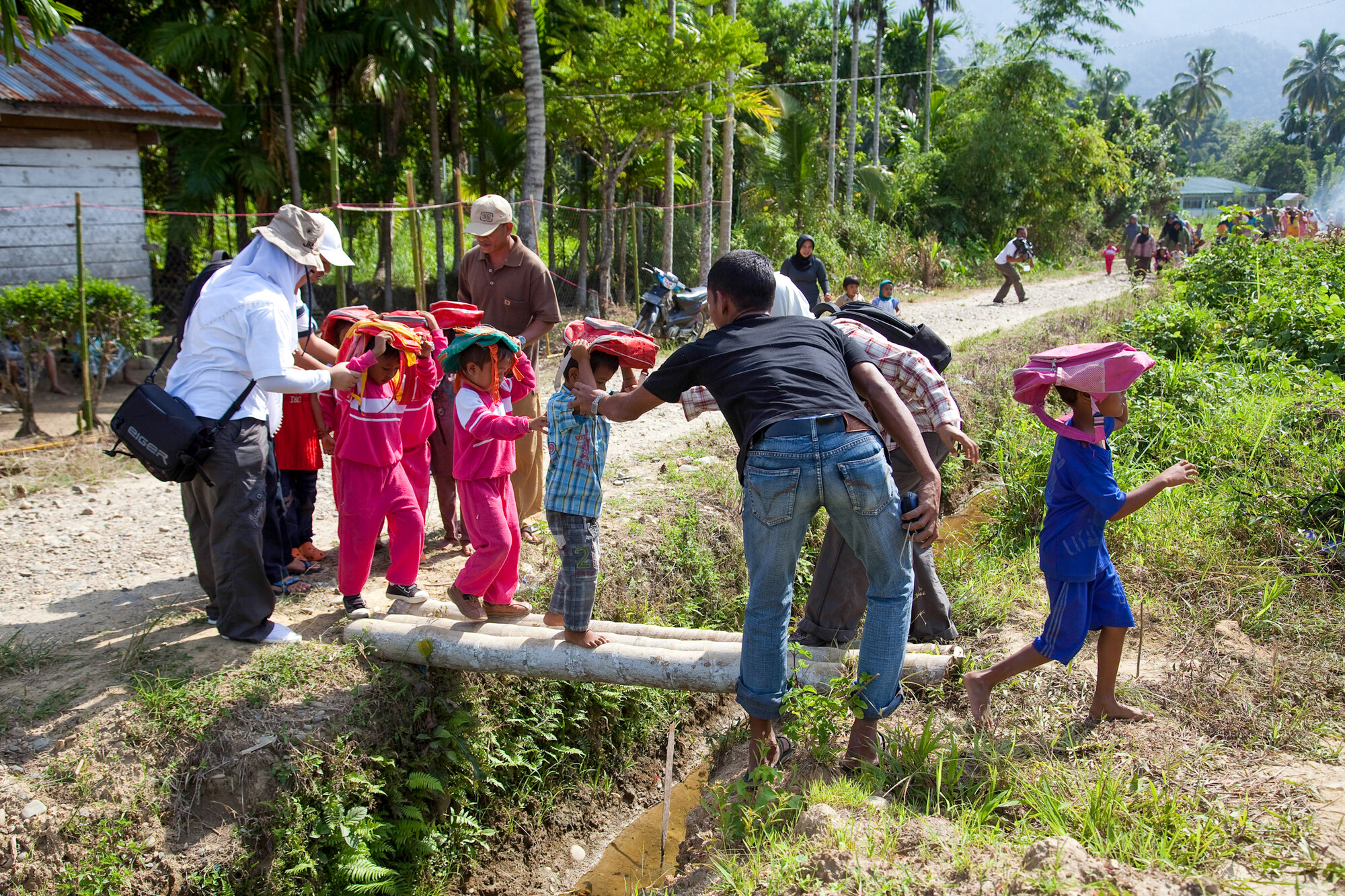
Schools incorporated important changes to their curricula, including themes of social justice, political analysis, and critical thinking. At the level of social formation, apostolic groups were renewed from the perspective of social service, awareness of reality, and analysis of structures of injustice through experiences such as mission camps, work in working-class neighborhoods, and volunteer work with marginalized populations. For example, since this time, Colombian schools have adopted a Social Action Formation (SAF) Program, which encompasses all grade levels offered in schools and seeks to awaken social awareness and lead to the transformation of social injustices to achieve a more just and participatory society. Many other schools in the Society have similar programs integrated into their educational offerings.
Within this context, the Society published important documents for schools that adopted this new vision. In 1986, it published Characteristics of the Education of the Society of Jesus, which states “The central orientation of a Jesuit school is education for justice. Adequate information, combined with rigorous and critical thinking, will make the commitment to work for justice more effective in adult life… Education for justice encompasses three distinct aspects in the educational context:
1. The treatment of justice issues in the curriculum.
2. The lines of action and programs of a Jesuit school bear concrete witness to the faith that brings about justice.
3. “There is no authentic conversion to justice if works of justice are lacking’” (Nos. 77-80).
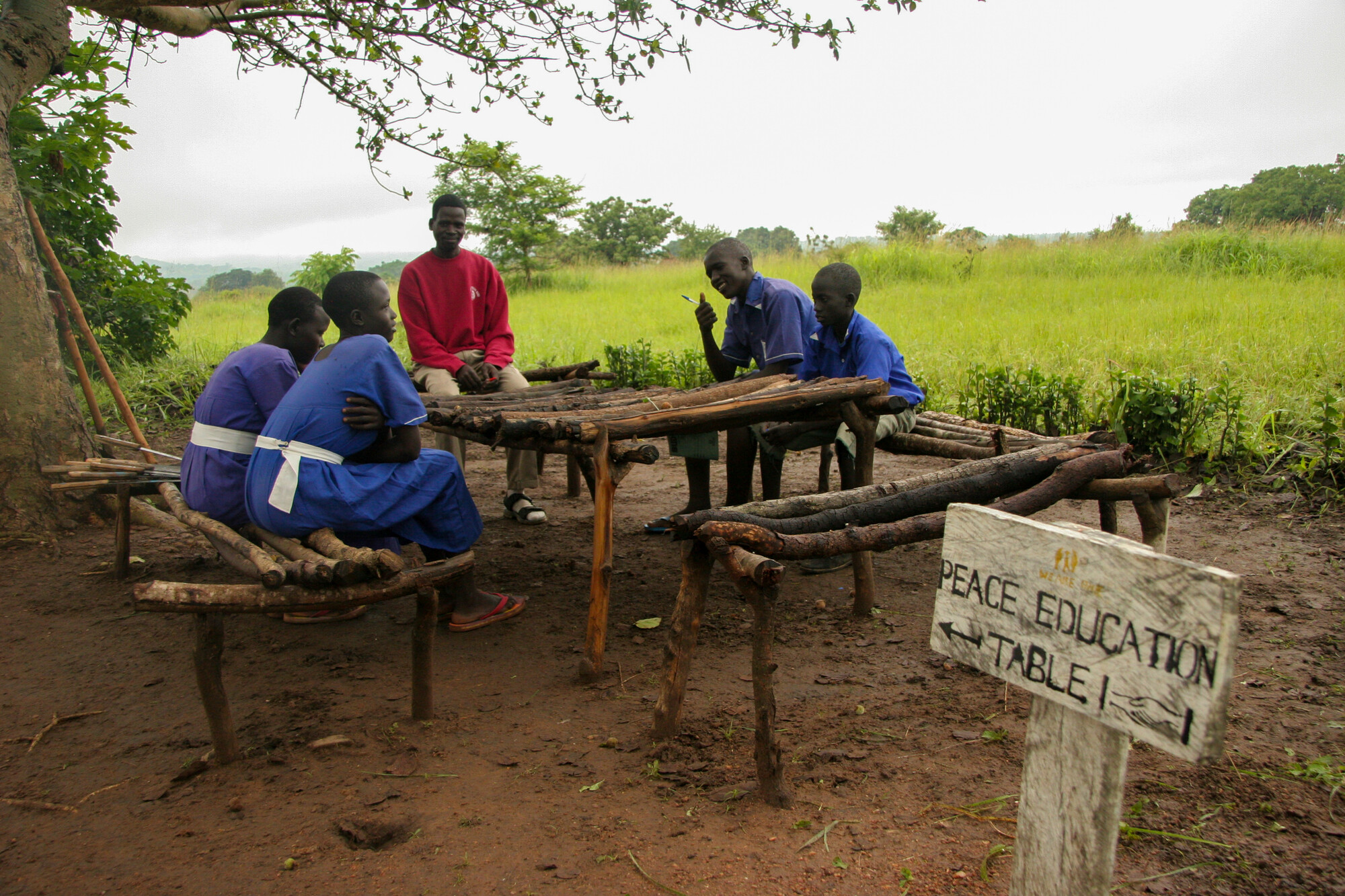
A few years later, the Society published a document that delves deeper into the pedagogy that should be practiced in our schools, Ignatian Pedagogy: A Practical Approach (1993). In presenting the new document, Father General Kolvenbach reaffirmed the new orientation: "Christian humanism at the end of the twentieth century necessarily includes social humanism... Service to the faith and the promotion of justice that it entails are the foundation of contemporary Christian humanism" (No. 124). The document proposes an action-oriented pedagogy that always takes into account the analysis of the reality of the context, seeking a transformation of people and the world.
In its most recent document, "Jesuit Schools: A Living Tradition in the 21st Century," the Society reaffirms its commitment to justice, citing the text already taken from GC XXXII and confirms that "the commitment to social justice is not marginal to the mission: it is at its center" (No.201). The document also includes a commitment to caring for creation as part of promoting justice today, as explained by Pope Francis in his encyclical Laudato Sì: "We are faced not with two separate crises, one environmental and the other social, but rather one complex crisis which is both social and environmental." (No. 139). It is also important to note that Father General Kolvenbach emphasized that the service of faith and the promotion of justice imply the preferential option for the poor, as explained in Church documents, and proposed an important criterion for our schools:
“We should require all our students to use the option for the poor as a criterion, never making an important decision without first considering how it might affect those who occupy the lowest place in society” (The Challenges of Christian Education at the Doorstep of the Third Millennium, in Father Peter-Hans Kolvenbach, SJ, and Education 1983-2007, ACODESI, Bogotá, 2009, 291).
Father General Sosa recently acknowledged the progress these calls have made in our schools:
“Our apostolic works in general and our educational institutions in particular have made enormous progress on this path of educating for justice that is born of faith and is illuminated by it, and in inviting our students to be agents of change in building more just and fraternal societies. Today, many identify Jesuit education with its clear commitment to justice. Our educational works have developed numerous programs, projects, and action groups so that our students acquire a critical sense of reality, understand the deep and structural roots of our social and political problems, and can act accordingly. Undoubtedly, we still have much to do in this area; we will have to continue discerning how to respond to the ever-new challenges that education for justice and reconciliation demands” (Alumni of the Society of Jesus invited to be companions in the mission of reconciliation and justice in our contemporary world, AR, 2023, 7).
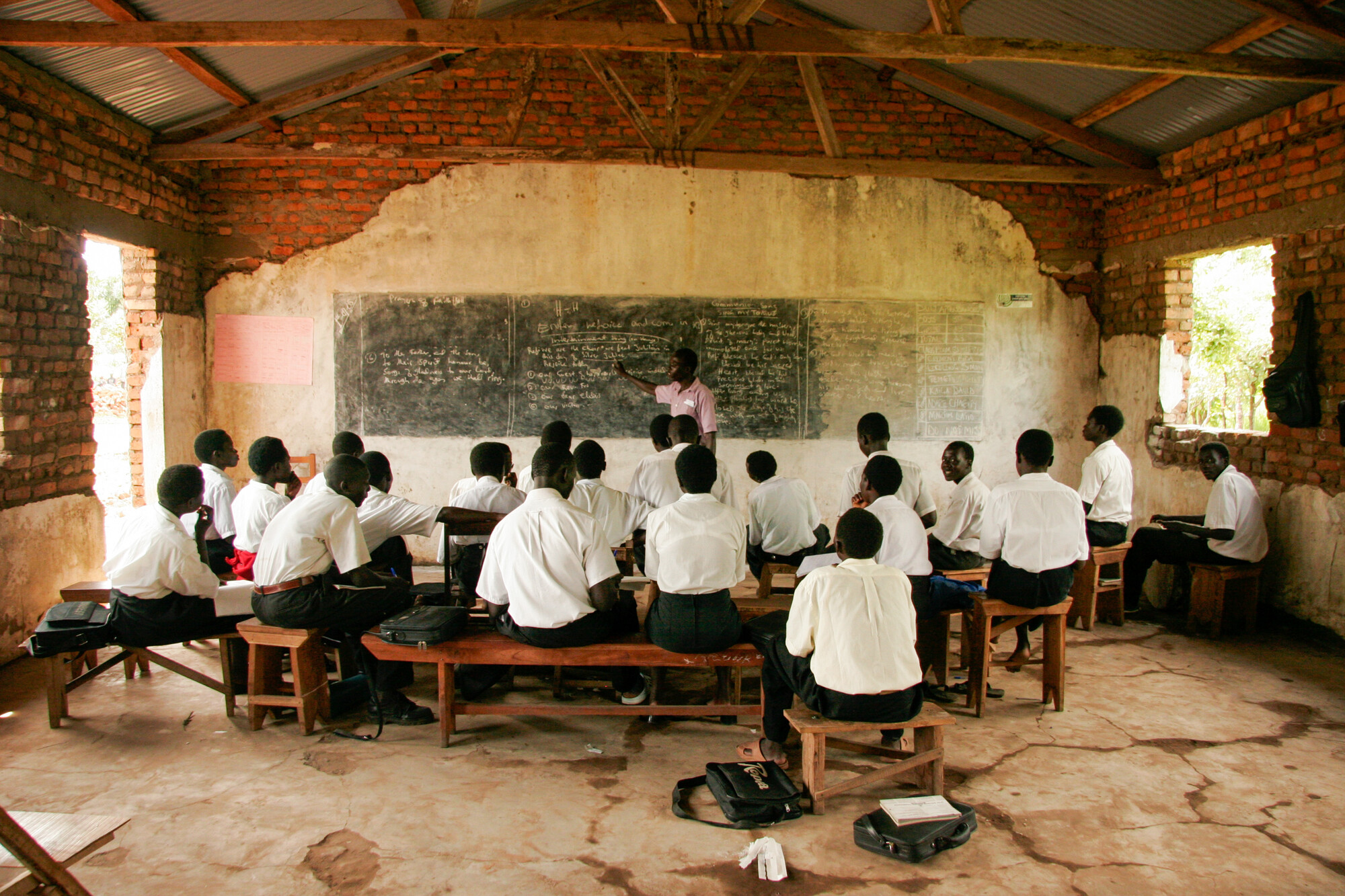
The progress and challenges are great. However, the area where the Society’s education has shown the greatest creativity in responding to the challenge of justice today is in the models of education for the most excluded populations in our societies. Some of these models began before Vatican II but quickly aligned with the desire to contribute to the promotion of justice as an element of quality education in the contexts of the most excluded populations. In 1940, what we know today as the Holy Family Professional Schools Foundation (SAFA) began in Spain. It currently has 26 centers that seek to train "men and women for others, who are conscientious, competent, compassionate, and committed" (https://www.safa.edu/fundacion- safa/conocer-safa) with a professional orientation for work, with an emphasis on the mentoring dimension, among the most impoverished populations in southern Spain.
Another important model is that of the Fe y Alegría schools. This movement was born in 1955 in Caracas, offering quality education "where the asphalt ends." Currently, in collaboration with many religious leaders from many religious congregations and laypeople, it has built a popular education network with a significant impact in Latin America and now in Africa and Asia, bringing quality education to the poorest and promoting the right to quality education for all in international forums. It currently has more than 1,700 educational centers in more than 22 countries and many other programs serving the world's poorest. Fe y Alegría conceives its education within the lens of popular education and social advancement that seek to build a more just and fraternal society.
Other models have developed within the context of the call to promote justice and the option for the poor. Worthy of note among these is the Cristo Rey model, which emerged in Chicago in 1996 as a response to the needs of the poorest Hispanic immigrants and now constitutes a network of 40 secondary schools in the United States serving the poorest in urban areas. One of its most innovative elements is the integration, through its Corporate Work Study Program (CWSP), of a rigorous academic program preparing for higher education with professional work experience. Also in the United States, another important model for primary schools, known as the "Nativity" model, emerged in 1971 in New York City in one of the most marginalized areas of the city with the goal of offering quality education that would give Hispanic children the opportunity to access a good secondary education and thus break the cycle of poverty for themselves and their families. It is a model that has shown astonishing results and has achieved what it promises. To this end, it has developed an extended academic year with long days, small groups, and summer activities.

In India, the Society has also developed educational proposals for the most excluded, especially for Adivasis and Dalits, with numerous schools offering our educational tradition so that members of these most marginalized groups can benefit from a quality education. In many of these schools, the Jesuits have developed innovative pedagogical proposals that respect the cultures and customs of these groups while providing them with an education that helps them emerge from their marginalization and assert their rights and human dignity.
Finally, it is also important to recognize the educational service that the Jesuit Refugee Service (JRS) offers to people living in refugee camps fleeing situations of violence and persecution. It was precisely Father Arrupe who called the Society in 1980 to care for those fleeing the Vietnam War. Thus began what is today an important apostolate of the Society with a significant educational dimension. It currently has more than 350 primary schools and many other non-formal education projects to offer an education of hope to those who can undoubtedly be counted among the poorest of the poor.
The challenge of educating for a faith that promotes ongoing justice continues. Schools today, more than ever, are aware of this challenge and of the need to fully integrate the two fundamental dimensions of service to the faith and the promotion of justice. It is true, as Father General Sosa recognizes, that much progress has been made, but it is also true that it is necessary to continue discernment so that Arrupe's challenging words continue to guide us:
"the type of man we must form, the type of man we must become, if we want to serve that evangelical ideal of justice: man for others,the new man, spiritual, that is, led by the Spirit, who transforms the face of the earth" (Arrupe, No. 18).
Original in Spanish

José Alberto Mesa S.J.
Secretary of Education
Society of Jesus
Rome