
First meeting of the Platform for Divestment from Mining
Amid the energy transition, the rise in armed conflicts, illegal mining practices, and digital expansion, demand for minerals has increased significantly since the 2010s and is expected to continue growing, according to reports from the International Energy Agency[1].
As a result of this phenomenon, which has led to a proliferation of mining activity worldwide, the Global South is particularly affected by industrial mining extractivism. This industry is encroaching on ever-larger areas of land naturally endowed with these resources. Industrial and large-scale extractivism generally brings disastrous consequences for the most vulnerable and poorest communities in these regions, especially in terms of human rights violations, social and health impacts, as well as long-term environmental degradation. In other words, this involves the perpetuation of poverty. Despite promises of development made by governments and mining companies (with both domestic and international capital), the consequences are dire. The spread of infant diseases and chronic conditions due to the contamination of the environment and water resources with heavy metals[2], the loss of land, consequent forced relocation of the communities affected, the subsequent deterioration of their living conditions[3], the increase in deforestation[4]for the construction of infrastructure across the entire value chain (mineral extraction, storage, and processing), and the complete transformation of the human and ecological landscape of these regions due to the impact of roads and railways built for export[5], to name a few.
In response to these increasingly significant socio-environmental impacts, the Churches and Mining Network was established. In order to support and assist communities affected by the mining industry, it originally took roots in Latin America, and the network now aims to expand its reach to the rest of the world and address a key aspect of this issue: the financing of these activities. To that end, the Churches and Mining Network spearheaded the creation of an unprecedented space for dialogue, coordination, and connection: the Platform for Divestment from Mining.
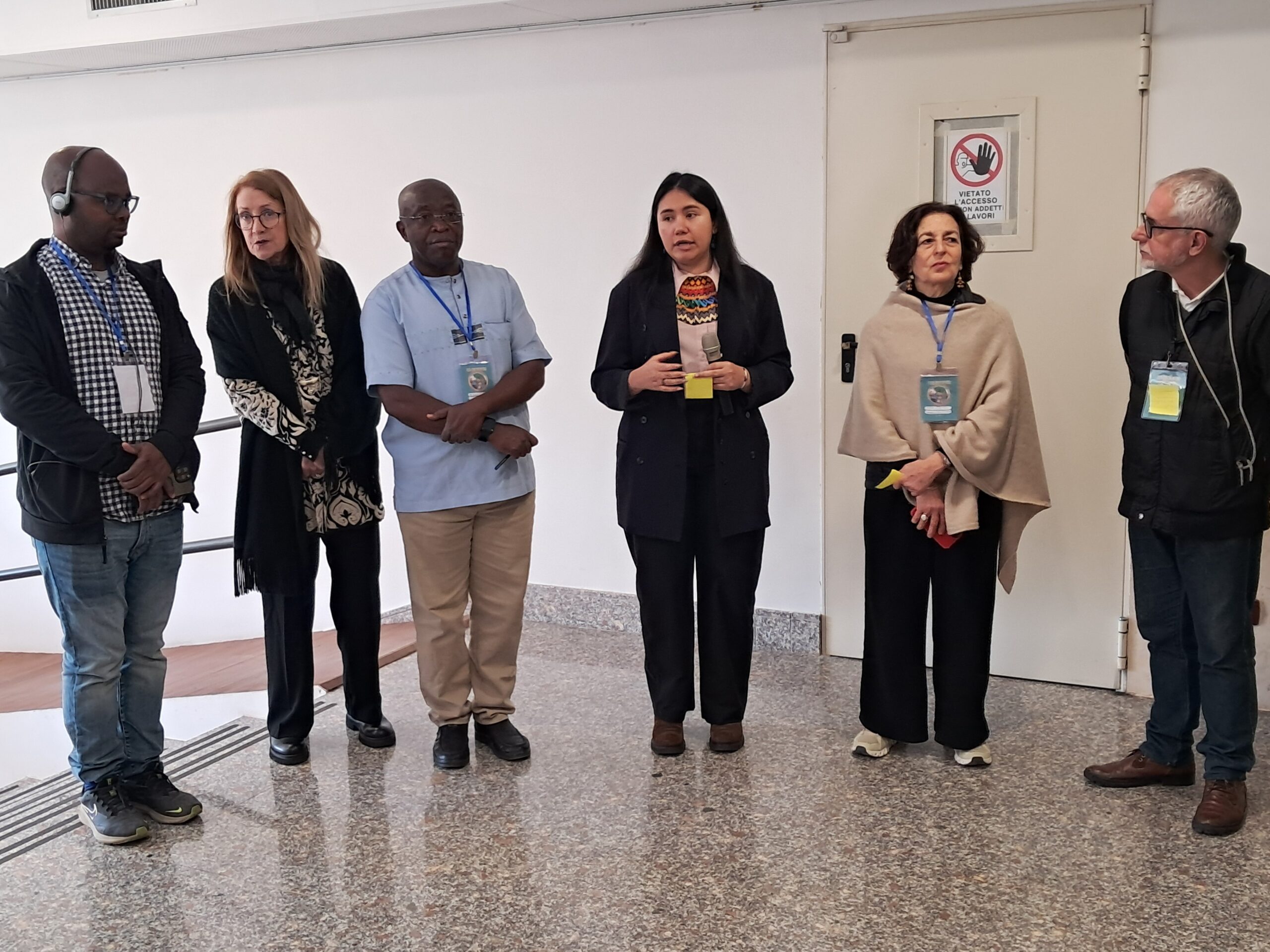
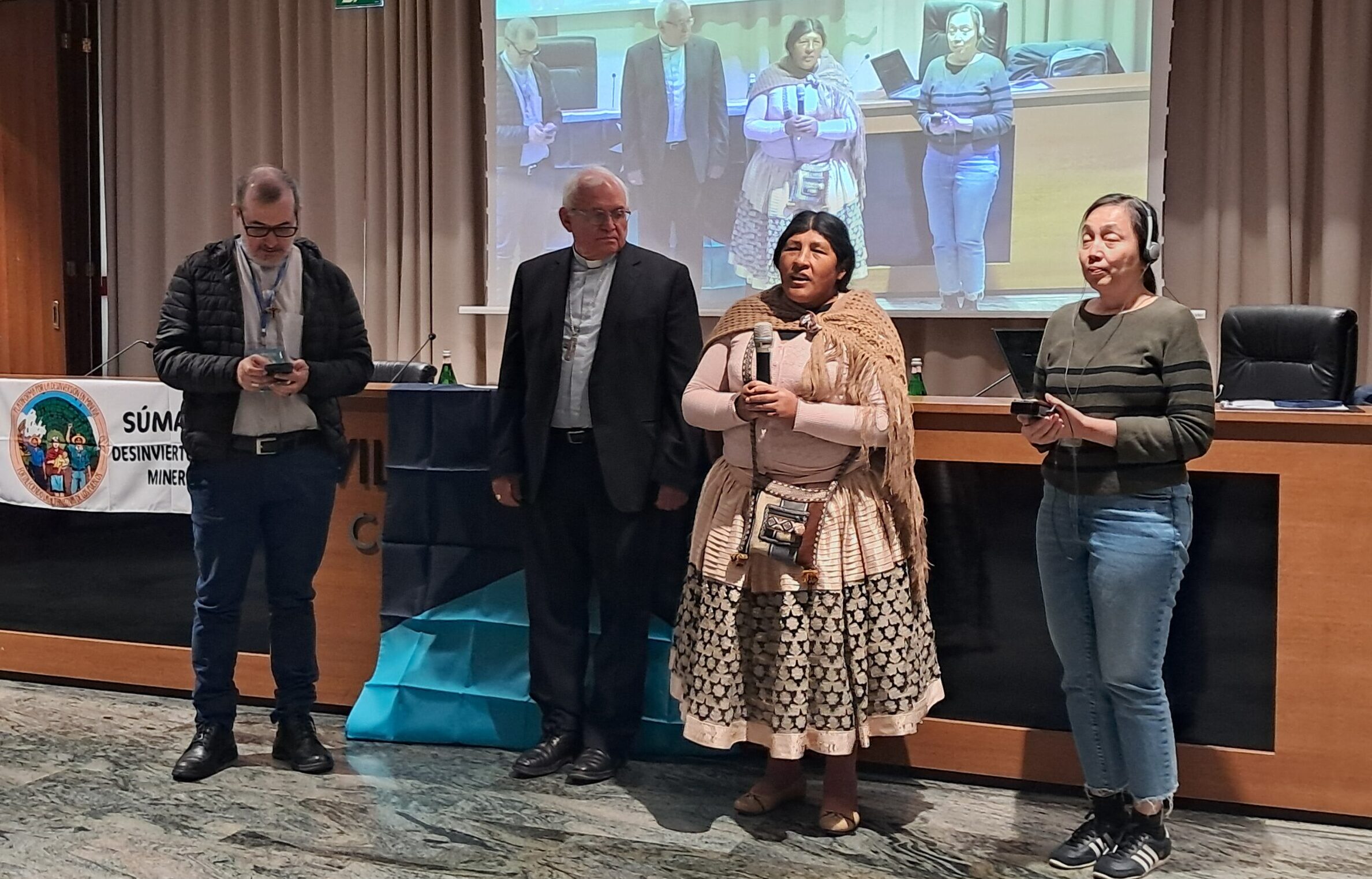
From March 19 to 21, 2026, the first meeting and the launch of this platform was held in Rome at the Villa Aurelia Congress Center. An ideal opportunity for collaboration and exchange among various stakeholders committed to socio-environmental justice. It is worth noting the presence and contribution of church organizations and international networks such as CIDSE, CCFD – Terre Solidaire, and Manos Unidas. The Social Justice and Ecology Secretariat (SJES) through the Justice in Mining initiative of the Global Ignatian Advocacy Network (GIAN) was also present throughout the three days of reflection and dialogue.
This founding meeting marked a key step in the development of a global movement that seeks to challenge the role of the financial system in supporting extractive industries. Through a participatory, spiritual, and political process, participants laid the groundwork for a platform designed to play a strategic role in the coming years in redirecting investments for actors both within the Catholic Church and in other ecumenical and religious spaces.
Picture Credit: iglesiasymineria
A Clear Goal: Divest to Reinvest in Transformation
The main objective of this platform is to promote divestment from mining industries, particularly those that have negative social and environmental impacts in the Global South. The greatest challenge to carrying the work forward is the multi-scale nature[6]of a proactive social and political advocacy model at can be effective at the local, regional, national, and international levels.
The platform does not aim to promote investment in any particular sector, but rather to redirect investments toward sectors that demonstrate ethics and integrity, as well as respect for human dignity and care for our common home. These include, but are not limited to, activities such as holistic food supply chains, education, research, and fair-trade production. In the case of faith-based organizations, given their financial autonomy, the choices for investments are often an internal process, based on the specific needs of their community and their local area. Therefore, the platform aims to help people make ethical, well-informed, and responsible decisions through suggested guidelines, rather than providing advisory.
Picture Credit: iglesiasymineria
A Space for Global Advocacy
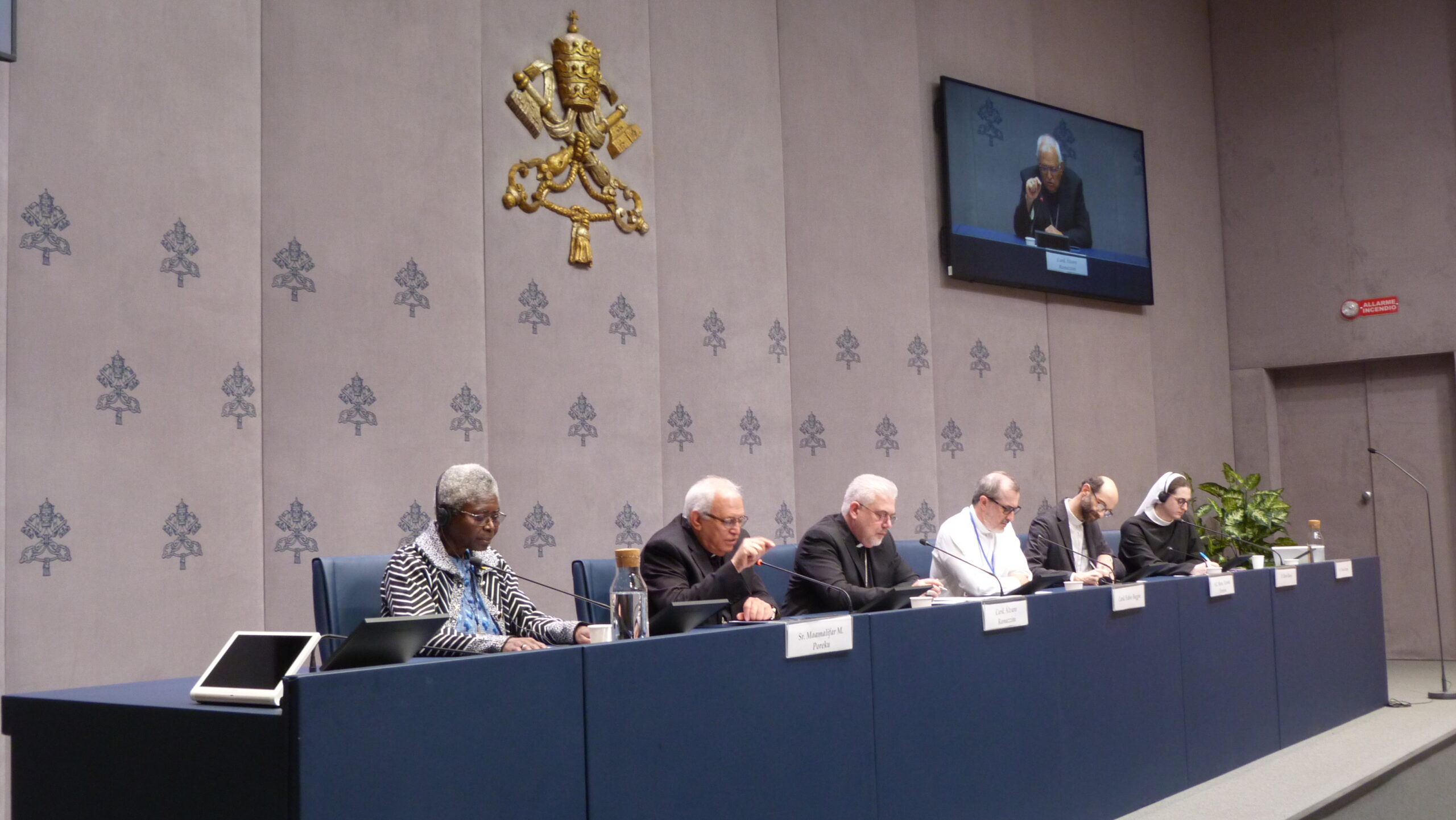
During the official press conference of the launch[7]which took place in the Sala Stampa of the Holy See, the platform outlined its commitment to global advocacy. It is thought of as a space through which communities and regions in the Global South can make their voices heard, share their stories, and engage in dialogue with institutions in the Global North, inviting them to consider the realities of these contexts and to reflect on the impact of their investments in the mining sector.
Yolanda Flores — Aymara leader of the civil society organization Human Rights and the Environment (DHUMA) of Peru— spoke out to bear witness to the effects of mining her territory, the Aymaracommunity[8], located on the banks of Lake Titicaca. In particular, she addressed the health consequences of heavy metals discharged by mining operations into the water and the atmosphere in the area. At her side—Cardinal Álvaro Ramazzini[9], Monsignor Vicente Ferreira[10](Bishop of Bahia), Daniel Mutale SJ[11] (leader of the food systems working group of the GIAN), and Martin Bahati SJ[12](CARF) [DA1]— also gave concrete examples of the alarming effects in communities across Guatemala, Brasil, Zambia, and the Democratic Republic of Congo, highlighting the scale of the phenomenon and its impacts.
The platform seeks not merely a technical shift in financial flows, but an ethical and systemic transformation of the dominant economic model based on extractivism—activities that cause irreversible changes in communities and across territories.
It is rooted in a vision of social and environmental justice, within a framework of integral ecology[13]inspired by the encyclical, Laudato Si’, and a radical linking of the spiritual and theological values that were developed during the eco-spiritual sessions of the gathering.
Picture Credit: iglesiasymineria
A Collective Process of Construction
What characterized this first gathering was the participatory process through which the groundwork for building the platform was laid. Rather than a top-down model, the organizers opted for an approach that fosters collective intelligence. Over the course of the three days, the gathering unfolded through a dynamic that alternated between theoretical presentations, testimonials, workshops, and moments of reflection.
The first day laid the political and symbolic groundwork for the initiative through an eco-spiritual space that reaffirmed the project’s ethical foundation and through discussions that helped develop a shared assessment. The second day was devoted to contextualizing and exploring the geopolitical and theological challenges in greater depth. These contributions fueled working sessions in which participants exchanged perspectives and outlined courses of action for the platform. Among the ideas discussed were the importance of raising awareness of the impacts of extractivism—specifically among communities—strengthening ties with local communities, promoting awareness-raising and training initiatives, and the production of research that deepens our understanding of the role of the financial system in the mining industry. These proposals, however, are still being shaped and a consultation phase within the Churches and Mining Network will take place to concretize the priorities in coming months.
The third day marked a shift toward future planning and implementation. Certain priorities were identified, and discussions began on possible ways to facilitate coordination, collaboration, and continuity of the process (through a steering group). The need to develop shared tools, ethical guidelines, and collaborative spaces to support the platform’s ongoing development was also highlighted.
The first meeting of the Platform for Divestment from Mining was much more than a forum for exchange: it laid the groundwork for a collective dynamic destined to evolve over time. This collective, human, and progressive process—based on listening, dialogue, and co-creation—is, in itself, an achievement and a source of hope. By combining critical analysis, ethical principles, and participatory development, the participants succeeded in forging a shared vision, the guidelines of which will continue to be developed and refined.
Picture Credit: iglesiasymineria
Towards a Just Transition
In the face of the challenges posed by extractivism, the platform serves as a strategic tool for addressing the financial structures that underpin these models. In this way, it creates a space for collaboration that brings together different actors, territories, and levels of action, while championing a strong voice for socio-environmental justice.
In this regard, the work promoted by the Platform for Divestment from Mining is directly linked to the discussions and actions that will take place during the Santa Marta Conference, scheduled for April 24–29, 2026, in Colombia, focusing on the just transition, one of the four calls of the SJES[14] for the COP31 in November 2026.
Indeed, the necessary shift away from fossil fuels requires the development of alternatives such as renewable energy (solar and photovoltaic panels, wind farms, etc.) and electric technologies (electric vehicles), the production of which depends heavily on mineral extraction. This challenge poses a fundamental dilemma: how to move toward an energy transition without replicating the extractivist logic that affects the territories and communities of the Global South? In this context, the platform helps promote a just transition that not only reduces dependence on fossil fuels but also ensures that mineral extraction is carried out under ethical conditions that respect human dignity, community rights, and the environment.
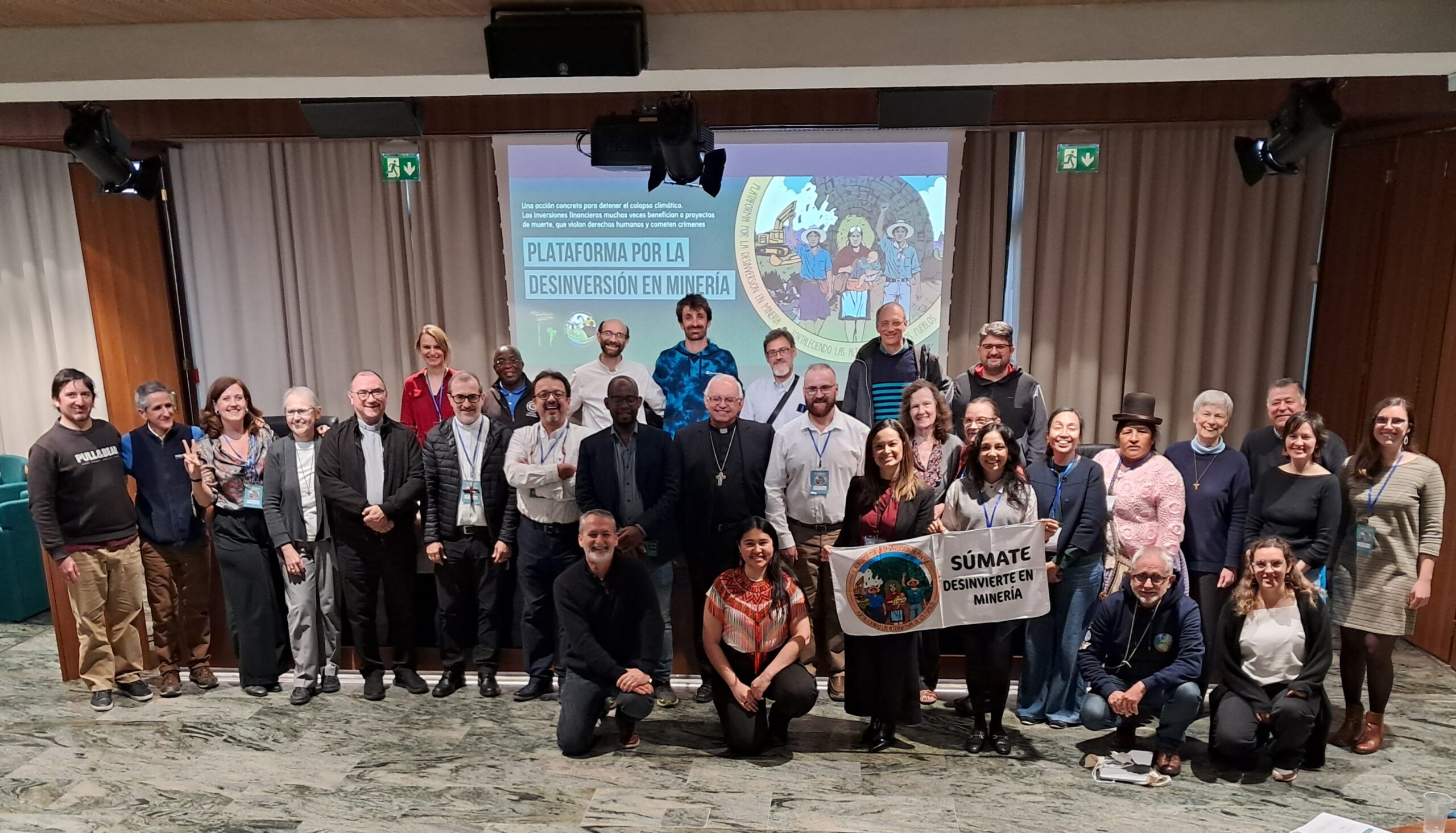
Picture Credit: iglesiasymineria
The Role and Participation of the SJES
The Justice in Mining initiative of the Global Ignatian Advocacy Network (GIAN), coordinated and supported by the SJES, has a longstanding partnership with the Churches and Mining Network. In 2021, the initiative strongly supported the Campaign for Divestment, by issuing statements and fostering collaboration between faith-based organizations and the Commission on Justice, Peace, and the Integrity of Creation (JPIC) of UISG. Over the years, the GIAN Justice in Mining initiative has sought to uphold values that respect both creation and social justice, with the aim of advocating for the rights of our common home and of the communities directly impacted and/or threatened by the effects of mining and other extractive practices.
As we move forward, taking into account current geopolitical factors as well as the values of the GIAN, we must also consider the expected outcomes of the First Conference for the Transition Away from Fossil Fuels, to be held in late April 2026 in Colombia. It aims to “create a sustained political platform for countries ready to deliver implementation-driven action toward an orderly phase-out of fossil fuels. Foster a complementary space to the UNFCCC, formally contributing to the COP30 Presidency’s roadmap while accelerating practical delivery. Structure an innovative, horizontal dialogue that deepens democratic climate governance through meaningful and influential participation by countries and subnational governments, civil society, and other stakeholders”[DA1][15]. A welcome initiative at a time when the just energy transition is not even mentioned in climate negotiations, as seen in the final text of the COP30 negotiations.
The “Jesuits for Climate Justice”Campaign outlined four main objectives for COP30, The third is “to set clear goals for a just energy transition that seeks to reduce CO2 emissions, taking into account historical responsibilities, respecting human rights—especially the rights of indigenous peoples—valuing and protecting nature, and prioritizing sustainable livelihoods over profit-driven models”[16]. The Social Justice and Ecology Secretariat of the Society of Jesus reaffirm its call to continue promoting dialogue and to advocate, together with all partners, for an ecological conversion that upholds human dignity while respecting our common home. It is imperative—despite the headwinds—that we continue to build multilateralism, specifically in climate negotiations. It is also crucial to ensure that multilateral decisions are implemented consistently in national climate plans; otherwise, efforts will be limited to the micro level.
The road ahead remains long, but this new step toward a Platform for Divestment from Mining is undoubtedly a step in the right direction.

Maya Lelièvre
SJES Networking Volunteer Intern
[1] Agencia Internacional de la Energía.(2025). Global Critical Minerals Outlook 2025.
Global Critical Minerals Outlook 2025
[2]Unearthed - Greenpeace. (2018, April 10).The city built around a mine.
Cerro de Pasco: The city built around a mine - Unearthed
[3] Oxfam Australia. (2025, July 1). Resource wealth, poverty, and environmental impact in mining.
Impacts of Mining | Oxfam Australia
[4] World Resources Institute. (2024, October 23). Mining Is Increasingly Pushing into Critical Rainforests and Protected Areas.
Mining Is Increasingly Pushing into Critical Rainforests and Protected Areas | World Resources Institute
[5] Revista Pesquisa Fapesp. (2022).Roads built for mining cause significant environmental damage in the Amazon.
Las carreteras asociadas a la minería provocan grandes daños ambientales en la Amazonia : Revista Pesquisa Fapesp
[6]Grow and take action at various levels.
[7] Sala Stampa della Santa Sede. (2026, Marsh 20). Conferenza Stampa per il lancio della Piattaforma di Disinvestimento nell’Ambito Minerario, 20.03.2026. [B0218].
Conferenza Stampa per il lancio della Piattaforma di Disinvestimento nell’Ambito Minerario
[8] Ojo Público.(2024, June 16) That town exists: Aymara communities caught between fear and mistrust over mining concessions.
Ese pueblo existe: comunidades aymaras entre el miedo y la desconfianza por concesiones mineras | Ojo Público
[9] ADN Celam. (2023, December 2).The Network of Churches and Mining Expresses Solidarity with Cardinal Álvaro Ramazzini Following Threats Against Him.
Red de Iglesias y minería se solidariza con el cardenal Álvaro Ramazzini tras amenazas en su contra - ADN Celam
[10] Consolata América. (2023, January 16). La minería y su impacto en la Amazonia brasileña.
La minería y su impacto en la Amazonia brasileña - Consolata América
[11] FordhamNow. (2025, May 6). Jesuit Ph.D. Grad Uses Research to Promote Social Justice in Zambia.
Jesuit Ph.D. Grad Uses Research to Promote Social Justice in Zambia
[12] Radio Vatican. (2015, July 25). Rd Congo : Les Jésuites au chevet des réfugiés à l’Est du pays.
Rd Congo : Les Jésuites au chevet des réfugiés à l’Est du pays
[13]Manos Unidas. (n.d.). Chapter 4: “An Integral Ecology.” “Laudato Si’” discusses human ecology.
Capítulo 4: «Una ecología integral» | ONG Manos Unidas
[14] EcoJesuit GIAN - SJES. (s.f.). Religious Life for Climate Justice: Turning Hope Into Action.
Religious Life for Climate Justice: Turning Hope Into Action - Ecology and Jesuits in Communication
[15] 1st Conference on the Transition Beyond Fossil Fuels. Colombia–Netherlands. (n.d.). About the Conference.
Acerca de — Primera conferencia sobre la transición para abandonar los combustibles fósiles
[16] Religious Life for Climate Justice Campaign. Turning Hope into Action. (2025, June).
Statement and Policy Brief of the -Religious Life for Climate Justice Campaign, Turning Hope into Action- ESP
Related Posts:
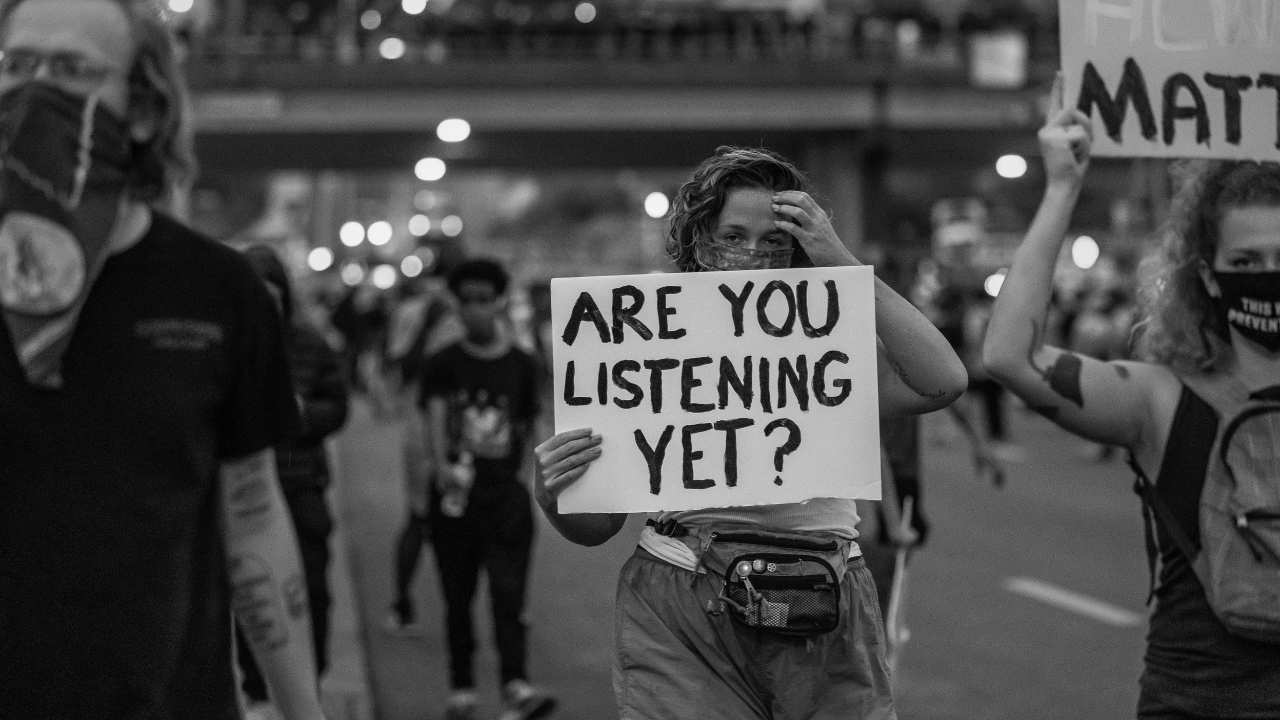
By examining the tensions between democratic institutions, citizen participation, social movements, and the common good, the article opens a path for reflecting on how new forms of power emerge and how societies can respond to them. As AI systems increasingly shape public life and influence collective decision-making, Bado's vision of a more participatory and substantive democracy challenges us to consider how technology can be governed in ways that promote justice, inclusion, accountability, and human dignity. We invite readers to revisit this earlier reflection as a valuable source of inspiration for discerning how democracy may evolve in response to the opportunities and risks posed by AI and for ensuring that technological progress continues to serve people and the common good.

In Magnifica Humanitas, Pope Leo XIV warns that machine intelligence in war ends by “reducing victims to data.” The machine profiling that registers a person for food can also be used to select a person as a target. A small drone circling a road, with no one steering it, can have such a profile as its target. A drone like this is an autonomous weapon system. Once activated, it selects and attacks targets by itself, matching what its sensors detect to a programmed target profile. No human being decides, at the moment of the strike, that this particular person will die or is the right target. The case most often cited as the first use of such a weapon against people, reported by UN experts, was in Africa, in Libya in 2020.
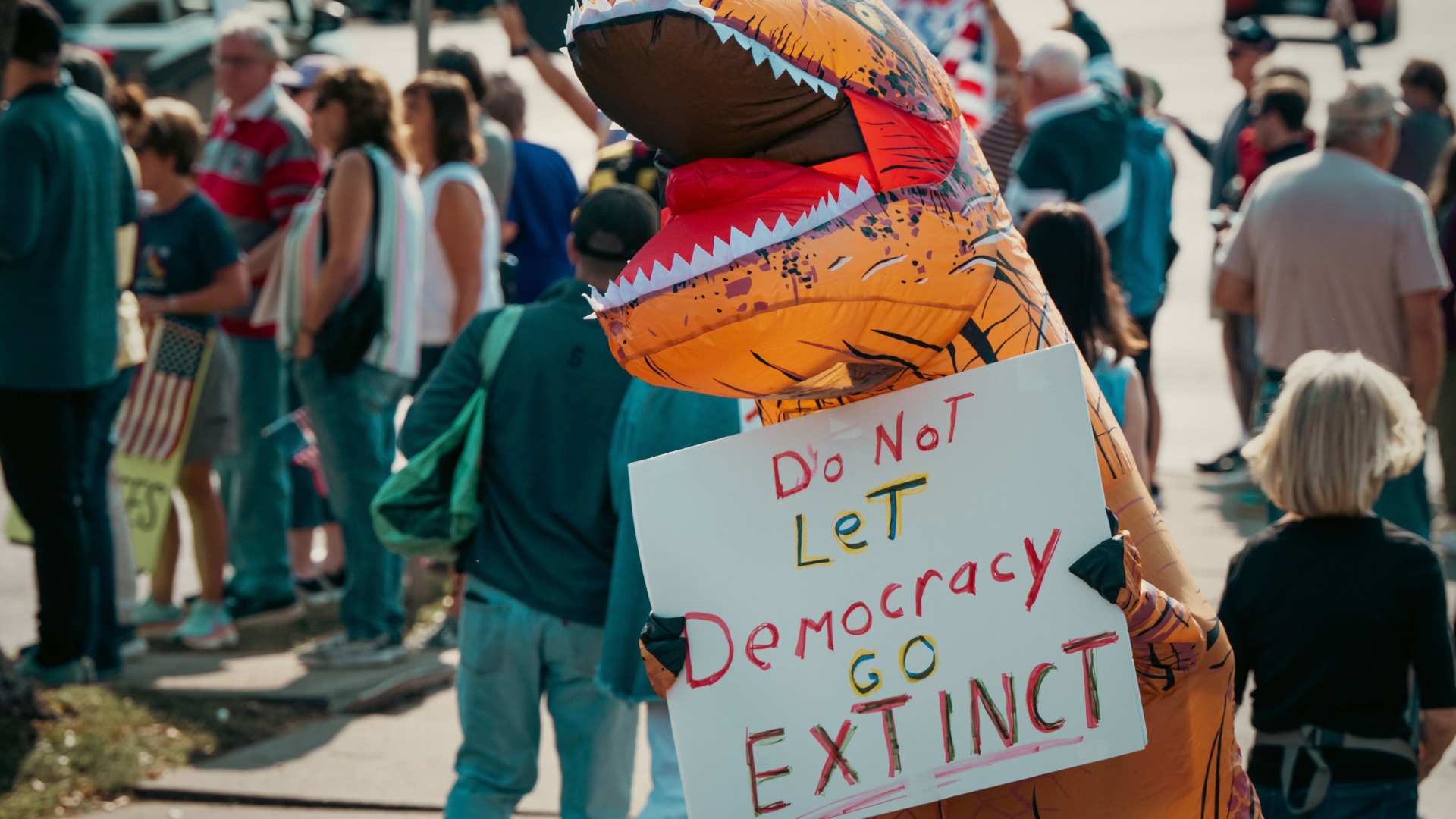
Democracy, which has historically proven most effective in meeting these criteria, cannot be taken for granted. In our AI era, citizens should press for more than multiparty elections and the protection of basic freedoms; that institutional core is not enough. We must carefully regulate and channel powerful technologies with the capacity to divide us from one another and short-circuit social and political participation. That means maintaining spaces in civil society where human contact and social friendship can flourish without the mediation of machines, beginning with the educational systems through which all citizens pass. It means fighting deepfakes and disinformation in the public sphere, so that citizens still operate in a world of facts and evidence and political representation has a strong basis.
Artificial intelligence (AI) is increasingly entering public life in Ghana, including through digital systems used for identification, verification and service delivery. The ethical question is therefore not simply what AI can do, but what happens to people when digital systems become gateways through which citizenship, mobility or access to services are recognised. In northern Ghana, especially in border communities, this is a concrete question. I was privilege to visit Pusiga community in November 2025 with a Jesuit friend of my mine who is originally from the community. Thus, the topic for this article resonates very well with me.
The article ‘Pandemic and Authoritarianism’, by Germán Rosa, SJ, was written in the midst of the COVID-19 crisis, but its insights extend beyond that context. The pandemic appears to reveal and accelerate political trends that were already present: the concentration of power, the weakening of democratic checks and balances, and the acceptance of extraordinary restrictions in the name of collective security. Rosa’s main concern is that fear may lead citizens to silently surrender their freedoms and rights, and that measures which were initially intended to be temporary become normalized and endure. Furthermore, in societies riven by inequality, control is never distributed neutrally: it falls most heavily on the impoverished, marginalized groups, migrants, dissidents and those who defend rights and territories.
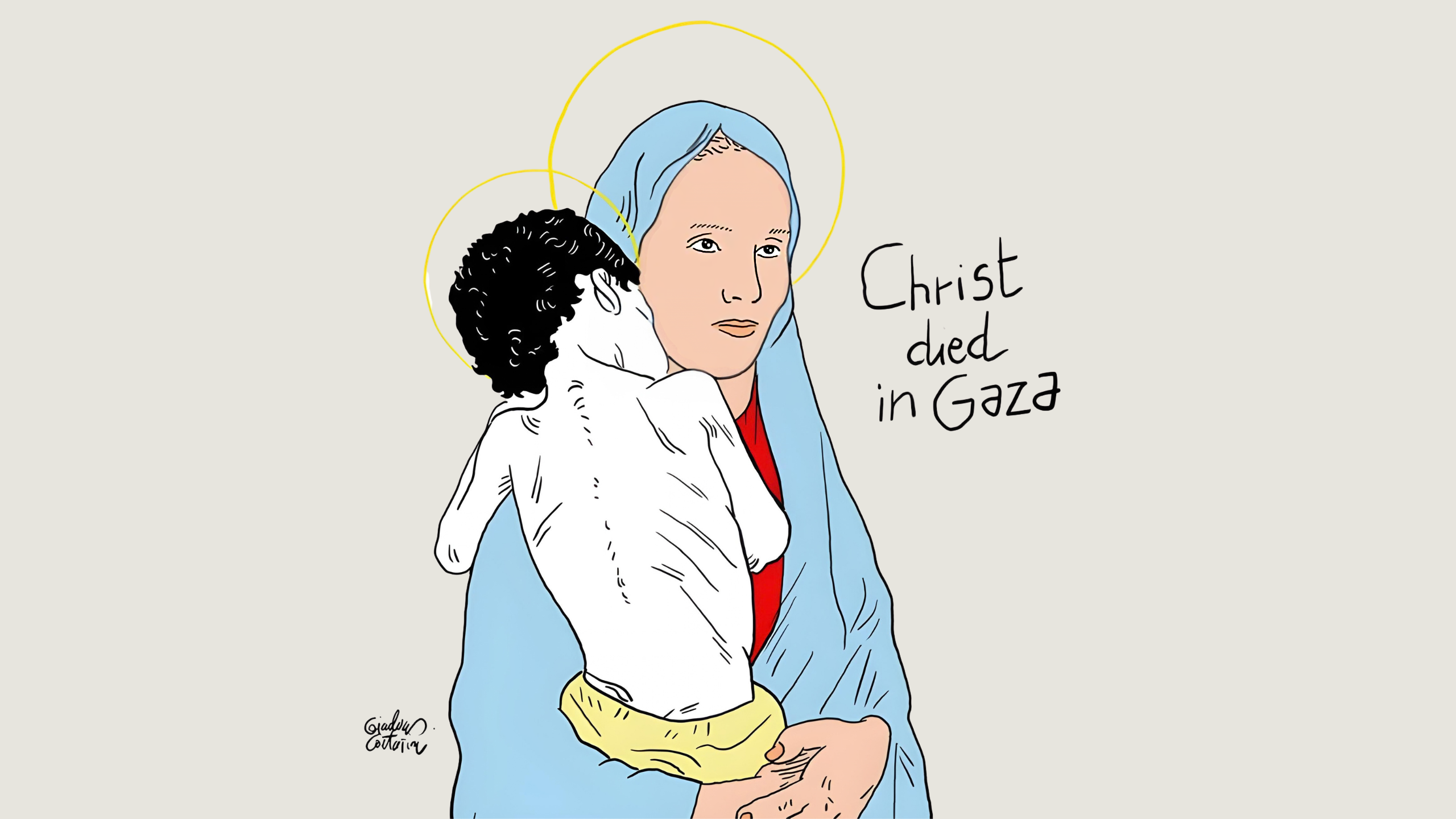
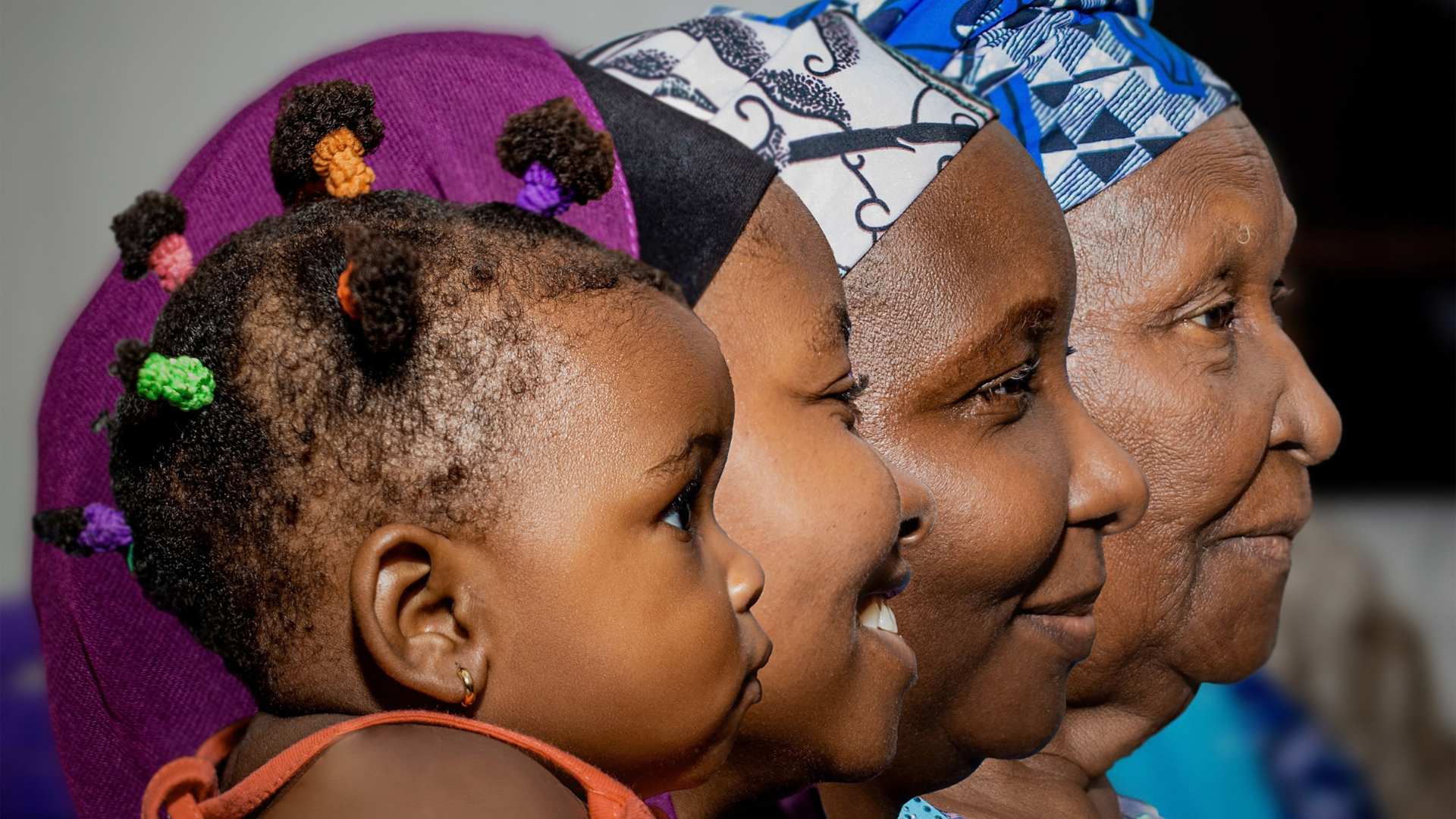
Speaking of dead children is uncomfortable. Yet it can also be healing. As I listened to the stories shared that day, I found myself returning to memories I may at times shy away from remembering. Iremember finding my sister’slifeless body in bed one Saturday morning. Ihad cometo carry her out with me to watch cartoons.As I listened tothe story of Hind Rajab, a 5-year-old girl who had been trapped inside a car attacked by Israeli forces,the memory of a little boy reaching out to touch his sister came back. The young girlhadmanaged to call the Red Crescent for help but hours later she and the paramedics who had come toassisther were all found dead. The chilling story reminded me of the shocking cold that struck my hand as I gently touched my sister’s arm in a futile attempt to wake her up.