
The Santa Marta 2026 Conference: Filling the Silence on Fossil Fuels from COP 30
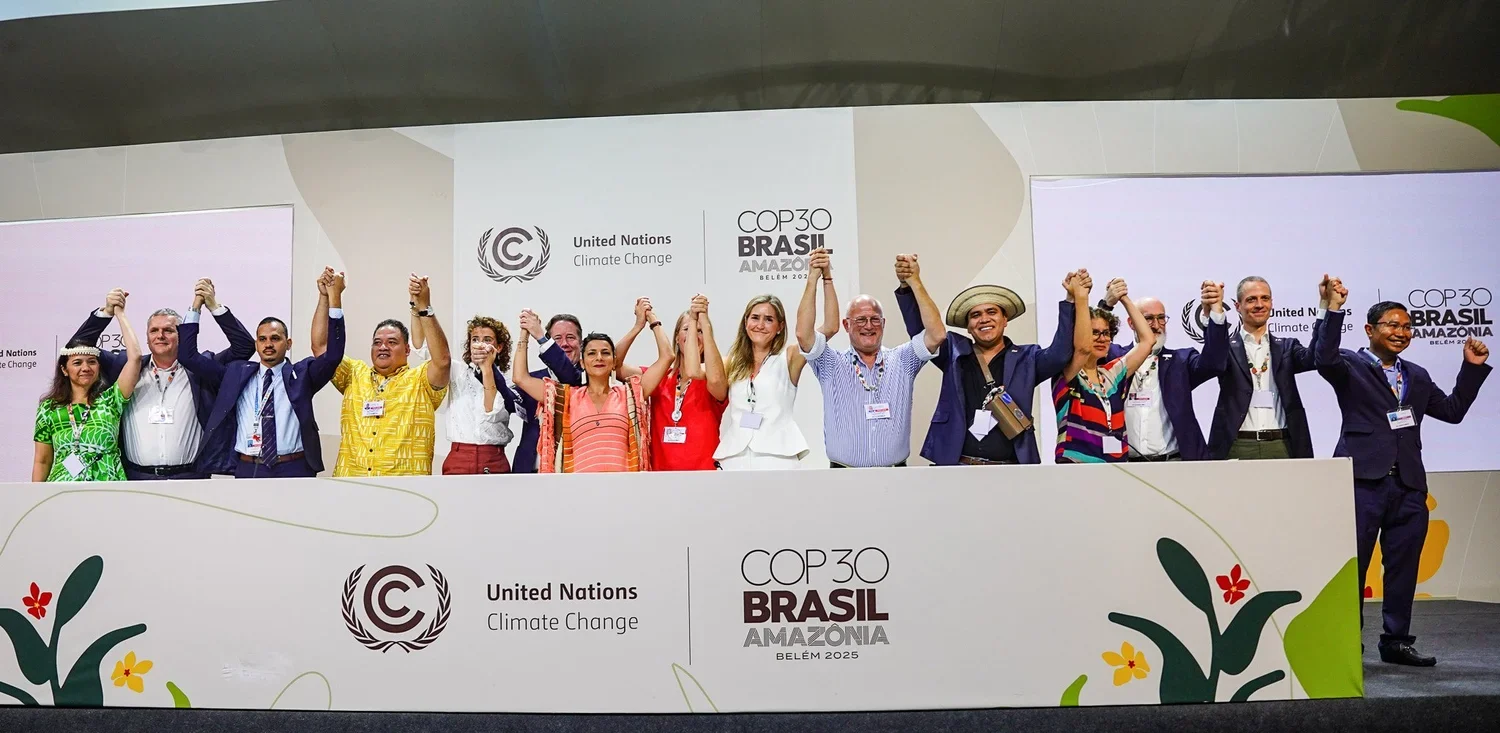
Picture Credit: Santa Marta Colombia
The First International Conference on the Just Transition Away from Fossil Fuels will take place from April 24th to April 29th, 2026. It is a direct response from the governments of Colombia and the Netherlands to thefinal text of the COP30 negotiations, which makes no mention of fossil fuels. The UN International Energy Agency (IEA) report, “Seizing the moment of opportunity”, affirms that human actions, such as burning fossil fuels like coal, oil, and gas, are the main drivers of climate change. [1] This lack of acknowledgement in the COP30 final negotiations declaration overlooks the main driver of an ineffective roadmap to ensure a just transition. This historic conference will be held in the port city of Santa Marta, Colombia, which is highly significant as the site of the world's oldest Spanish settlement in the world’s fifth-largest coal-producing country [2]. Vanuatu’s Minister of Climate Change, Energy, Environment, and Disaster Management, Ralph Regenvanu, stated during the Santa Marta conference press briefing, “We welcome this first historic conference as a critical step forward, recognising that this is the beginning of an ongoing and urgent process” [3], the goal of which is to ensure continuity of discussions and actions, so that no one is left behind. Furthermore, this conference provides a complementary space for governments, civil society, experts, academics, and indigenous peoples to focus on identifying the key enablers for a successful, accelerated fossil-fuel phaseout.
Co-hosting Details and Participants
The Minister of Environment for Colombia, Irene Vélez Torres, and the Deputy Prime Minister and Minister of Climate Policy and Green Growth of the Netherlands, Sophie Hermans, will co-host the Santa Marta conference. During the press conference launching the event, Torres expressed her anticipation for the conference's focus on the people. She said, “From the heart of the Amazon, indigenous peoples, Afro-descendant communities, campesino organisations, academia, and social movements delivered a message that we cannot ignore”. [4]The Santa Marta conference aims to foster discussions on protecting those impacted by fossil fuel extraction, enabling viable pathways to equitable solutions through learning from experts, civil society, and subnational governments to ensure a truly just transition. During the same press conference, Hermans shared her expectations for what the Santa Marta conference can offer to society. She emphasised, “We must begin to materialise what this phase-out could look like and start a concrete roadmap that allows us to incorporate the new and leave the old behind” [5].This partnership between Colombia and the Netherlands is critical because it is a step towards global North-South cooperation, which is needed to advance in multilateral spaces, such as the COP.
So far, at least twenty-four nations have signed the Belém Declaration on the Just Transition Away from Fossil Fuels. This declaration aims to make a significant commitment to promoting green industrialisation, fighting climate change, and reducing poverty. Mainly, Latin America and Small Island Nations have signed the declaration; Chile, Costa Rica, and Fiji have shown strong support. Some European countries, such as Austria, Belgium, Denmark, and Germany, have also signed the declaration to express their backing.
However, comparing attendance at Santa Marta and at the Belém Declaration signatories reveals a significant gap between developing and well-developed countries. The first group (e.g., Chile, Costa Rica) will make up most attendees at the Santa Marta conference, while developed nations such as the United States, Russia, and China will not be present. This is a troubling reality, as the burden of leadership in phasing out fossil fuels falls on Latin America, Africa, and Small Island Nations, which bear the brunt of the damage these extractive industries inflict on their environments, populations, and economies. There is an urgent need for developed nations to be present in these moments and for global cooperation to help accelerate meaningful action. Conversely, countries like Germany strengthen the global north's presence; however, this is not enough to close the collaboration gap, but rather an essential step forward. This signifies progress towards multi-level collaboration, although the challenge of achieving sustainability through active multilateralism will remain a barrier to the transition.

Picture Credit: Santa Marta Colombia
Agenda of the Conference
The strategy of this conference is not intended to replace negotiations at venues like COP31; it aims to enable indigenous peoples, subnational governments, and civil society actors to express their opinions and concerns while also providing space for proposed solutions that benefit all parties. The image below shows the conference programme as of March 2026. From the 24th to the 25th of April, economists and legal experts will present their input for a fair transition process. Afterwards, from the 26th to the 29th of April, ministers, high-level representatives, and civil society will utilise this information to meet with other government officials and agree on a roadmap that addresses the needs of local communities impacted by fossil fuel extraction. These final days will be crucial in establishing a potential roadmap for multilateral collaboration.[6]
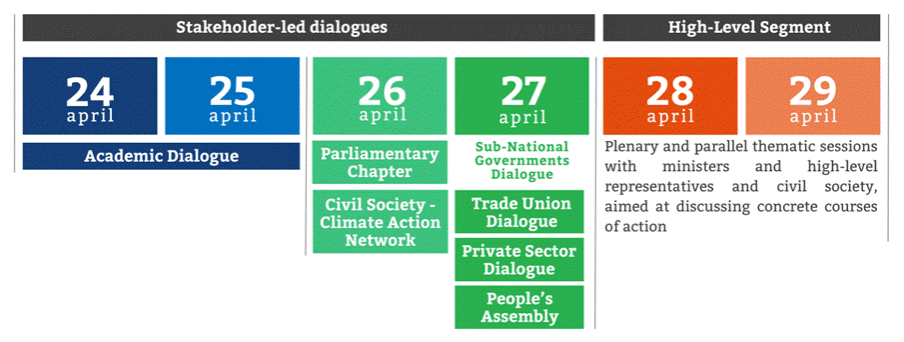
Figure 1. Methodology. First Conference on Transitioning Away from Fossil Fuels [Description of panel]. (n.d.a). https://transitionawayconference.com/methodoloy
The Importance of the Conference
The outcomes of the First International Conference on the Just Transition Away from Fossil Fuels will help guide global negotiations in formal settings by emphasising the need for a consensus on a just energy transition. The economic disparities, ecological justice, and social aspects of this challenge will shape the future of the climate crisis. Identifying these key factors by gathering diverse perspectives through discussions across various levels of government and civil society will pave the way for advances in international cooperation. This conference aims to promote collaboration across all sectors, ensuring no one is left behind. On the conference’s official webpage, a video is linked describing the goal of continuing discussions after Santa Marta, which will take place atThe Pacific Conference. This gathering will be co-hosted in October 2026 by the governments of Fiji and Tuvalu as a pre-COP31[7] event to sustain these dialogues and offer another platform for meaningful action.
The road ahead is still long; the Santa Marta Conference merely marks the start of a truly just transition. Co-creating and shaping these spaces is a vital step in fostering and mobilising the will of powerful global actors from different sectors, especially at a time when multilateralism is under threat. It is crucial to act with conviction for the future of our common home, and facilitating processes like these is just one part of the larger puzzle. No matter how imperfect they may be, decision-makers have a duty to continue working towards an equitable and fair transition. The future is approaching, and the ecological and humanitarian impacts of the extractive industry have made this a decisive moment for concrete, united global action. Let us all move forward in the spirit of human fraternity and care for our common home.

Morgan Noble, SJES Intern
Loyola University Chicago (USA)
[1] Achakulwisu, P., et al. (2025, July 22). What is Climate Change?. United Nations.https://www.un.org/en/climatechange/what-is-climate-change
[2] Colombia and the Netherlands Announce First International Conference on Fossil Fuel Phase-Out.Fossil Fuel Treaty. (n.d.).https://www.fossilfueltreaty.org/first-international-conference
[3] Colombia and the Netherlands Announce First International Conference on Fossil Fuel Phase-Out.Fossil Fuel Treaty. (n.d.).https://www.fossilfueltreaty.org/first-international-conference
[4] Colombia and the Netherlands Announce First International Conference for Fossil Fuel Phase Out.Fossil Fuel Treaty. (n.d.-a).https://www.fossilfueltreaty.org/first-international-conference
[5] Colombia and the Netherlands Announce First International Conference for Fossil Fuel Phase Out.Fossil Fuel Treaty. (n.d.-a).https://www.fossilfueltreaty.org/first-international-conference
[6] Methodology. First Conference on Transitioning Away from Fossil Fuels. (n.d.).https://transitionawayconference.com/methodoloy
[7] Fiji and Tuvalu chosen to host pre-COP - DCCEEW. Australian Government. Department of Climate Change, Energy, the Environment and Water. (2026, February 26).https://www.dcceew.gov.au/about/news/fiji-tuvalu-chosen-host-pre-cop
Related Posts:

In Magnifica Humanitas, Pope Leo XIV warns that machine intelligence in war ends by “reducing victims to data.” The machine profiling that registers a person for food can also be used to select a person as a target. A small drone circling a road, with no one steering it, can have such a profile as its target. A drone like this is an autonomous weapon system. Once activated, it selects and attacks targets by itself, matching what its sensors detect to a programmed target profile. No human being decides, at the moment of the strike, that this particular person will die or is the right target. The case most often cited as the first use of such a weapon against people, reported by UN experts, was in Africa, in Libya in 2020.
Democracy, which has historically proven most effective in meeting these criteria, cannot be taken for granted. In our AI era, citizens should press for more than multiparty elections and the protection of basic freedoms; that institutional core is not enough. We must carefully regulate and channel powerful technologies with the capacity to divide us from one another and short-circuit social and political participation. That means maintaining spaces in civil society where human contact and social friendship can flourish without the mediation of machines, beginning with the educational systems through which all citizens pass. It means fighting deepfakes and disinformation in the public sphere, so that citizens still operate in a world of facts and evidence and political representation has a strong basis.
Artificial intelligence (AI) is increasingly entering public life in Ghana, including through digital systems used for identification, verification and service delivery. The ethical question is therefore not simply what AI can do, but what happens to people when digital systems become gateways through which citizenship, mobility or access to services are recognised. In northern Ghana, especially in border communities, this is a concrete question. I was privilege to visit Pusiga community in November 2025 with a Jesuit friend of my mine who is originally from the community. Thus, the topic for this article resonates very well with me.
The article ‘Pandemic and Authoritarianism’, by Germán Rosa, SJ, was written in the midst of the COVID-19 crisis, but its insights extend beyond that context. The pandemic appears to reveal and accelerate political trends that were already present: the concentration of power, the weakening of democratic checks and balances, and the acceptance of extraordinary restrictions in the name of collective security. Rosa’s main concern is that fear may lead citizens to silently surrender their freedoms and rights, and that measures which were initially intended to be temporary become normalized and endure. Furthermore, in societies riven by inequality, control is never distributed neutrally: it falls most heavily on the impoverished, marginalized groups, migrants, dissidents and those who defend rights and territories.
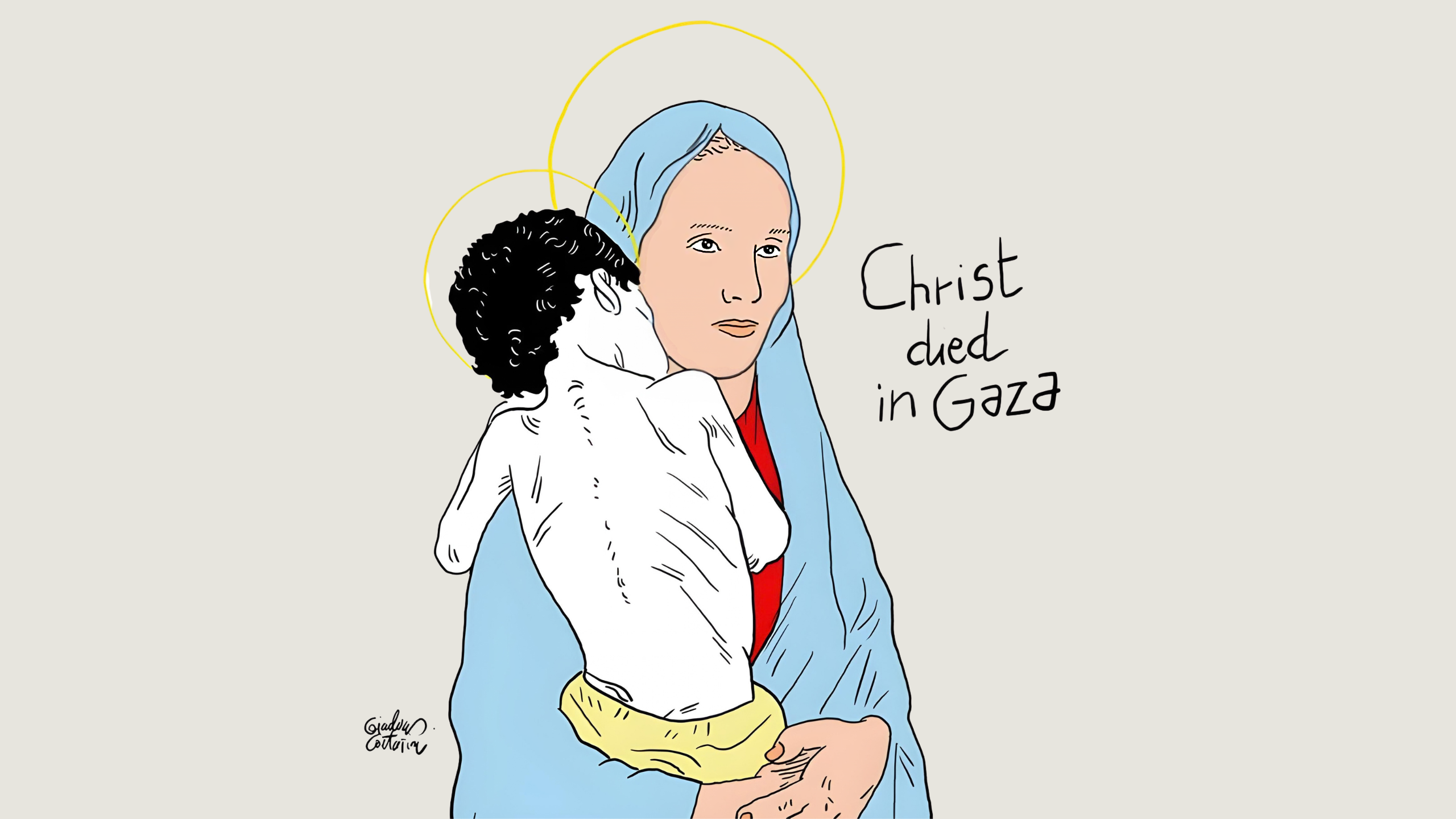
Speaking of dead children is uncomfortable. Yet it can also be healing. As I listened to the stories shared that day, I found myself returning to memories I may at times shy away from remembering. Iremember finding my sister’slifeless body in bed one Saturday morning. Ihad cometo carry her out with me to watch cartoons.As I listened tothe story of Hind Rajab, a 5-year-old girl who had been trapped inside a car attacked by Israeli forces,the memory of a little boy reaching out to touch his sister came back. The young girlhadmanaged to call the Red Crescent for help but hours later she and the paramedics who had come toassisther were all found dead. The chilling story reminded me of the shocking cold that struck my hand as I gently touched my sister’s arm in a futile attempt to wake her up.

Who Are the Victims and Those at Risk of Becoming Victims? When it comes to mining, particular attention must be paid to those who are most vulnerable: Indigenous communities whose livelihoods depend on their land, forests, rivers, and water sources; small-scale farmers; fishers; poor families; women, children, and older people; as well as communities with the least bargaining power in legal, economic, informational, and political matters. They may become victims when land loses its social function, when water sources are polluted or disappear, when the environment is damaged, when livelihoods are disrupted, or when their social and cultural life is transformed without their genuine consent.