
Building a just society: a reflection from the Social Doctrine of the Church
Translated using AI | Original in Spanish
Introduction: The Social Doctrine of the Church as a framework for discernment
The Social Doctrine of the Church constitutes an ethical and theological reflection on social, economic, and political reality, illuminated by the Gospel and oriented toward the inviolable dignity of every human person. It is not an ideology or a closed system of answers, but rather a frame work for discernment that allows us to read the signs of the times and respond to them from a perspective of faith, justice, and charity. In the current context, marked by profound inequalities and social tensions, issues such as poverty, discrimination, migration, racism, labor injustice, access to education and decent housing, as well as reflection on social structures and the common good, take on an unavoidable ethical urgency.
Poverty and exclusion: a structural responsibility
Poverty, understood not only as material deprivation but also as social exclusion and denial of opportunities, continues to be an open wound on the conscience of humanity. The Social Doctrine of the Church emphasizes that this is not an inevitable fate, but rather the result of personal and, above all, structural decisions that generate and perpetuate inequality. Pope Francis has repeatedly denounced an “economy that kills,” pointing out that when profit becomes the absolute criterion, people, especially the most vulnerable, are discarded. From this perspective, poverty challenges not only individual compassion but also the collective responsibility to transform the structures that produce it.
The Rural Experience: a pedagogical approach to social and environmental injustice
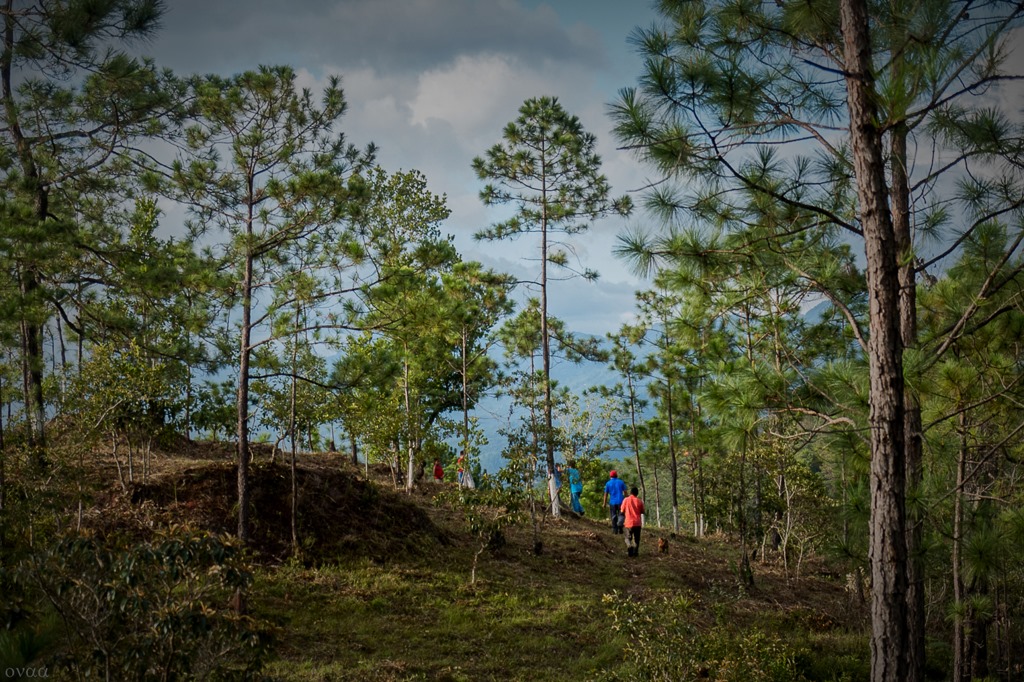
At the Instituto de Ciencias, a Jesuit school located in Zapopan, Jalisco (Mexico), the Rural Experience is carried out with third-semester high school students as an educational proposal that seeks to raise awareness of poverty and social and environmental injustice. For one week, students live in a rural community and immerse themselves in the daily dynamics of a rural family, actively participating in their work and learning about their context. This experience allows them to confront a reality that is geographically close but marked by profound contrasts with their own environment. As a result, students develop a greater awareness of the unequal distribution of wealth, limited access to basic services such as education and health, as well as the environmental problems that affect farm work and the lives of rural communities, fostering a critical and supportive perspective.
Discrimination and racism: a denial of human dignity
Closely linked to poverty is discrimination in its many forms: based on ethnic origin, gender, social status, cultural orientation, or immigration status. Discrimination directly contradicts one of the fundamental principles of the Social Doctrine of the Church: the equal dignity of all human beings, created in the image and likeness of God. Racism is a social sin that dehumanizes both those who suffer from it and those who practice it, hardening hearts and breaking the basic fraternity that should sustain human coexistence.
Migration and solidarity: an ethic of encounter
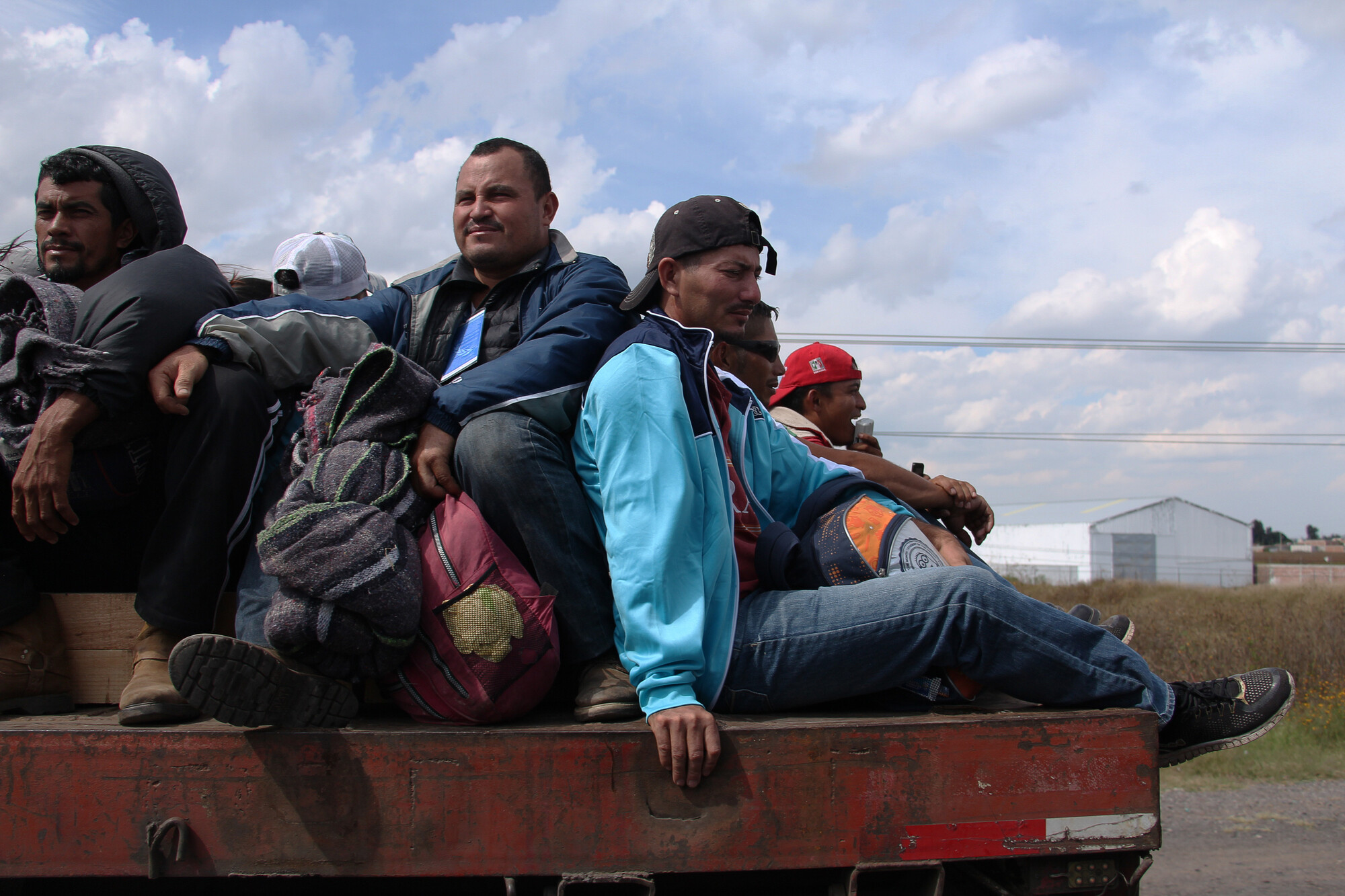
Migration is one of the most significant phenomena of our time, highlighting both global interconnectedness and profound inequalities between regions and countries. According to the Social Doctrine of the Church, migrants are not a problem to be managed, but people to be welcomed, protected, promoted, and integrated. Migrants often flee contexts marked by poverty, violence, lack of job opportunities, or environmental degradation, only to face discrimination, exploitation, and rejection in their destinations. A society that closes itself off to migrants impoverishes its own humanity and betrays the principle of solidarity.
The Solidarity Campaign: community commitment to the most vulnerable
This is the context for the school's Solidarity Campaign, through which the educational community reflects the reality of migrants and other vulnerable groups and mobilizes to create concrete support networks. During this school year, the funds raised were donated, through the Loyola Foundation, to the Jesuit Refugee Service (JRS) Mexico. Beyond the financial resources obtained, the main value of this initiative lay in the process of raising awareness among students, from preschool to high school, as well as among parents, promoting a deeper understanding of the dignity of migrants and the structural causes that force them to leave their place of origin.
Decent work and labor injustice
Labor injustice is anothercentral area of reflection. Work is not only a means of subsistence, but an essential dimension of human dignity and participation in God's creative work. When working conditions are precarious, wages are insufficient, or rights areviolated; the dignity of the worker is undermined. The Social Doctrine of the Church has consistently affirmed the primacy of labor over capital and the need for economic structures that place the person at the center.
Work Experience Week: learning from reality
From this perspective, the school encourages reflection on decent work, fair wages, and job opportunities through Work Experience Week, aimed at sixth-semester high school students. This educational initiative allows them to learn about different realities in the world of work, identify precarious situations, and value work as a means of personal fulfillment and service to the commongood. For one week, students integrate into common workplaces without remuneration, living alongside workers who, for the most part, subsist on the minimum wage, which encourages an empathetic and critical view of these realities.
Social structures, discernment, and Ignatian spirituality
These issues cannot be understood in isolation, as they are deeply linked to the social structures that organize collective life. The Social Doctrine of the Church recognizes the existence of structures of sin that favor the accumulation of wealth in a few hands and the exclusion of the vast majority, but it also affirms the possibility of transforming them through responsible participation, civic engagement, and ethical discernment. Ignatian spirituality offers a fundamental key here: the call to “seek and find God in all things” implies recognizing his presence in social reality and making an active commitment to justice.

The common good and education as a path to transformation
The common good is not reduced to the sum of individual goods but refers to the set of social conditions that allow all people and communities to achieve their full development. This implies guaranteeing effective access to fundamental rights such as education, health, decent work, and adequate housing. Education occupies a privileged place in this horizon, as it allows us to break cycles of poverty, foster critical thinking, and form citizens committed to the common good. In the Ignatian tradition, education seeks to form “men and women for others,” capable of combining academic excellence with social commitment, investing in a comprehensive formation that sows hope and responsibility.
Conclusion: a call for personal and social conversion
In conclusion, the Social Doctrine of the Church offers a coherent and deep human vision for addressing contemporary social challenges. In the face of poverty, discrimination, migration, racism, and labor injustice, it proposes an ethic of encounter, solidarity, and commitment to the common good. Inspired by the Gospel, the teachings of Pope Francis, and Ignatian spirituality, we are called not only to reflect but also to act, discerning paths that lead to a more just, fraternal, and inclusive society, where the dignity of each person is recognized and promoted.

Dennise Castro Segura
Professor at the Institute of Sciences, Jesuit school in Zapopan, Jalisco, Mexico. She has more than 20 years of experience in the field of Ignatian Formation. She currently serves as Coordinator of this area in Baccalaureate, where she accompanies educational processes focused on the person, discernment, spirituality and commitment to the construction of a more just society.
Related Posts:

In Magnifica Humanitas, Pope Leo XIV warns that machine intelligence in war ends by “reducing victims to data.” The machine profiling that registers a person for food can also be used to select a person as a target. A small drone circling a road, with no one steering it, can have such a profile as its target. A drone like this is an autonomous weapon system. Once activated, it selects and attacks targets by itself, matching what its sensors detect to a programmed target profile. No human being decides, at the moment of the strike, that this particular person will die or is the right target. The case most often cited as the first use of such a weapon against people, reported by UN experts, was in Africa, in Libya in 2020.

Democracy, which has historically proven most effective in meeting these criteria, cannot be taken for granted. In our AI era, citizens should press for more than multiparty elections and the protection of basic freedoms; that institutional core is not enough. We must carefully regulate and channel powerful technologies with the capacity to divide us from one another and short-circuit social and political participation. That means maintaining spaces in civil society where human contact and social friendship can flourish without the mediation of machines, beginning with the educational systems through which all citizens pass. It means fighting deepfakes and disinformation in the public sphere, so that citizens still operate in a world of facts and evidence and political representation has a strong basis.
Artificial intelligence (AI) is increasingly entering public life in Ghana, including through digital systems used for identification, verification and service delivery. The ethical question is therefore not simply what AI can do, but what happens to people when digital systems become gateways through which citizenship, mobility or access to services are recognised. In northern Ghana, especially in border communities, this is a concrete question. I was privilege to visit Pusiga community in November 2025 with a Jesuit friend of my mine who is originally from the community. Thus, the topic for this article resonates very well with me.
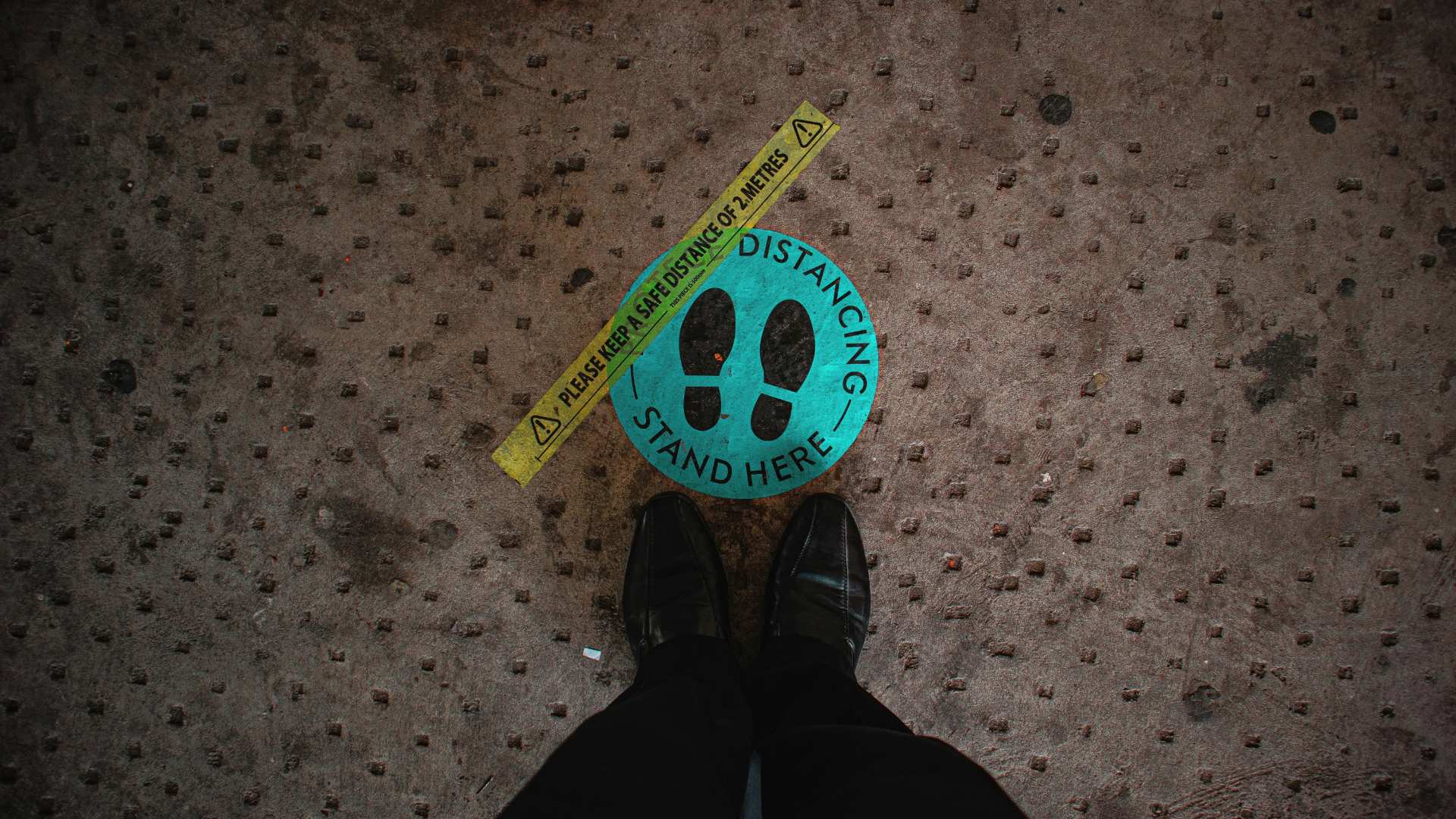
The article ‘Pandemic and Authoritarianism’, by Germán Rosa, SJ, was written in the midst of the COVID-19 crisis, but its insights extend beyond that context. The pandemic appears to reveal and accelerate political trends that were already present: the concentration of power, the weakening of democratic checks and balances, and the acceptance of extraordinary restrictions in the name of collective security. Rosa’s main concern is that fear may lead citizens to silently surrender their freedoms and rights, and that measures which were initially intended to be temporary become normalized and endure. Furthermore, in societies riven by inequality, control is never distributed neutrally: it falls most heavily on the impoverished, marginalized groups, migrants, dissidents and those who defend rights and territories.
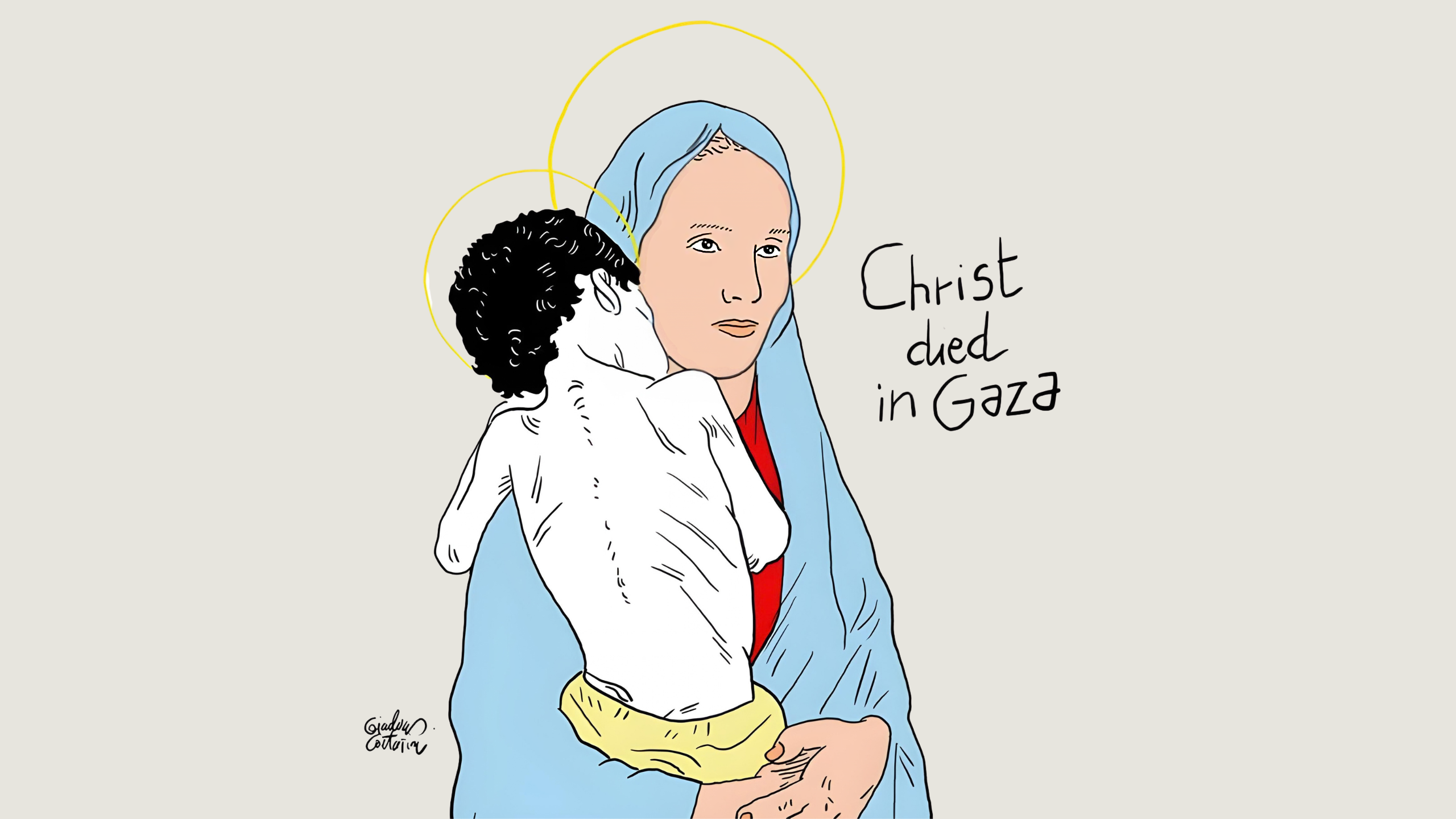
Speaking of dead children is uncomfortable. Yet it can also be healing. As I listened to the stories shared that day, I found myself returning to memories I may at times shy away from remembering. Iremember finding my sister’slifeless body in bed one Saturday morning. Ihad cometo carry her out with me to watch cartoons.As I listened tothe story of Hind Rajab, a 5-year-old girl who had been trapped inside a car attacked by Israeli forces,the memory of a little boy reaching out to touch his sister came back. The young girlhadmanaged to call the Red Crescent for help but hours later she and the paramedics who had come toassisther were all found dead. The chilling story reminded me of the shocking cold that struck my hand as I gently touched my sister’s arm in a futile attempt to wake her up.

Who Are the Victims and Those at Risk of Becoming Victims? When it comes to mining, particular attention must be paid to those who are most vulnerable: Indigenous communities whose livelihoods depend on their land, forests, rivers, and water sources; small-scale farmers; fishers; poor families; women, children, and older people; as well as communities with the least bargaining power in legal, economic, informational, and political matters. They may become victims when land loses its social function, when water sources are polluted or disappear, when the environment is damaged, when livelihoods are disrupted, or when their social and cultural life is transformed without their genuine consent.