

You are all invited to participate in Teaching Tuesdays, a weekly wisdom series.
Read More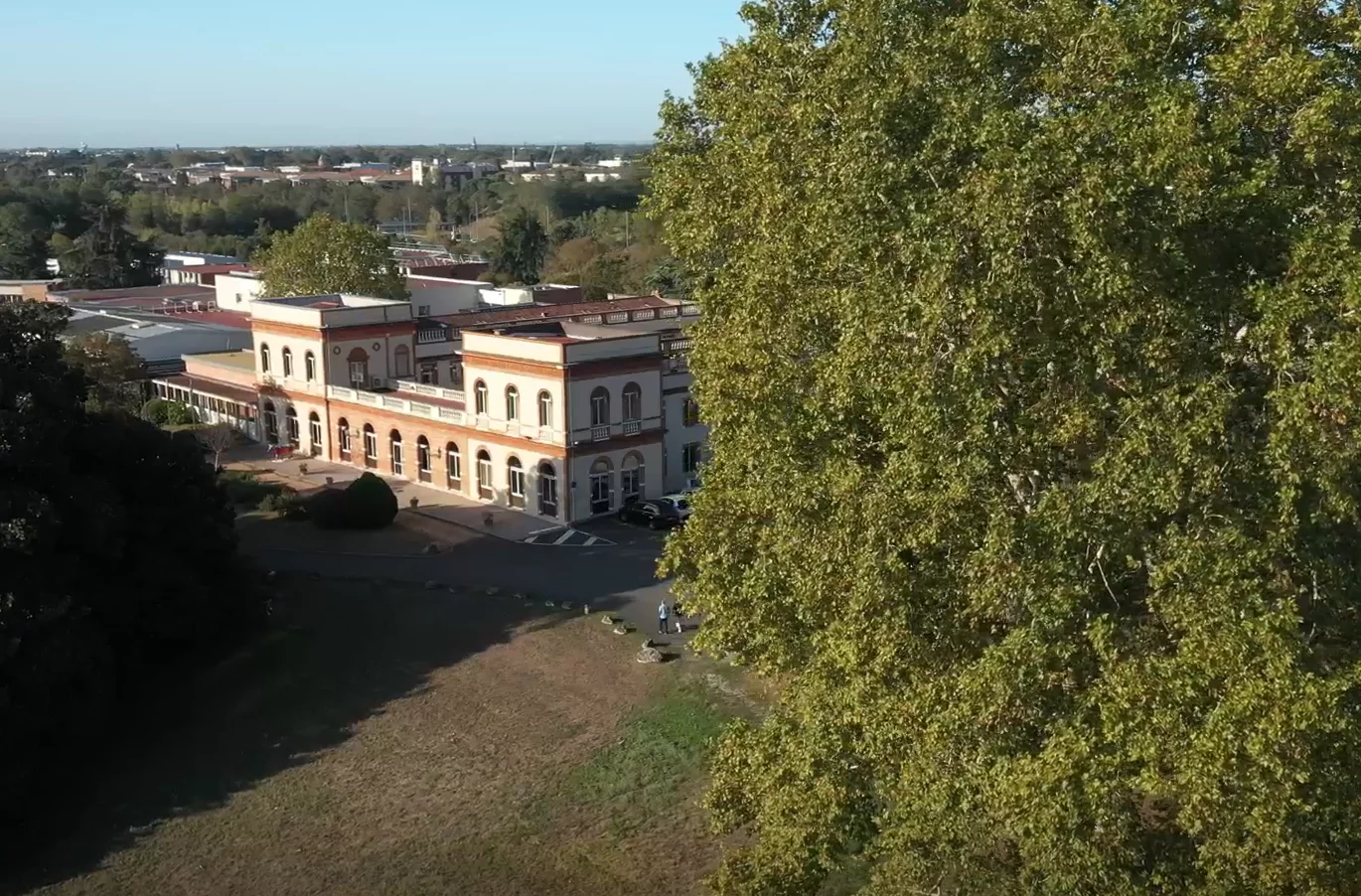
The PURPAN Lamothe Campus is pioneering agroecological, energy, and food transitions through sustainable farming, research, and innovation. Its hands-on educational approach, cutting-edge technologies, and commitment to biodiversity serve as a global model for transforming agriculture to address environmental, economic, and societal challenges.
Read More
Jesuit Missions is seeking to clear the name of Fr Stan Swamy SJ, an Indian Jesuit priest. Fr Stan was arrested, aged 83, in October 2020 on false charges of terrorism. He was kept in appalling conditions in prison and died as a result in July 2021, aged 84. We want the Government of India to make an official declaration of his innocence.
Read More
Under the title "Men and Women for Others: Promoting a Consistent Culture of Protection in Jesuit Universities," an event was held on January 29 at Loyola Andalucía University. The event was inaugurated by Rector Magnificus Fabián Gómez-Estern, who then gave the floor to Father Provincial Enric Puiggrós, SJ.
Read More
As talks continue over the details of a ceasefire in the Middle East, many in Lebanon still require urgent humanitarian assistance...
Read More
Cardinal Michael Czerny, Prefect of the Dicastery for Promoting Integral Human Development, has emphasized the importance of incorporating the Church’s ministry to migrants, refugees and displaced persons into local pastoral programmes...
Read More
For over four decades, the Jesuit Refugee Service (JRS) has represented hope and support for refugees and forcibly displaced persons worldwide. Operating in 58 countries, JRS’s commitment to accompanying the most vulnerable reflects its humanitarian ethos, inspired by Catholic social teaching...
Read More
Global temperature leaped more than 0.4°C (0.7°F) during the past two years, the 12-month average peaking in August 2024 at +1.6°C relative to the temperature at the beginning of last century (the 1880-1920 average). This temperature jump was spurred by one of the periodic tropical El Niño warming events, but many Earth scientists were baffled by the magnitude of the global warming, which was twice as large as expected for the weak 2023-2024 El Niño...
Read More
The webinar on Advocacy, led by Amaya Valcarsel, delved into key approaches, strategies, and best practices, drawing attention to successful field experiences. Valcarsel highlighted the crucial importance of setting clear objectives, designing targeted strategies, and fostering effective partnerships with governments, NGOs, and local communities to drive impactful advocacy efforts.
Read More
Webinar on Agroecology with Miguel A. Altieri, associate professor at the University of California, Berkeley.
Read More