
Never before have we been so aware of the degradation of life on the planet and the need to act together to save it...
Read More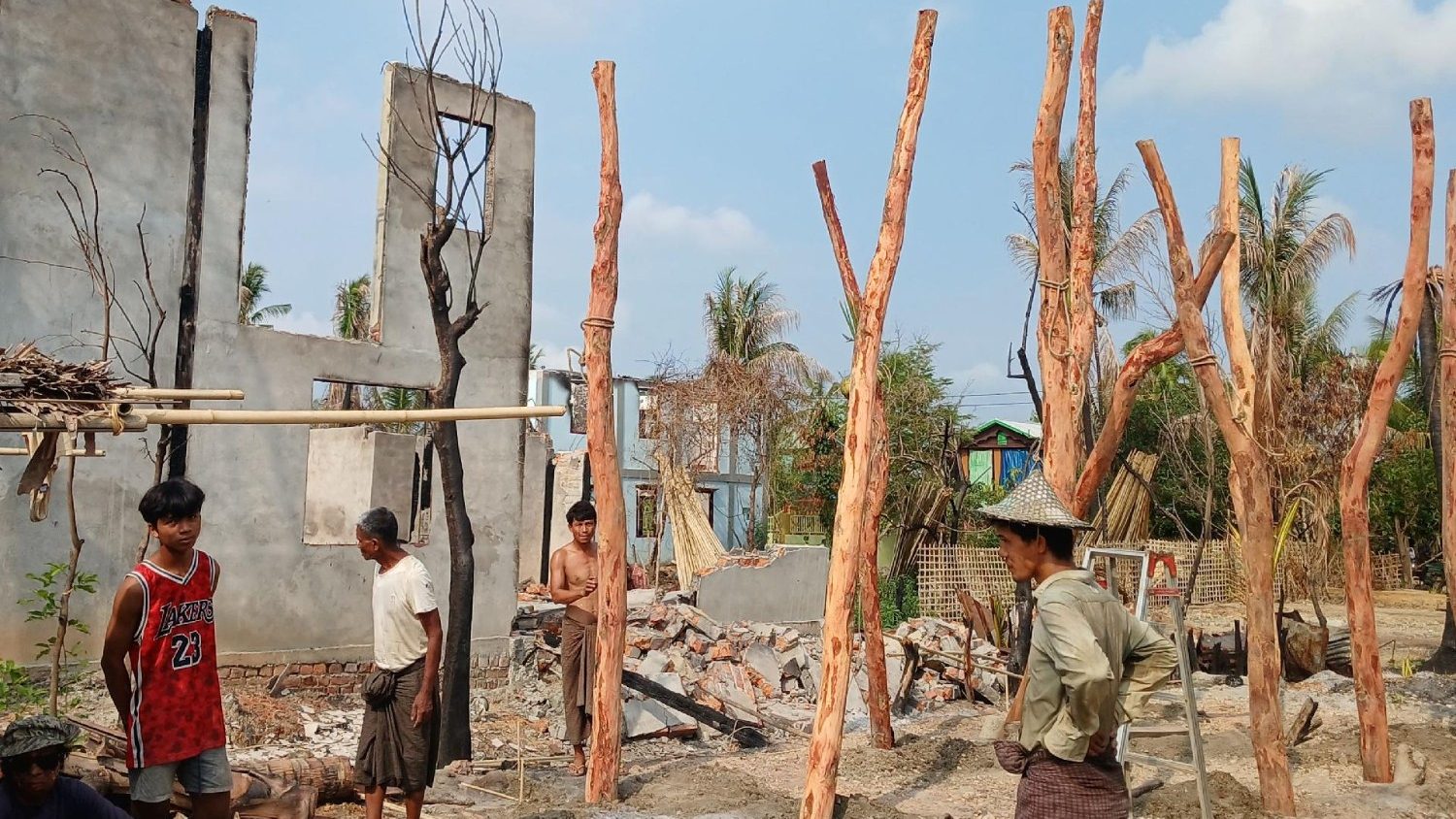
Amid ongoing tensions and fighting, Burmese armed forces have bombed and destroyed a Catholic pastoral center of the Diocese of Banmaw in the northern part of Myanmar...
Read More
The WAY OF THE CROSS - Theme: Christ’s suffering and the life of Fr. Stan Swamy SJ
Read More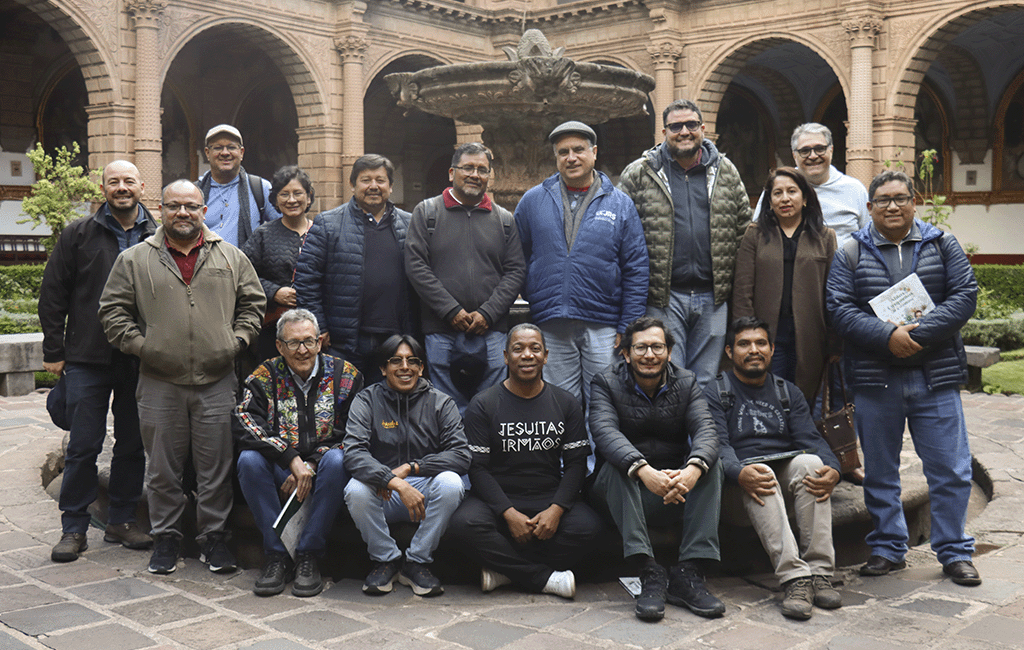
In Andahuaylillas, Peru, on February 24 and 25, 2025, the delegates and social secretaries of the Jesuit provinces of Latin America and the Caribbean met, with the participation of representatives from Central America, the Caribbean, Brazil, Colombia, Peru, Bolivia, Chile, Ecuador and Argentina-Uruguay. The meeting, which was attended by authorities of the Society of Jesus and coordinators of the main social networks, aimed to strengthen the shared identity and mission, reflect on social challenges and promote network collaboration...
Read More
More than 100 faith leaders, including a number of Jesuits, wrote to the G20 finance ministers this week, urging them to help end the debt crisis that is harming so many in low-income countries...
Read More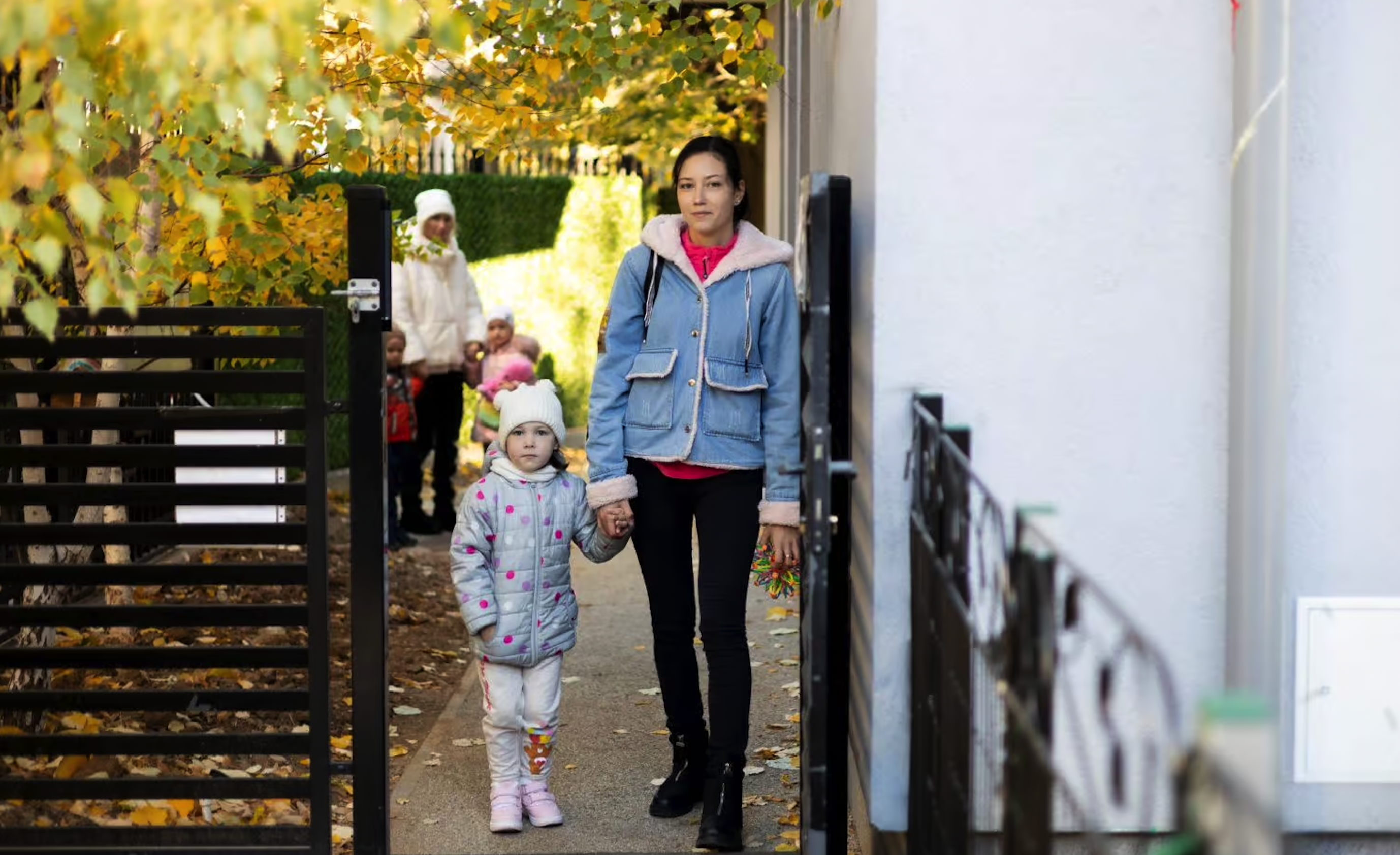
When Russia launched its full-scale invasion of Ukraine on February 24, 2022, Natalia and her daughter fled their home in Mykolaiv to seek safety in Bucharest. Her husband stayed behind to serve in the Ukrainian army...
Read More
The Jubilee Year 2025 under the theme “Pilgrims of Hope” is underway. Throughout this year, Pope Francis invites us to share in the Christian hope that does not disappoint and calls us to be “tangible signs of hope for those of our brothers and sisters who experience hardships of any kind.”...
Read More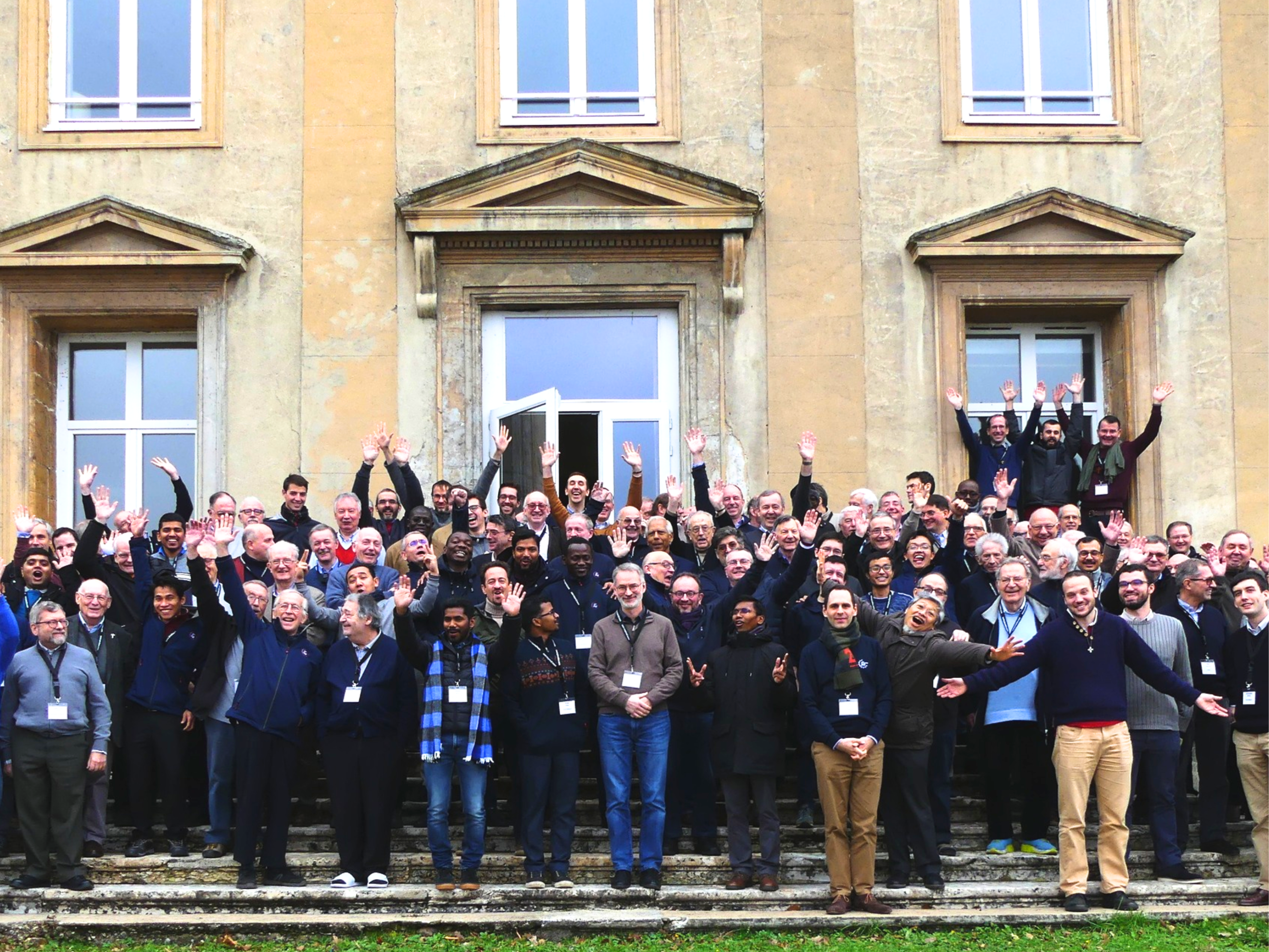
The Carbon Initiative of the Jesuit European Social Centre (JESC) helps faith-based organisations advance ecological sustainability through carbon assessments and action plans. Launched in 2022, the JESC Carbon Initiative fosters climate justice and systemic change rooted in Laudato Si' and the 4th UAP.
Read More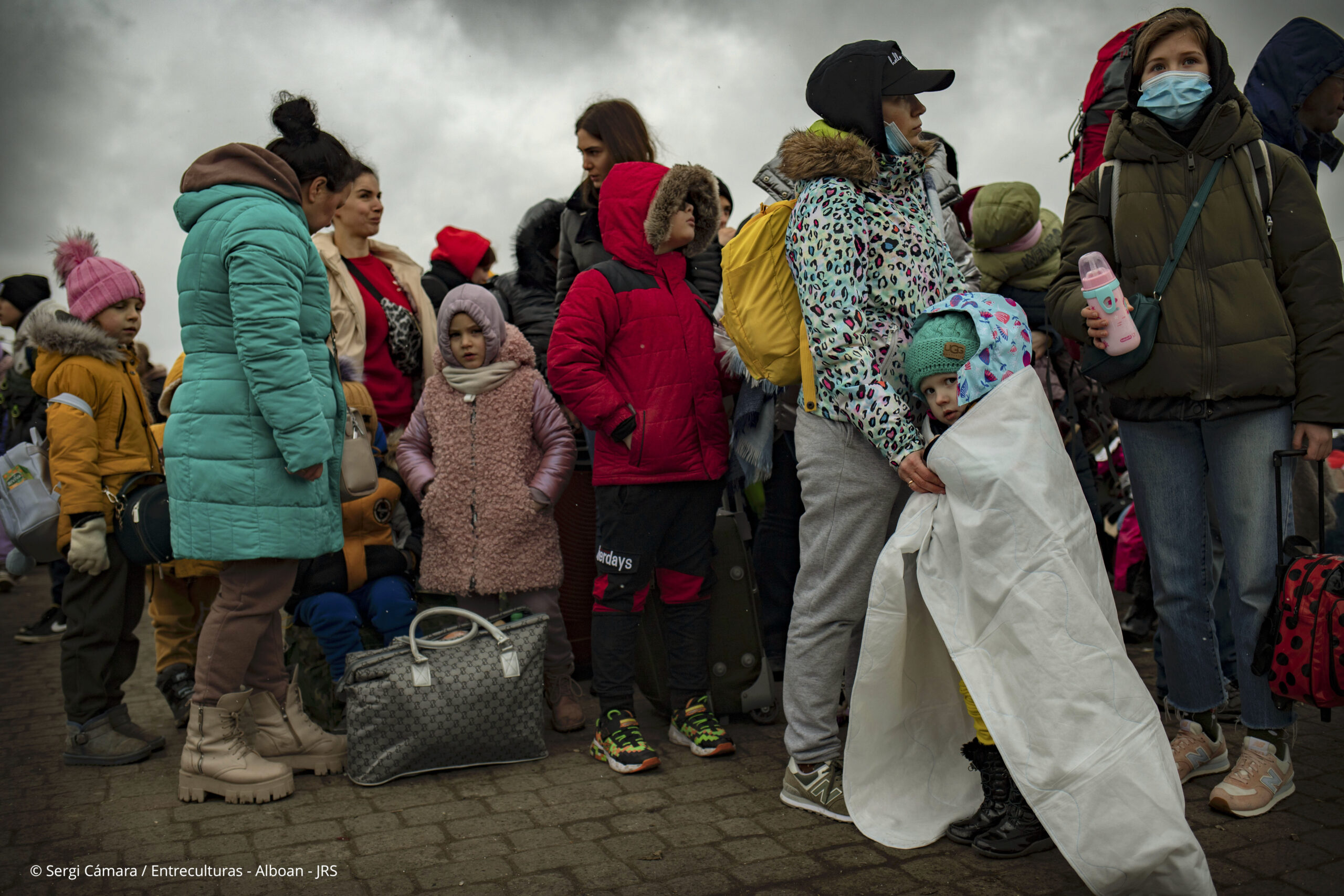
Europe’s largest humanitarian crisis since World War II continues, with over 8.8 million people—or nearly one in three Ukrainians— fleeing their homes, leaving behind memories and hopes for the future...
Read More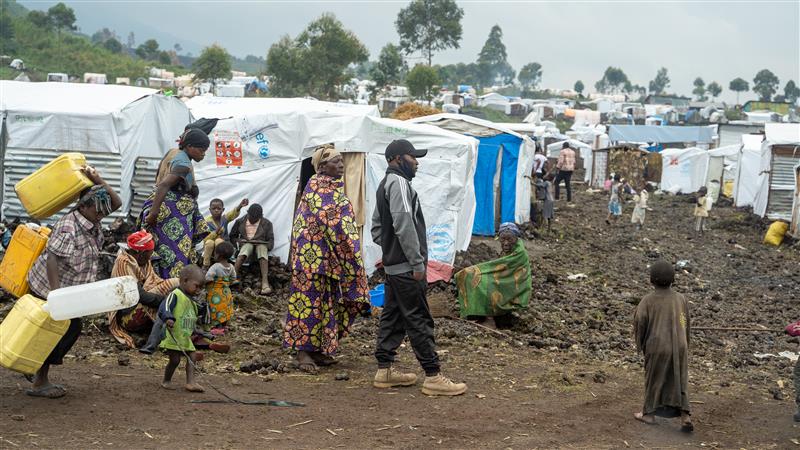
“Hands off the Democratic Republic of the Congo! Hands off Africa! Stop choking Africa, it is not a mine to be stripped or a terrain to be plundered," said Pope Francis back in 2023 during his visit to the Democratic Republic of the Congo (DRC), referring to the rich resources that have brought so much conflict and death to the country...
Read More