Agroecological Transformations for Environmental Sustainability
Sometimes, we need to see things worsen before seeking community-based responses and more transformative changes.
About a year after moving to a low mountain valley in northern Nicaragua as a Peace Corps Volunteer, I noticed a dramatic agricultural change. Farmers managing the productive alluvial soils along the Pueblo Nuevo River were rapidly replacing corn and beans subsistence crops and their small-scale production of tomatoes, peppers, and cabbage sold into local and regional markets with tobacco (Nicotiana tabacum). With demand for premium cigars booming in the U.S.A. and elsewhere, northern Nicaragua's cigar manufacturing businesses wanted more production of the high-quality tobacco leaves used to wrap the cigars and partnered with selected banks, brokers, and agrochemical companies to expand their production through contract farming.
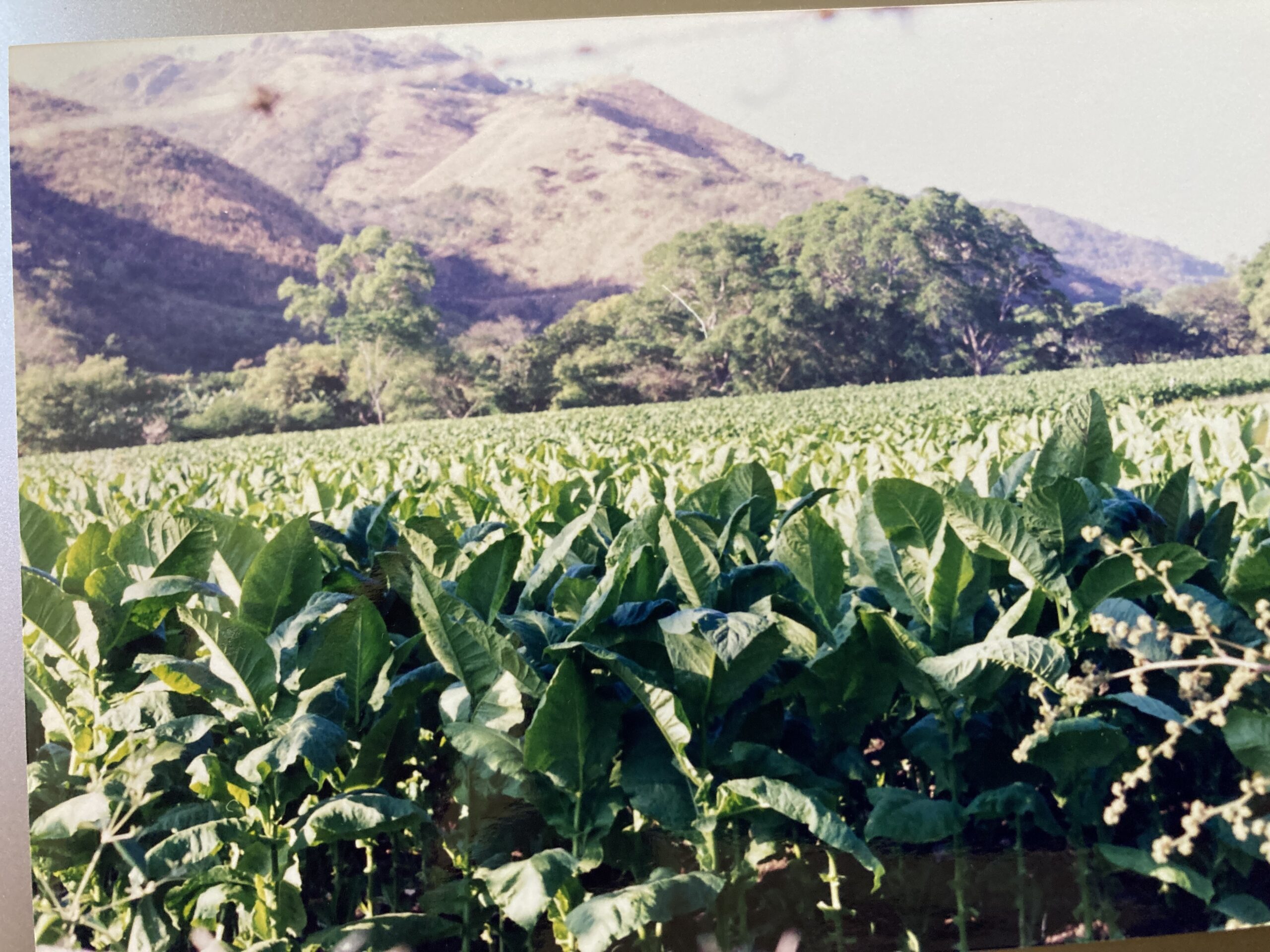
Source: Tobacco monoculture in Northern Nicaragua exemplifies a change away from agroecology. Credit: Christopher M Bacon
Like earlier iterations of the Green Revolution, but with a 1990s twist, they promised local farmers higher prices and a guaranteed market for an export crop, but this time, it was not even a food crop. The pesticides promoted to ensure that the tobacco leaves had little to no damage were among the most toxic, including endosulfan (an off-patent organochlorine insecticide that is now being phased out globally due to its acute impacts on human health and potential for bioaccumulation). As agrochemical use increased in this small town, the new tobacco business contracted workers to harvest oaks, pines, and other trees from the fragmented forest and shade coffee grown in the surrounding mountains to build drying sheds for the tobacco leaves. Deforestation for construction and expanded tobacco production fields eliminated valuable biodiversity hosted by these forests and shade trees used in coffee farming, increasing the risk of landslides after hurricanes and extreme weather events. The local health centre invited me to a meeting to discuss strategies to reduce the rapidly growing number of people suffering from pesticide poisonings (e.g., burns, dizziness, fevers, nausea, and worse) and the rising use of agrochemicals to commit suicide.
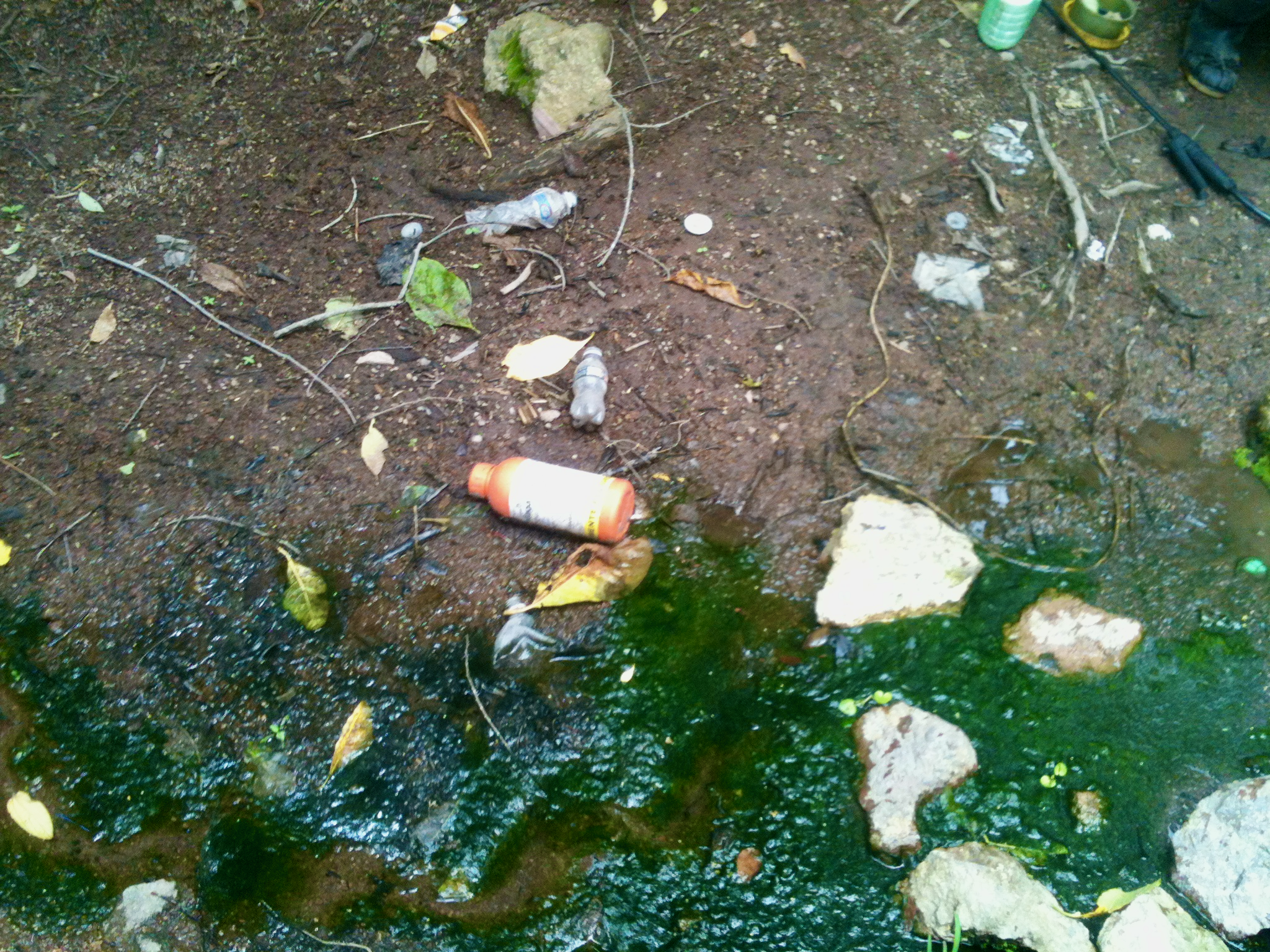
Pesticide container in orange at a contaminated stream site in northern Nicaragua. Credit: Christopher M. Bacon
Unfortunately, stories like this are not unique to Nicaragua, and they did not stop happening in the late 1990s. Global pesticide use has continued to increase in low and middle-income countries (Shattuck et al. 2023), and the cumulative health impacts of modern food systems, including malnutrition and food insecurity, are staggering. A recent United Nations update on Sustainable Development Goal 15, Life on the Land, which aims to protect, restore, and promote sustainable use of terrestrial ecosystems, sustainably manage forests, combat desertification, and halt and reverse land degradation and biodiversity loss, finds that countries are falling short on their goals.
We knew there must be a better way- a way rooted in the respect for human dignity and a reverence for all forms of life. As Pope Francis reminds us in Laudato Si', "The global food system is broken. It doesn't work for those who work the hardest – small farmers – and it's a major driver of the climate emergency." Before he continues to identify the promise of diversification, he declares, "It is imperative to promote an economy which favours productive diversity and business creativity. For example, there is a great variety of small-scale food production systems which feed the greater part of the world's peoples, using a modest amount of land and producing less waste, be it in small agricultural parcels, in orchards and gardens…" (129)
These experiences and a commitment to forming more just and reciprocal relationships linking society and nature started my long-term path to seeking participatory approaches that respond to these problems without reproducing the same processes that initially created these damages. The practical next steps involved working with organized smallholder farmers, including the coffee growers that maintained the forests and shade trees in the mountains above Pueblo Nuevo. We soon found thatfair trade cooperativesoffered a powerful partner to address some of these environmental challenges as, together with so many other organizations, they promoted organic agriculture that eliminated the use of toxic agrochemicals, improved soil health, and helped to conserve biodiversity. However, coffee alone was not enough, as our research uncovered the persistence of seasonal hunger among many farmers, even those linked to sustainable markets, leading to university partnerships with farmers and cooperatives that use agroecology to diversify farms and landscapes as a strategy to improve food security and nutrition, conserve biodiversity and enhance environmental sustainability (to learn more about our collaborative efforts see this video)
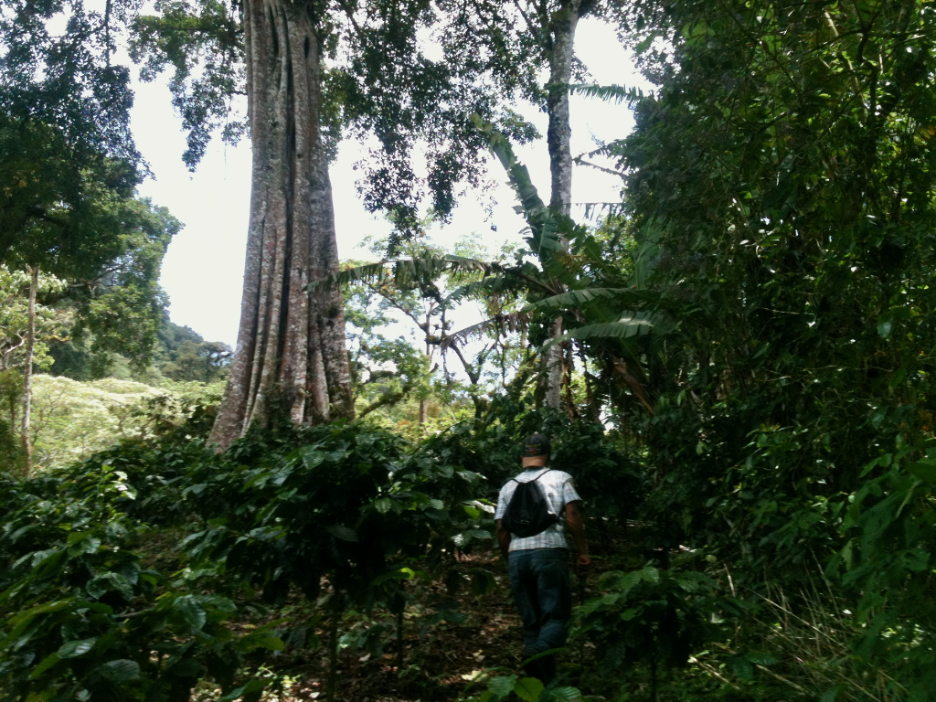
Café agroécologique à ombrage biologique, cultivé sous des arbres indigènes et plantés. Crédit : Christopher M. Bacon
Agroecology emerged as a response to large-scale chemically dependent specialized agricultural production and the narrow packages of pesticides, fertilizers, irrigation, and loans accompanying this project. Agroecology approached from different positionalities, is science, a social movement, and practice guided by principles and participatory approaches to transform food systems.
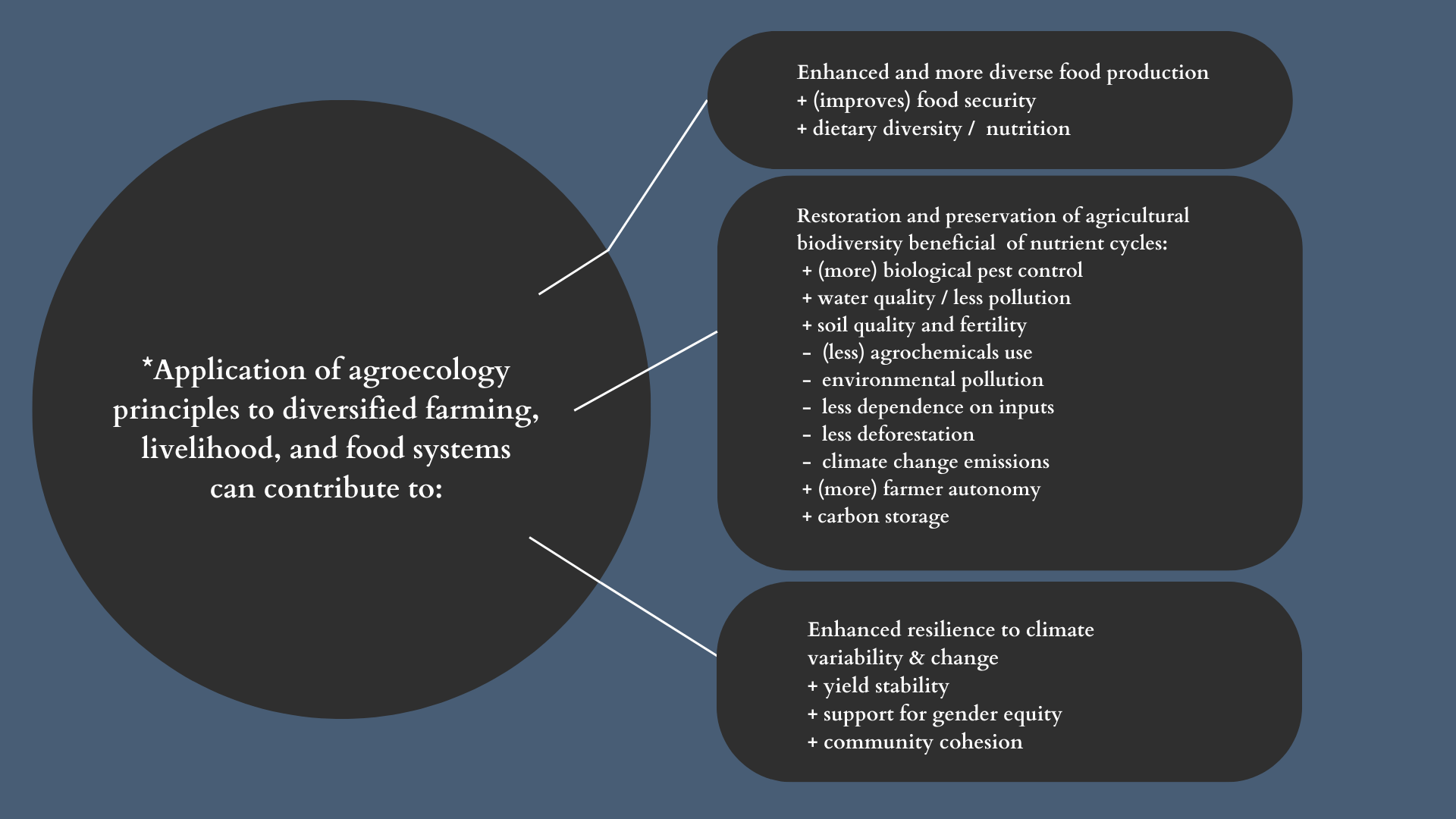
Notes: Modified from M.A. Altieri, and C.I. Nicholls. 2020. Agroecology: challenges and opportunities for farming in the Anthropocene. Int. J. Agric. Nat. Resour. 204-215 and Kerr, R. B., Postigo, J. C., Smith, P., Cowie, A., Singh, P. K., Rivera-Ferre, M., ... & Neufeldt, H. (2023). Agroecology as a transformative approach to tackle climatic, food, and ecosystemic crisis. Current Opinion in Environmental Sustainability, 62, 101275. *Evidence varies by items, context and the way the agroecology is applied.
Agroecology is a principles-based approach that draws on Indigenous and local knowledge and ecology and agricultural sciences to foster diversified farming and inclusive food systems (XX). Selected farmers, social movements, advocates, alternative market makers, allied researchers, enterprises, and government agencies are using agroecology to transform food and farming systems in ways that sustain and restore biodiversity, reduce water pollution, eliminate toxic agrochemical usage, and improve the health, nutrition, and climate change resilience of millions and people in this growing movement for change. I close with my selection of promising examples of agroecology-informed change processes.
● In addition to the Central American story above, hundreds of thousands of smallholder farmers, cooperatives, local organizations, and sometimes allied universities, nonprofits, and other agencies promote agroecology throughout Latin America and the Caribbean.
● In India, over one million farmers use agroecology-based regenerative practices inCommunity-Managed Nature FarmingandZero-Budget Nature Farminginitiatives that reduce debt, build soil fertility, decrease or eliminate agrochemical usage, improve yields, and build climate resilience.
● In Africa, agroecological farmers, youth, and allies have organized a continental movement for agroecology and food sovereignty. At the same time,collaborators in Malawaihave used agroecology-based training to improve gender relations and food and nutrition security.
● In Europe and the U.S., organizations support community-based food justice efforts, link agroecology and human health, and explore changes to government policies.
● The global certified organic farming area reached 96 million hectares in 2022. The number of organic producers also significantly rose, surpassing 4.5 million (IFOAM 2024).
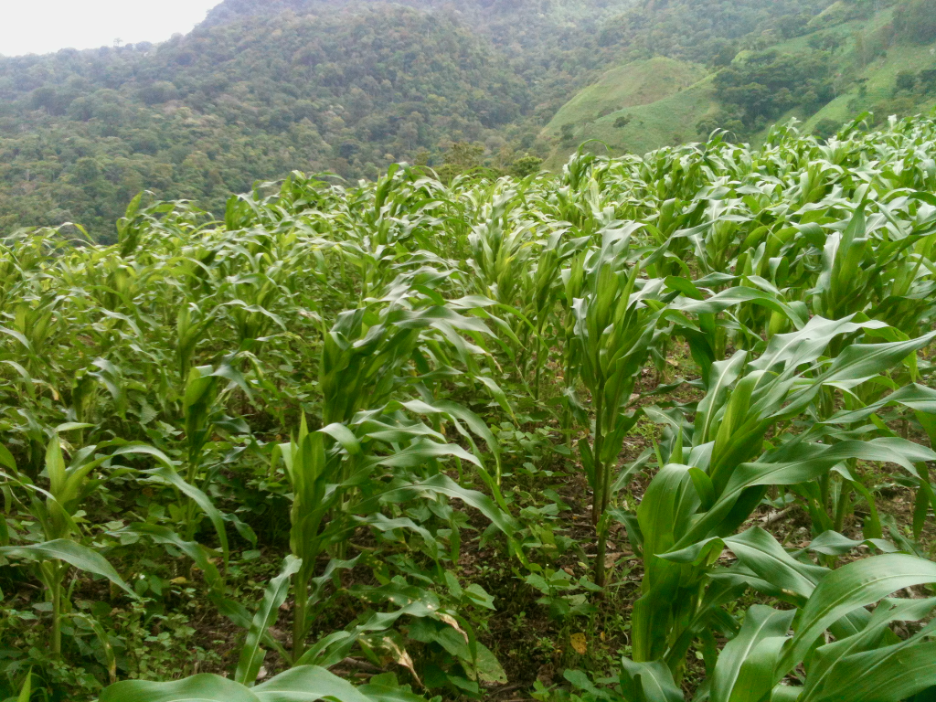
Corn and beans intercropped as part of milpa production in Nicaragua. Credit: Christopher M. Bacon
Readers can find more examples through a series of reports from the IPES-Food andtheFuture of Food's synthesis of the potential to scale these approaches. Jesuits, the Catholic church, and faith-based organizations are already involved in many of these processes, supportingfarmer-to-farmer exchanges, buildinguniversity-community partnerships, and advocating for farming and global food justice in ways inspired by St. Francis. Still, more coordination across institutional work on Catholic land and meeting emergency food needs and beyond could make it a more potent force for the common good.
 Christopher M. Bacon
Christopher M. Bacon is an environmental social scientist, agroecologist, and human geographer. He is an associate professor and Chair of Santa Clara University'sDepartment of Environmental Studies & Sciences (ESS). Dr. Bacon's work often uses a community-based and participatory action research approach to generate knowledge that informs theory and social change. He has mentored more than 50 undergraduate students and co-authored publications with several of them. Chris teaches introductory and upper-division classes related to environmental policy, politics and planning, political ecology, mixed-research methods, and food justice.

Related Posts:

By examining the tensions between democratic institutions, citizen participation, social movements, and the common good, the article opens a path for reflecting on how new forms of power emerge and how societies can respond to them. As AI systems increasingly shape public life and influence collective decision-making, Bado's vision of a more participatory and substantive democracy challenges us to consider how technology can be governed in ways that promote justice, inclusion, accountability, and human dignity. We invite readers to revisit this earlier reflection as a valuable source of inspiration for discerning how democracy may evolve in response to the opportunities and risks posed by AI and for ensuring that technological progress continues to serve people and the common good.

In Magnifica Humanitas, Pope Leo XIV warns that machine intelligence in war ends by “reducing victims to data.” The machine profiling that registers a person for food can also be used to select a person as a target. A small drone circling a road, with no one steering it, can have such a profile as its target. A drone like this is an autonomous weapon system. Once activated, it selects and attacks targets by itself, matching what its sensors detect to a programmed target profile. No human being decides, at the moment of the strike, that this particular person will die or is the right target. The case most often cited as the first use of such a weapon against people, reported by UN experts, was in Africa, in Libya in 2020.

Democracy, which has historically proven most effective in meeting these criteria, cannot be taken for granted. In our AI era, citizens should press for more than multiparty elections and the protection of basic freedoms; that institutional core is not enough. We must carefully regulate and channel powerful technologies with the capacity to divide us from one another and short-circuit social and political participation. That means maintaining spaces in civil society where human contact and social friendship can flourish without the mediation of machines, beginning with the educational systems through which all citizens pass. It means fighting deepfakes and disinformation in the public sphere, so that citizens still operate in a world of facts and evidence and political representation has a strong basis.
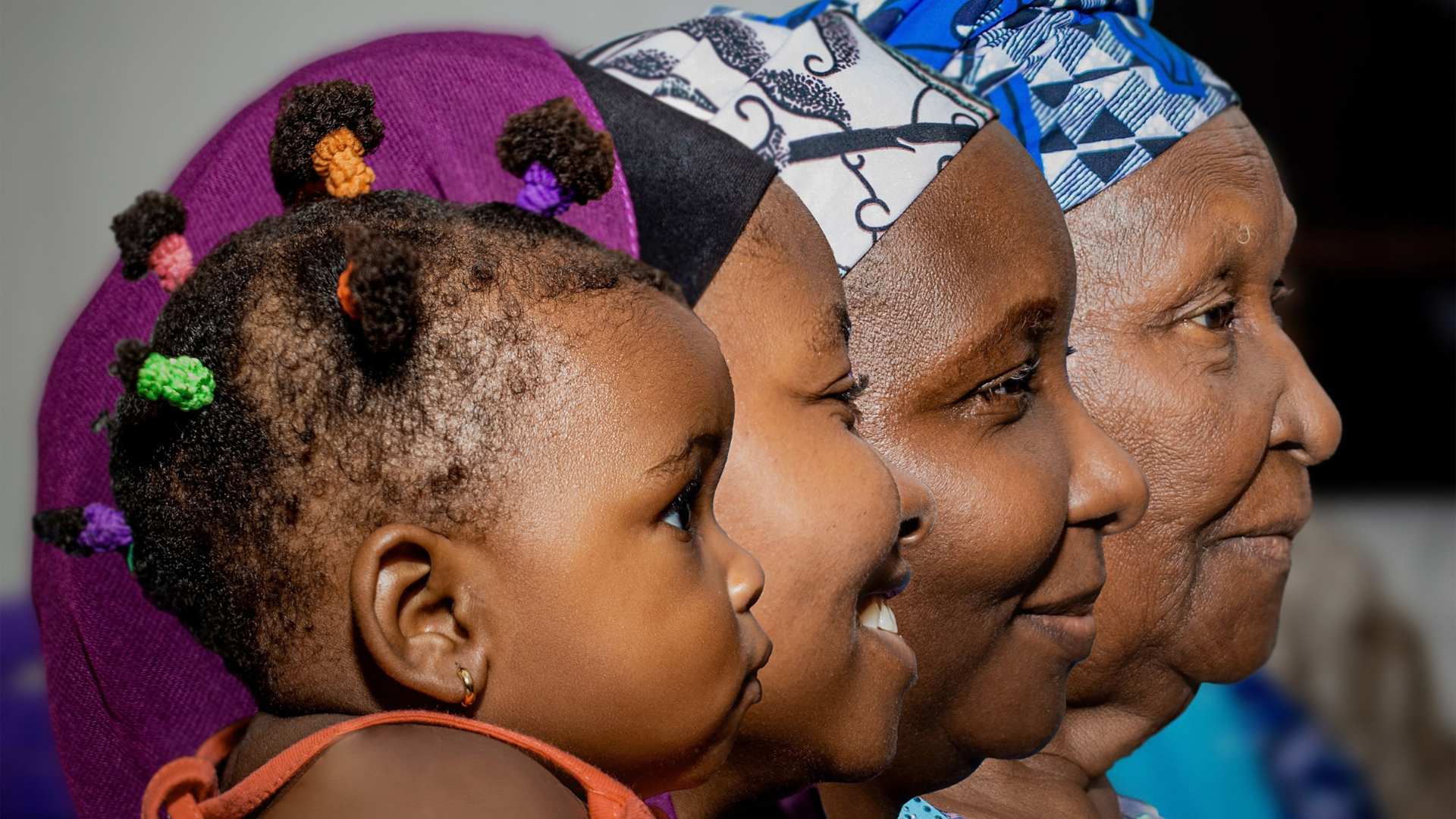
Artificial intelligence (AI) is increasingly entering public life in Ghana, including through digital systems used for identification, verification and service delivery. The ethical question is therefore not simply what AI can do, but what happens to people when digital systems become gateways through which citizenship, mobility or access to services are recognised. In northern Ghana, especially in border communities, this is a concrete question. I was privilege to visit Pusiga community in November 2025 with a Jesuit friend of my mine who is originally from the community. Thus, the topic for this article resonates very well with me.
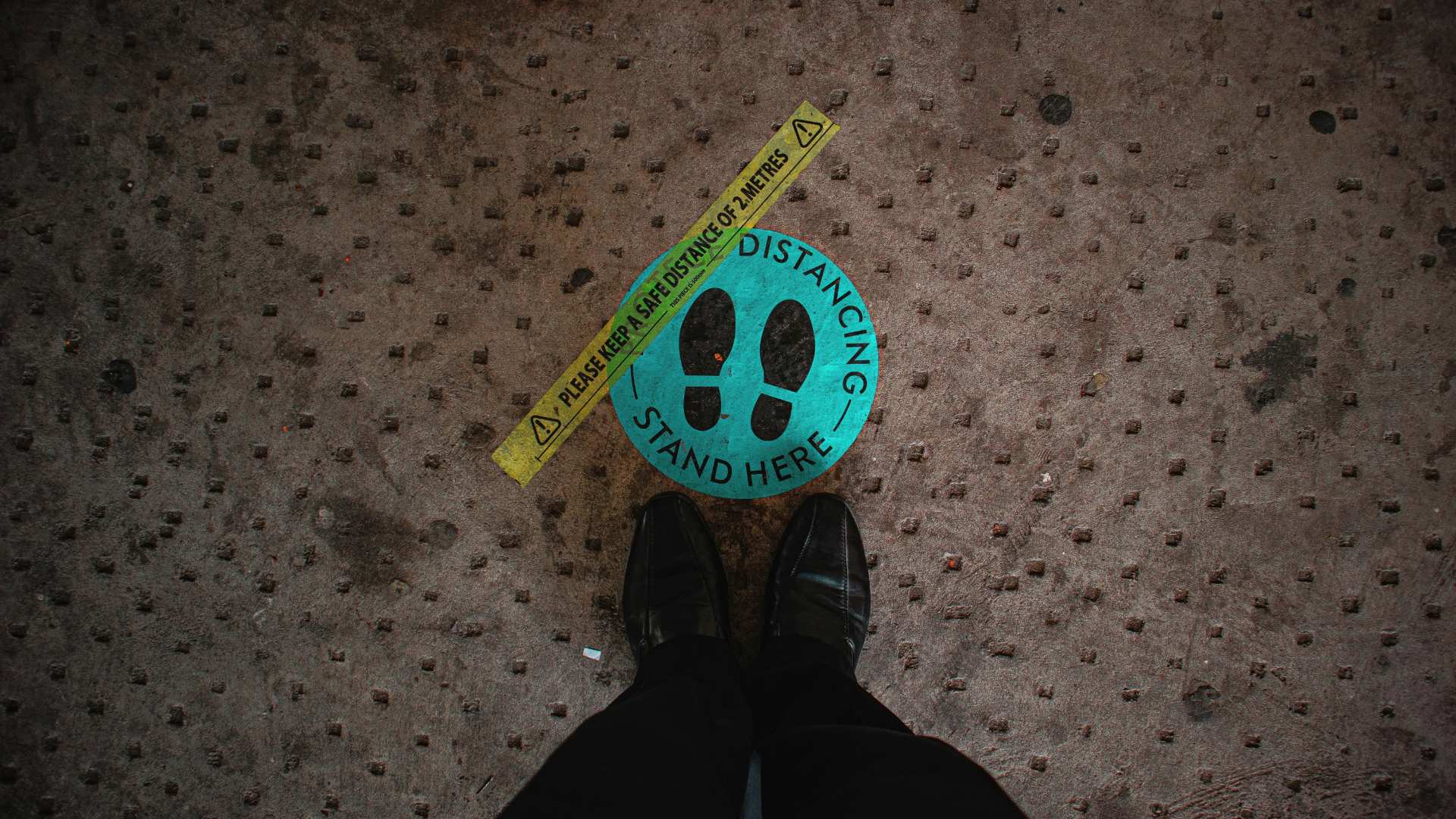
The article ‘Pandemic and Authoritarianism’, by Germán Rosa, SJ, was written in the midst of the COVID-19 crisis, but its insights extend beyond that context. The pandemic appears to reveal and accelerate political trends that were already present: the concentration of power, the weakening of democratic checks and balances, and the acceptance of extraordinary restrictions in the name of collective security. Rosa’s main concern is that fear may lead citizens to silently surrender their freedoms and rights, and that measures which were initially intended to be temporary become normalized and endure. Furthermore, in societies riven by inequality, control is never distributed neutrally: it falls most heavily on the impoverished, marginalized groups, migrants, dissidents and those who defend rights and territories.

Speaking of dead children is uncomfortable. Yet it can also be healing. As I listened to the stories shared that day, I found myself returning to memories I may at times shy away from remembering. Iremember finding my sister’slifeless body in bed one Saturday morning. Ihad cometo carry her out with me to watch cartoons.As I listened tothe story of Hind Rajab, a 5-year-old girl who had been trapped inside a car attacked by Israeli forces,the memory of a little boy reaching out to touch his sister came back. The young girlhadmanaged to call the Red Crescent for help but hours later she and the paramedics who had come toassisther were all found dead. The chilling story reminded me of the shocking cold that struck my hand as I gently touched my sister’s arm in a futile attempt to wake her up.


