Catholic Social Teaching: An Operating Manual for Loving Your Neighbor
As I reflect on my experience with Catholic Social Teaching (CST), I realize how much I have grown in both my Catholic faith and in my understanding of CST concepts. As a convert and then as a Catechist helping to teach the Sacrament of Confirmation, I always assumed that CST centered around the seven “Corporal Works of Mercy”, (feed the hungry, give drink to the thirsty, clothe the naked, visit the imprisoned, shelter the homeless, visit the sick, and bury the dead, (Catechism of the Catholic Church)). I have been pleasantly surprised that the CST themes are much broader in scope and breadth, and centered around four core principals- Human Dignity, the Common Good, Subsidiarity, and Solidarity. However, these principles were never purposefully pronounced within any of the parishes I had attended, except for right to life and rights of the unborn. Some churches had a St Vincent de Paul Program, food drives, alms for the poor etc., but no dedicated ministries to indoctrinate the parishioners in the themes that form the foundation of Catholic Social Teaching. As I reflect on my studies in this field, I am now much more attuned to the issues of migration, civilian harm, and social justice. I now have answers to many of the questions that often bothered me.
For background, I was raised in a small town in east Texas. People there considered themselves Christians despite the racial segregation and attitudes many people shared. I attended a Baptist church like many of my friends and classmates. However, I would not characterize my lifestyle as Christian living. I stopped going to church once I started attending college. I continued to maintain the “conservative” attitude that I had grown up with.
In 1982, I joined the United States Marine Corps. The Marine lifestyle focused on warfighting, violence, and destruction to advance our country’s security objectives. For us junior Marines, minimal thought considered the effect of war on civilians or especially social justice.
In 1985, I returned to college and graduated in 1988, and I was commissioned as a United States Marine Corps officer. I married, my college girlfriend who was a cradle Catholic. Through the support of my wife and her family, I converted to being Catholic in 1990. With my conversion, I occasionally heard about CST but to me it had always been a nebulous and vague concept, and one in that I was not interested. To be honest, I was probably more of a Catholic in name only, not necessarily in practice.
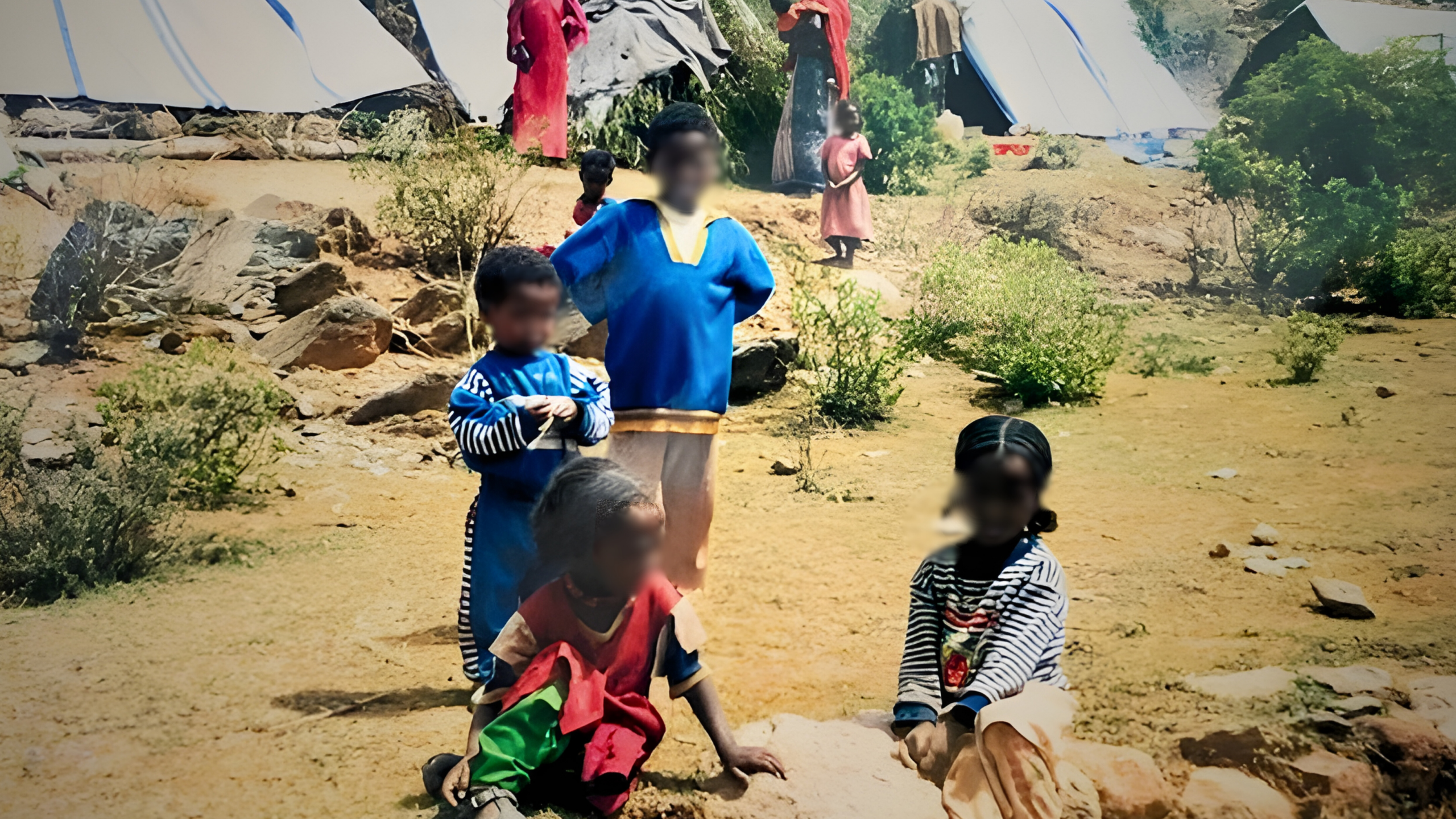
Eritean IDP Camp-Barentu June 2000
Continuing my career as a Marine Corps Officer, I was assigned as the United States Defense Attache’ to Eritrea in June of 2000. At that point in my career, I had served as a Marine Officer for 12 years. Furthermore, while I was a veteran of Operation Desert Shield/ Desert Storm- the multinational effort to extract Iraqi forces from Kuwait in 1990, I had no experience dealing with civilians suffering from the destruction and violence caused by war and conflict. In this case, Eritrea and Ethiopia had been engaged in a border war since 1997, six years after Eritrean independence from Ethiopia and its long 30-year campaign to achieve it.
In Eritrea, from the very first day of my arrival, what I observed there, changed my life and gave me a whole new perspective on who might be my neighbor, and how I should love them. Little did I know that what I was feeling would lead me to seeking the answers in CST…
I arrived in Eritrea in June 2000, the day after the ceasefire between Eritrea and Ethiopia commenced. The very next day after my arrival, I accompanied a humanitarian delegation to visit several Internally Displaced People (IDP) camps. I saw mostly women and children crammed into hastily established camps, living in United Nations-provided tents. Water and sewage facilities were in the process of being established but camp administrators were more concerned about being able to feed the thousands of IDPs that had fled to safety.
There were numerous camps like this one spread throughout central Eritrea. Additionally, there were refugee camps that had been previously established to provide shelter for Sudanese and Somali civilians fleeing conflict in their respective countries. Seeing the fear, hunger, and resignation of these people truly caused me to reevaluate my life and my career as a Marine.
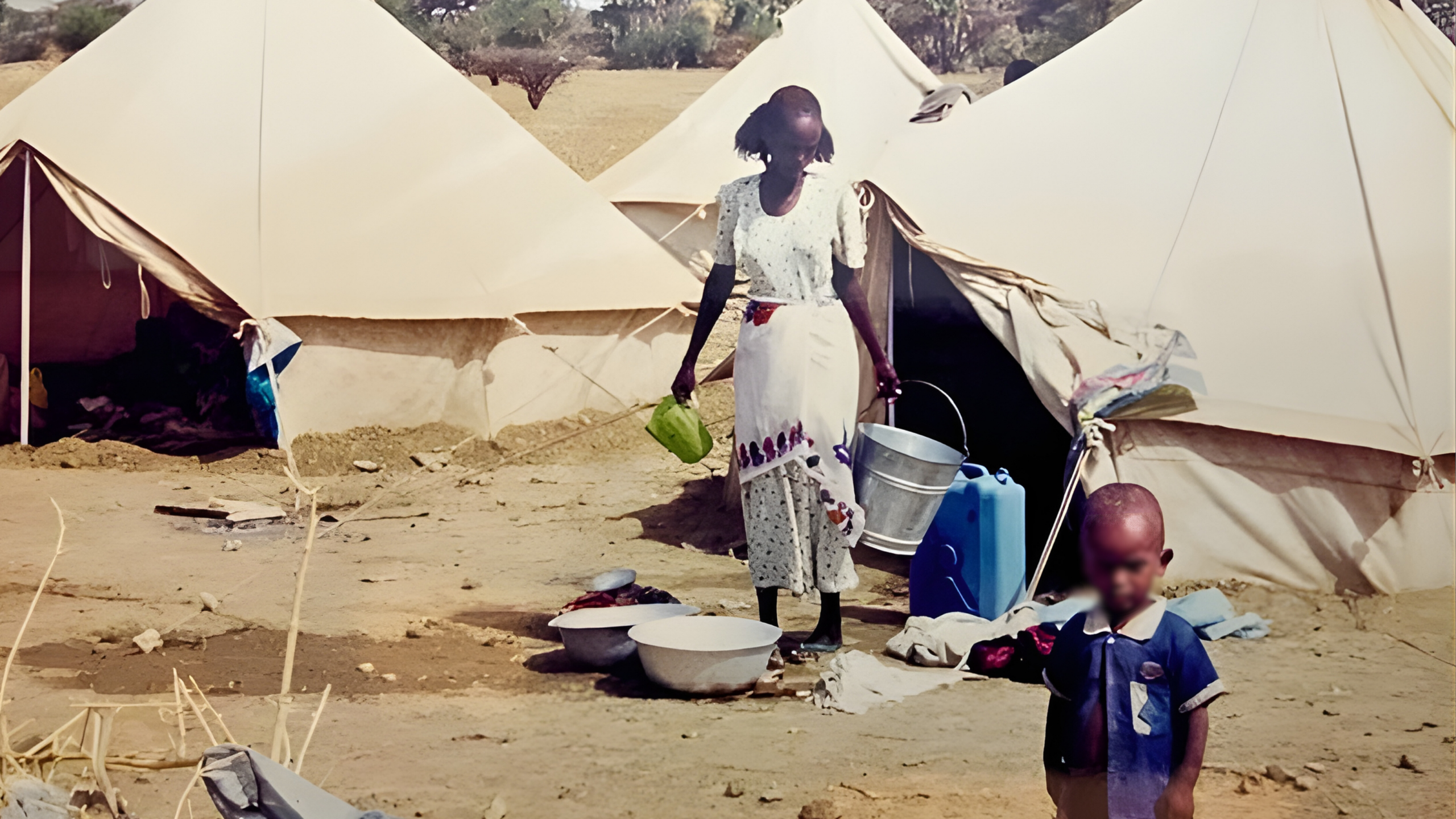
Eritean IDP Camp-June 2000
During my time there, I learned all I could about refugees and IDPs. I learned the legal intricacies that defined them and gained an incredible amount of empathy for their plight. Other than hosting toy drives for the children, I wanted to do something tangible but did not know where to begin. While I was a confirmed Catholic during that period, I was truly unaware of CST and the doctrinal tenants that make it an operational practice. I ultimately continued my career as a Marine as our core values of “Honor, Courage, and Commitment,” are real and Marines are held accountable to live up to those ideals. Marines embraced more than just inflicting damage, and our mission sets and skills included humanitarian support as well. To that point, I was able to enroll in college courses regarding peace studies, thinking I might seek another career as a humanitarian or counselor for conflict resolution.
That opportunity arrived quickly. In January 2005, I was tasked to support the humanitarian effort aiding Indonesian tsunami victims. Again, I was struck by the vision of people crammed into relief camps, their homes destroyed, and families separated. While I worked to provide food and other material support, I knew that these supplies were merely band aids for the current situation. More help would be needed. I wanted to do more but didn’t know how...
My experiences in Eritrea and Indonesia taught me a great deal about who is my neighbor. Remembering the misery, hunger, and poverty of these people, as well as how the fear and threat of conflict contributed to their feelings of helplessness, often haunted me. Because of these experiences, I am always reminded that God has blessed me with an abundant life and that I am responsible to “feed the hungry, give drink to the thirsty, clothe the naked, shelter the homeless, visit those imprisoned and bury the dead” according to Matthew 25. In other words, to Love my Neighbor. But more importantly, and in keeping with the four principals of CST, how do we change the environment to one where people love and respect each other while promoting a society that benefits all of us- economically, politically, and socially- “the common good”?
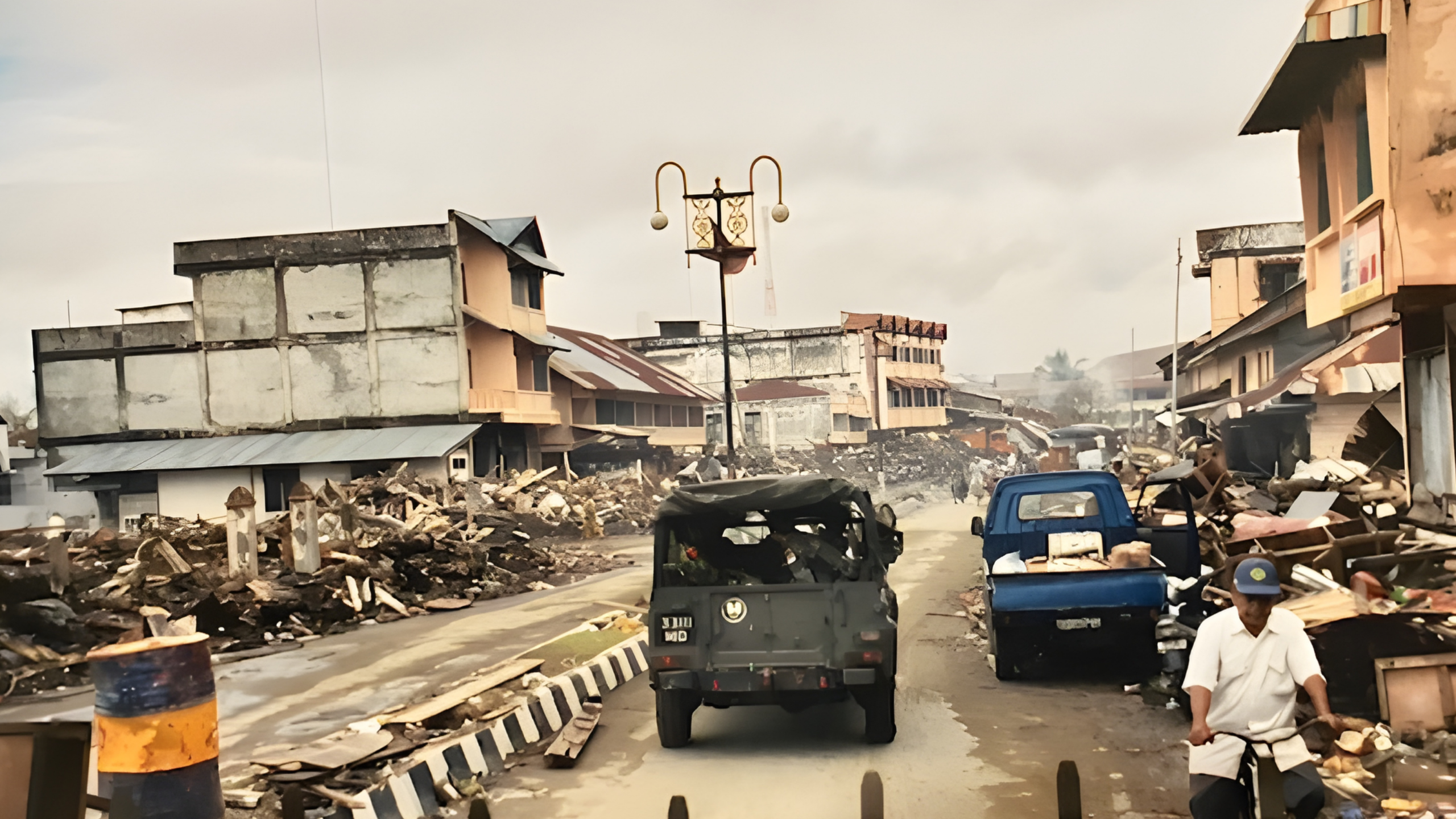
Mulaboh. Indonesia_Boxer Day Tsunami Feb 2005
For me, I have learned that CST is so much more than just Corporal Works of Mercy. Understanding the concepts of CST, especially its foundation of respecting life and human dignity helped me to realign my own values, spiritually and politically.
Catholic Social Teaching has enabled me to better understand God’s love for us and how he wants us to love one another. As Jesus said, “Love the Lord your God with all your heart, soul, and mind, and Love your neighbor as yourself.” By participating in this course and others, I now view the world around me, and afar much differently. I try to live by the tenets of CST, particularly “respect and dignity for human life.”
I am now able to teach my peers and colleagues that we as Christians have a responsibility to our fellow humans, who for various reasons, need our love. I can explain the “common good” and why it is important that we contribute and support programs that help underrepresented communities. I can point out how immigrants are not the “criminals” they are depicted as, but could be refugees and asylum seekers trying to get away from conflict, crime, and other dangers. I can discuss how “right to life” includes common sense gun control laws as well as maintaining a clean environment.
As a Marine, my whole world consisted of doctrinal publications, orders and directives, field manuals and other prescriptive materials that enabled me to work and live as a Marine. After this course of study, I view Catholic Social Teaching as an “operating manual” on how to live one’s life as a true Christian and particularly, loving one’s neighbor.
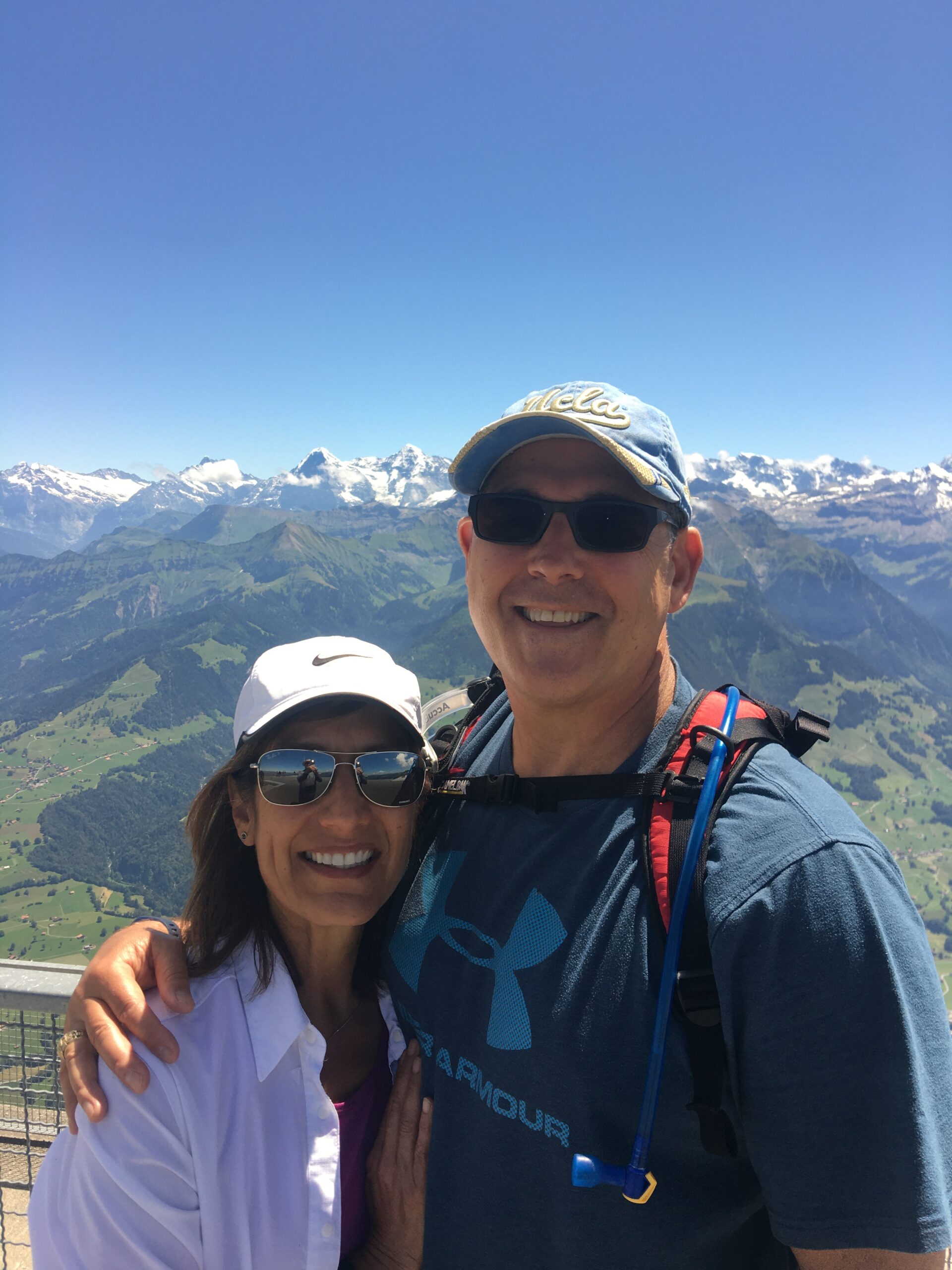 Christian Isham
Christian Isham retired from the US Marine Corps in Feb 2008 and continues to work for the US government as a civil servant. He is an active parishioner within the Arlington Diocese, leading Men’s fellowship programs and serving as a Knight of Colombus. He continues to focus on Catholic Social Teaching programs with an intent to serve more directly within the diocese or abroad. A veteran of two Caminos on the Camino de Santiago, Chris enjoys backpacking and trekking with his wife, Christine.
Related Posts:
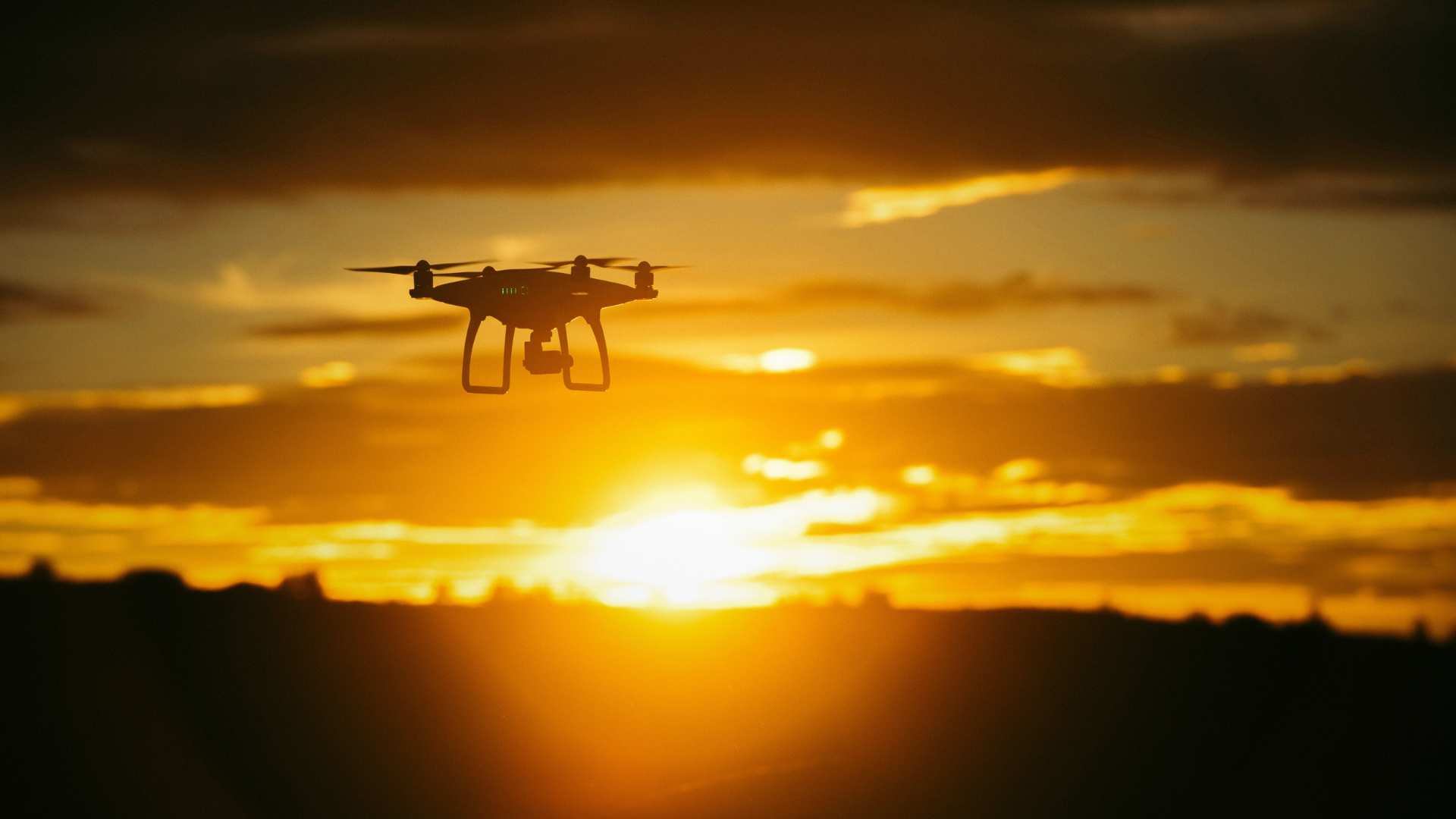
In Magnifica Humanitas, Pope Leo XIV warns that machine intelligence in war ends by “reducing victims to data.” The machine profiling that registers a person for food can also be used to select a person as a target. A small drone circling a road, with no one steering it, can have such a profile as its target. A drone like this is an autonomous weapon system. Once activated, it selects and attacks targets by itself, matching what its sensors detect to a programmed target profile. No human being decides, at the moment of the strike, that this particular person will die or is the right target. The case most often cited as the first use of such a weapon against people, reported by UN experts, was in Africa, in Libya in 2020.
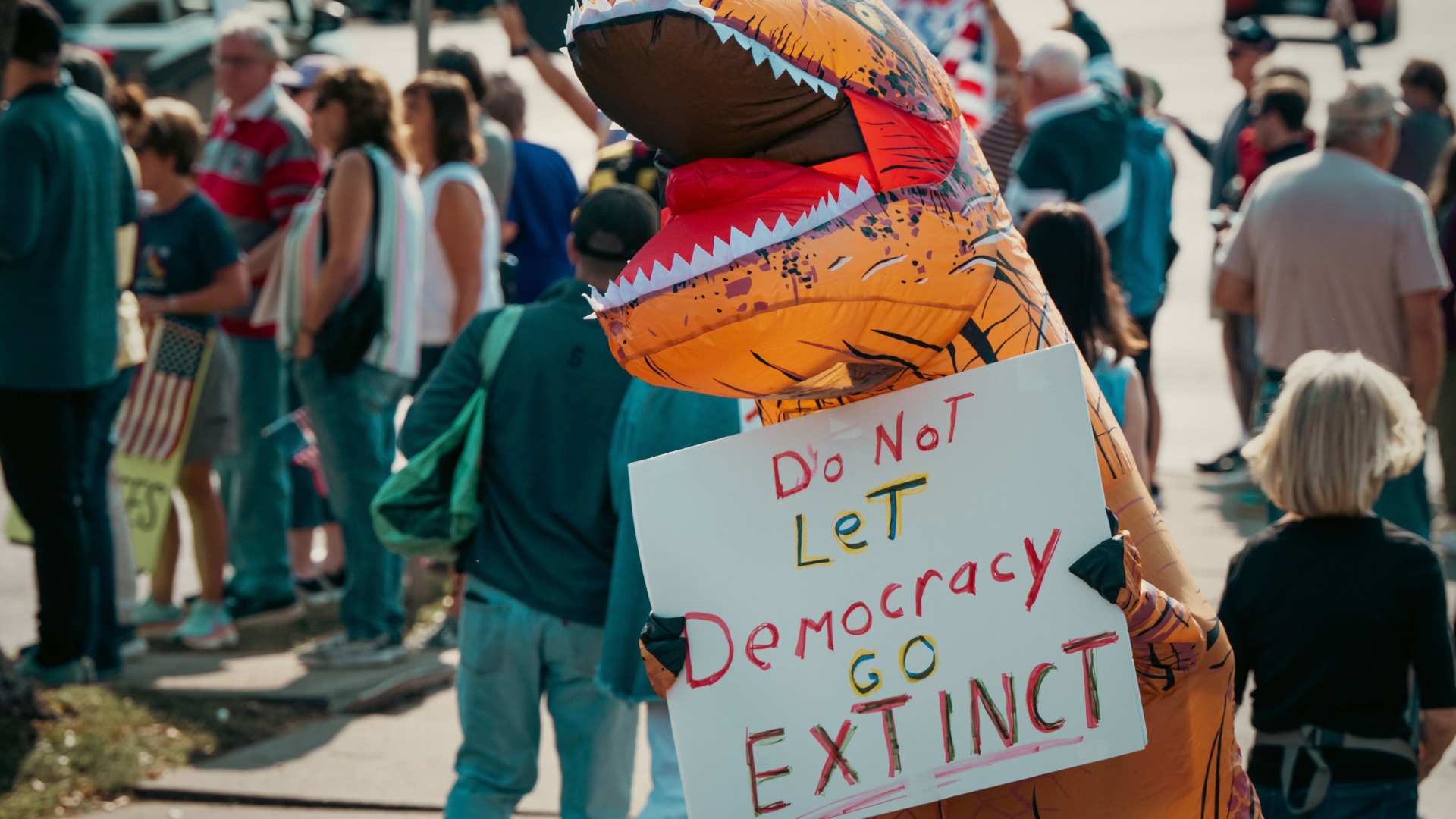
Democracy, which has historically proven most effective in meeting these criteria, cannot be taken for granted. In our AI era, citizens should press for more than multiparty elections and the protection of basic freedoms; that institutional core is not enough. We must carefully regulate and channel powerful technologies with the capacity to divide us from one another and short-circuit social and political participation. That means maintaining spaces in civil society where human contact and social friendship can flourish without the mediation of machines, beginning with the educational systems through which all citizens pass. It means fighting deepfakes and disinformation in the public sphere, so that citizens still operate in a world of facts and evidence and political representation has a strong basis.
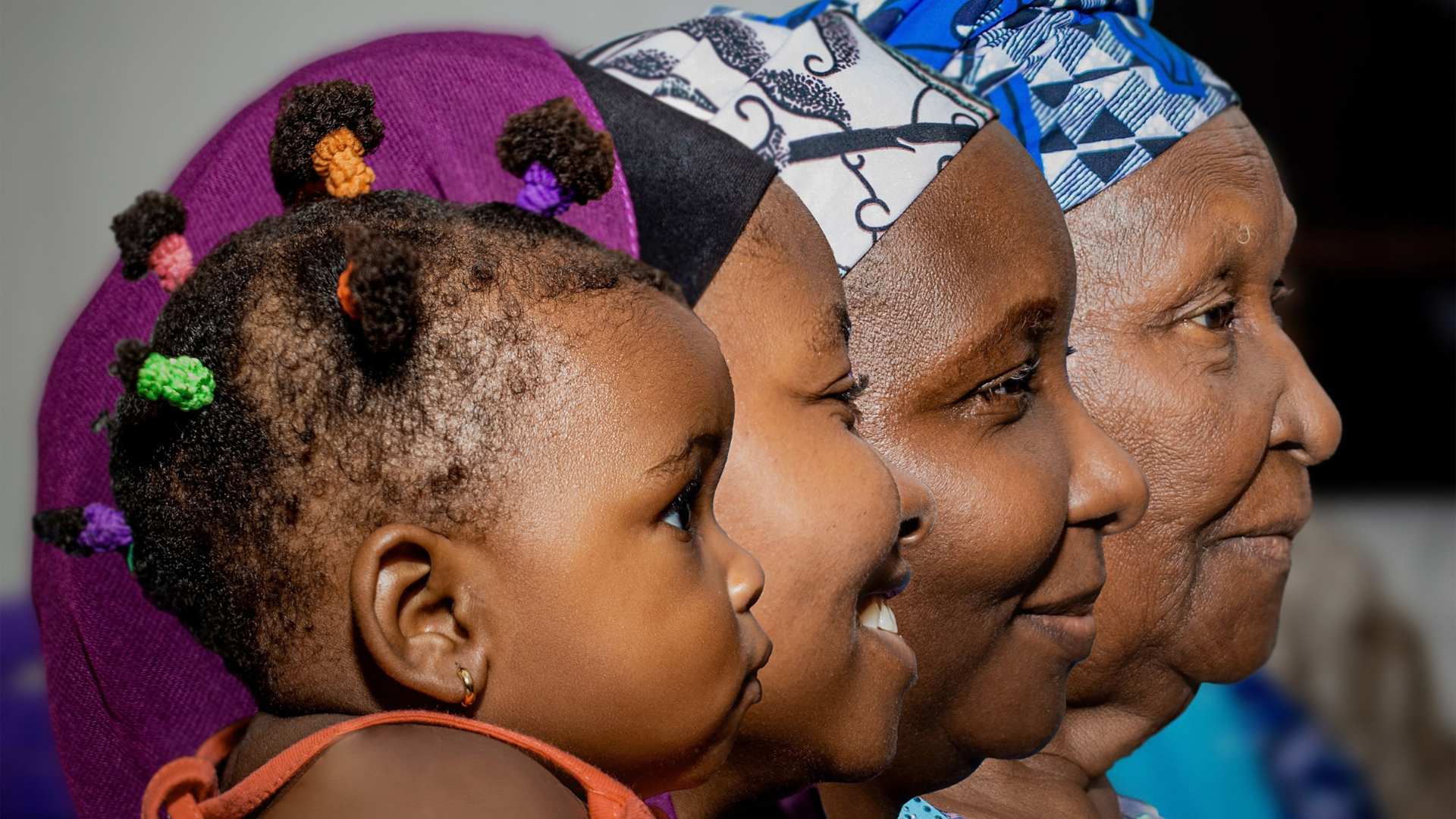
Artificial intelligence (AI) is increasingly entering public life in Ghana, including through digital systems used for identification, verification and service delivery. The ethical question is therefore not simply what AI can do, but what happens to people when digital systems become gateways through which citizenship, mobility or access to services are recognised. In northern Ghana, especially in border communities, this is a concrete question. I was privilege to visit Pusiga community in November 2025 with a Jesuit friend of my mine who is originally from the community. Thus, the topic for this article resonates very well with me.
The article ‘Pandemic and Authoritarianism’, by Germán Rosa, SJ, was written in the midst of the COVID-19 crisis, but its insights extend beyond that context. The pandemic appears to reveal and accelerate political trends that were already present: the concentration of power, the weakening of democratic checks and balances, and the acceptance of extraordinary restrictions in the name of collective security. Rosa’s main concern is that fear may lead citizens to silently surrender their freedoms and rights, and that measures which were initially intended to be temporary become normalized and endure. Furthermore, in societies riven by inequality, control is never distributed neutrally: it falls most heavily on the impoverished, marginalized groups, migrants, dissidents and those who defend rights and territories.
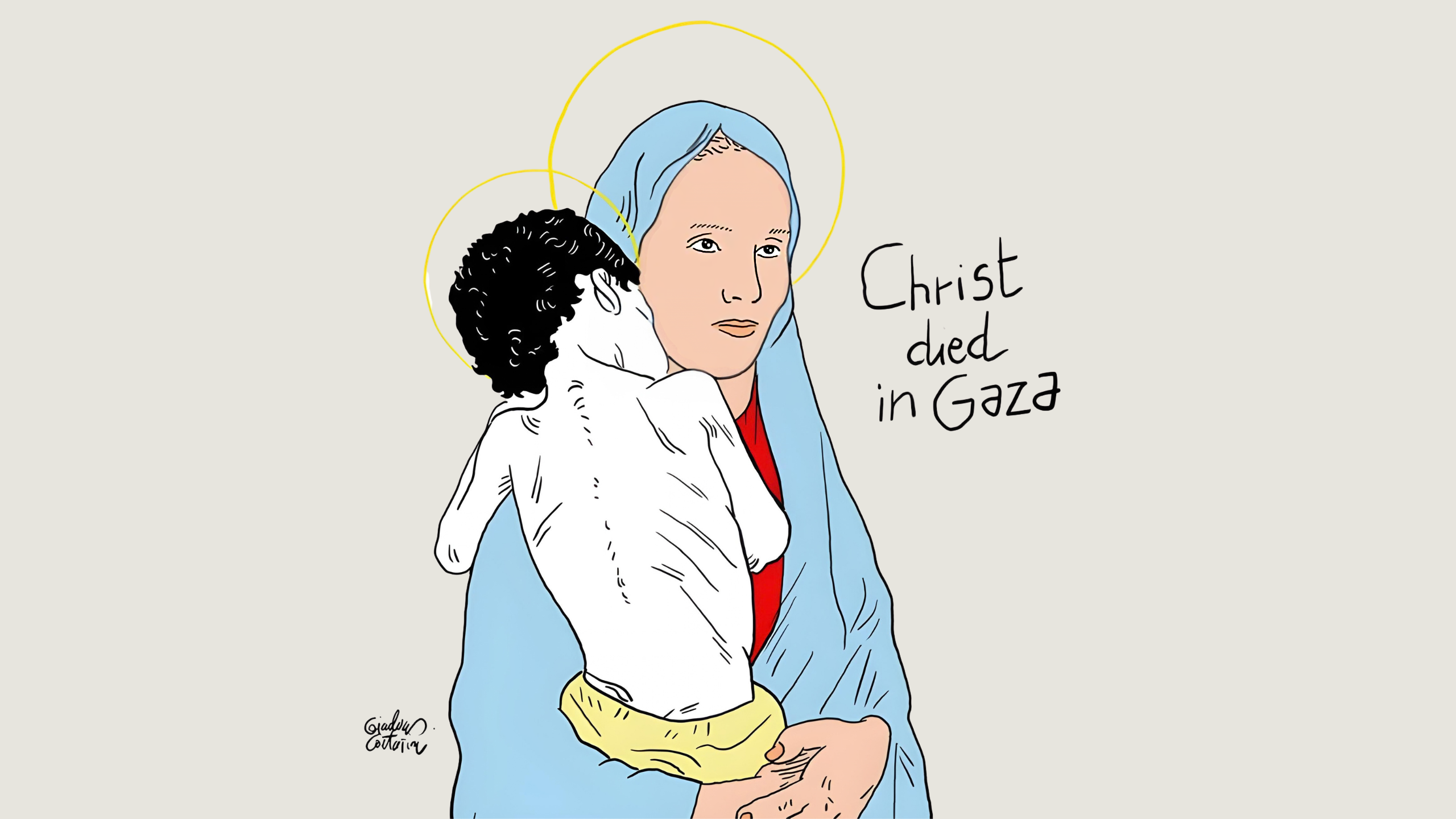
Speaking of dead children is uncomfortable. Yet it can also be healing. As I listened to the stories shared that day, I found myself returning to memories I may at times shy away from remembering. Iremember finding my sister’slifeless body in bed one Saturday morning. Ihad cometo carry her out with me to watch cartoons.As I listened tothe story of Hind Rajab, a 5-year-old girl who had been trapped inside a car attacked by Israeli forces,the memory of a little boy reaching out to touch his sister came back. The young girlhadmanaged to call the Red Crescent for help but hours later she and the paramedics who had come toassisther were all found dead. The chilling story reminded me of the shocking cold that struck my hand as I gently touched my sister’s arm in a futile attempt to wake her up.
Who Are the Victims and Those at Risk of Becoming Victims? When it comes to mining, particular attention must be paid to those who are most vulnerable: Indigenous communities whose livelihoods depend on their land, forests, rivers, and water sources; small-scale farmers; fishers; poor families; women, children, and older people; as well as communities with the least bargaining power in legal, economic, informational, and political matters. They may become victims when land loses its social function, when water sources are polluted or disappear, when the environment is damaged, when livelihoods are disrupted, or when their social and cultural life is transformed without their genuine consent.