Ecuador – Continental Meeting of the Churches and Mining Network
The continental network "Churches and Mining" met in Quito, Ecuador, in February 2023. More than 50 people from different regions of Latin America gathered to feel and think about the situation of mining in our territories.
By Communications Churches and Mining Network
"We are going to take the people forward. I sing to my people with love because I carry them in my heart. I feel good to be here because this is the land where I was born"... (Afro-descendant folk song).
The continental meeting of the Network discussed that our churches live in a moment of profound sensitivity to the martyrdom of so many communities and mother earth; they refuse to allow the capitalist system to commodify their lives and territories. Moreover, we are living in synodal times. Therefore, it is necessary to understand how to be a network in defence of life and the Common Home.
Spirituality of life and resistance
Caritas Ecuador, the National Network of Ecological Pastoral and REPAM Ecuador contributed to a very profound experience. One of the most important reflections of the Network revolves around the spirituality of people and communities. Spirituality sustains life and resistance, which involves all areas of life, as a thread that allows us to recover our breath and hope even amid all the shocks.
Afro-spirituality was strongly addressed as a great source of confrontation with the economic model that is not only extractive and illegal but also one of abandonment and inequality; a subjugated and enslaved people have come from the hand of mineral extraction many centuries ago. But with a spirituality of life that sustains the cycle of life between songs, drums, celebrations, encounters with the fruits of the earth, and plant medicines.
Tree of life
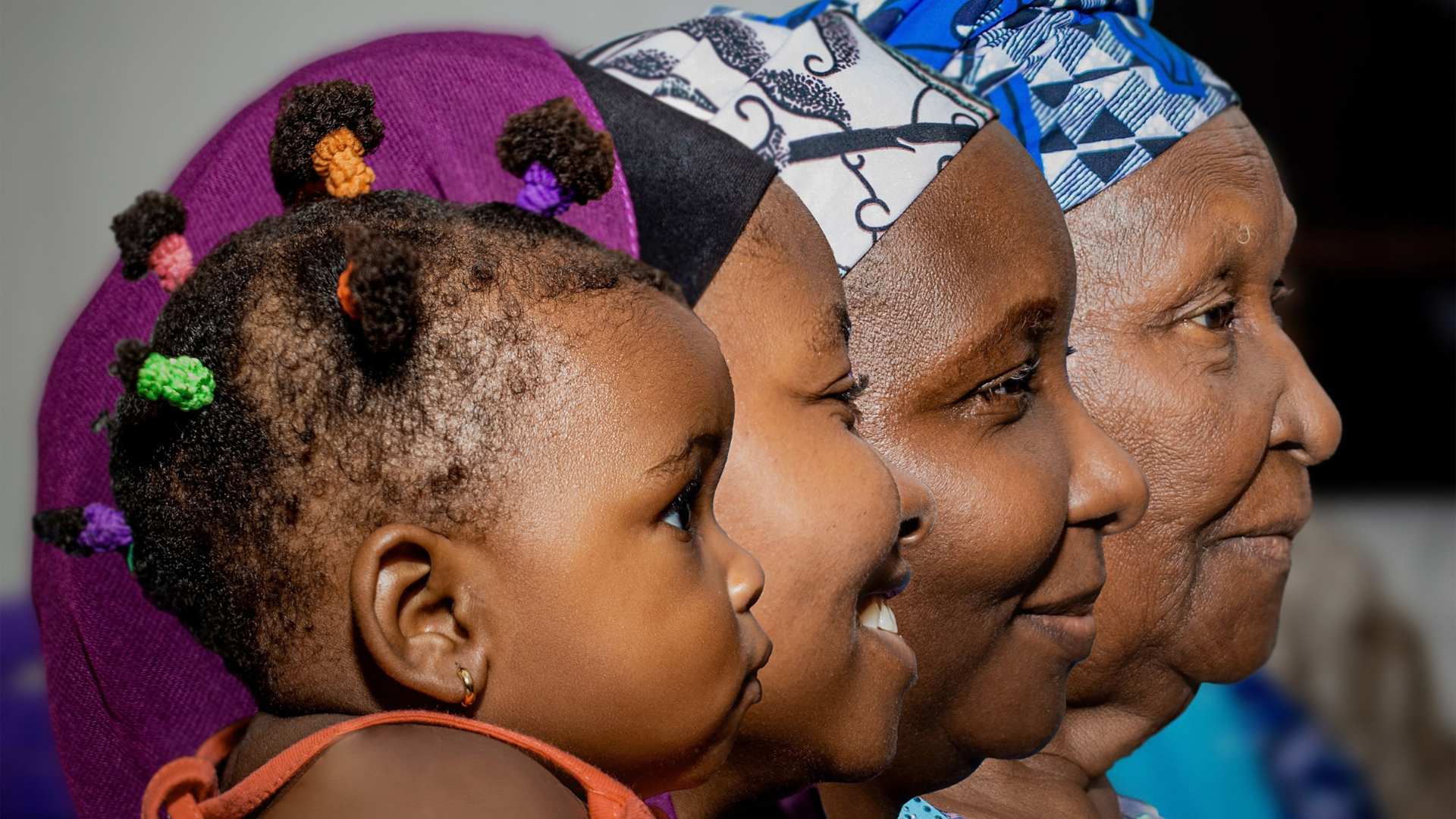
There was a meeting with companions from the Afro Pastoral of Esmeraldas, the Ecological Pastoral of Ecuador, and the Comboni Brothers, the congregation that has chosen to share life with these people. This meeting had a taste of coconut and drum beating, which, amid so many threats, these people present throughout America teach us.
The tree of life of the Afro people teaches the whole Network to sustain itself from the roots that are supported by its source. Its sources are the land, territory, and water where the Afro culture thrives and are strong from celebrating life--the singing, sharing of bread, the gathering of fruits and what is caught, and the spiritual relationship with the ancestors and the territory.
Confusion and violence
The urgency of unmasking the narrative of the extractivist mining system, which uses all its arsenal to try to divide, coerce and convince the people, the communities. It is in this aspect that much of the extractivist neo-colonisation arises.
A very well-thought-out discourse conquers, confuses, and overlaps the violence with which mining companies and governments want to envelop the communities, where divisions, ruptures and disagreements are unfortunately generated. But it is there where the possibilities of confronting the system emerge from their narratives, where reciprocity, collaboration and community remind us that life is not possible when blood and water are ripped from the entrails when royalties are exchanged for agriculture. The Argentinean organisation Bienaventurados los Pobres - BEPE (Blessed are the Poor) is contributing to this discussion and the minerals of the energy transition.
Unity and hope
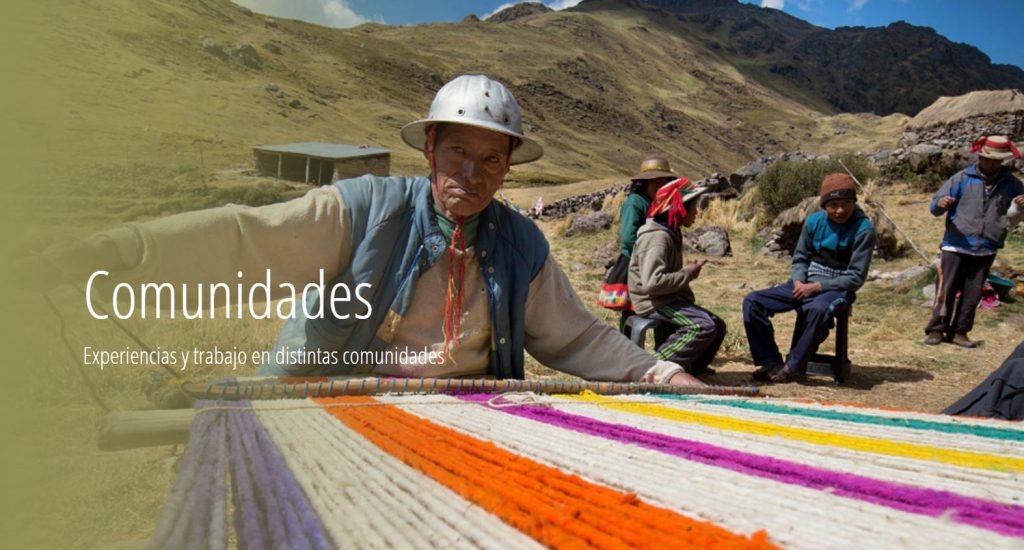
Symbols of unity and hope marked the meeting. The presence of Leonidas Iza, president of the Confederation of Indigenous Nationalities of Ecuador - CONAIE, was forceful, as he strongly affirmed the degradation of territories and communities by capitalism "as a great evil that has no remedy".
The indigenous leader also spoke of the political processes in Latin America, emptied by the sole perspective of economic power and the need to build an alternative from the standpoint of the principle of integrality as seen by the indigenous peoples.
"We are all brothers on the earth. We all have earth in our bodies. Blood circulates in everything, just as water circulates in the earth, and that is why we are brothers with the earth. Without water, without land, we are nothing, and we will continue to be what we are, sisters and brothers," said Iza. She encouraged unity between churches, indigenous peoples and all who seek to confront a model destroying us, which is becoming increasingly violent.
Commitment to the martyred communities
It is impossible to confront the extractive mining model without considering all its tentacles. How the money from its criminal profit leaves our countries in a legal yet immoral way; how the mining supply chains leave behind destruction, derisory payments, corrupt governments, and immense profit for the same power groups that do not change anything. There is even no access to basic rights such as water in the localities where they extract and plunder
And this was another issue addressed from the identification of financial flows that sustain mining and that are being investigated by the Network in alliance with technical organisations (Facing Finance) specialised in studies of Dirty Finance, especially in Europe.
The Churches and Mining Network has a significant challenge regarding alternatives to development based on territorial proposals where integral ecology is lived or where attempts are made to respond from this paradigm, even to the detriment of the threats imposed.
Adalberto Jiménez, Bishop of Aguarico, helped reflect on the Church's commitment to the communities martyred by the earth's devastation. A conversion of profound harmony with their cries and determinations, with the need to walk together in legal, social and spiritual aspects to strengthen the confrontation of the model denounced in Laudato Si.
Network of accompaniment and work in the territory
The Churches and Mining Network works in the continent with around ten local nodes; these are the hands and feet of accompaniment and work in the territory where religious life, civil society organisations, community organisations and faith organisations are present. Their work concretises the efforts and territorial articulation. However, a significant challenge remains to be the participation of larger ecumenical platforms.
Advocacy efforts are both internal and external. Internally, within the Church itself, to raise awareness and contribute to transforming the economic system of extraction. Externally, with the support of the churches of the Global North, on fundamental issues such as due diligence, treaties on companies and human rights, Escazú, among others, allow the affected voices to raise their voices to stop the massacre of mining.
For this reason, it was very positive to have the presence of CIDSE, the Conference of Bishops of the European Union - COMECE and other organisations allied in these processes, such as Fastenaktion, CCFD, Pax Christi and others. CLAR also plays a prophetic role in these actions by joining efforts and commitments.
The Churches and Mining Network is preparing for its big continental meeting in November in Central America, where around 100 people and organisations will gather to consolidate a joint path to change and transform the wounds of extractivism into hope and resistance.
Source: repam.net
Related Posts:

The Justice in Mining network has advanced efforts to protect communities affected by mining. Key achievements include stronger collaboration among 22 Jesuit institutions, documenting crucial case studies and advocating for corporate accountability as demand for critical minerals grows.
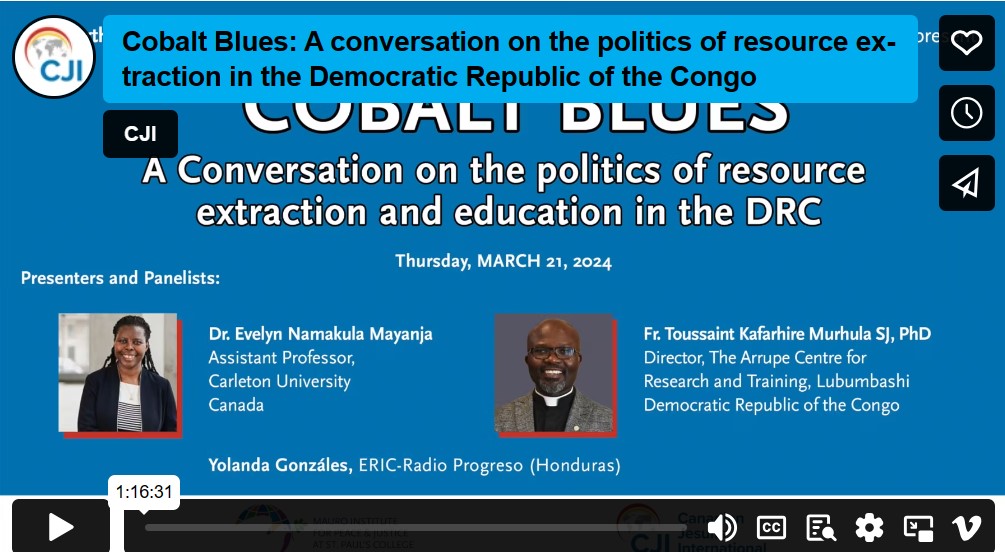
Resource persons at the "Cobalt Blue" webinar organised by the Canadian Jesuit International stressed the root causes of mining misery: the legacy of colonialism, racism, unchecked consumerism, and a greedy global economic-political system that overlooks ethical and environmental concerns are among the main reasons for the untold suffering caused by mining and the extraction of natural resources in the Democratic Republic of the Congo (DRC).
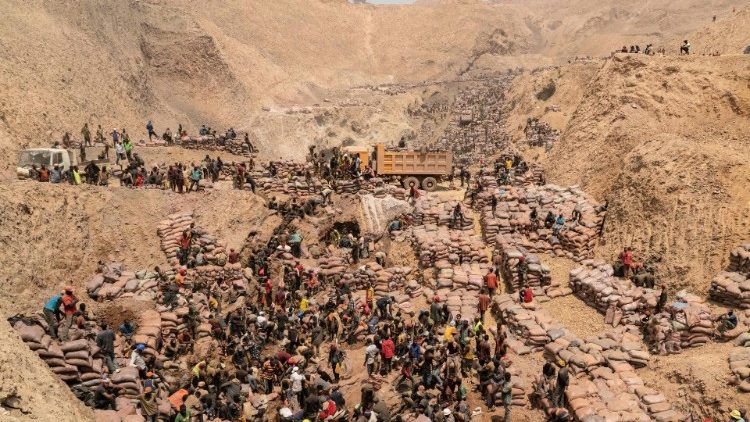
"Conflicts in Africa in the Context of the Exploitation of Natural and Mining Resources" was the theme of a seminar in Accra, Ghana. Participants in the seminar convened by the Symposium of the Episcopal Conference of Africa and Madagascar (SECAM) called for the end of the ruthless depletion of natural resources by multinational corporations and foreign powers.
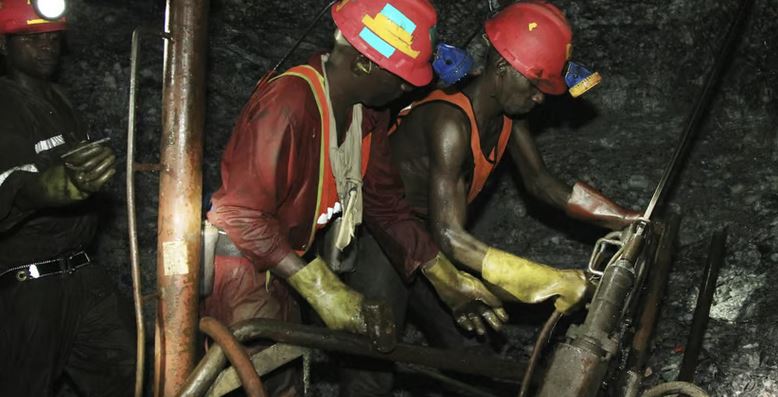
A Catholic leader in South Africa, a country where mineral wealth long has been an economic mainstay, says that today the Church in his country often encounters “the suffering face of Christ in sick mine workers.”
Latin America – Statement of the Jesuits on the Caribbean Border on the Extractivist Model of Mining
Statement published by the Jesuits on the border between the Dominican Republic and Haiti in which they warn of the risks posed to the local populations and their livelihoods by an extractive mining project.
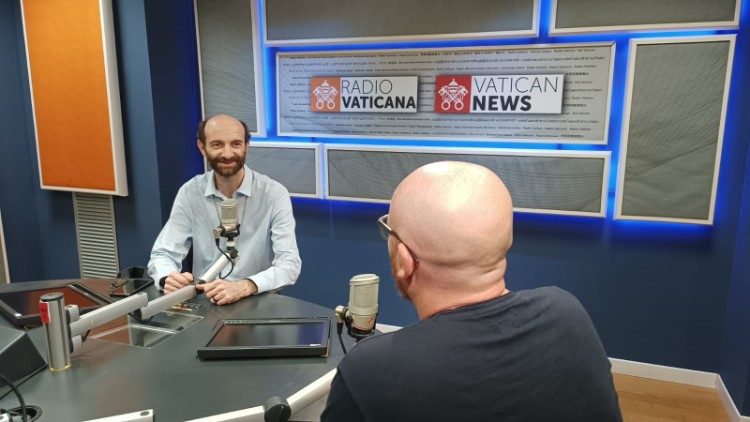
The coordinator of the Brazilian network of Churches and Mines, a Comboni religious missionary, talks about the second edition of their initiative in September: the Earth is not an infinite reservoir of resources to be taken without limits.