
Work without workers? Artificial intelligence, employment, and human society
The Industrial Revolution asked whether economic progress could be reconciled with workers' dignity. It also challenged the assumption that economic progress is inherently good. Can greater productivity alone be called progress if it comes at the expense of human dignity, social cohesion, or the natural world? More than a century later, artificial intelligence poses a different but equally profound challenge. Machines are no longer transforming only how we produce goods; they are beginning to transform how we think, decide, create, and even relate to one another. The question before us is therefore not merely technological. It is anthropological.
When Pope Leo XIV signed Magnifica Humanitas on May 15, 2026, deliberately marking the 135th anniversary of Rerum Novarum, he situated artificial intelligence within this long tradition of Catholic Social Teaching. Just as Leo XIII responded to the social consequences of industrialization by reaffirming the dignity of the worker, Leo XIV invites us to confront the ethical implications of artificial intelligence by beginning, once again, with the human person. That ordering matters. Any serious reflection on artificial intelligence and work must begin not with algorithms, but with anthropology.
Work as a human vocation
Human beings are not valuable because they are productive. They are productive because they are valuable. That inversion is not rhetorical. It is the foundation of the entire Catholic social tradition’s approach to labor. John Paul II, inLaborem Exercens, called work “the key to the entire social question” not because it generates wealth, but because it is through work that persons express their dignity, develop their capacities, support their families, and contribute to the common good (John Paul II, 1981). Work is a vocation before it is a transaction.Magnifica Humanitas reaffirms this: the Church recognizes in work “the essential key to understanding the entire social question, since it is through their work that individuals develop many dimensions of their existence” (Leo XIV, 2026, no. 148).
This starting point changes everything. If the value of work derives from its productivity, then any technology that improves productivity while eliminating workers is unambiguously good. If the value of work derives from what it does to and for people, as a site of dignity, creativity, solidarity, and responsibility, then the calculus is far more complex. An economy that produces more while leaving more people in whatMagnifica Humanitas calls “forced inactivity” is not progress. It is, in the encyclical’s precise language, “human and cultural impoverishment” (Leo XIV, 2026).
The tradition goes further still. Work is not only a site of dignity; it is the primary arena of human freedom. To work is to act upon the world, to transform raw matter through human intelligence and will, to leave a mark that says: a person was here and chose to contribute. This is why the displacement of workers by AI is not only an economic injury but an existential one; it narrows the space in which people exercise their freedom, take responsibility, and experience the irreplaceable satisfaction of giving something of themselves to something larger. Freedom, in the Catholic tradition, is not merely the absence of constraint; it is the capacity for self-gift. An economy that systematically reduces the opportunities for that kind of freedom does not liberate people. It diminishes them.
This reflection also challenges another assumption that has become almost unquestionable in contemporary economic life: the primacy of efficiency. Artificial intelligence promises unprecedented gains in productivity and optimization, and these are often presented as sufficient justification for its adoption. Yet efficiency, like productivity, is not a moral good. It is merely the capacity to achieve a given objective using fewer resources. Whether that objective is worthy is a different, and more important, question. Ignatian discernment reminds us that the ethical challenge is never simply to ask, what works best? but What serves the greater good? A society that becomes more efficient while diminishing opportunities for meaningful work, weakening solidarity, or degrading creation may be technologically advanced, but it cannot be said to have made genuine human progress.
Starting here, with the dignity, vocation, and freedom of the human person, not with the capabilities of the machine, is the first and most important corrective to the dominant conversation about AI and work.
What AI is doing to work
The scale of AI’s impact on employment is genuinely difficult to absorb. The International Monetary Fund estimated in 2024 that nearly 40 percent of global employment is exposed to AI, rising to 60 percent in advanced economies, with high-skill occupations now as exposed as factory workers were in earlier automation waves (IMF, 2024). The International Labour Organization has documented that these effects are deeply unequal, falling harder on women, on young workers, and on the Global South (ILO, 2023).
Real displacements are already underway: a major fintech company replacing 700 customer service agents with an AI assistant; writers and actors striking against studios proposing to replicate their creative work without consent; whole categories of white-collar employment frozen or contracted as AI absorbs the tasks that once justified them. These are not hypothetical futures. They are the present.
In Latin America, structural vulnerability compounds these pressures. With informal employment exceeding 60 percent in many countries, workers lack the legal protections and social safety nets that make transitions survivable. When AI-driven optimization reduces labor demand in a European supply chain, the effect arrives in Bogotá or Lima without warning, without policy response, and without ever appearing in any impact assessment. The first waves hit those who can least absorb them.
Magnifica Humanitas names what these debates routinely omit. The AI systems reshaping labor markets depend on a hidden workforce: millions of people, disproportionately women in low-income countries, who label data, train models, and moderate disturbing content under demanding conditions for minimal pay. The physical devices that run AI depend on rare earth minerals extracted in some parts of the world, through the dangerous labor of children (Leo XIV, 2026, no. 173). The AI economy has not abolished exploitation. It has restructured and rendered it less visible, which makes it harder to contest.
The transformation of work that remains
Beyond the jobs AI eliminates lies an equally important transformation in the character of work that remains. Algorithmic management, systems that assign tasks, monitor performance, adjust compensation, and terminate relationships without human judgment, is spreading across logistics, care, hospitality, and professional services. The warehouse worker whose every movement is tracked by an algorithm, the delivery driver whose account is deactivated without explanation, professor whose performance is scored by a system that has never met a student: these are not exceptions. They represent a new paradigm of work in which human beings answer not to other human beings but to machines.
The loss this represents is not only economic. Work has historically been a site of recognition, a place where people are seen, where they belong to something larger than themselves, where solidarity is built and sustained. Algorithmic management strips this away with clinical efficiency. An encounter with another person, even a difficult one, even a supervisor with imperfect judgment, retains a moral dimension that an encounter with an algorithm does not. To be managed by a system incapable of recognizing human fatigue, grief, or circumstance is a specific form of dehumanization, one that higher wages cannot remedy.
Leo XIV’s insistence that “the pursuit of greater profits cannot justify choices that systematically sacrifice jobs, because the human person is an end, not a means” (Leo XIV, 2026) is not an economic claim. It is an anthropological one. The economy has a purpose, it exists to serve people and the common good, and when it forgets that purpose, it forgets itself.
Discernment in the age of artificial intelligence
Artificial intelligence optimizes. Human beings discern. Optimization asks:what works? Discernment asks:what serves the greater good? These are not the same question and confusing them is one of the defining errors of our technological moment.
AI systems are extraordinarily powerful optimizers. Given a target, they pursue it with inhuman consistency. But targets must be set by humans, and the choice of target is always already a moral act. When a corporation sets “cost reduction” as the target, AI will pursue it by eliminating workers. When a university sets “student retention” as the target, AI can pursue it by identifying at-risk students before they disappear. When a health system sets “equitable access” as the target, AI can extend diagnostic capacity to communities that have never had it. Technology is never neutral; its moral character is determined less by what it can do than by the purposes we assign to it.
This is the heart of discernment: not a technique for making efficient decisions, but a practice of attending carefully to what is happening, naming the values at stake, and choosing in accordance with what truly serves the flourishing of persons and communities. Applied to AI in the world of work, discernment asks not, “can this system perform this task?” but “what does deploying this system do to the workers it affects, to the communities they belong to, and to the kind of institution we are becoming?”
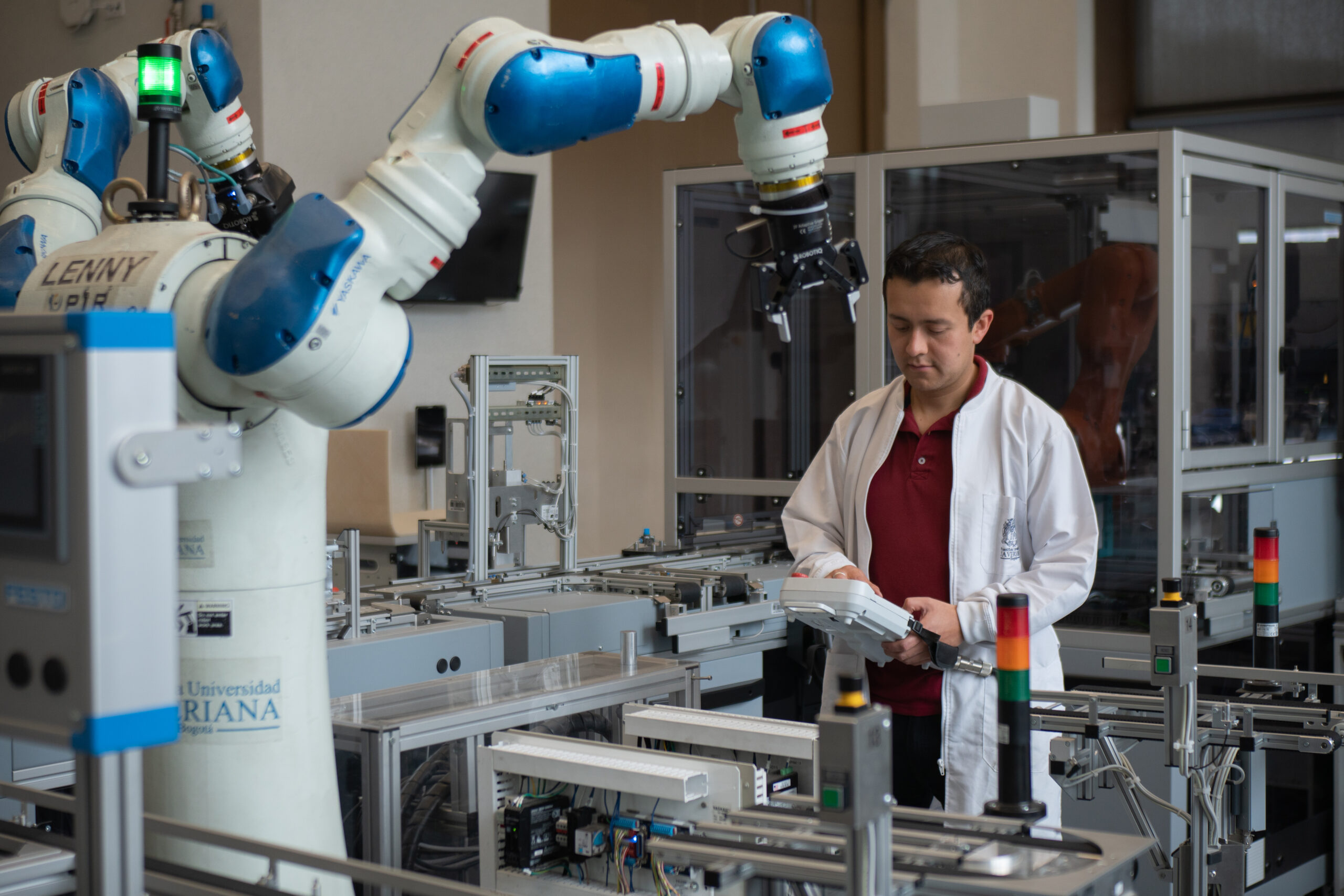
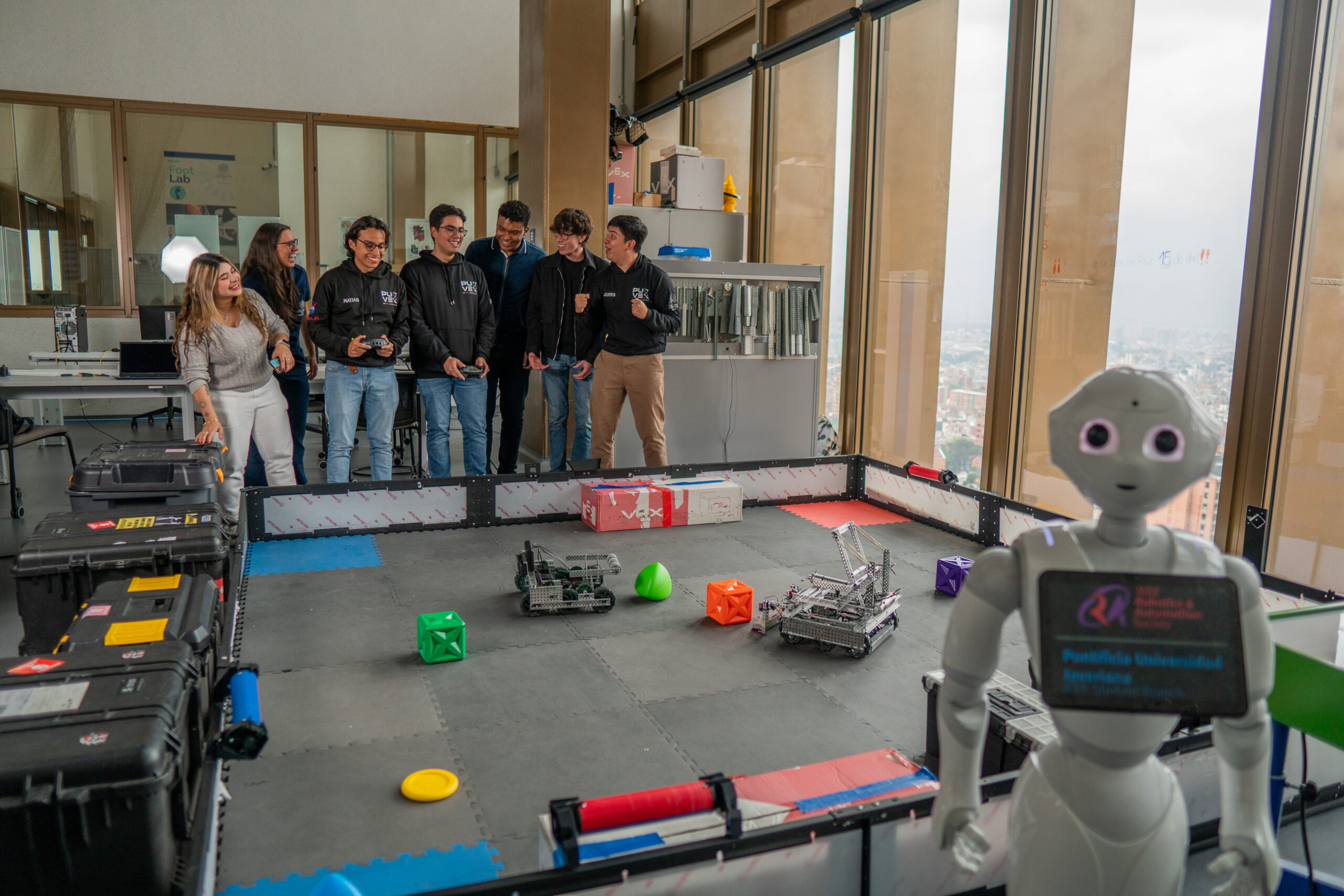
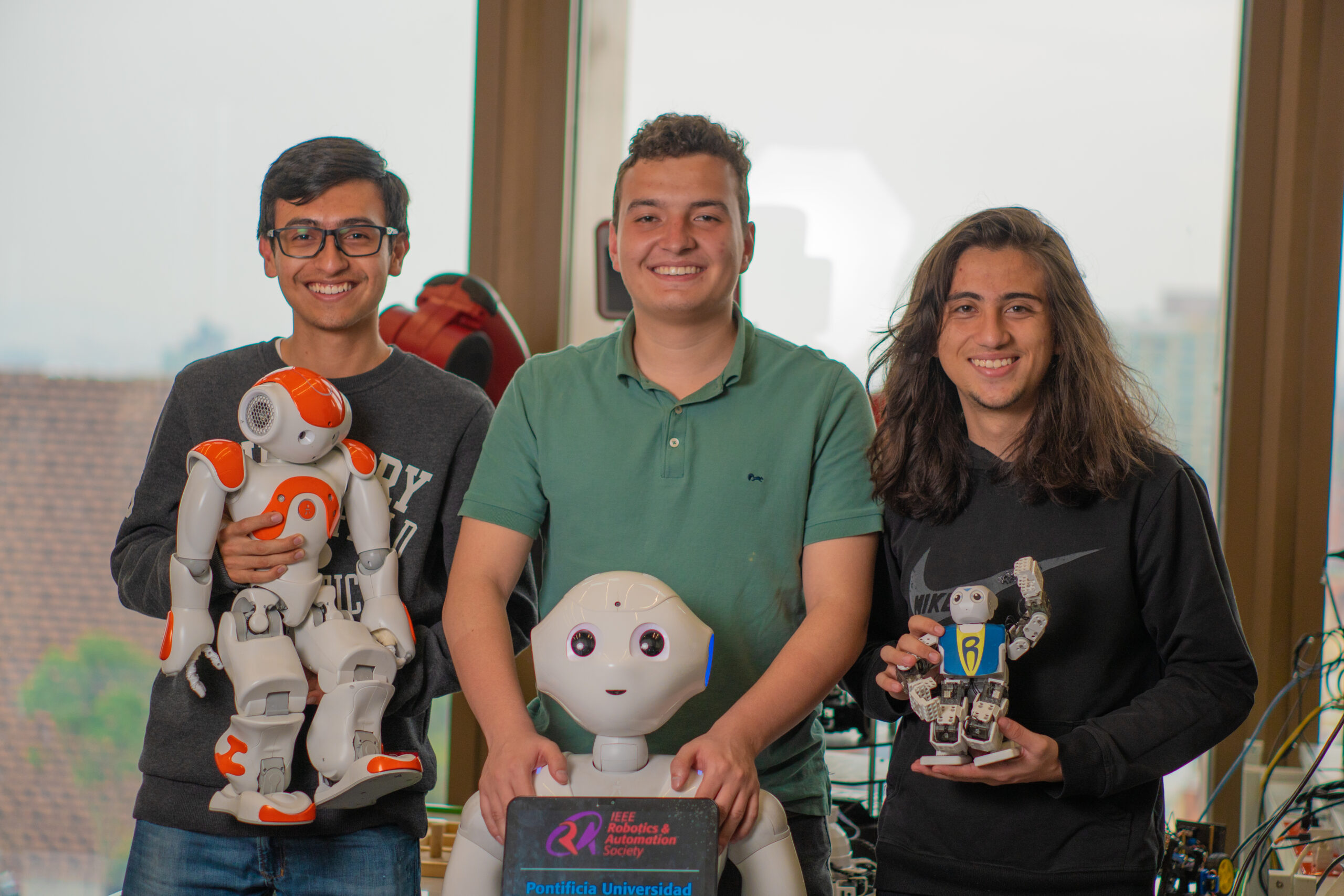
Across Jesuit universities, this orientation is being put into practice concretely. At the Pontificia Universidad Javeriana, AI tools have been deployed to identify students at risk of dropping out, makingcura personalis operationally responsive through data, rather than replacing it. Conversational AI has been used to make Colombia’s Truth Commission report accessible to citizens nationwide. Computer vision provides cervical cancer screening where traditional diagnosis is unavailable. A mobile monitoring system supports children with congenital heart conditions in contexts where specialist care is unreachable (Cerqueira et al., 2026; Pontificia Universidad Javeriana, 2026). These are not showcases of technical achievement. They are demonstrations of discernment: the same technological capacity, oriented toward the most vulnerable rather than the most profitable.
But discernment is not only a decision-making tool. Practiced consistently, over time, in community, it forms something deeper: wisdom. Wisdom differs from intelligence in that it knows not only what can be done, but what ought to be done, at what cost, for whose benefit, and with what long-term consequences for people and communities. It is precisely wisdom that AI cannot produce, because wisdom requires moral formation, accumulated experience, and the willingness to act under genuine uncertainty without retreating to the comfort of an algorithm.
From artificial intelligence to human intelligence
The Industrial Revolution mechanized labor. Artificial intelligence risks mechanizing judgment. That is the deeper danger, and the deeper challenge for education.
A society that delegates not only its production but its reasoning to machines has not achieved efficiency. It has surrendered something essential.Magnifica Humanitas draws a distinction that matters profoundly here: delegating routine tasks to machines is technological progress; delegating moral judgment is something else entirely, a surrender of the very capacity that constitutes us as free and responsible agents (Leo XIV, 2026). Freedom, the capacity to choose, to take responsibility, to be held accountable, is not a feature that can be outsourced. When human beings cease to exercise judgment because algorithms have made it unnecessary, they do not become more efficient. They become less human.
It places education at the center of the AI question, not at the periphery. The most urgent task of the universities is not training students to use AI tools, though that matters. It is cultivating the capacities that AI cannot replicate, such as critical thinking, ethical reasoning, historical imagination, and the ability to askwhy, not onlyhow. It is forming, in the Ignatian phrase,persons for others, citizens capable of governing technology rather than being governed by it.
This is also a question of sovereignty. Latin America faces a structural risk that is rarely named: that its populations become users and subjects of AI systems built entirely elsewhere, encoding values, assumptions, and priorities that are not their own. Technological sovereignty, the capacity to build, govern, and critique AI systems from within one’s own context, and cognitive sovereignty, the capacity to think critically about the systems one inhabits, are not luxuries for wealthy nations. They are preconditions for any genuine self-determination. Universities in the region, and Jesuit universities in particular, have a responsibility not only to teach with AI, but to teach about it, its history, its politics, its embedded values, and its alternatives.
The practical implications for universities are demanding, and they fall especially on those of us who form engineers, data scientists, and technologists. If the goal is to graduate people capable of governing AI rather than merely operating it, then ethics cannot remain a standalone course, a requirement checked off before the real curriculum begins. It must be woven through engineering, medicine, law, economics, and every field that will deploy AI in consequential ways. Students who design AI systems should spend as much time studying the social consequences of those systems as they do studying their technical architecture. Educators who teach with AI should model the discernment they are trying to cultivate: transparent about what the tool is doing, honest about its limitations, deliberate about when it serves human purposes and when it does not. And institutions that are shaping the norms of AI adoption on their own campuses should do so with the same care, consultation, and attention to the most vulnerable that they ask of governments and corporations. We cannot teach what we do not practice.
The greatest challenge of our technological moment is not building more intelligent machines. It is cultivating wiser people.
What we must do
Magnifica Humanitas is unambiguous on one point: social doctrine is not only a message the Church addresses to the world. It is a mirror the Church must hold up to itself, demanding that its own institutions practice what they profess (Leo XIV, 2026, no. 86). Jesuit institutions cannot exempt themselves from this demand.
At the institutional level, every organization deploying AI in hiring, evaluation, or service delivery must require impact assessments before deployment, ensure transparent disclosure, and guarantee workers meaningful recourse. At the policy level, productivity gains from AI must be shared through progressive fiscal structures, robust social protection, and governance frameworks modeled on risk-based regulation, such as the European Union’s AI Act, that subject high-impact employment systems to scrutiny proportionate to their consequences (European Commission, 2024). At the community level, the most urgent act may be recognizing care work, raising children, accompanying the elderly, sustaining communities, as work, and insisting that its invisibility in economic accounting is a choice, not a necessity.
The future will not belong to those who build the most intelligent machines. It will belong to those who ensure that intelligence remains at the service of wisdom, justice, solidarity, and love.
Conclusion
Magnifica Humanitas closes by proposing humanity’s “covenant between glory and fragility” as the criterion for evaluating everything contemporary culture offers, including its technological visions (Leo XIV, 2026, no. 239). This is the lens through which AI and work must be examined: not as optimization problems, but as moral choices about what we value, who counts, and what kind of future we are willing to inhabit.
The workers at risk of displacement are not collateral damage. They are the point. Whether we respond to their situation with solidarity or with indifference will reveal more about our civilization than any benchmark our machines achieve. The question is not only what artificial intelligence can do. It is whether human beings, in the age of artificial intelligence, will choose to remain fully human.
References
- Cerqueira, R., Green, B. P., Patiño, D., Castiaux, A., Fernández Álvarez, L., Rose, J., & Gonsalves, T. (2026). Ignatian AI in practice: The IAJU AI Task Force as a global community of discernment, governance, and innovation. Fordham University.
- European Commission. (2024). Living guidelines on the responsible use of generative artificial intelligence in research. Brussels: European Commission.
- International Labour Organization. (2023). Artificial intelligence and jobs: A review of the evidence. Geneva: ILO.
- International Monetary Fund. (2024). AI will transform the global economy. Let’s make sure it benefits humanity. Washington, D.C.: IMF.
- John Paul II. (1981). Laborem Exercens [Encyclical on human work]. Vatican City: Libreria Editrice Vaticana.
- Leo XIII. (1891). Rerum Novarum [Encyclical on the condition of labor]. Vatican City: Libreria Editrice Vaticana.
- Leo XIV. (2026). Magnifica Humanitas [Encyclical on safeguarding the human person in the time of artificial intelligence]. Vatican City: Libreria Editrice Vaticana.
- Pontificia Universidad Javeriana. (2025). Política de cultura y desarrollo digital (Acuerdo N. 762). Bogotá: PUJ.
- Pontificia Universidad Javeriana. (2026). Plan de implementación de la política de cultura y desarrollo digital 2026–2031 (Acuerdo N. 784). Bogotá: PUJ.
- UNESCO. (2021). Recommendation on the ethics of artificial intelligence. Paris: UNESCO.
Author

Diego Patiño is Dean of the Faculty of Engineering at Pontificia Universidad Javeriana (Bogotá, Colombia). He holds a Ph.D. in Automatic Control and Signal Processing from the Université de Lorraine (France) and is the author of approximately 200 journal and conference articles. His work brings together control systems, energy systems, and artificial intelligence, with a particular focus on the ethical governance of AI. A Senior Member of IEEE, he serves on the IAJU Task Force on Artificial Intelligence and is a recipient of the José Acevedo y Gómez Order of Merit from the Bogotá City Council.
Related Posts:
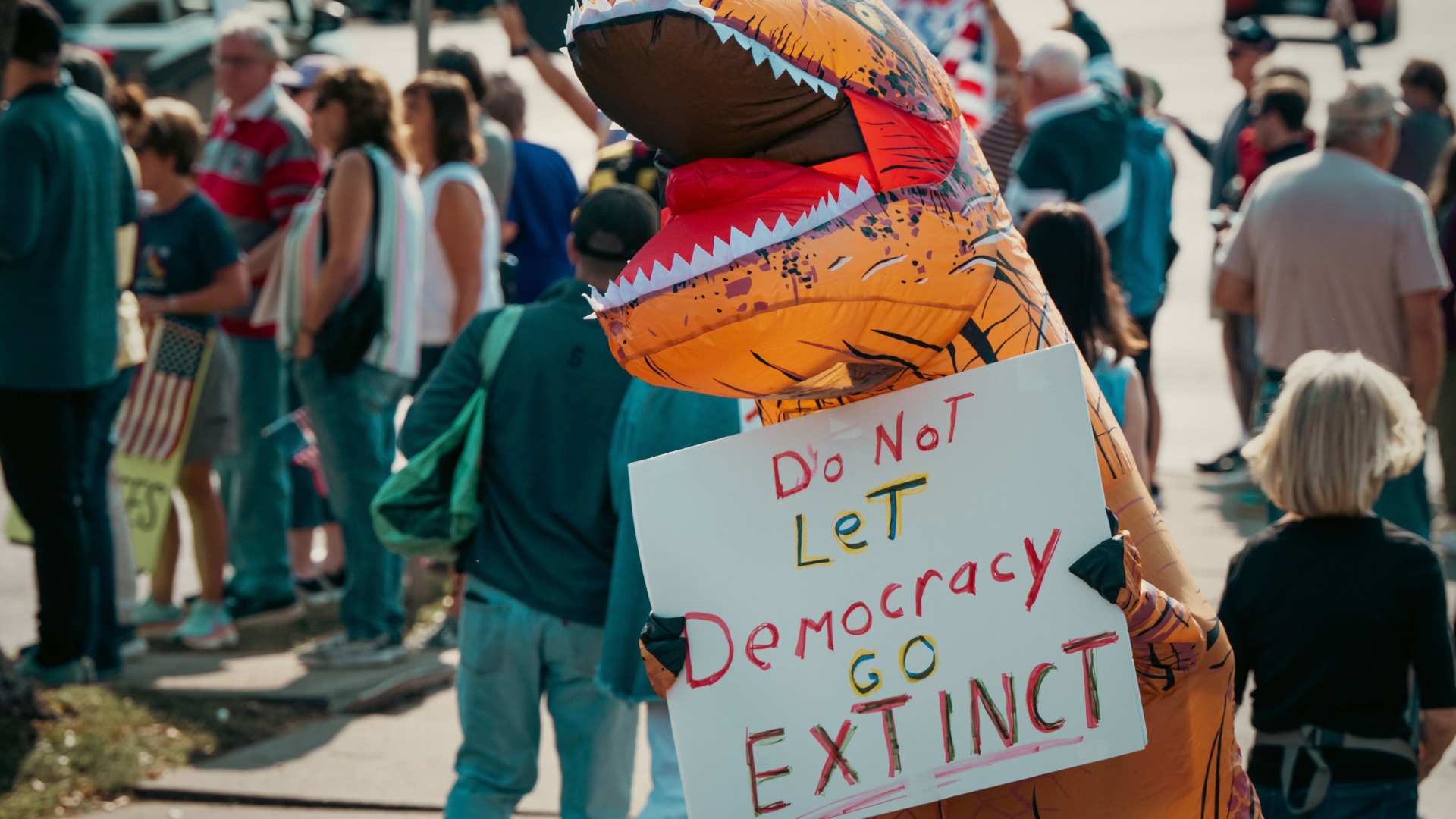
Democracy, which has historically proven most effective in meeting these criteria, cannot be taken for granted. In our AI era, citizens should press for more than multiparty elections and the protection of basic freedoms; that institutional core is not enough. We must carefully regulate and channel powerful technologies with the capacity to divide us from one another and short-circuit social and political participation. That means maintaining spaces in civil society where human contact and social friendship can flourish without the mediation of machines, beginning with the educational systems through which all citizens pass. It means fighting deepfakes and disinformation in the public sphere, so that citizens still operate in a world of facts and evidence and political representation has a strong basis.
Artificial intelligence (AI) is increasingly entering public life in Ghana, including through digital systems used for identification, verification and service delivery. The ethical question is therefore not simply what AI can do, but what happens to people when digital systems become gateways through which citizenship, mobility or access to services are recognised. In northern Ghana, especially in border communities, this is a concrete question. I was privilege to visit Pusiga community in November 2025 with a Jesuit friend of my mine who is originally from the community. Thus, the topic for this article resonates very well with me.
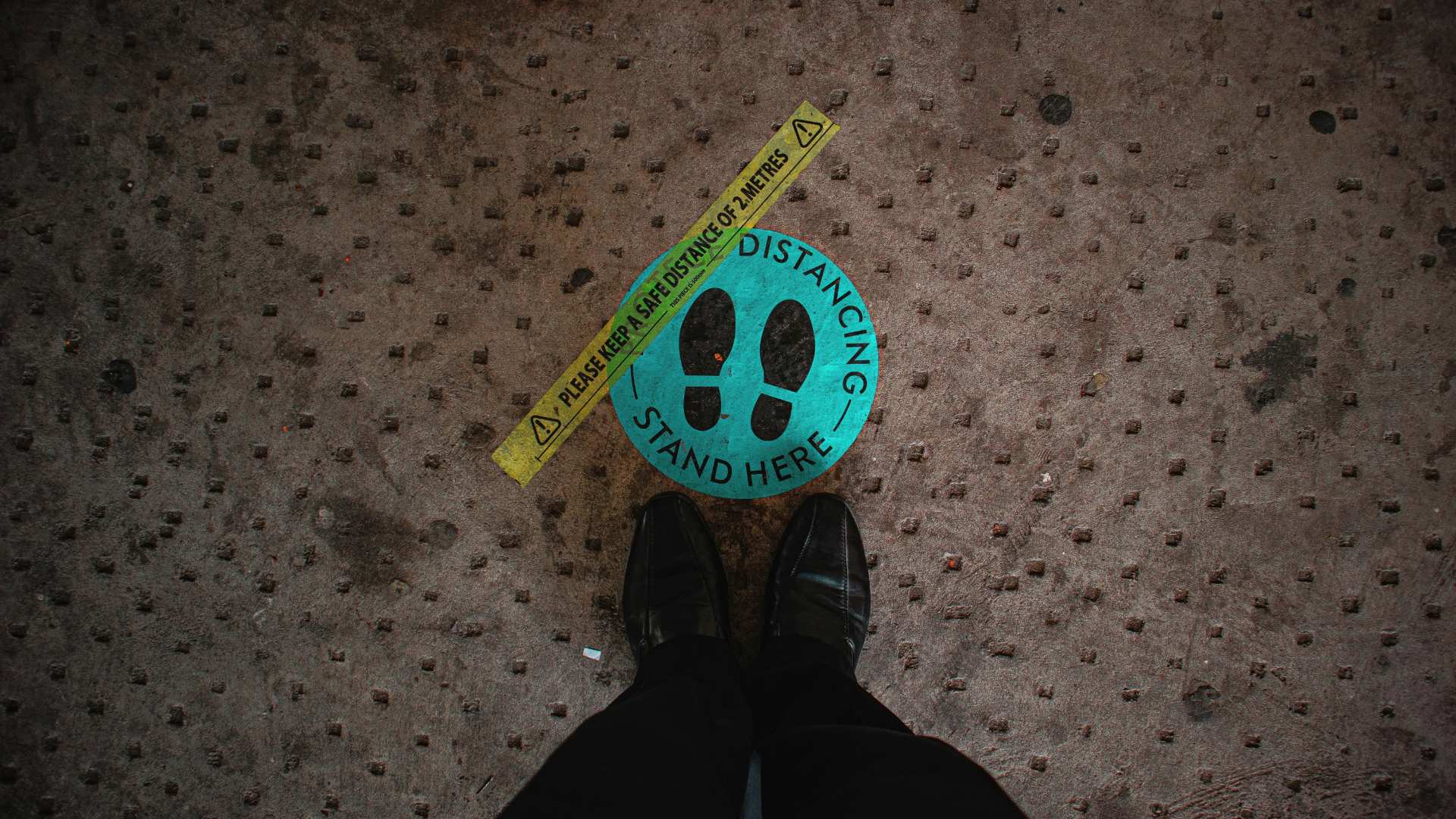
The article ‘Pandemic and Authoritarianism’, by Germán Rosa, SJ, was written in the midst of the COVID-19 crisis, but its insights extend beyond that context. The pandemic appears to reveal and accelerate political trends that were already present: the concentration of power, the weakening of democratic checks and balances, and the acceptance of extraordinary restrictions in the name of collective security. Rosa’s main concern is that fear may lead citizens to silently surrender their freedoms and rights, and that measures which were initially intended to be temporary become normalized and endure. Furthermore, in societies riven by inequality, control is never distributed neutrally: it falls most heavily on the impoverished, marginalized groups, migrants, dissidents and those who defend rights and territories.
In the affluent community where I live, I walk down the street wearing a t-shirt of the elite Jesuit institution I once attended. It’s as if I presumptuously assume that the t-shirt will alleviate the prospect of being seen by surveilling gazes. Yet, I am instantaneously reminded as car doors lock when I walk beside them, and as purses clutch when I pass by, that my body is rendered as a site of suspicion. I am reminded that my Blackness precedes my existence. I am reminded that my darkened body occludes the presumption of innocence. I am reminded that my dark skin has eviscerated my humanity and has turned me into an object of fear.

When Omar came upon the place in a neighborhood on the outskirts of town, he saw a white rosary hanging over the door and felt a sense of relief. He had been told it was a shelter run by nuns. He had been sleeping poorly for several days and walking in very difficult conditions. His feet were injured, his shoes were torn, and his clothes—which had been wet and had dried on his body over the past two weeks—were terrible. The smell was unbearable. His wife and two young children had been taken in three days earlier at another location, where they could regain their strength. He, being a man, was not allowed to stay in the same space; that was the safety policy they had explained to him.

Every political community arises, to some extent, from a promise of protection. But that promise cannot be understood in a narrow or reductionist way. Protection does not mean only defending against danger, containing threats, or neutralizing risks. It also means upholding the conditions that make a truly human life possible: belonging, recognition, education, work, health, participation, relationships, and rights. A society does not protect only when it prevents someone from being attacked; it also protects when it prevents someone from being abandoned, rendered invisible, or excluded from the community to which they belong.