Corporate Accountability and Supply Chains of Minerals: Lessons Learned from the ‘Conflict Minerals.’
Artificial intelligence is often presented as an immaterial technology, yet it rests on a very concrete infrastructure: devices, data centers, and networks whose manufacture requires minerals such as tin, gold, cobalt, lithium, and copper. For this reason, reading AI from the perspective of socio-environmental justice means looking toward the territories where its supply chains begin: communities marked by conflict, precarious economies, ecological damage, and violations of human rights.
From the perspective of human dignity—inalienable and unavoidable—the central question is not only whether a supply chain can be declared “responsible,” but who defines that responsibility, whom it benefits, and whose lives it continues to leave at the margins. An artificial intelligence oriented toward the common good cannot be built upon sacrificed territories, silenced communities, or bodies turned into the hidden cost of technological progress.
The article we are republishing today, written by Guillermo Otano, offers a decisive key for this reading. Drawing on the experience of ‘conflict minerals’, it is shown that traceability, due diligence and corporate regulation are essential tools, but they are insufficient if they do not guarantee the full, free and informed participation of stakeholders and if they do not effectively protect those living in the areas where extraction takes place. Three years after it was written, this warning is even more relevant: regulatory advances coexist with attempts at flexibilization driven by economic competitiveness, new geopolitical priorities, and the growing demand for strategic minerals; and these dimensions so often obscure or render invisible —even deny— the ethical and political frameworks that are fundamental for AI to be at the service of humanity. This article thus invites us to link digital ethics, socio-environmental justice, and the real participation of affected populations as a condition for any truly human innovation.

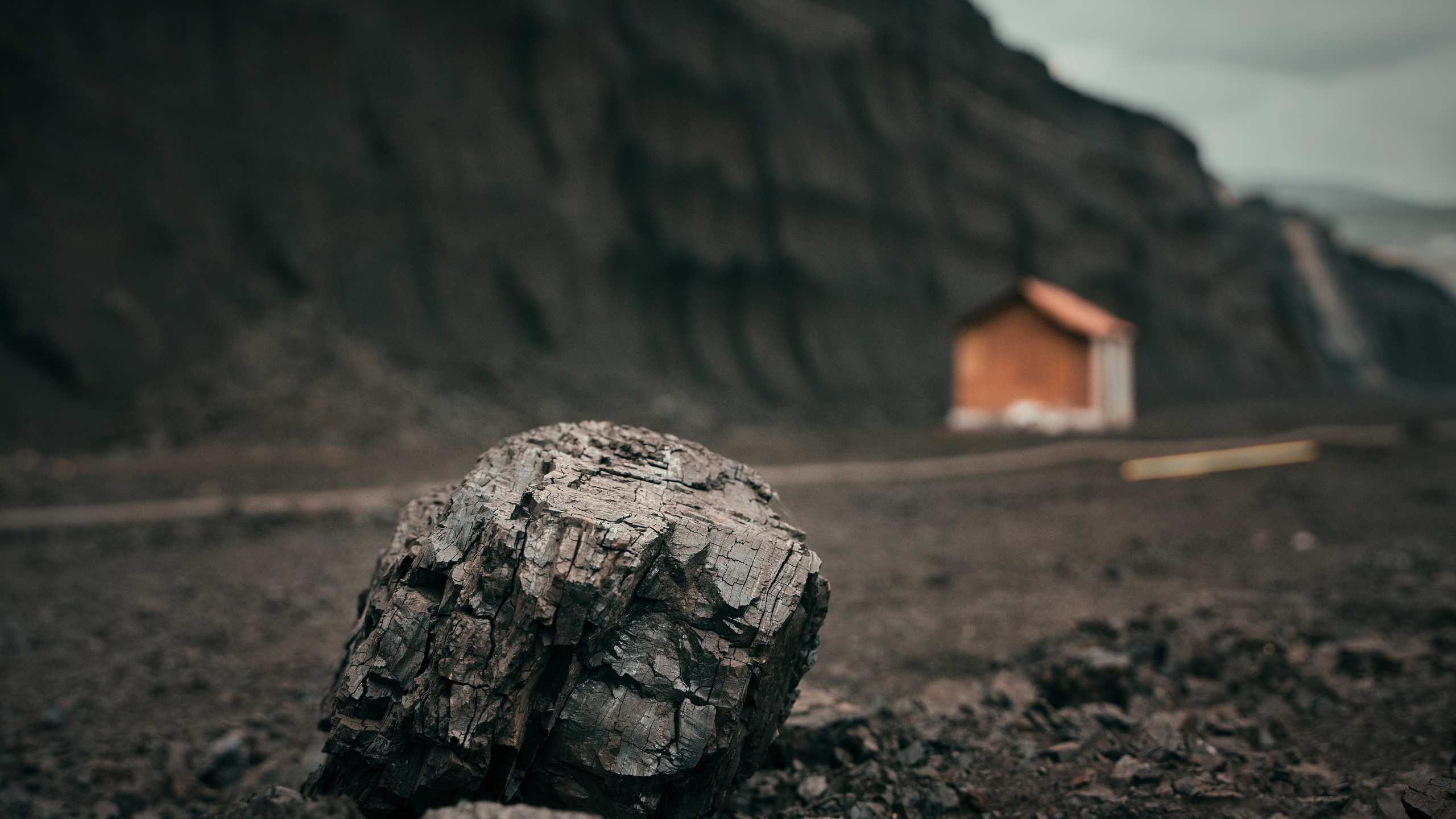
Image Credits: A critical minerals mine in the United States. | Photo: Steve Marcus/Reuters | Source: The Guardian | Published on June 20, 2026.
Introduction
Corporate Accountability in the supply chain of minerals is becoming increasingly important in today’s global economy. On the one hand, digitalisation has led to the widespread use of consumer electronics worldwide (e.g., mobile phones, laptops and tablets). These electronics require minerals such as tin, tantalum, tungsten and gold —the so-called 3TG minerals, also labelled by the United Nations in the early 2000s as ‘conflict minerals’ because of their link to financing organised crime or human rights violations in conflict zones or high-risk areas. On the other hand, the plans to decarbonise the economy through 2050 could increase the production of other minerals, such as graphite, lithium and cobalt, by nearly 500% to meet the growing demand for clean energy technologies, such as solar panels, windmills, electric batteries, etc. (World Bank, 2020). In this case, the emphasis given by international agencies is on the ‘strategic’ character of these minerals for energy transitions and not their conflictive nature.
This shift in emphasis, however, does not mean that the supply chains of ‘strategic minerals’ are risk-free. Recent research found that 51 out of 103 mining companies that have a majority market share in one of the six strategic minerals for clean energy transition allegedly abused human rights一indicating a significant disconnect between policy and practice and suggesting that abuse is widespread in the sector (Business & HHRR Resource Centre, 2020). Therefore, any company involved in a mineral supply chain一either in the ‘upstream’ or the ‘downstream’一should be aware of the risks in certain extraction contexts and appropriately manage them.
But what does this mean? As we face a new phase of extraction focused on the ‘strategic minerals’, are there any lessons to be learned from the campaign on ‘conflict minerals’ launched a decade ago? In this article, I will first present the origins and rationale of the Conflict-Free Technology Campaign launched by the Alboan Foundation in 2014; secondly, I will discuss the lessons learned from the experience.
The Origins of the Conflict-Free Technology Campaign
Alboan Foundation is a Jesuit international NGO founded in 1996 with headquarters in the Basque Country and Navarre, northern Spain. Its name is taken from the Basque language meaning ‘alongside’ or ‘together with’. Alboan Foundation works with many excluded communities and other local organisations from Latin America, Africa and India.
Due to several circumstances, the Conflict-Free Technology Campaign began in 2014. On the one hand, a first research project conducted during 2009-2011 showed that Alboan’s partner organisations in Guatemala, India and the Democratic Republic of Congo (henceforth, DRC) were affected by severe human rights abuses caused by environmental conflicts (Aleman Arrastio, 2012). One of the most controversial issues identified was the extractive activities’ social and environmental impacts, especially in the mining sector. This finding echoed the conversations that were then taking place at the Global Ignatian Advocacy Network, created in 2008, dedicated to the Governance of Natural and Mineral Resources (GIAN-GNMR). In fact, in 2015, the said network decided to rename itself as ‘Justice in Mining – A Jesuit Network’ to emphasise the focus on mining conflicts and the network’s commitment to fighting for justice in these contexts.
On the other hand, the ‘conflict minerals’ debate started in 2002 after the UN Panel of Experts on the Illegal Exploitation of Natural Resources in the DRC published a report. The report detailed the link between the exploitation of minerals and the conflict in eastern DRC and called for action to prevent the trade of these minerals from financing armed groups. In 2011, after much consultation, the Organization for the Economic Co-operation and Development (OECD) launched the OECD Due Diligence Guidelines for Responsible Supply Chains of Minerals from Conflict-Affected and High-Risk Areas (OECD, 2016). The ‘Guide,’ as it is known, established a five-step framework of due diligence as a basis for responsible supply chain management of minerals, including tin, tantalum, tungsten and gold, as well as all other minerals. The first attempt to translate these voluntary measures into binding obligations occurred in 2010. At that time, the Obama Administration introduced section 1502 in the Dodd-Frank Act, requiring US companies that use 3TG minerals to implement due diligence systems and check if these resources come from the DRC and nine adjoining countries.
Following that path, in 2014, the European Commission published its proposal to legislate the trade of minerals from conflict and high-risk areas (European Commission 2014). Almost immediately, Alboan joined the ‘conflict minerals coalition’ of European NGOs (henceforth, ‘the Coalition’), which was created to coordinate lobbying strategies in Brussels and other EU Member States. By then, Alboan’s campaigns team decided to launch a specific campaign on conflict minerals, integrating political advocacy to strengthen the EU regulation with consumer advocacy to raise awareness of consumer electronics’ social and environmental costs.
The Rationale of the Campaign
Inspired by the idea of ecological conversion and Pope Francis’ encyclical Laudato Si’, the Conflict-Free Technology Campaign was launched by the Alboan Foundation in 2014—the campaign aimed to promote individual, social and institutional changes (Otano, 2018). At the individual level, the campaign aimed to create capabilities among Alboan’s stakeholders (volunteers, teachers, educators, supporters and the public) to stop being passive consumers and instead become active citizens. First, we had to raise awareness about our individual and collective responsibilities towards the social and environmental impacts caused by the current consumption and production patterns of electronic goods. To do so, between 2014 and 2021, Alboan created educational materials on different topics (artisanal mining, mineral supply chains and electronic goods, social and environmental impacts, etc.); it conducted hundreds of training sessions; wrote op-eds in local and national media; launched a photo exhibition about the life of the Congolese artisanal miners and local communities; and published two reports with partner organisations, one about women and artisanal mining in eastern DRC, in collaboration with Synergie des Femmes pour les Victimes des Violences Sexuelles (Masika, 2017) and another one about gold mining and the local communities in Colombia, written by CINEP/PPP (Medina Bernal et al., 2019).
However, if efforts to raise public awareness are not matched by participation in concrete action, there is a risk of fostering a feeling of powerlessness (Otano, 2023). Alboan launched a signature collection to strengthen the Commission’s legislative proposal on conflict minerals to prevent this from happening. Despite its success—25,000 people signed—gathering individual signatures was not enough to change the irrationality of our consumption of electronic devices. To defy the “throw-away culture,” it was necessary to scale from the individual to the social level. That is how the campaign’s team launched an initiative called ‘Mobiles for the Earth’ to foster the reuse and recycling of old smartphones. Working in partnership with Recuintec, a company specialising in the treatment of e-waste, Alboan created a network of 200 collection points in collaboration with schools, youth centres, parishes, and small and medium-sized enterprises (SMEs) where anyone can deposit his old smartphones. For each phone collected, this company donates a small amount of money for development and humanitarian projects implemented by Alboan’s partners in eastern DRC and Colombia. The rationale of this initiative, however, is not fundraising but reducing the rate of e-waste in our communities and improving its management by working with others.
Last but not least, at the institutional level, the aim was to gain influence over political leaders and decision-makers at the national and regional levels in the EU. The goal was for them to pass a law strong enough to include human rights due diligence obligations for all companies involved in the supply chain. During the negotiations, participation in the Coalition was crucial. For example, the European Network for Central Africa played a key role in bringing to the table the views of the Congolese civil society organisations (EurAc, 2017) and attracting influential personalities to the cause, such as the Nobel-laureate and winner of the EU’s Sakharov Prize, Congolese gynaecologist Dr Denis Mukwege (EurAc, 2015). On the other hand, CIDSE Network, the international family of Catholic social justice organisations, succeeded in getting more than 145 bishops and religious leaders from over 38 countries and five continents to sign a joint statement asking for stronger regulation (CIDSE, 2015). Alboan also had the opportunity to bring the photo exhibition on artisanal mining in eastern DRC and some Congolese partners to the European Parliament in 2017 when the law was passed (OJEU, 2017). Furthermore, collaborating with other European NGOs, it organised an advocacy tour with CINEP/PPP and other Colombian organisations in 2019 to discuss its implementation and denounce the criminalisation of human rights defenders in Colombia (VVAA, 2019).
Lessons Learned
The EU law on conflict minerals did not satisfy all the Coalition’s demands1. In our view, the legislation adopted by the EU improved Sec.1502 of the US Dodd-Frank Act in some respects. Even though both laws focused on the supply chains of 3TG minerals, the US Dodd-Frank Act put too much emphasis on covered companies certifying their products as ‘conflict-free’ if they sourced minerals from DRC or its neighbouring countries. This created a perverse incentive to avoid sourcing in that region, particularly in the DRC. Consequently, according to some experts, its initial implementation negatively impacted many artisanal miners and their families who depended on mining for livelihoods (Vogel and Raeymaekers, 2016). The EU legislators took an alternative approach to avoid these unintended effects (Koch and Kinsbergen, 2018). Firstly, they opted for a global scope, covering within the law mineral imports of 3TG from any conflict zone or high-risk area worldwide. Secondly, they took a risk-based approach that, instead of focusing on ‘conflict-free’ certification, emphasised the individual responsibility of the company to conduct human rights due diligence aligned with the OECD Guidelines.
1 https://www.tecnologialibredeconflicto.org/ley-tecnologia-libre-de-conflicto/
On the other hand, the EU law was less ambitious regarding the number of companies covered, around 300–400 companies, primarily direct importers, smelters and refiners from different Member States, compared to the 6,000 companies covered in the US. This is because the EU Regulation on conflict minerals leaves the ‘downstream companies’ —the ones that import manufactured electronic goods— free to decide whether (or not) to follow the OECD’s Guidelines. This particular loophole encouraged Alboan’s team to launch an initiative on public procurement of electronic goods to incentivise due diligence practices in the electronics sector via market mechanisms. However, the impact of this initiative so far has been very limited2.
2 This is partly due to the absence of common criteria for the application of the EU Regulation on conflict minerals in terms of transparency and public procurement policies (see EurAc 2021). Hopefully, the ex-post assessment of the EU Regulation that will take place in the second half of 2023 will pave the road in this direction.
Now, regarding impacts on the ground. Since these legislative measures were passed, many traceability initiatives and industrial schemes have been put in place (in the DRC and globally) to manage the risks related to human rights abuses and environmental impacts in the early stages of the supply chains of different minerals. To name a few: the International Tin Supply Chain Initiative (ITSCI); the Conflict-Free Sourcing Initiative (CFSI) and the Responsible Minerals Assurance Process (RMAP) launched by the Responsible Minerals Initiative (RMI); or Better Mining created by RSC Global Group. As some researchers have noted, the corporate standards have been broadening the scope from the 3TG to cover other strategic minerals while the corporate narrative has been slowly moving from ‘conflict-free sourcing’ to the ‘responsible mining’ frame (Bikubanya et al., 2023). However, one of the most important remaining challenges for these initiatives to manage human rights and environmental risks is the involvement of local communities and stakeholders in the design and implementation of due diligence programs (ibid.).
Although the EU Regulation and its implementation are imperfect, it is a crucial step to prevent human rights abuses in the supply chains of 3TG minerals. The efforts with the Conflict-Free Technology Campaign were worth it. Not just because the law was passed but because of the lessons learned. The campaign provided the Coalition’s member organisations and partners from the Global South with first-hand knowledge about the OECD due diligence principles (essential to understanding corporate responsibility in mineral supply chains). In addition, members and partners also learned about the EU legislative process (which is crucial for civil society organisations to involve European citizens in the functioning of the EU institutions).
Of course, much work still needs to be done to fill the loopholes of corporate due diligence regulations and to foster local stakeholders’ participation in supply chain governance. But the Conflict-Free Technology Campaign experience also allowed us to start a new conversation with our partner organisations to understand better the different risks every kind of mining (e.g., artisanal vs industrial mining) may entail. Other pending challenges go beyond the current discussions on corporate due diligence regulations, such as adequate protection of human rights and environmental defenders, the effective recognition of indigenous rights, and access to justice for people affected by the activities of transnational corporations. This is why since 2017, we have been following up on the current negotiations of the United Nations Binding Treaty on Business and Human Rights.
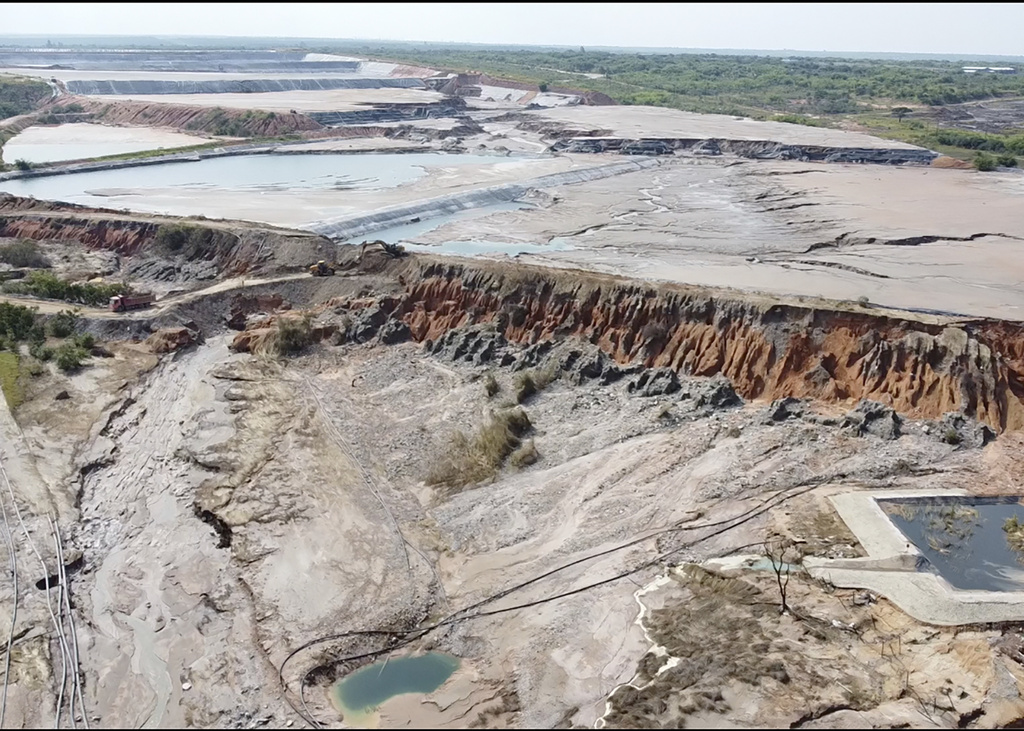
Image Credits: A breach at a tailings dam at the Sino-Metals Leach Zambia mine near Kitwe. | Photo: Richard Kille/AP Photo (File) | Source: Mongabay News | Published on June 29, 2026.
References:
- Aleman Arrastio, A. (2012). ¿Tiene dueño la naturaleza? Tres experiencias de acción social y recursos naturales. Bilbao: ALBOAN.
- Bikubanya, D.-L., Arian, H., Geenen, S., & Katz-Lavigne, S. (2023). Due diligence in mineral supply chains from the Democratic Republic of Congo. E-International Relations. Retrieved from https://www.e-ir.info/2023/01/26/due-diligence-in-mineral-supply-chains-from-the-democratic-republic-of-congo/
- Business & Human Rights Resource Centre. (2021). Transition Minerals Tracker. Global Analysis of Human Rights Policies and Practices. Retrieved from: https://media.business-humanrights.org/media/documents/2021_Transition_Minerals_Tracker_Monday_w_numbers_updated.pdf
- CIDSE. 2015. ‘We need supply chain due diligence to stop complicity in funding conflicts’ – Catholic leaders’ statement. Retrieved from: https://www.cidse.org/2015/04/30/catholic-leaders-statement-on-conflict-minerals/
- European Network for Central Africa (EurAc). (2015). Conflict minerals in the DRC: Dr. Mukwege and a group of 34 NGOs call on the European Parliament to make a difference! Retrieved from https://www.eurac-network.org/sites/default/files/conflict_minerals_in_the_drc._dr._mukwege_ngos_call_on_the_ep_to_make_a_difference_-_may_2015.pdf
- ———. (2017). Accompanying Measures to the EU Regulation on the Responsible Sourcing of Minerals. Towards a strengthening of the governance of the artisanal mining sector in the DRC. Retrieved from https://www.eurac-network.org/en/press-releases/new-report-accompanying-measures-eu-regulation-responsible-mineral-sourcing-towards
- ———. & Pax for Peace. (2021). The EU Conflict Minerals Regulation. Implementation at the EU Member State level. Retrieved from https://www.eurac-network.org/en/review-paper-eu-conflict-minerals-regulation-implementation-eu-member-states-level
- European Commission. (2014). Joint communication to the European Parliament and the Council. Responsible sourcing of minerals originating in conflict-affected and high-risk areas. European Commission. Retrieved from https://eur-lex.europa.eu/LexUriServ/LexUriServ.do?uri=JOIN:2014:0008:FIN:En:PDF
- Koch, D.-J., & Kinsbergen, S. (2018). Exaggerating unintended effects? Competing narratives on the impact of conflict minerals regulation. Resources Policy, 57, 255–263.
- Masika, J. (2017). Women and Artisanal Mining. Bilbao: Alboan.
- Medina Bernal, J. L., Cuenca Castelblanco, T., Serrano Pérez, C., & Carrillo González, L. (2019). Gold Mining and local communities in Southern Córdoba in Colombia, the case of El Alacrán mine. Bilbao: Alboan.
- Official Journal of the European Union (OJEU). (2017). Regulation 2017/821 of the European Parliament and of the Council of 17 May 2017 laying down supply chain due diligence obligations for Union importers of tin, tantalum and tungsten, their ores, and gold originating from conflict-affected and high-risk areas. Retrieved from http://eur-lex.europa.eu/legal-content/EN/TXT/HTML/?uri=OJ:L:2017:130:FULL&from=EN
- Organisation for Economic Cooperation and Development (OECD). (2016). OECD Due Diligence Guidance for Responsible Supply Chains of Minerals from Conflict-Affected and High Risk Areas: Third Edition. Paris: OECD Publishing.
- Otano Jiménez, G. (2018). Social Justice as Environmental Justice: An interpretation of the Social Teaching of the Church from the practice. Revista de Fomento Social, 73(2).
- 一一一. (2023). Agency, Power and Ecological Conversion: The Case of Conflict-Free Technology Campaign. In C. Sedmak & S. Deneulin (Eds.), Integral Human Development: Catholic Social Teaching and Capability Approach. Notre Dame, IN: Notre Dame University Press.
- Vogel, Christoph and Raeymaekers, Timothy. (2016). Terr(it)or(ies) of Peace? The Congolese Mining Frontier and the Fight Against “Conflict Minerals”. Antipode. Pp.1102-1121.
- VV.AA. (2019). Gold Mining, Human Rights and Due Diligence in Colombia: Views from Civil Society on the Implementation of the EU Regulation on the Responsible Sourcing of Conflict Minerals and Policy Recommendations. Retrieved from https://www.germanwatch.org/sites/default/files/Gold%20Mining%2C%20Human%20Rights%20and%20Due%20Diligence%20in%20Colombia.pdf
- World Bank. (2020). Minerals for Climate Action: “The Mineral Intensity of the Clean Energy Transition.” Retrieved from https://pubdocs.worldbank.org/en/961711588875536384/Minerals-for-Climate-Action-The-Mineral-Intensity-of-the-Clean-Energy-Transition.pdf
Original in English
Author

Guillermo Otano Jiménez (Pamplona, 1982) holds a PhD in Sociology from the Public University of Navarre and is a member of the public advocacy team at ALBOAN, the Society of Jesus’ international cooperation NGO. Between 2019 and 2026, he was the coordinator of the Global Ignatian Advocacy Network’s Justice in Mining initiative. His work focuses on the defense of human rights, socio-environmental justice, corporate responsibility and sustainable human development. In addition to his work at ALBOAN, he is the author of various publications and research papers on human development, the sociology of religion, human capabilities and the governance of natural resources.
Cover Image Credits: Cobalt miners in the Democratic Republic of the Congo. | Photo: Afrewatch 2020 (CC BY-NC-ND 2.0) | Source: Mongabay News | Published on February 12, 2026.
Related Posts:
The article ‘Pandemic and Authoritarianism’, by Germán Rosa, SJ, was written in the midst of the COVID-19 crisis, but its insights extend beyond that context. The pandemic appears to reveal and accelerate political trends that were already present: the concentration of power, the weakening of democratic checks and balances, and the acceptance of extraordinary restrictions in the name of collective security. Rosa’s main concern is that fear may lead citizens to silently surrender their freedoms and rights, and that measures which were initially intended to be temporary become normalized and endure. Furthermore, in societies riven by inequality, control is never distributed neutrally: it falls most heavily on the impoverished, marginalized groups, migrants, dissidents and those who defend rights and territories.
In the affluent community where I live, I walk down the street wearing a t-shirt of the elite Jesuit institution I once attended. It’s as if I presumptuously assume that the t-shirt will alleviate the prospect of being seen by surveilling gazes. Yet, I am instantaneously reminded as car doors lock when I walk beside them, and as purses clutch when I pass by, that my body is rendered as a site of suspicion. I am reminded that my Blackness precedes my existence. I am reminded that my darkened body occludes the presumption of innocence. I am reminded that my dark skin has eviscerated my humanity and has turned me into an object of fear.

When Omar came upon the place in a neighborhood on the outskirts of town, he saw a white rosary hanging over the door and felt a sense of relief. He had been told it was a shelter run by nuns. He had been sleeping poorly for several days and walking in very difficult conditions. His feet were injured, his shoes were torn, and his clothes—which had been wet and had dried on his body over the past two weeks—were terrible. The smell was unbearable. His wife and two young children had been taken in three days earlier at another location, where they could regain their strength. He, being a man, was not allowed to stay in the same space; that was the safety policy they had explained to him.

Every political community arises, to some extent, from a promise of protection. But that promise cannot be understood in a narrow or reductionist way. Protection does not mean only defending against danger, containing threats, or neutralizing risks. It also means upholding the conditions that make a truly human life possible: belonging, recognition, education, work, health, participation, relationships, and rights. A society does not protect only when it prevents someone from being attacked; it also protects when it prevents someone from being abandoned, rendered invisible, or excluded from the community to which they belong.
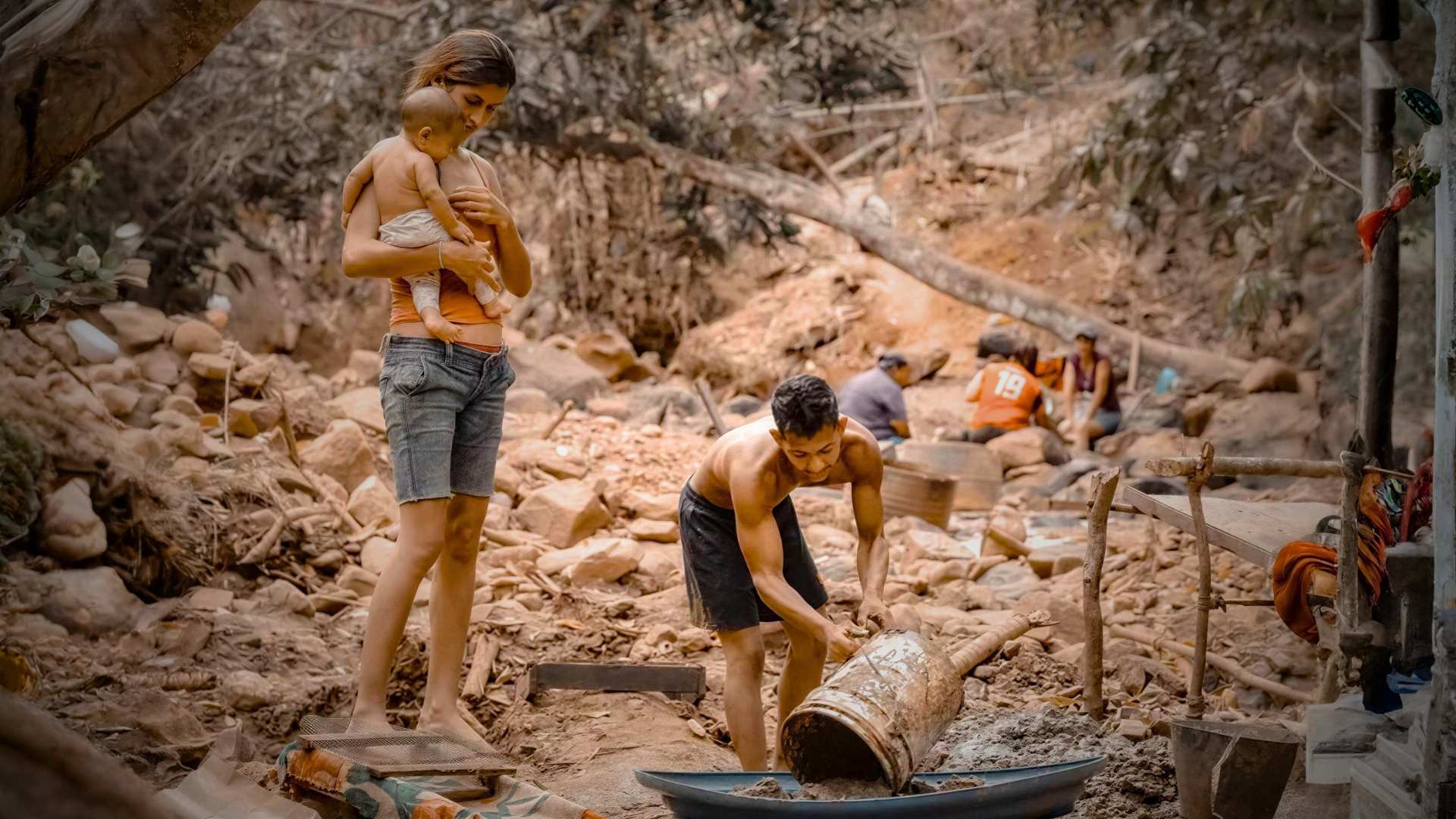
Artificial intelligence makes Matthew Carnes’s proposal to move towards an economy of solidarity and reconciliation, grounded in the dignity of every person and the common good, especially urgent. Faced with a technological transformation that renders precarious work invisible, perpetuates discrimination, and threatens to concentrate the benefits of increased productivity, the text invites us to ask not only how much value innovation creates, but who shares in that value, who is excluded, and what conditions enable human flourishing. Lifelong learning, social protection, and the participation of those displaced by these changes emerge as essential conditions if artificial intelligence is to serve decent work rather than an economy without workers.
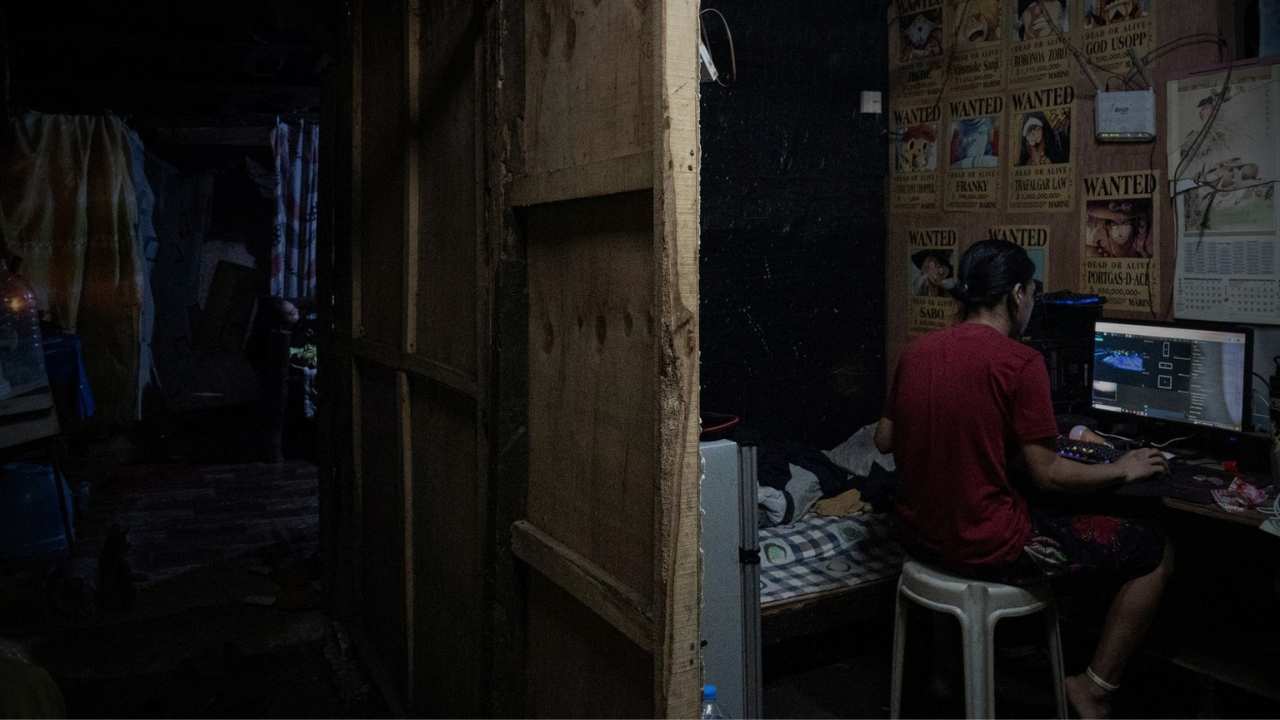
Artificial intelligence (AI) is transforming the world of work on several fronts simultaneously. It alters the conditions of those who work to make it possible, often in invisible and precarious jobs; it changes hiring, organizational, and career advancement processes, where automated decisions can reproduce historical inequalities under the guise of neutrality; it heralds a new labor paradigm in which part of the economic value may grow without a proportional increase in human labor; and it transforms the way we educate professionals who will have to coexist with it, altering both teaching methods and the competencies required of graduates.