
An interview with Roberto Jaramillo SJ, Secretary of SJES
Abstract
The Jesuitenweltweit (magazine of the Central Europe Jesuit Province) recently interviewed Fr. Roberto Jaramillo about the 32nd General Congregation (GC 32), its impact since Vatican II, and its importance to 21st-century global issues. The conversation also covers Jaramillo’s experiences and insights from living among the Amazonian Indigenous Peoples and how GC 32’s legacy influences his current role as the SJ Secretary for Social Justice and Ecology.
Q: In 1975, the 32nd General Congregation issued a bold and radical call: "Service of faith and promotion of justice." Why was this mission statement so innovative at the time, and what caused the deep tensions within the Society of Jesus?
A: The Second Vatican Council renewed the formulation of Christian faith, adapted Church practices to suit an increasingly secular society, and refocused the Catholic Church’s mission. It achieved this by making the mission central to the Church's experience, rather than emphasizing institutional structures in its discussions and teachings. Its truly "innovative" feature was the renewed focus on and return to the source: the Gospel, the Good News to be shared universally.
The Society of Jesus underwent a similar transformation. During the 32nd General Congregation, it clearly expressed its goal to see, imagine, and promote the apostolic body as mission-driven rather than structure-driven. This change has never been easy and remains an ongoing challenge. The momentum of any institution tends to reproduce what has supported its existence (and the older it is, the more weight it carries). Nevertheless, the only reason for the ongoing existence of the Society of Jesus and the Church is Christ’s mission: “To proclaim the good news to the poor…to proclaim liberty to captives, and recovery of sight to the blind, to set free those who are oppressed, and to proclaim the year of the Lord’s favor” (Lk. 4, 18-19).
When faith—and therefore the meaning of religious life—is understood and experienced as ‘praxis,’ it signifies a way of living that goes beyond simply stating principles (which still hold importance). Then, justice is seen as integral to confession (witnessing) and should be affirmed in all our relationships. Because of this, and despite the ongoing challenges we face, linking the “service of faith and promotion of justice” and proposing it as the Society of Jesus’ mission is the most significant legacy that GC32, guided by the Holy Spirit, has left us.
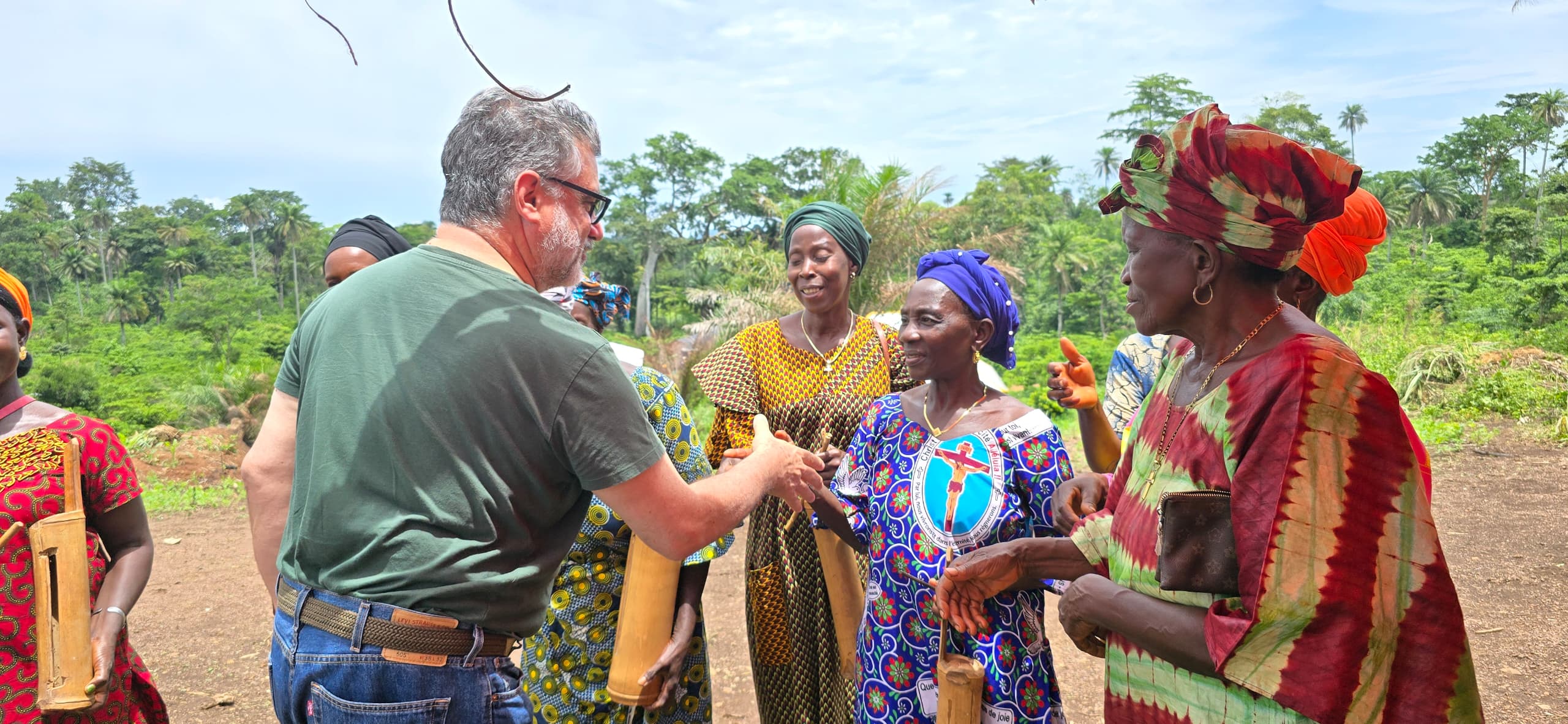
Q: The historical context was intense, marked by military dictatorships, oppression, and the rise of liberation theology. Who felt threatened by this new dedication to justice, and how was it pursued despite strong opposition?
A: Contextual conditions shape how people understand and interpret both immediate and mediated reality. You mentioned “military dictatorships” and struggles related to the rise of “liberation theology”; these happened not only in Latin America but also in Africa, the Asia-Pacific region, Central and Eastern Europe, and other regions. However, we must also acknowledge that during that time, so-called "first world" countries were also advancing in promoting and normalizing another form of a “more subtle dictatorship”: neoliberal capitalism. This has resulted in today’s dominance of international finance capital over trade, technology, cultural aesthetics, and politics.
I believe the resistance you mentioned—by those “who felt threatened”—has existed and continues to exist both inside and outside the Society of Jesus and the Church. When the stakes involve the lives of the most vulnerable and their unmet basic needs, such as health, food, education, and housing, the Christian faith is especially demonstrated and put into action in support of the impoverished. For “Whatever you did for one of the least of my brothers and sisters, you did for me” (Mt. 25:40). Centuries-old structures—whether ideological, political, or religious—shake and break, revealing serious limitations; these structures need to be changed! This change is painful and disruptive. Sixty years after Vatican II and fifty years after GC32, we are still on the same path.
Subsequent General Congregations have reaffirmed the direction outlined by GC32. They have expanded its insights and mission, which is a mission "of reconciliation and justice" (as defined by GC36). From Paul VI to Pope Francis, the Church Magisterium has affirmed the inspiring texts of the Society and has increasingly embraced what GC32 proclaimed shortly after Vatican II: There is no true faith without justice. The discernment and guidance of our General Superiors, from Fr. Arrupe to Fr. Sosa, have been essential in this regard, offering a consistent call to faithfulness and conversion.
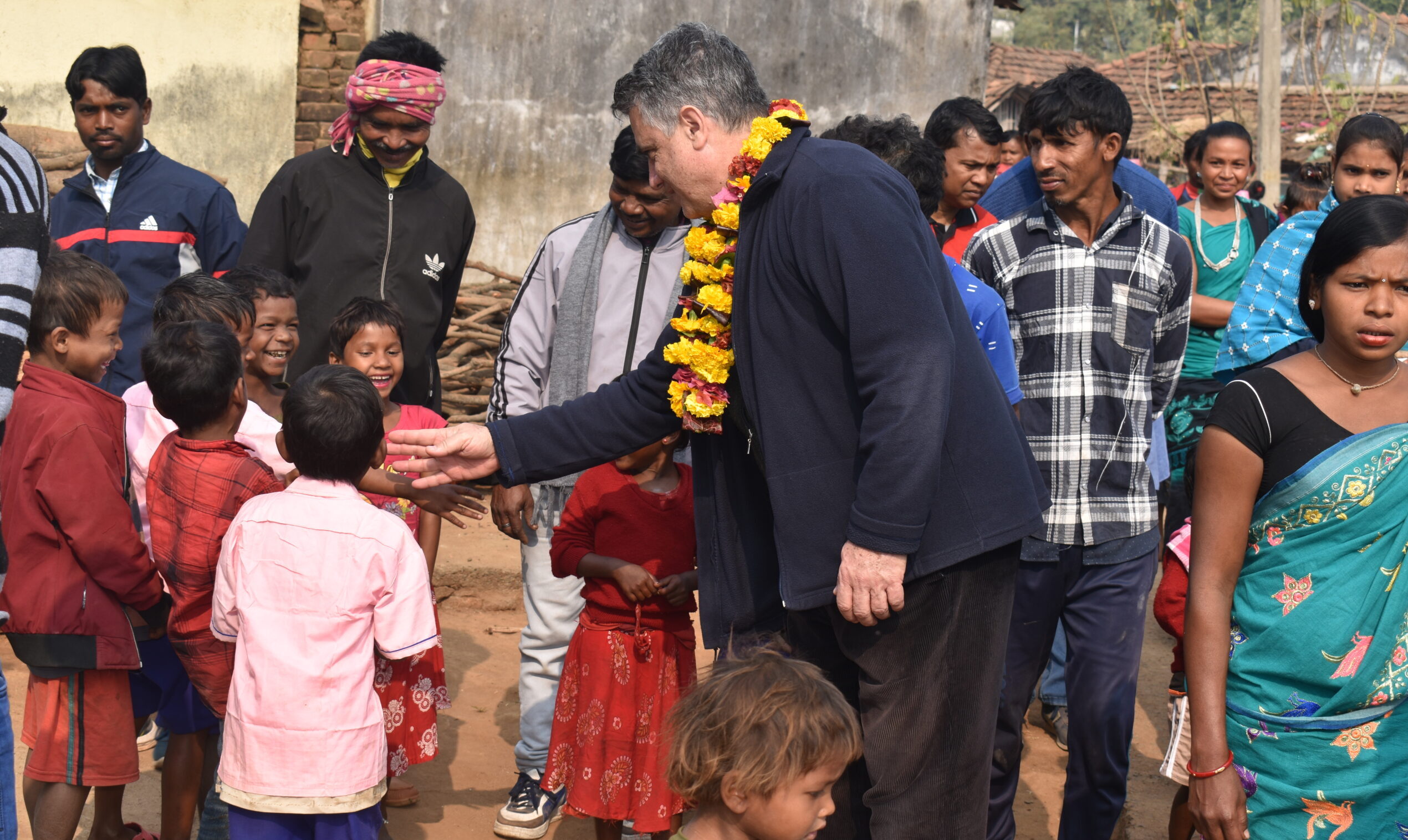
Q:You have spent many years living and working with Indigenous communities in the Amazon. How has that experience influenced your understanding of justice, the Church, and the world?
A: Let me share what I have learned from living with Indigenous Peoples. I mainly worked with urban Indigenous communities in Manaus and several villages in the interior regions. Toward the end of my time in Brazil, I spent three years working on an officially recognized Indigenous reservation on the border with Guyana (Bonfim, Roraima).
Indigenous Peoples are the "least among the last," the most excluded and oppressed among the world's poor, especially when they live in urban areas. In this way, they have given me a rare opportunity to experience and understand the human place most loved by God, where language, race, and culture do not matter.
Still, my desire to work with them is also driven by my anthropological training and a deep interest in human questions. It’s important to recognize that Indigenous Peoples are not perfect, and that idolizing or venerating their cultures just because they are Indigenous is another way of “reducing them” and re-victimizing them.
Beyond friendship, they have given me two vital gifts in life. First, I have been able to support and stand by them (to some degree) in their efforts to survive and defend their languages, political groups, traditions, territories, food, families, and ethnic identity. An Indigenous person can lose everything except pride in being Indigenous. That is why their political fight continues, even amid hardship.
The second gift I received from them pertains to the sacredness of the secular (the mundane), which might seem contradictory. No action or moment in the life of an Indigenous person or community is free from the sacred or the spiritual. I am not suggesting this is about any specific religion, much less the Catholic Church. Instead, it is about a spiritual sense that naturally exists in their lives, without the need for explicit religious or church rituals. This sacredness fosters right relationships with oneself, with others, with creation, and with The Creator.
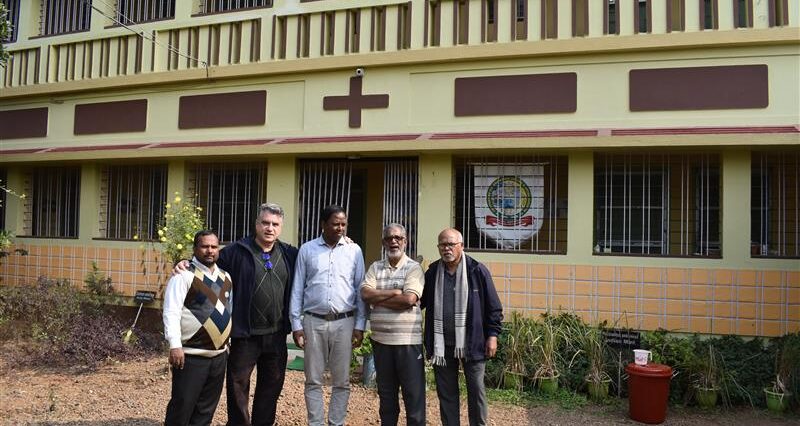
Q:Today, we face another critical moment, driven by climate change, authoritarian politics, and social division. What must the Church–– that promotes faith and justice—learn or reconsider in response to these crises?
A: The actual needs of individuals and communities determine the expected (human and categorical) liberation and, consequently, the salvation offered (in tangible terms). God (He Who Is) truly has an unlimited supply (superabundance) of salvation for us. However, it is ultimately what we need to be “saved from” that influences and prepares us to accept and experience the divine gift in faith.
Today, more than ever, we must protect ourselves from lies and manipulation in communication, violence, division, hatred, and all pseudo-cultural or religious political discourses that promote these issues. We also need to be rescued from the hoarding of common resources by a few, which leads to the degradation of vital resources meant for everyone. Truth and transparency (moral), understanding and comprehension (ethical), and practical organization that promotes equity regardless of race, gender, preferences, or nationality (political) are essential elements of the witness that communities of faith of all beliefs and denominations are called to provide today.
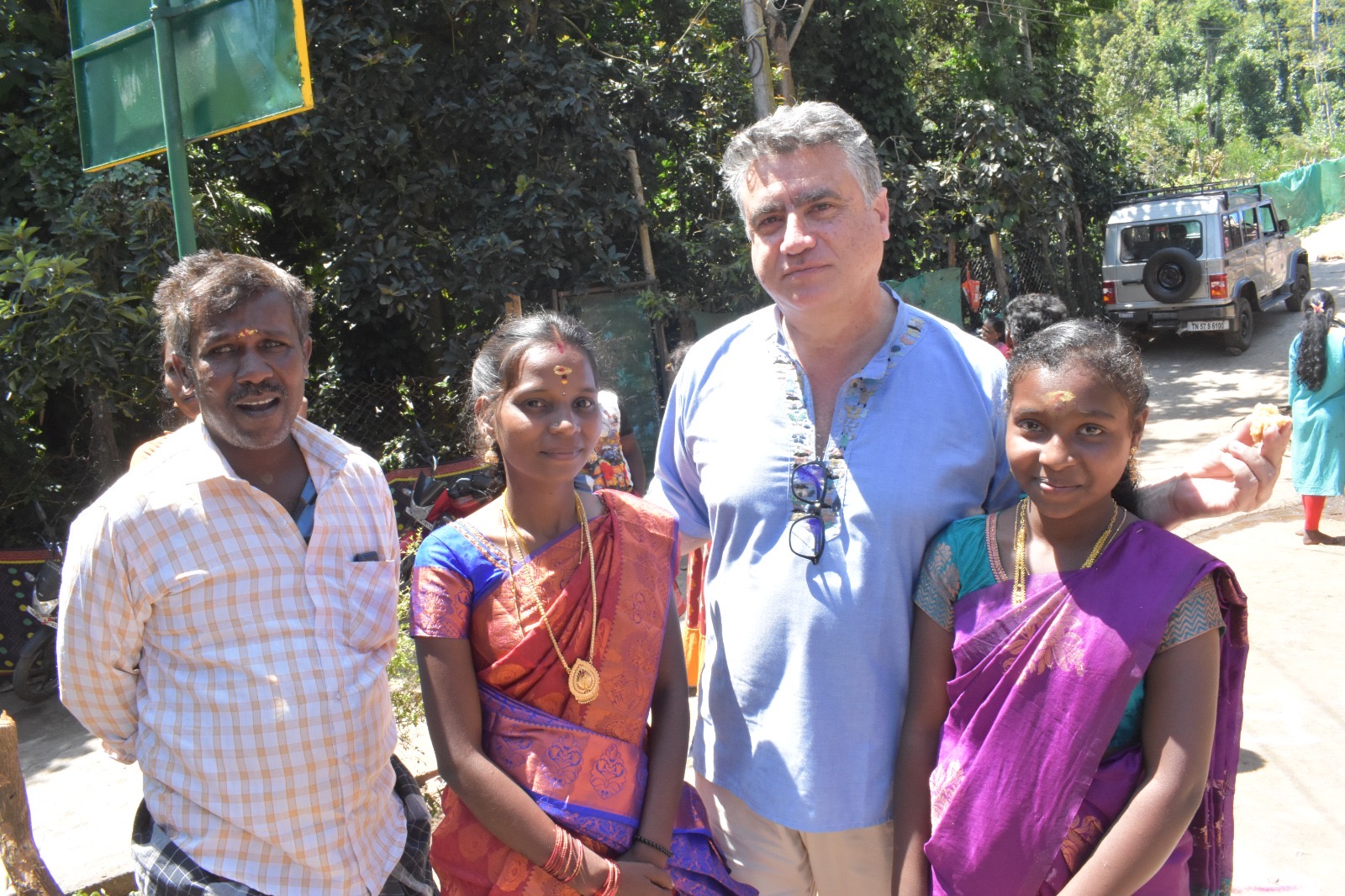
Q: In your current role as head of the Secretariat for Social Justice and Ecology, where do you see the spirit of the 1975 mission still alive today, and where do you see it under threat?
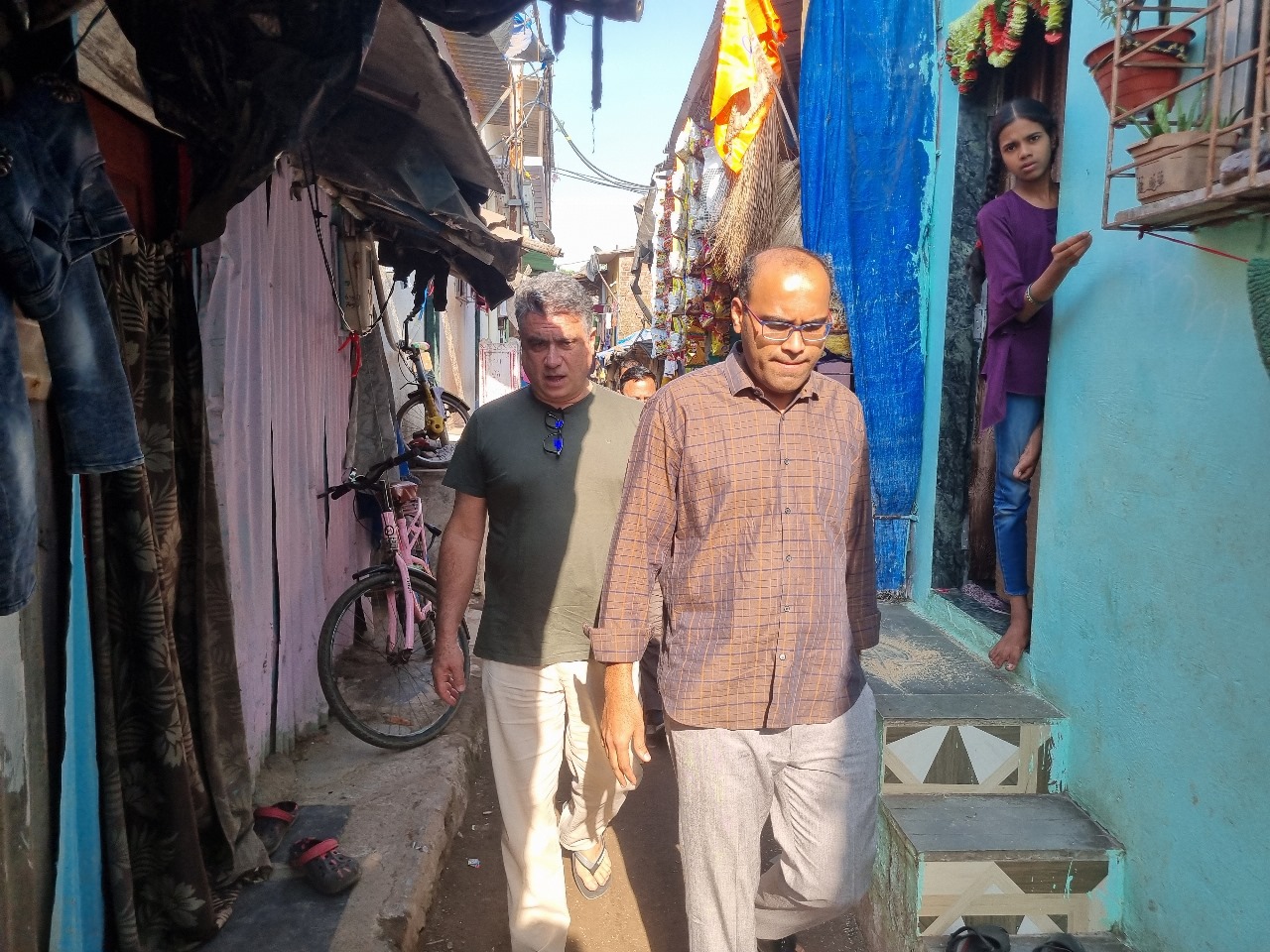
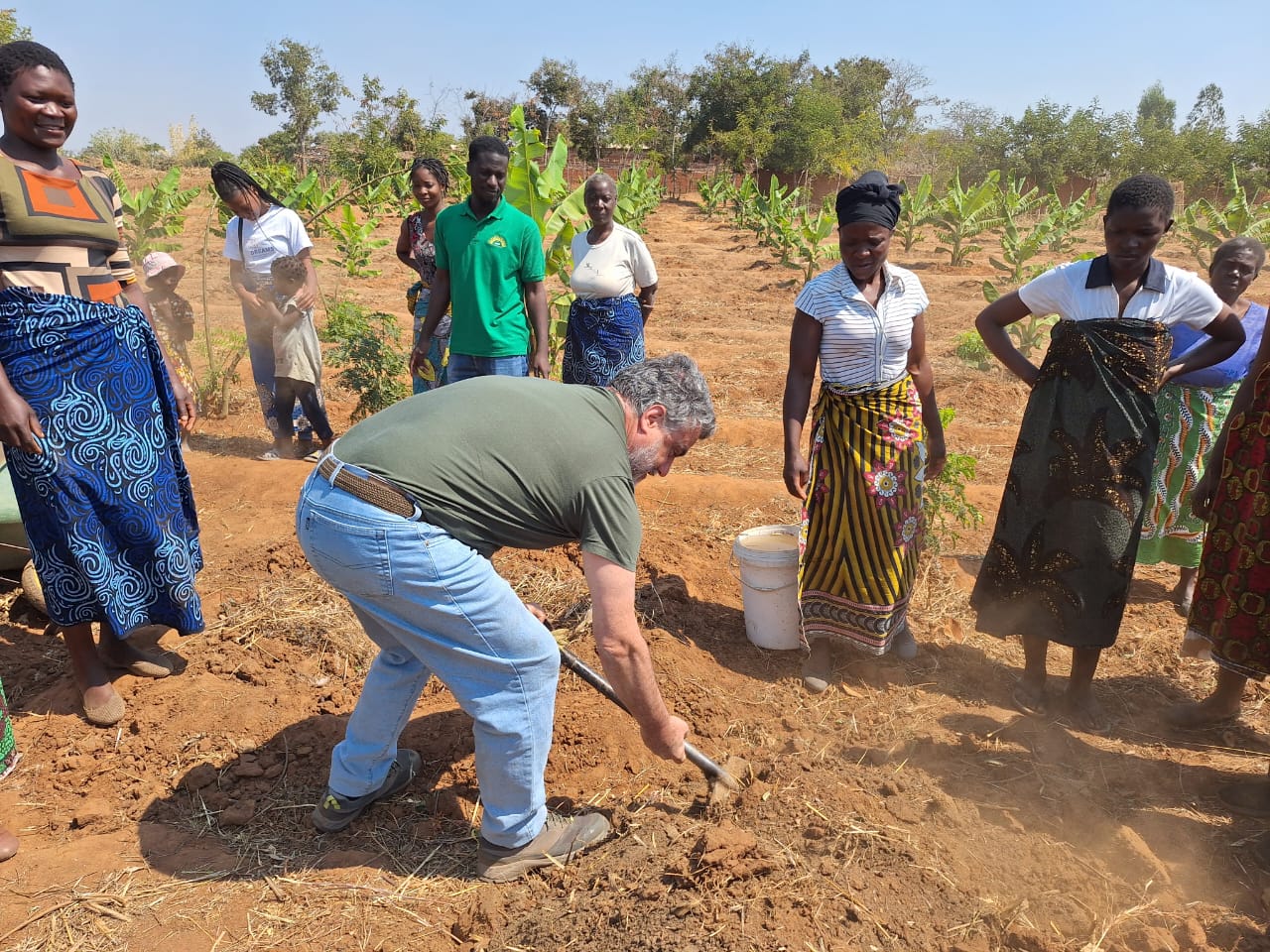
A: I usually spend half my time visiting projects in different provinces. It's a key part of my work and a valuable way to learn. Visiting regions in Africa, South Asia, and the Asia-Pacific has been a privilege and a divine gift. In these places, I have seen the spirit of GC32 and its ongoing progress, including interfaith and intercultural dialogue, as well as a deeper and richer understanding of justice. This has helped us see that justice and reconciliation are closely linked in their most authentic forms.
The commitment to educate the poorest in Latin America (through Fe y Alegría) and in the Asia-Pacific region (through the Kanisius Foundation), as well as the movement to provide education to Indigenous Peoples and Dalits in India (through Sankalp), are clear examples of promoting justice—lifting humanity and opening opportunities for the most vulnerable, regardless of race, culture, religion, or other factors. The efforts of many social centers to keep reflection and action closely connected, without losing sight of the scandalous—and often painful—realities faced by unfairly treated, forcibly displaced migrants, victims of war, and those without land, work, education, or health services, show how we were transformed by the 32nd General Congregation and its subsequent developments. Among my Jesuit and lay colleagues, who often experience absolute poverty and deprivation, I see genuine joy, fervor in service, freedom, and creativity in overcoming obstacles. All these are clear signs that the Spirit of the Risen One is at work among us. I could mention many other examples that respond to Pope Francis' call to “fan the flame of hope given to us.”
I try to stay realistic by being mindful of at least three things. First, the lure of comfort—an institutional standard of living that makes us less aware of the needs of the poor. Second, apostolic timidity—a habit that limits our religious consecration to just a role. Third, the tendency of personal and institutional commitments to favor established powers—the lure of wealth and superficial fame. These hinder us, distort our dreams, and ultimately warp our vocation.
Q: Ahead of COP30, Catholic networks worldwide are mobilizing for climate justice. Can the Church influence political decisions, or does its primary impact lie in raising awareness and promoting spiritual change? If so, could you share some examples?
A: Primarily, I believe what we all need is a profound conversion that helps us recognize that we are part of the universe, interconnected with all of creation in a way that is so deep that we cannot fully comprehend it. For example, human life on Earth depends on the survival and work of bees!
I remember Pope Francis mentioning in an early interview during his pontificate that he used to see anything related to ecology or climate change as purely ideological, separate from his faith. He said his perspective changed later, after he became Pope.
The most meaningful service we, as a church, can offer to the Creator and His creatures is to undergo a profound transformation in both our words and actions. After all, we make up nearly one-fifth of humanity. If one in five people changes their behavior, it can make a significant impact and exert substantial political influence. That is where to begin.
However, it is not just about numbers. The Church's main mission is to reveal and share God's love. We are in the world not to increase the number of Catholics but to make this diverse world more compassionate toward all living beings. We are like yeast in dough — it is not about quantity but quality.
As one of the oldest institutions in human history, with wisdom gained from both successes and mistakes, the Church recognizes the importance of other traditions and has a duty to collaborate in creating more just and dignified conditions, so that the integrity of creation is acknowledged, valued, and respected. "Where there are capabilities and opportunities, there is also responsibility," said Fr. Arrupe. Therefore, despite its faults and sins, the Catholic Church must strive to stay humble and seek daily conversion. The knowledge and authority it possesses should serve all of humanity, especially in this "dark" time we are living in.
Every person, whether in their family, community, or workplace—whether in the city or countryside—regardless of age or occupation—whether in academia, business, commerce, applied research, agriculture, health sciences, technology, transportation, pastoral ministry, domestic service, public service, or other fields—must be a missionary working to establish just relationships with oneself, others, all creatures, and the Creator. This is all made possible through a profound interior conversion and authentic spirituality that helps us see ourselves not as masters but as brothers: Fratelli Tutti.
Q: Fifty years after the 32nd General Congregation, what vision guides you today, and what bold steps must the Church take to credibly uphold justice in the future?
A: I believe there are three essential conditions for us to be credible. The first is establishing a warm, genuine, and effective connection with the poor in their various realities. Nothing about migrants without migrants. Nothing about Indigenous People without Indigenous People. Nothing about women without women. Nothing about young people without young people. Nothing about victims without victims! We must be with them, among them, and, if necessary, like them. This is a collective challenge that the wider Church needs to embrace.
Second, service to the poor must possess a specific quality and depth. It should be as passionate as, if not more passionate than, the efforts we dedicate to influential individuals in institutions like universities, colleges, and schools, or more traditional pastoral work. The changes we aim to implement require our utmost effort and dedication. They also call for Jesuits and laypeople who are highly prepared, both professionally and spiritually, to "give reason for our hope," as St. Paul urges us, with clear words and actions.
Third, our choice to dedicate our lives to reconciliation and justice must be driven by a deep personal experience of Jesus Christ, whom we seek to know, love, and follow. Otherwise, everything becomes superficial and ineffective. The only one who saves is the Savior himself, Jesus Christ; we are simply his companions and followers.
 Roberto Jaramillo SJ