Water and Sanitation: a Global Challenge for Human Dignity and Social Justice
Water, no matter the place or circumstance, is a vital natural resource for any community. Access to water is inextricably linked to access to sanitation and hygiene, which are also essential for both human viability and dignity.
At a time when crises are multiplying as much as they are intensifying — climatic, social, health, etc. — access to water, sanitation and hygiene (WASH — Water, Sanitation and Hygiene) is compromised, or not guaranteed, in many countries around the world, even though it is a fundamental human right according to the Office of the United Nations High Commissioner for Human Rights (OHCHR).Therefore, it is considered a central pillar of intervention in humanitarian and international development, including a major contribution from Faith-Based Organisations (FBOs).
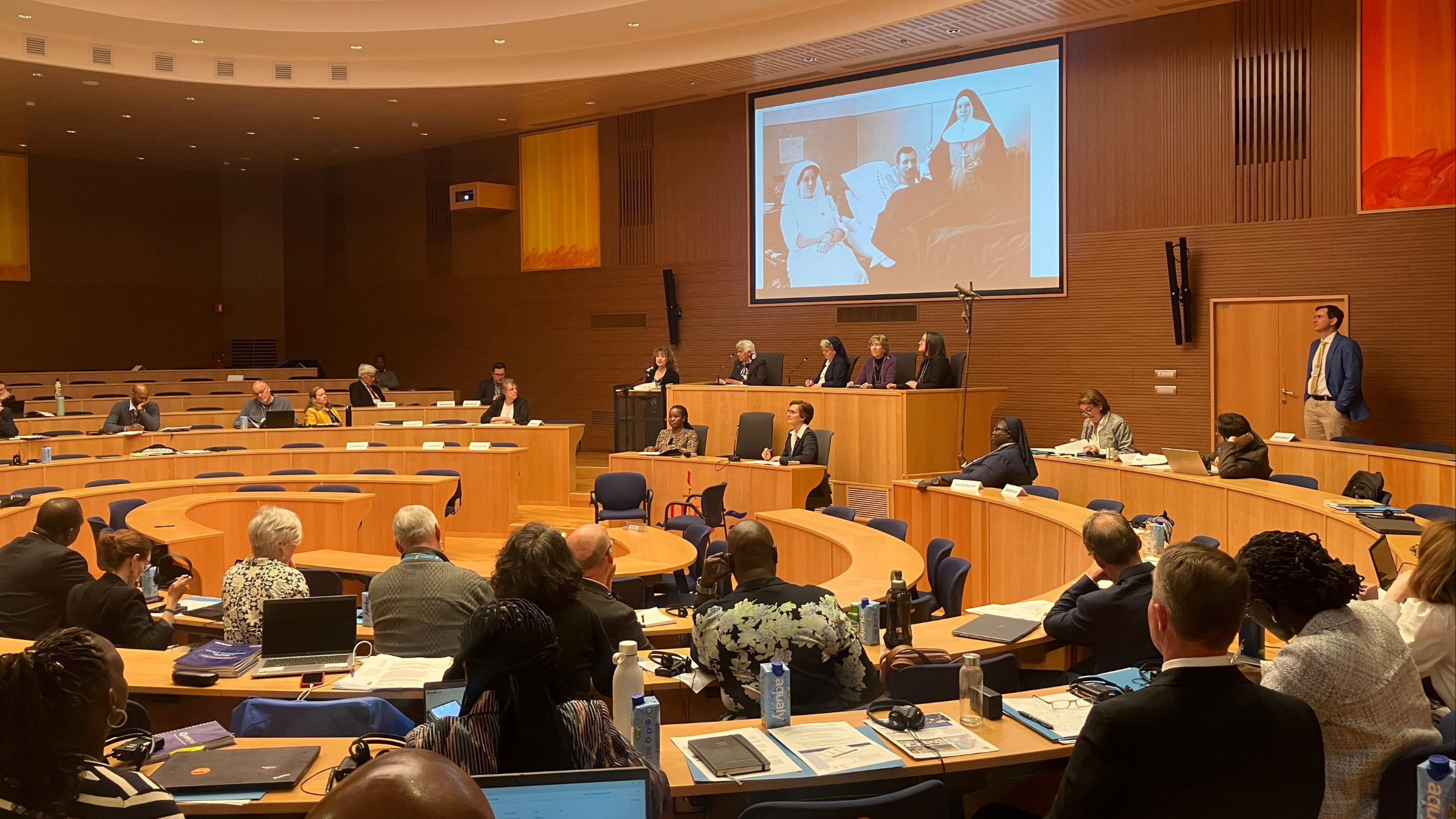
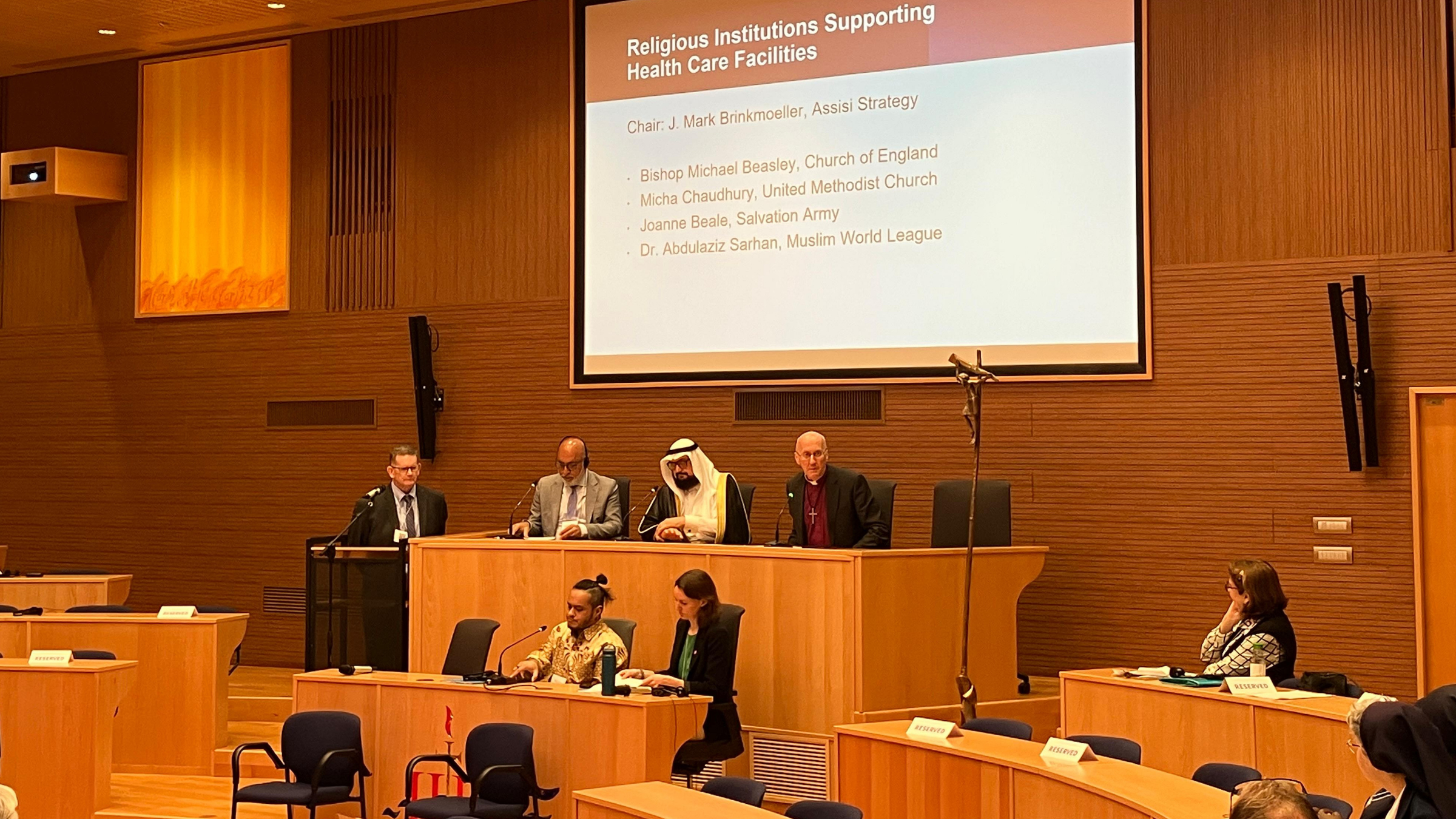
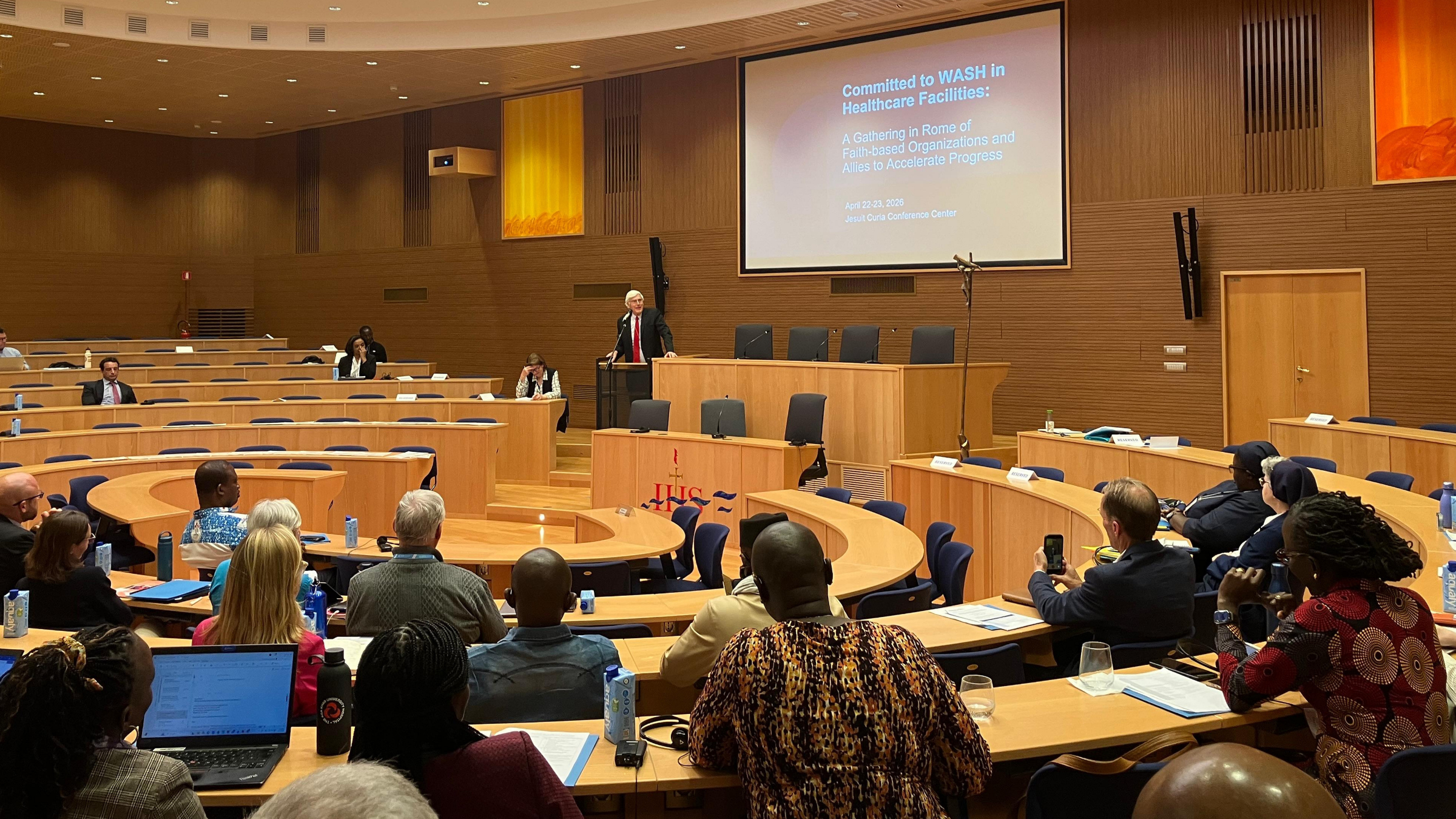
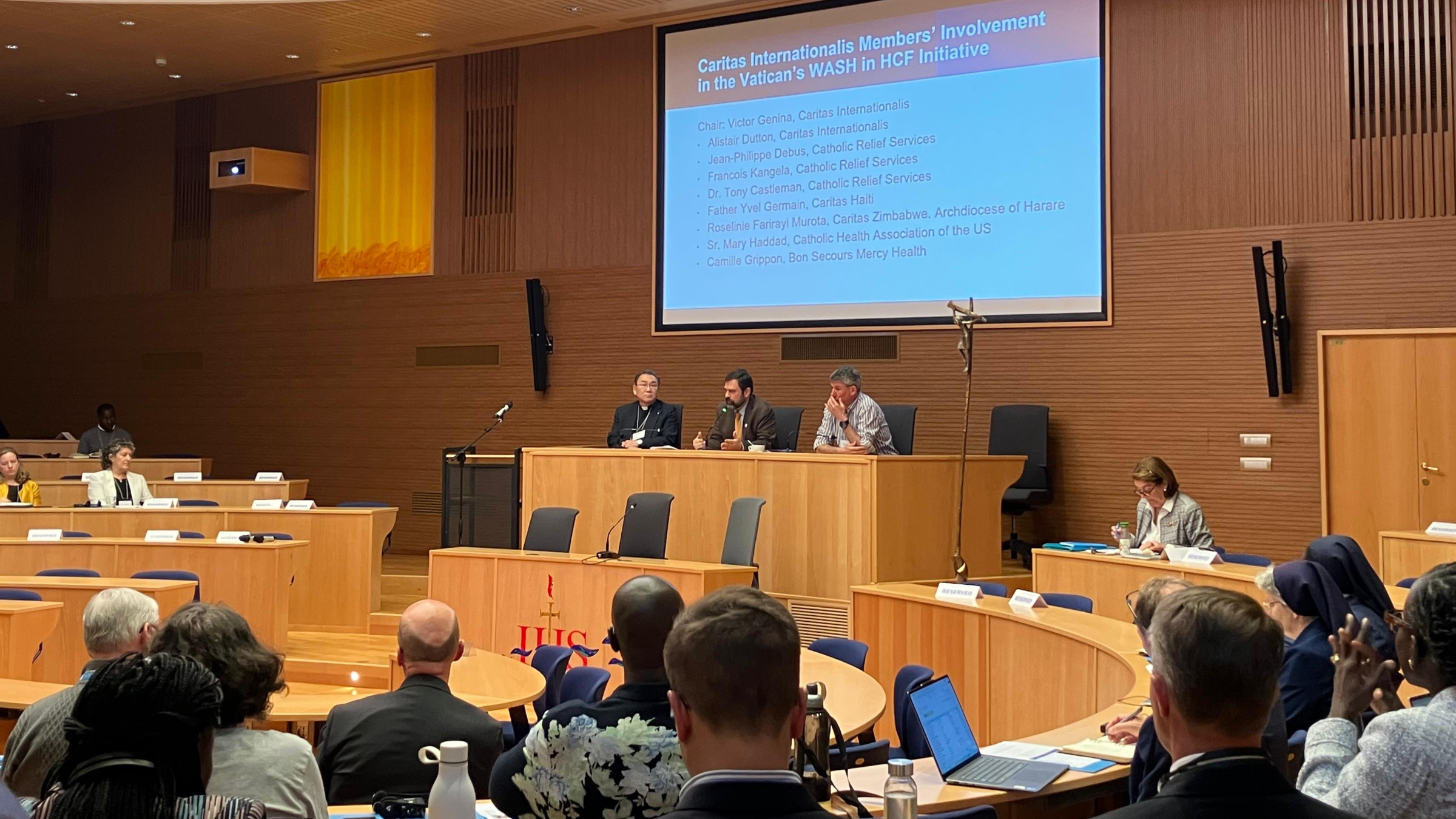
From April 22 to 23, 2026, in the Aula of the Curia Generalizia della Compagnia di Gesù in Rome, I attended a conference titled,Committed to WASH in Healthcare Facilities: A Gathering of Faith-based Organizations and Allies to Accelerate Progress[i], dedicated to WASH services in health facilities and the work of FBOs to this end.
The gathering was led by the Dicastery for the Promotion of Integral Human Development, it was an opportunity to emphasize that water and hygiene are fundamental resources for the sustenance of the lives, health and integral development of any community. This is fundamentally an issue of social justice and human "dignity", a notion that remained the central theme throughout the conference.
WASH at the Heart of Contemporary Vulnerabilities
As most societies continue to develop and acquire new technologies, billions of people around the world do not have access to safe drinking water services or adequate sanitation facilities. According to figures from the WHO and UNICEF, in 2022 still nearly a fifth of health facilities do not have water supply services. This reality has direct consequences on the public health in many countries, affecting more than 1.7 billion people[1]. The lack of clean water effectively compromises the prevention of infections and diseases, the practice and quality of care, the survival of mothers and newborns, and the safety of patients and caregivers.
In contexts marked by the intensification of the effects of the climate crisis, armed conflicts degrading existing infrastructure, and an intensive economic development model, the pressure on water resources is colossal, and a vector for rising inequality. Indeed, those who suffer on the front lines are mainly the poorest populations, in low- and middle-income countries, often located in the Global South. These countries are even more impacted because they are plagued by existing decline, such as debt and economic instability, which means that they cannot invest in basic services such as water supplies, health equipment, and education.
During the interventions of the various actors from FBOs around the world, the importance of the infrastructure and technical devices necessary for WASH supply was highlighted, but the need to provide these health centres with capacities and skills to structurally make the improvement of health systems operational was stressed. WASH, therefore, is an inherently ethical and political issue as well, which involves not only investments in infrastructure, but also efforts in terms of training, governance, and monitoring. The reality of sustainable governance was often discussed as a sustainable model by which local communities are involved at every step.
Thus, addressing WASH-related challenges therefore requires a holistic approach that combines infrastructure, capacity-building and inclusive territorial governance to ensure sustainable and resilient health systems.

Commitment from Faith-based Organisations
As one of the mains provider of health care throughout the world[2], the Catholic Church, alongside its Methodist, Anglican, Muslim and ecumenical partners, carries out continuous work in advocacy, promotion of human rights, delivery of essential services, awareness, education, and networking.
Thanks to the significant efforts made by FBOs and their allies, the last ten years have marked a crucial turning point in the consideration of WASH issues in numerous healthcare institutions. Accompanying communities on the ground, often in areas where public services are limited, FBOs have local roots and moral legitimacy that allow them to act effectively. By collaborating with each other and with other actors (the UN, NGOs, public institutions, international organizations), they contribute to strengthening the impact of their humanitarian intervention.
Moreover, their commitment is based on an integral vision of the human person, where care for the body is inseparable from respect for dignity and the common good. Faith-based organizations, through their networks and rooted in their values, emerge as key actors in promoting sustainable and inclusive solutions. Because the preservation of water resources and the services that result from them are inseparable from the care given to our common home. Their commitment is part of a broader dynamic of transformation of development models, aimed at reconciling social justice, environmental protection, and respect for human dignity.
At the end of these two days, the challenges related to water, sanitation and hygiene remained vast, requiring immense cooperation amongst many actors. On both local and international levels, across the public and private sectors, and in the technical and spiritual dimensions, there is still so much to be done. The observations and reflections presented during the conference also lead to the conclusion that the existing initiatives implemented so far are proof that change is possible.
Improving WASH conditions in health facilities is a critical step in a broader mobilization for universal access to water and sanitation. Thus, attention and action to improve WASH services is a moral imperative for which faith-based actors call for shared responsibility, more collaboration, regulation, and operationalization in favour of human dignity and social justice.
[1] WHO & UNICEF. (2025). Essential services for quality care. Water, sanitation, hygiene, health care waste and electricity services in health care facilities. Global progress report.
Global-progress-report-on-WASH-waste-electricity-in-HCF-2025.pdf
[i] Faith-Based Action | WASH in Health Care Facilities
https://www.washinhcf.org/cop-fbo/
[2] OIEC.(2022). Global Report on Integral Human Development 2022: Measuring the Contributions of Catholic and Other Faith-based Organizations to Education, Healthcare, and Social Protection. Wodon, Q. | Washington,DC: Global Catholic Education.
https://drive.google.com/file/d/1gvFbGkEfGq_AR4AvthC6PcV1CbCZ_EoR/view
Maya Lelièvre
SJES Networking Volunteer Intern
Related Posts:

In Magnifica Humanitas, Pope Leo XIV warns that machine intelligence in war ends by “reducing victims to data.” The machine profiling that registers a person for food can also be used to select a person as a target. A small drone circling a road, with no one steering it, can have such a profile as its target. A drone like this is an autonomous weapon system. Once activated, it selects and attacks targets by itself, matching what its sensors detect to a programmed target profile. No human being decides, at the moment of the strike, that this particular person will die or is the right target. The case most often cited as the first use of such a weapon against people, reported by UN experts, was in Africa, in Libya in 2020.
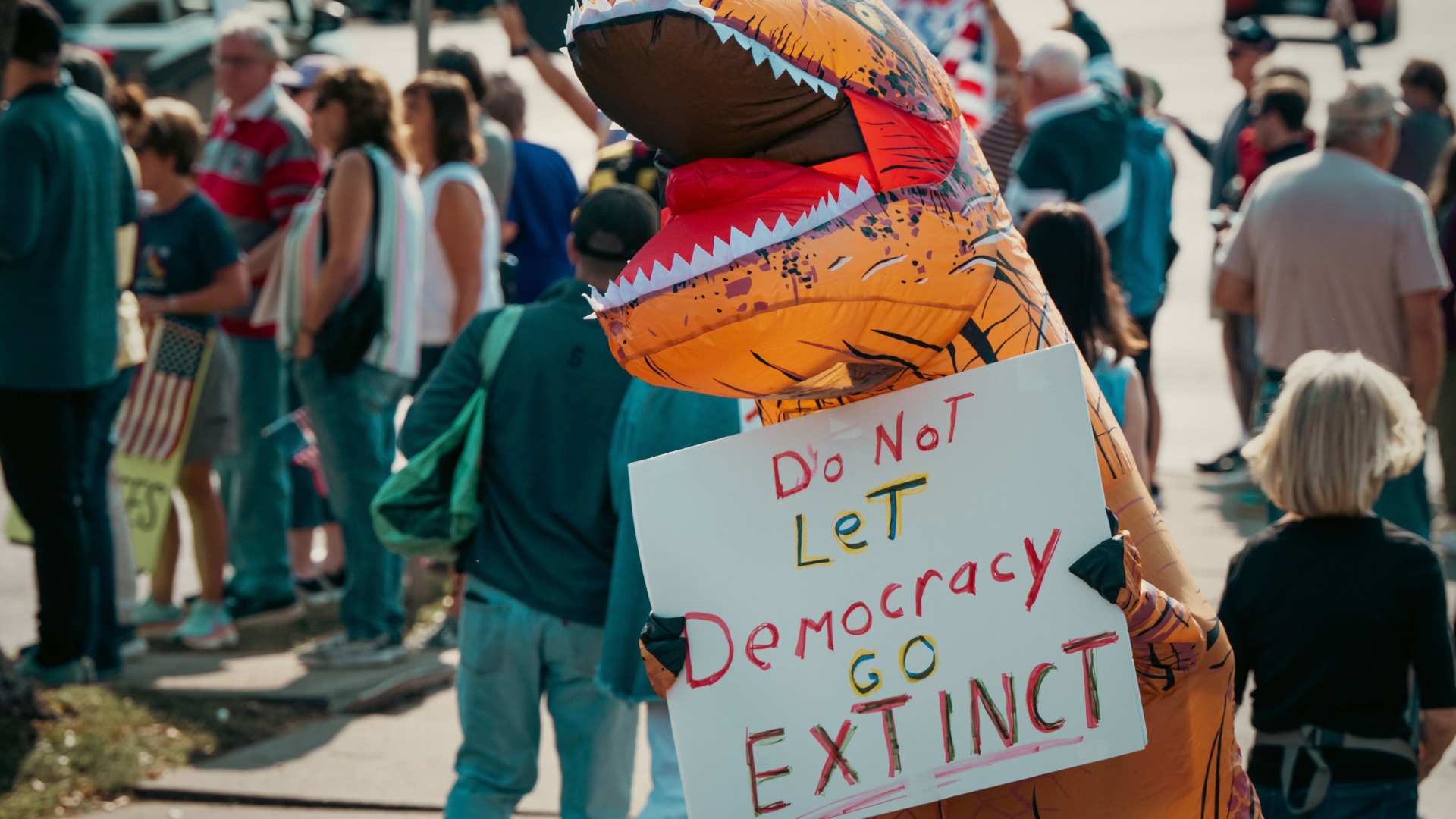
Democracy, which has historically proven most effective in meeting these criteria, cannot be taken for granted. In our AI era, citizens should press for more than multiparty elections and the protection of basic freedoms; that institutional core is not enough. We must carefully regulate and channel powerful technologies with the capacity to divide us from one another and short-circuit social and political participation. That means maintaining spaces in civil society where human contact and social friendship can flourish without the mediation of machines, beginning with the educational systems through which all citizens pass. It means fighting deepfakes and disinformation in the public sphere, so that citizens still operate in a world of facts and evidence and political representation has a strong basis.
Artificial intelligence (AI) is increasingly entering public life in Ghana, including through digital systems used for identification, verification and service delivery. The ethical question is therefore not simply what AI can do, but what happens to people when digital systems become gateways through which citizenship, mobility or access to services are recognised. In northern Ghana, especially in border communities, this is a concrete question. I was privilege to visit Pusiga community in November 2025 with a Jesuit friend of my mine who is originally from the community. Thus, the topic for this article resonates very well with me.
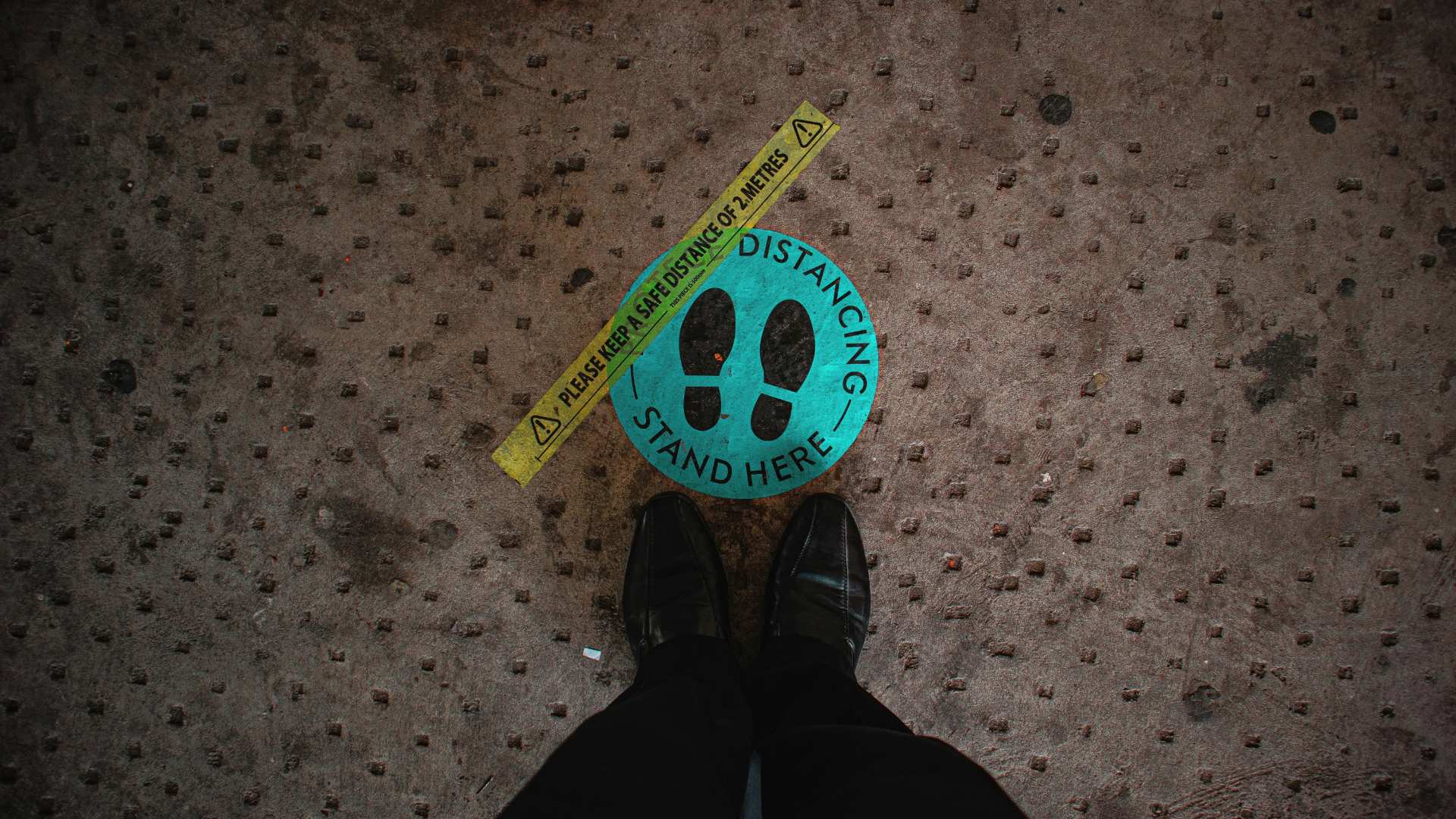
The article ‘Pandemic and Authoritarianism’, by Germán Rosa, SJ, was written in the midst of the COVID-19 crisis, but its insights extend beyond that context. The pandemic appears to reveal and accelerate political trends that were already present: the concentration of power, the weakening of democratic checks and balances, and the acceptance of extraordinary restrictions in the name of collective security. Rosa’s main concern is that fear may lead citizens to silently surrender their freedoms and rights, and that measures which were initially intended to be temporary become normalized and endure. Furthermore, in societies riven by inequality, control is never distributed neutrally: it falls most heavily on the impoverished, marginalized groups, migrants, dissidents and those who defend rights and territories.
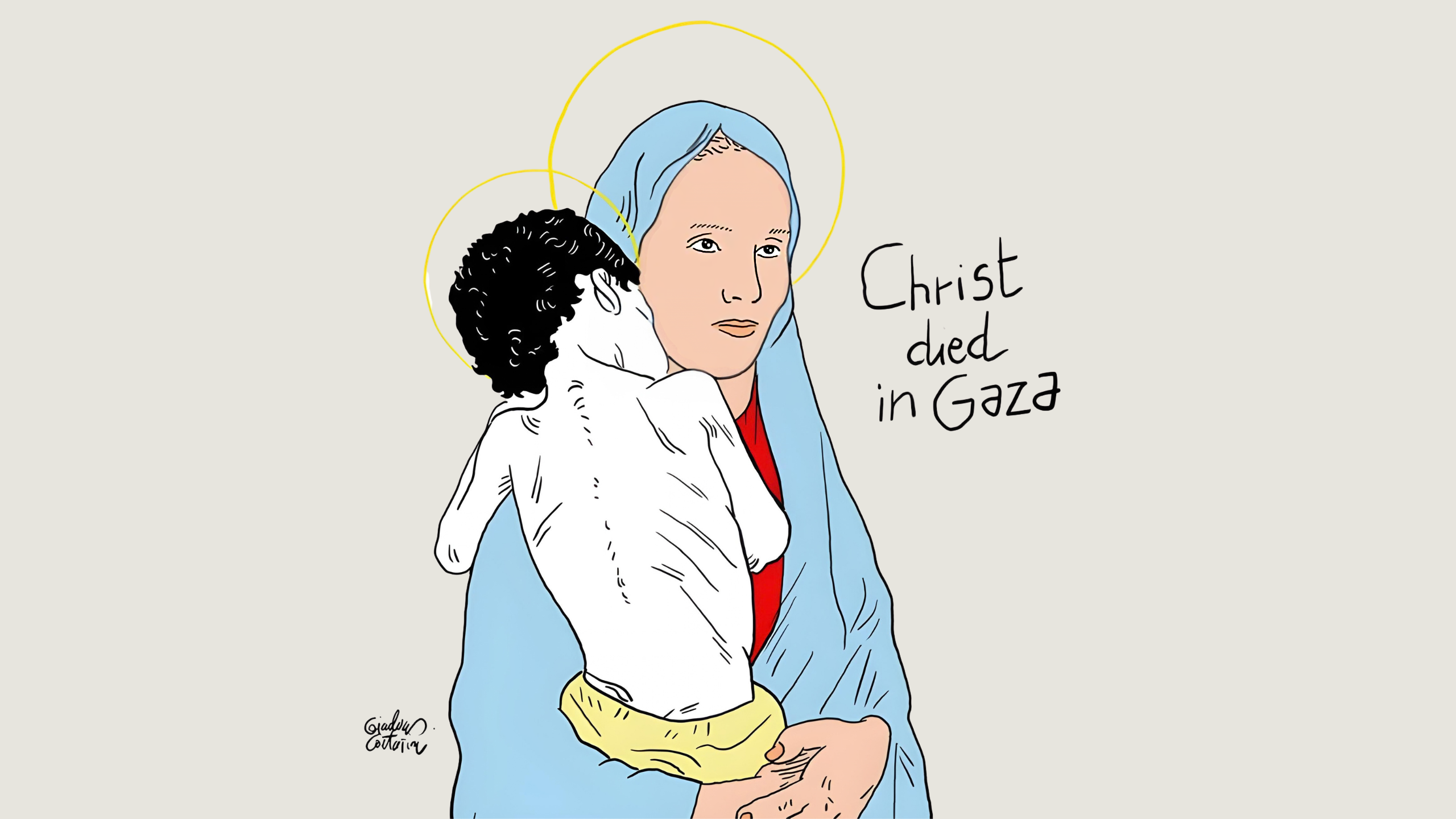
Speaking of dead children is uncomfortable. Yet it can also be healing. As I listened to the stories shared that day, I found myself returning to memories I may at times shy away from remembering. Iremember finding my sister’slifeless body in bed one Saturday morning. Ihad cometo carry her out with me to watch cartoons.As I listened tothe story of Hind Rajab, a 5-year-old girl who had been trapped inside a car attacked by Israeli forces,the memory of a little boy reaching out to touch his sister came back. The young girlhadmanaged to call the Red Crescent for help but hours later she and the paramedics who had come toassisther were all found dead. The chilling story reminded me of the shocking cold that struck my hand as I gently touched my sister’s arm in a futile attempt to wake her up.

Who Are the Victims and Those at Risk of Becoming Victims? When it comes to mining, particular attention must be paid to those who are most vulnerable: Indigenous communities whose livelihoods depend on their land, forests, rivers, and water sources; small-scale farmers; fishers; poor families; women, children, and older people; as well as communities with the least bargaining power in legal, economic, informational, and political matters. They may become victims when land loses its social function, when water sources are polluted or disappear, when the environment is damaged, when livelihoods are disrupted, or when their social and cultural life is transformed without their genuine consent.