Latin America – “We Must Build a Future With Refugees”
On International Refugee Day, the Jesuit Network with Migrants in Latin America and the Caribbean (RJM LAC) issues a statement reflecting on this reality in the continent and the actions to be taken. We share the communiqué.
On the occasion of the commemoration of the World Day of Refugees, from the Jesuit Network with Migrants - Latin America and the Caribbean (RJM-LAC), committed to the defense and promotion of the rights of displaced persons and refugees in the continent, we call on States to respect their international obligations and society to "Build the future with migrants and refugees" as Pope Francis invites us.
We recognize that the landscape of displacement and refuge in the world is growing. By December 2021, UNHCR counted 89.3 million forcibly displaced people, and by the end of May of this year the figure had already exceeded 100 million people. One in 78 people have been forced to flee, and Latin America is home to one-fifth of them.
The causes of these displacements are increasingly complex. In addition to the widely known violence, there are environmental and climatic ones. In 2020, natural disasters caused 30.7 million new internal displacements in the world, a figure that triples the displacements caused by conflict and violence, according to IDMC.
In Latin America, the crisis in Venezuela has left more than 6.1 million people in exile; in Central America, Mexico and Haiti, people continue to be expelled due to political causes and generalized violence, while in Mexico and Colombia internal displacement continues, among others. Although these crises are invisible in the countries of expulsion, transit and destination, they derive from political and historical conditions that lead us to believe that the need for protection will not cease and, on the contrary, will continue to increase.
From the RJM-LAC in several countries we have evidenced the deliberate weakening by the States of the figure of international protection linked to the political decisions of migration management, among other reasons because:
- The causes foreseen in the Cartagena Declaration are not being recognized as a mechanism that responds to the conditions specific to the region, placing the burden of proof on migrants and refugees who individually must demonstrate persecution.
- The externalization and militarization of borders are an impediment to seeking refuge and asylum, along with the implementation of pre-admissibility measures.
- There is no strengthening of the Recognition Commissions for the processing and review of applications, generating a barrier to access to asylum.
- The migratory measures taken during the pandemic have left hundreds of people in need of protection unprotected and irregular.
- The States limit the ways of migratory regularization, most of the complex and onerous, leaving as a last alternative of regularization the access to the refugee status, with all the above-mentioned limitations and obstacles.
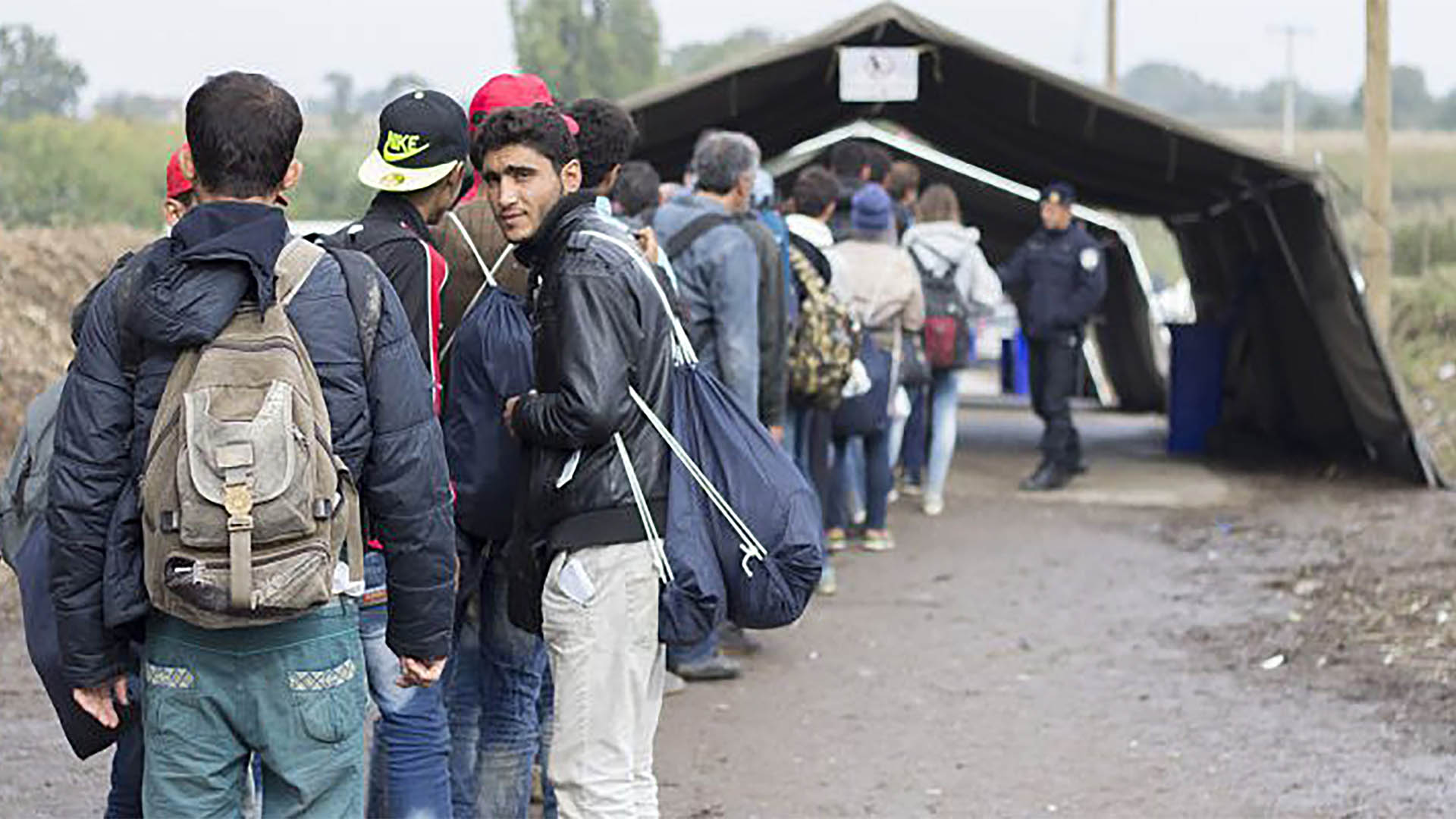
While the States speak of an abuse of the refugee status, a misleading institutional discourse, we observe that the saturation of the protection system in many cases is a product of the mismanagement of the migration policy focused on containment and not on protection. This is evident, for example, in public investments focused on security and not on strengthening asylum systems. There is also a marked tendency to promote complementary protection channels, but there is no clarity as to how these channels are really protection mechanisms and not only regularization, linking with compliance with international standards such as the principle of non-refoulment.
In the framework of this commemoration, of the agreements recently assumed by the States in the Declaration of Angels and in view of the upcoming revision of the Global Compact on Refugees, we call on the States to:
- Address the root causes of internal and international displacement to protect the lives of those who are displaced.
- Ensure access to rights for migrants and persons in need of international protection, facilitating the integration, rooting and positive contribution of displaced persons, refugees and asylum seekers in places of reception.
- Implement and strengthen regional standards promoted by the IACHR, to provide an adequate response in terms of rights.
- Guarantee access to justice for those who are facing different types of violence in countries of origin, transit and destination.
- Confront and reject expressions of discrimination, racism and xenophobia and attend to people from a differential and differentiated approach.
- Promote a culture of hospitality in discourse and in practice, based on the recognition of others and of cultural diversity, to foster integration in the community.
- Facilitate the participation and inclusion of applicants and refugees in the decisions that affect them.
Despite some positive statements, we see how political facts are increasingly distancing themselves from a human rights-based approach. There is cooperation between states that seeks to discourage people in need of international protection. But forced migration continues to grow, because saving life is the reason for taking the journey. The most evident result of the way in which States confront this reality is to generate greater risks for people, since there are no policies to protect them. Today, migration policy in the face of the need for protection in the Americas has been transformed into a policy of death, with its pillars in externalization, containment, militarization, detention and deportation.
To quote Pope Francis in his message, "In the light of what we have learned in the tribulations of recent times, we are called to renew our commitment to the construction of a future more in accord with God's plan, of a world where we can all live in dignity and peace (...) No one must be excluded. His project is essentially inclusive and places at the center the inhabitants of the existential peripheries. Among them are many migrants and refugees, displaced persons and victims of trafficking. It is with them that God wants to build his Kingdom". Building the future with migrants and refugees.
Source: Red Jesuitas con Migrantes
Related Posts:
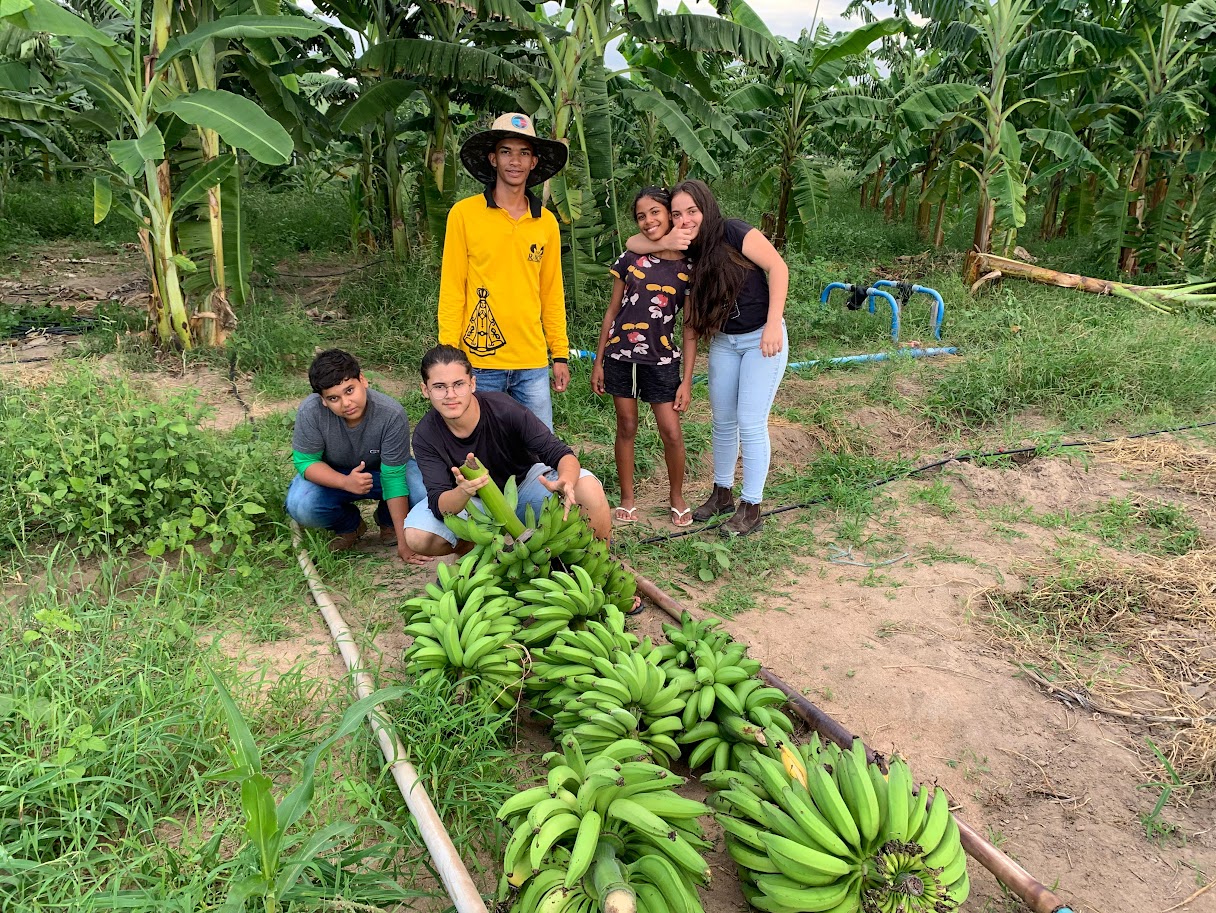
The Jaboticaba Agricultural Family School in Brazil reuses water for sustainable food production in a semi-arid region. Since 1993, it has combined agroecology with wastewater treatment to enhance food security and educate students. The project promotes environmental sustainability and aims to influence public policies in line with Pope Francis’s call for integral ecology.

The Central American Province of the Society of Jesus marks the first anniversary of the Nicaraguan government's confiscation of the Central American University, condemning the violation of education rights and academic freedom. They call for an end to repression, the release of political prisoners, and a return to dialogue and justice.

Stan Swamy Day in Viragalur was a moving tribute to a man who devoted his life to justice and the upliftment of the marginalized.

His journey was marked by a profound sense of detachment, as he left behind his nationality, culture, security, history, and companions to embrace a completely foreign environment.
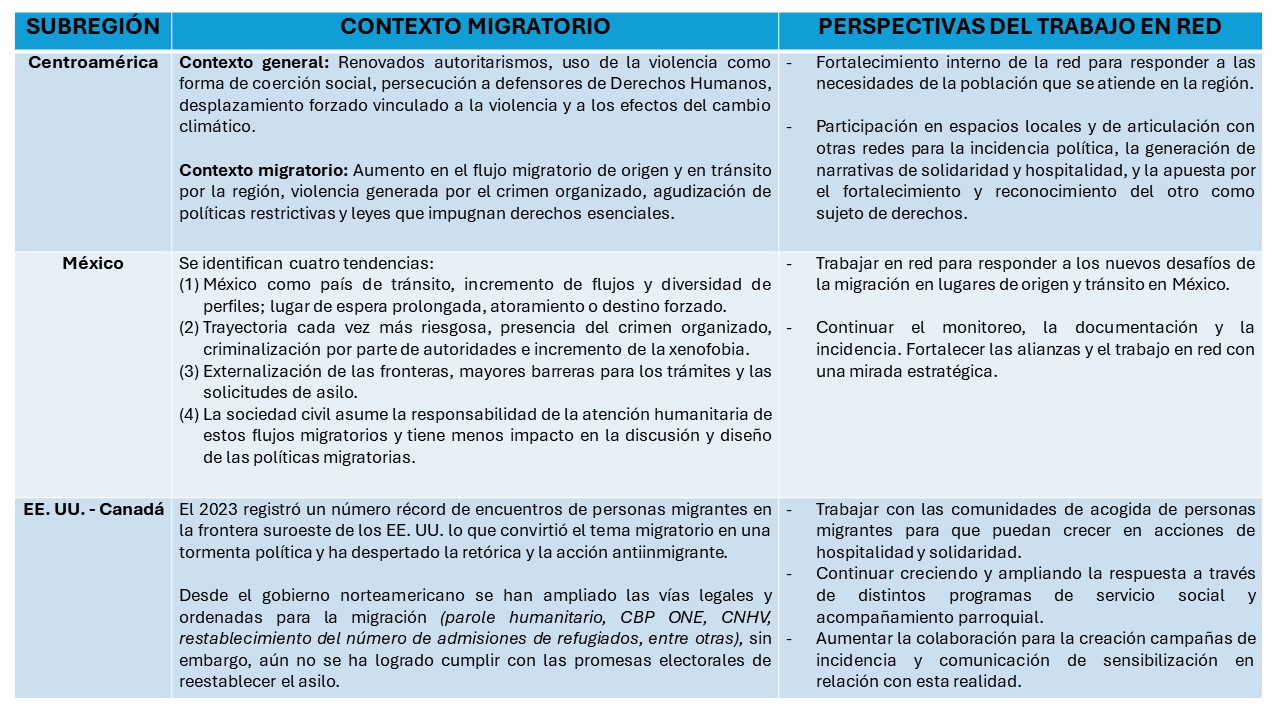
Jesuit Network with Migrants Central America and North America (RJM CANA) shared the first four months of the year report (January – April 2024): "They have been months of a lot of work to face the challenges in the migration context characterized by an increase in the migratory flow in vulnerable conditions throughout the region, however, also These have been months in which the fruits of networking have been confirmed".
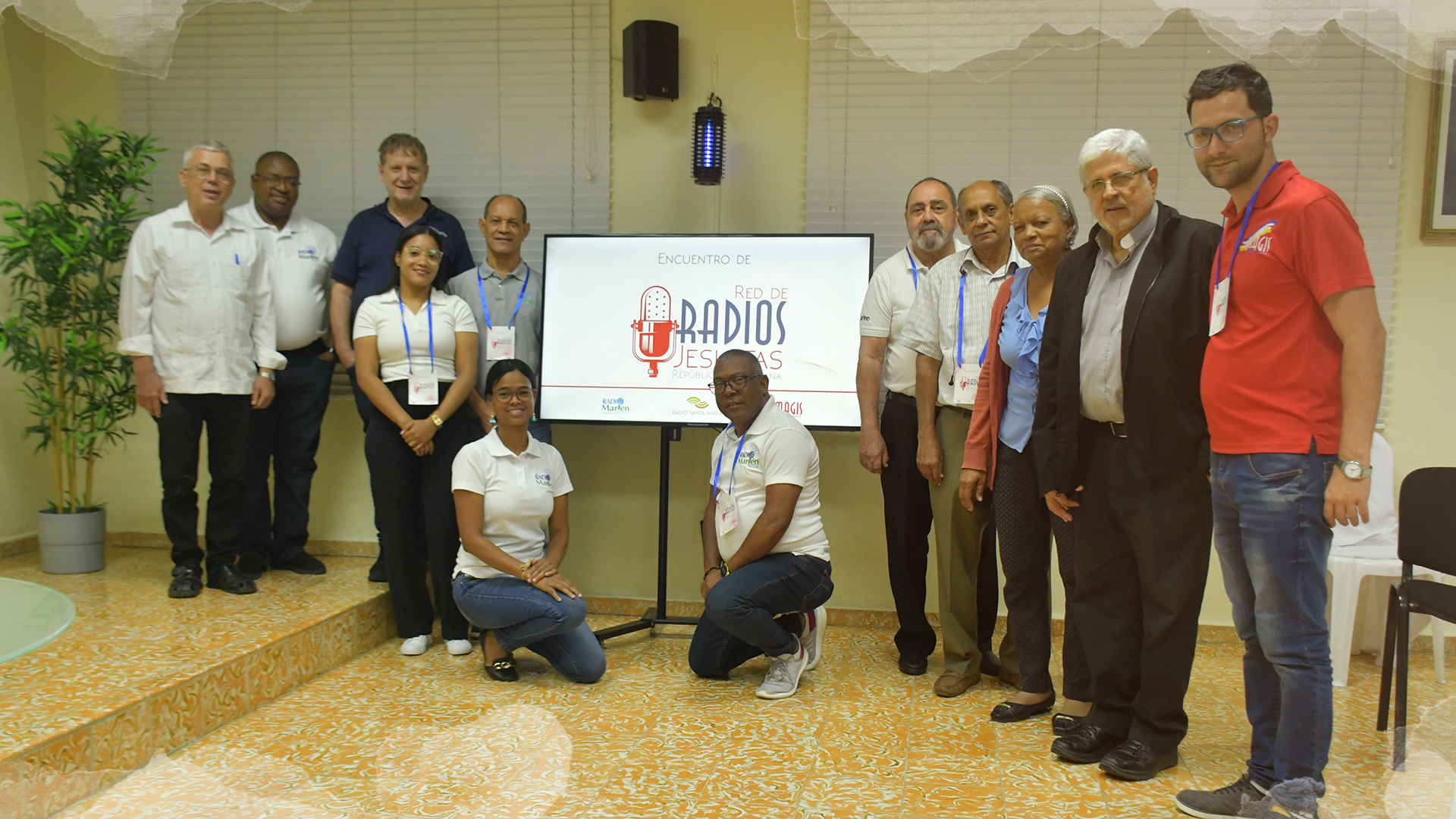
From April 5 to 7, the Jesuit Radio Network in the Dominican Republic met at the facilities of the Loyola Polytechnic Institute (IPL) in San Cristóbal. During the meeting, the construction of a shared itinerary that seeks to focus on collaboration and contextualized radio communication marked by the Apostolic Preferences approved by the Society of Jesus for the coming years was highlighted.