Jaboticaba Agricultural Family School Centre (Fe y Alegria) Reuses Water for Food Production in Brazil
The Centro Escola Família Agrícola de Jaboticaba da Fundação Fé e Alegria do Brasil (Jaboticaba Agricultural Family School Centre of the Fe y Alegria Foundation in Brazil) has been in existence since 1993.It is located in the Quixabeira municipality, the heart of the Bahian hinterland, where rainfall is exceptionally scarce. This semi-arid region requires the sound management of water resources and contextualised sustainable agroecological practices. In this challenging region, the Jaboticaba Agricultural Family School Centre has emerged as a place of vital social technology, reusing grey and black water to produce healthy food.
Rural Sanitation Project
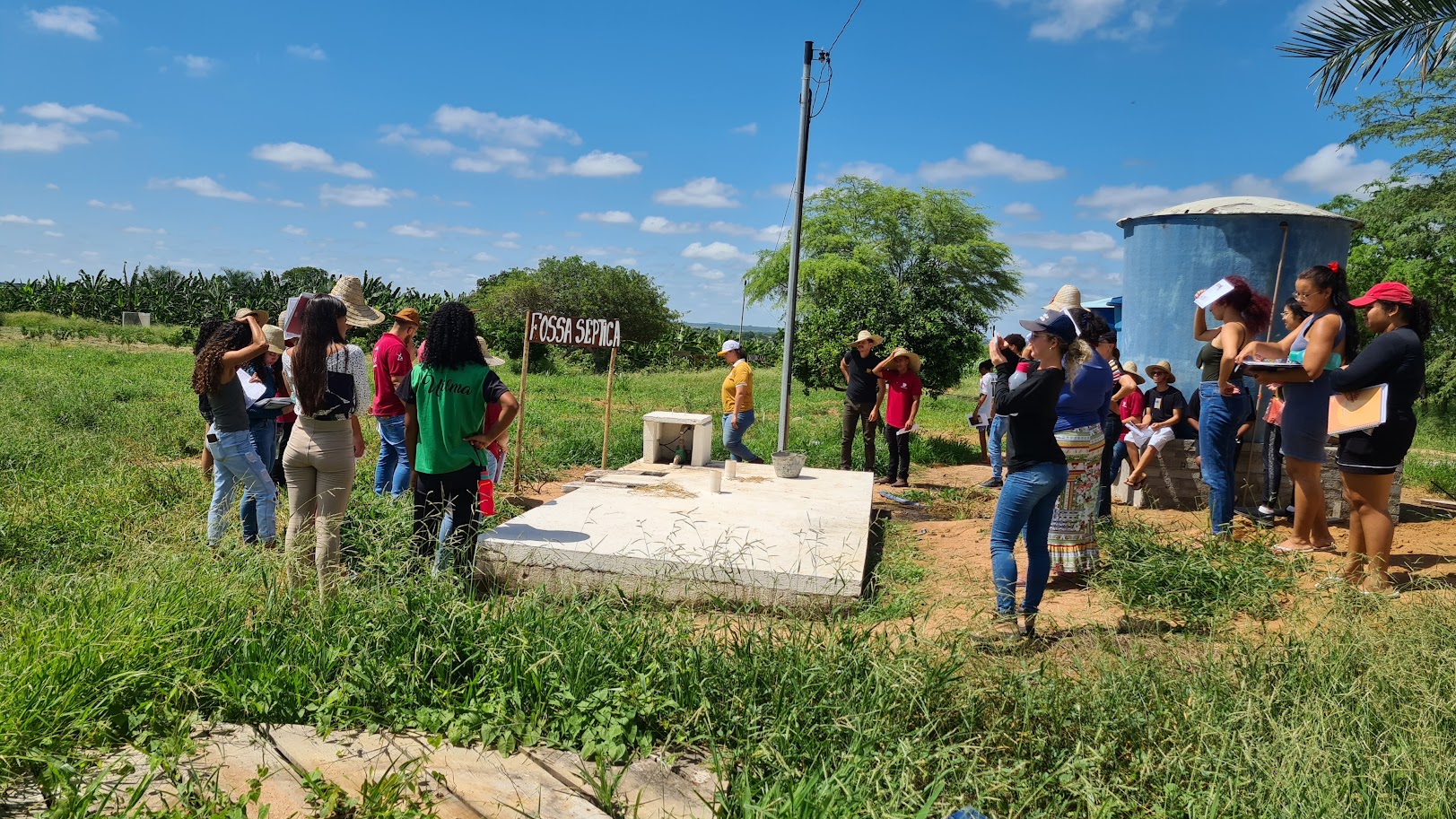
The Rural Sanitation Project features recycling wastewater in communities of semi-arid regions. The Centro Escola Família Agrícola de Jaboticaba (EFAJ) [Jaboticaba Agricultural Family School Centre] in partnership with the Instituto Regional da Pequena Agropecuária Apropriada (IRPAA) [Regional Institute of Small Appropriate Agriculture and Livestock] implemented this project. The aim is to consolidate the integration of agroecological practices in communities through basic sanitation appropriate to the socio-environmental reality of the Brazilian semi-arid region, considering its specificities and climate change. In this context, this [rural sanitation] project is aligned with the 4th Universal Apostolic Preference of the Society of Jesus, which deals with care for the Common Home. It is one of the ways of promoting socio-environmental justice while also helping to promote food and nutritional security, particularly for the students of the EFAJ.
Water Treatment
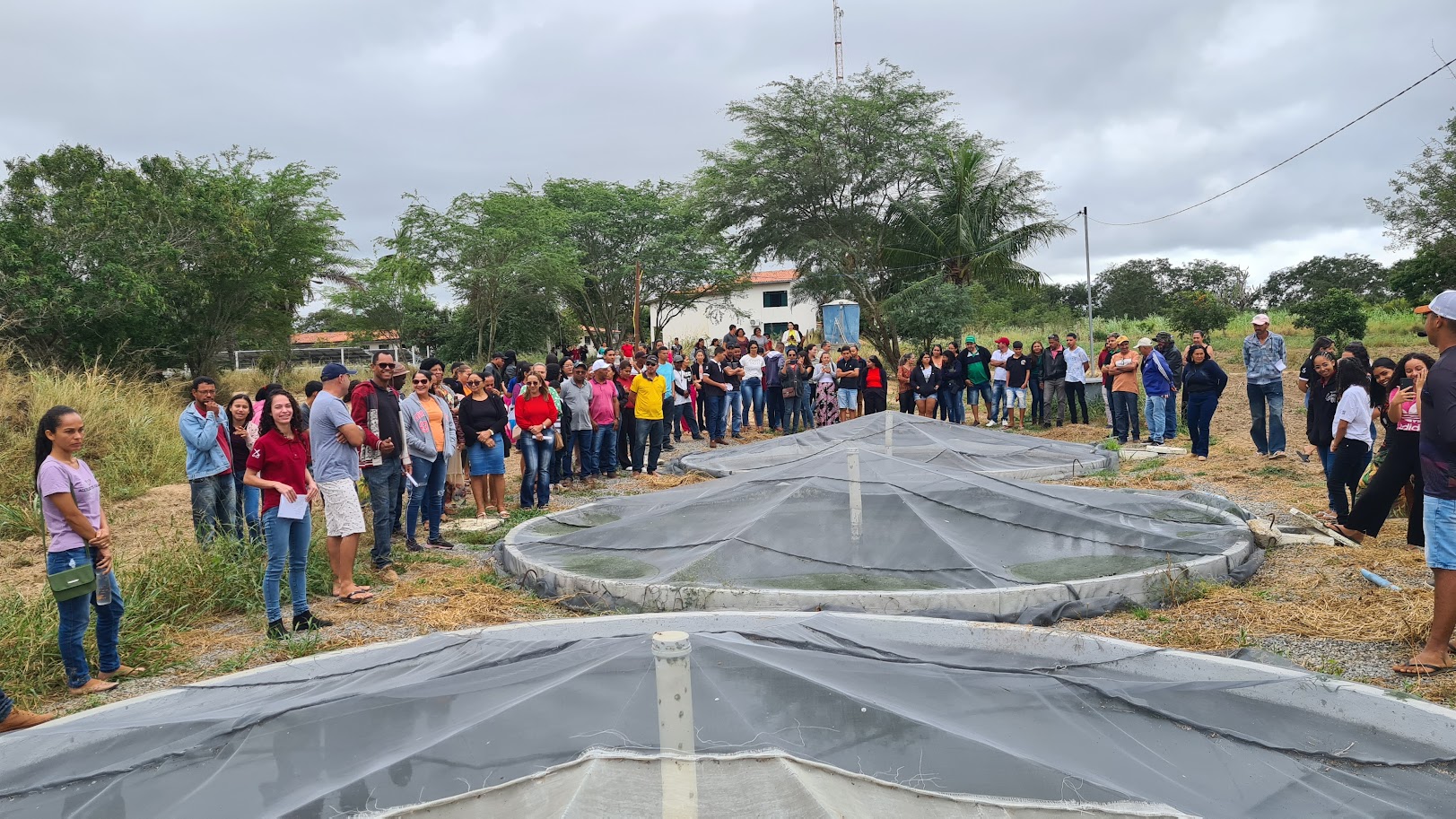
This socio-environmental technology includes recycling EFAJ's grey and black water discharge. This water is comprised of organic matter and microorganisms; the nutrients will be reused after natural water treatment in the school's agricultural farm. The water treatment process begins by collecting and directing wastewater to septic tanks; from there, it is directed to the reactor, which uses anaerobic bacteria to carry out a highly efficient upstream flow and the subsequent removal and breakdown of organic matter. The water is then treated in polishing ponds, killing the pathogenic bacteria naturally without using [artificially prepared] chemicals. It uses sun rays, making the water suitable for agricultural plantations such as banana, mango, guava, and other fruit trees.
Interconnectedness
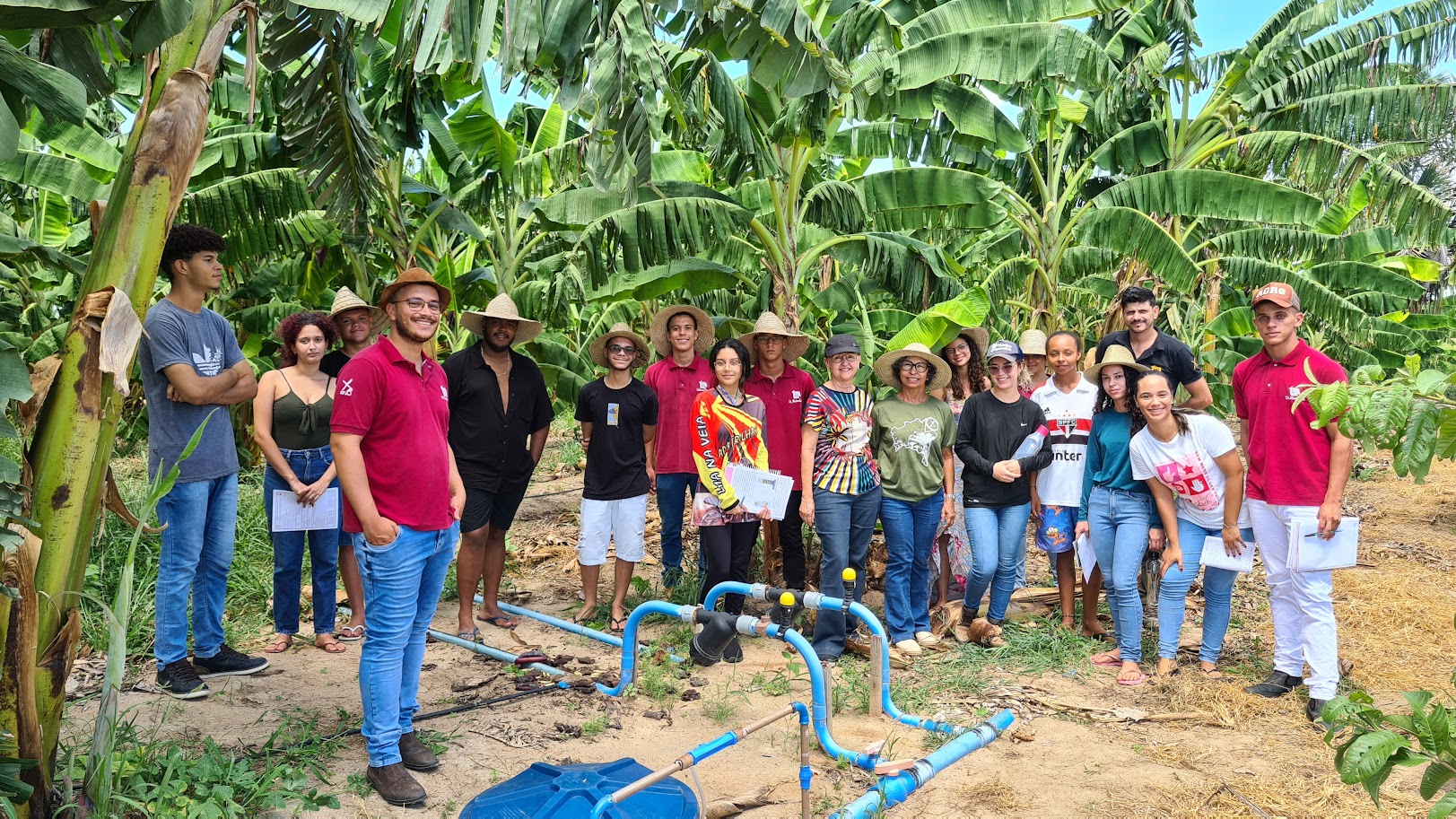
In addition to promoting sustainable water management and waste control and preventing soil and groundwater contamination, the Rural Sanitation Project offers crucial learning opportunities for our students and families. People are helped to connect well with the earth, understanding and respecting nature. The project helps them strengthen their bond with the territory and its life possibilities. Given the rural education context of the EFAJ, this project is a significant step forward in terms of environmental sustainability and appreciating the importance of developing agroecological practices for sustained food production. Moreover, as already mentioned, it helps ensure that groundwater is uncontaminated, avoids the accumulation of standing water (which leads to a proliferation of diseases), promotes people's health, and makes contextualised education for students a reality.
Agroecology
The agricultural production system using EFAJ's recycled grey and dark water follows the principles of agroecology; it is complemented by the use of organic fertiliser from the selective pruning of plants, manure of cattle, sheep and goats, and compost. In addition, sanitation water contains various plant nutrients and is considered fertigation[1](GASPARINI et al., 2023).
Daily Drip Irrigation
The volume of water available for daily irrigation is 17,000 litres/day. The area irrigated with reused water is approximately a hectare of fruit and perennial crops. The irrigation method is localised using a drip system; it is the most appropriate method for the semi-arid region, optimising water use. The system's structure has a motor pump set, a mainline, and a control head with a filtering system for five areas.
Reusing water allows for daily irrigation, sustaining each crop's water requirement. As a result, it was possible to maintain the areas productively in 2023, producing pumpkin, watermelon, maxixe, green corn, yellow passion fruit and bananas in considerable quantities, as shown in the table below, all of which were used to feed the EFAJ Centre members. It also allowed EFAJ to expand and maintain fruit-growing areas of cashew, guava and pine trees. Increased agricultural production was possible because recycled water from the [rural sanitation] project was available.
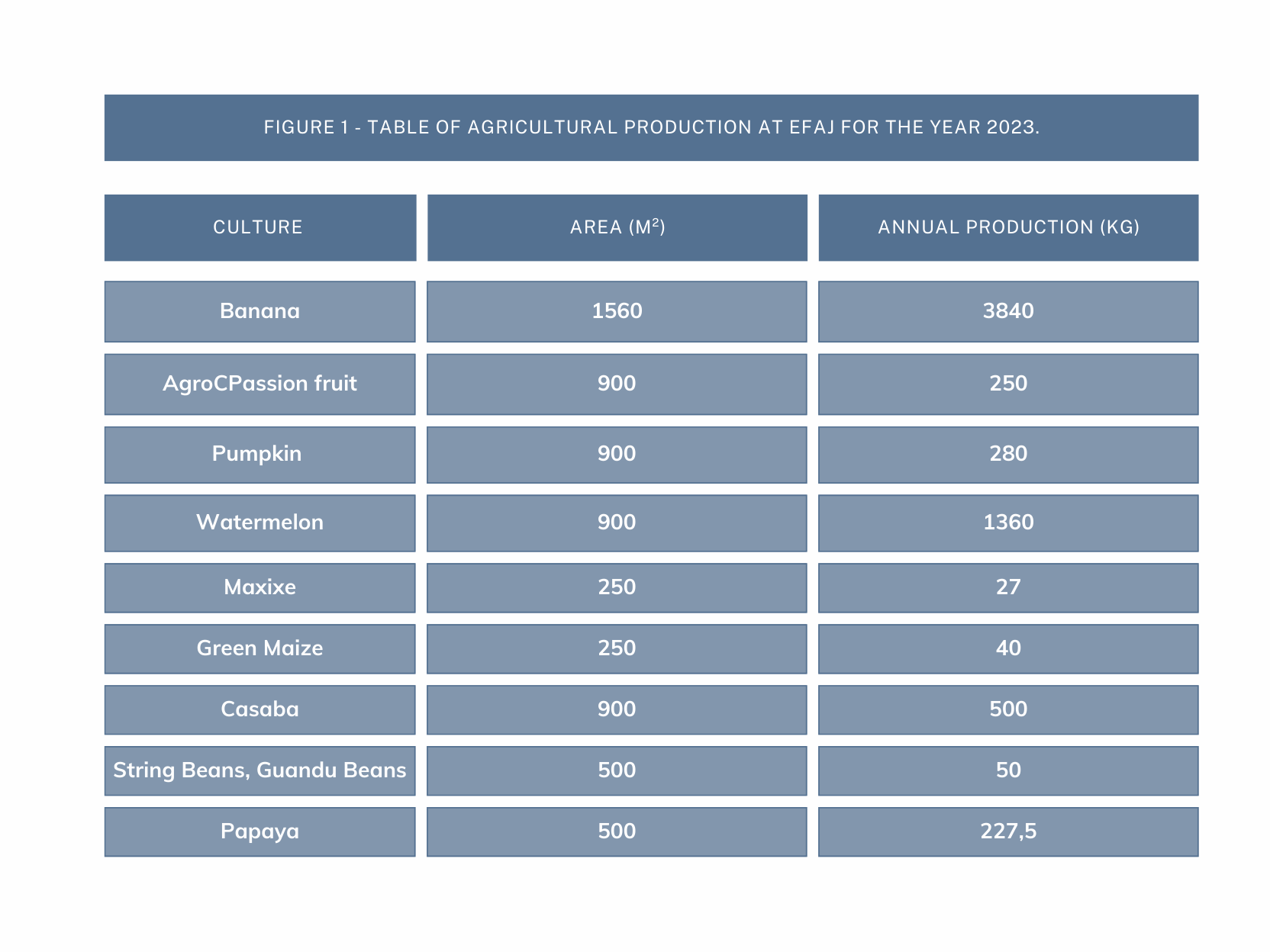
Figure 1 - Table of agricultural production at EFAJ for the year 2023.
Influencing Public Policies
The family members of our students and various groups from public schools and state universities in Bahia State have been visiting EFAJ to learn about and publicise the project. One of the project's objectives is to become a reference [or model] for influencing public policies on basic sanitation suitable for rural semi-arid Brazil. This socio-educational experience has become an agenda for countryside people struggling to live [sustainably]. Through the dialogue between agroecology and rural basic sanitation, it has become possible to strengthen the transition processes[1] in agroecological food systems.

Conclusion
The experience presented by the Fundação Fé e Alegria do Brasil - Escola Família Agrícola de Jaboticaba - Quixabeira – Bahia(EFAJ)is an attempt to share its response to what Pope Francis proposes in his social encyclical, Laudato Si' (§141, p.110) "Today, the analysis of environmental problems is inseparable from the analysis of human, family, work and urban contexts, and from each person's relationship with themselves, which generates a specific way of relating to others and the environment".
The EFAJ and its students, family members, and small farmers have sought to respond to the call to take care of our Common Home through Integral Ecology. Considering that we must confront our socio-political and environmental vulnerabilities to promote sustainable development and social justice in the semi-arid Bahia region where the EFAJ operates, this [Integral Ecology] is our path of hope for our peasant youth's life of dignity.
References
Encyclical Letter Laudato Si'. On caring for our common home. São Paulo: Paulinas, 2015.
GASPARINI, A. R.; ALVES, T. R.; LOPES, M. V. S. S.; MACEDO, P. H. S.; RODRIGUES, J.; SOUZA, C. F. TREATED DOMESTIC SEWAGE AS A SOURCE OF WATER AND NUTRIENTS FOR SUSPENDED CULTIVATION OF ANTHURIUM. Irriga, Inovagri, Botucatu, v. 28, n. 3, p. 528-534, July-September, 2023
Sewage treatment systems and agricultural reuse: a contribution to rural basic sanitation / Victor Leonam Aguiar de Moraes...[et al.] ; [illustration Tamara França, William França]. -- Juazeiro, BA: Instituto Regional da Pequena Agropecuária Apropriada - IRPAA, 2023
About the authors:
Iracema Lima dos Santos:Director of the Jaboticaba Agricultural Family School Centre, Quixabeira, Bahia, telephone (74) 91154561, e-mail: [email protected]
Benedito Rios de Oliveira:Teachers at the Jaboticaba Agricultural Family School Centre, Quixabeira, Bahia, e-mail: [email protected],[email protected].
Ila Adriane Maciel de Faro:Teachers at the Jaboticaba Agricultural Family School Centre, Quixabeira, Bahia.
Related Posts:

His journey was marked by a profound sense of detachment, as he left behind his nationality, culture, security, history, and companions to embrace a completely foreign environment.
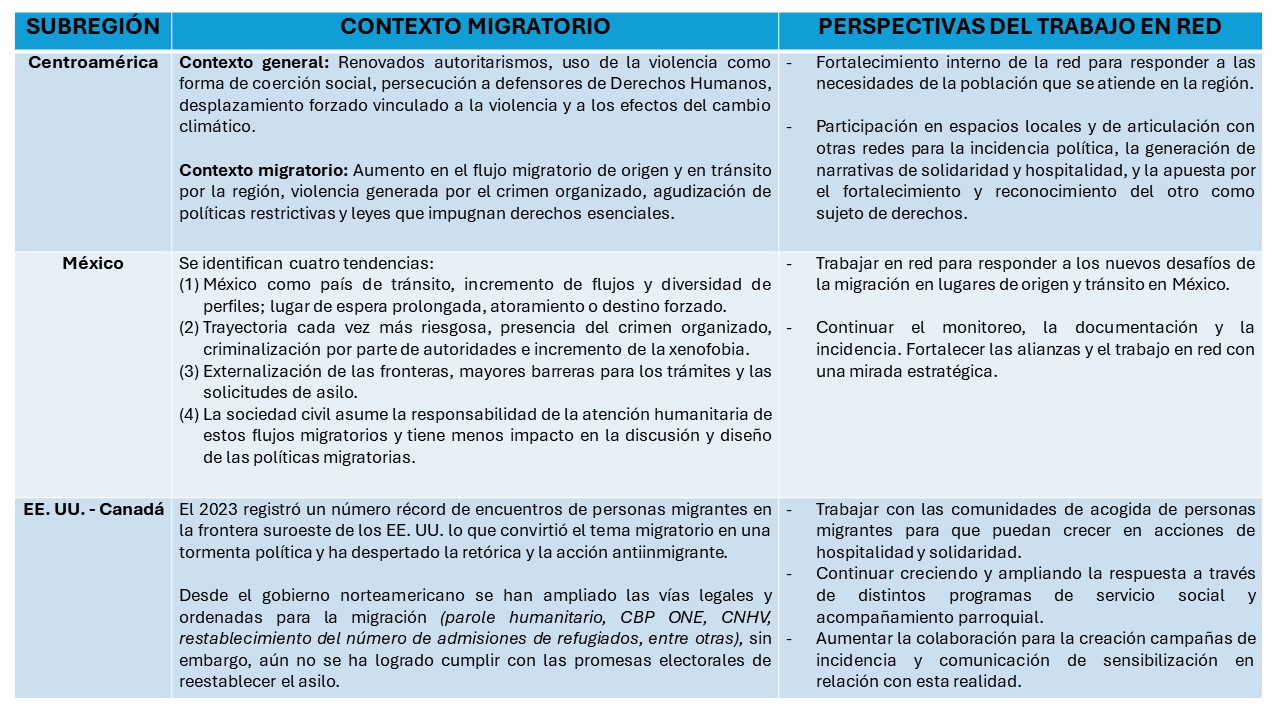
Jesuit Network with Migrants Central America and North America (RJM CANA) shared the first four months of the year report (January – April 2024): "They have been months of a lot of work to face the challenges in the migration context characterized by an increase in the migratory flow in vulnerable conditions throughout the region, however, also These have been months in which the fruits of networking have been confirmed".
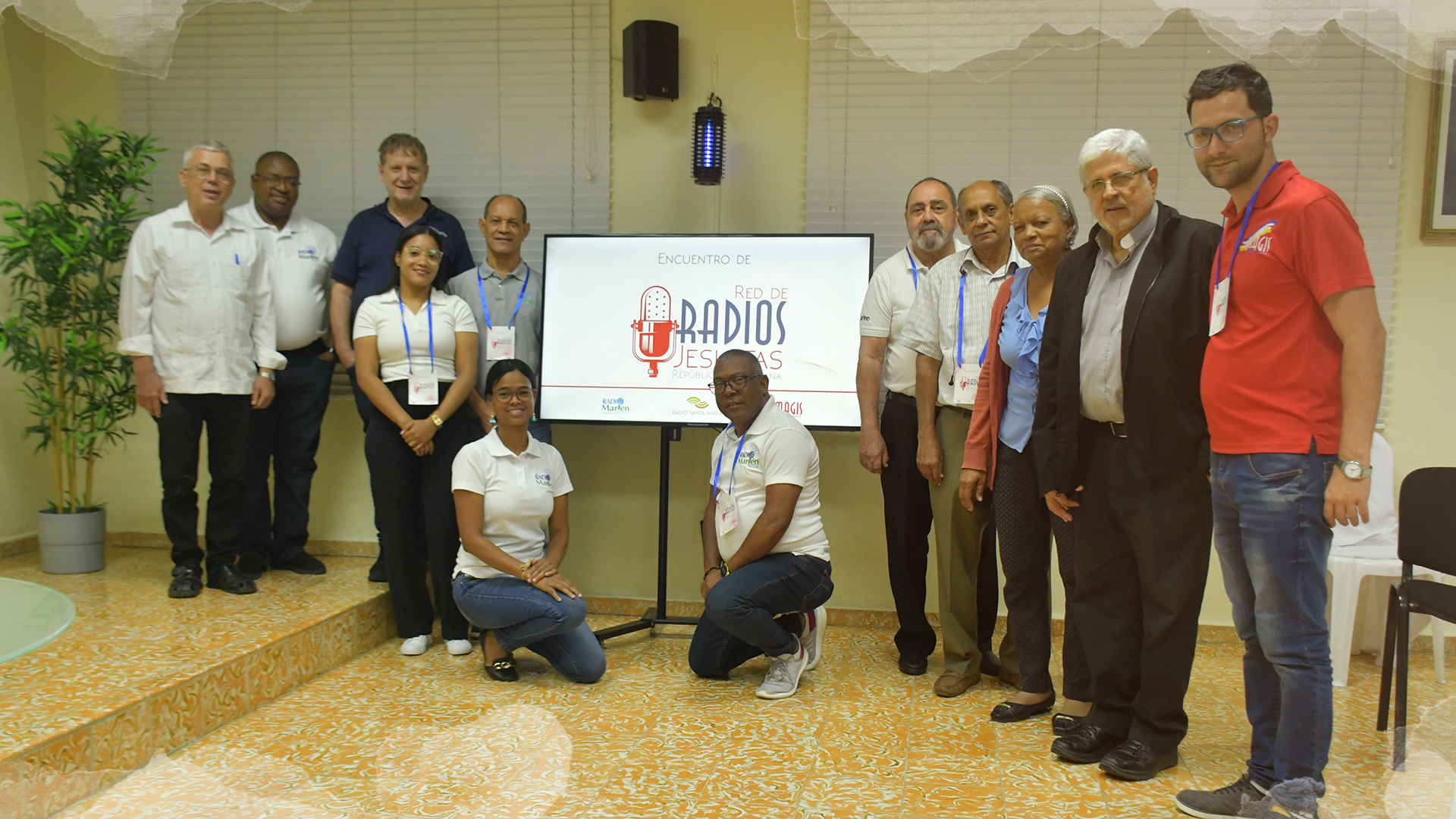
From April 5 to 7, the Jesuit Radio Network in the Dominican Republic met at the facilities of the Loyola Polytechnic Institute (IPL) in San Cristóbal. During the meeting, the construction of a shared itinerary that seeks to focus on collaboration and contextualized radio communication marked by the Apostolic Preferences approved by the Society of Jesus for the coming years was highlighted.
The Cartagena Declaration, adopted in 1984, emerged in response to the growing displacement crises in Latin America. Its importance lies in its expanded approach to defining a refugee, recognising the causes of displacement beyond armed conflict events. Despite progress in these 40 years, implementation challenges of the recognition criteria and the commitments made in the adopted plans persist.
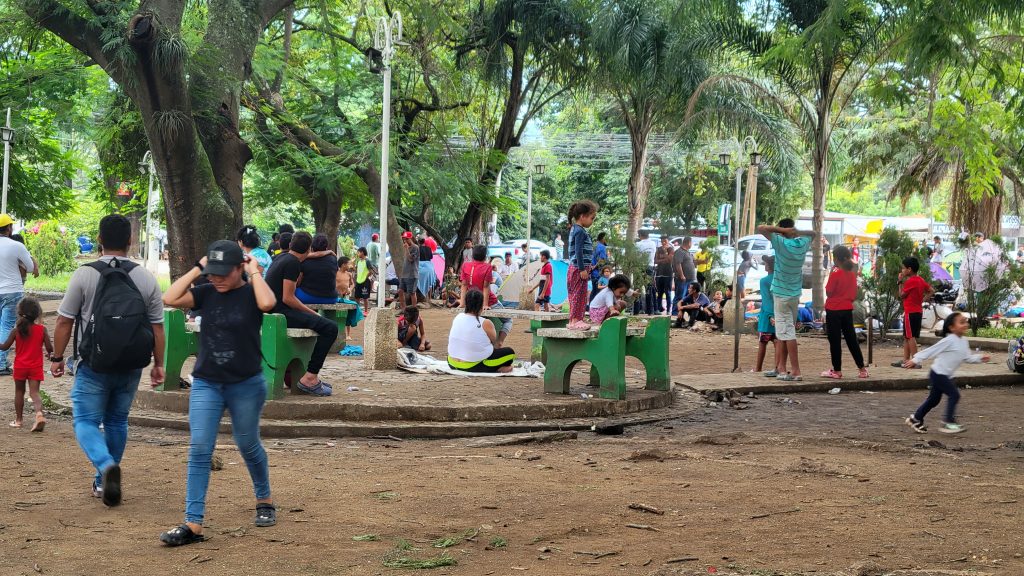
This first publication of 2024 provides an overview of the latest data, changes and trends in the context of most of the region's countries (Panama, Costa Rica, El Salvador, Honduras, Guatemala, Mexico, the United States and Canada).

The current situation of emigration could not be more complex; waves of migrants from Venezuela, Colombia, Central America, and Haiti are fleeing like never before.