
Years of Walking with Others: A Jesuit’s Journey Through Margins, Dialogue and Hope
Now, at eighty years old, I find myself reflecting not only on the years I have lived but also on the many lives I have been privileged towalk alongside. My journey as a Jesuit has taken me through remote villages, university campuses, interfaith gatherings, and crisis centers. For the past fifteen years, I have been deeply involved in work with a humanitarian organization focused on victims of forced migration and human trafficking—those displaced by deception, violence, or poverty and often overlooked by society.
But myformation started much earlier. As a young Jesuit, I was assigned to serve as a parish priest in a remote, underdeveloped village, a place that was very isolated at the time. There, I learned what it meant to be part of a community with limited resources but great dignity. After two years, I moved to an urban setting, where I worked as a university chaplain and lecturer in Catholic theology at a state university for thirteen years. It was a new kind of mission field—one of ideas, academic discussion, and students searching for meaning. Later, I was entrusted with the role of Executive Secretary for Interreligious Dialogue at the Bishops' Conference of Indonesia, a position I held for nine years. Finally, for six years, I worked at the Crisis Centre of the same Conference, addressing social and pastoral emergencies, both sudden and structural.
A significant turning point in my self-awareness happened at age twenty, when I began to understand what it truly meant to live as a member of a minority group among the Muslim majority. Until then, I had taken many things for granted. But once I entered broader society, especially within academic and political settings, I started to experience firsthand what it was like to be "the other." That sense of difference was not always hostile, but it constantly brought an awareness of being watched, scrutinized, or misunderstood.
Over the years, I have recognized certain recurring patterns—behaviors,perceptions, and structures—that have shaped my experiences acrossvery different contexts. While the stories and settings may vary, the underlying dynamics oftenresemble each other. I haveidentified at least four such patterns that continue to resonate in my memory and reflections.
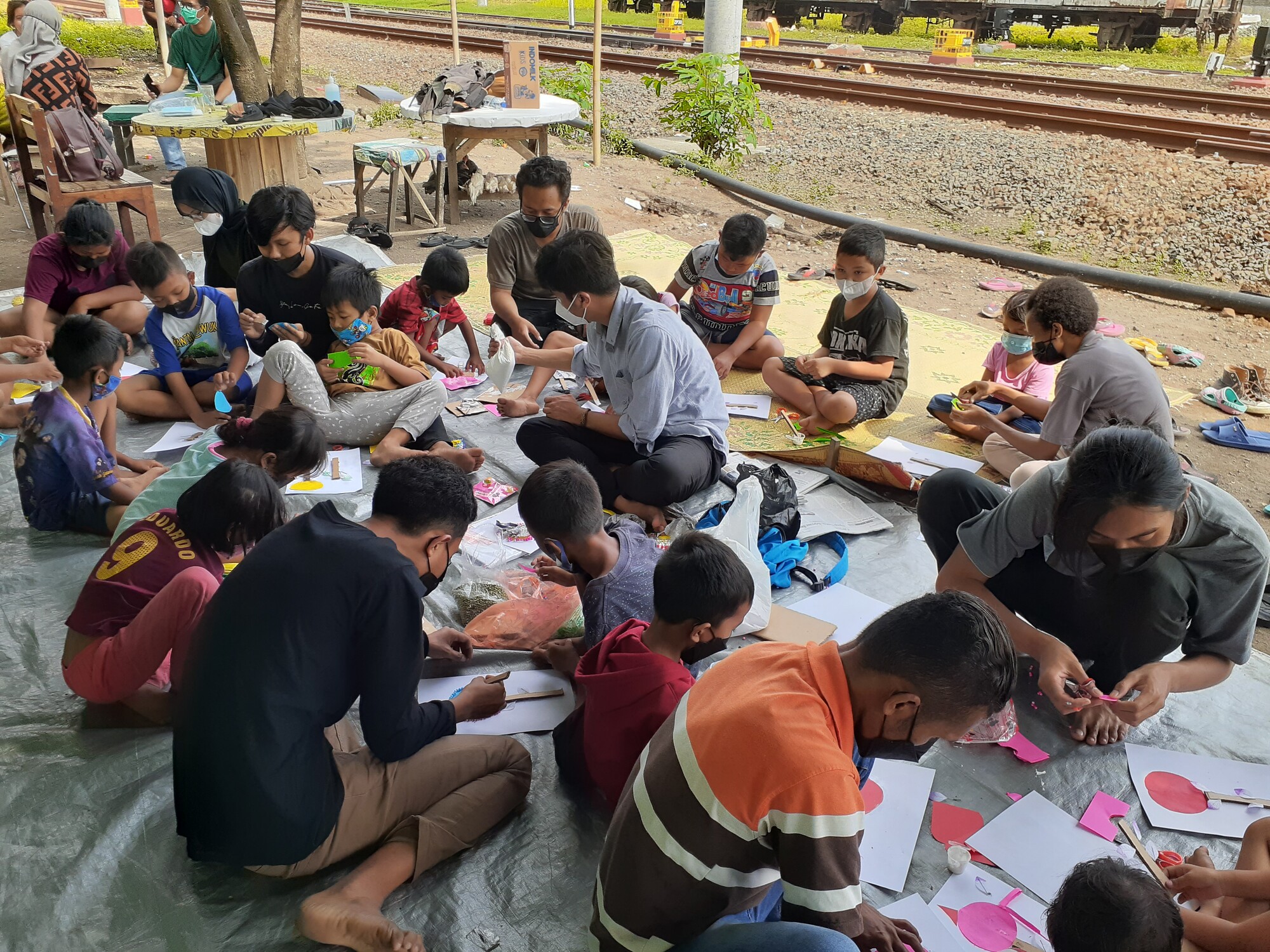
Stigmatization –Marginalization –Victimization
Time and again, I saw people labeled and pushed aside, eventually reduced to objects of pity or scorn. For example, when I worked with migrant workers, I met many women who had been trafficked under the guise of domestic labor, only to end up abused and undocumented abroad. Upon their return, instead of being welcomed, they were often blamed for their suffering or, worse, treated as moral failures. Their trauma was not only physical but also deeply social. Society often turns victims into theguilty.
A particularly tragic and political example is the experience of those accused of being communists during the anti-communist purges in Indonesia after 1965. Many were imprisoned without trial, and their identities were marked with the label“ekstapol” (former political prisoner), printed on their identity cards. This label led to lifelong marginalization. They were not allowed to enter the civil service, their children were barred from military academies and often from public universities, and they were socially shunned. A simple accusation resulted in detention, surveillance, and public suspicion. Stigmatized by the label, marginalized by policy, and victimized by exclusion, they were forced to live in silence and fear long after their prison sentences ended.
I have alsoobserved similar patterns among people living with HIV/AIDS, members of minority religious groups, or those from impoverished backgrounds. What begins as a stigma, a label, or a stereotype often evolves into marginalization in policies, access to services, and publicperception. Over time, these groups face victimization not only from individuals but also from the very structures meant to protect them.
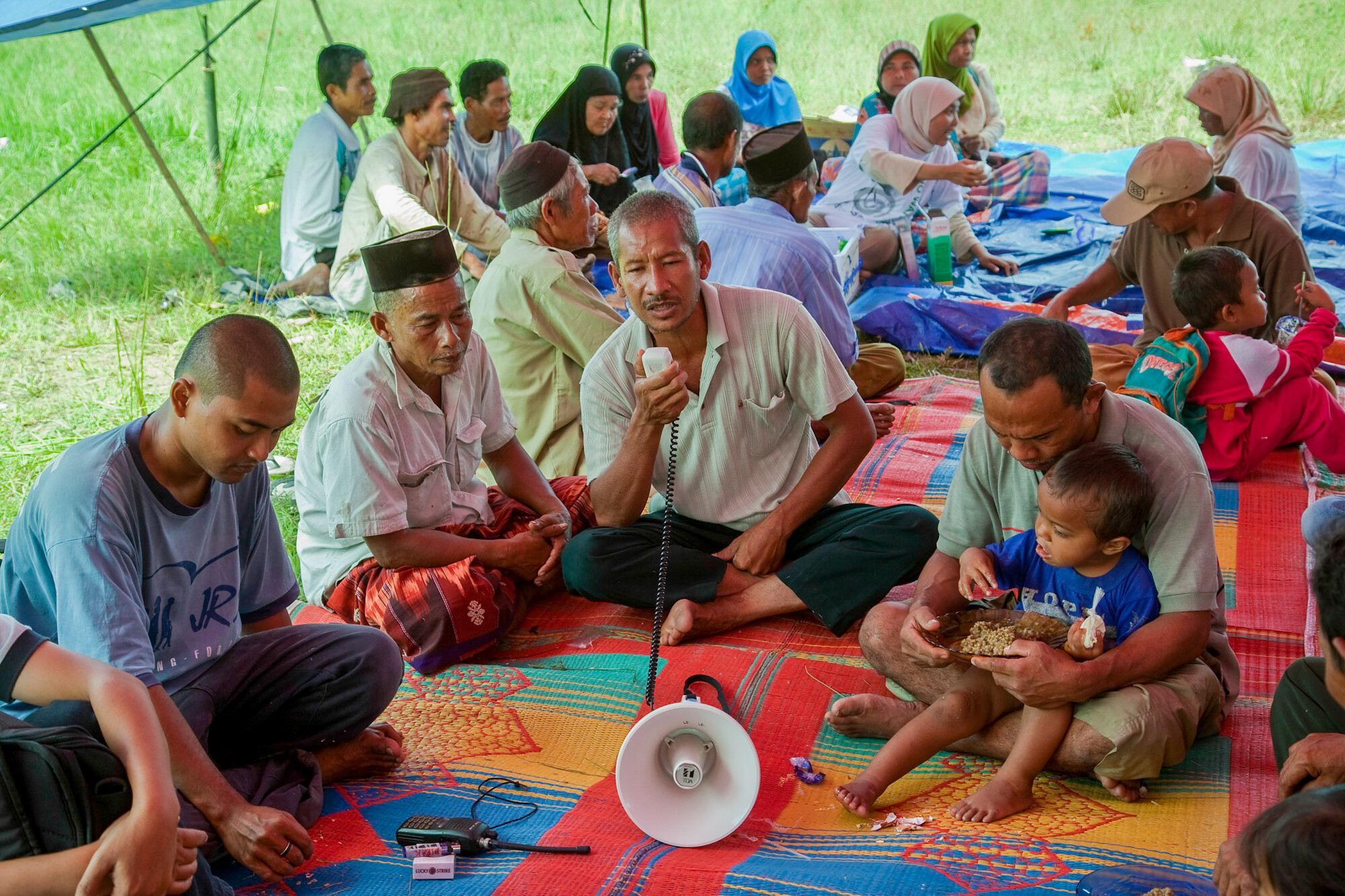
Conflict – Tolerance – Dialogue – Collaboration
I have observed this pattern in many forms, from violent interreligious conflict to institutional injustice. A long-standing example is the case of GKI Yasmin in Bogor [West Java, Indonesia], where a Protestant congregation, despite having a legal permit and a Supreme Court ruling in their favor, was barred from using their church building. Local authorities, pressured by intolerant groups, sealed the church, forcing the community to worship on sidewalks for years. This act of intolerance was not a random incident but reflected deeper structural resistance to religious diversity.
On a more tragic scale,Iwitnessed firsthand the interreligious violence in Ambon (1999–2002), where decades of peaceful coexistence between Muslims and Christians were shatteredalmost overnight. Churches and mosques were burned, entire neighborhoods destroyed, and people killed in the name of religion. The pain of Ambonremains etched in my memory, not only because of the suffering but also because of the resilience and courage thatemerged afterward.
In both situations, the path to healing started with tolerance, not just passive coexistence, but an active effort to make room for each other's presence. This led to dialogue: in Ambon, interfaith groups began organizing community conversations, peace education for youth, and joint memorials. I was privileged toparticipate in forums where Muslim and Christian leaders shared their grief and hopes together.
From dialogue, collaboration developed. In Ambon, Muslims and Christians together rebuilt schools, revived shared markets, and hosted cultural events celebrating both traditions. In Bogor, although the GKI Yasmin church remained sealed for years, interfaith solidarity grew stronger as Muslims joined Christians in public worship, acting as a form of resistance and witness.
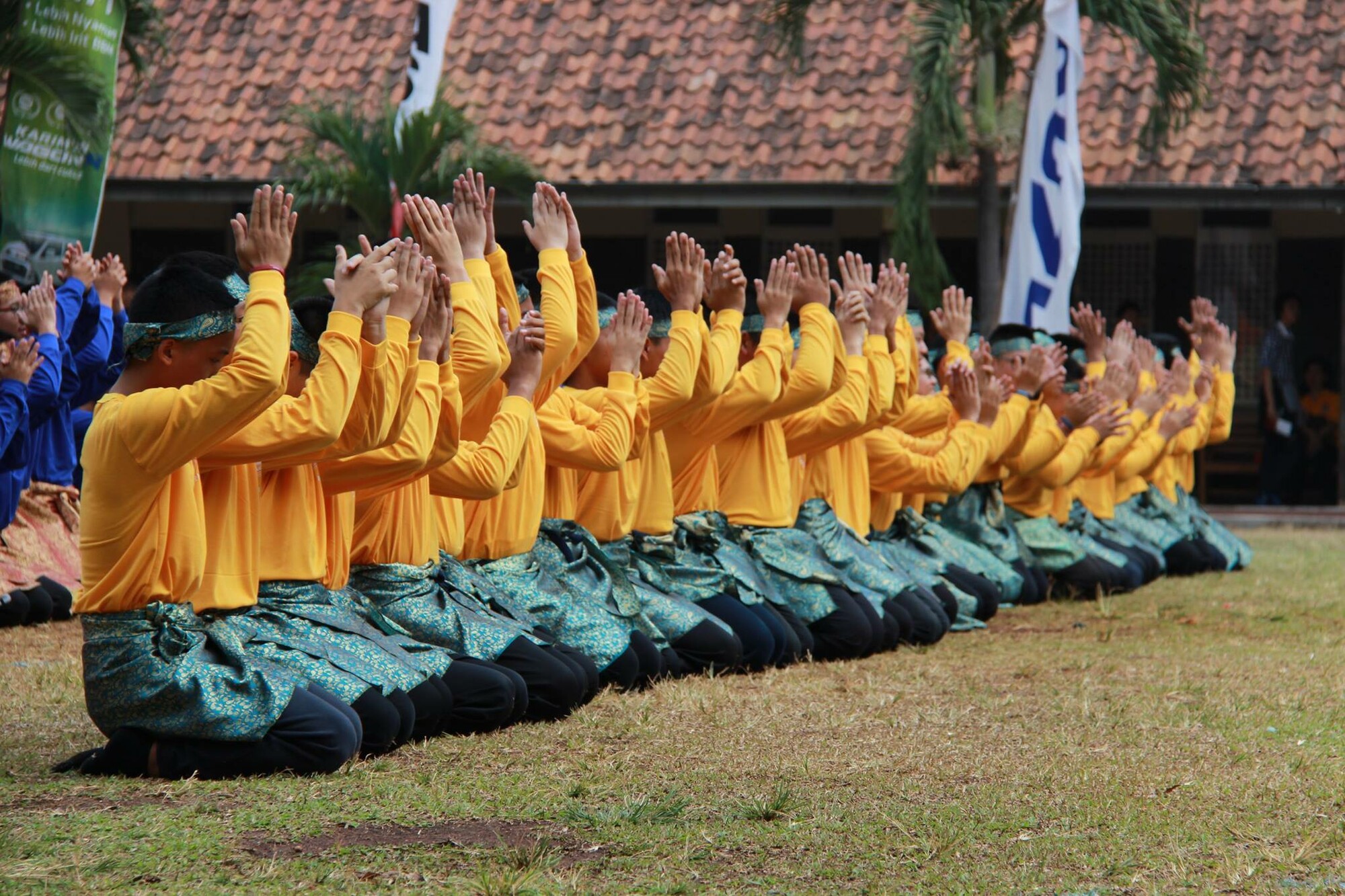
Exclusivity – Openness – Exchange of Perspectives – Mutual Enrichment
In religious and cultural encounters, I noticed a pattern that started with exclusivity—a belief that only one worldview is valid. But through pastoral work and academic dialogue, I saw hearts and minds open. I remember a series of seminars between Muslim and Catholic students, initially marked by suspicion. But as we moved from formal debates to shared meals and stories, the exclusivism began to soften. Whatemerged was not syncretism but a respectful exchange—a willingness to listen deeply and be changed.
In several encounters, I saw how genuine openness helped people learn from other traditions without losing their own. A Muslim professor once told me that Catholic social teaching influenced how he thought about justice in his faith. I have also been deeply enriched by the values of patience, submission, and hospitality found in Islamic spirituality.
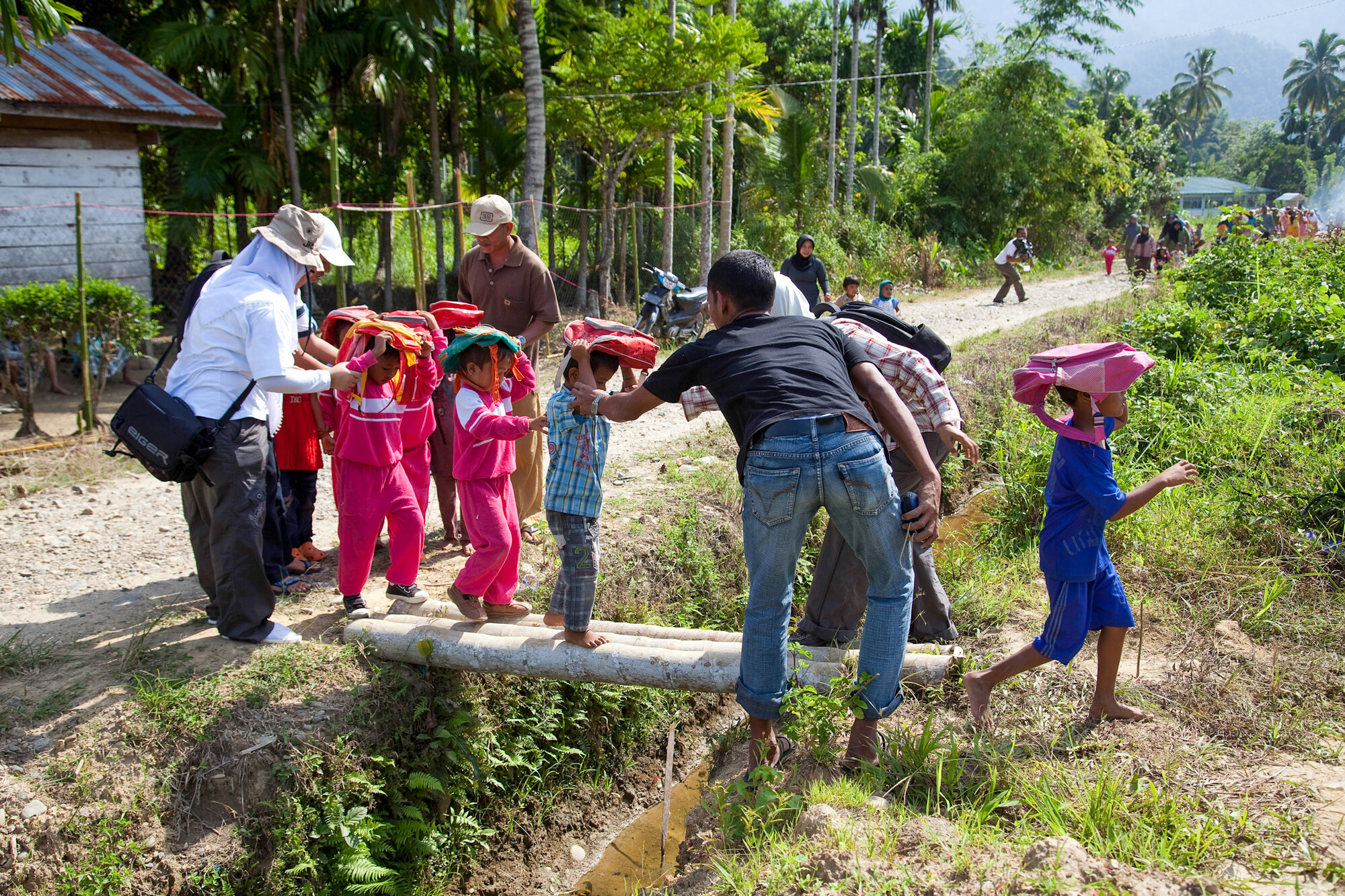
Tension – Strain: Between Institutional Religion and Lived Spirituality; Between Continuity and Discontinuity; Between Charity and Structural Empowerment
Throughout my life, I have sensed the inevitable tensions within religious life and mission. There is a creative yet fragile space between the institutional Church and the spontaneous movements of lived spirituality. I havewitnessed the fire of the Spirit moving in places where institutional structures were either absent or unresponsive. I have also experienced how structures are essential to support mission and prevent harm.
A particularly sensitive tension is that between continuity and discontinuity. That is, how we preserve the integrity of our faith tradition while also allowing for the changes required by new cultural, historical, and generational contexts.
One example of this is the cultural shift in ritual practices among young Catholics in Indonesia. In many regions,particularly in Eastern Indonesia, Catholicism has been deeply enculturated through local customs, with liturgies oftenfeaturing traditional dances, chants, and attire. These expressions carry deep meaning and spiritual significance, especially for older generations and rural communities. However, many young Catholics,particularly thosestudying or working in cities,find such expressions less accessible or relevant. Instead, they are moredrawn tocontemporary forms of worship, personal reflection, or digital expressions of spirituality.
This presents a pastoral dilemma. Should we prioritize preserving traditional forms tomaintain cultural continuity, or should we embracenew expressions that might erode the richness of communal and symbolic heritage?
Both options have merit and risk. Rigid continuity can alienate the young; sudden discontinuity can unmoor tradition. The pastoral path, I have found, is to build bridges: create opportunities where old and new can meet. Allow young people to reinterpret traditional forms in their own voice. Encourage liturgical creativity thatremains rooted in the sacraments. In this way, we do not abandon the past but allow it to live and breathe in the present.
Final Reflection
These patterns of marginalization, conflict, dialogue, openness, and tension have not only shaped my work but have also formed my soul. They have taught me that ministry is not just about preaching or programs but about walking alongside people in their most vulnerable moments, and being willing to let their pain, wisdom, and resilience transform me.
Now in the twilight of my years, I remain deeply convinced that the mission of faith is not to dominate, but to serve the world’s wounded dignity. It is in walking with the marginalized, speaking truth amid conflict, opening our hearts to the faith of others, and embracing the tensions of our time that we live the Gospel most fully.
(Original: English)
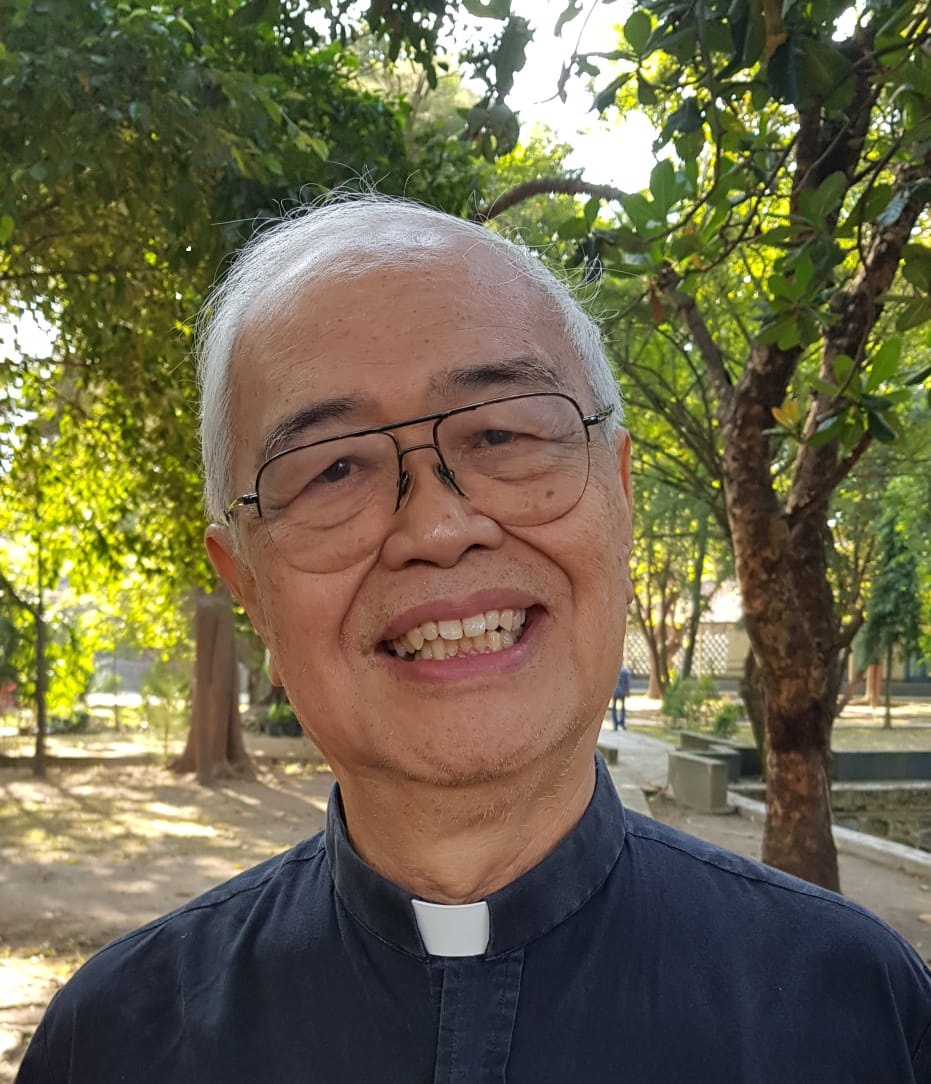 Ignatius Ismartono SJ
Selected References
1. On Stigmatization, Marginalization, and Political Victimization:
- Cribb, Robert (ed.).The Indonesian Killings of 1965–1966: Studies from Java and Bali. Monash University Press, 1990.
- Zurbuchen, Mary S.Beginning to Remember: The Past in the Indonesian Present. University of Washington Press, 2005.
- Human Rights Watch.Indonesia: Human Rights and the Legacy of 1965. HRW Report, 2015.
2. On Religious Intolerance and Conflict in Indonesia:
- International Crisis Group.Indonesia: The Dark Side ofJama’ah Islamiyah. ICG Report No. 63, 2003.
- Hefner, Robert W.Civil Islam: Muslims and Democratization in Indonesia. Princeton University Press, 2000.
- Azra,Azyumardi.Renaisans Islam Asia Tenggara: SejarahWacana danKekuasaan. Mizan, 1999.
- HRW.In Religion’s Name: Abuses Against Religious Minorities in Indonesia. Human Rights Watch, 2013.
- BudiHernawan. “The GKI Yasmin Case and the Struggle for Religious Freedom.”JurnalIlmu Sosial danIlmu Politik, Vol. 17 No. 3, 2013.
3. On the Conflict in Ambon and Paths Toward Reconciliation:
- Duncan, Christopher R.Violence and Vengeance: Religious Conflict and Its Aftermath in Eastern Indonesia. Cornell University Press, 2013.
- Adam, Asvi Warman.Tragedi Nasional:Pergulatan MemoriKolektif,Kekerasan, danPerdamaian di Ambon. LIPI Press, 2016.
- Robinson, Kathryn. “Gender, Islam and Democracy in Indonesia.”Routledge Handbook of Contemporary Indonesia, 2018.
4. On Migrant Workers and Human Trafficking:
- Ford, Michele, and Lynette McGregor.Labour Migration and Human Trafficking in Southeast Asia: Critical Perspectives. Routledge, 2011.
- IOM Indonesia.Counter-Trafficking Programs and Reports. International Organization for Migration, Annual Reports.
- Parvati, Richa.Trafficking of Indonesian Migrant Workers: A Hidden Crisis. ILO-IPEC, 2012.
5. On Cultural Shift and Inculturation in Indonesian Catholicism:
- Steenbrink, Karel A.Catholics in Indonesia, 1808–1942: A Documented History. Brill, 2003.
- Mangunwijaya, Y.B.Gereja dan Masyarakat di Indonesia.PenerbitKanisius, 1981.
- John Prior. “Inculturation and the Challenge of Change in Catholic Indonesia.”Verbum SVD, Vol. 51, 2010.
Related Posts:
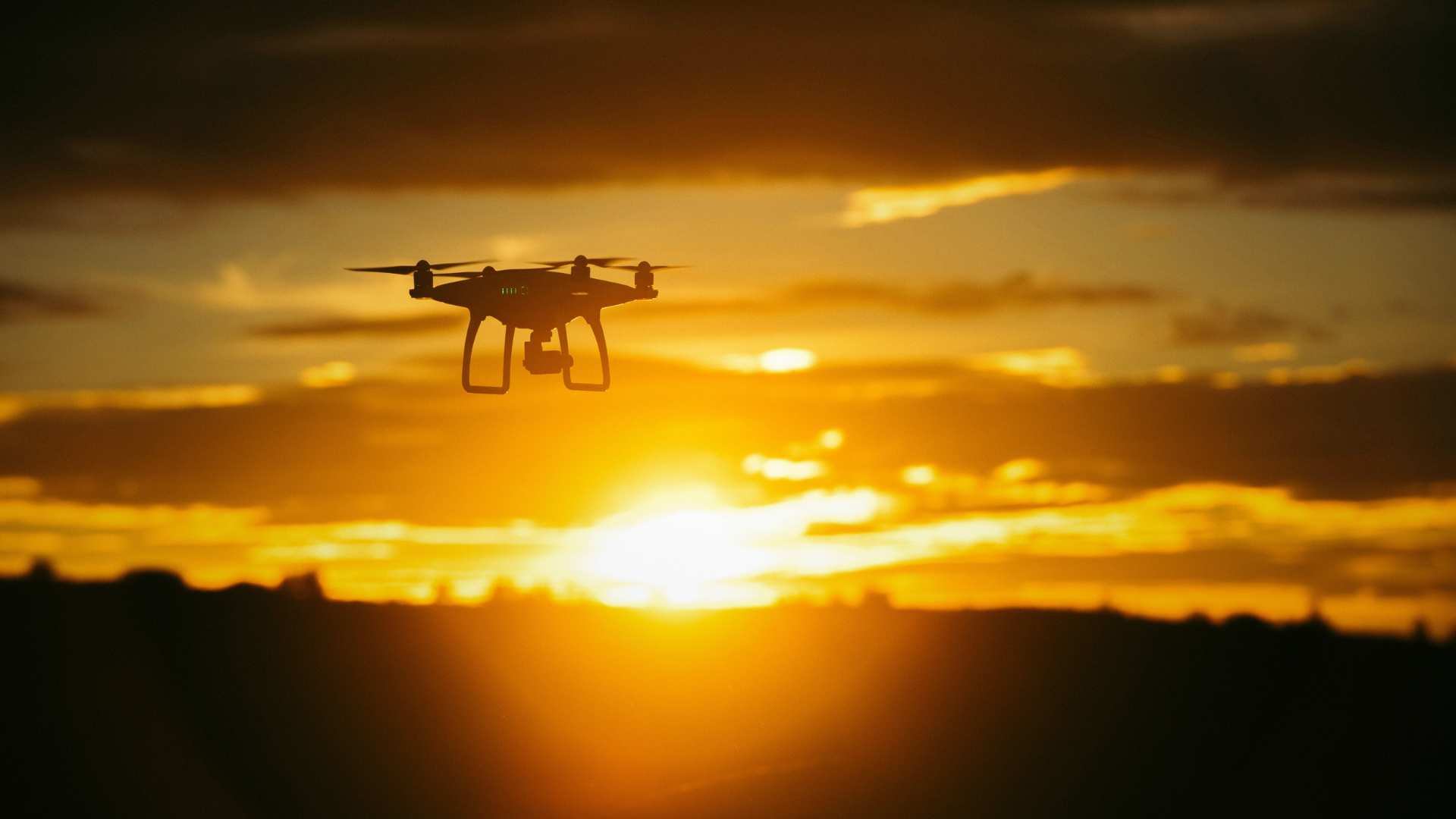
In Magnifica Humanitas, Pope Leo XIV warns that machine intelligence in war ends by “reducing victims to data.” The machine profiling that registers a person for food can also be used to select a person as a target. A small drone circling a road, with no one steering it, can have such a profile as its target. A drone like this is an autonomous weapon system. Once activated, it selects and attacks targets by itself, matching what its sensors detect to a programmed target profile. No human being decides, at the moment of the strike, that this particular person will die or is the right target. The case most often cited as the first use of such a weapon against people, reported by UN experts, was in Africa, in Libya in 2020.
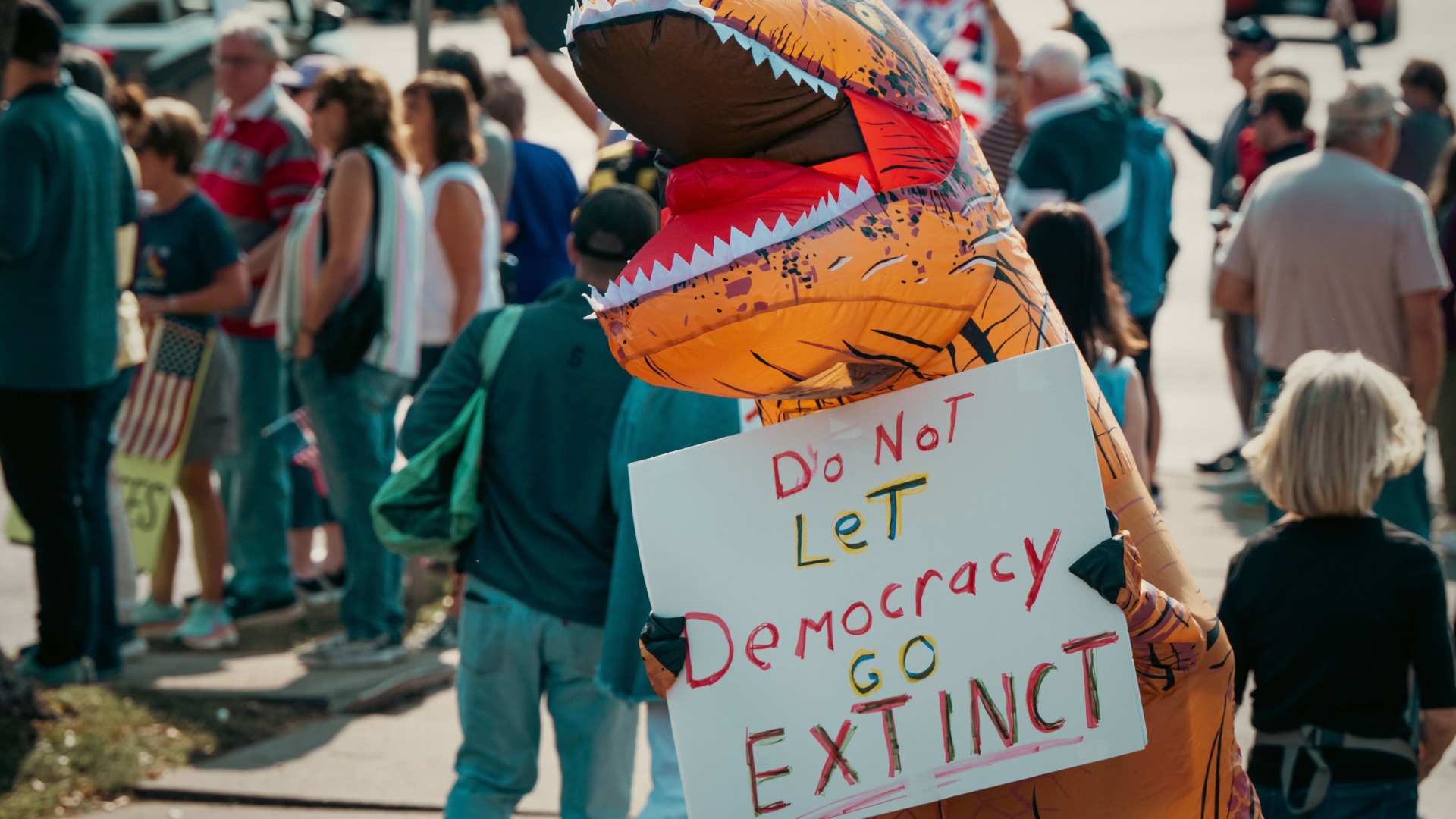
Democracy, which has historically proven most effective in meeting these criteria, cannot be taken for granted. In our AI era, citizens should press for more than multiparty elections and the protection of basic freedoms; that institutional core is not enough. We must carefully regulate and channel powerful technologies with the capacity to divide us from one another and short-circuit social and political participation. That means maintaining spaces in civil society where human contact and social friendship can flourish without the mediation of machines, beginning with the educational systems through which all citizens pass. It means fighting deepfakes and disinformation in the public sphere, so that citizens still operate in a world of facts and evidence and political representation has a strong basis.
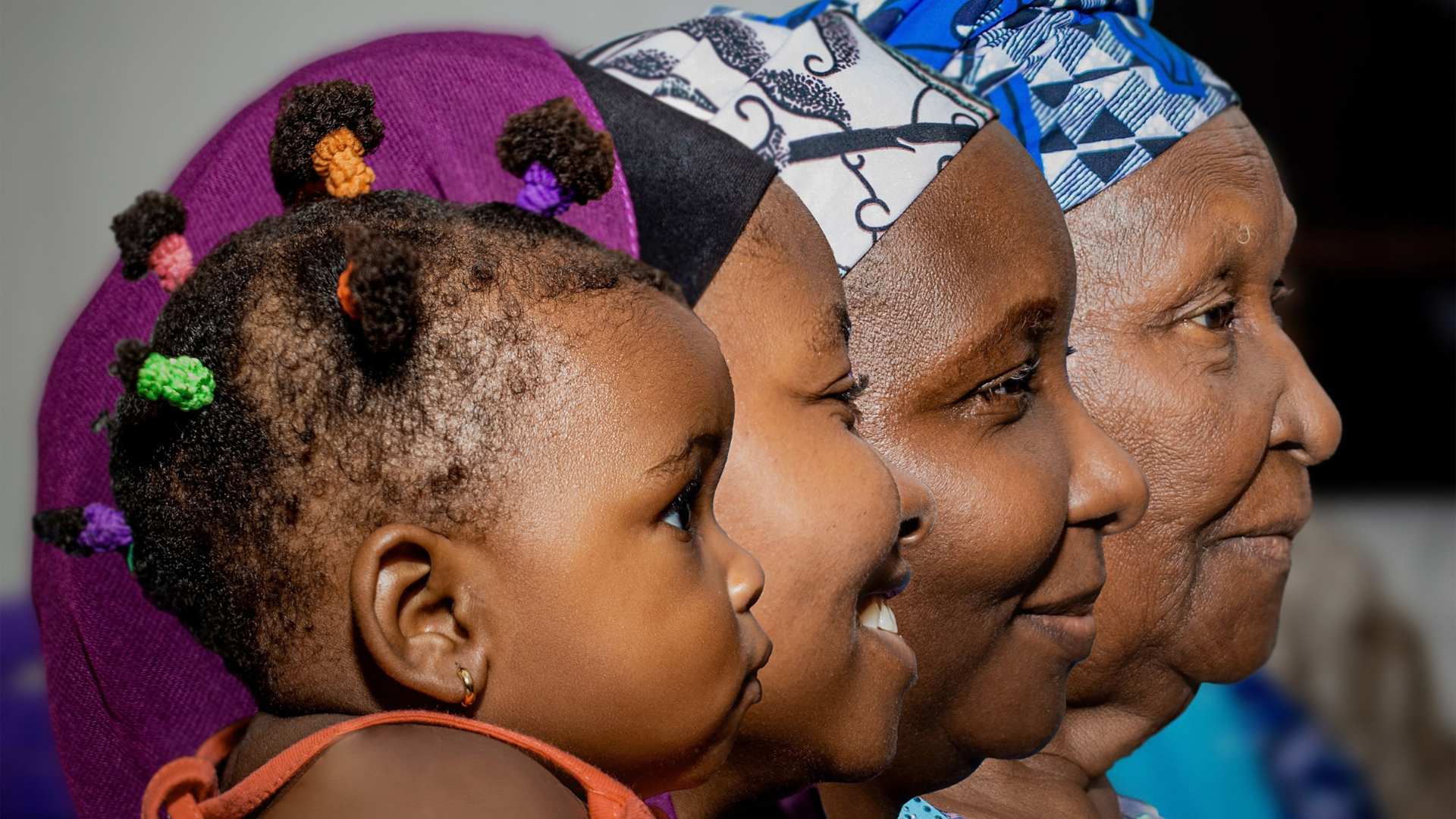
Artificial intelligence (AI) is increasingly entering public life in Ghana, including through digital systems used for identification, verification and service delivery. The ethical question is therefore not simply what AI can do, but what happens to people when digital systems become gateways through which citizenship, mobility or access to services are recognised. In northern Ghana, especially in border communities, this is a concrete question. I was privilege to visit Pusiga community in November 2025 with a Jesuit friend of my mine who is originally from the community. Thus, the topic for this article resonates very well with me.
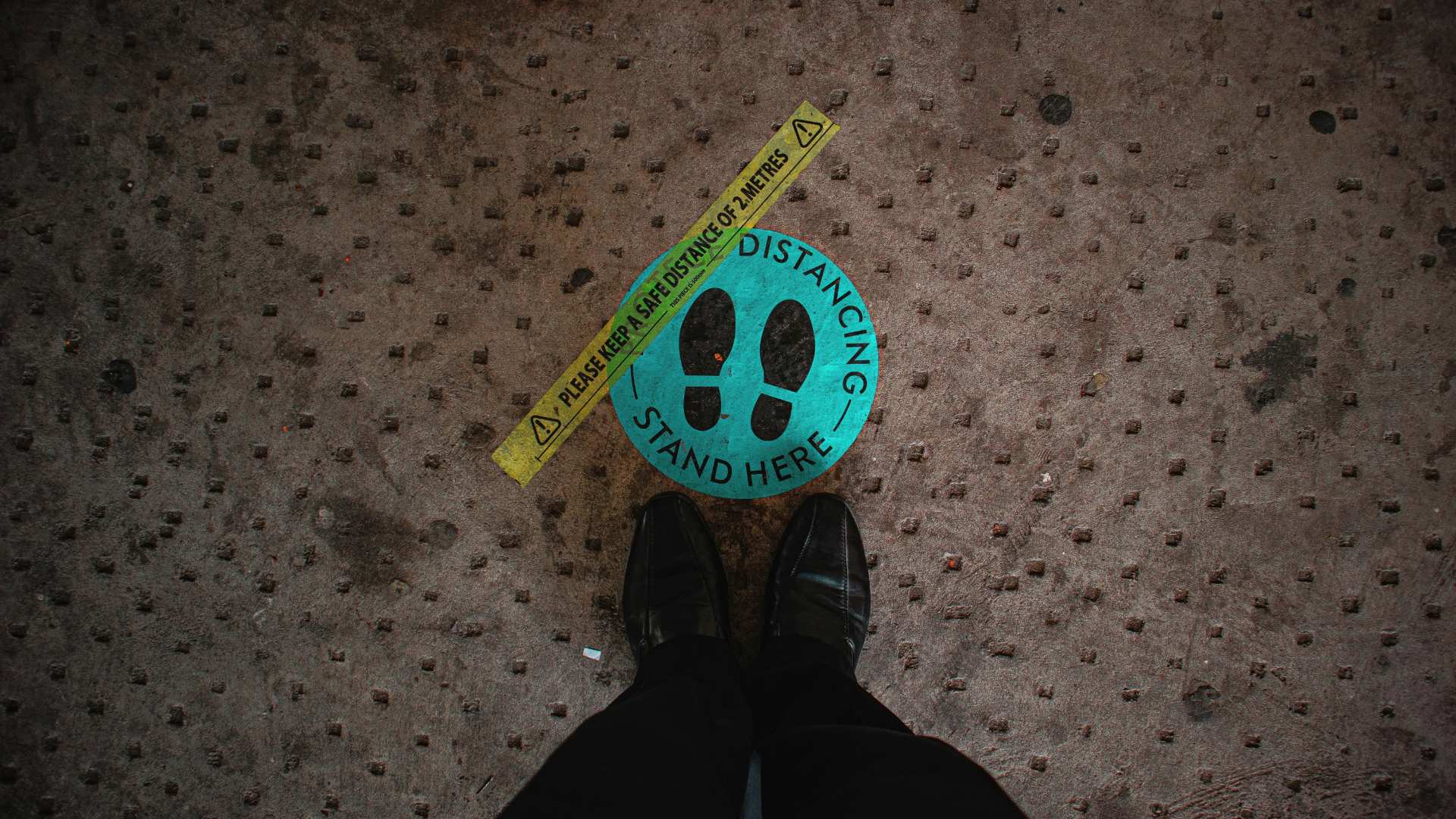
The article ‘Pandemic and Authoritarianism’, by Germán Rosa, SJ, was written in the midst of the COVID-19 crisis, but its insights extend beyond that context. The pandemic appears to reveal and accelerate political trends that were already present: the concentration of power, the weakening of democratic checks and balances, and the acceptance of extraordinary restrictions in the name of collective security. Rosa’s main concern is that fear may lead citizens to silently surrender their freedoms and rights, and that measures which were initially intended to be temporary become normalized and endure. Furthermore, in societies riven by inequality, control is never distributed neutrally: it falls most heavily on the impoverished, marginalized groups, migrants, dissidents and those who defend rights and territories.
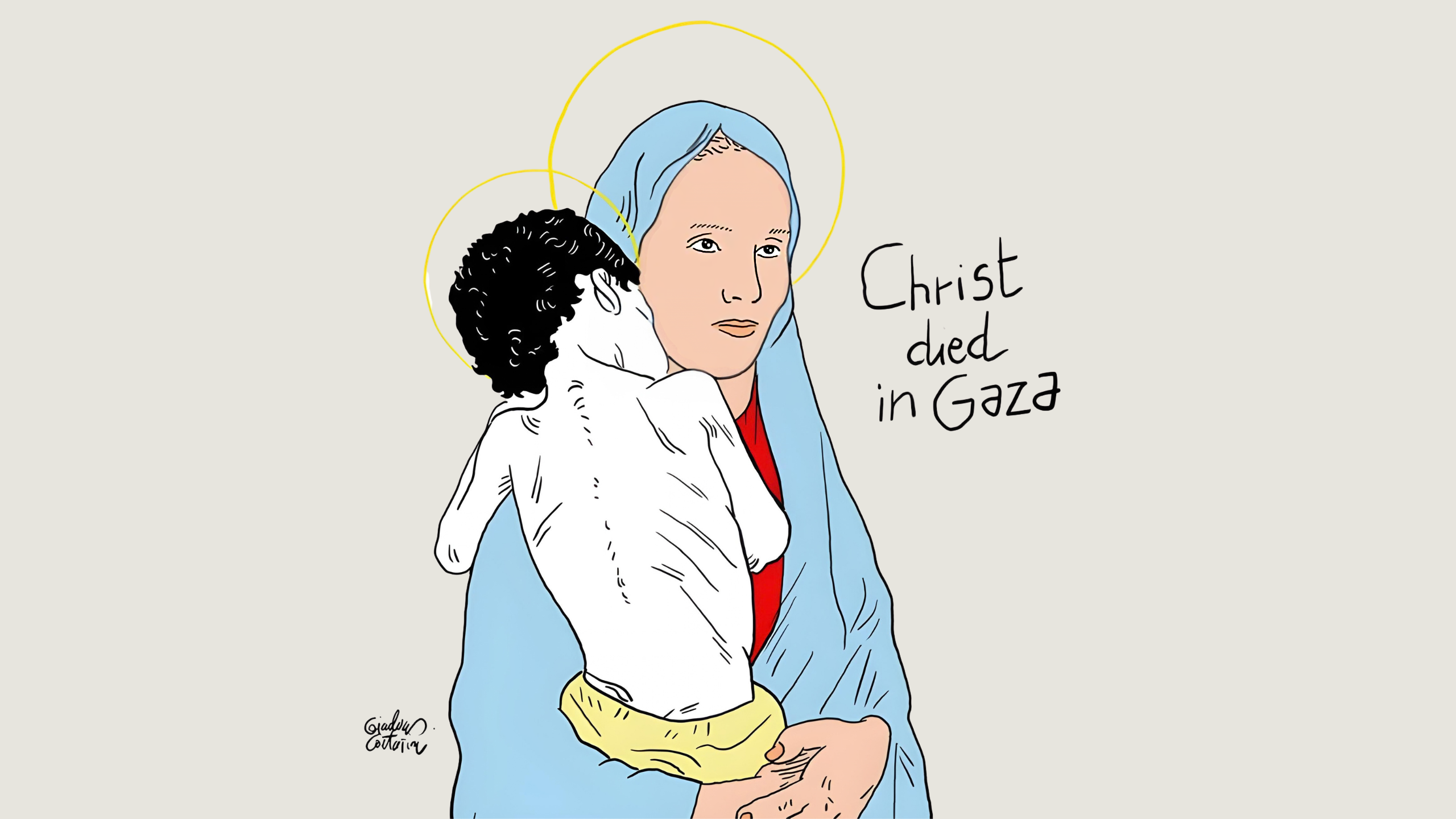
Speaking of dead children is uncomfortable. Yet it can also be healing. As I listened to the stories shared that day, I found myself returning to memories I may at times shy away from remembering. Iremember finding my sister’slifeless body in bed one Saturday morning. Ihad cometo carry her out with me to watch cartoons.As I listened tothe story of Hind Rajab, a 5-year-old girl who had been trapped inside a car attacked by Israeli forces,the memory of a little boy reaching out to touch his sister came back. The young girlhadmanaged to call the Red Crescent for help but hours later she and the paramedics who had come toassisther were all found dead. The chilling story reminded me of the shocking cold that struck my hand as I gently touched my sister’s arm in a futile attempt to wake her up.
Who Are the Victims and Those at Risk of Becoming Victims? When it comes to mining, particular attention must be paid to those who are most vulnerable: Indigenous communities whose livelihoods depend on their land, forests, rivers, and water sources; small-scale farmers; fishers; poor families; women, children, and older people; as well as communities with the least bargaining power in legal, economic, informational, and political matters. They may become victims when land loses its social function, when water sources are polluted or disappear, when the environment is damaged, when livelihoods are disrupted, or when their social and cultural life is transformed without their genuine consent.


