
The Faith-Justice Mission and Pilgrimage to Right Relations with Indigenous People in Canada
The unity of the faith-justice mission flows from its underlying spiritual reality. That reality is the presence and activity of the Crucified and Risen Lord in our midst. This in turn includes how He is inviting us to join Him in His labours, and how we are being transformed by meeting Him.
GC 32’s Decree 4, “Our Mission Today: The Service of Faith and the Promotion of Justice” had a huge impact on the Jesuit Province of Canada and on me. While it changed us in many ways, I would like to discuss how it transformed our relationship with Indigenous People especially through the dark consolations of the Spiritual Exercises’ Third Week.
GC 32’s recognition that social justice is a constitutive part of the service of faith gradually changed our understanding of traditional “Native Missions” in Canada. It helped us realize that we are here not only to give but also to receive and learn, especially about the value of Indigenous spiritualities. It also prepared us to accept our own contribution to colonization and its devastating impacts on Indigenous Peoples.
This change did not happen by simply reading Decree 4 then reflecting on our work. Rather, Decree 4 helped us navigate confusing currents and a complex story with many turns and much turbulence.
An important context of our story is the Truth and Reconciliation Commission of Canada (TRC), which worked from 2008 to 2015. Its mission was to receive and document the testimonies of Indigenous People who had attended Indian Residential Schools in Canada as children, and to provide a safe forum to discuss their experiences in order to recognize publicly the harmful experiences of the children and the ongoing consequences of these harms. The hope was that this acknowledgement could be part of their healing and could promote reconciliation between them and the people of Canada, the government of Canada, which owned the schools, and the Christian churches that managed them.
The Indian Residential Schools operated from the early nineteenth century until the 1990’s. The Jesuits ran one, which closed in 1958. It was on the north shore of Lake Huron, part of a region where Jesuits had been ministering since the 1840’s. These schools were part of the Canadian government’s strategy to consolidate the colonization of the territory. It intended to extinguish Indigenous cultures through “re-educating” their children into Euro-Canadian ways. To this end, the schools separated the children from their families, communities, cultures, languages and spiritualities. Many schools also became places of abuse, including physical and sexual. By cooperating with the government through the management and staffing of residential schools, the churches mixed evangelization with colonization. While many church people were good and sincere teachers, most staff nevertheless shared to some degree the dominant colonizing attitudes of much of the Canadian population.
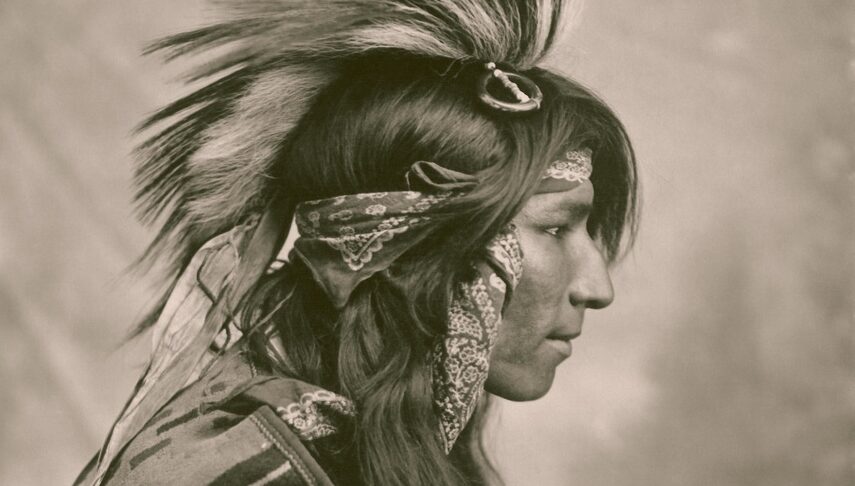
On May 31, 2012, I began my service as provincial of the Jesuits in English Canada. This was also the first day of a large, regional assembly of the Truth and Reconciliation Commission in Toronto. I had been advised that few official representatives of the Catholic Church would be present, so it would be important for me to attend as the Jesuit provincial, and to be visibly present as a Catholic priest. When I entered the downtown convention centre in my clergy suit, I realized Ihad made a terrible mistake. Indigenous participants seemed visibly uncomfortable with me. Instead of my Roman collar being a symbol of peace, solidarity and reconciliation, I felt that it became a trigger for traumatic memories of abuse in residential schools. I tried to “dress down” by removing the tab from my collar and taking off my jacket, but it was still obvious that I was a priest.
I felt self-conscious, ashamed and vulnerable. I also felt confused that what was so important to me, my vocation and mission, seemed to threaten Indigenous People. My holiest desires felt somehow corrupted by my blind spots that masked the historical links between evangelization and colonization. Despite wanting to retreat to the comfort of other church people at the gathering, I felt it was important for me to be with Indigenous People and to experience shame and vulnerability for our collective responsibility for their suffering. While I felt uncomfortable, I also recognized that my discomfortdid not compare to the disruption and violence that Indigenous People have experienced for generations.
Once I accepted my own discomfort and stopped focusing on myself, I noticed that no Indigenous person was being rude to me. Indeed, some even tried to make me feel welcome. Here I was, a potential trigger for traumatic memories, and some who had such memories were reaching out to me. This broke my heart.
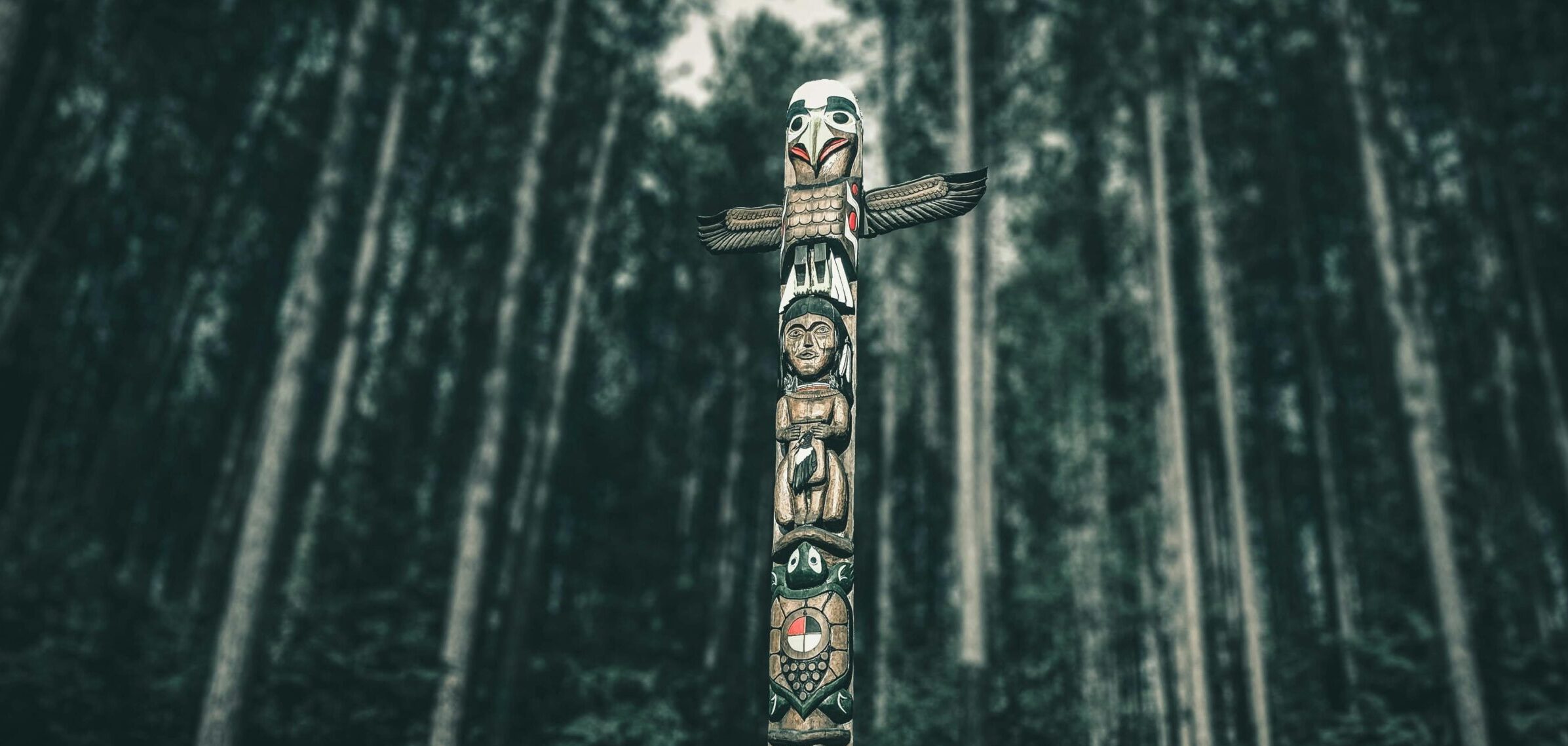
My ability to shoulder the humiliating collective responsibility for damage done to Indigenous People did not come only from my personal spiritual resources. It had a larger history.
When allegations of Jesuit sexual abuse of Indigenous children first appeared in the late 1980’s, we did not believe them. The victims then sued us. We were indignant and replied in kind, using the law as a weapon. Upon much reflection and discernment, we realized we were treating old friends like enemies. We alsostarted to notice patterns in the allegations and found that our own records supported many things we were hearing. We began to listen less judgmentally, to act lessdefensively, and to take the allegations more seriously. Eventually we came to acknowledge the harm we had done by participating in the residential school system and contributing to colonization in general. As we recognized our responsibility for harm done, we also sought to compensate for it.
The change in how we listened to Indigenous People and the admission that colonization had shaped our evangelization allowed me to walk with Indigenous People with sincerity and more purpose. It allowed me to accept the shame and confusion that came with being a trigger for traumatic memories during the TRC’s 2012 regional gathering in Toronto. Subsequent changes moved us further down this path of conversion and decolonization. The most important such change was a 2015 province-wide communal discernment about our priorities. The first priority to emerge was Ignatian spirituality, which was not surprising. The second priority, however, was surprising: Indigenous relations. This expression did not mean ministry to Indigenous People (what we used to mean by “Native missions”), but ministry with Indigenous People, especially Indigenous Catholics. It also meant that such partnership should influence our other ministries and was not the business of only one apostolic sector. This new priority developed from the insight that throughout the history of Jesuits in Canada, we were our best selves when we were in right relations with Indigenous People. At the end of this exercise an Indigenous Elder, who had been working with us for 40 years, said, “At last I feel recognized. At last, I feel like a friend.”
It took many humiliations to move us from a paternalistic attitude to one of partnership and mutual learning. The acknowledgement of our own responsibility was an important First Week grace that enabled us to embrace the truth of how Indigenous People saw our history, and which also opened us to subsequent graces. Staying faithful to a challenging relationship with Indigenous People, with the humiliations of facing our truth and being willing to suffer for the sake of staying in relationship has been a long and transformative Third Week grace for us. We could not have stayed in these relationships without admitting that we had allowed colonization to affect our evangelization. This admission, moreover, could not have happened without the critical self-awareness that came with GC 32’s faith-justice commitment and its desire to be with marginalized people. Nor could it have come without the friendship of Indigenous People and the freedom to have difficult conversations with them.
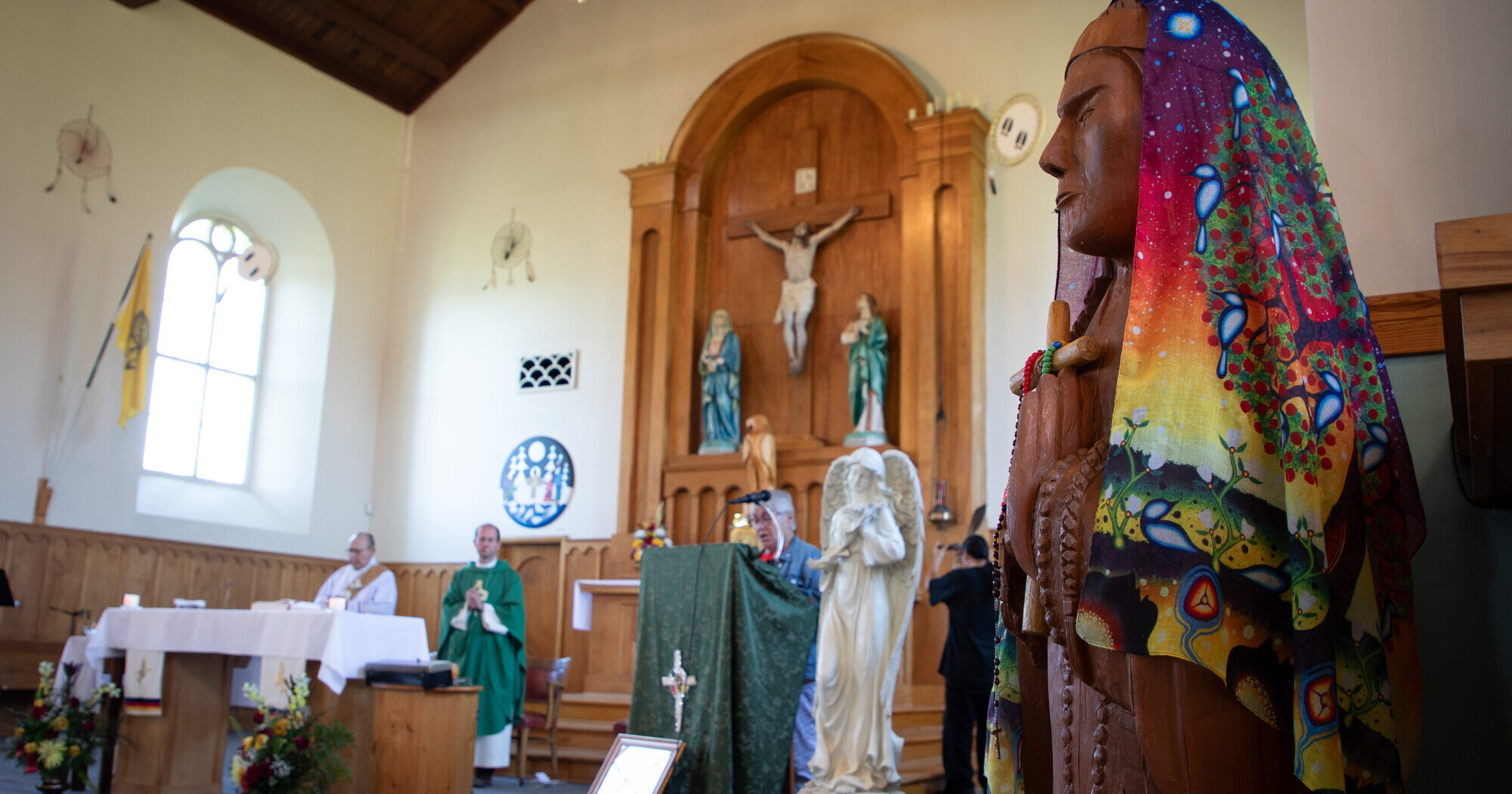
It was the Third Degree of Humility of the Second Week of the Exercises and the long, painful consolations of the Third Week that finally began to transform the imbalanced power dynamics between us and Indigenous People, especially Indigenous Catholics. We went from being “above” Indigenous People who we served to being partners, friends and allies, and even being helped by them as the Elder pointed out. We were less agents of colonization but instead novices learning from Indigenous partners, working towards decolonization.
I would now like to invoke GC 34 (1995) to deepen my interpretation of our experience. GC 34’s mission decrees (Servants of Christ’s Mission, Our Mission and Justice, Our Mission and Culture, Our Mission and Interreligious Dialogue) confirmed GC 32’s faith-justice mission not with moral argument or theological justification but with religious experience. They pointed out how the Society encountered and was transformed by the Crucified and Risen Christ as He was at work in those aspects of mission in the world. GC 34 confirmed the faith-justice mission by showing how the Society met Jesus through that mission. In this way, the decrees recognized the spiritual realities operating beneath our mission activities.
The Jesuits in Canada have met the Lord in Indigenous People, especially by remaining with them even with their justified critiques and our feelings of humiliation and repentance. The Lord was already there and was inviting us to be with Him there. But if we have really met the Crucified and Risen Christ, then we should have been transformed. How?
We have experienced two kinds of transformation, one in how we saw ourselves, the other in how we saw Indigenous People. We used to see ourselves the way some old Canadian history books did: as self-sacrificing missionaries and teachers who, with other missionaries, helped bring the Gospel and civilization to what later became Canada. We have since learned from Indigenous People that these ideas did not tell the full story. Furthermore, these ideas acted as blind spots masking how evangelization efforts contributed to colonization and its damaging legacies, which included cases of abuse. The Indigenous People we were closest to knew all this, yet they did not chase us away. At a certain point in our shared story, we realized that these same Indigenous People were ministering to us. So, our view of ourselves became more humble, more realistic, and we started to see ourselves less as “superior” people with something to offer and more like companions with Indigenous People, sharing gifts and working toward the common good.
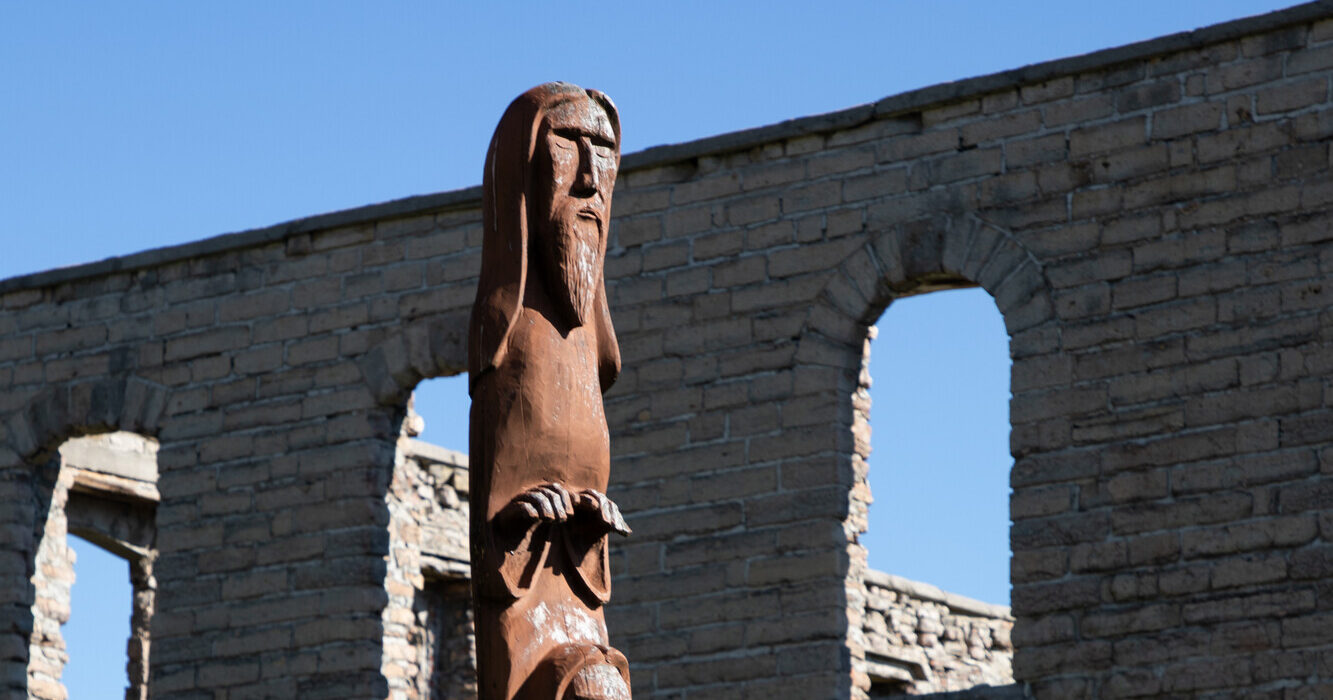
Our view of Indigenous People has also changed. We saw them less as people with terrible traumas who needed our help, and more like human beings with amazing spiritual gifts with whom we should be partners and allies in working toward the Kingdom of God. Let me point out two of their gifts. One is the centrality of spirituality to every kind of work and to a healthy society. It would be very rare to find things of the Spirit marginalized or privatized in Indigenous cultures. The other spiritual gift is the centrality of Creation to spirituality. A right relationship with the earth is a fundamental part of a right relationship with the Creator and is part of the pathway to God. It seems to me that Indigenous spiritualities can help us learn what integral ecological conversion means and help us embrace a life of reconciliation in three dimensions: with God, with each other, and with Creation.
The Society of Jesus in Canada has been transformed for the better through the difficulties and challenges of trying to find right relations with Indigenous People. This is where we have met the Crucified and Risen Christ. Our path to the Lord has been a path of seeking justice, much of which has meant our own transformation. He is the principal agent of mission here, not us. The faith-justice grace may be complex, but it is one thing because He is one and so is His mission.
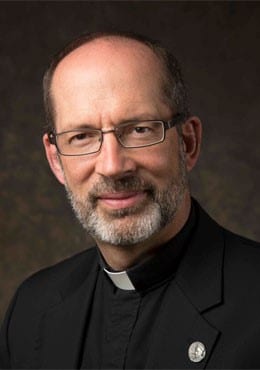 Peter Bisson SJ
Related Posts:

In Magnifica Humanitas, Pope Leo XIV warns that machine intelligence in war ends by “reducing victims to data.” The machine profiling that registers a person for food can also be used to select a person as a target. A small drone circling a road, with no one steering it, can have such a profile as its target. A drone like this is an autonomous weapon system. Once activated, it selects and attacks targets by itself, matching what its sensors detect to a programmed target profile. No human being decides, at the moment of the strike, that this particular person will die or is the right target. The case most often cited as the first use of such a weapon against people, reported by UN experts, was in Africa, in Libya in 2020.
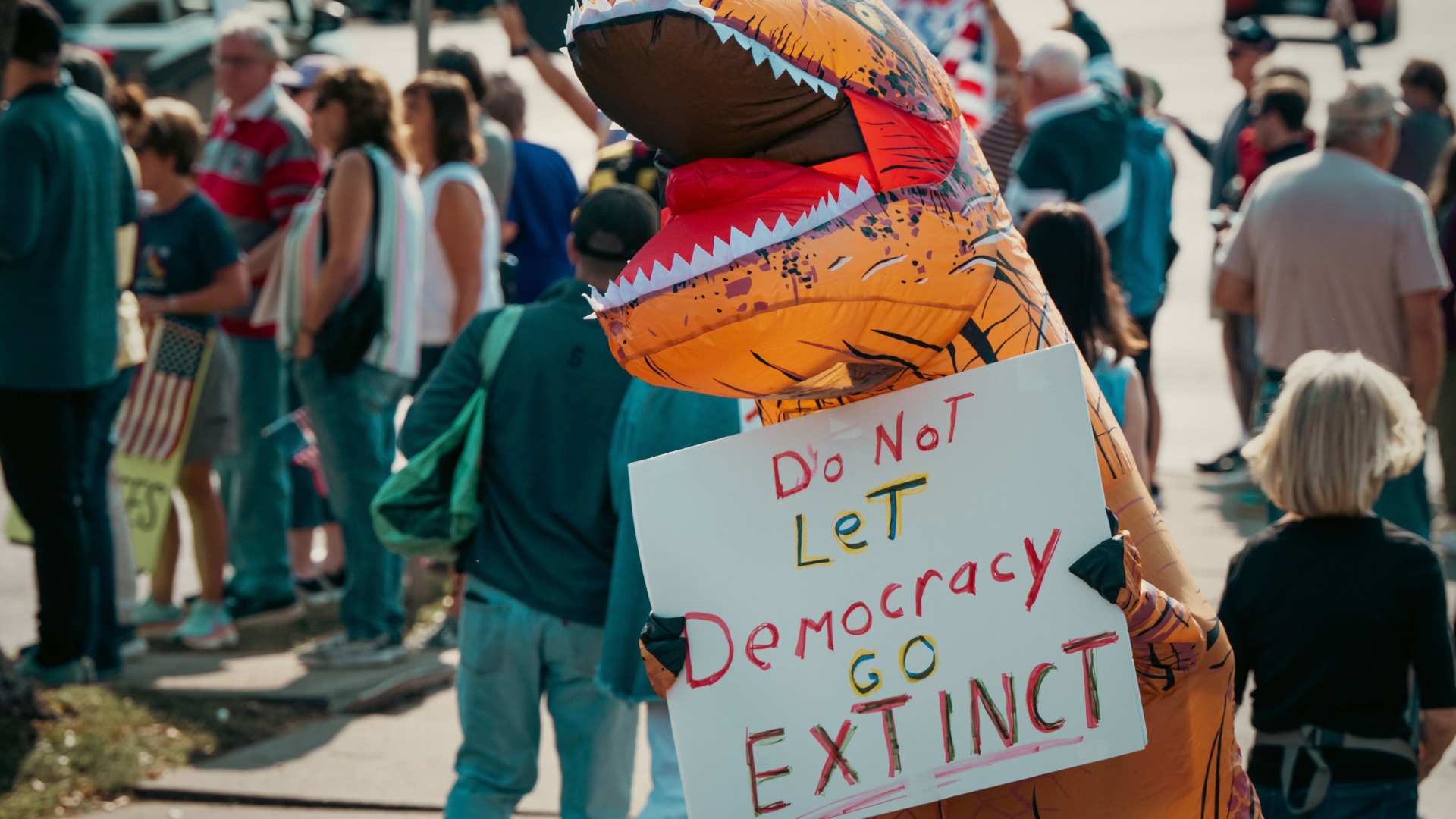
Democracy, which has historically proven most effective in meeting these criteria, cannot be taken for granted. In our AI era, citizens should press for more than multiparty elections and the protection of basic freedoms; that institutional core is not enough. We must carefully regulate and channel powerful technologies with the capacity to divide us from one another and short-circuit social and political participation. That means maintaining spaces in civil society where human contact and social friendship can flourish without the mediation of machines, beginning with the educational systems through which all citizens pass. It means fighting deepfakes and disinformation in the public sphere, so that citizens still operate in a world of facts and evidence and political representation has a strong basis.
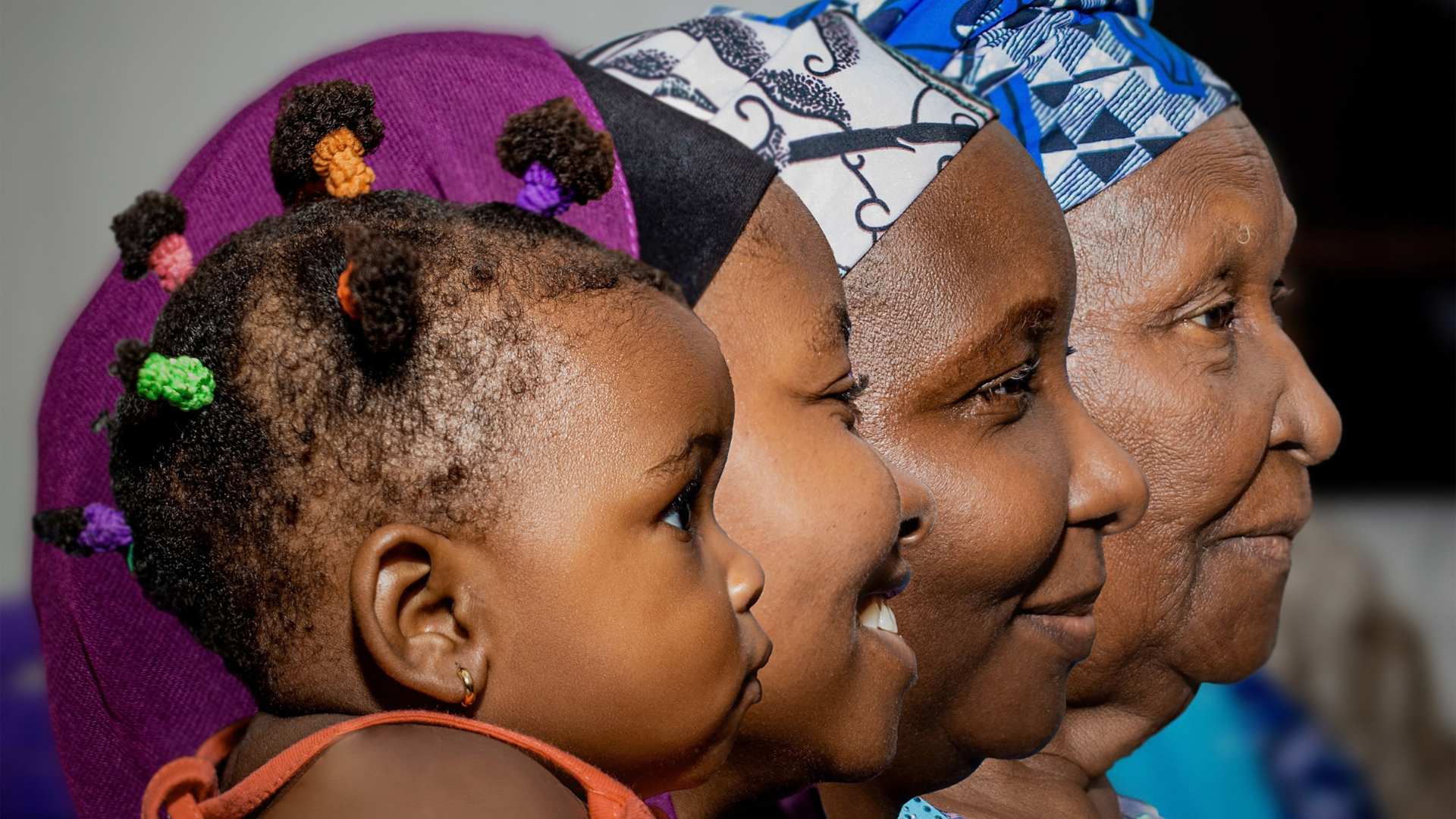
Artificial intelligence (AI) is increasingly entering public life in Ghana, including through digital systems used for identification, verification and service delivery. The ethical question is therefore not simply what AI can do, but what happens to people when digital systems become gateways through which citizenship, mobility or access to services are recognised. In northern Ghana, especially in border communities, this is a concrete question. I was privilege to visit Pusiga community in November 2025 with a Jesuit friend of my mine who is originally from the community. Thus, the topic for this article resonates very well with me.
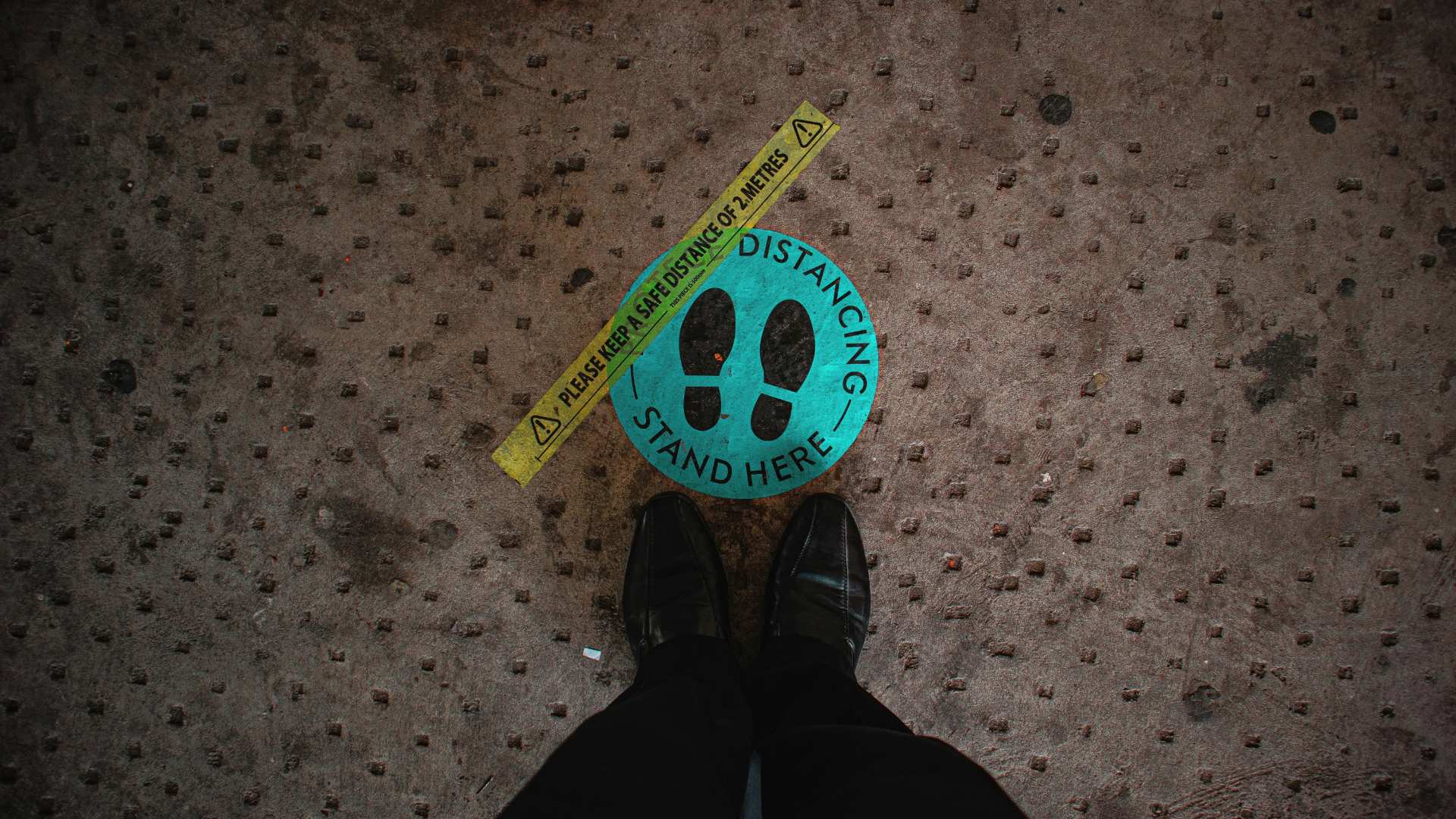
The article ‘Pandemic and Authoritarianism’, by Germán Rosa, SJ, was written in the midst of the COVID-19 crisis, but its insights extend beyond that context. The pandemic appears to reveal and accelerate political trends that were already present: the concentration of power, the weakening of democratic checks and balances, and the acceptance of extraordinary restrictions in the name of collective security. Rosa’s main concern is that fear may lead citizens to silently surrender their freedoms and rights, and that measures which were initially intended to be temporary become normalized and endure. Furthermore, in societies riven by inequality, control is never distributed neutrally: it falls most heavily on the impoverished, marginalized groups, migrants, dissidents and those who defend rights and territories.
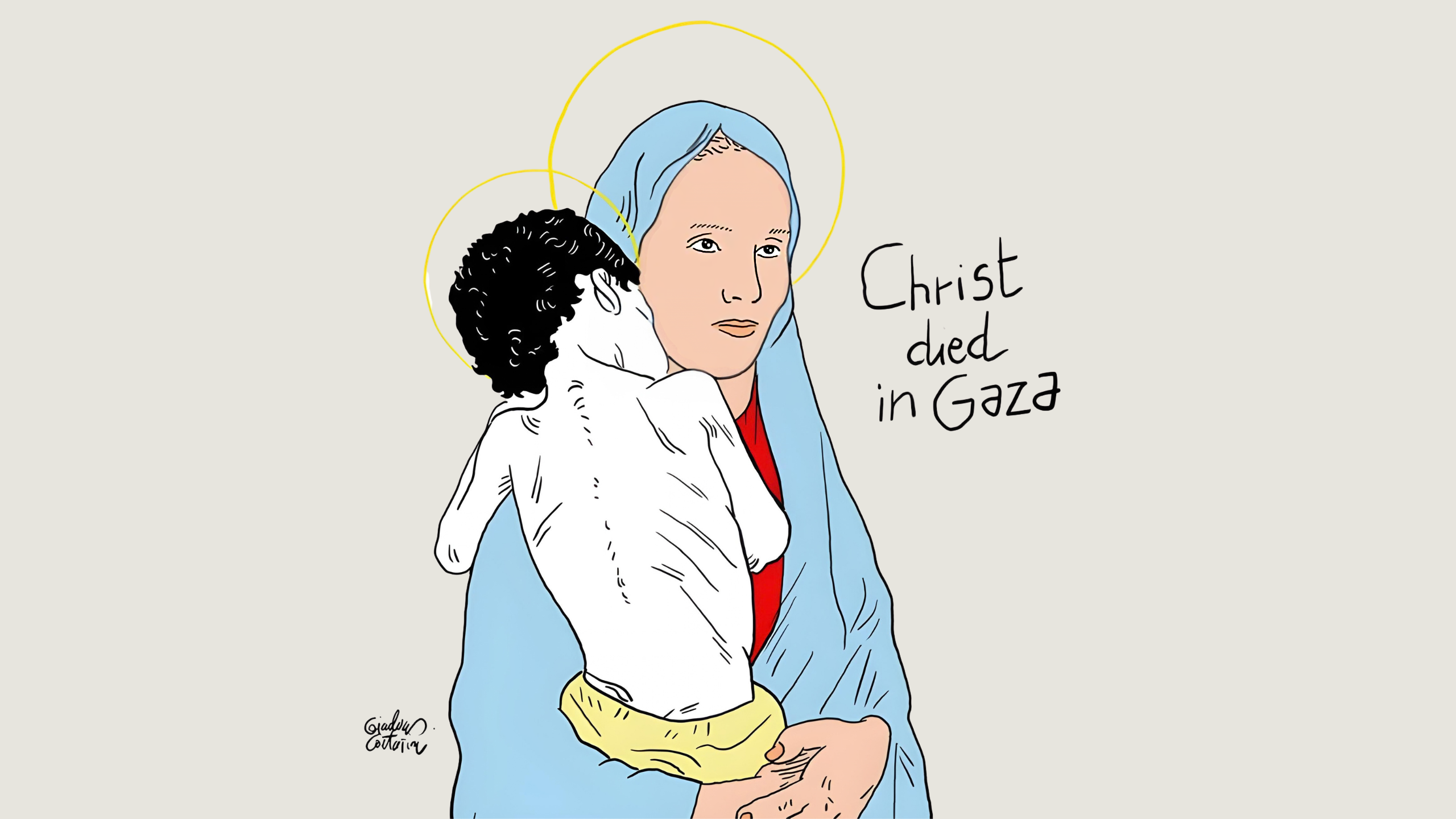
Speaking of dead children is uncomfortable. Yet it can also be healing. As I listened to the stories shared that day, I found myself returning to memories I may at times shy away from remembering. Iremember finding my sister’slifeless body in bed one Saturday morning. Ihad cometo carry her out with me to watch cartoons.As I listened tothe story of Hind Rajab, a 5-year-old girl who had been trapped inside a car attacked by Israeli forces,the memory of a little boy reaching out to touch his sister came back. The young girlhadmanaged to call the Red Crescent for help but hours later she and the paramedics who had come toassisther were all found dead. The chilling story reminded me of the shocking cold that struck my hand as I gently touched my sister’s arm in a futile attempt to wake her up.
Who Are the Victims and Those at Risk of Becoming Victims? When it comes to mining, particular attention must be paid to those who are most vulnerable: Indigenous communities whose livelihoods depend on their land, forests, rivers, and water sources; small-scale farmers; fishers; poor families; women, children, and older people; as well as communities with the least bargaining power in legal, economic, informational, and political matters. They may become victims when land loses its social function, when water sources are polluted or disappear, when the environment is damaged, when livelihoods are disrupted, or when their social and cultural life is transformed without their genuine consent.


