
Father Pedro Arrupe: An Embrace Between Faith and Justice
My encounters with a bridge-builder
When I studied theology in Rome from 1971 to 1976, Father Arrupe visited us once a year at the College of the Gesù. He discussed the state of the Society of Jesus and its challenges and was happy to answer our questions. I remember feeling something similar to the disciples at Emmaus (cf. Luke 24:32): his words ignited a fire in my heart. It was clear, direct, and familiar—unmistakable and universal in the Catholic sense—as if he thought of the world as his own home.
I later met Father Arrupe, who was visiting my Province of Portugal, and he was always a source of encouragement and inspiration. I was also with him at the 33rd General Congregation, when he announced his resignation and warmly embraced his successor, Father Peter-Hans Kolvenbach. Also participating in this Congregation was Father Jorge Mario Bergoglio, our beloved Pope Francis, who celebrated his final Easter on April 21st [2025].
I was in Rome attending Father Arrupe's funeral, or rather, his transition to live in the Heavenly Curia of the Most Holy Trinity. I was especially moved by the warm and extended applause after the celebration [of the Eucharist] in the Church of the Gesù, as a group of Jesuits carried him on their shoulders.
Three years ago, I was summoned by the Diocesan Tribunal of Rome to give my testimony for his canonization process. Thankfully, he is a Servant of God, and we hope that his heroic virtue will soon be officially recognized.
The image that stays most vivid in my memory is that of a bridge-builder linking the Ignatian tradition with future challenges, connecting being "rooted and grounded in charity" to a commitment to social justice, uniting fraternal life in community with apostolic dynamism. Always evangelically inclusive.

A realistic optimist
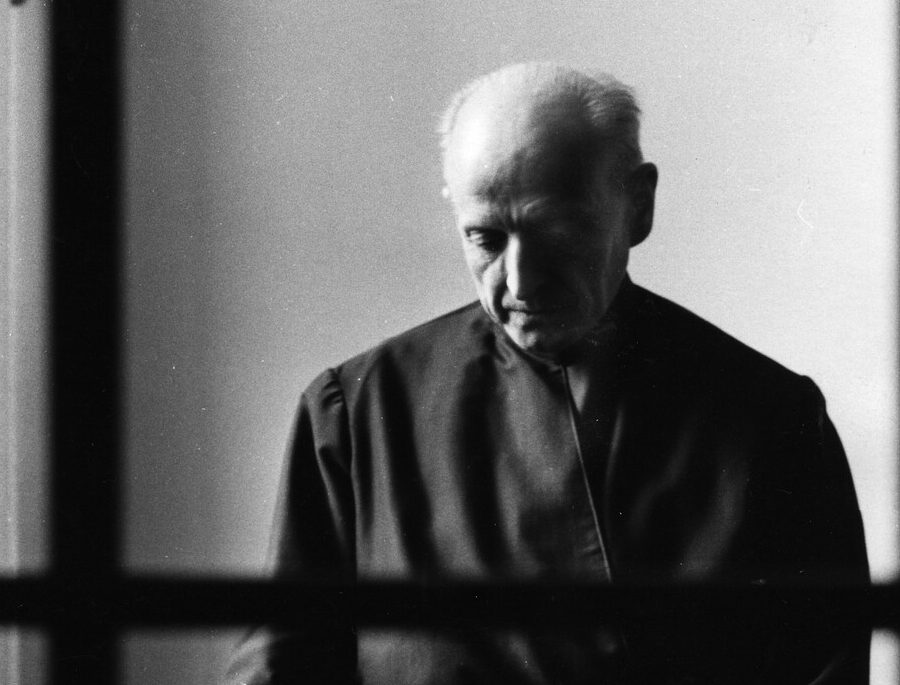
Pedro Arrupe has been described as the "man of utopia,' and as a "mystic and prophet for our time.' This portrayal accurately reflects his lifestyle and leadership style.
The figure of Father Arrupe stands out from the crowd because of his innovative and creative approach. Just as Pope Paul VI was tasked with leading the implementation of the Second Vatican Council for the entire Church, Father Arrupe—recently elected Superior General—was responsible for applying the Council to the life and mission of the Society of Jesus. For him, the Ignatian charism and fidelity to the Church were dynamic forces, not stagnant waters but a living fire. As composer Gustav Mahler said, "Tradition is not the worship of ashes, but the preservation of fire."
Father Arrupe's style as a promoter of the letter and spirit of the Second Vatican Council can be summed up in this paragraph that begins the Pastoral Constitution Gaudium et Spes: “The joys and the hopes, the griefs and the anxieties of the men of this age, especially those who are poor or in any way afflicted, these are the joys and hopes, the griefs and anxieties of the followers of Christ. Indeed, nothing genuinely human fails to raise an echo in their hearts. For theirs is a community composed of men. United in Christ, they are led by the Holy Spirit in their journey to the Kingdom of their Father, and they have welcomed the news of salvation which is meant for every man. That is why this community realizes that it is truly linked with mankind and its history by the deepest of bonds.” I have not found a more fitting description of the human and spiritual figure of Father Arrupe.
In a lecture given by Father Kolvenbach on November 13, 2007, at the University of Deusto in Bilbao, Spain, the city where Pedro Arrupe was born a hundred years earlier, he emphasized the strength of Arrupe's soul in the face of difficulties and problems: “When Father Arrupe visited Lebanon and I showed him the ruins of downtown Beirut, I told him that after a terrible night of destructive bombing, the next morning the birds were singing from the trees. He replied that in Hiroshima, too, the Lord of Life did not allow the incredible power of death to have the last word. As the Song of Songs says, For love is strong as death. Many waters cannot quench love, neither can floods drown it” (Song 8:6-7). Arrupe's hope, rooted in faith and human optimism, was stronger than all tragedies and disappointments.
Promoter of faith that is realized in justice
The second General Congregation led by Father Arrupe was the 32nd, held from December 1974 to March 1975—three intense months of seeking what the Spirit of God wanted to communicate to the Society of Jesus. Decree 4 of GC 32 is regarded as the most significant framework, serving as the benchmark for the Society's life and mission even today. It is titled: "Our Mission Today: The Service of Faith and the Promotion of Justice."
The fundamental idea of GC 32 is that the service of faith is inseparable from the promotion of justice. It is not a combination of alternative parts: more pastoral Jesuits or Jesuits with a more social profile. Our faith must always be more just, and our justice always more faithful, inspired by the Gospel of Jesus. The body of a Jesuit has two arms, distinct but inseparable: faith and justice. We cannot amputate one of the arms, but instead promote their union and complementarity.
Father General Arrupe concluded his homily at the closing Eucharist of the 32nd General Congregation (6-04-1975) in St. Peter’s Basilica: “So, whether we consider the needs and aspirations of the people of our time, whether we think about the particular charism that founded the Society, or whether we seek to learn what Jesus has in his Heart for each and every one of us, we arrive at the same conclusion, namely, that the Jesuit of today is a man whose mission is to dedicate himself entirely to the service of faith and the promotion of justice, in a community of life, work and sacrifice with his companions who gather around the same banner of the Cross, and in fidelity to the Vicar of Christ, in order to build a more human and, at the same time, more divine world.”
In this General Congregation, faith and justice came together in a strong fraternal spirit. The inseparable pairing of serving faith and promoting justice is not a new trend but stems from Christ's way of being and acting, as well as the Ignatian charism lived today to meet the challenges of our times. To use an image: the train of the Society's mission needs two tracks—faith and justice—to keep moving forward in seeking the greater glory of God and the best service to others, for "The mission of the Society of Jesus today is the service of faith, of which the promotion of justice is an absolute requirement. For reconciliation with God demands the reconciliation of people with one another" (Decree 4, no. 2).
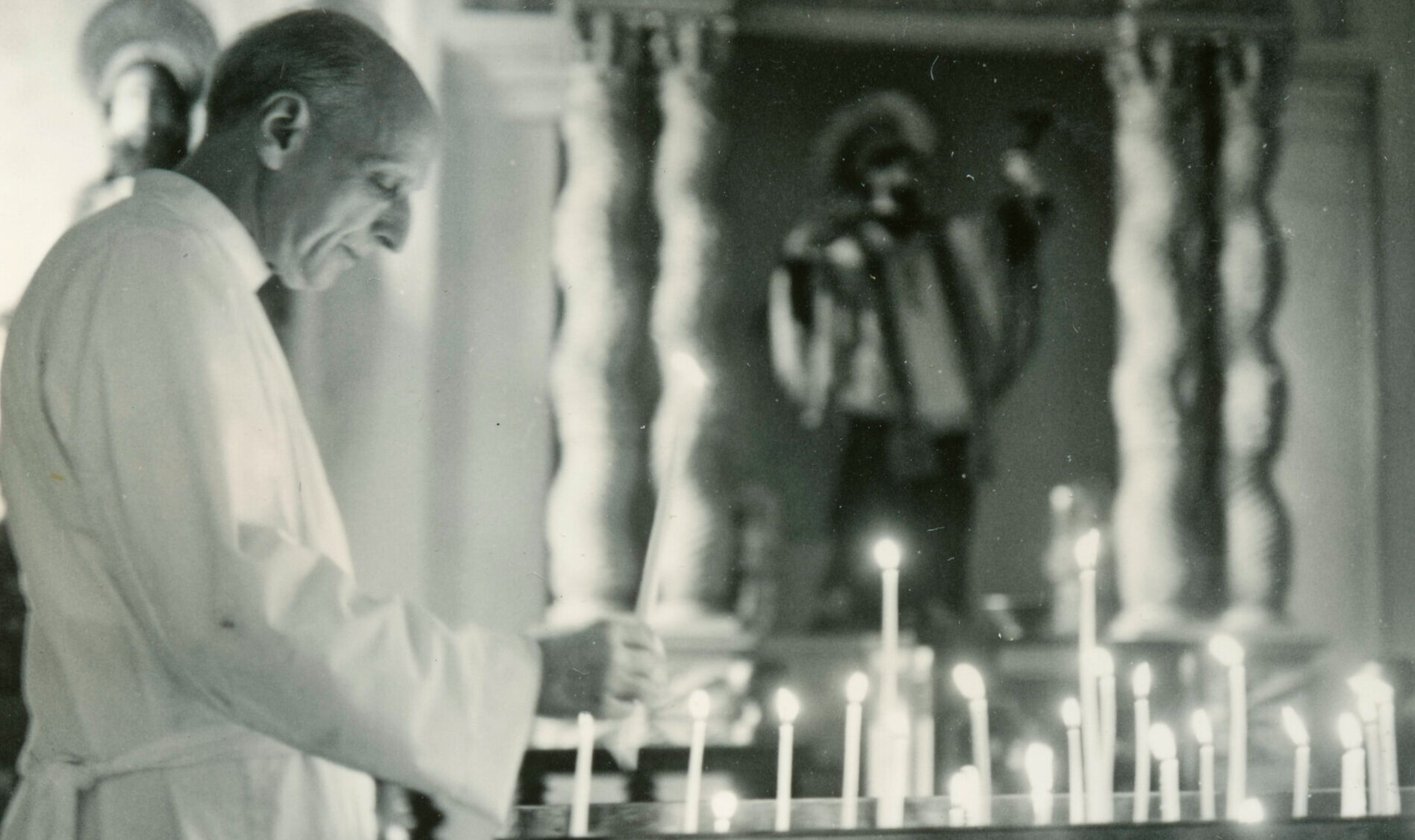
The founding of the Jesuit Refugee Service (JRS) by Father General Arrupe in November 1980 is a concrete way of responding—in the name of the Faith—to the plight of Vietnamese refugees fleeing their war-ravaged homeland. JRS's field of action today extends to five continents, assisting millions of refugees. As its founder emphasized: "The help expected of us is not merely material; the Society is especially called to provide human, educational, and spiritual assistance."
I am confident that our beloved Father Arrupe rejoiced before God when he saw the publication of the "Universal Apostolic Preferences of the Society of Jesus, 2019-2029" by his successor, Father Arturo Sosa. This document emphasizes the apostolic preference for the least: "We reaffirm our commitment to caring for migrants, displaced persons, refugees, victims of war and human trafficking; to defending the culture and dignified existence of indigenous peoples. We intend to continue contributing to creating the conditions for their human welcome, accompanying them in their process of integration into society, and promoting the defense of their rights." (Letter from Father General, February 19, 2019). Pope Francis, whom God already has in His Glory, confirmed the apostolic preferences as a concrete expression of the Society's life-mission and affirmed that they are the result of "dynamic discernment, not that of a library or laboratory."
Now we are celebrating, along with the entire Church, the Jubilee of Hope. In this regard, I recall Father Arrupe's exhortation: "While we cannot demand the same degree of optimism from everyone... we must at least demand of everyone the requirement of never accepting pessimism." The Church and the world need us as prophets of hope.
(Original: Spanish)
 Manuel Morujão SJ
Related Posts:

In Magnifica Humanitas, Pope Leo XIV warns that machine intelligence in war ends by “reducing victims to data.” The machine profiling that registers a person for food can also be used to select a person as a target. A small drone circling a road, with no one steering it, can have such a profile as its target. A drone like this is an autonomous weapon system. Once activated, it selects and attacks targets by itself, matching what its sensors detect to a programmed target profile. No human being decides, at the moment of the strike, that this particular person will die or is the right target. The case most often cited as the first use of such a weapon against people, reported by UN experts, was in Africa, in Libya in 2020.

Democracy, which has historically proven most effective in meeting these criteria, cannot be taken for granted. In our AI era, citizens should press for more than multiparty elections and the protection of basic freedoms; that institutional core is not enough. We must carefully regulate and channel powerful technologies with the capacity to divide us from one another and short-circuit social and political participation. That means maintaining spaces in civil society where human contact and social friendship can flourish without the mediation of machines, beginning with the educational systems through which all citizens pass. It means fighting deepfakes and disinformation in the public sphere, so that citizens still operate in a world of facts and evidence and political representation has a strong basis.
Artificial intelligence (AI) is increasingly entering public life in Ghana, including through digital systems used for identification, verification and service delivery. The ethical question is therefore not simply what AI can do, but what happens to people when digital systems become gateways through which citizenship, mobility or access to services are recognised. In northern Ghana, especially in border communities, this is a concrete question. I was privilege to visit Pusiga community in November 2025 with a Jesuit friend of my mine who is originally from the community. Thus, the topic for this article resonates very well with me.
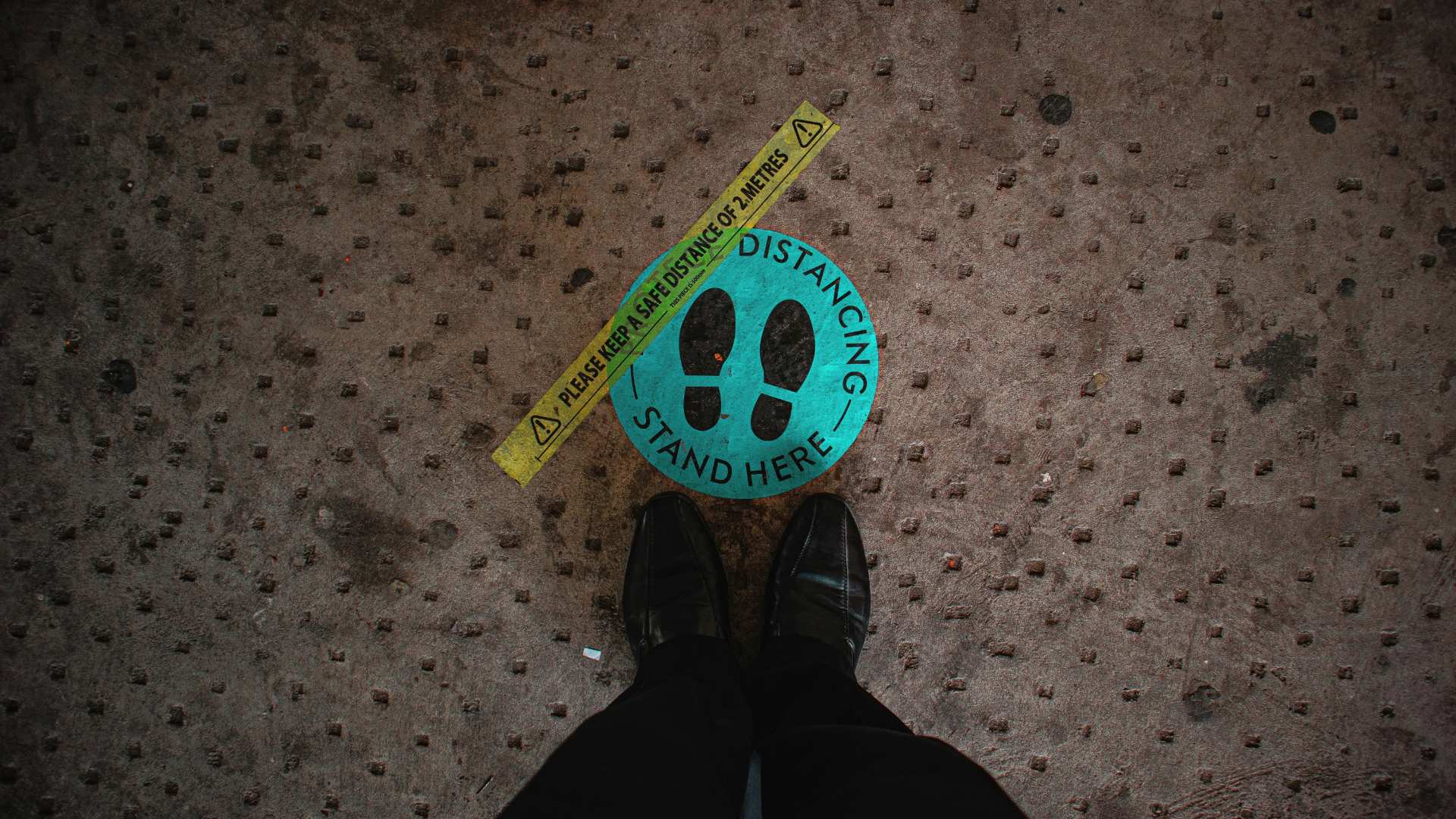
The article ‘Pandemic and Authoritarianism’, by Germán Rosa, SJ, was written in the midst of the COVID-19 crisis, but its insights extend beyond that context. The pandemic appears to reveal and accelerate political trends that were already present: the concentration of power, the weakening of democratic checks and balances, and the acceptance of extraordinary restrictions in the name of collective security. Rosa’s main concern is that fear may lead citizens to silently surrender their freedoms and rights, and that measures which were initially intended to be temporary become normalized and endure. Furthermore, in societies riven by inequality, control is never distributed neutrally: it falls most heavily on the impoverished, marginalized groups, migrants, dissidents and those who defend rights and territories.
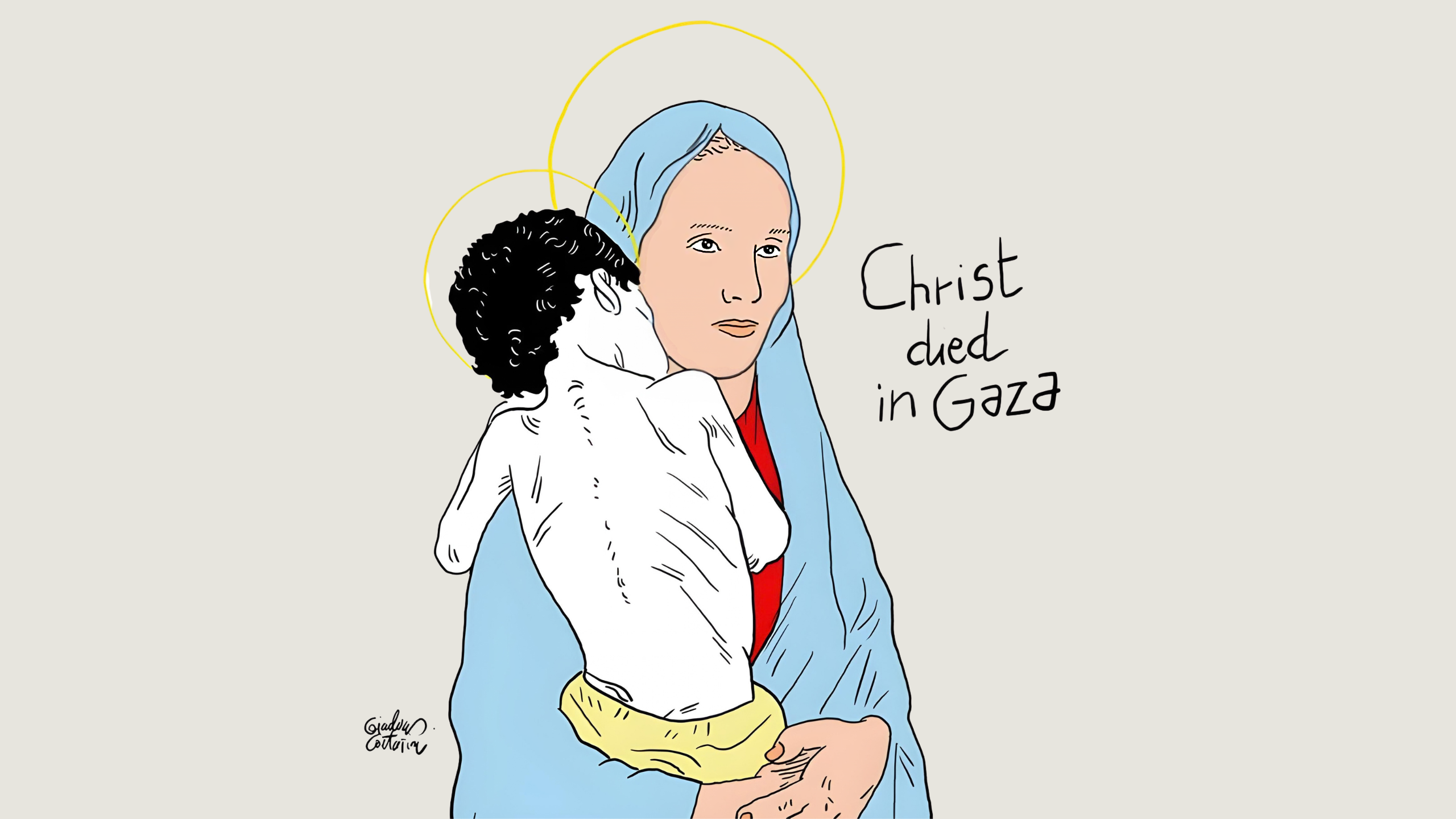
Speaking of dead children is uncomfortable. Yet it can also be healing. As I listened to the stories shared that day, I found myself returning to memories I may at times shy away from remembering. Iremember finding my sister’slifeless body in bed one Saturday morning. Ihad cometo carry her out with me to watch cartoons.As I listened tothe story of Hind Rajab, a 5-year-old girl who had been trapped inside a car attacked by Israeli forces,the memory of a little boy reaching out to touch his sister came back. The young girlhadmanaged to call the Red Crescent for help but hours later she and the paramedics who had come toassisther were all found dead. The chilling story reminded me of the shocking cold that struck my hand as I gently touched my sister’s arm in a futile attempt to wake her up.

Who Are the Victims and Those at Risk of Becoming Victims? When it comes to mining, particular attention must be paid to those who are most vulnerable: Indigenous communities whose livelihoods depend on their land, forests, rivers, and water sources; small-scale farmers; fishers; poor families; women, children, and older people; as well as communities with the least bargaining power in legal, economic, informational, and political matters. They may become victims when land loses its social function, when water sources are polluted or disappear, when the environment is damaged, when livelihoods are disrupted, or when their social and cultural life is transformed without their genuine consent.


