The joy of service in Timor-Leste
Have you heard of my country, Timor-Leste?If you haven’t yet, let me introduce you. Officially, the Democratic Republic of Timor-Leste, my island nation comprises approximately half the island of Timor, withthe other half belongingto Indonesia.It is located about 700kilometres northwest of Darwin, Australia.“Leste” means “east” in Portuguese, hence our Anglicised name, East Timor.
We first gained independence in 1975, after enduring more than 450 years of Portuguese colonialization, only to be subsequently occupied by Indonesia for 24 years, from 1975 to 1999. It was not until 2002 (following a bloody campaign) that we were internationally recognised as an independent country.Four languages are spokenhere, with the official languages being Tetum and Portuguese, while English and Indonesian are working languages.
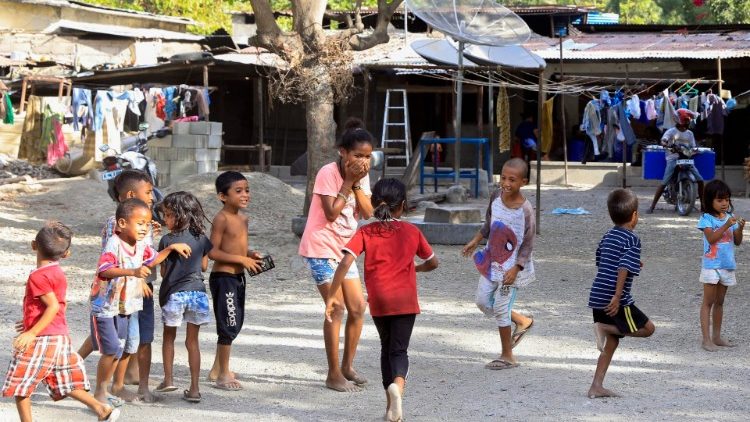
Reflecting on ourhistory as a post-conflict country,theTimorese areresilient people. We work hard towards fulfillingourbasichumanneeds, including security and social justice.
Our economy relies heavily on oil and gas revenues, which are the main contributors to the country’s GDP. The recent decline in oil and gas reserves underscores the urgency of diversifying the economy. However, the process of economic diversification is slow and faces significant hurdles in implementation. The private and cooperative sectors remain underdeveloped, particularly in crucial areas such as agriculture.
Young
people make up the majority ofour nation’s1.3 million population, with 35 percent below
the age of 15. However, despite our young demographic, our political landscape
is predominantly controlled by the 6 percent of the population aged 65 and
over. This leaves little room for the younger generation to actively
participate in the decision-making process across all levels of governance,
from local sub-villages to national policies. Corruption remains a significant
problem, alongside sporadic gang violence and conflicts related to martial
arts.
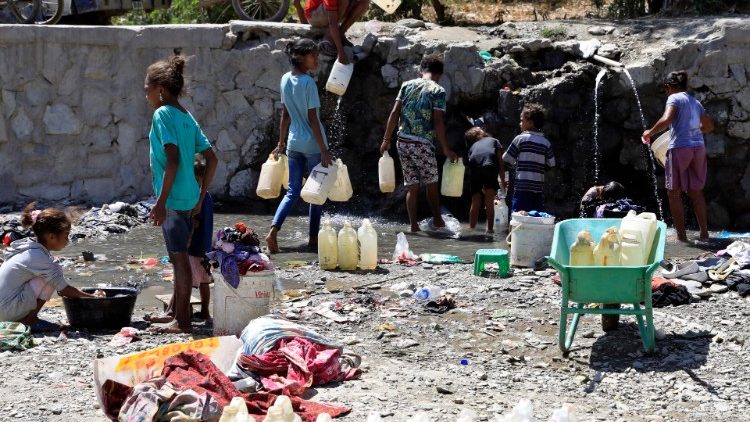
More than half of our population lives in rural areas. Thelack of basic infrastructure, particularly poor road conditions, no electricity, and a lack of access to safe and secure drinking water, exacerbates the connectivity issue between rural and urban areas. Most of the social services do not reach people in rural areas. This has contributed topoverty affecting 50 percent of our population, in addition to high incidents ofmalnutrition and gender-based violence.Thelack of access to basic services such as health, WASH, education, low crop diversity, and climate change are major drivers behind the high rates of food and nutrition insecurity in Timor.
The country has adopted various conventions and approved a number of laws to protect the rights of women and children. At the national level, women occupy 38 percent of the seats in the national parliament. This quantity looks amazing on paper; however, women’s contribution and influence in decision-making at the national level are hardly felt and have even declined further at the local level, with less than 5 percent of women occupying seats in the village councils.
In addition, there are significant inequalities between the lived experiences of women and men.We have strong patriarchal and customary laws, which maintain strict gender roles, divisions of labour,and power relations between men and women.As a consequence, women havefeweropportunities than men to undertake formal education and participate in the formal labour force. Iffaced with a choice between sendingaboy ora girl to school,familieswilloften give preference tothe boyfor higher education.This bias contributes to the perpetuation of gender inequality and isa contributing factortohigh rates of teenage pregnancyand cases of infanticide, which have seen an increasein our society in the last five years.
Regrettably, more than halfofTimoresewomen aged 15 to49 who have been in a relationshiphave experienced some form of physical or sexual violence, or both, bytheir male partner. Women in rural areas, women with disabilities, woman-headed households, and teenage mothers are particularly vulnerable to poverty and discrimination.
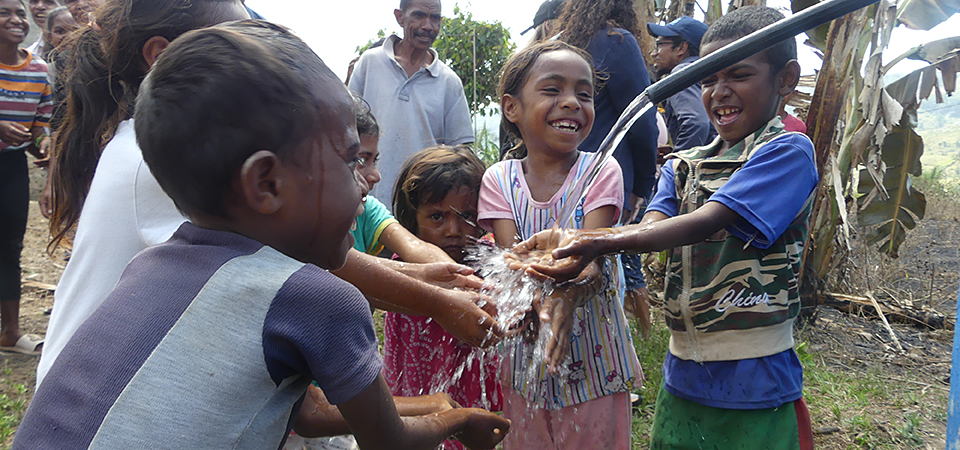
This is the context in which the Jesuit mission operates in Timor-Leste. We understand the importance of strengthening communities from the ground up. So we persist in reaching out to people in remote and rural areas, where intervention is most needed.We bring together communities to work on water and sanitation, food security, health care, social innovation, relief, and agriculture programmes.
With the generous support of many of our mission partners from around the world, Jesuit Social Service (JSS)-Timor-Leste has helped build water infrastructures that have benefitted more than 20 sub villages and communities across five districts. We provide rural households with toilets, which you probably never think about. We mentor youth groups, women, and persons deprived of liberty, empowering them so they can shape a better future for themselves and their communities.
As a result of these interventions, our beneficiaries experience improved hygienic conditions, access to better water facilities, enhanced agricultural productivity, and reduced burdens in daily life. Notably, children and women no longer need to wake up early to fetch water for their daily needs, allowing them to focus on other activities and pursuits.
At Jesuit Social Service, our guiding motto is “Joy of Service”. We thank all those who have generously shared their resources, enabling us to serve others with joy. It is through the collective efforts and unwavering commitment of individuals with big hearts that we can truly make a difference in the lives of the poor and marginalised, especially in this remarkable place called Timor-Leste.
By Elsa Pinto, Jesuit Social Service Timor-Leste
Related Posts:
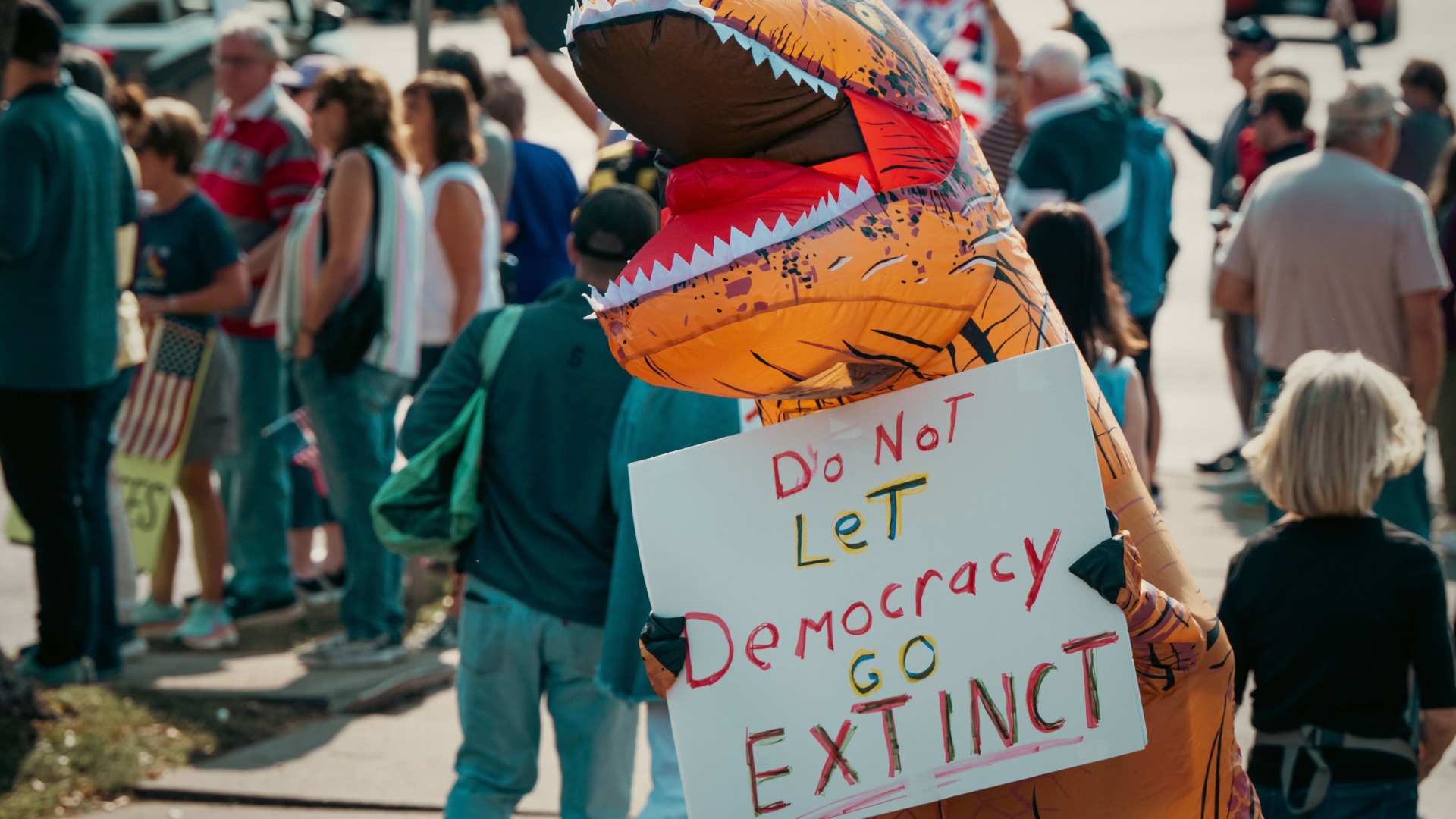
Democracy, which has historically proven most effective in meeting these criteria, cannot be taken for granted. In our AI era, citizens should press for more than multiparty elections and the protection of basic freedoms; that institutional core is not enough. We must carefully regulate and channel powerful technologies with the capacity to divide us from one another and short-circuit social and political participation. That means maintaining spaces in civil society where human contact and social friendship can flourish without the mediation of machines, beginning with the educational systems through which all citizens pass. It means fighting deepfakes and disinformation in the public sphere, so that citizens still operate in a world of facts and evidence and political representation has a strong basis.
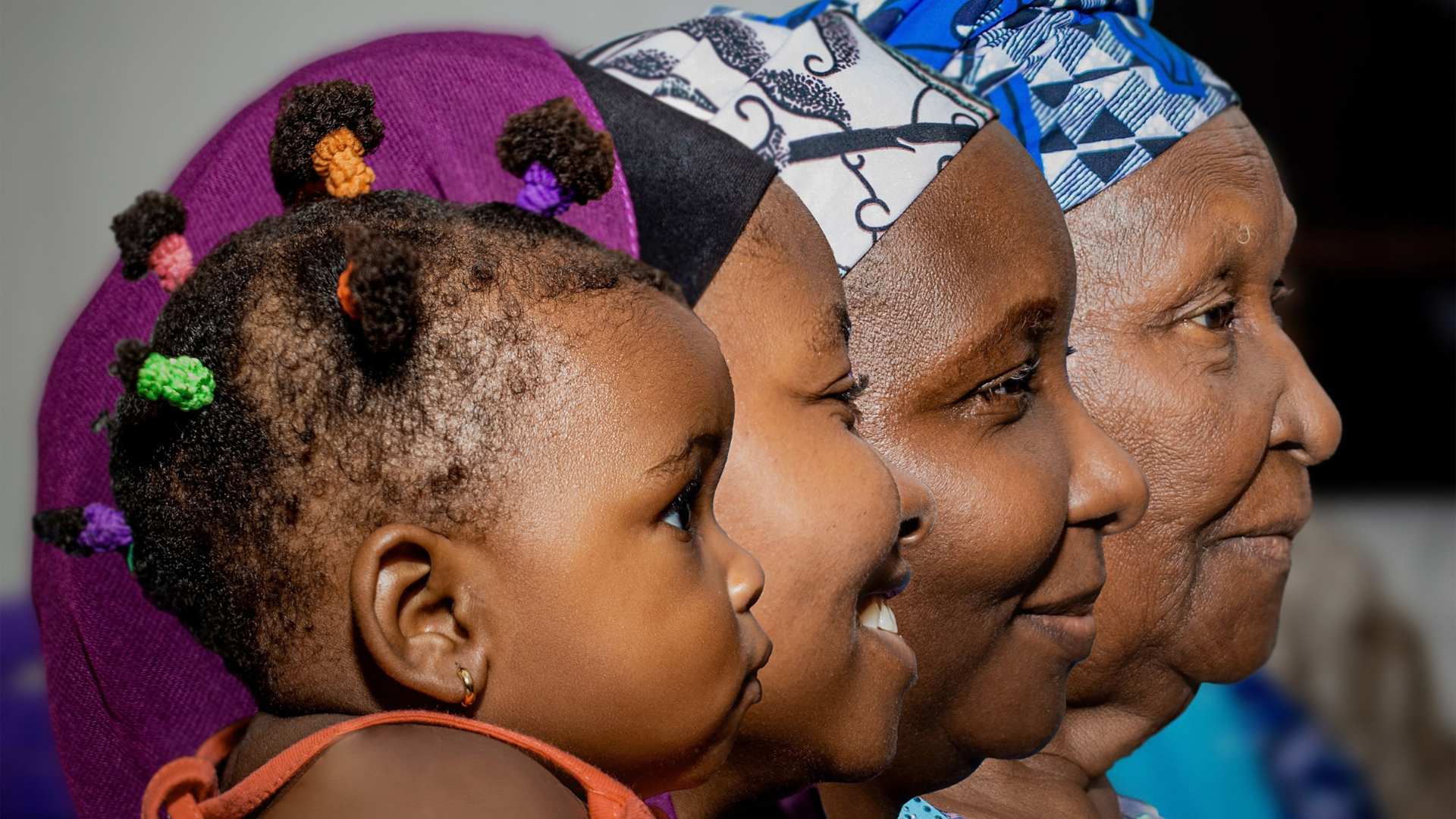
Artificial intelligence (AI) is increasingly entering public life in Ghana, including through digital systems used for identification, verification and service delivery. The ethical question is therefore not simply what AI can do, but what happens to people when digital systems become gateways through which citizenship, mobility or access to services are recognised. In northern Ghana, especially in border communities, this is a concrete question. I was privilege to visit Pusiga community in November 2025 with a Jesuit friend of my mine who is originally from the community. Thus, the topic for this article resonates very well with me.
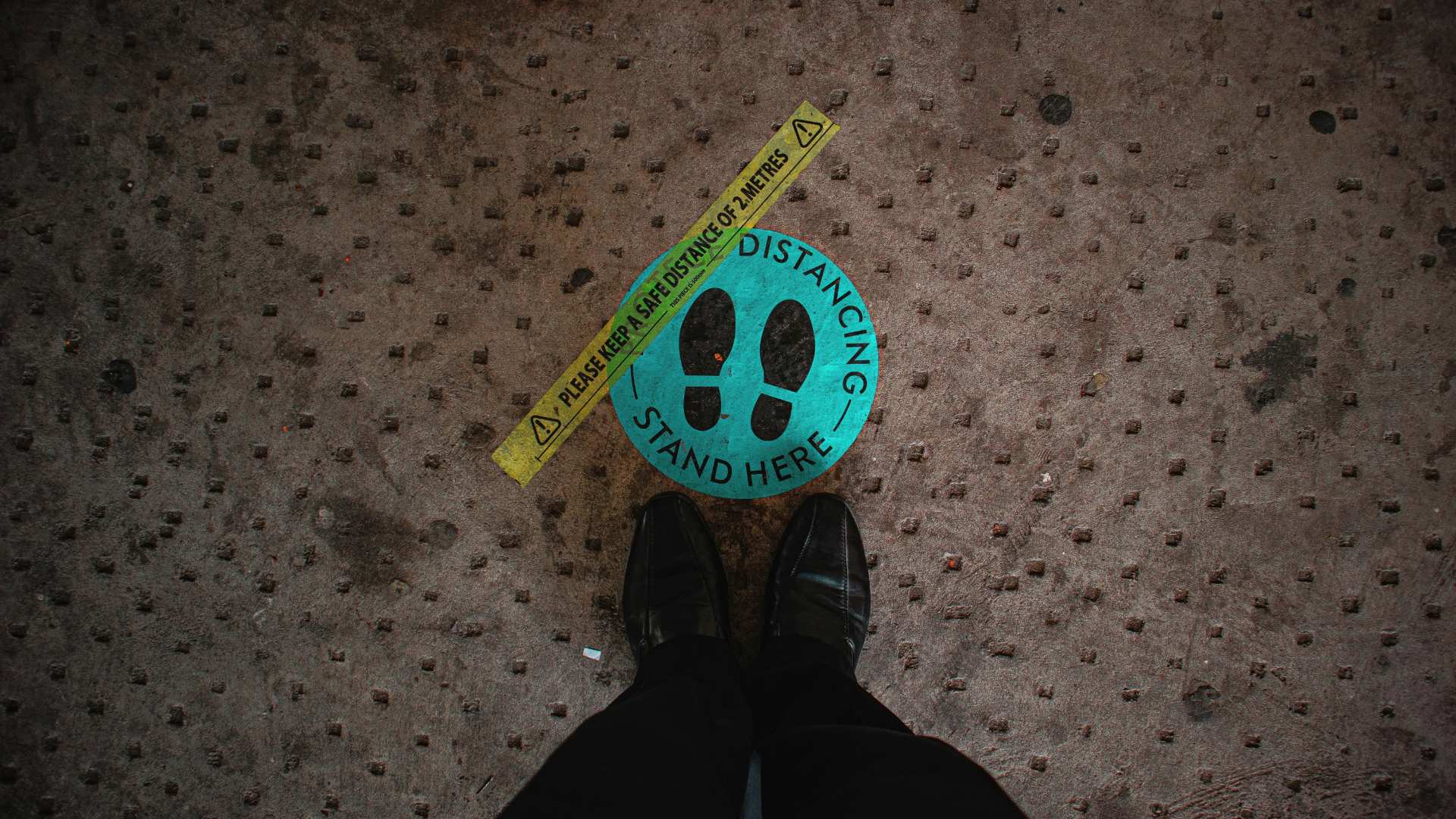
The article ‘Pandemic and Authoritarianism’, by Germán Rosa, SJ, was written in the midst of the COVID-19 crisis, but its insights extend beyond that context. The pandemic appears to reveal and accelerate political trends that were already present: the concentration of power, the weakening of democratic checks and balances, and the acceptance of extraordinary restrictions in the name of collective security. Rosa’s main concern is that fear may lead citizens to silently surrender their freedoms and rights, and that measures which were initially intended to be temporary become normalized and endure. Furthermore, in societies riven by inequality, control is never distributed neutrally: it falls most heavily on the impoverished, marginalized groups, migrants, dissidents and those who defend rights and territories.
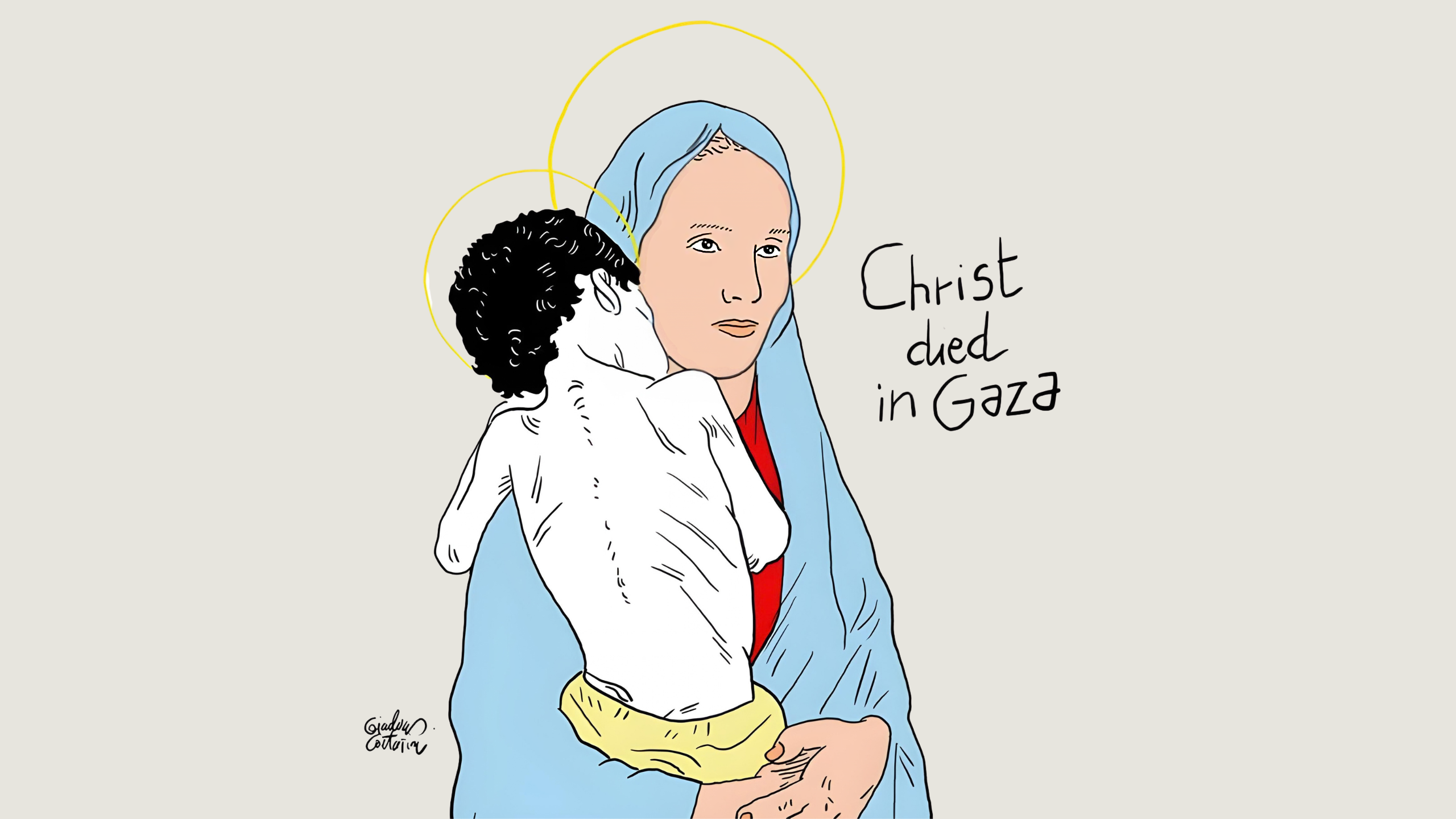
Speaking of dead children is uncomfortable. Yet it can also be healing. As I listened to the stories shared that day, I found myself returning to memories I may at times shy away from remembering. Iremember finding my sister’slifeless body in bed one Saturday morning. Ihad cometo carry her out with me to watch cartoons.As I listened tothe story of Hind Rajab, a 5-year-old girl who had been trapped inside a car attacked by Israeli forces,the memory of a little boy reaching out to touch his sister came back. The young girlhadmanaged to call the Red Crescent for help but hours later she and the paramedics who had come toassisther were all found dead. The chilling story reminded me of the shocking cold that struck my hand as I gently touched my sister’s arm in a futile attempt to wake her up.
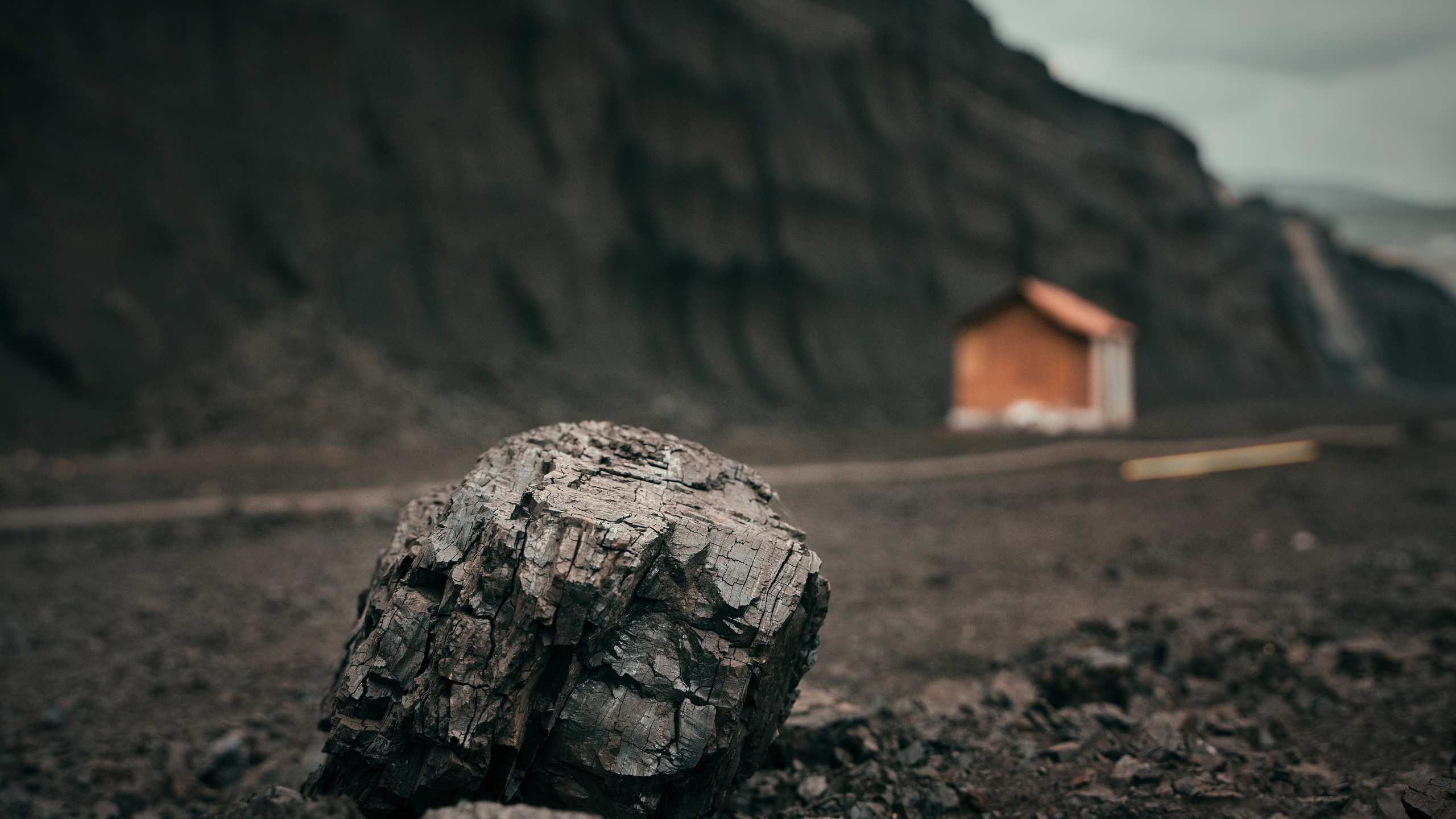
Who Are the Victims and Those at Risk of Becoming Victims? When it comes to mining, particular attention must be paid to those who are most vulnerable: Indigenous communities whose livelihoods depend on their land, forests, rivers, and water sources; small-scale farmers; fishers; poor families; women, children, and older people; as well as communities with the least bargaining power in legal, economic, informational, and political matters. They may become victims when land loses its social function, when water sources are polluted or disappear, when the environment is damaged, when livelihoods are disrupted, or when their social and cultural life is transformed without their genuine consent.
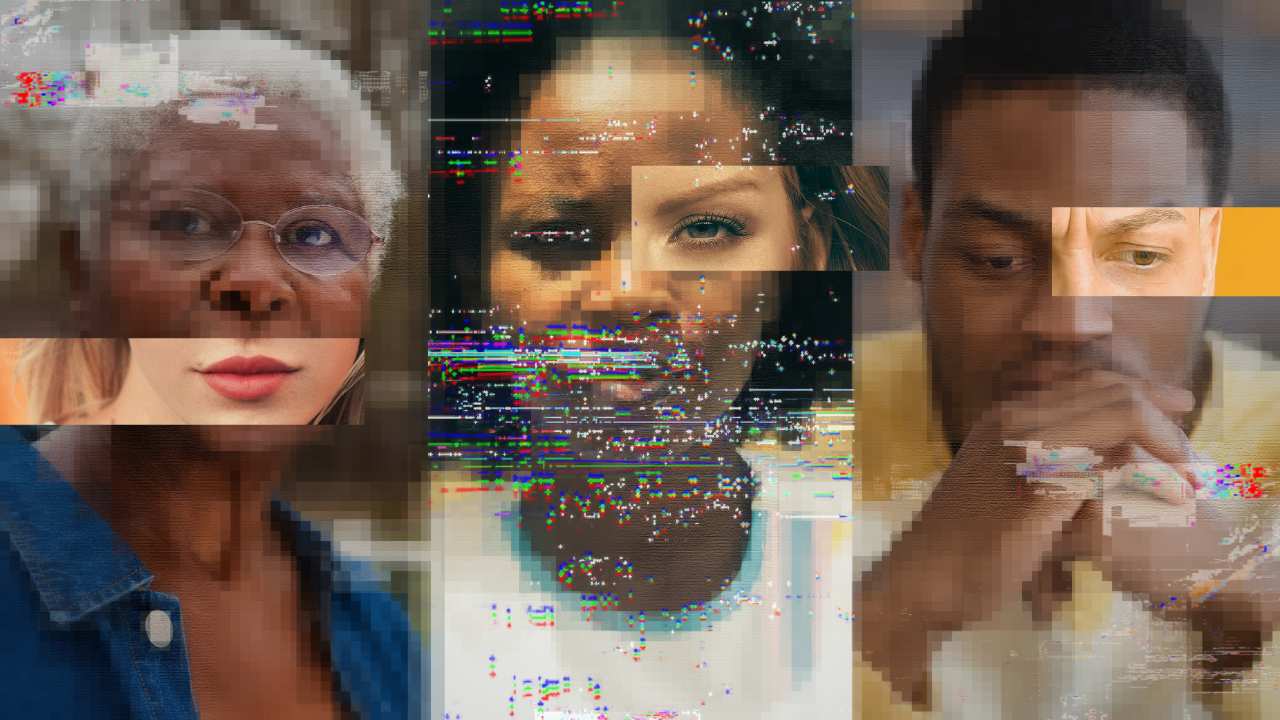
In the affluent community where I live, I walk down the street wearing a t-shirt of the elite Jesuit institution I once attended. It’s as if I presumptuously assume that the t-shirt will alleviate the prospect of being seen by surveilling gazes. Yet, I am instantaneously reminded as car doors lock when I walk beside them, and as purses clutch when I pass by, that my body is rendered as a site of suspicion. I am reminded that my Blackness precedes my existence. I am reminded that my darkened body occludes the presumption of innocence. I am reminded that my dark skin has eviscerated my humanity and has turned me into an object of fear.


