Vietnamese Undocumented Immigrants and Catholic Social Teaching in The Current U.S. Context
Introduction
Immigrant policies have been a controversial topic in the United States, especially in recent years, when debates over border security, legal status, humanitarian responsibilities, and enforcement practices continue to shape public discourse. As a Vietnamese Catholic immigrant living and working among the other Vietnamese immigrants, both documented and undocumented, I have witnessed how the legal status and policies affect their life, especially those undocumented immigrants facing their fear of being deported and the limited access to health and social services, along with the increased vulnerability to exploitation.
In this context, Catholic Social Teaching provides a meaningful moral framework to understand the experience of Vietnamese undocumented immigrants in the U.S. Grounded in the dignity of the human person, solidarity, and the preferential option for the poor, Catholic Social Teaching emphasizes compassion, justice, and responsibility toward your migrant brothers and sisters regardless of legal status. By applying these principles, this paper examines how current U.S. immigration policies impact Vietnamese undocumented immigrants and how Catholic Social Teaching calls Catholics and society to respond with both respect for the law and commitment to human dignity.
Social reality
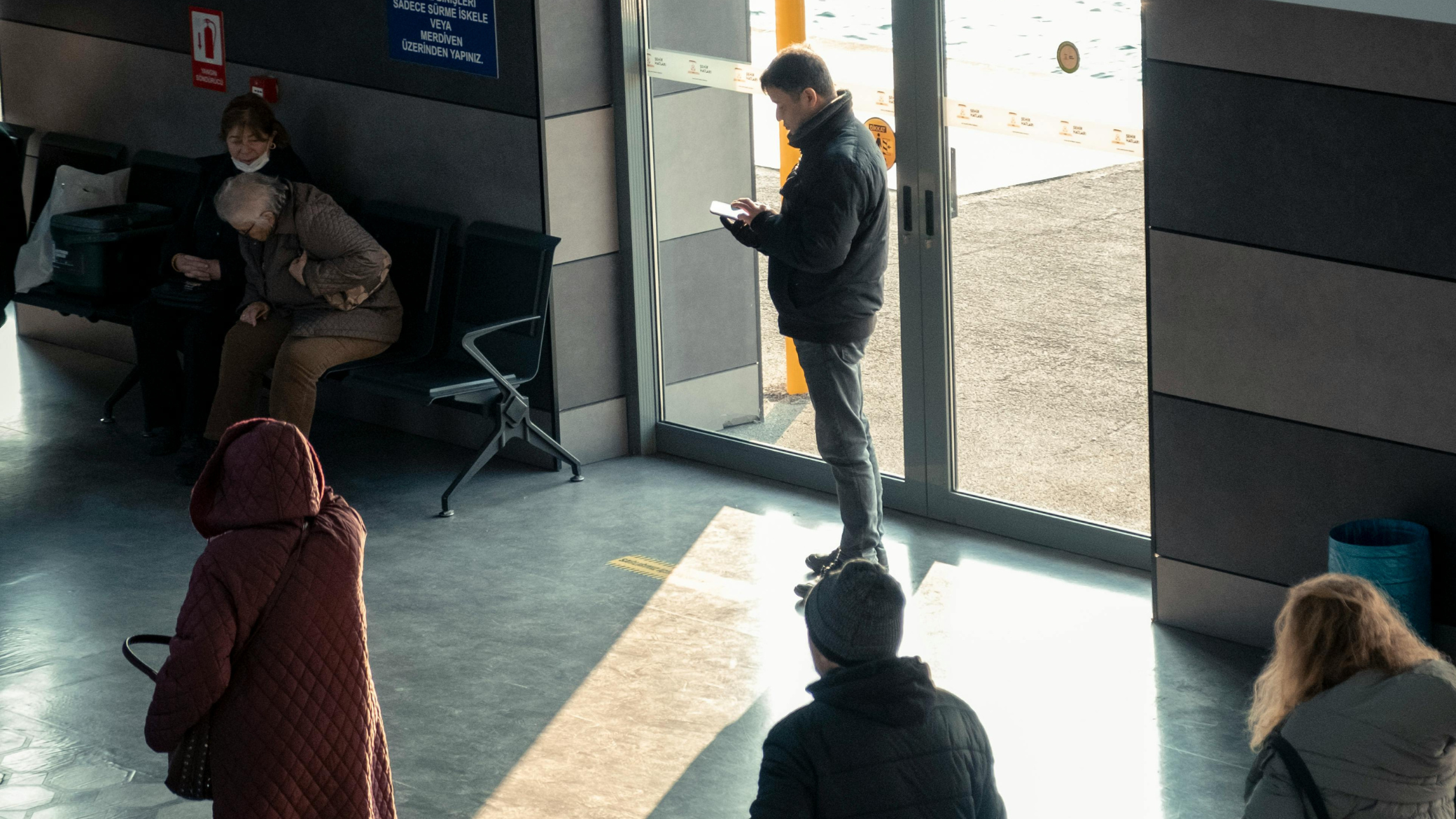
Within the last two decades, more and more Vietnamese leave their country for labor export to developed countries like Japan, Korea, Taiwan, Germany, Australia, etc. With the impact of Covid-19, the economic downturn has negatively affected millions of people in Vietnam. As of June 2020, there were 30.8 million people over the age of 15 whose jobs were affected through job loss, reduced work hours, reduced income, being laid-off from their job, etc. Informal and low-skilled workers were particularly vulnerable, and young workers experienced disproportionately high levels of unemployment and underemployment. For many families, the income barely allows them to provide for themselves, not to mention their multigenerational families with children and the elders. Economic pressure is the most common reason that leads to the wave of immigrants in recent years, especially the youths, to the developed countries, and the United States is one of the most targeted destinations–they called it the “America dream”.
In 2022, the U.S. Census Bureau American Community Survey announced the number of more than 1.3 million Vietnamese immigrants resided in the U.S. According to the Center for Migration Studies, approximately 104,000 Vietnamese immigrants in the U.S. are undocumented. Although the number of undocumented people does not take a large portion of the Vietnamese population in the U.S., their legal status exposes them to many social and economic injustice and vulnerability. Living alongside the undocumented immigrants, I have witnessed the harsh reality of their migration experience. Many enter the United States through the Mexican or Canadian borders, undertaking journeys that are weeks to months long, dangerous, and costly, often requiring tens of thousands of dollars. As a result, those who arrive often do so exhausted and burdened with significant debt.
To repay these debts and support their families, undocumented immigrants seek to regularize their immigration status so that they can obtain lawful employment. However, the process sometimes can take months or even years; they are not guaranteed to get approved for legal residency in the U.S., and during this period, undocumented immigrants are often unable to work legally or receive fair wages. Consequently, they are compelled to seek immediate employment to repay their debt along with providing for themselves and their families, and they frequently accept low-wage and precarious work.
Their legal status not only causes economic insecurity but also subjects them to social inequality and limited access to healthcare. In addition, undocumented immigrants face persistent fears in their daily lives, including fear of discrimination, fear of exploitation or scams, and, most significantly, fear of deportation. These fears come from the experience of being discriminated against in their own community, workplace, school, being betrayed and scammed by their own people and those who took advantage of their legal status. Witnessing the effects of immigration enforcement, including raids, detentions, and deportations in their communities and other immigrant communities, the most significant fear of these people are fear of deportation.
The fear of deportation or detention exists not only in recent years immigrants, but also the pre- 1975 immigrants who probably have been living in the country their whole life. These challenges affect not only individuals but also their families and communities, shaping their ability to work, pursue education, and fully participate in society.
From the perspective of Catholic Social Teaching
The current U.S. context raises a critical moral question: can human dignity be defined or limited by legal status? If someone is undocumented, does that make them “less human” and deserve less than those who are documented?
Catholic Social Teaching responds that human dignity is inherent and cannot be granted or withdrawn by legal systems. Rooted in the belief that every person is created in the image and likeness of God, the Church affirms that dignity is inherent and universal (Gaudium et Spes, no. 12; CCC, no. 1700). While nations have the right to control their borders and regulate immigration, the Church’s teaching insists that this authority must be exercised in ways that respect the dignity of every human person. The U.S. Catholic bishops explicitly state that “regardless of their legal status, migrants, like all persons, possess inherent human dignity,” a teaching that challenges policies and attitudes that justify exclusion or exploitation based solely on legal status (Strangers No Longer, no. 38). Instead, it requires people to recognize the undocumented immigrants first as persons, as an equal human being whose dignity demands protection, justice, and compassion.
So if they possessed full human dignity, what does that require society and the Church?
Catholic Social Teaching of solidarity invites individuals and societies to recognize their connections and shared responsibilities for one another, as “we are all really responsible for all” (Sollicitudo Rei Socialis, no. 38). For Vietnamese undocumented immigrants, solidarity challenges the tendency to view immigration solely as a legal or political problem but calling us to see them as our brothers and sisters who are suffering and in need of help.
Another central principle of Catholic Social Teaching relevant to the experience of Vietnamese undocumented immigrants is the preferential option for the poor and vulnerable. This principle affirms that in social, economic, and political decisions, special consideration must be given to those who are most vulnerable and marginalized, in this context, the undocumented immigrants (Gaudium et Spes, no. 27). These people usually face hardships like language barrier, lack of legal protection, and limited access to healthcare and social services. The preferential option for the poor also serves as a moral critique of enforcement policies that are worsening the vulnerability of these people, such as workplace raids, family separations, and prolonged detention.
In practice, there are many examples of how Vietnamese communities, especially Vietnamese Catholic communities, have offered to help others: by providing them legal, pastoral and material support, language and job training, healthcare access, a living place, a chance to work regardless of immigration status, and preventing them from being exploited and scammed. In the meantime, the Church also raises their voices for the human dignity of these people, asking the authorities to treat undocumented people with fairness, respect, and compassion. Not only do they offer the immigrants aid but more importantly, they bring a sense of belonging and human dignity to the undocumented immigrants.
Conclusion
The experience of Vietnamese undocumented immigrants in the U.S. illustrate how legal status alone does not determine human worth. Catholic Social Teaching affirm that human dignity is inherent, universal, and inalienable, and undocumented immigrants are also complete human beings made in the image of God. The principles of Catholic Social Teaching, especially the preferential option for the poor and solidarity, challenge the current society to prioritize the needs of the most vulnerable people, advocating for justice, protection from exploitation, and access to essential services. In the U.S. context, these teachings require Catholic communities to accompany the undocumented immigrants through providing them their basic needs while calling authorities to treat them with human dignity.
By centering migrants as brothers and sisters in need, Catholic Social Teaching provides a moral framework that brings hope and turns all the disadvantages of the vulnerable into opportunities for compassion, justice, and shared responsibility. More than that, Catholic Social Teaching reminds us that “the measure of a just community is how it treats its most vulnerable members.”

1. Evin Millet, “A Demographic Profile of Undocumented Immigrants from Asia and the Pacific Islands”, Center for Migration Studies, June 14, 2022, https://cmsny.org/undocumented-aapi-millet-061322/
2. “Report on the impact of the COVID-19 on Labour and employment situation in Viet Nam”, Viet Nam National Statistic Office, accessed January 28, 2026, https://www.nso.gov.vn/en/data-and-statistics/2020/07/report-on-the-impact-of-the- covid-19-on-labour-and-employment-situation-in-viet-nam/
3. Karthick Ramakrishnan, Connie Tan, Akil Vohra, and Lisa Ocampo, “By the Numbers: Immigration. AAPI Data Guide on Timely Policy Issues.” Berkeley, CA: AAPI Data, 2025, https://aapidata.com/featured/by-the-numbers-immigration/
4. Jeanne Batalova, “Vietnamese Immigrants in the United States”, Migration Policy Institute, October 11, 2023, https://www.migrationpolicy.org/article/vietnamese- immigrants-united- states#:~:text=The%20Vietnamese%20immigrant%20population%20in%20the%20Unite d,after%20Mexicans%2C%20Indians%2C%20Chinese%2C%20Filipinos%2C%20and% 20Salvadorans.
5. “Resources for Southeast Asian Refugees Facing Deportation”, Asian Law Caucus, accessed January 28, 2026, https://www.asianlawcaucus.org/news-resources/guides- reports/resources-southeast-asian-refugees-facing-deportation
6. “Resources on Deportation of Vietnamese Immigrants Who Entered the U.S. Before 1995”, Asian Law Caucus, accessed January 28, 2026, https://www.asianlawcaucus.org/news-resources/guides-reports/trinh-reports
7. USCCB, “Stranger No Longer”, USCCB, January 22, 2003, https://www.usccb.org/issues-and-action/human-life-and-dignity/immigration/strangers- no-longer-together-on-the-journey-of-hope
Related Posts:
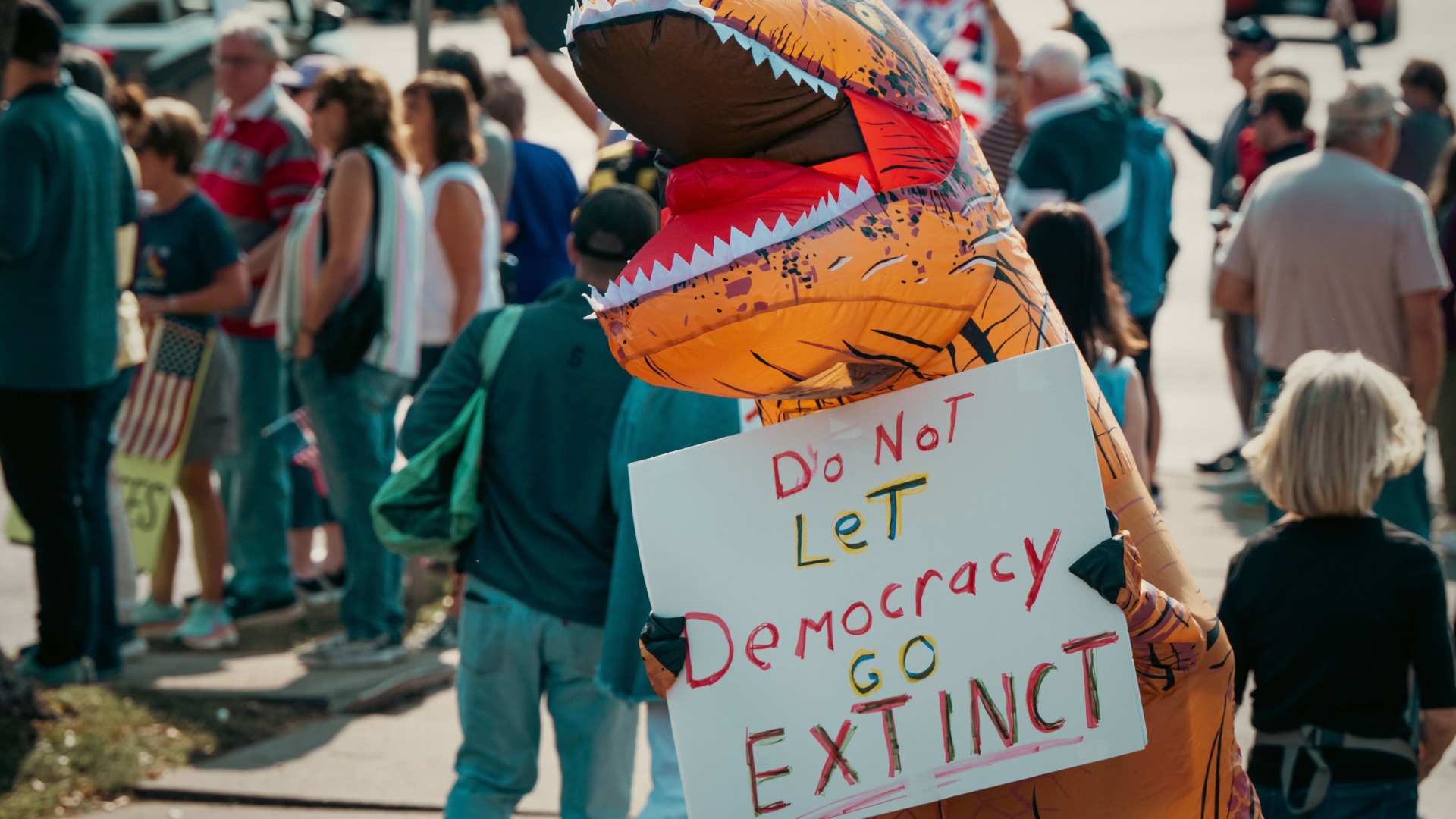
Democracy, which has historically proven most effective in meeting these criteria, cannot be taken for granted. In our AI era, citizens should press for more than multiparty elections and the protection of basic freedoms; that institutional core is not enough. We must carefully regulate and channel powerful technologies with the capacity to divide us from one another and short-circuit social and political participation. That means maintaining spaces in civil society where human contact and social friendship can flourish without the mediation of machines, beginning with the educational systems through which all citizens pass. It means fighting deepfakes and disinformation in the public sphere, so that citizens still operate in a world of facts and evidence and political representation has a strong basis.
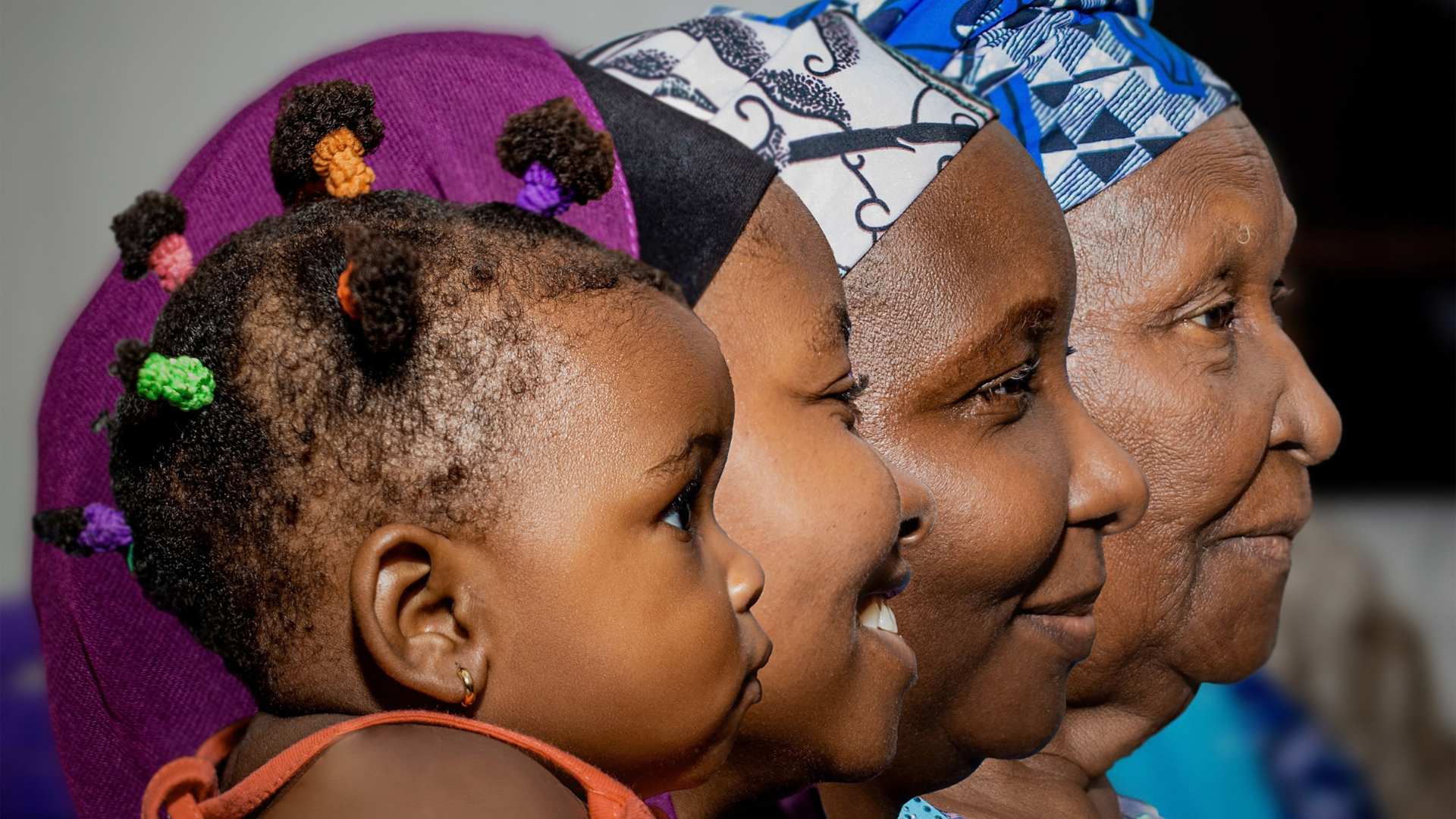
Artificial intelligence (AI) is increasingly entering public life in Ghana, including through digital systems used for identification, verification and service delivery. The ethical question is therefore not simply what AI can do, but what happens to people when digital systems become gateways through which citizenship, mobility or access to services are recognised. In northern Ghana, especially in border communities, this is a concrete question. I was privilege to visit Pusiga community in November 2025 with a Jesuit friend of my mine who is originally from the community. Thus, the topic for this article resonates very well with me.
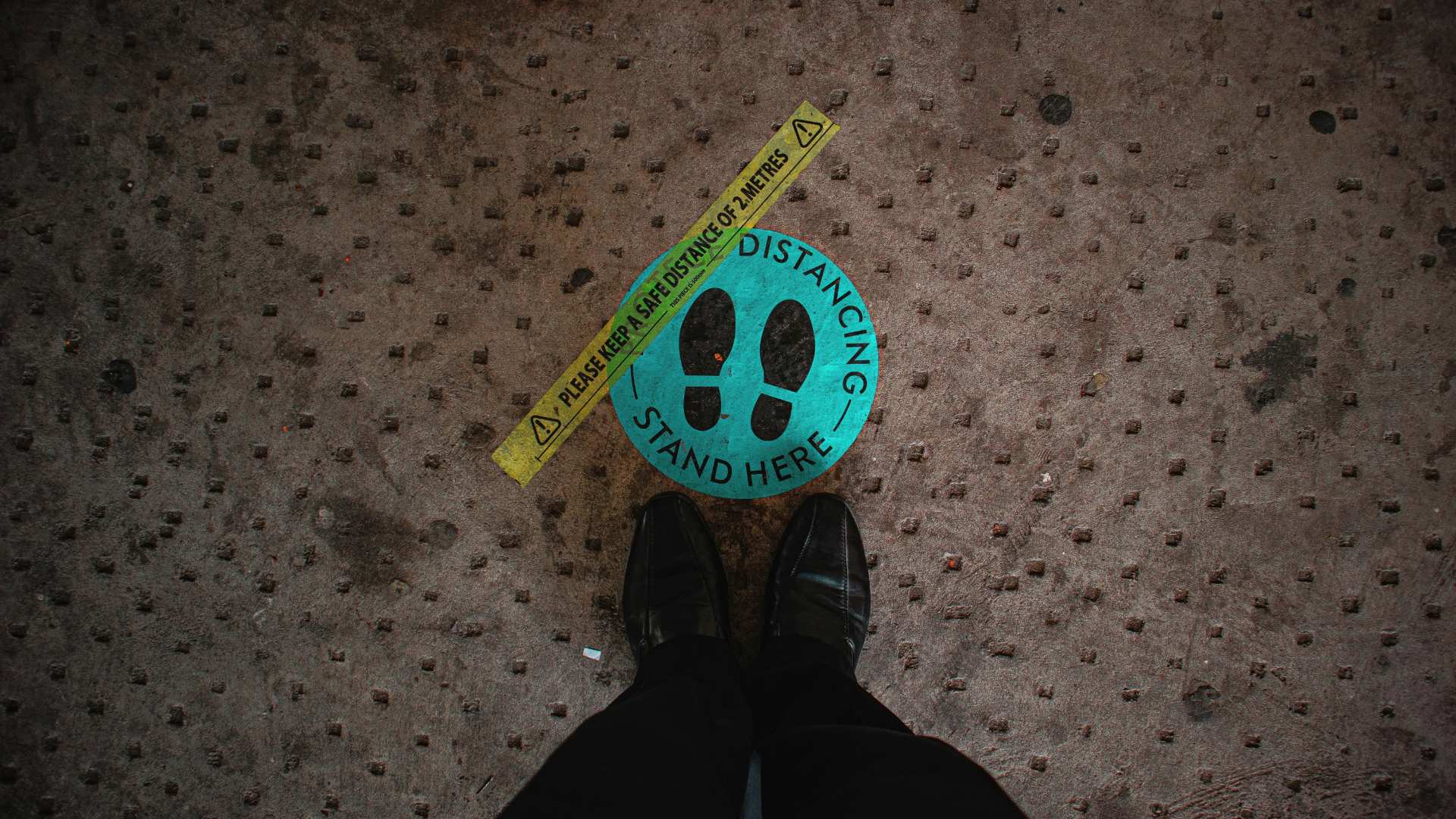
The article ‘Pandemic and Authoritarianism’, by Germán Rosa, SJ, was written in the midst of the COVID-19 crisis, but its insights extend beyond that context. The pandemic appears to reveal and accelerate political trends that were already present: the concentration of power, the weakening of democratic checks and balances, and the acceptance of extraordinary restrictions in the name of collective security. Rosa’s main concern is that fear may lead citizens to silently surrender their freedoms and rights, and that measures which were initially intended to be temporary become normalized and endure. Furthermore, in societies riven by inequality, control is never distributed neutrally: it falls most heavily on the impoverished, marginalized groups, migrants, dissidents and those who defend rights and territories.
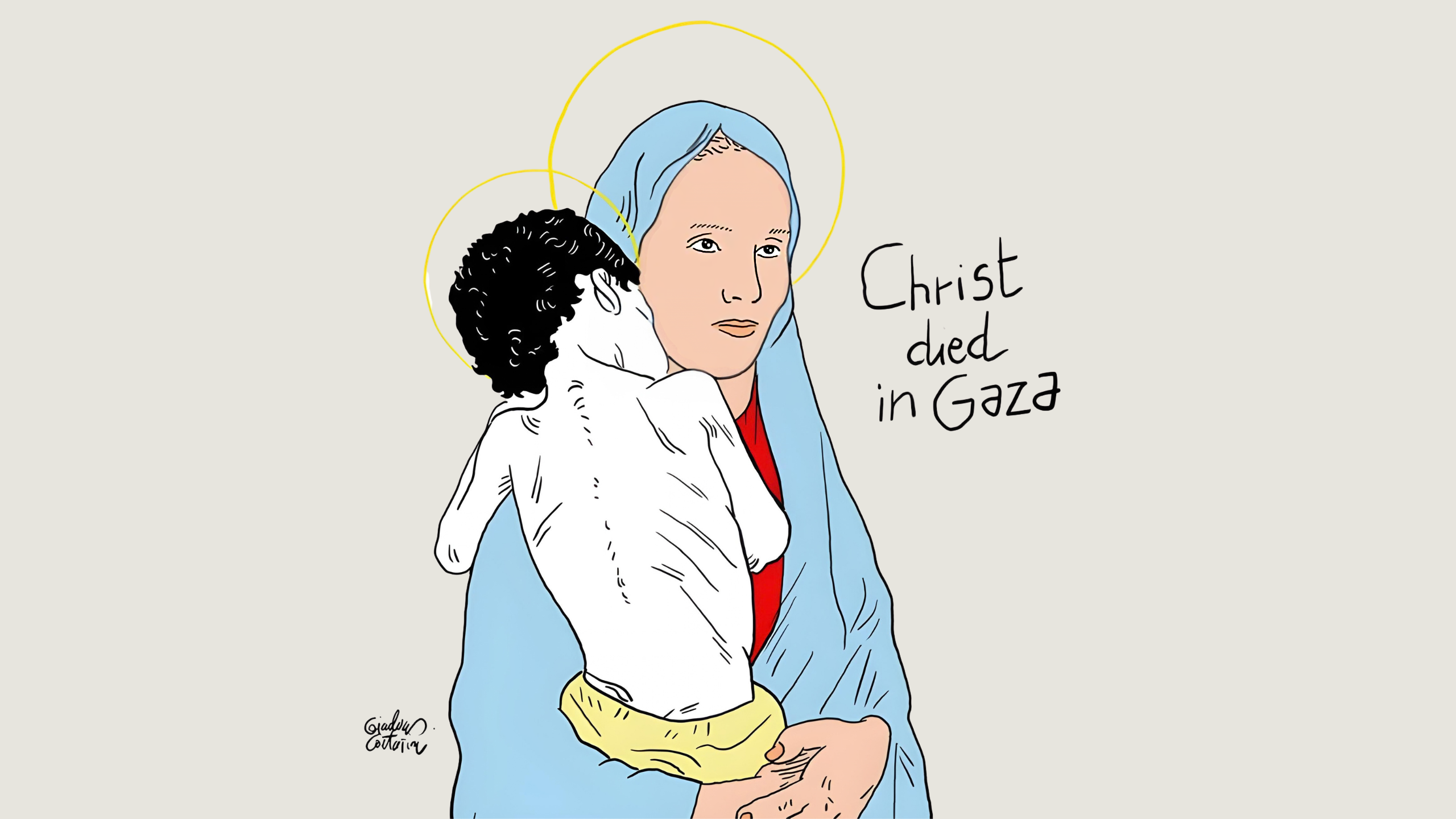
Speaking of dead children is uncomfortable. Yet it can also be healing. As I listened to the stories shared that day, I found myself returning to memories I may at times shy away from remembering. Iremember finding my sister’slifeless body in bed one Saturday morning. Ihad cometo carry her out with me to watch cartoons.As I listened tothe story of Hind Rajab, a 5-year-old girl who had been trapped inside a car attacked by Israeli forces,the memory of a little boy reaching out to touch his sister came back. The young girlhadmanaged to call the Red Crescent for help but hours later she and the paramedics who had come toassisther were all found dead. The chilling story reminded me of the shocking cold that struck my hand as I gently touched my sister’s arm in a futile attempt to wake her up.

Who Are the Victims and Those at Risk of Becoming Victims? When it comes to mining, particular attention must be paid to those who are most vulnerable: Indigenous communities whose livelihoods depend on their land, forests, rivers, and water sources; small-scale farmers; fishers; poor families; women, children, and older people; as well as communities with the least bargaining power in legal, economic, informational, and political matters. They may become victims when land loses its social function, when water sources are polluted or disappear, when the environment is damaged, when livelihoods are disrupted, or when their social and cultural life is transformed without their genuine consent.
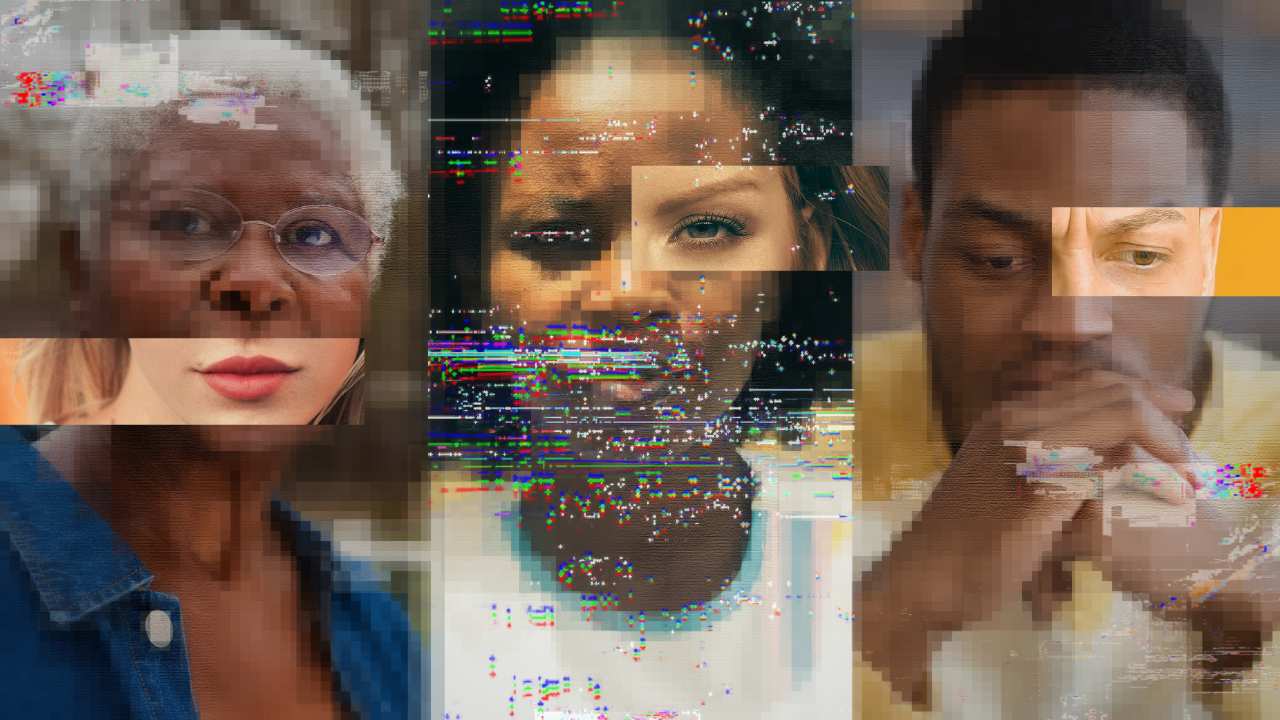
In the affluent community where I live, I walk down the street wearing a t-shirt of the elite Jesuit institution I once attended. It’s as if I presumptuously assume that the t-shirt will alleviate the prospect of being seen by surveilling gazes. Yet, I am instantaneously reminded as car doors lock when I walk beside them, and as purses clutch when I pass by, that my body is rendered as a site of suspicion. I am reminded that my Blackness precedes my existence. I am reminded that my darkened body occludes the presumption of innocence. I am reminded that my dark skin has eviscerated my humanity and has turned me into an object of fear.