
Educating, working, and believing in the face of inequality: a reflection drawn from my daily life
Translated using AI | Original in Spanish
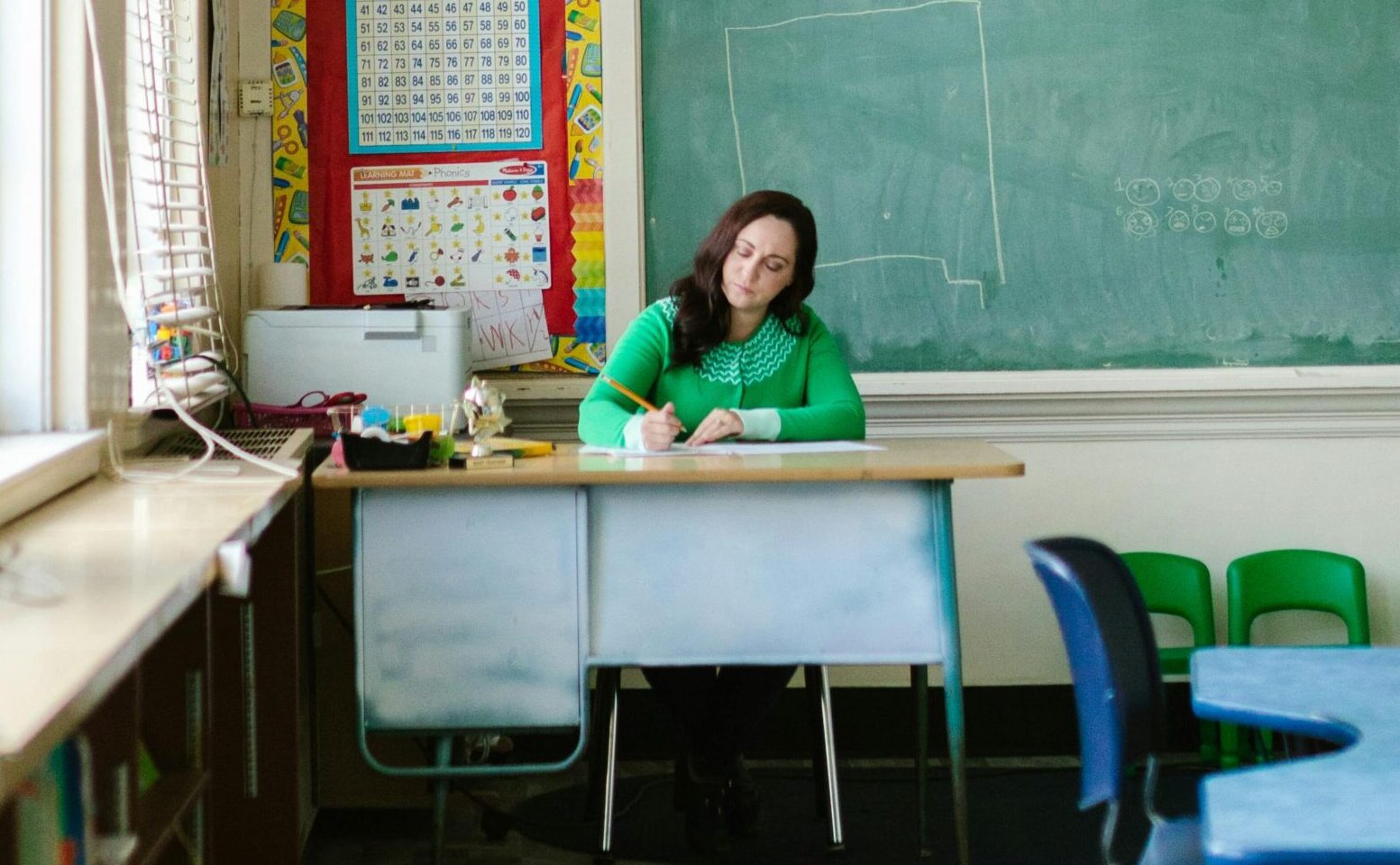
When it comes to education, human dignity, fair wages, and social structures, this is not, for me, a theoretical exercise or a distant reflection, but rather a part of my daily life. I am a woman from Chihuahua, Catholic, married, and the mother of four children; I also hold a doctorate in education, yet I work as a secretary at a public middle school located in a highly marginalized neighborhood within the state capital. That apparent contradiction between my academic background and my job, far from being a fruitless frustration, has become a privileged space for understanding, from the inside, the structural tensions described in the documents of the Church’s Social Doctrine.
Every morning, when I open the school office, I don’t just handle paperwork, lists, or administrative tasks; I also deal with human stories: mothers asking for extensions because they can’t afford the uniform; students who are absent because they must care for their younger siblings; parents who are absent because they work grueling hours for wages that barely cover survival; among various needs that arise from the root of social problems. In those specific faces, I clearly understand that education, as the Church affirms, is a fundamental human right and not a privilege; however, I also observe that, in practice, this right is conditioned or undermined by economic, family, and social factors—including corruption—that go beyond individual will.
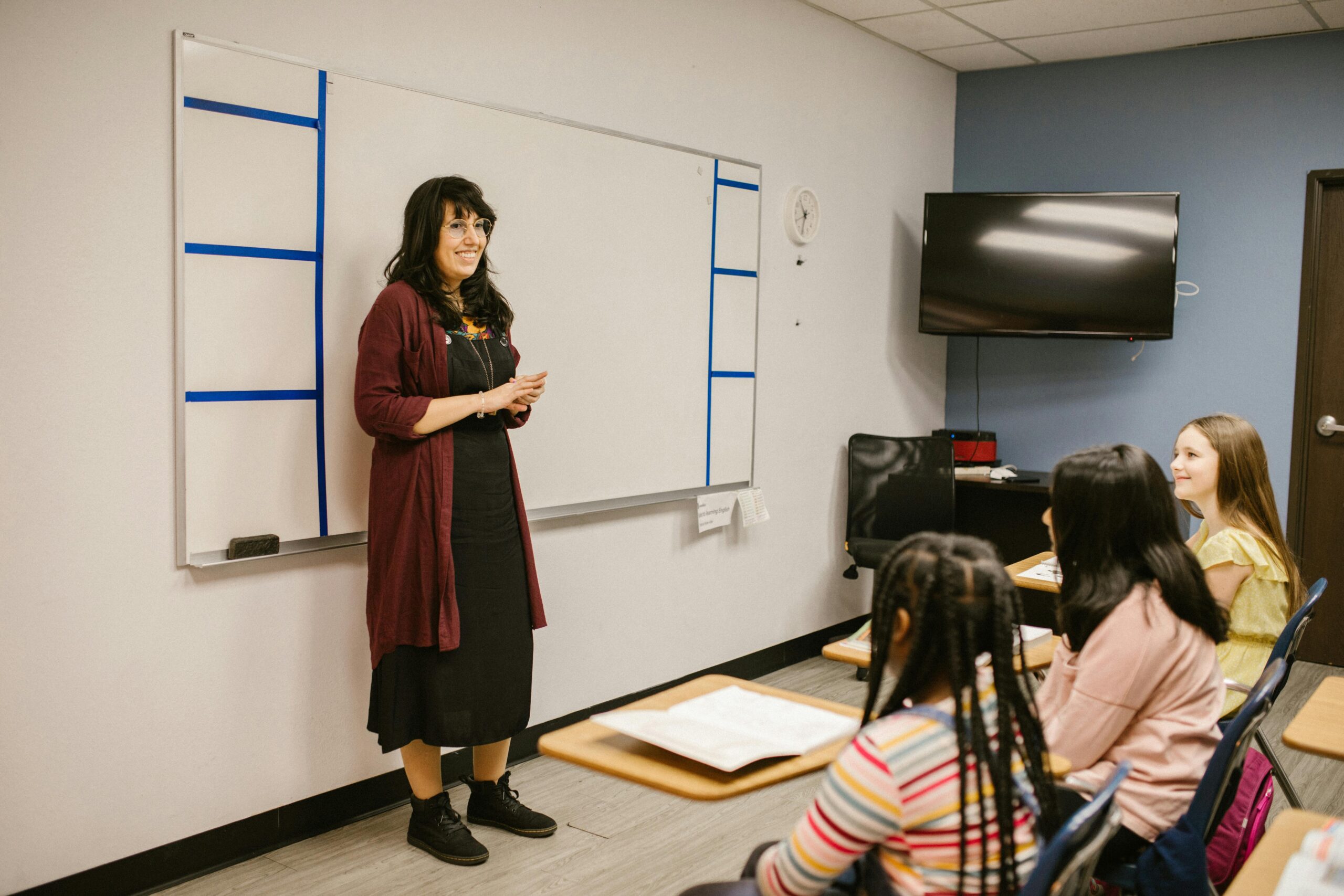
As a mother, I live by the belief that parents are our children’s first educators, striving to instill values, faith, responsibility, and hope at home, but it would be naive to think that this is enough. Schools, the community, and the state share a real responsibility; therefore, when these institutions fail, the burden falls disproportionately on the poorest families, perpetuating a cycle of exclusion that directly contradicts the ideal of integral human development spoken of by Paul VI and strongly reaffirmed by recent Church teaching.
My faith prevents me from normalizing this inequality. Human dignity, the foundation of the entire Social Doctrine of the Church, does not depend on income, educational level, or the neighborhood where one is born; every student, parent, and teacher who passes through my office possesses the same inalienable dignity, because they are made in the image and likeness of God. However, the material conditions in which many of them live—precarious housing, violence of all kinds, lack of services, informal jobs—undermine that dignity in a structural, not accidental.
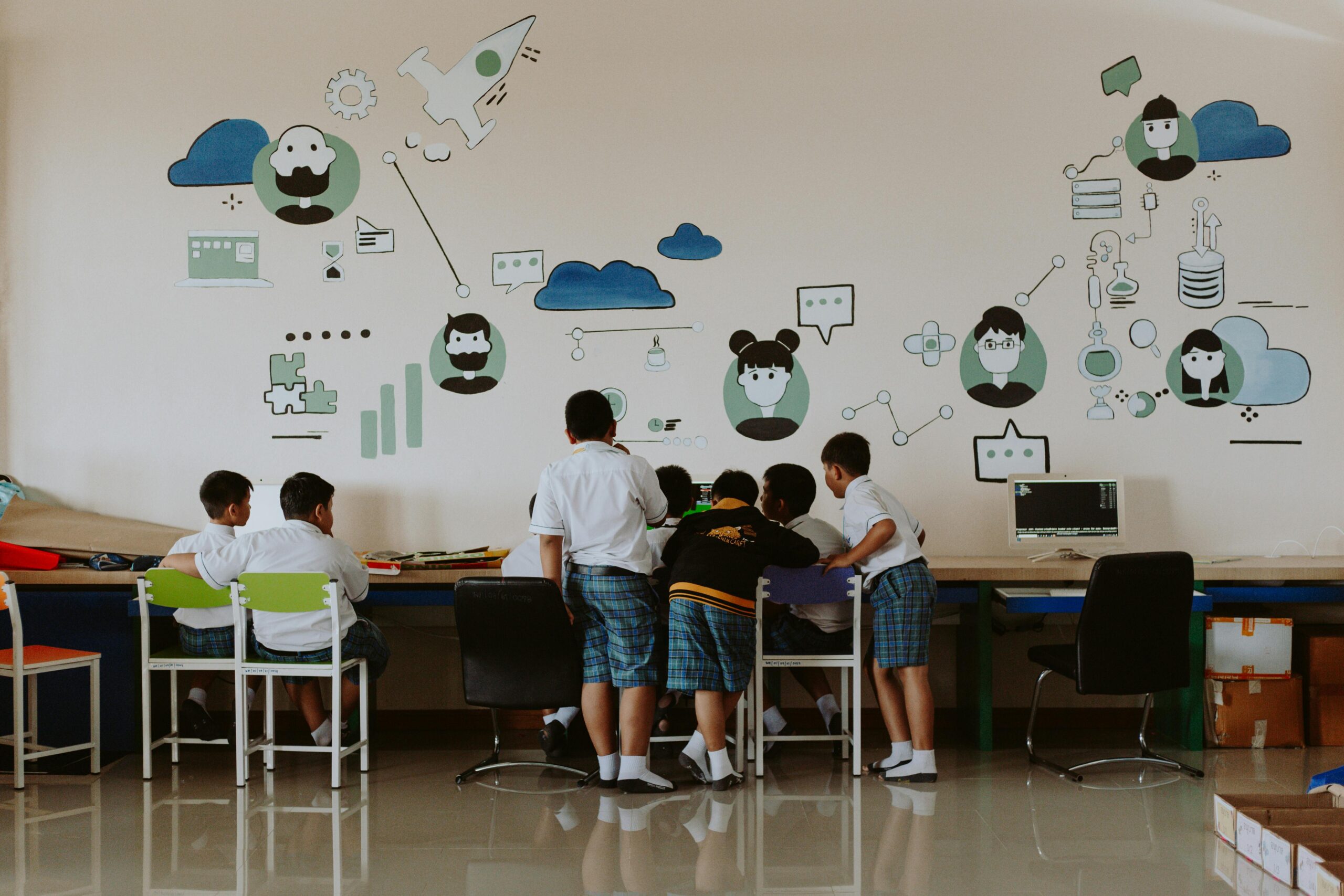
At school, I witness on a daily basis what the documents refer to as “structures of sin”: systems that, even without explicit malice, end up dehumanizing people. Educational programs that fail to consider the students’ real-life context; bureaucratic procedures that exclude those without digital access or those who nobly accept a “no” because they don’t know how to defend themselves against the violation of human dignity, thereby normalizing bureaucracy; salary policies that demotivate teachers and support staff. But I also see “structures of grace”: committed teachers who buy supplies with their own money, administrators who listen, colleagues who support families through complex situations. There I understand that charity is not just a personal gesture, but also an institutional and political responsibility.
My own salary is another lens through which I read these texts; although I have job security, my income reflects neither my level of education nor the responsibility of supporting a family of six—a beach vacation is a pipe dream when the money isn’t even enough to cover healthcare costs. The Church’s Social Doctrine is clear: a just wage must allow for a dignified life, not just minimal subsistence. When wages are insufficient, it affects not only the family’s finances but also the real possibility of educating children, adequately caring for health, resting, and participating in social life. This is not an individual failure; it is a structural problem that demands ethical and political responses.
As a believer, I cannot separate my faith from these realities. The Second Vatican Council warns that the divorce between faith and daily life is one of the gravest errors of our time. My prayer, my participation in the Church, and my administrative work are deeply intertwined: serving with respect, explaining with patience, and not humiliating those who do not understand a procedure are small acts but deeply political in the evangelical sense of the term.
Documents on global financial systems may seem distant to a school secretary, but they are not. When countries allocate more resources to debt repayment than to education or healthcare, the consequences are felt directly in schools like mine: a lack of infrastructure, overcrowded classrooms, and a shortage of specialized support. The assertion that “the economy must serve people, not the other way around” ceases to be a slogan and becomes a criterion for everyday moral judgment.
Finally, the technological challenge also permeates my work. The digitization of administrative procedures has streamlined processes, but it has also excluded those who lack access to devices or digital skills, giving powerful resonance to the warning that technology must serve people and not displace them. In my daily practice, this means not denying a service because of a platform, but rather accompanying, translating, and humanizing.
From my concrete reality, contributing to making education an effective right involves resisting indifference, nurturing connections, and remembering, time and again, that behind every file there is a sacred story. My life is not heroic, but it is deeply shaped by the conviction that educating, working, and believing are concrete ways to build justice, dignity, and hope in the midst of an unequal world.
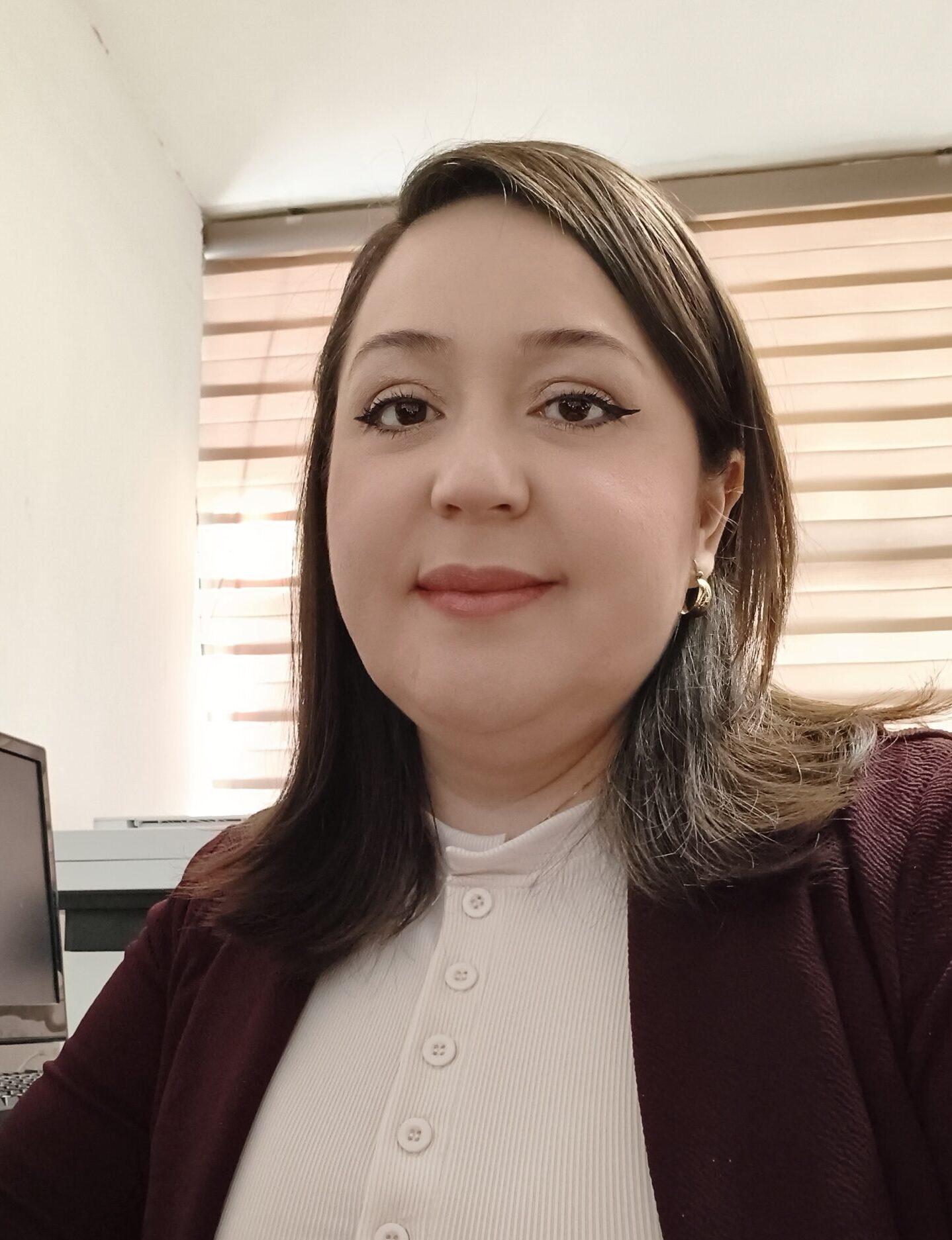 Nancy Meliza Rocha Rodríguez
She holds a Ph.D. in Education, a master’s degree in Social Sciences, and a bachelor’s degree in Business Administration. For the past 15 years, she has worked as a civil servant at the Ministry of Public Education, serving as a secretary in the city of Chihuahua, Mexico. She has served in her parish, Sagrado Corazón de Jesús, as a reader of the Word during children’s Mass, and is currently preparing, God willing, to be appointed extraordinary minister of the Holy Eucharist. She has a deep interest in understanding and exploring social issues, with the goal of helping to reduce social harm.
Related Posts:
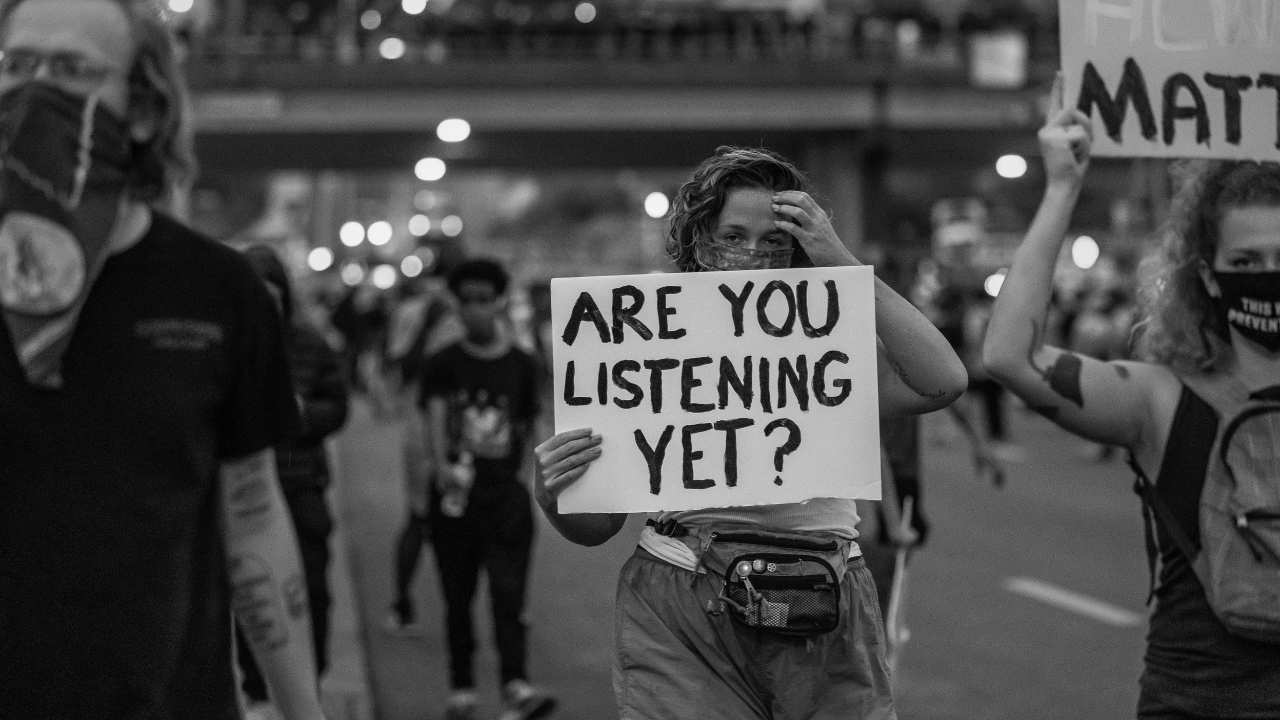
By examining the tensions between democratic institutions, citizen participation, social movements, and the common good, the article opens a path for reflecting on how new forms of power emerge and how societies can respond to them. As AI systems increasingly shape public life and influence collective decision-making, Bado's vision of a more participatory and substantive democracy challenges us to consider how technology can be governed in ways that promote justice, inclusion, accountability, and human dignity. We invite readers to revisit this earlier reflection as a valuable source of inspiration for discerning how democracy may evolve in response to the opportunities and risks posed by AI and for ensuring that technological progress continues to serve people and the common good.

In Magnifica Humanitas, Pope Leo XIV warns that machine intelligence in war ends by “reducing victims to data.” The machine profiling that registers a person for food can also be used to select a person as a target. A small drone circling a road, with no one steering it, can have such a profile as its target. A drone like this is an autonomous weapon system. Once activated, it selects and attacks targets by itself, matching what its sensors detect to a programmed target profile. No human being decides, at the moment of the strike, that this particular person will die or is the right target. The case most often cited as the first use of such a weapon against people, reported by UN experts, was in Africa, in Libya in 2020.

Democracy, which has historically proven most effective in meeting these criteria, cannot be taken for granted. In our AI era, citizens should press for more than multiparty elections and the protection of basic freedoms; that institutional core is not enough. We must carefully regulate and channel powerful technologies with the capacity to divide us from one another and short-circuit social and political participation. That means maintaining spaces in civil society where human contact and social friendship can flourish without the mediation of machines, beginning with the educational systems through which all citizens pass. It means fighting deepfakes and disinformation in the public sphere, so that citizens still operate in a world of facts and evidence and political representation has a strong basis.
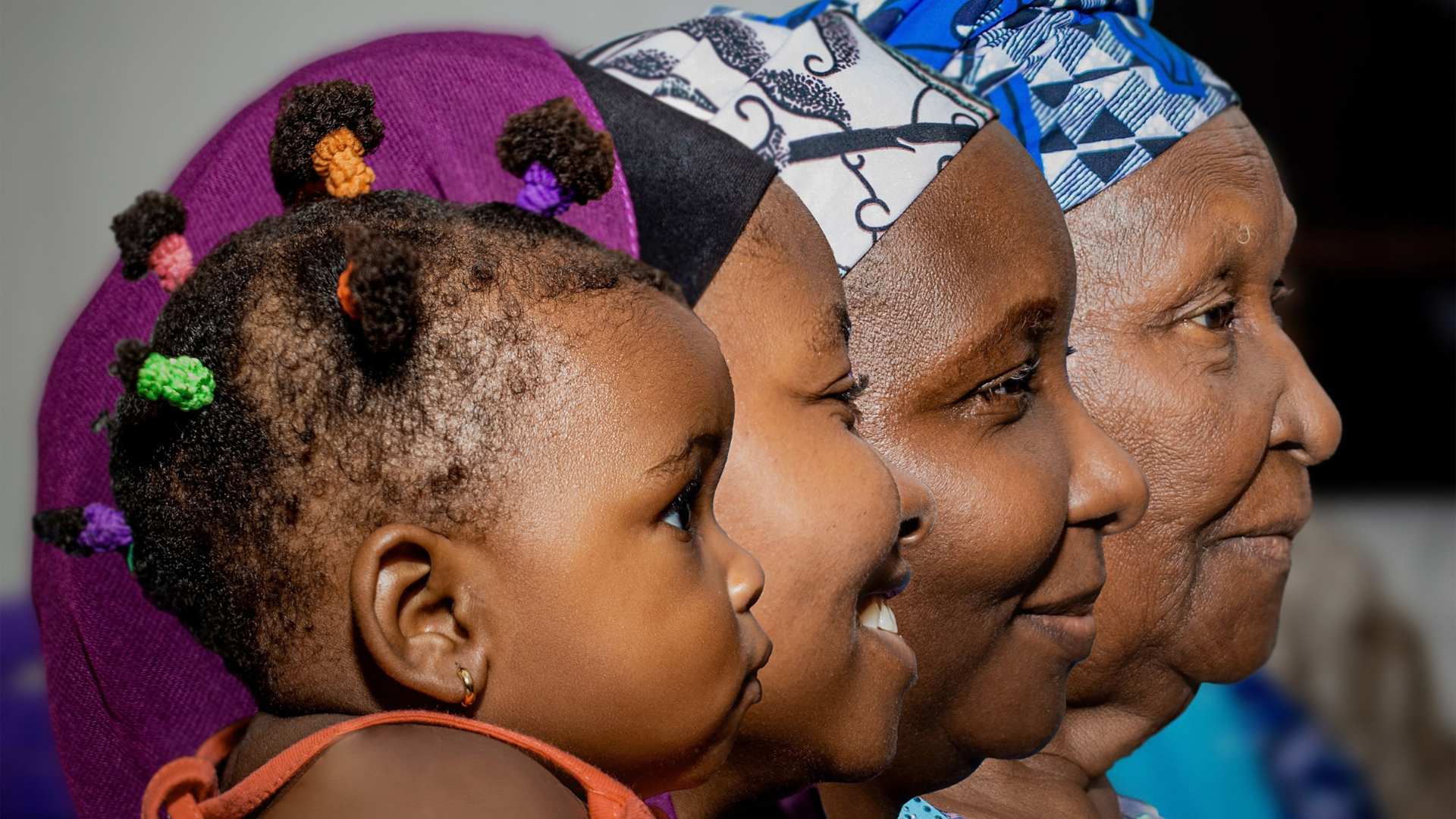
Artificial intelligence (AI) is increasingly entering public life in Ghana, including through digital systems used for identification, verification and service delivery. The ethical question is therefore not simply what AI can do, but what happens to people when digital systems become gateways through which citizenship, mobility or access to services are recognised. In northern Ghana, especially in border communities, this is a concrete question. I was privilege to visit Pusiga community in November 2025 with a Jesuit friend of my mine who is originally from the community. Thus, the topic for this article resonates very well with me.
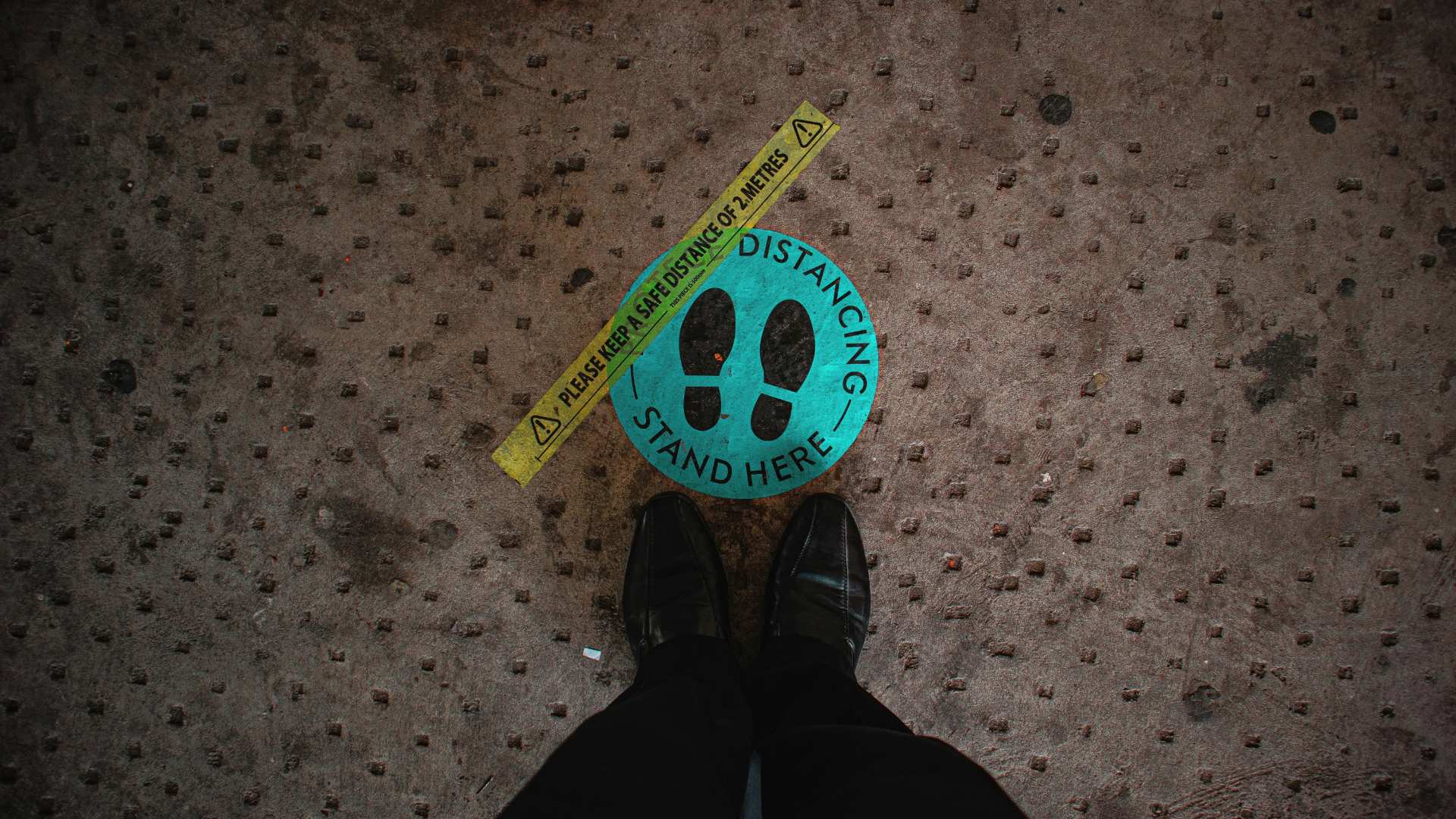
The article ‘Pandemic and Authoritarianism’, by Germán Rosa, SJ, was written in the midst of the COVID-19 crisis, but its insights extend beyond that context. The pandemic appears to reveal and accelerate political trends that were already present: the concentration of power, the weakening of democratic checks and balances, and the acceptance of extraordinary restrictions in the name of collective security. Rosa’s main concern is that fear may lead citizens to silently surrender their freedoms and rights, and that measures which were initially intended to be temporary become normalized and endure. Furthermore, in societies riven by inequality, control is never distributed neutrally: it falls most heavily on the impoverished, marginalized groups, migrants, dissidents and those who defend rights and territories.
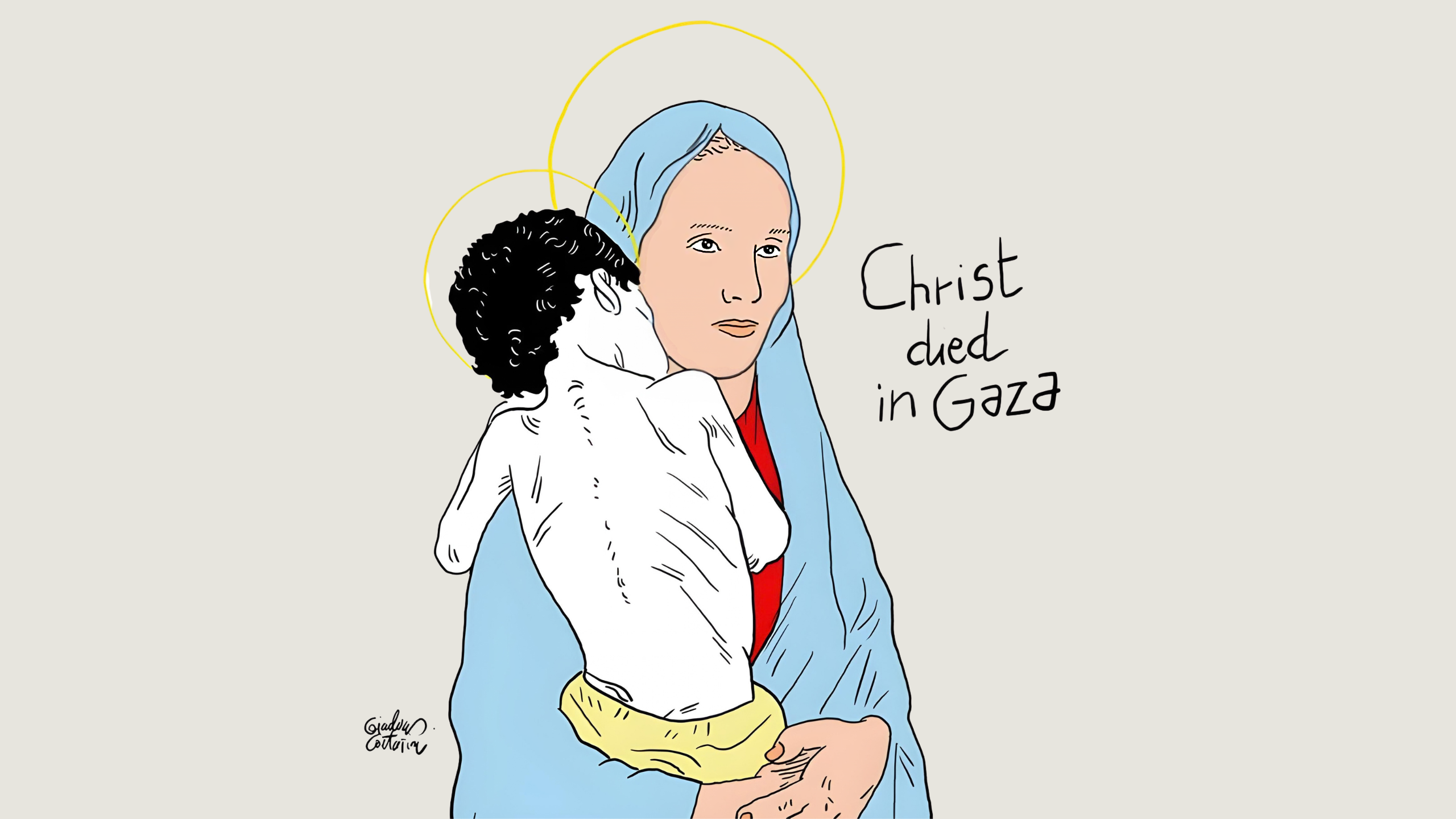
Speaking of dead children is uncomfortable. Yet it can also be healing. As I listened to the stories shared that day, I found myself returning to memories I may at times shy away from remembering. Iremember finding my sister’slifeless body in bed one Saturday morning. Ihad cometo carry her out with me to watch cartoons.As I listened tothe story of Hind Rajab, a 5-year-old girl who had been trapped inside a car attacked by Israeli forces,the memory of a little boy reaching out to touch his sister came back. The young girlhadmanaged to call the Red Crescent for help but hours later she and the paramedics who had come toassisther were all found dead. The chilling story reminded me of the shocking cold that struck my hand as I gently touched my sister’s arm in a futile attempt to wake her up.