Amazon – New Report: Energy Transition, Mining Expansion and Ecosocial Conflicts in the Amazon
The Amazon has historically been perceived as a land of promise and a source of raw materials for the global market. Since the first colonization until today, its territory has been exploited for different resources (mining, timber, meat, agriculture and hydrocarbons). In the last decade, the need to increase the production of critical minerals for the energy transition has accentuated this trend, generating the paradox that the green transition as it is being proposed requires an increase in extraction, with the impacts that this entails.
Today we are pleased to present the research Energy Transition, Mining Expansion and Ecosocial Conflicts in the Amazon, the result of the joint work of the Center for Applied Ethics of the University of Deusto and the Alboan Foundation, in collaboration with local organizations such as the Latin American Center for Rural Development (RIMISP) and the Agricultural Service for Research and Economic Promotion (SAIPE).
This research work, coordinated by Javier Arellano-Yanguas and María del Pilar Bernal-Gómez, arises from the need to propose useful responses in the context of the debate on the energy transition and its consequences for Amazonian populations affected by mining operations. Its objectives are to prevent the deterioration of the living conditions of indigenous communities, guarantee their rights and halt the large-scale ecological damage caused by mining.
The report is divided into two chapters that address complementary aspects of mineral resource extraction processes in the Amazon or in the headwaters of the rivers that feed the Amazon basin. The first chapter reviews the literature on the adverse impacts of mining extraction in the Amazon and the conflict dynamics it generates with local indigenous and/or peasant populations. It complements these findings with the analysis of two concrete cases in the Amazonian territory, that of the Afrodita Mining Company in the Cordillera del Cóndor (Peru) and that of the Líbero Cobre mining company in Mocoa (Colombia); the second chapter, on the other hand, focuses on the Mocoa Project, and delves into the resistance of Amazonian populations to mining projects. Read more…

Related Posts:

The Justice in Mining network has advanced efforts to protect communities affected by mining. Key achievements include stronger collaboration among 22 Jesuit institutions, documenting crucial case studies and advocating for corporate accountability as demand for critical minerals grows.
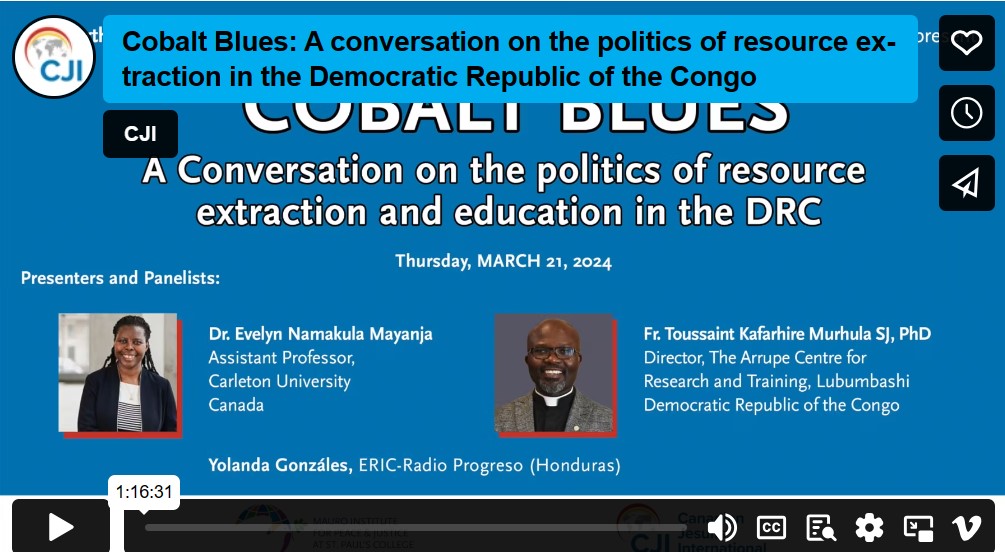
Resource persons at the "Cobalt Blue" webinar organised by the Canadian Jesuit International stressed the root causes of mining misery: the legacy of colonialism, racism, unchecked consumerism, and a greedy global economic-political system that overlooks ethical and environmental concerns are among the main reasons for the untold suffering caused by mining and the extraction of natural resources in the Democratic Republic of the Congo (DRC).
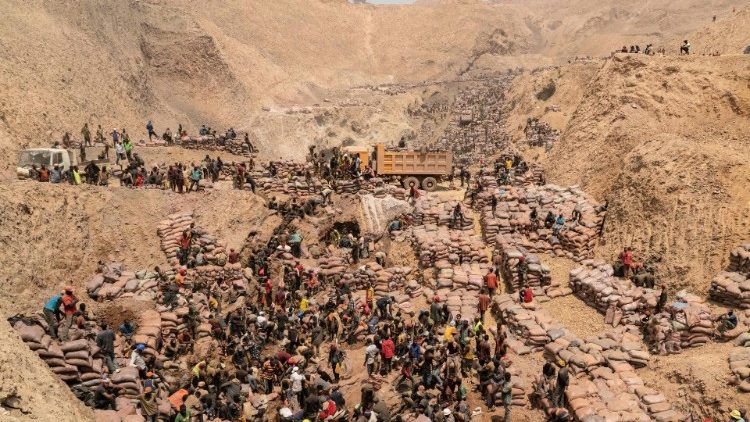
"Conflicts in Africa in the Context of the Exploitation of Natural and Mining Resources" was the theme of a seminar in Accra, Ghana. Participants in the seminar convened by the Symposium of the Episcopal Conference of Africa and Madagascar (SECAM) called for the end of the ruthless depletion of natural resources by multinational corporations and foreign powers.
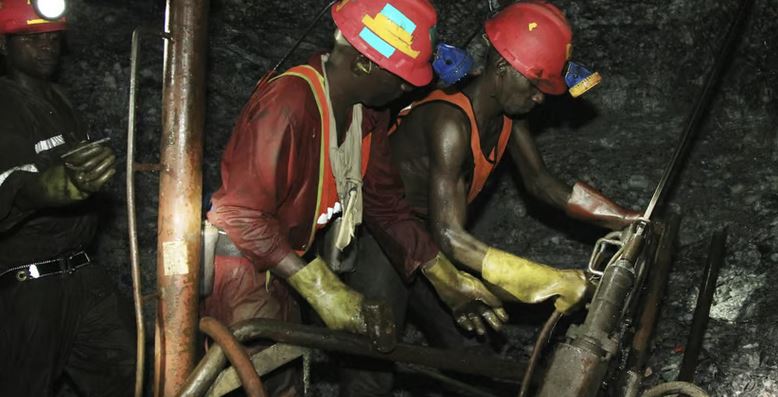
A Catholic leader in South Africa, a country where mineral wealth long has been an economic mainstay, says that today the Church in his country often encounters “the suffering face of Christ in sick mine workers.”
Latin America – Statement of the Jesuits on the Caribbean Border on the Extractivist Model of Mining
Statement published by the Jesuits on the border between the Dominican Republic and Haiti in which they warn of the risks posed to the local populations and their livelihoods by an extractive mining project.

The coordinator of the Brazilian network of Churches and Mines, a Comboni religious missionary, talks about the second edition of their initiative in September: the Earth is not an infinite reservoir of resources to be taken without limits.