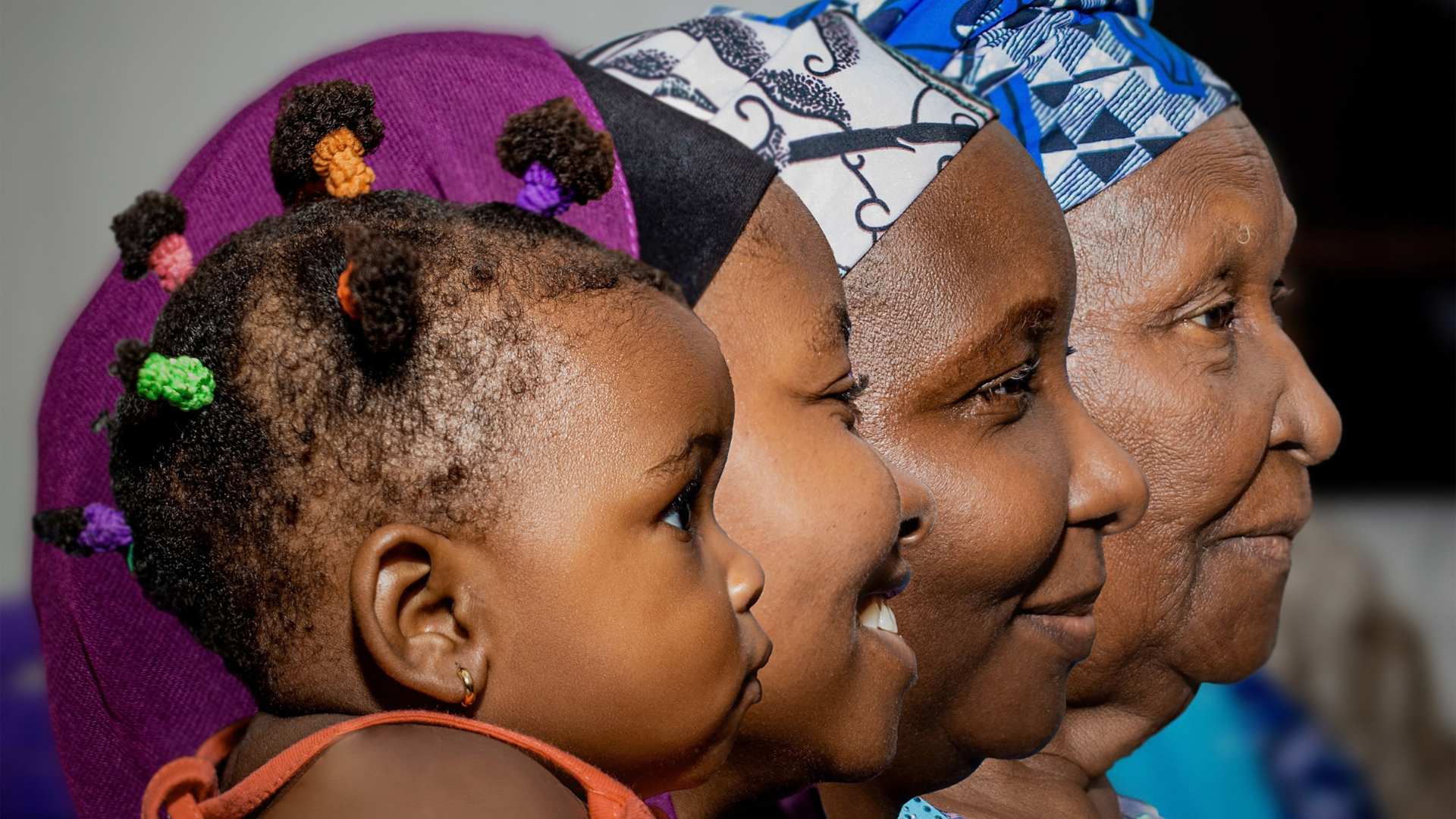
Amazonia – MAGIS stands with the Amazonian Belèm women through solidarity economy networks.
A
total of 44 women of various ages, either self-entrepreneurs or small
cooperative groups, are involved in the ongoing construction of a network named
"water-women."
Studying at a university while living in a traditional community in the Amazon is always a challenge: classes are far from home, and there are no public buses along miles of dirt roads that become muddy in winter and dusty in summer. Dani has chosen to persevere to become a history graduate and teach in a school within the Kilombo of Abacatal: a centuries-old community descended from rebellious enslaved African women. Today, the community lies in the middle of the forest just outside Ananindeua, in the large metropolitan city of Belém. Dani created a job to achieve her goal: she learned to sew and set up a small shop, trading used and repurposed clothes. Thanks to this activity, she can support herself and Dominique, her three-year-old son.
Dani's is just one of many stories of creative and resilient women who, in the suburbs of the cities of Belém, Ananindeua, Colares and Barcarena, on the outskirts of the Brazilian Amazon, are involved in the "Tecendo ReExistencia" project of the CAC - Centro Alternativo de Cultura, the Jesuit Social Centre of Brazil.
The project, now in its second year, thanks to the support of the MAGIS Foundation, aims to strengthen the solidarity economy and income generation in this area of the Amazon. It focuses on women's empowerment and autonomy against oppression and violence through cultivating relationships based on the Amazonian women's creative, intuitive, eco-sustainable, self-managed power.
A total of 44 women of various ages, either self-entrepreneurs or small cooperative groups, are involved in the ongoing construction of a network named "water-women." Vaulene Monteiro, project manager in the CAC team, explains, "Just as a drop of water does little, many drops, however, fill a river and are a force of nature; and so are women. If they are isolated, they are vulnerable and are likely to be subjected to violence and abuse; but if women are united, they become stronger and can do many things. Even more so for us inhabitants of the Amazon region. Water is a fundamental element of our identity and energy."
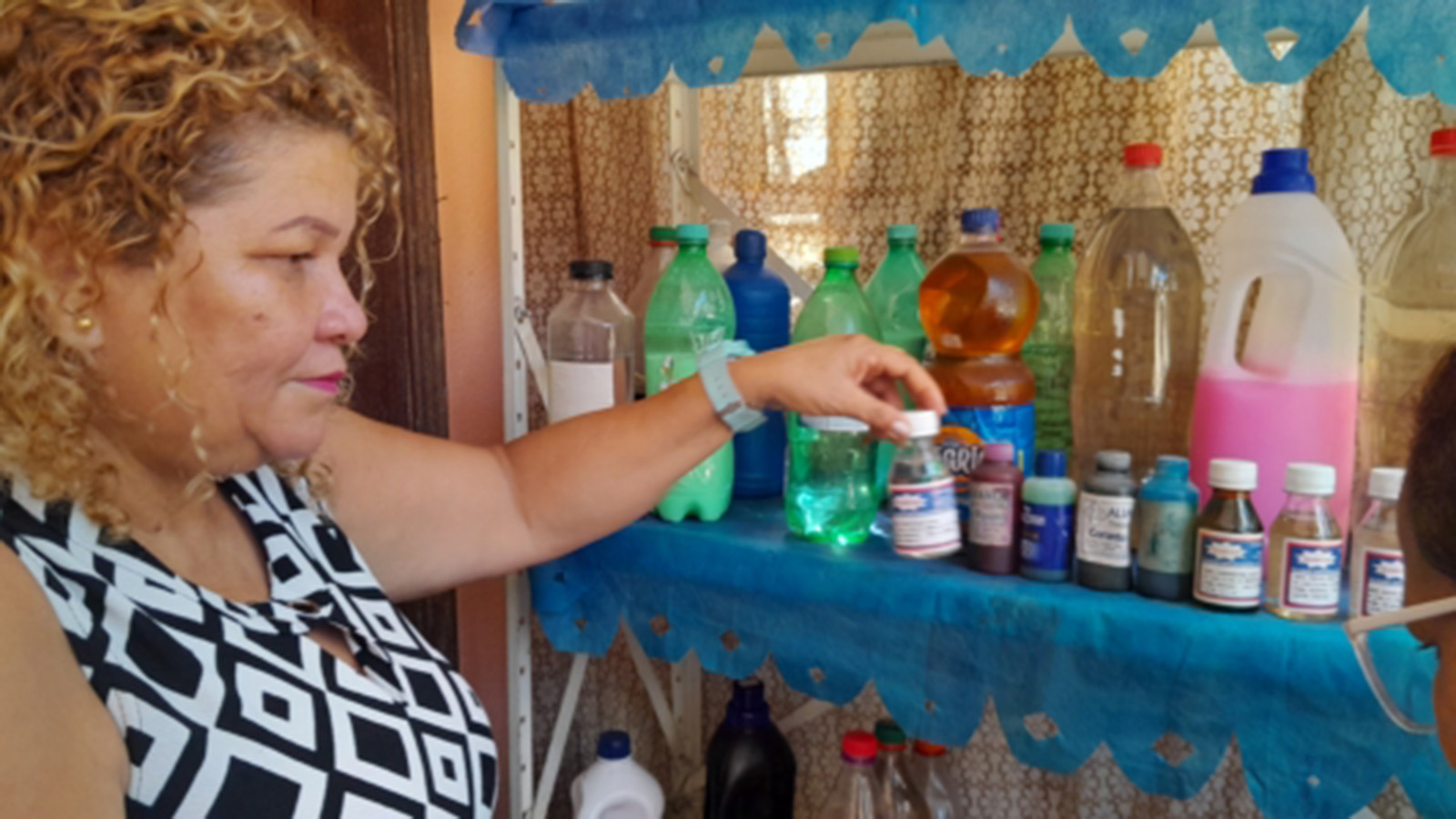
Among these drops united in a network are those who have conceived of a way to make a livelihood or augment their income. Often they start with recycling, like Maria, a lady from Colares who makes carpets, cushions and colourful pillowcases from fabric scraps. Or the three ladies from the MUARA - Mulheres Ativas do Radional in the Condor neighbourhood of Belém. They set up a backyard artisanal soap and detergent workshop. They sell their soap and detergent in recycled plastic bottles collected from rubbish.
Makini and Turi are also protagonists in the network. Their agricultural and agro-forestry micro-enterprises are "productive gardens" rich in traditional knowledge practices that bind their Kilombola community with the forest. Not far away, their granddaughters have found economic independence by frying local specialities in a shop behind their home. Their specialities' brand name, 'Delicacies of the Girls of Abacatal'.
In the face of this rich and varied reality, the Jesuit Social Centre CAC project's objective is, first of all, to encourage the strengthening of ties among women entrepreneurs so that their network can be a place of growth not only for economic activities but also a space for speaking, caring and mutual support according to the logic of the solidarity economy. "Secondly, we help develop their business," continues Vaulene (project coordinator for the CAC), "through workshops or training on topics such as marketing, pricing, visual identity and a campaign to provide materials and growth tools for each of the women entrepreneurs."
Business growth often involves equipment that would seem easy to procure, such as a brush cutter, a mixer or a fryer, but for the small business of micro-enterprises represent an insurmountable cost. Thus, the CAC is developing strategies to involve companies and contributors to help the water-women* procure the equipment to grow their businesses.
*'Water-women' is an expression that indicates the close link between man and water, the primary element in the Amazon.
Source : fondazionemagis.org
Related Posts:
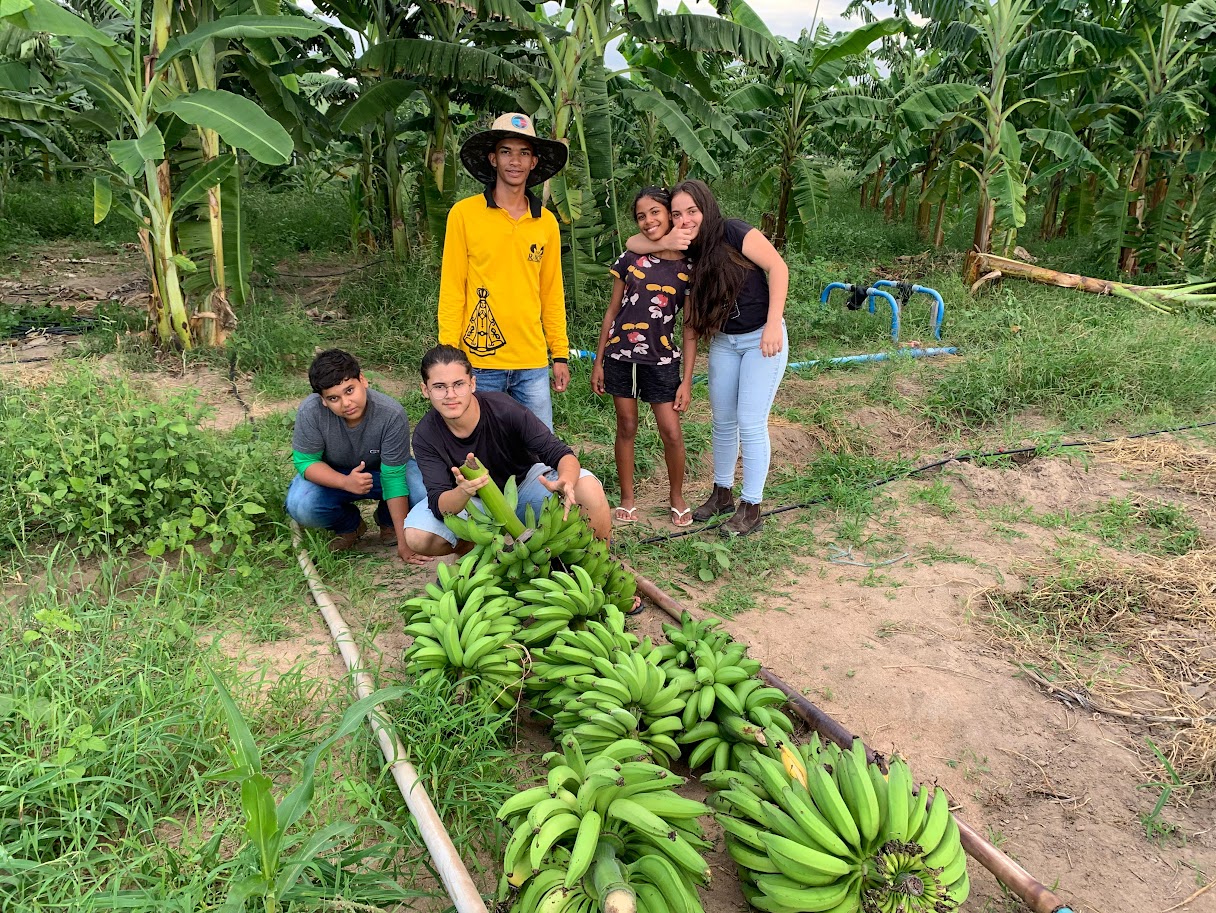
The Jaboticaba Agricultural Family School in Brazil reuses water for sustainable food production in a semi-arid region. Since 1993, it has combined agroecology with wastewater treatment to enhance food security and educate students. The project promotes environmental sustainability and aims to influence public policies in line with Pope Francis’s call for integral ecology.

His journey was marked by a profound sense of detachment, as he left behind his nationality, culture, security, history, and companions to embrace a completely foreign environment.
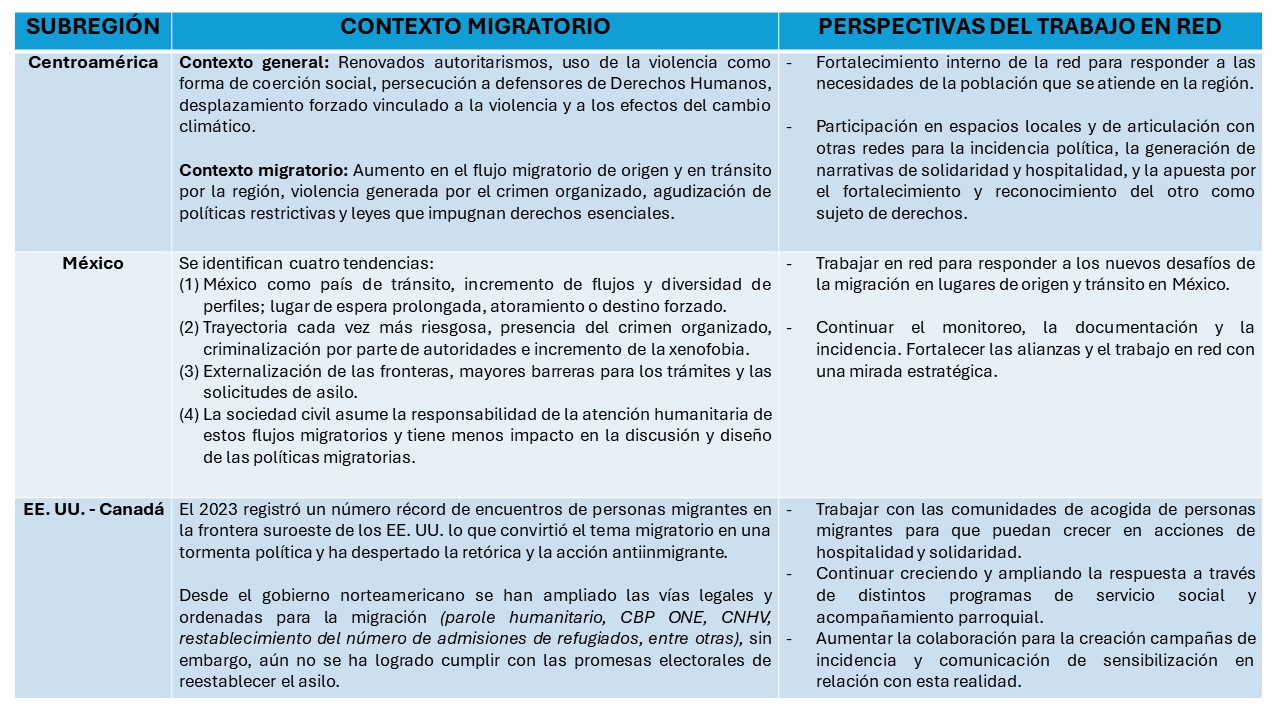
Jesuit Network with Migrants Central America and North America (RJM CANA) shared the first four months of the year report (January – April 2024): "They have been months of a lot of work to face the challenges in the migration context characterized by an increase in the migratory flow in vulnerable conditions throughout the region, however, also These have been months in which the fruits of networking have been confirmed".
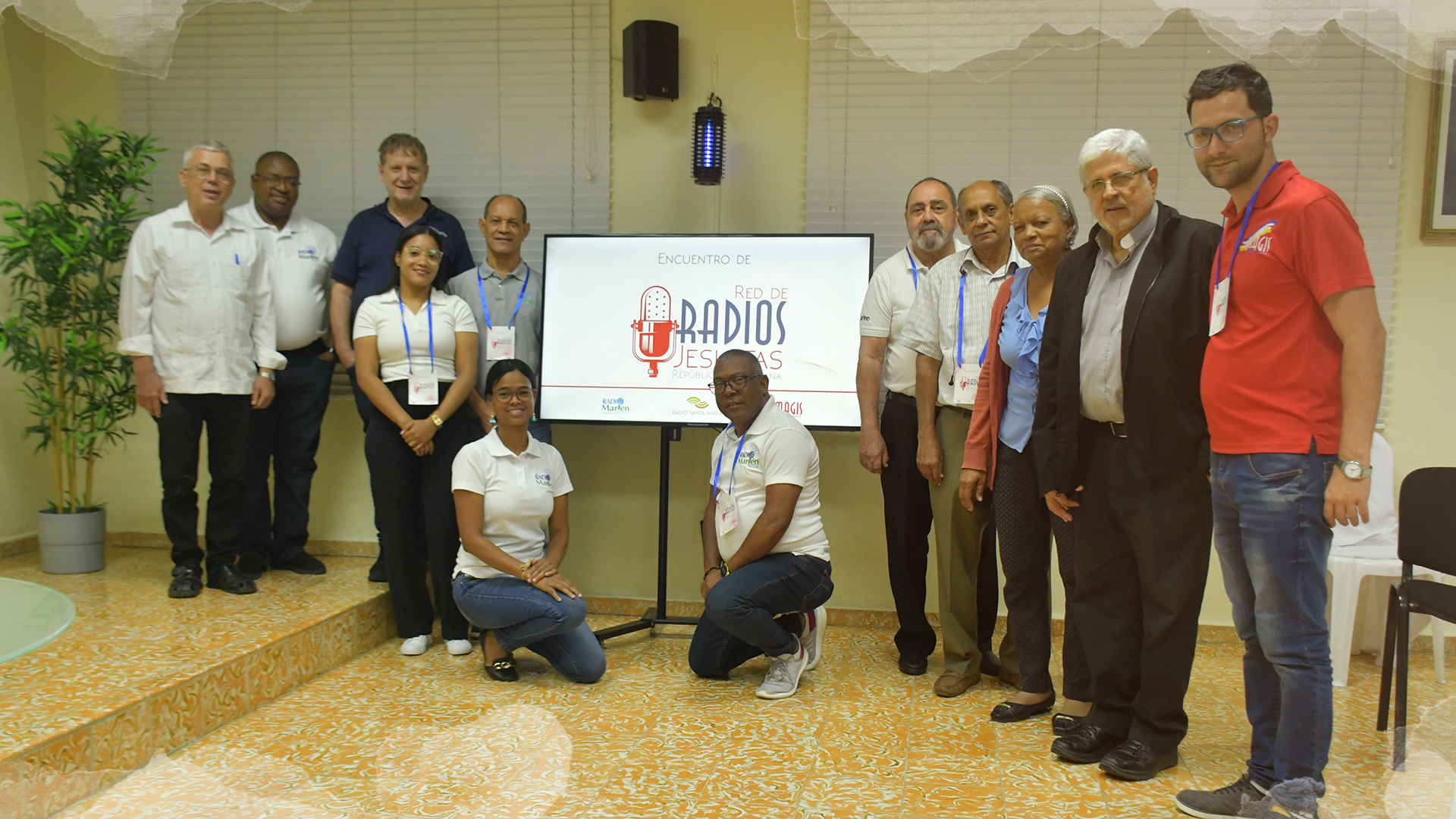
From April 5 to 7, the Jesuit Radio Network in the Dominican Republic met at the facilities of the Loyola Polytechnic Institute (IPL) in San Cristóbal. During the meeting, the construction of a shared itinerary that seeks to focus on collaboration and contextualized radio communication marked by the Apostolic Preferences approved by the Society of Jesus for the coming years was highlighted.
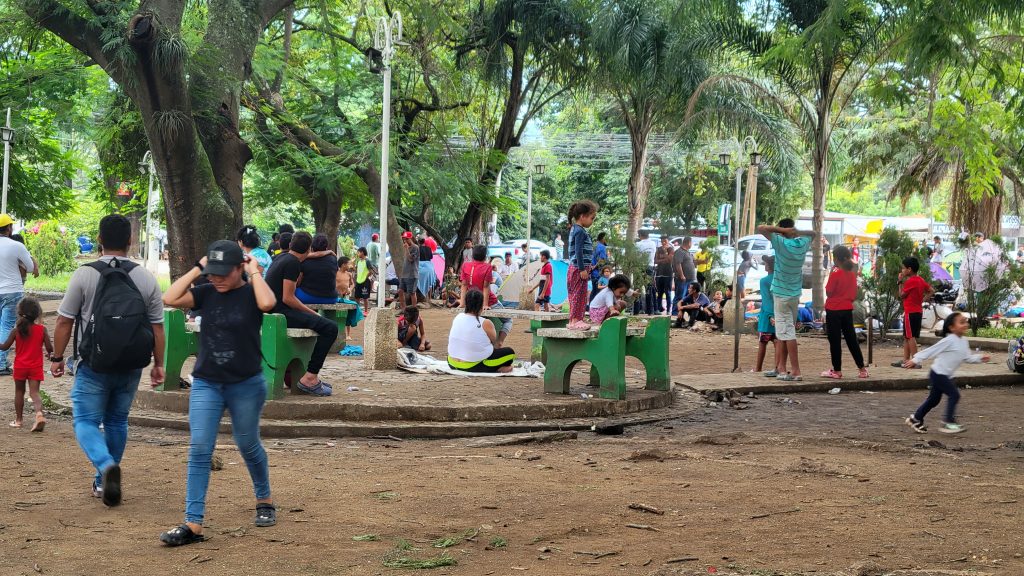
The Cartagena Declaration, adopted in 1984, emerged in response to the growing displacement crises in Latin America. Its importance lies in its expanded approach to defining a refugee, recognising the causes of displacement beyond armed conflict events. Despite progress in these 40 years, implementation challenges of the recognition criteria and the commitments made in the adopted plans persist.
This first publication of 2024 provides an overview of the latest data, changes and trends in the context of most of the region's countries (Panama, Costa Rica, El Salvador, Honduras, Guatemala, Mexico, the United States and Canada).