Africa – Don’t miss out on the AHETI Africa Afya: Health for all International Conference
|
The conference, which was officially opened by Rwanda Minister of Health, Dr. Sabin Nsanzimana was also graced by the presence of Ms. Elizabeth Baltzan, Senior Advisor to the U.S. Trade Representative, the Director of the Rwanda Biomedical Centre (RBC), Prof. Claude Mambo Muvunyi, government representatives from a number of African countries, and representatives from Africa CDC, USAID, BMZ and several experts and groups from various parts of the World
|
In his opening remarks, the Minister noted that Africa had over 50% of the global share of diseases and yet it only contributed 1% of the solutions towards curing those diseases. He added that when it came to vaccine production, only Yellow Fever vaccine was manufactured in Africa; further highlighting the challenge at hand. He applauded the AHETI initiative and challenged African leaders, policy makers and medical experts to join AHETI in providing solutions in and for Africa. |
The Conference Drew attention to Healthcare Access in Africa
The main objective of the two-day conference was to present alternative models to incentivize pharmaceutical production in Africa and to give a comprehensive picture of key issues in the promotion of local pharmaceutical production in Africa to improve access to essential medicines. The deliberations included:
1. The Presentation and launch of the Health Impact Fund Africa Pilot, an emerging alternative model for incentivizing pharmaceutical production in Africa to be led by the Incentives for Global Health (IGH), AHETI, and the Yale University Global Justice Program; all devoted to advancing market-based solutions to global health challenges.
2. Updates on current local efforts with a focus on the Pharmaceutical Manufacturing Plan for Africa (PMPA).
3. Action Tracks: The draft of five
short discussion papers that set out the overall ambition, challenges,
opportunities, and possible solutions related to the six thematic Action Tracks
on the key issues surrounding local African pharmaceutical production at
enterprise level, embedded in a national, regional and global context.
These included the following topics:
a) Global structural reform
b) Technology transfer
c) Production and Supply Chains
d) Financing,
e) Quality and Regulation
f) Integrative Health
4. Proposals for new or scaled‐up initiatives, building on existing initiatives, partnerships, and coalitions.
5.
Key recommendations for follow‐up actions.
Source : aheti.org
Related Posts:

In his presentation at the Kommende Dortmund Institute, Cardinal Czerny explored the Catholic concept of "integral human development. This vision challenges the prevailing development paradigm centered solely on economic growth.
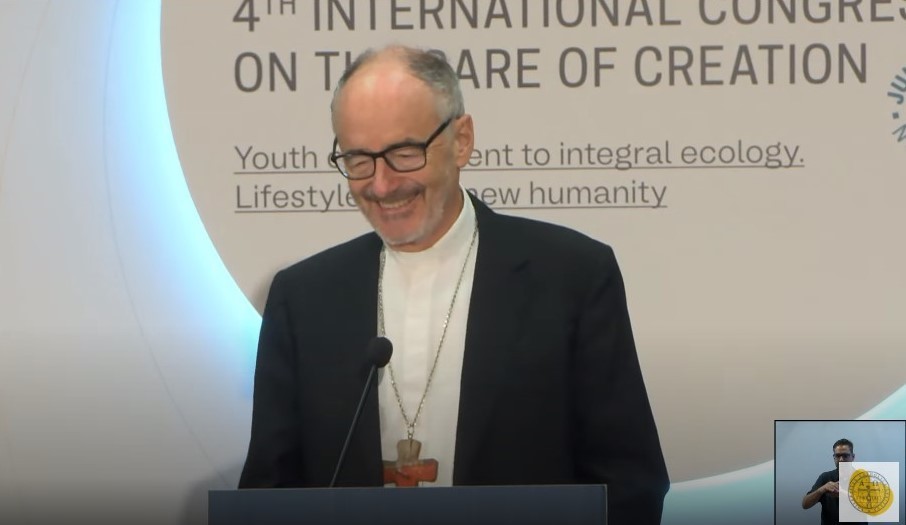
On 31 July 2023, at the Universidade Católica Portuguesa in Lisbon, the fourth International Conference on the Care of Creation took place.
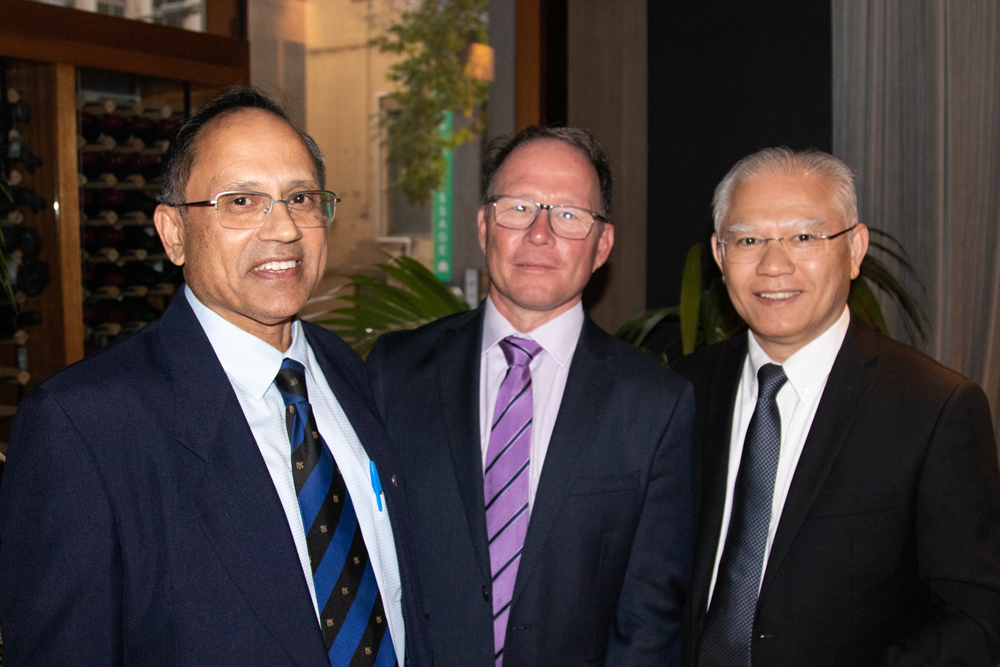
Jesuit Social Services’ Annual Dinner made a return this year after a hiatus amidst the pandemic and Senator Malarndirri McCarthy was the key speaker on the night that focused on social justice.

Haiti is one of the poorest and most backward countries on the planet, and after the devastating earthquake of 2010—it is now in a new economic and political crisis.

The Society of Jesus in Mexico has issued a statement condemning the army's classification of the Jesuit social centre "Miguel Agustín Prodh" as a "pressure group", as well as other actions against the congregation. We share the communiqué: We condemn the classification of the Centro Prodh as a "pressure group" and the military monitoring of religious, after the Cerocahui murders
The Centro de Investigación y Promoción del Campesinado - CIPCA, a social centre of the Society of Jesus in Peru, on the occasion of its 50th anniversary, is organising the International Forum: "Rural Territories in Latin America: Challenges". The forum will be held on 17 and 18 November, in person and online, from 8:30 am (Peruvian time).