Haiti: hostage to crime and anger.
"It is a catastrophe. Here, the borderline between life and death is only imaginary." Interviewed by America magazine, the words of the Jesuit superior in Port-au-Prince, Father Jean Denis Saint Félix, are clear.
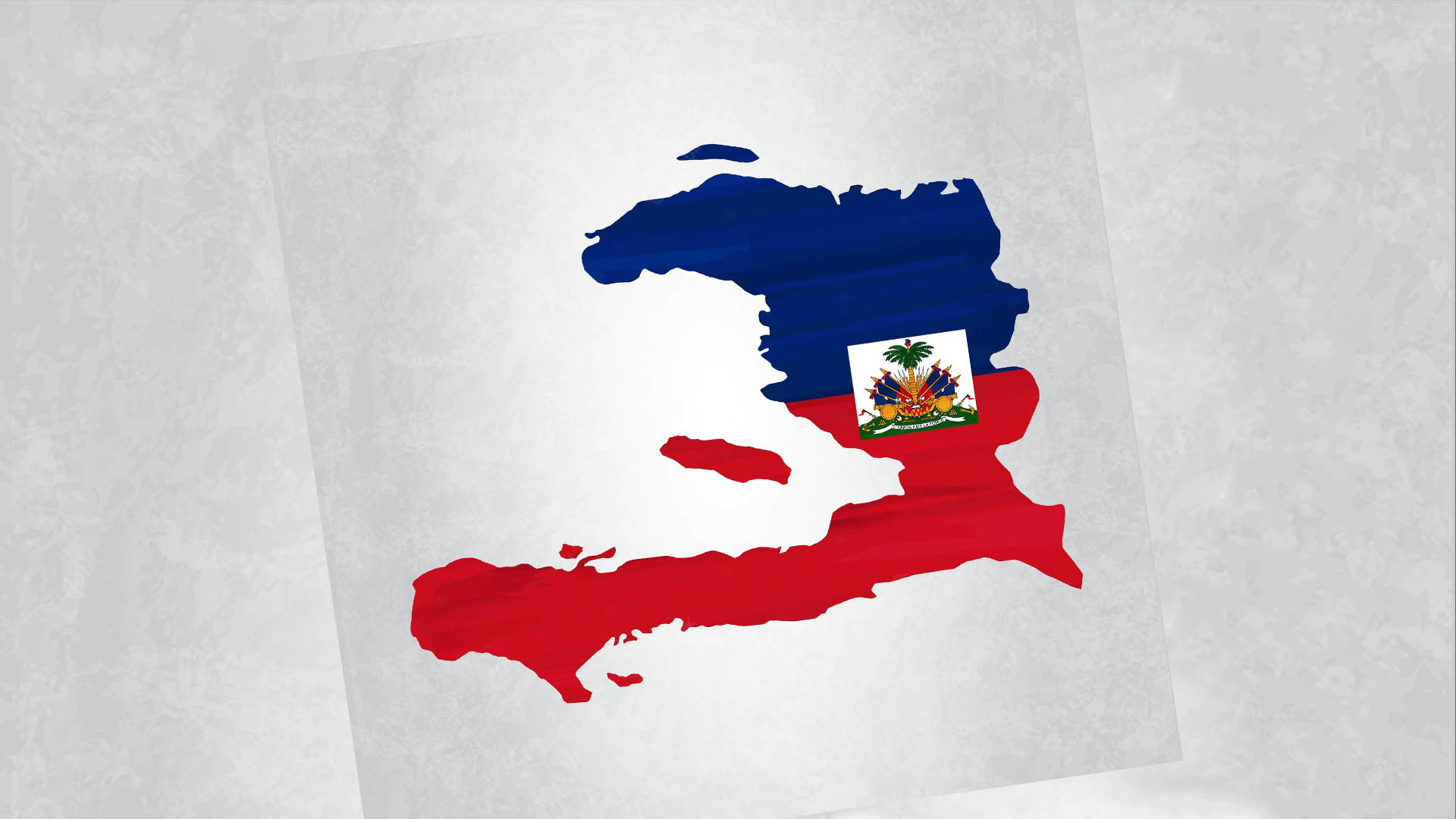
Haiti is one of the poorest and most backward countries on the planet, and after the devastating earthquake of 2010—it is now in a new economic and political crisis. In addition, armed gang violence is spreading across the Caribbean country. Moreover, a new cholera epidemic could further aggravate the already horrible humanitarian conditions created by the shortages of basic needs and health services. The first cholera case in three years was reported on 2 October.
Sixteen months after the assassination of former president Jovenel Moïse, "the Haitian population is living in a situation comparable to hell. There is no electricity, running water, or transport because there is no fuel. Conditions everywhere are unsanitary. Even those who consider themselves the middle class are starving, and violence is everywhere, especially in the capital. Those who can, particularly the youth, flee to the neighbouring Dominican Republic or, at the risk of their lives, try to reach the coast of Florida," Father Saint-Félix explained.
The scenario of a "peace-making" intervention.
In early October, the nation's de facto leader, Ariel Henry, called for international military intervention to restore peace and order. A few days later, UN Secretary-General Antonio Guterres described the situation in Haiti as "a nightmare" and echoed the same call. Meanwhile, the United States and Mexico are preparing a UN resolution to authorise a non-UN mission led by a neighbouring country. Subsequently, the UN Security Council unanimously passed a resolution calling for an immediate end to the violence pervading Haiti through sanctions targeting criminal organisations controlling the country. Consequently, sanctions—a travel ban, an arms embargo, and an asset freeze—were enforced upon Jimmy "Barbecue" Cherizier, whose "G9 and Family" and allies blockaded Port-au-Prince's fuel terminal.
However, many Haitians oppose external intervention, as they recalled similar situations from previous years and the unconcern or apathy of the US, Canada, and France. Moreover, many consider the 2010 UN contingent responsible for the last cholera epidemic thus, protest a contingent's return.
The responsibilities of Haiti's political class and the international community.
Fr. Saint Félix says it is unrealistic to think that the current government can reduce the insecurity and violence instigated by criminal clans. He recalls that Haitian politicians have used armed gangs "for some 30 years to obtain power, eliminate opponents, and remain in power." The criminal gangs in control now serve their interests to the detriment of the population. "Haiti's economic life," the Jesuit continues, "is based on monopoly.Es un Sistema económico rentista.Experts speak of an economy of violence, a criminal economy."
Mariavittoria Rava, president of the Francesca Rava NPH Italia Onlus Foundation, has worked in Haiti for about 20 years. Interviewed by the Vatican News, she said that the country is witnessing the failure of all goals of the UN Agenda 2030. According to Rava, "children and the younger generation are suffering from the distorted mechanisms of political management and the lack of attention from the international community."
"Haiti no longer needs humanitarian aid. Instead, we need strong and concrete investments in health, infrastructure, agriculture, education and research. Therefore, we want to continue resisting, making proposals for a new Haiti," concludes Father Jean Denis Saint Félix.
Information from laciviltacattolica.es
Source : Jesuitas.lat
Related Posts:

The Central American Province of the Society of Jesus marks the first anniversary of the Nicaraguan government's confiscation of the Central American University, condemning the violation of education rights and academic freedom. They call for an end to repression, the release of political prisoners, and a return to dialogue and justice.

To me the Aunties are reconciliation in action, they know what their community needs and it is healing. Healing comes as part of the reconciliation process which is two-way.

Paglaum is the project proposed by Dulungan Youth to the Reconciliation with Creation network program in Asia Pacific Conference. Here is the progress of this project aimed at conducting a writing workshop to prepare young people to communicate the forest conservation efforts of the indigenous communities of Central Panay Mountain Range.
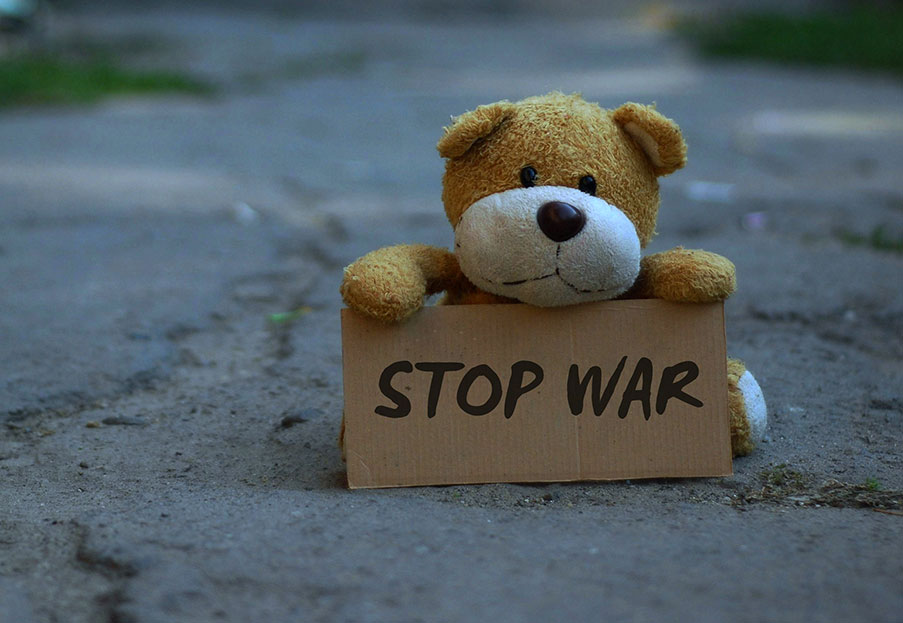
After almost six months of war in Gaza, the Society of Jesus released a statement calling for peace. The Jesuits avow to follow Pope Francis's voice, who has repeatedly warned that war is a defeat and called for negotiations—and the beginning of a process that will bring freedom, liberty, and justice for all in the Middle East--the only road to true peace.
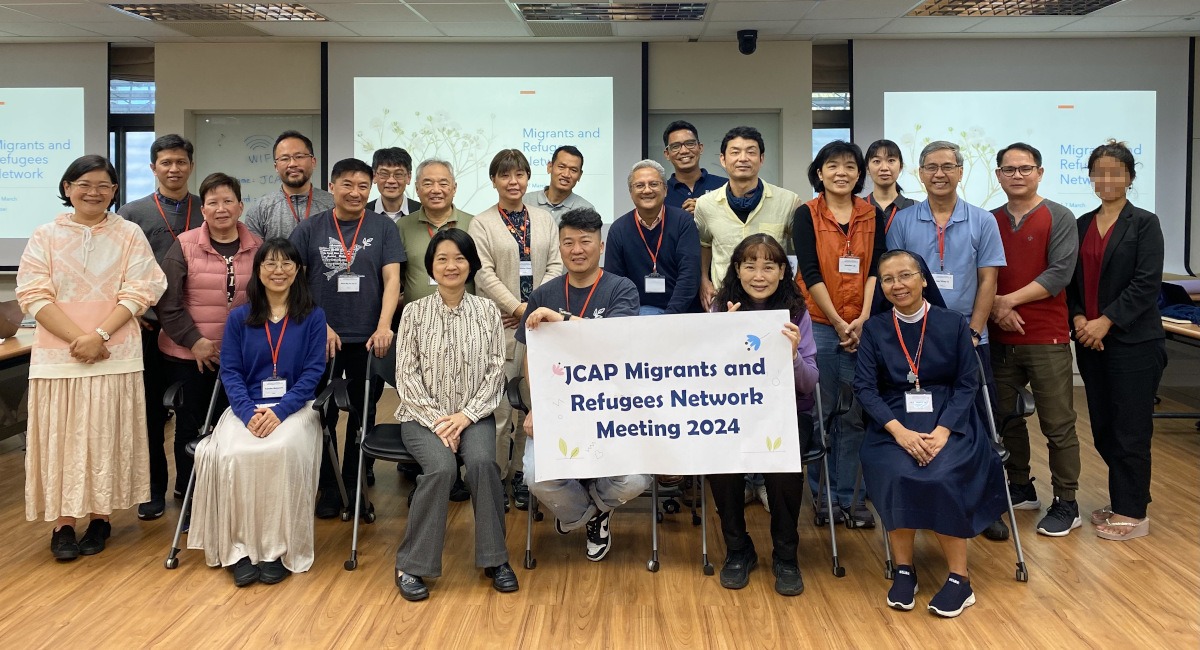
The Migrants and Refugees Network in Asia Pacific gathered to address migrant and refugee challenges, guided by collaboration, prayer, and Ignatian spirituality principles. Discussions ranged from updates on regional migrant situations to Taiwan's progressive immigrant response, culminating in the finalization of a five-year action plan highlighting the network's dual mission of support for both migrants and its members.
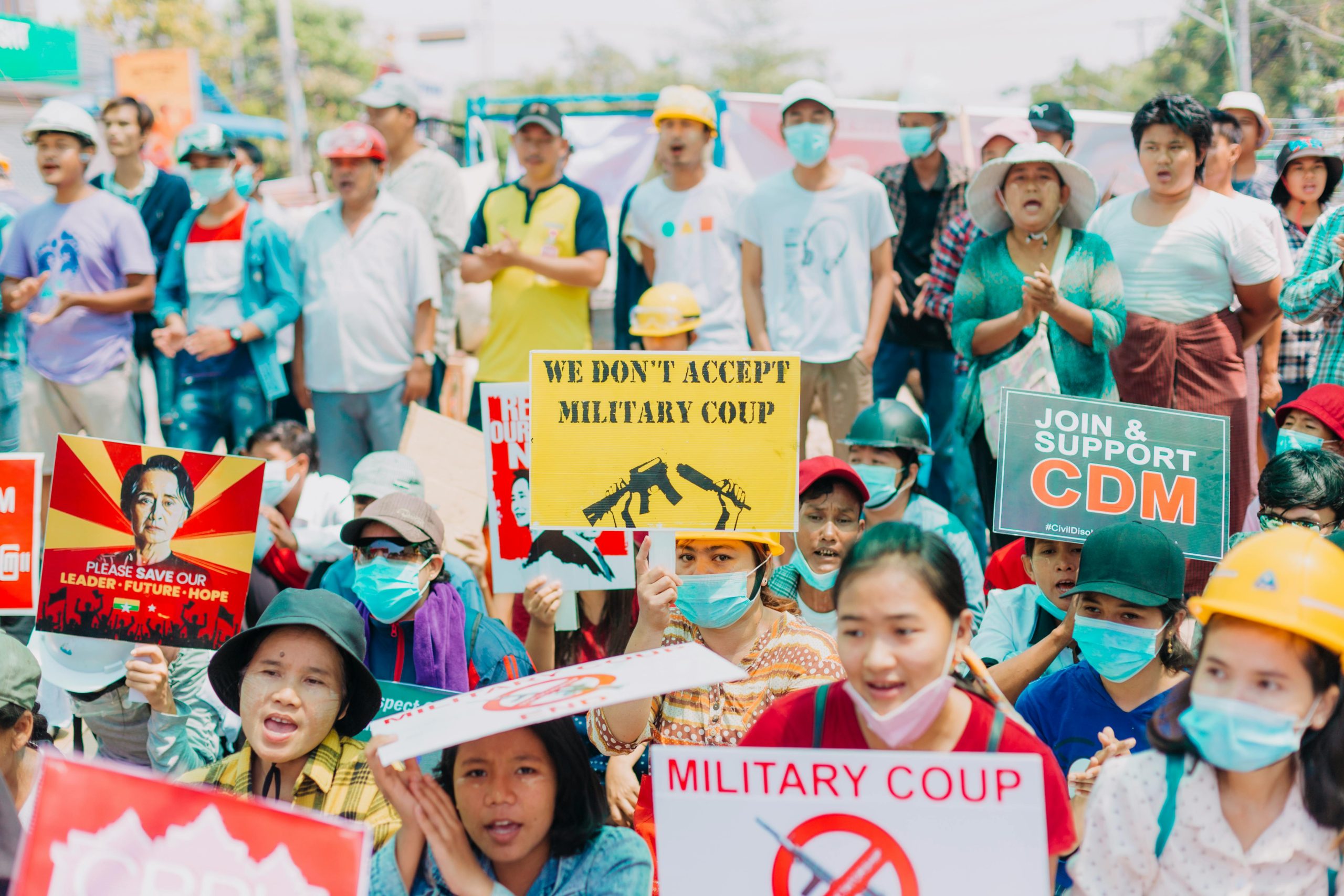
On 1 February, Myanmar marked the third anniversary of the coup d’état, where power was forcibly seized from a democratically elected government by the military junta in 2021.