Latin America – An experience during the pandemic
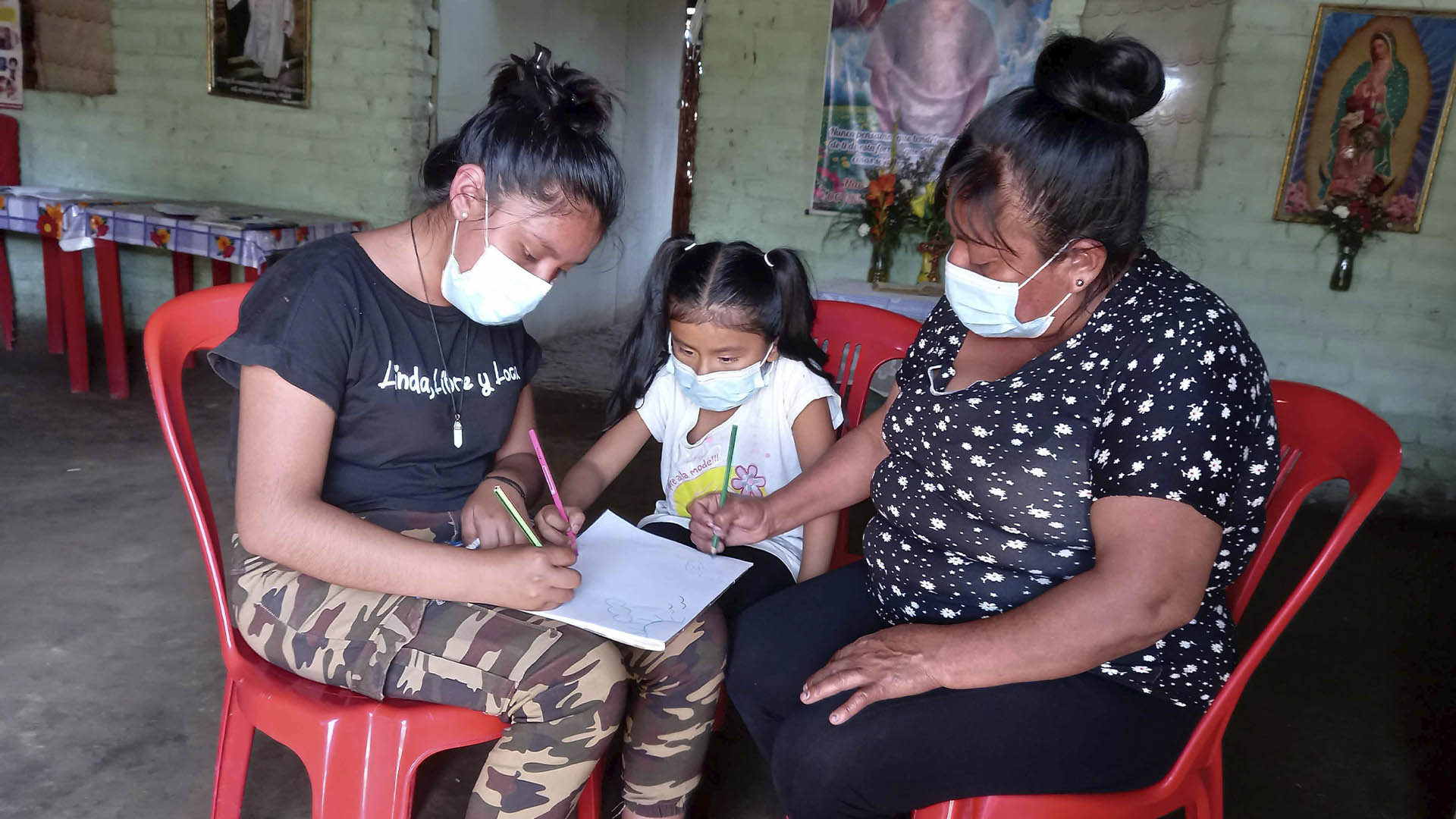
CANAT (Centro de Apoyo a Niños/as y Adolescentes Trabajadores) is a work of the Society of Jesus that carries out its works in Piura (Peru). The children and adolescents it accompanies come from families living in poverty and extreme poverty in rural and peripheral urban areas. We try to ensure the promotion and defense of their rights, to include them in the economic, political and social processes of the region and the country.
The social, economic and, therefore, emotional impact generated by global crises on the biopsychosocial life of human beings depends largely on the individual's capacity to respond to the experience he/she is living, and this is linked to the internal resources that each person has or does not have. In 2020, many people lost their lives and today many continue to suffer the effects of the pandemic; they must face innumerable problems in family and social life, but above all in economic life, since the pandemic has increased poverty and hunger.
In CANAT, we have lived the pandemic in three stages: a virtual one, a semi-presential one and the last one, trying to return to the presentiality and total encounter. And throughout this time we have been able to live this experience as a collective learning opportunity.
For more than two years, the pandemic has taught us and almost forced us to look at the importance of human life, how fragile it is in unpredictable situations and how important it is to prioritize physical health with concrete actions. For example, the delivery of hygiene material and food, because in this time of health emergency, families were more afraid of hunger than of COVID-19. Likewise, another priority has been mental health: the importance of emotional support through phone calls, accompaniment and training through WhatsApp groups have been fundamental in supporting families.
Education has been another priority, articulating with educational institutions to support the population of the Alternative Basic Education Centers and Technical Productive Education Centers.
From CANAT we believe that education is the only thing that can break the huge gaps in equal opportunities for a more just society, where favorable living conditions are created for the optimal development of children and adolescents.
During the pandemic, the shortcomings in State services, especially in education and health, have deepened. Free and quality education in our country is still a dream, and in remote and excluded areas it does not reach the minimum level, either due to lack of infrastructure, human resources or material poverty in families. In 2020 and 2021, the level of school dropout was enormous. Families faced a demand for which they were not prepared, both in terms of personal skills and technological tools. This fact produced a setback in the learning processes of children and adolescents, and affected other areas of their lives, such as relationships and mental health.
From our mission, every year we try to reduce these barriers so that children and adolescents have educational opportunities in the services of the State. We achieve these objectives through the articulation and agreements with educational institutions at the primary, secondary and higher technical levels, as well as promoting their integral development.
From the psychosocial accompaniment, we affirm the family as the nucleus of all society, where each person is worthy for the fact of being so. This teaching is what we promote in every meeting shared during these years, with the conviction that the family is the place where the most significant learning in life for children, adolescents and young people, their affections and bonds of belonging emerge in that first social encounter.
"In my family we feel happy to have trust and love for each other, together we help each other, with effort we manage to get out of problems by knowing how to understand others" Familia Martínez Arce. Mónica Zapata Playroom - Urban-peripheral zone -Piura.
"Before the pandemic I did not share with my family, I spent more time with my friends, with the pandemic I discovered how important and beautiful it is to share family time, now I value those moments". Evelyn Coveñas, 19 years old - Yapatera.
In these two years of work, in a first virtual stage and in a second face-to-face stage, the families have learned to value important aspects of life such as emotional bonds, mental health and their impulse to access it; opening the doors to psychology, often stigmatized in their environment due to the lack of promotion of these services from the state. Through spaces of accompaniment in their physical space they have found moments to understand themselves within the experience and overcome losses.
"I lost my husband to the pandemic, I felt lost, I did not know what to do, with psychological support I was able to go back to work, to be me. It still hurts, but I am better". Silvia Moscol 43 years old. Rural area.
Children playing and painting obtain protective factors for their mental health. Their looks and smiles declare that in them lies the present and the future, inviting us to continue taking care of their lives hand in hand with their families, the State and the community.
"When I go to the toy library I feel happy, because I can play with my friends, when there was none I felt sad". Fatima Criollo Llacsahuanga 7 years old. Urban-peripheral zone.
Adolescent leaders in their rural communities and urban neighborhoods show their impetus and strength to face economic, cultural and family barriers, which sometimes obscure their dreams. The illusion with which they build life projects are light for their communities and the promise of change. In their communities they share what they can, they organize to help the sick, they are an example of solidarity.
"I feel happy when I draw, I relax, I have painted a logo for my business, I want to be a pastry chef" Judith Ramos 18 years old, (first year of Pastry at the CETPRO of La Arena).
They are undoubtedly the hope for change for a more just and equitable society.
From CANAT, our center is the integral development of the person, the rights are our flag; and the game, the art and the sport, our tools to promote the favorable development and the mental health.
We intend to continue opening bridges between people, the community and the State.
Image and information from intercambio.pe
We share the article by Gabriela Rentería, director of CANAT, a Jesuit work in northern Peru, published in INTERCAMBIO magazine.
Image and information from intercambio.pe
Source : Jesuitas.lat
Related Posts:
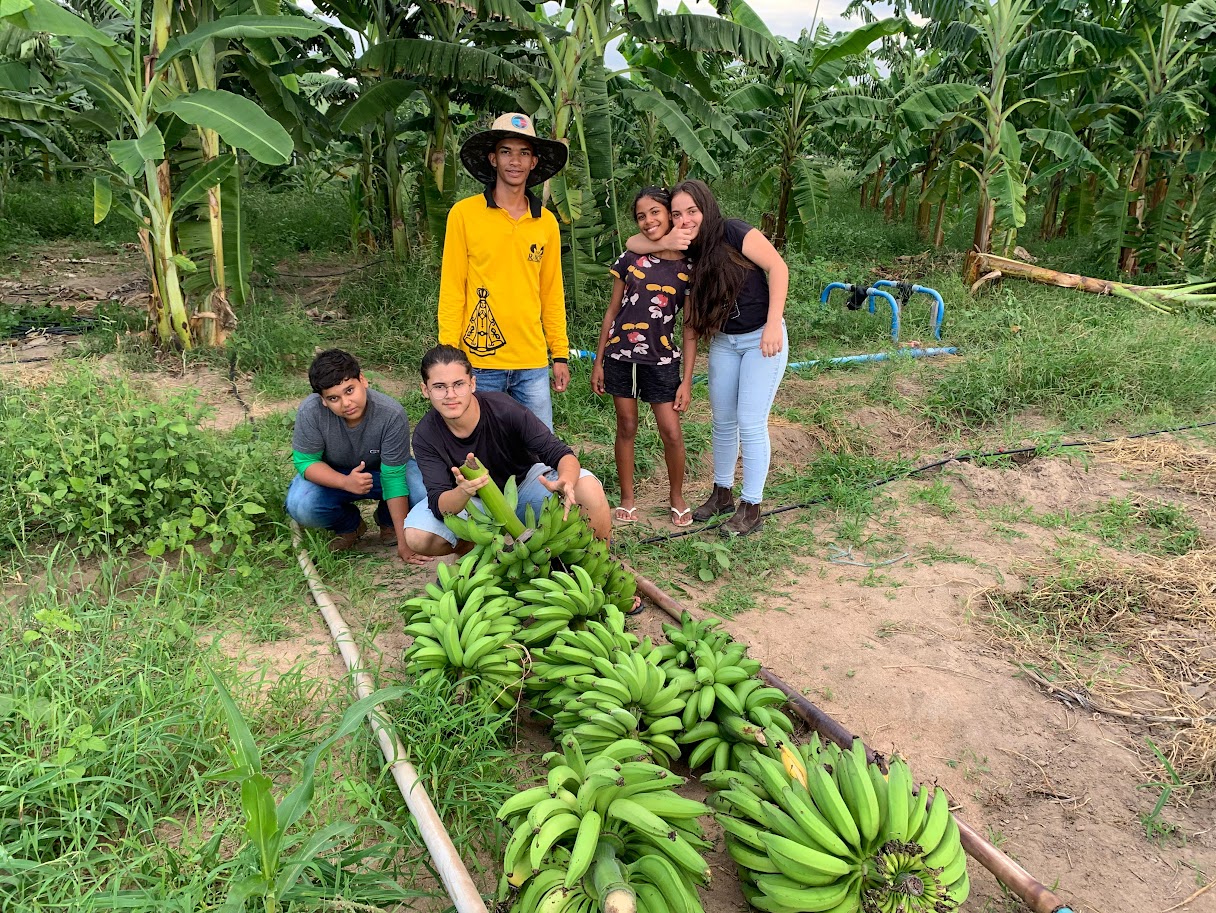
The Jaboticaba Agricultural Family School in Brazil reuses water for sustainable food production in a semi-arid region. Since 1993, it has combined agroecology with wastewater treatment to enhance food security and educate students. The project promotes environmental sustainability and aims to influence public policies in line with Pope Francis’s call for integral ecology.

His journey was marked by a profound sense of detachment, as he left behind his nationality, culture, security, history, and companions to embrace a completely foreign environment.
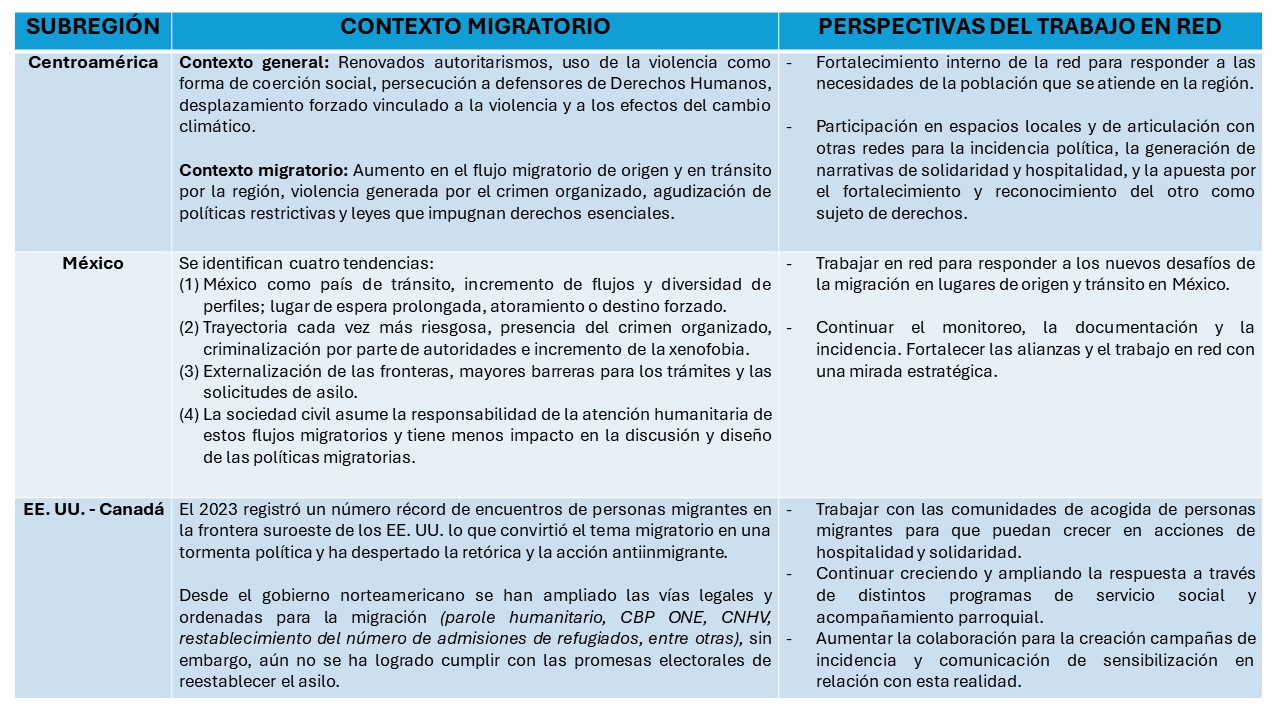
Jesuit Network with Migrants Central America and North America (RJM CANA) shared the first four months of the year report (January – April 2024): "They have been months of a lot of work to face the challenges in the migration context characterized by an increase in the migratory flow in vulnerable conditions throughout the region, however, also These have been months in which the fruits of networking have been confirmed".
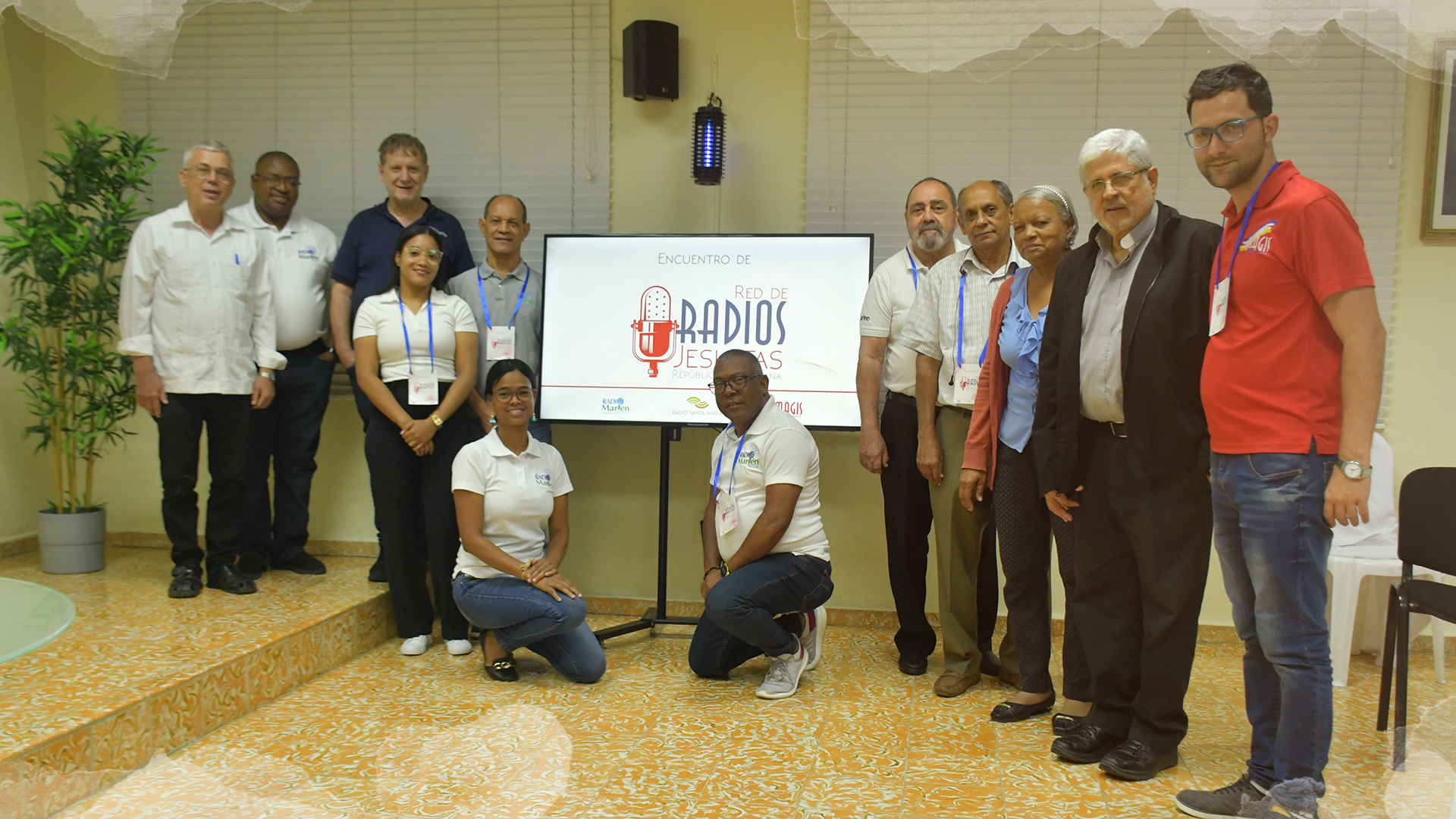
From April 5 to 7, the Jesuit Radio Network in the Dominican Republic met at the facilities of the Loyola Polytechnic Institute (IPL) in San Cristóbal. During the meeting, the construction of a shared itinerary that seeks to focus on collaboration and contextualized radio communication marked by the Apostolic Preferences approved by the Society of Jesus for the coming years was highlighted.
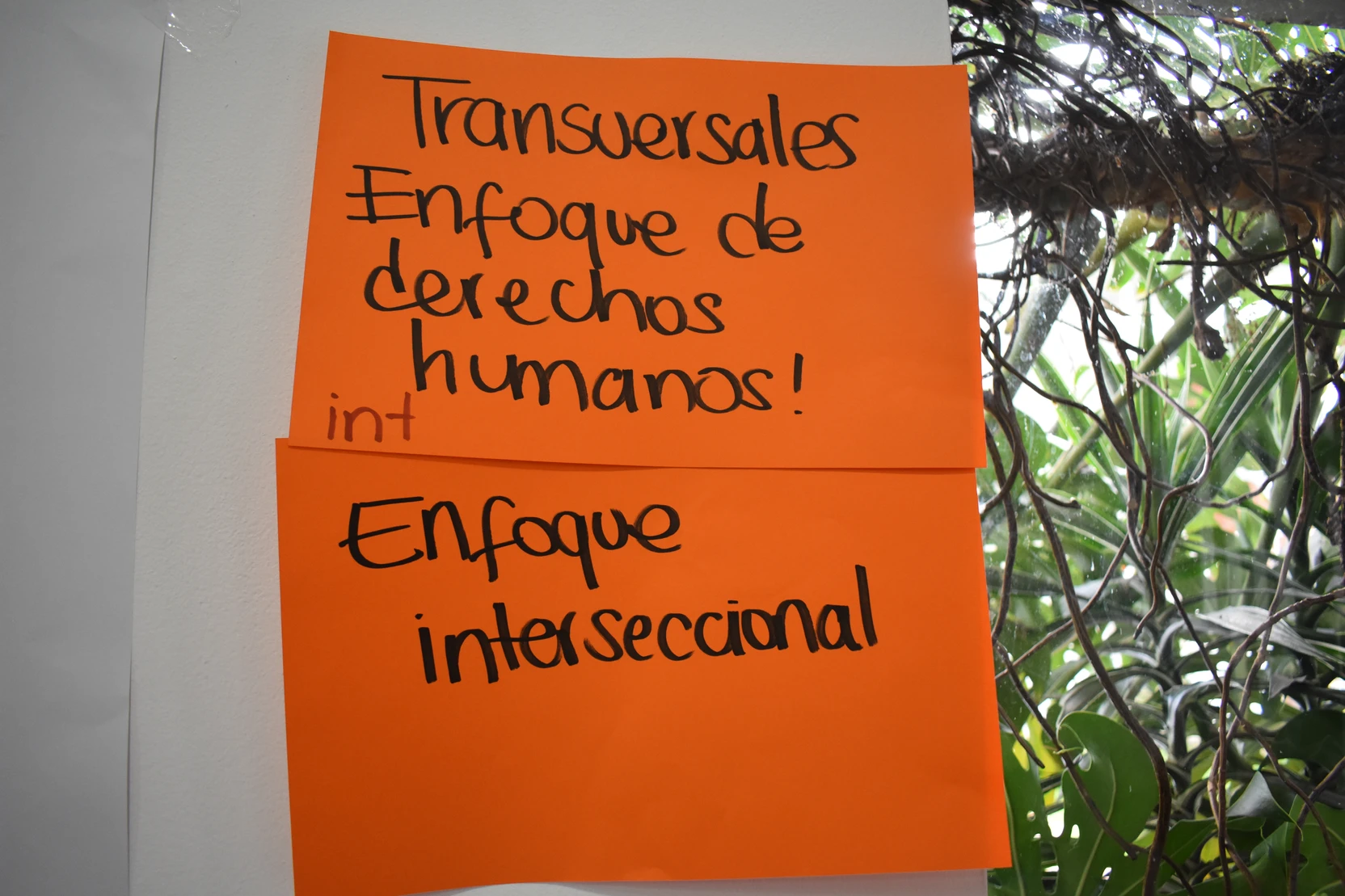
The Cartagena Declaration, adopted in 1984, emerged in response to the growing displacement crises in Latin America. Its importance lies in its expanded approach to defining a refugee, recognising the causes of displacement beyond armed conflict events. Despite progress in these 40 years, implementation challenges of the recognition criteria and the commitments made in the adopted plans persist.
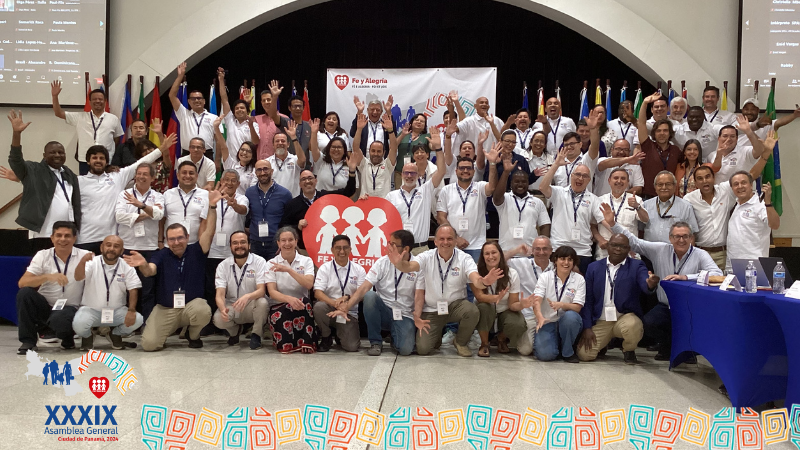
The General Assembly is the highest governing body of the Federation of Fe y Alegria Movement. It comprises 22 member countries, the General Coordination, and the Presidents of the Conferences of Jesuit Provincials of Latin America, the Caribbean, Africa, and Europe. To enrich the Movement's sustainability, the General Assembly provided input and recommendations to the executive team.