Bolivia – Migrants Unable to Cross the Border
Report of the Jesuit Migrant Service El Alto - Bolivia on the migratory situation of the border between Chile and Bolivia, as well as the problem that arises in the town of Pisiga.
Chile is the country where most of the Venezuelan citizens who leave their country want to arrive. Less than 7 days ago, the government of this country decreed a State of Exception in four provinces in the border sectors: the provinces of Arica, Parinacota, Tamarugal and Loa, a state of emergency due to the violent events that occurred in that territory. This action is generating a new migratory crisis in the border between Bolivia and Chile. This crisis has several faces, because although the most vulnerable are the migrant groups, there are also other actors who are affected by this difficult situation.
Thus, the inhabitants of Pisiga are once again witnessing the immense number of people who wish to cross the border, however, because of the State of Exception they cannot do so. This measure affects any person wishing to enter Chilean territory, and if they leave Chile, they are forbidden to return. For this reason, groups of Bolivian people -who live and work in Chile- are also stranded in Pisiga. In addition to this group, there are endless groups of Venezuelan people arriving in Pisiga, even though they are aware of the new Chilean State regulations.
Because of this situation, the SJM team from El Alto traveled to Pisiga on February 19. Upon arriving in Pisiga, they found that Venezuelan, Haitian and Bolivian migrants are on the streets of Pisiga. This place has a small population, and one of the first comments heard among the local people is that for the first time in a long time, there will be no exchange in the biweekly fair, since it takes place in both territories. The commercial exchange is very important for the border populations, which is why the local people show their displeasure at the measure and some, unfortunately, point to Venezuelan migrants as "guilty" for what is happening.
During the time that SJM was in Pisiga, it spoke with different people, among them lodging workers, who commented that the population had no water for approximately 5 days. On Friday the water returned, but after 5 p.m. several of the sanitary services were closed due to lack of water. In the conversation they also said that people try to cross to the Chilean side in the early morning. To have a "guide" they must pay $10 (U.S. dollars), or 70 Bs. This is evident from the fact that, since the team arrived in Pisiga, several young people approached them proposing to cross to the other side of the border. They also said that early Friday morning the Chilean police detained several groups of people and their "guides", who irregularly entered Chilean territory.
In this regard, the villagers said that people who carry out this type of actions are imprisoned in Chile, and if they are let free, they are deprived of the possibility of entering that country.
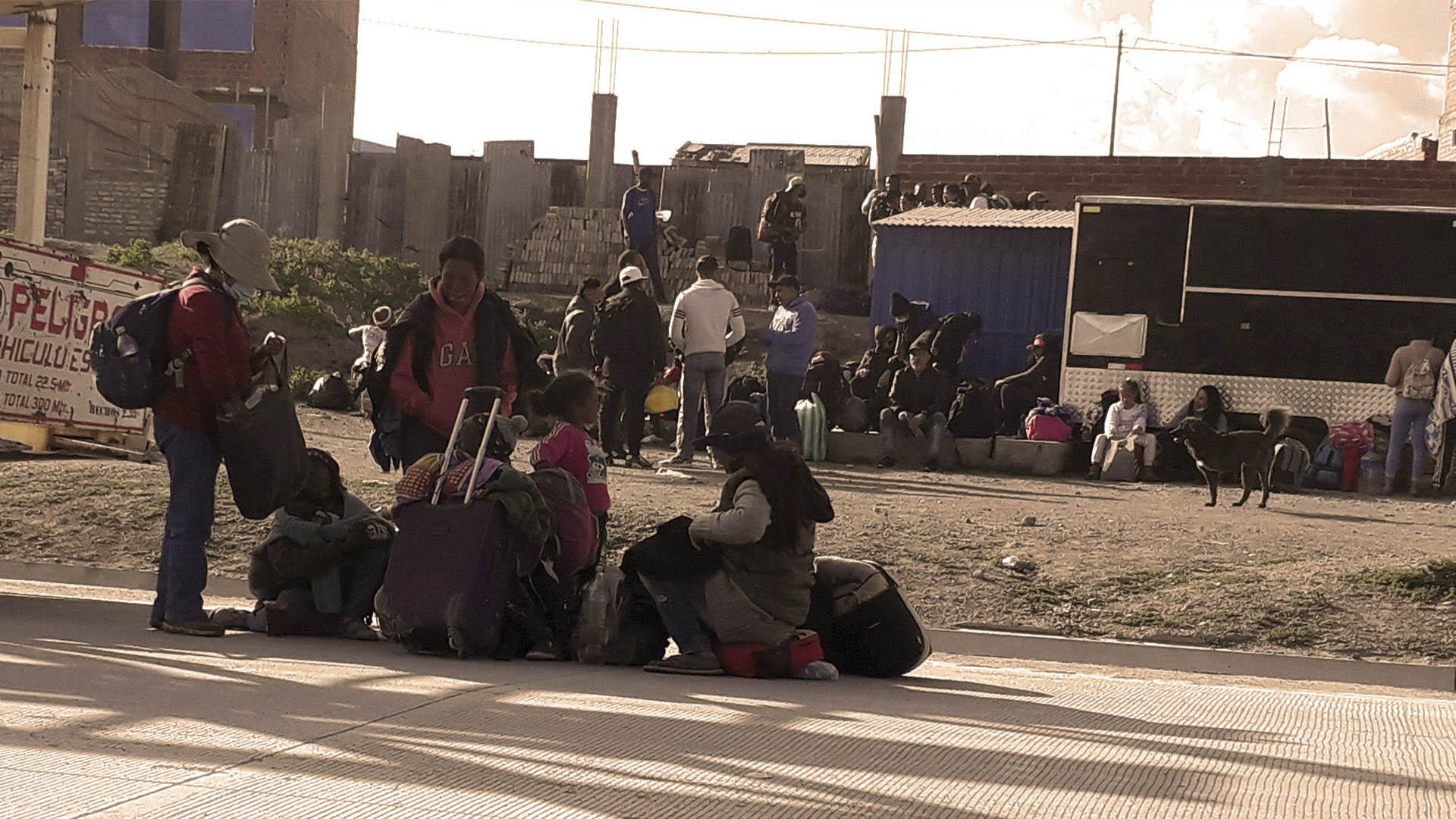
Another important contact that the SJM had was with some groups of Venezuelan migrants who have been spending the night in Pisiga for several days, they say that the villagers, especially the shopkeepers, do not treat them well and are raising the prices of products and food. Many of these groups travel with children and adolescents. An adult woman commented that it is very sad that because of some compatriots, who do criminal actions, everyone is negatively affected: "We are good people, my husband works in masonry, and I want my daughter to continue studying, that is why I left my country". A young woman who was next to her said: "I have a degree, and here I am sleeping in this tent because in Venezuela I have no job, there is no money to go on...".
In the course of the day the SJM team, between 1 and 2 in the afternoon, was able to observe a group of about 50 people who were in Chilean territory, the whole group, making a line walked, together with the Chilean personnel, towards Bolivian territory. Most, if not all, were Bolivians. They were taken to the Bolivian Customs facilities and it was not possible to know the conditions under which they were returning to the country.
In addition to these scenes, there is an intensified military guard on the Chilean side, especially on the dirt road, where Bolivians, Venezuelans and Haitians, together with their luggage, are waiting for a miracle to get through. However, the panorama shows that this is impossible. Sporadically, the Chilean carabineros shout from their border: "there is no passage now or at night, go away! On the Bolivian side, only two military personnel were observed, one of them explained that they are part of the Strategic Operational Command for the fight against smuggling (CEO-LCC), and do not intervene directly in migration-related issues.
The State of Exception decreed by the Chilean government, the border contact of diverse cultures, the vulnerability of migrants, the suspicion generated in the host population, the current state of Bolivian citizens (residing in Chile) who fear losing their jobs because they cannot enter Chilean territory, and the more than 300 trucks that are the only ones that, very slowly began to enter Chilean territory, after midday; are the multiple faces that are present in the border Pisiga (Bolivia) and Colchane (Chile), where trade is lived in parallel to human trafficking and with the same naturalness with which contraband is transported.
Source: CPAL

Related Posts:
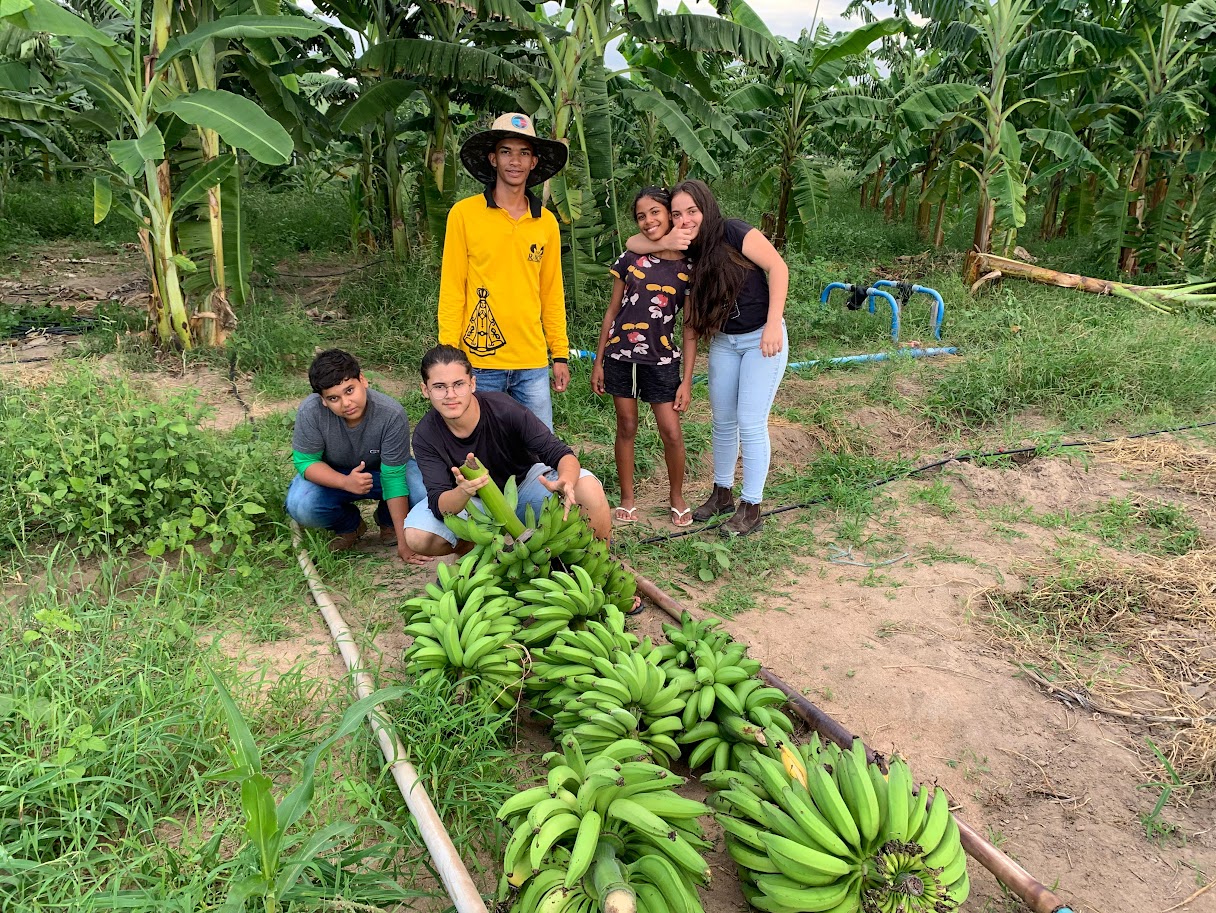
The Jaboticaba Agricultural Family School in Brazil reuses water for sustainable food production in a semi-arid region. Since 1993, it has combined agroecology with wastewater treatment to enhance food security and educate students. The project promotes environmental sustainability and aims to influence public policies in line with Pope Francis’s call for integral ecology.

The Central American Province of the Society of Jesus marks the first anniversary of the Nicaraguan government's confiscation of the Central American University, condemning the violation of education rights and academic freedom. They call for an end to repression, the release of political prisoners, and a return to dialogue and justice.

His journey was marked by a profound sense of detachment, as he left behind his nationality, culture, security, history, and companions to embrace a completely foreign environment.
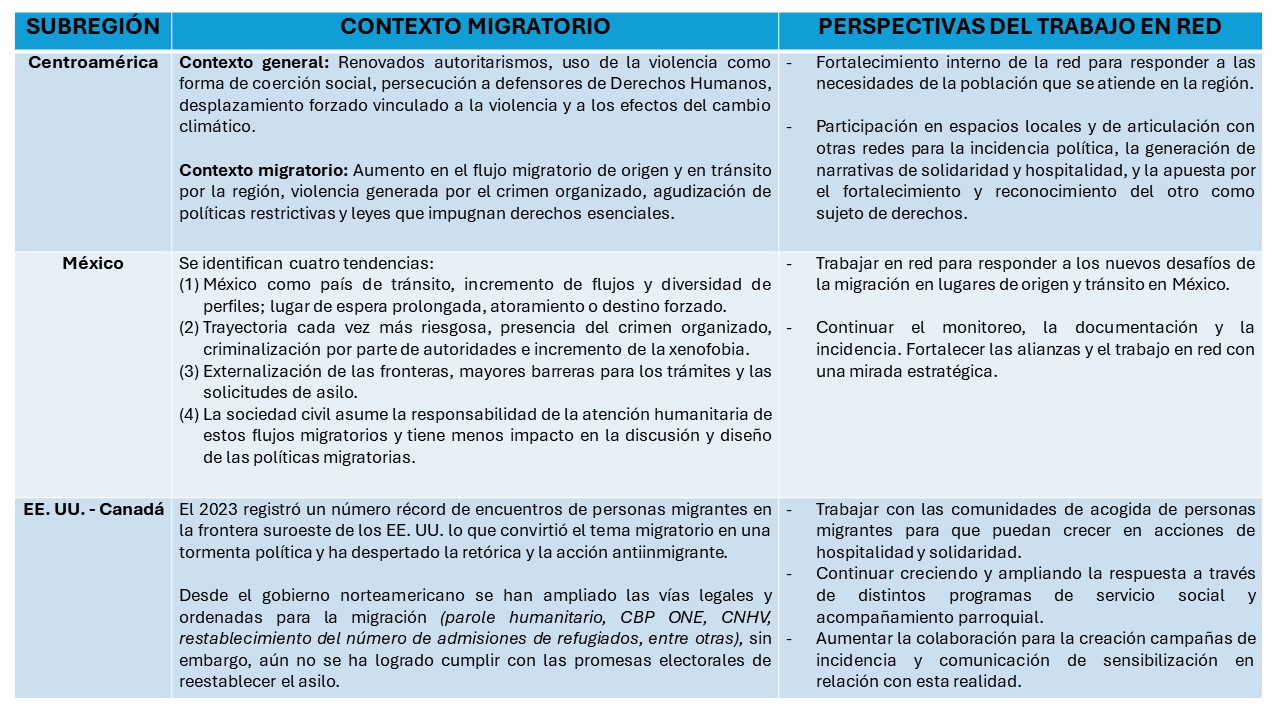
Jesuit Network with Migrants Central America and North America (RJM CANA) shared the first four months of the year report (January – April 2024): "They have been months of a lot of work to face the challenges in the migration context characterized by an increase in the migratory flow in vulnerable conditions throughout the region, however, also These have been months in which the fruits of networking have been confirmed".
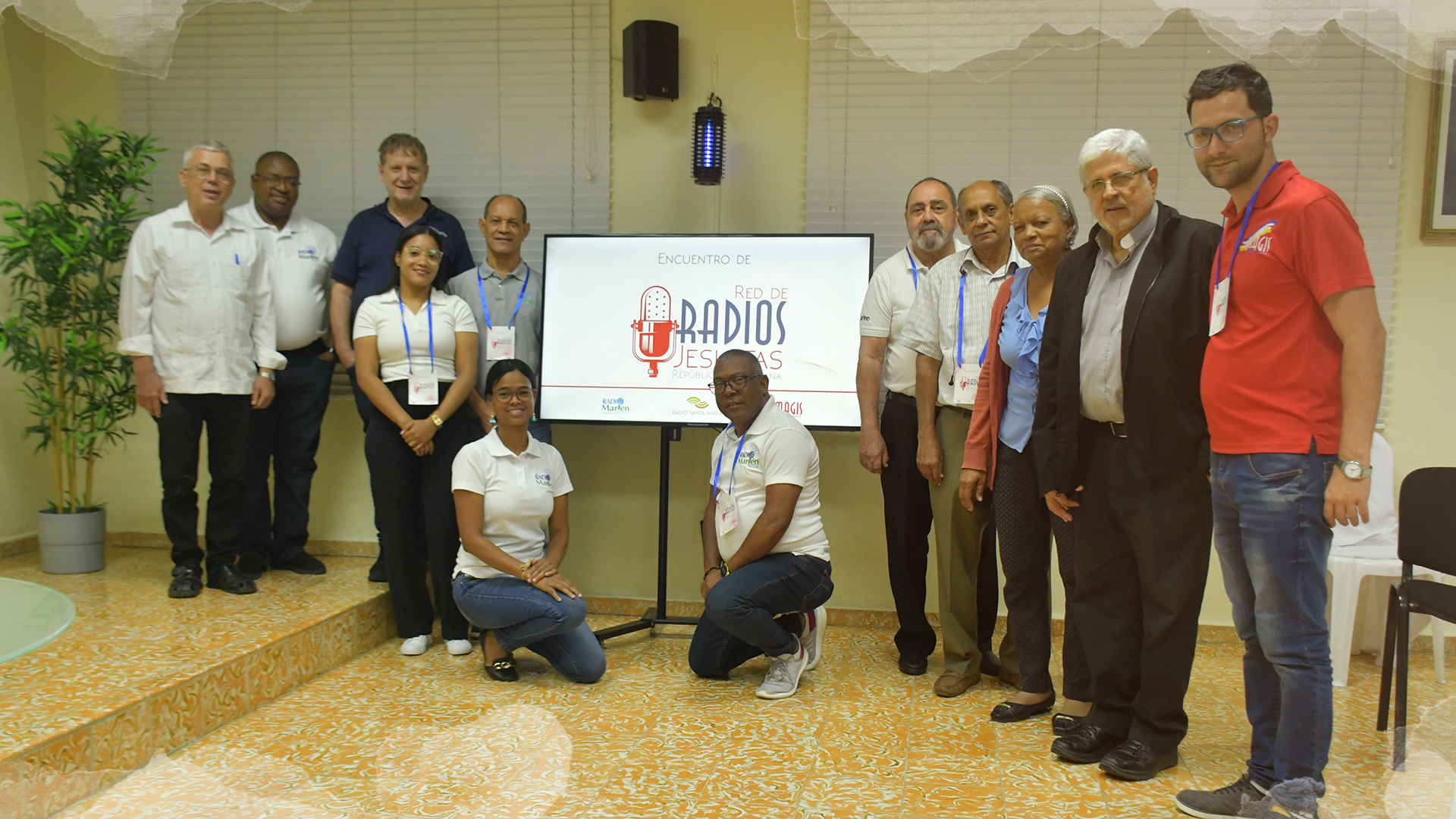
From April 5 to 7, the Jesuit Radio Network in the Dominican Republic met at the facilities of the Loyola Polytechnic Institute (IPL) in San Cristóbal. During the meeting, the construction of a shared itinerary that seeks to focus on collaboration and contextualized radio communication marked by the Apostolic Preferences approved by the Society of Jesus for the coming years was highlighted.
On Wednesday, April 10, the European Parliament voted on the European Pact on Asylum and Migration. JRS Europe directors jointly opposed the pact and urged European institutions to reject it: "We cannot support a system that will allow the systematic detention of thousands of people, including children, at the EU external borders."