Latin America – Jesuit Networks: Key to New Apostolic Initiatives
The emergence of apostolic network structures in response to the new intersectoral or supra-provincial complexities of the Society's mission is accompanied by the difficulty of integration with our typical structures and the need to rethink our traditional forms of governance and leadership styles.
Let us think about it. The International Federation of Fe y Alegría, the Global Ignatian Advocacy Networks, the African Jesuit AIDS Network, the Conference of Latin American Provincials, the Secretariat of Secondary Education of the Curia in Rome... all these structures have several aspects in common that make them a challenge to the traditional understanding of apostolic leadership:
- they are mission-oriented structures that do not function within the classical hierarchy of the Society of Jesus. The authority of these structures is based on missionary leadership rather than hierarchical obedience.
- They are traditionally independent mission units - works or provinces - built on horizontal relationships that are not usually mediated by operational dependence but by a horizon based on apostolic synergies.
- Each network has a leader - a coordinator, a secretary, a moderator, a delegate - a person who does not exercise direct authority but who facilitates, connects, catalyzes, aligns, inspires... his leadership arises from his capacity to influence and persuade for the mission rather than from his capacity to impose or coerce.

In each case, these organizations seek to work and collaborate across traditional boundaries between institutions, sectors and provinces to respond to problems that are beyond the reach of individual organizations, problems that are adaptive, where the response is not necessarily technical but systemic. This is why we do not speak of mere coordination structures, but of structures through which the Society seeks to employ its mission.
These platforms require a collective commitment to change the way we work and it is not enough to coordinate what has been done so far. These structures are the key to new apostolic initiatives and new definitions of mission initiatives, hence the urgency of deepening Jesuit networking as an apostolic way of proceeding.
Source: CPAL

Related Posts:
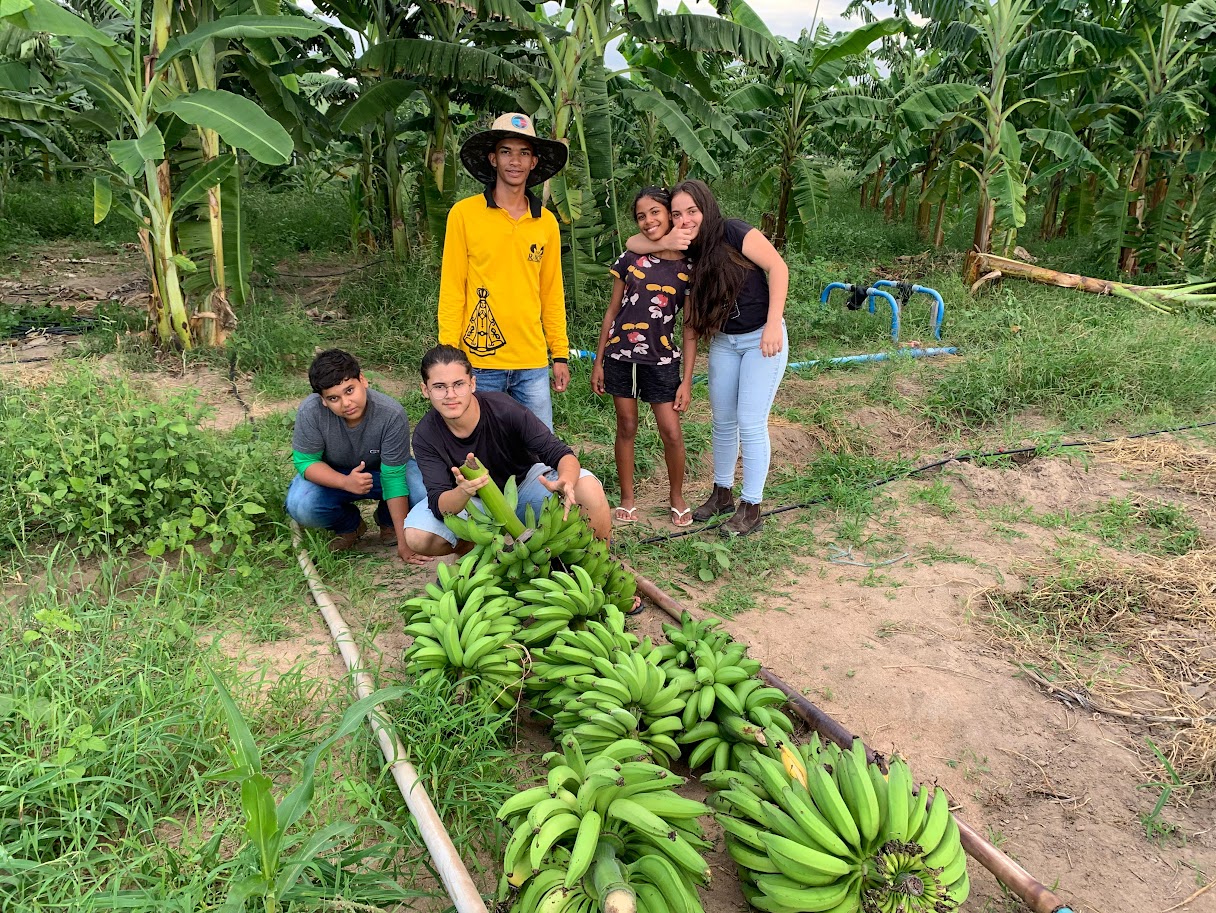
The Jaboticaba Agricultural Family School in Brazil reuses water for sustainable food production in a semi-arid region. Since 1993, it has combined agroecology with wastewater treatment to enhance food security and educate students. The project promotes environmental sustainability and aims to influence public policies in line with Pope Francis’s call for integral ecology.

The Central American Province of the Society of Jesus marks the first anniversary of the Nicaraguan government's confiscation of the Central American University, condemning the violation of education rights and academic freedom. They call for an end to repression, the release of political prisoners, and a return to dialogue and justice.

Stan Swamy Day in Viragalur was a moving tribute to a man who devoted his life to justice and the upliftment of the marginalized.

His journey was marked by a profound sense of detachment, as he left behind his nationality, culture, security, history, and companions to embrace a completely foreign environment.
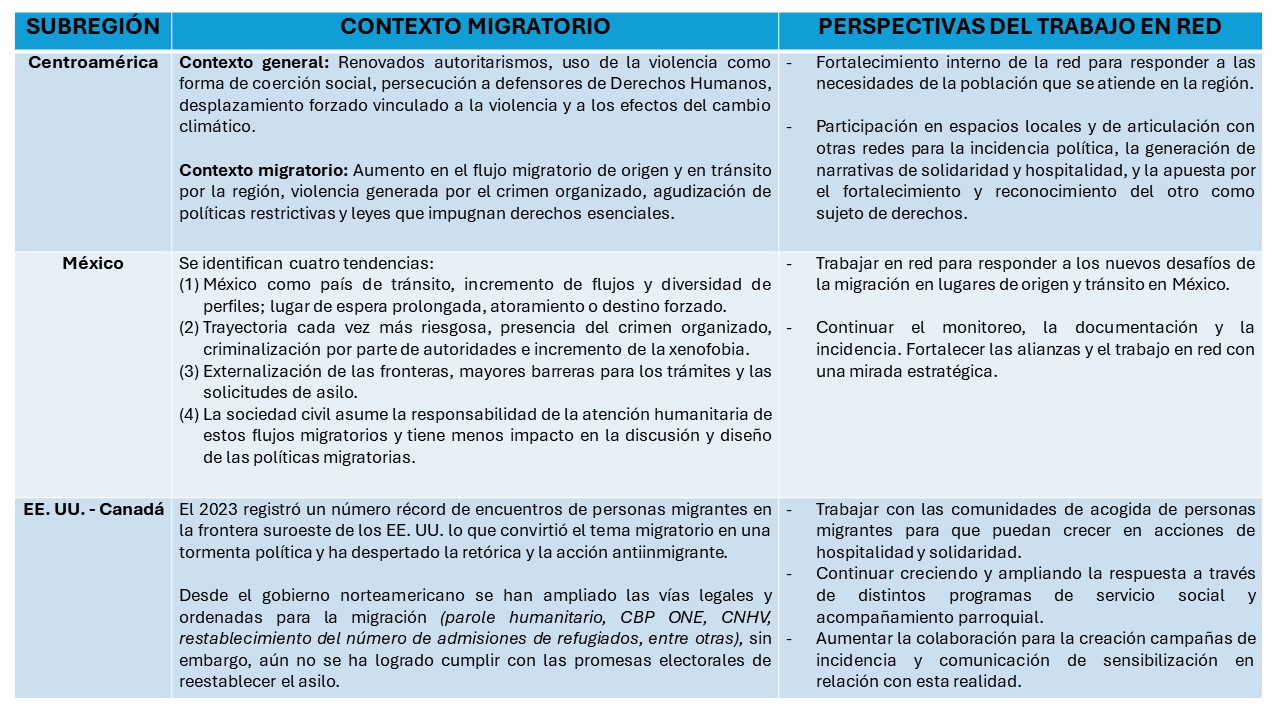
Jesuit Network with Migrants Central America and North America (RJM CANA) shared the first four months of the year report (January – April 2024): "They have been months of a lot of work to face the challenges in the migration context characterized by an increase in the migratory flow in vulnerable conditions throughout the region, however, also These have been months in which the fruits of networking have been confirmed".
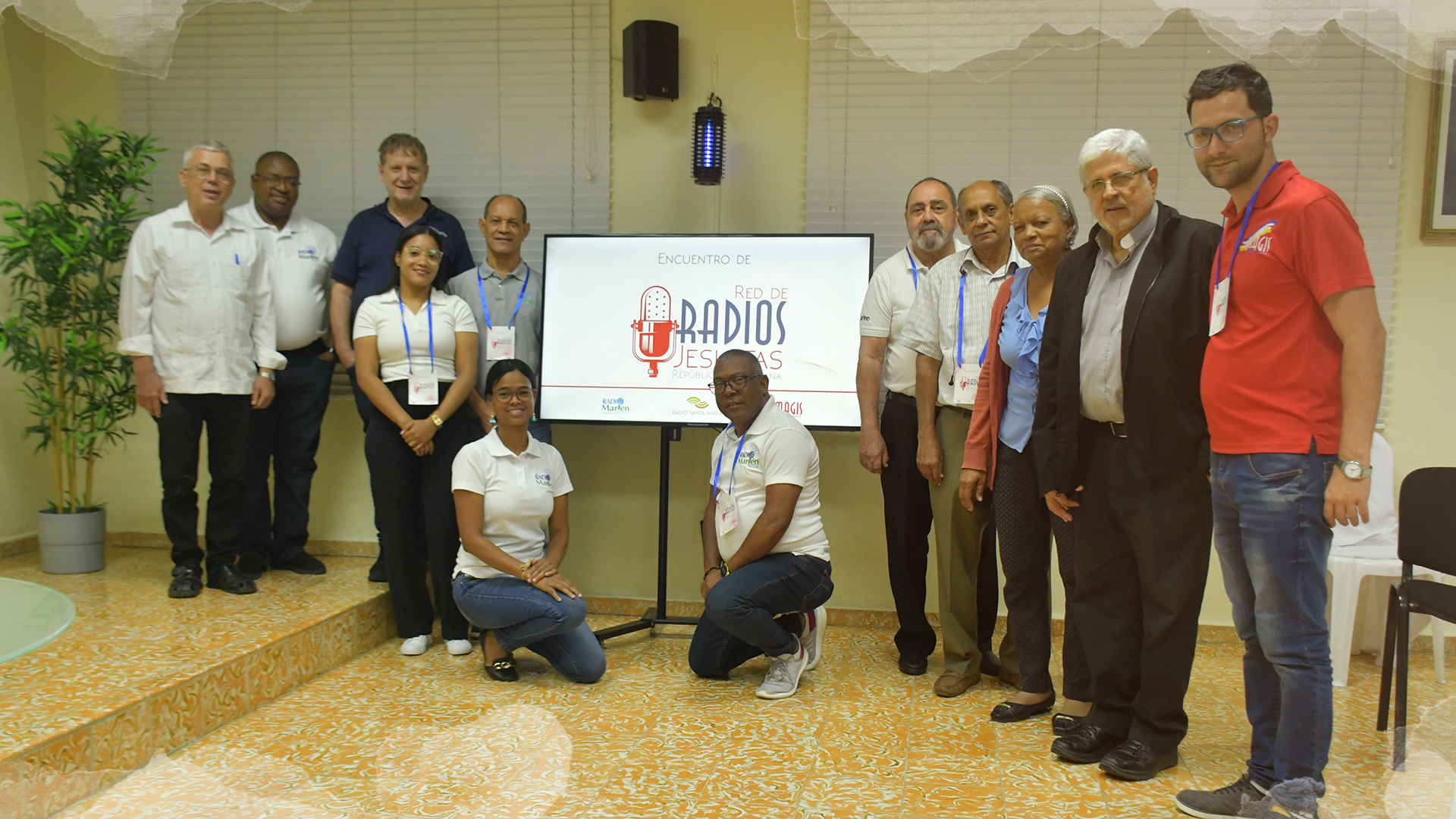
From April 5 to 7, the Jesuit Radio Network in the Dominican Republic met at the facilities of the Loyola Polytechnic Institute (IPL) in San Cristóbal. During the meeting, the construction of a shared itinerary that seeks to focus on collaboration and contextualized radio communication marked by the Apostolic Preferences approved by the Society of Jesus for the coming years was highlighted.