Africa – ‘Kielo ya mazaya’: reducing illiteracy in D. R. Congo
If we have learned anything
during these difficult months of the COVID-19 pandemic, it has been that radio
is an ally in ensuring educational access. In Kikwit they know this very well:
long before the arrival of COVID-19, Fe y Alegría R. D. Congo was already using
the radio to teach classes and fight illiteracy through the airwaves.
Now, Entreculturas, Alboan
and Radio ECCA (an educational radio institution located in the Canary Islands)
have joined forces with Fe y Alegría to start the literacy project 'Kielo ya
mazaya' ('Door to knowledge'), which aims to offer the opportunity to learn to
write, read and calculate in French (the language of the administrative
environment in the country) to illiterate people of the population of Kikwit.
In the field, we also had the collaboration of the community radio station
Radio Tomisa, committed to education and human rights and with coverage
throughout the region.
The project included the
visit of two teachers from Fe y Alegría R. D. Congo to the Canary Islands to
familiarize themselves with the ECCA System, a method of literacy that the
Canary Islands radio station has already successfully implemented in countries
such as Mauritania and Morocco and which is based on synchronizing the teaching
material, the audio class and the tutorial action. And, as a second phase of
the project, Jesús Jiménez (expatriate technician of Radio ECCA) has recently
traveled to Kikwit to accompany the start of the literacy course. The reception
to this initiative has been very successful and 400 people from 8 communities
have already enrolled, some of them very remote and with difficult access, so
they usually lack training opportunities.
The classes are broadcast every Sunday, Monday, Tuesday and Wednesday according to the ECCA teaching system. At the beginning of each class, a musical spot plays to alert the students that the class will begin shortly. Arlette, one of the students, can't help but start dancing every day to celebrate that class is about to begin. "The course is going very well," she explains. "During the mornings I work as a cleaner in a house near mine. Every afternoon, between Sundays and Wednesdays, I follow the course on the radio."

Each group of students has
a tutorial on Thursday or Friday, as appropriate, where the week's contents are
reviewed, activities are carried out and the team of animators proposes a
discussion to the group. The course is scheduled to end in December, for a
total of 28 weeks of training.
Rose tells us that the
course helps her to "empower herself, take ownership of reading and learn
to write". Marie stresses that "this course can help you to write and
read to defend yourself in front of other people speaking French".
It's a great opportunity to
experience how important education is at Kikwit," explains Jesús Jiménez.
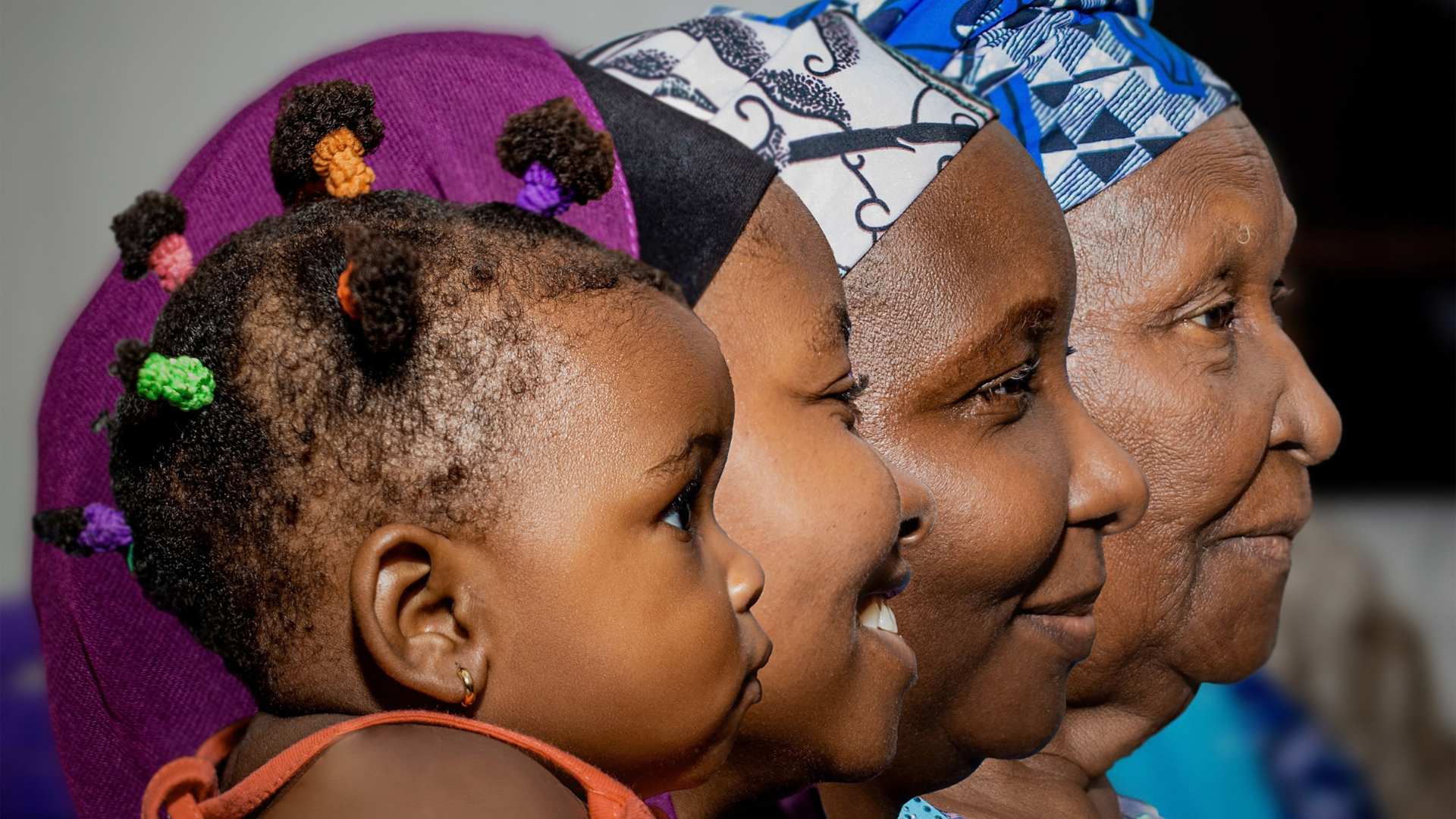
"Seeing the students - mostly women - ready with their notebooks every
afternoon waiting for class to start, going over the previous day's homework or
catching up on what's going on in the community is a luxury. Following the
radio becomes a moment of pause from everyday life to focus on their personal
development and it shows in how grateful they are to learn, for example, a new
vowel every day."
Through this project, we contribute to reducing the illiteracy rate among the country's adult population by promoting educational and job training for vulnerable Congolese people. The project is also supported by a local team of 11 people in charge of enrolling the students, promoting the activities and accompanying them throughout the process before, during and after the course.
Source: ALBOAN
Related Posts:

MEXICO CITY (OSV News) -- An Indigenous Tzotzil priest and peace activist was murdered after celebrating Sunday Mass in Mexico's southern Chiapas state, where the Catholic Church has denounced government inaction in the face of rising violence. Father Marcelo Pérez, who ministered in Indigenous regions rife with territorial conflicts and later denounced drug cartel violence, was shot dead Oct. 20 by two assailants on a motorcycle as he drove away from the Guadalupe church in San Cristóbal de las Casas, according to Mexican media reports.

The Central American Province of the Society of Jesus marks the first anniversary of the Nicaraguan government's confiscation of the Central American University, condemning the violation of education rights and academic freedom. They call for an end to repression, the release of political prisoners, and a return to dialogue and justice.

Stan Swamy Day in Viragalur was a moving tribute to a man who devoted his life to justice and the upliftment of the marginalized.

After almost six months of war in Gaza, the Society of Jesus released a statement calling for peace. The Jesuits avow to follow Pope Francis's voice, who has repeatedly warned that war is a defeat and called for negotiations—and the beginning of a process that will bring freedom, liberty, and justice for all in the Middle East--the only road to true peace.
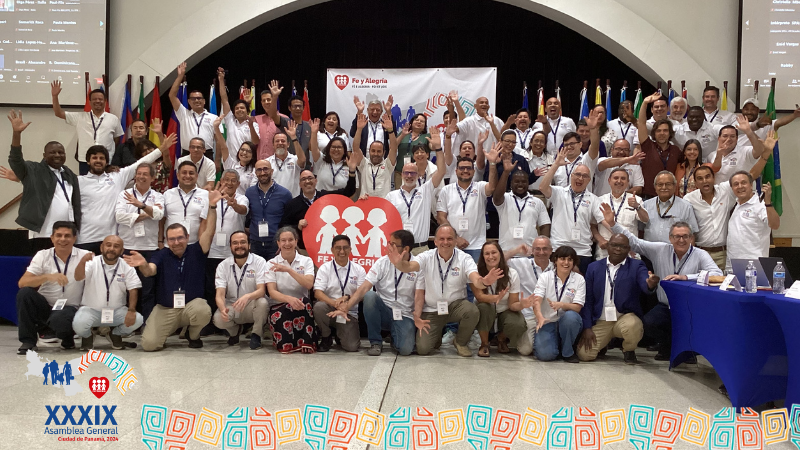
The General Assembly is the highest governing body of the Federation of Fe y Alegria Movement. It comprises 22 member countries, the General Coordination, and the Presidents of the Conferences of Jesuit Provincials of Latin America, the Caribbean, Africa, and Europe. To enrich the Movement's sustainability, the General Assembly provided input and recommendations to the executive team.
How can we describe our world's progress towards social justice? What feelings does such a reality arouse in us? What actions does such a situation call us to take?