Venezuela – Venezuelan Executive calls for control and criminalization of social organizations
We share the article by Luis Ugalde SJ from Venezuela in view of the latest measures taken by the Venezuelan government.
Solidarity, repression and crime
I had already written my article for this week when overnight, and without prior notice, the Executive took a "Providence" to control and criminalize social organizations of humanitarian solidarity when they are most needed in this serious national emergency.
The regime failed in its most basic obligations of governance clings to control and repression.
The Archbishopric of Caracas, faced with the grave situation of the country A couple of years ago, the Archdiocesan Center Monseñor Arias Blanco was created to focus on the crisis engulfing the country. Its director is Fr. Alfredo Infante SJ, parish priest of the upper part of La Vega and until recently director of the magazine SIC, a person with his feet on the ground, his heart with the people and his head looking for solutions.
Alfredo, weekly, in Signs of the Times points out some of the most serious problems, accompanied by reflections and guidelines based on the Gospel and the Social Doctrine of the Church. This week he set off the alarms about this "Providence", an imposition that violates the Constitution. Hundreds of active social associations of national and international solidarity have raised their voices, and institutions such as the National Academy of Political and Social Sciences are alarmed.
In view of the serious emergency I take the liberty of reproducing verbatim the central points of Alfredo Infante's writing, leaving aside what does not fit in this limited space.
"Organizing is a right, not a crime".
"During the pandemic of the 'Spanish flu', which struck the world and our country in the 20th century (1918 and 1919), Venezuela lived under the dictatorship of Juan Vicente Gómez, who despite his iron control over the population, allowed that from a key sector of civil society -as it was by then the novel Academy of Medicine- the 'National Relief Board' was organized, coordinated from Caracas and with headquarters in some regions of the country, to face the disease and the humanitarian crisis resulting from it (...)".
"By then, our Blessed José Gregorio Hernández, one of the founders of the Academy, recently arrived from his postgraduate studies in the United States and Spain, joined the Junta de Socorro Nacional, formed by Archbishop Felipe Rincón González and physicians Vicente Lecuna Torres, Santiago Vegas, Antonio Rísquez, among others, and coordinated by Dr. Luis Razetti, all members of the National Academy of Medicine. The Relief Board's mission was to coordinate the response to the pandemic and to educate the population...it set up a strategy of information, citizen training, and organized the health system to institutionally confront the pandemic".
"Regarding this historical anecdote, a few months ago I read a tweet by Laureano Márquez, who with his lucid sense of humor compared that moment with our present time. As I do not have the exact content of that message at hand, I paraphrase what he said: "at that time it was Luis Razetti, José Gregorio Hernández, the Academy of Medicine. Today it is the Rodriguez brothers and President Maduro who are coordinating the health policies in the face of the Coronavirus pandemic". Such a contrast highlights the helplessness in which the Venezuelan people find themselves today".
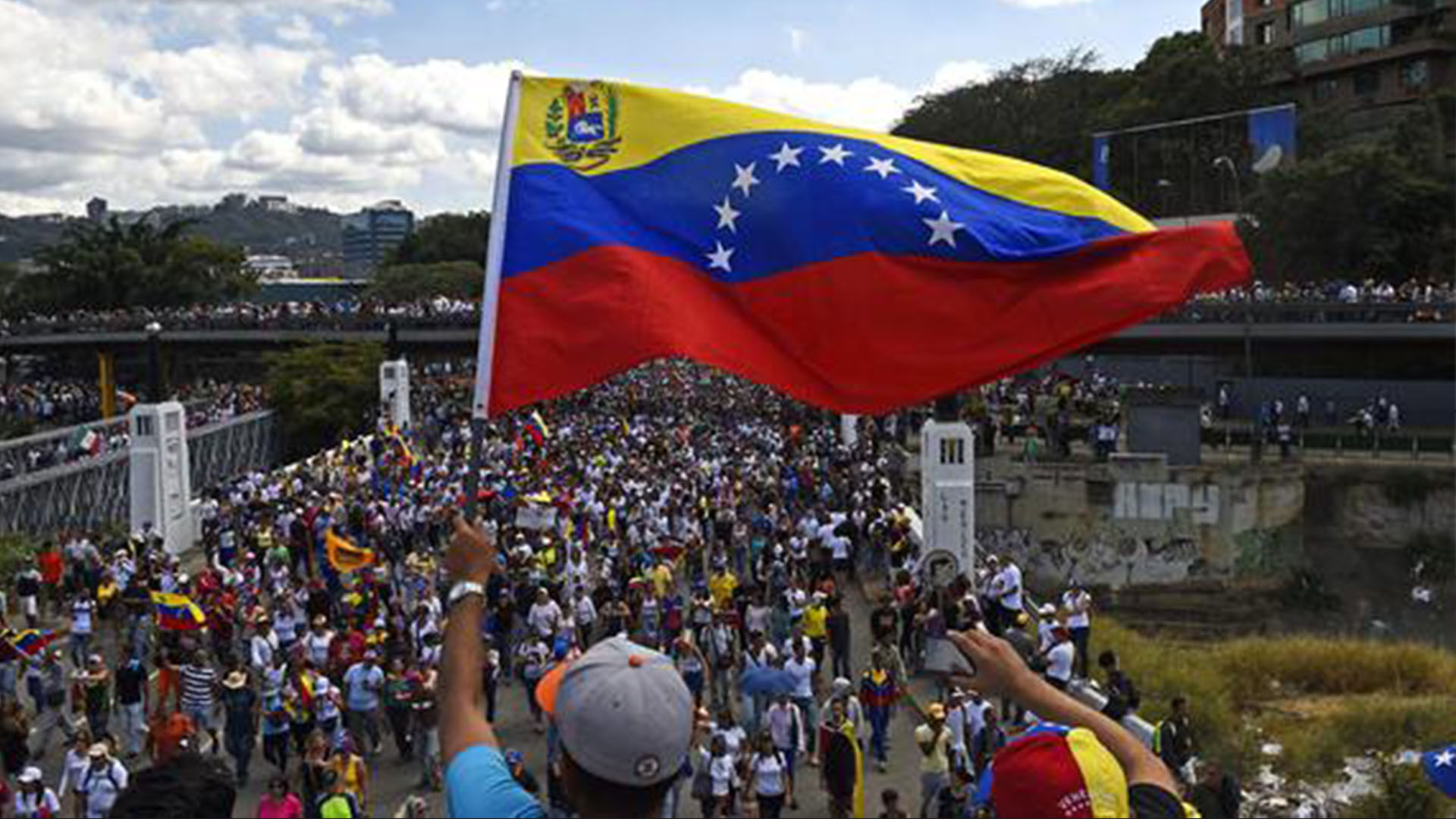
"This fact is revealing of an anti-democratic exercise of politics that seeks to control all dimensions of life, bordering on incompetence and sacrificing human lives against the Constitution. This is stated in the document Rescatemos el derecho a vivir en democracia: decálogo para la acción, a road map presented by UCAB together with Provea and Espacio Público to guide citizens in the defense of the rule of law and the recovery of living conditions. The third of its 10 principles, entitled 'There are opportunities for the free formation of public opinion', underlines the following, quoting our Magna Carta: 'Non-governmental organizations, trade unions and the different associative modalities of the business, economic, cultural and religious spheres are equally indispensable for the preservation of democracy (arts. 52, 59, 95 and 112 CRBV' to which I would add, to participate co-responsibly before the informative, educational and humanitarian challenges in contexts such as those we live in with the pandemic".
"But this is not the case. Rather than facilitating co-responsibility and the creation of pro-life initiatives, the Government has imposed - and we quote again the Decalogue - 'practices that hinder the creation of new associations or that place restrictions on the activities and financing of those already existing, especially non-governmental organizations'. An example is the recent "Administrative Ruling No. 001-2021 for the Unified Registry of Obligated Entities before the National Office Against Organized Crime and Financing of Terrorism" (...).
"In a communiqué released this week, more than 600 organizations denounce that this new regulation 'places civil society organizations under suspicion of terrorism and restricts access to the registry for their legality'. In addition, they claim that the administrative ruling criminalizes the right to organize, because it 'creates a Unified Registry of Obligated Subjects before the National Office Against Organized Crime and Financing of Terrorism, attached to the Ministry of Interior, Justice and Peace'(...).
"The facts show that the pandemic, rather than opening the Government to a more efficient and effective response to the humanitarian emergency and to create the conditions and reduce the damage, has been the occasion to deepen the control mechanisms and restrict the human and constitutional right to organize to do good and save lives", wrote the Jesuit Alfredo Infante.
*By Luis Ugalde, SJ (Province of Venezuela)
Source: CPAL
Related Posts:
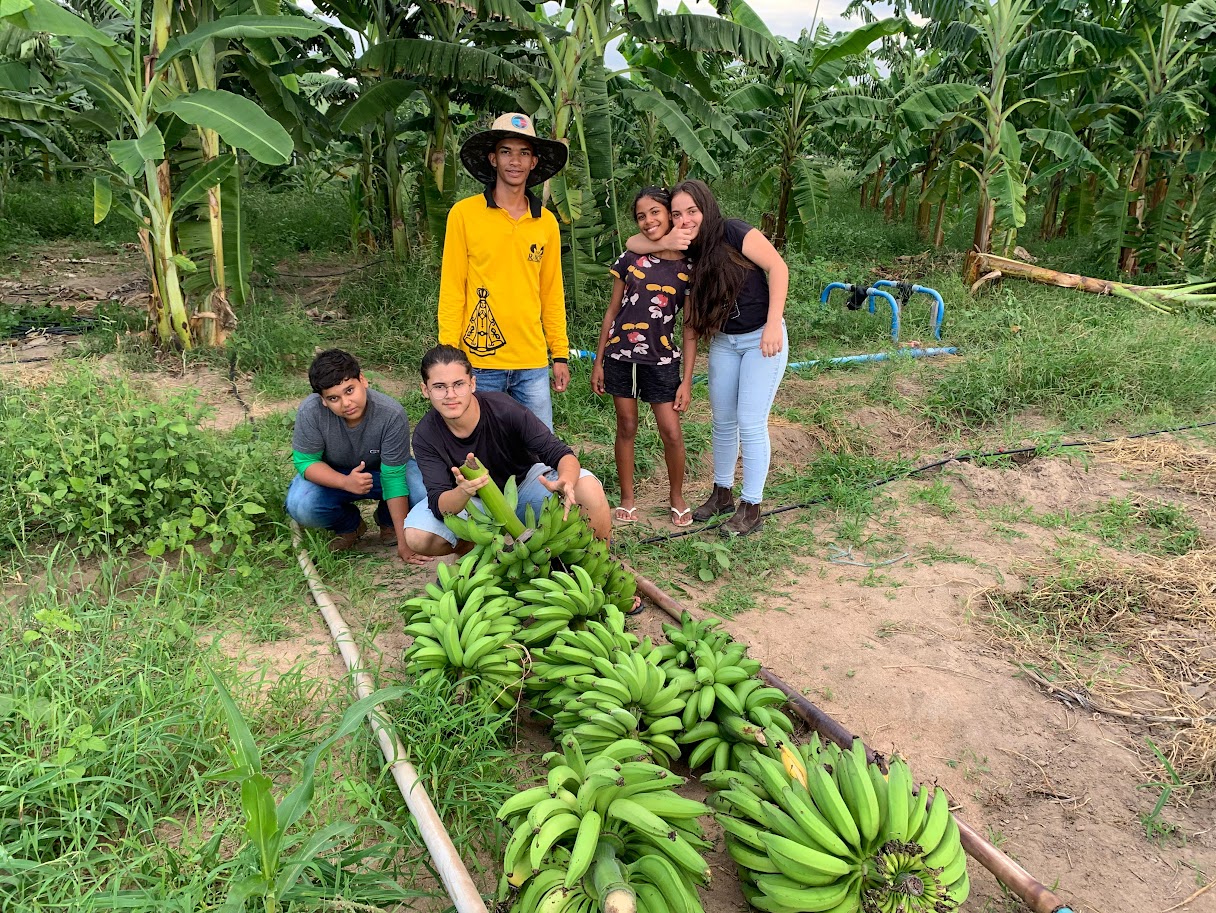
The Jaboticaba Agricultural Family School in Brazil reuses water for sustainable food production in a semi-arid region. Since 1993, it has combined agroecology with wastewater treatment to enhance food security and educate students. The project promotes environmental sustainability and aims to influence public policies in line with Pope Francis’s call for integral ecology.

MEXICO CITY (OSV News) -- An Indigenous Tzotzil priest and peace activist was murdered after celebrating Sunday Mass in Mexico's southern Chiapas state, where the Catholic Church has denounced government inaction in the face of rising violence. Father Marcelo Pérez, who ministered in Indigenous regions rife with territorial conflicts and later denounced drug cartel violence, was shot dead Oct. 20 by two assailants on a motorcycle as he drove away from the Guadalupe church in San Cristóbal de las Casas, according to Mexican media reports.

The Central American Province of the Society of Jesus marks the first anniversary of the Nicaraguan government's confiscation of the Central American University, condemning the violation of education rights and academic freedom. They call for an end to repression, the release of political prisoners, and a return to dialogue and justice.

Stan Swamy Day in Viragalur was a moving tribute to a man who devoted his life to justice and the upliftment of the marginalized.

His journey was marked by a profound sense of detachment, as he left behind his nationality, culture, security, history, and companions to embrace a completely foreign environment.
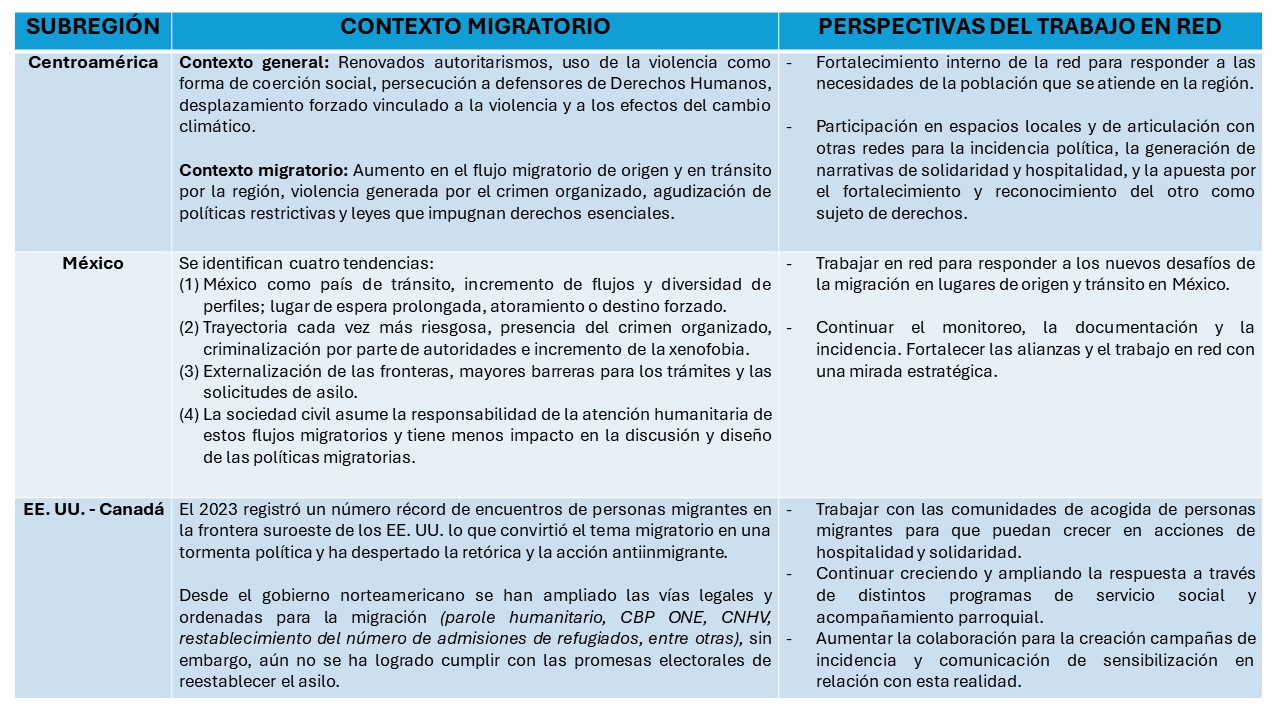
Jesuit Network with Migrants Central America and North America (RJM CANA) shared the first four months of the year report (January – April 2024): "They have been months of a lot of work to face the challenges in the migration context characterized by an increase in the migratory flow in vulnerable conditions throughout the region, however, also These have been months in which the fruits of networking have been confirmed".