Colombia – Respect for Human Rights as a fundamental basis for strengthening democracy
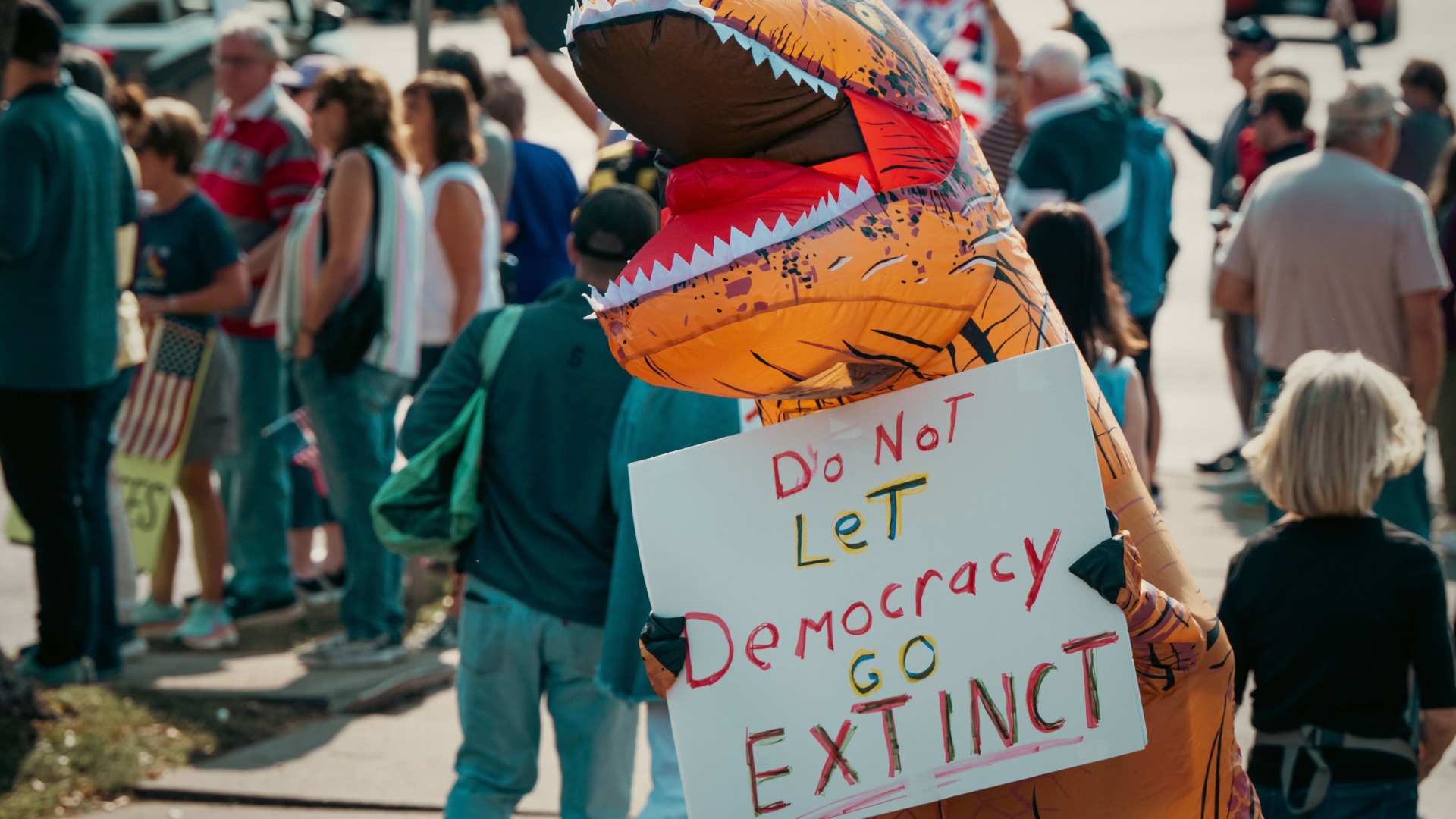
In view of the events that have taken place in Colombia in the context of the social mobilisation of recent days in the country, JRS Colombia called on the national government to guarantee and protect the constitutional rights related to the right to life, social protest and the defence of the human rights of all Colombians.
Along with many other manifestations of a militarised and disproportionate response that we have identified in various parts of the country, JRS Colombia, in the development of its action in the city of Buenaventura, identified the disproportionate use of public force through an ESMAD squad to stop demonstrations of the National Strike in the indigenous community of the Nasa-Embera-Chami Resguardo, belonging to the Nasa Kiwe Cabildo (corregimiento la Delfina), affecting the community and those accompanying the demonstration. Together with JRS Colombia, we join in the call to the national government for absolute respect and neutrality in the face of non-violent citizen protest demonstrations, even if they are aimed at questioning government policies, as dictated by the Supreme Court of Justice in the face of police violence. (see communiqué) (See JRS/COL communiqué).
The social mobilisation which began on 28 April has been marred by acts of violence, repression and excessive use of force against demonstrators by the police, a situation which increased with the militarisation of some cities. The Defend Freedom Campaign, a platform that has monitored what happened, reports on 3 May 2021 that "305 people were injured by the disproportionate action of the National Police and in particular by the ESMAD. 23 suffered eye injuries. 47 human rights defenders were attacked in the context of the mobilisations. 11 people were victims of gender-based violence exercised by the same institution. 18 people have been killed allegedly by the actions of the police. 988 people have been detained, most of them by means of arbitrary procedures, being subjected to torture and/or cruel treatment" (Report of 4 May). For its part, the Ombudsman's Office recorded "19 deaths in Valle del Cauca, Bogotá, Neiva, Cali, Soacha, Yumbo, Ibagué, Madrid, (Cundinamarca), Medellín and Pereira", figures which have yet to be clarified. In addition, the Working Group on Enforced Disappearances has documented 135 reports of possible enforced disappearances, of which 107 people are still missing. Some of these facts have been registered by CINEP/PPP.

The UN High Commissioner for Human Rights, through her spokesperson in Geneva, expressed her concern about the events in Cali, when police opened fire on demonstrators, killing and wounding several people. It recalled that States have the responsibility to protect human rights and facilitate peaceful assembly, that the security forces must respect the principles of legality, precaution, necessity and proportionality, and that weapons should be used as a last resort. The IACHR recalled the Inter-American standards that provide that the participation of armed forces in security tasks must be extraordinary, subordinate, complementary, regulated and supervised.
Particularly in Colombia, after an extensive armed conflict that has left more than nine million victims, it is necessary to insist on respect for human rights, including the right to live in a peaceful society free from the effects of war. It is essential to reject acts of violence, without distinction of authorship, and in the case that they are committed by civilians, the judicial authorities are responsible for determining their responsibility, guaranteeing legitimate defence and due process, as well as ensuring access to justice in cases of abuse and state violence.
The RJM-LAC insists on respect for human rights as a fundamental basis for the strengthening of democracy in Latin America. With this, it is possible to consolidate the social rule of law and thus promote avenues of dialogue that build bridges of reconciliation and social justice, ensuring that people can live with dignity, freedom and security in their territories.
Source: Red Jesuita con Migrantes

Related Posts:

The Central American Province of the Society of Jesus marks the first anniversary of the Nicaraguan government's confiscation of the Central American University, condemning the violation of education rights and academic freedom. They call for an end to repression, the release of political prisoners, and a return to dialogue and justice.

Stan Swamy Day in Viragalur was a moving tribute to a man who devoted his life to justice and the upliftment of the marginalized.
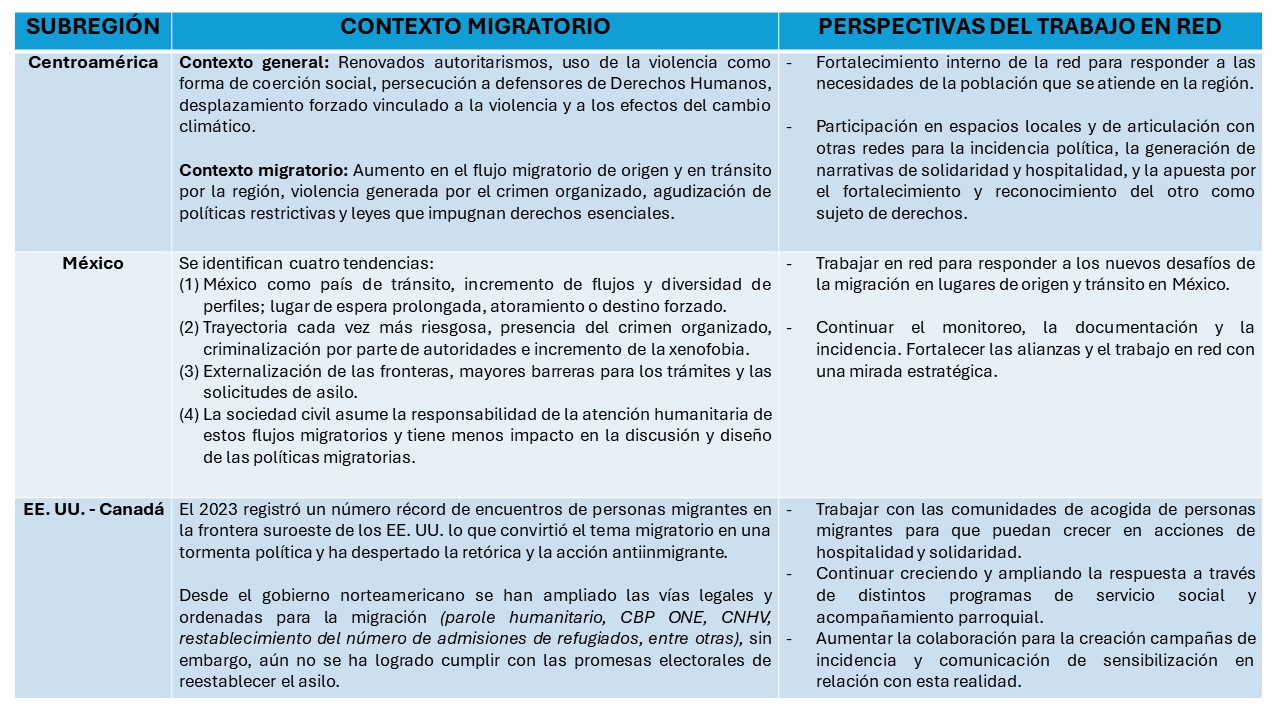
Jesuit Network with Migrants Central America and North America (RJM CANA) shared the first four months of the year report (January – April 2024): "They have been months of a lot of work to face the challenges in the migration context characterized by an increase in the migratory flow in vulnerable conditions throughout the region, however, also These have been months in which the fruits of networking have been confirmed".
The worldwide network of Jesuit organisations, Xavier Network, involved in responding to humanitarian crises around the world, expressed shock at the April 2 killing of 7 aid workers delivering essential food aid. "We cannot be silent." Xavier Network joined the global Jesuits' call for "an immediate ceasefire, for negotiations and for the beginning of a process that will bring freedom, liberty and justice for all in the Middle East, the only road to true peace."
On Wednesday, April 10, the European Parliament voted on the European Pact on Asylum and Migration. JRS Europe directors jointly opposed the pact and urged European institutions to reject it: "We cannot support a system that will allow the systematic detention of thousands of people, including children, at the EU external borders."
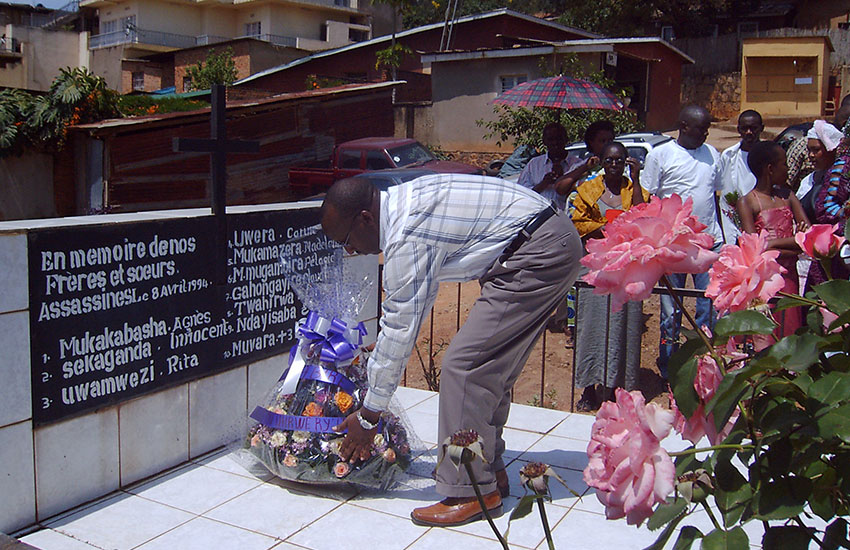
On the memorial day of the 1994 genocide against the Tutsi, J. Baptiste, a Jesuit genocide survivor from Rwanda, shared his story of the tragic event. On behalf of fellow Rwandans, he concluded with a prayer: "My prayer today is to find the last remains of the victims…, then [this] commemoration will mean something different. Only then will our wounds heal and the ongoing reconciliation process move faster."