Empowering Faith Actors in Their Ecological Transition
In an era of increasingly frequent climate change-related impacts, theJESC Carbon Initiative (JCI) has emerged within the Jesuit world as a proactive response to the urgent need to embrace the ecological transition institutionally. As the project manager of this initiative, I find immense hope in our mission to support faith-based organisations on their journey toward ecological sustainability.

Launched in 2022 in partnership with the French-speaking Western European [Jesuit] Province (EOF), JCI began as an experiment with a straightforward yet ambitious goal: could we analyse the lifestyles of Jesuits in France, Belgium, and Luxembourg to estimate the province’s annual carbon footprint and thereby guide informed, impactful action? We committed to this task wholeheartedly, visiting 25 Jesuit communities and gathering detailed data on energy and water usage, transport, diet, and expenditures. We also engaged with 270 individual Jesuits to understand their perspectives on Laudato Si’, environmental care, and their role in the province’s ecological transition.

This effort resulted in the first-ever carbon assessment of a Jesuit province, published in a comprehensive report that has since informed critical processes and priorities within the EOF province. The findings underscored the urgent need for emission reductions in the Global North, where the responsibility to act on climate is greatest. The report also emphasised that reducing emissions is not only about sustainability but also about justice—recognising the disproportionate impact of the Global North’s emissions on vulnerable communities worldwide.

Building on this initial collaboration with the EOF province, in 2023, JCI also partnered with the Jesuit Irish province to assess the environmental impact of the Jesuit communities in Ireland. During this process, we worked on the design of an ecological transition roadmap which ensured that Jesuits in Ireland would be aligned with the Paris Agreement by 2 tons of CO2 emissions per Irish Jesuit per year target by 2050 through investments in electrification, the deployment of renewables, and lifestyle changes -- the first ever Jesuit province to experiment with climate scenarios and targets.
In parallel with these pioneering efforts, JCI has expanded its scope and now supports various faith actors in advancing emissions management, designing more sustainable practices, and setting their climate targets. Today, the project supports institutions and other religious actors, such as dioceses and religious orders, in understanding their environmental impact, conducting carbon audits, and developing action plans that align with their values and mission. JCI encourages shared learning, accountability, and the collective pursuit of climate justice.

In particular, recognising the significant role of education in fostering a sustainable future, in 2024, JCI focused on developing partnerships with schools. Within this area, JCI has recently developed aguide for schools to become more sustainable and two pilot projects are underway with a Jesuit school in Malta and a Jesuit school in France, which will assess their carbon footprint, offer guidance in their quest to become more climate-friendly, as well as kickstart an ecology themed conversation bringing together students, staff and families.
The JESC Carbon Initiative empowers faith-based communities to turn ecological ideals into actionable commitments through these growing partnerships and initiatives. By fostering accountability, encouraging collaboration, and championing climate justice,JCI continues to drive systemic change rooted in the 4th UAP and the values of Laudato Si’. As this project moves forward, I hope for an ever-growing network of faith actors united in their pursuit of a sustainable future—one where caring for our common home becomes not only a mission but a shared legacy of climate action, resilience, and responsibility for generations to come.
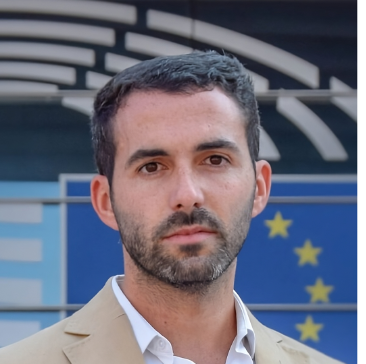 Telmo Olascoaga
Telmo joined JESC in September 2020 and has since worked with JESC Ecology, focusing on environmental policy and advocacy, and has led the JESC Carbon Initiative since its launch in 2022.Telmo graduated in Business Management and Law from Deusto University and holds an MA in International Political Economy and an MA in International Relations from King’s College London. Before joining JESC, Telmo worked at the EU Delegation in the Philippines and the EU DG Justice project “Human Rights in Business: Removal of Barriers to Access to Justice in the European Union”.
Email:[email protected]

Related Posts:

In Magnifica Humanitas, Pope Leo XIV warns that machine intelligence in war ends by “reducing victims to data.” The machine profiling that registers a person for food can also be used to select a person as a target. A small drone circling a road, with no one steering it, can have such a profile as its target. A drone like this is an autonomous weapon system. Once activated, it selects and attacks targets by itself, matching what its sensors detect to a programmed target profile. No human being decides, at the moment of the strike, that this particular person will die or is the right target. The case most often cited as the first use of such a weapon against people, reported by UN experts, was in Africa, in Libya in 2020.
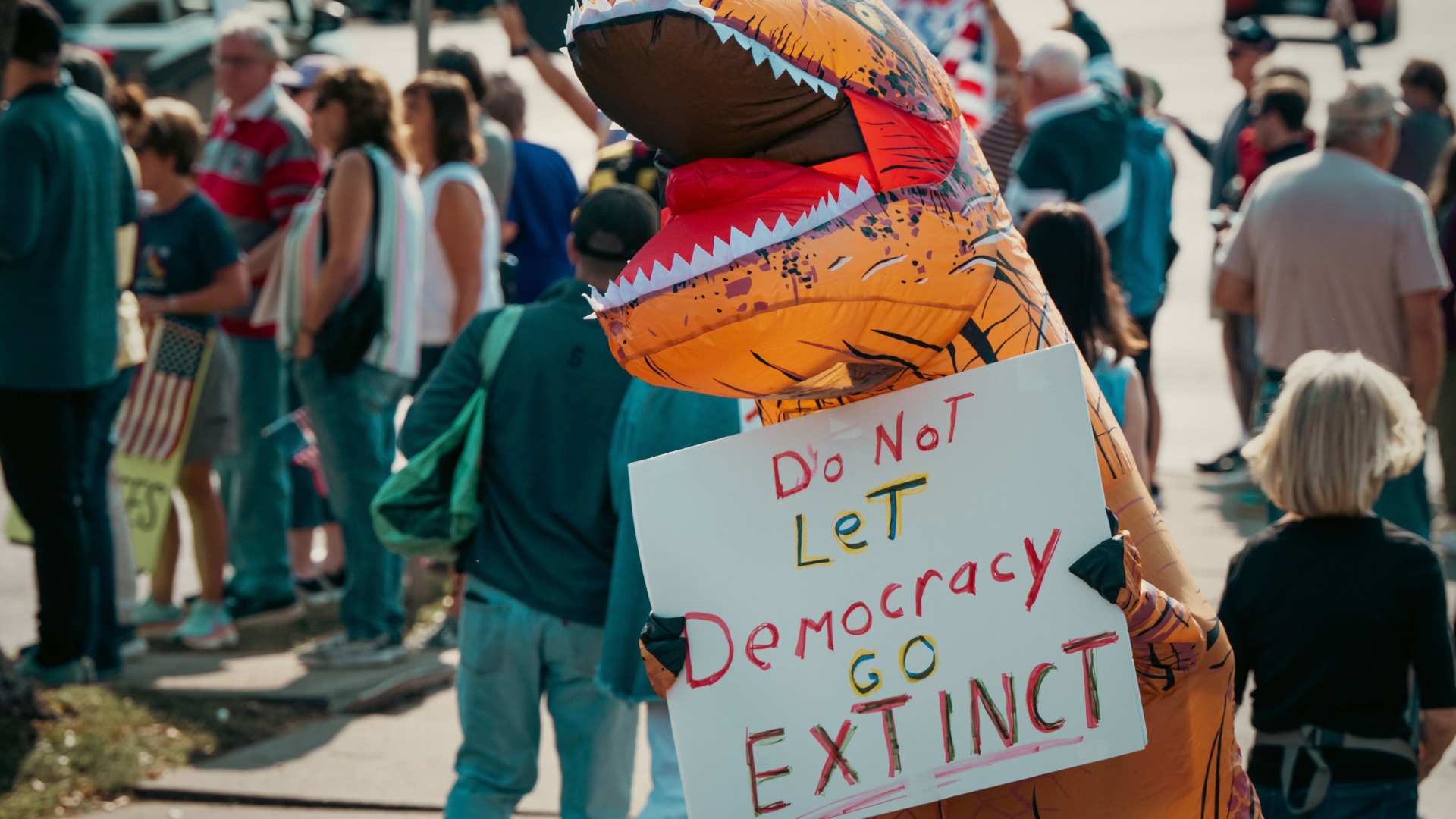
Democracy, which has historically proven most effective in meeting these criteria, cannot be taken for granted. In our AI era, citizens should press for more than multiparty elections and the protection of basic freedoms; that institutional core is not enough. We must carefully regulate and channel powerful technologies with the capacity to divide us from one another and short-circuit social and political participation. That means maintaining spaces in civil society where human contact and social friendship can flourish without the mediation of machines, beginning with the educational systems through which all citizens pass. It means fighting deepfakes and disinformation in the public sphere, so that citizens still operate in a world of facts and evidence and political representation has a strong basis.
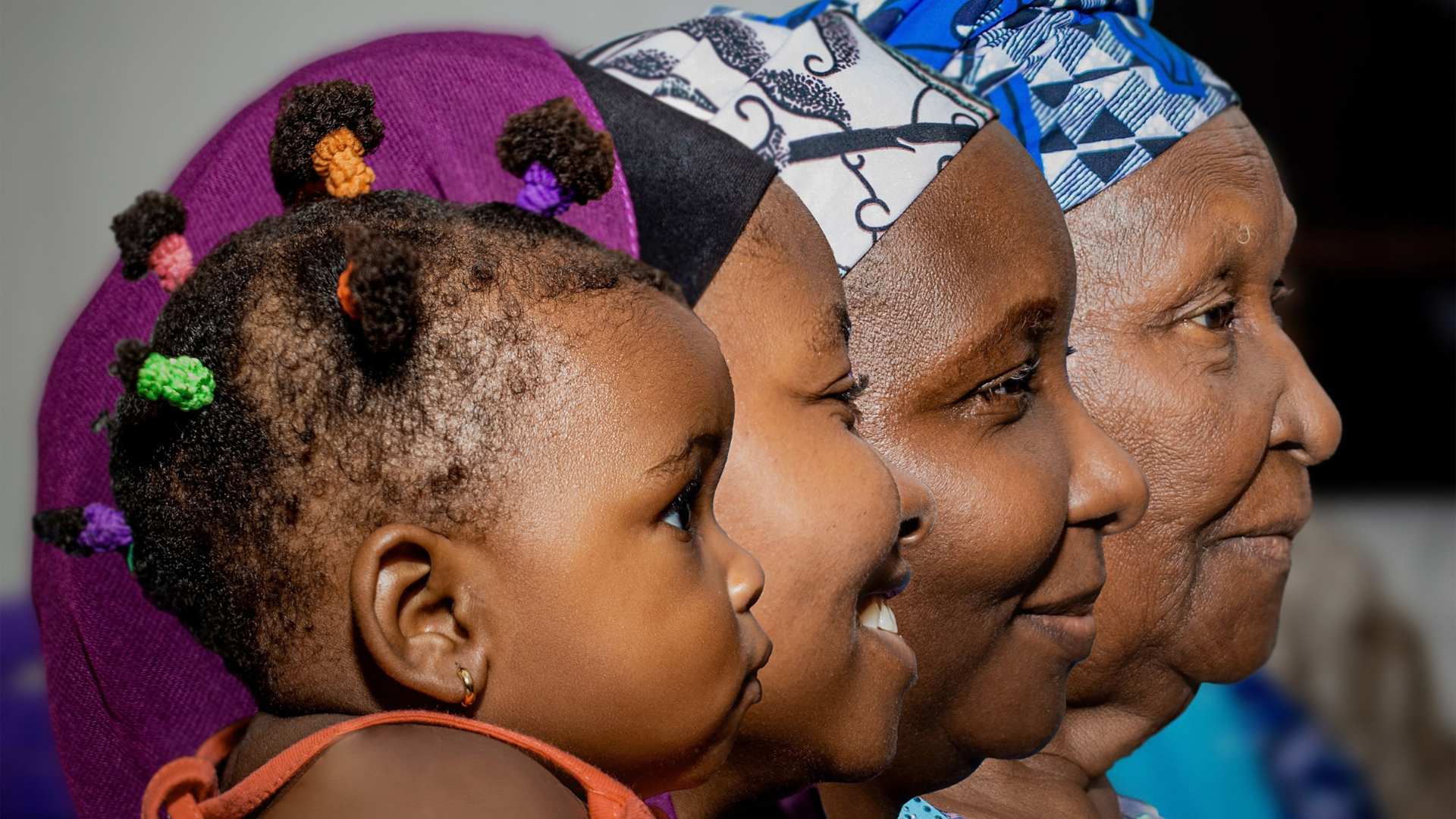
Artificial intelligence (AI) is increasingly entering public life in Ghana, including through digital systems used for identification, verification and service delivery. The ethical question is therefore not simply what AI can do, but what happens to people when digital systems become gateways through which citizenship, mobility or access to services are recognised. In northern Ghana, especially in border communities, this is a concrete question. I was privilege to visit Pusiga community in November 2025 with a Jesuit friend of my mine who is originally from the community. Thus, the topic for this article resonates very well with me.
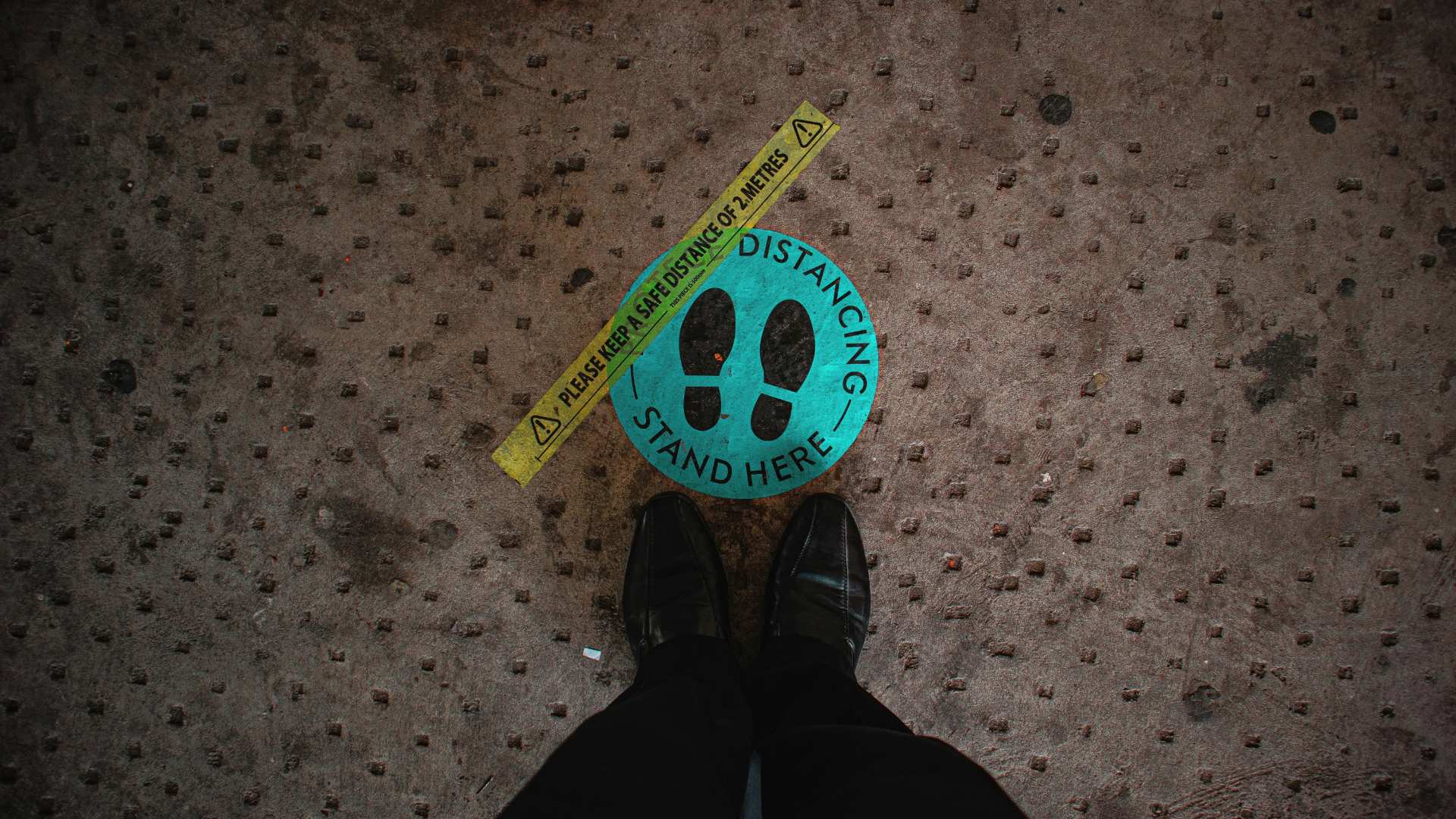
The article ‘Pandemic and Authoritarianism’, by Germán Rosa, SJ, was written in the midst of the COVID-19 crisis, but its insights extend beyond that context. The pandemic appears to reveal and accelerate political trends that were already present: the concentration of power, the weakening of democratic checks and balances, and the acceptance of extraordinary restrictions in the name of collective security. Rosa’s main concern is that fear may lead citizens to silently surrender their freedoms and rights, and that measures which were initially intended to be temporary become normalized and endure. Furthermore, in societies riven by inequality, control is never distributed neutrally: it falls most heavily on the impoverished, marginalized groups, migrants, dissidents and those who defend rights and territories.

Speaking of dead children is uncomfortable. Yet it can also be healing. As I listened to the stories shared that day, I found myself returning to memories I may at times shy away from remembering. Iremember finding my sister’slifeless body in bed one Saturday morning. Ihad cometo carry her out with me to watch cartoons.As I listened tothe story of Hind Rajab, a 5-year-old girl who had been trapped inside a car attacked by Israeli forces,the memory of a little boy reaching out to touch his sister came back. The young girlhadmanaged to call the Red Crescent for help but hours later she and the paramedics who had come toassisther were all found dead. The chilling story reminded me of the shocking cold that struck my hand as I gently touched my sister’s arm in a futile attempt to wake her up.

Who Are the Victims and Those at Risk of Becoming Victims? When it comes to mining, particular attention must be paid to those who are most vulnerable: Indigenous communities whose livelihoods depend on their land, forests, rivers, and water sources; small-scale farmers; fishers; poor families; women, children, and older people; as well as communities with the least bargaining power in legal, economic, informational, and political matters. They may become victims when land loses its social function, when water sources are polluted or disappear, when the environment is damaged, when livelihoods are disrupted, or when their social and cultural life is transformed without their genuine consent.


