
Understanding of catholic social teaching within my current social context
On the 26th February, 2025 , from the Development Office of the Southern Africa Province of the Jesuits came an invitation (to Jesuit Partners in Mission) to join ‘Teaching Tuesdays’ (TT), a series of lessons on Catholic Social Teaching (CST). The invitation highlighted the benefits of taking the course as follows: Understanding the social teaching of the church, what it stands for and approaches it uses to look at issues of social justice, education, health, ecology, labour, governance, economy, etc. The invitation also promised exposure to many encyclicals, Vatican Council documents, Apostolic Exhortations, Bulls and Pastoral Letters of Popes and Bishops. I must say that I may have missed what ‘Bulls’ is, but I have seen and appreciated the other profound church documents. The invitation stated that many Catholics lack knowledge of CST or know some bits and pieces of it and to a large extent lack knowledge of how to infuse it in their lives and workplaces. At this stage I knew only bits and pieces of CST.
I am a retired Banker, currently involved in activities of interest, only, serving on the Boards of three institutions caring for vulnerable children. One is Little Assisi Special School run by the Franciscan Missionaries of the Devine Motherhood (FMDMs). They currently serve sixty five children with various special needs. The second is Seko Home which houses and cares for an average of twenty orphaned and vulnerable teenagers, both boys and girls. The third is Kondwa Day Care Center which provides early learning and two meals per day, to one hundred vulnerable children under the age of 7. I am the Chairperson of the Boards of Governors for Kondwa Day Care Centre and Seko Home and vice Board Chairperson for Little Assisi Special School. I am also an active member of my Parish, The Assumption of Mary Parish in the Archdiocese of Lusaka which participates in the Archdiocese activities of the Catholic Commission for Justice and Peace (CCJP). This is a prominent organisation, focussed on promoting human dignity social justice, good governance and human development. Its objectives include addressing issues concerning poverty, corruption, budget impact on citizens, election fairness, etc., to foster a just and equitable society.

Considering the invitation to join TT as an opportunity to gain valuable knowledge of CST, I eagerly joined. It was not long before I got to really like TT and to look forward to the teaching. Moreover, I found that this learning was not confined to Tuesdays only but that I was learning from everyday life experiences, too. With the awareness of CST as the lessons unfolded, I started to recognise components of CST in my daily events and interactions. I became keenly aware of and sensitive to matters relating to the dignity and rights of the human person in the context of CST. One day walking through the passage of the Parish Office, at the Assumption of Mary Parish, in Lusaka where I am a long time member, I saw a beautiful large poster defining CST and illustrating its key principles of the dignity of the human person, subsidiarity, the common good and solidarity. I had walked through this passage many times over the years and this poster had never caught my attention until then. I was amazed that this information had always been there, but I was not able to see it, take it in and understand what it articulated. Well, now I am and I thank God for that.
I also find that I can now interpret and filter various encounters and experiences through the lenses of CST, and by so doing, apply the principles of CST in my daily living. I will give an example of my day out shopping on the 23rd of December, 2025. In a joyful Christmas mood, I went to a local supermarket to complete my shopping before Christmas, which was mainly vegetables. While in the queue, I had practised the exercise from TT to engage with people and talk to them wherever I met them. I had been chatting pleasantly with the cashier who cashed out my shopping. With big smiles, we had happily wished each other ‘Merry Christmas’ as I left. When I opened the carrier bag at home, lo and behold, I found a wet and used (dirty) piece of mutton cloth in the middle of the carrier bag right in contact with some of the fresh vegetables. The cloth is used to wipe the counters in between purchases, in the store. My first reaction was shock and anger, thinking that the store could not afford to be so negligent; they owed me an apology.

I did not return to the supermarket immediately, not having the time to do so. I went back a few days later, after Christmas. By then the anger had subsided, albeit, I had tossed the vegetables into the waste bin and been inconvenienced for my food preparations for Christmas eve dinner. I also had time to reflect on the matter in silence and peace and was by then calm and disposed to apply the social tradition, ‘see, judge and act’ learned at TT. Had I gone back in a rage, I would have spoilt the day for Esther, the cashier and her assistant who had served me in the store and who had packed the vegetables. This could have made a mark on their employment performance as front line staff. I recalled how they had pleasantly chatted with me, while serving me politely and efficiently on a very busy day. Still, I chose to report the matter to the store manager, to save another customer experiencing the same in the future. In reporting, I highlighted that I had actually received a good service and I considered this to be an unfortunate mistake. I was not claiming compensation and I declined to surrender the receipt which had the name of Esther, the cashier on it. The manager was grateful for my attitude around the issue and promised to handle the matter internally to use the case as a learning point for the store’s front line staff. I recognised that we are all human and can make a mistake. Employment for young people is not easy to come about and there was no need to make a mark on Esther’s employment record. I consciously opted to be in solidarity with the rest of humanity in the season of good cheer, and chose peace and joy for everybody, instead of my own interest in exacting compensation.
Teaching Tuesdays rightly highlighted that there is no doubt that inequality, exploitation, oppression, corruption and other forms of injustice remain rife. This is true locally and in many parts of the world and it is a sad reality. It is also true that the church does not remain silent in the face of such evil. This is the case in Zambia as the Church is making a renewed call for peace, justice, unity and integrity, as the general elections approach. Indeed, as the church worldwide continues to advocate to build a rooted in peace, justice and unity, there is hope. The Parish to which I belong, The Assumption of Mary Parish in the Archdiocese of Lusaka, last year constituted a new Catholic Commission for Justice and Peace (CCJP) Group, drawing members from each (of twenty two) Small Christian Communities (SCC) in the Parish and emphasising the need for the Parish to be focussed on and actively involved in matters of justice and peace in the Parish, the Archdiocese and the country at large. The response was members of the parish was great.
As TT comes to an end, I am considering to join CCJP. Training at the Parish started last year, but I am sure to catch up and possibly be ahead, armed with the valuable and insightful lessons documents and experience from TT. By joining CCJP, I can keep the knowledge of CST acquired at TT alive, put it to good use, share it with others and even expand on it. When I started TT, I didn’t know where it would take me. I must say that not only did I enjoy TT, but also I like where I am with it now, with a clear understanding and consolidated knowledge of CST. It already influences how I see a given situation, gives me basis for judgement and consequently guides my action. I am truly grateful for the generosity of those who made TT available.
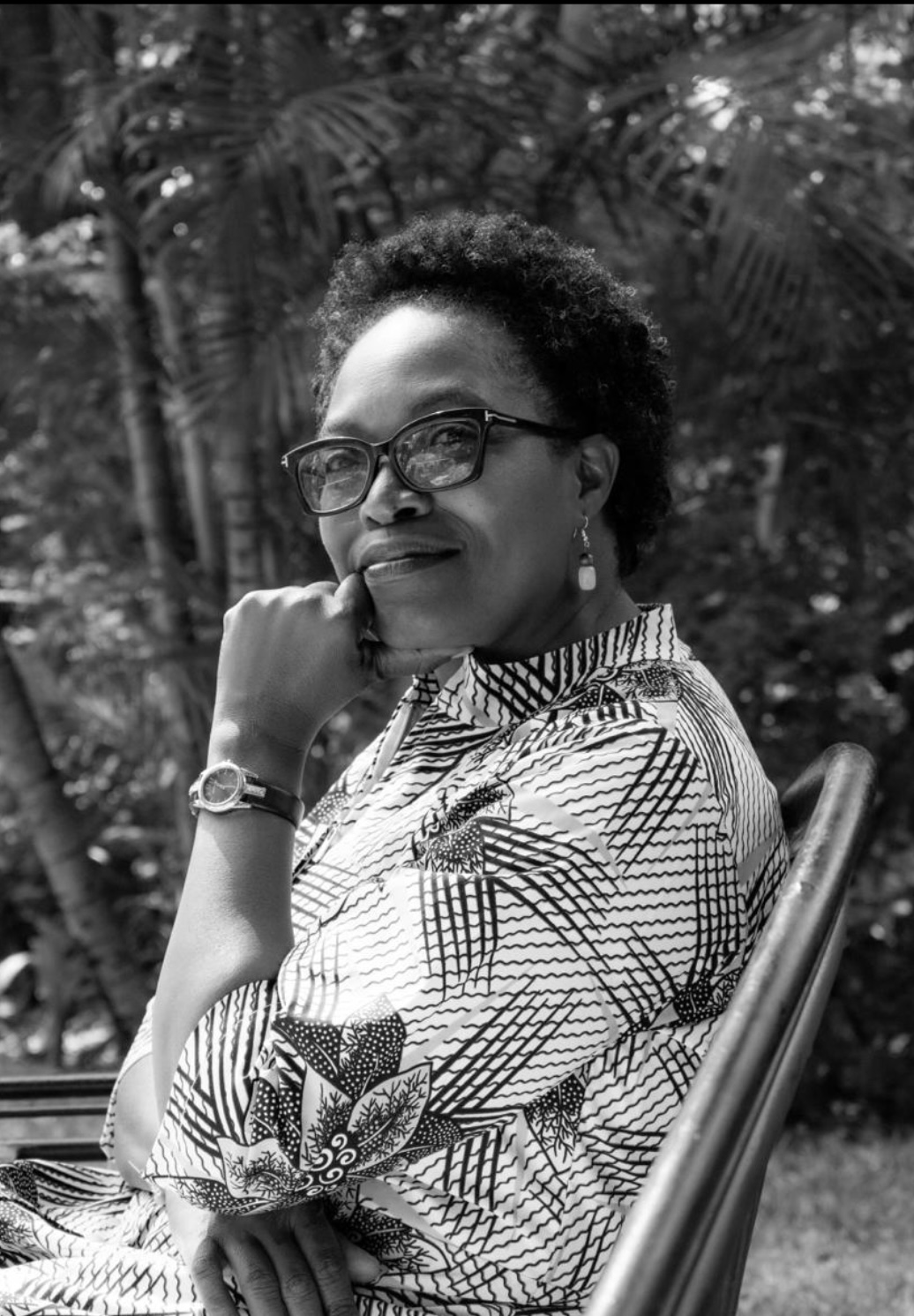
Charity Nsunge Shitumbanuma is a retired banker who has dedicated her second act to humanitarian service and advocacy for vulnerable children. A devoted wife and mother, she brings her extensive leadership experience to her roles as Board Chairperson for Kondwa Day Care Centre and Seko Home, and Vice Board Chairperson for Little Assisi Special School.
Deeply rooted in her faith, Charity is an active member of the Jesuit Partners in Mission and the Catholic Commission for Justice and Peace (CCJP) within the Archdiocese of Lusaka. Her work reflects a lifelong commitment to social justice, community welfare, and the empowerment of the marginalized.
Related Posts:

In Magnifica Humanitas, Pope Leo XIV warns that machine intelligence in war ends by “reducing victims to data.” The machine profiling that registers a person for food can also be used to select a person as a target. A small drone circling a road, with no one steering it, can have such a profile as its target. A drone like this is an autonomous weapon system. Once activated, it selects and attacks targets by itself, matching what its sensors detect to a programmed target profile. No human being decides, at the moment of the strike, that this particular person will die or is the right target. The case most often cited as the first use of such a weapon against people, reported by UN experts, was in Africa, in Libya in 2020.

Democracy, which has historically proven most effective in meeting these criteria, cannot be taken for granted. In our AI era, citizens should press for more than multiparty elections and the protection of basic freedoms; that institutional core is not enough. We must carefully regulate and channel powerful technologies with the capacity to divide us from one another and short-circuit social and political participation. That means maintaining spaces in civil society where human contact and social friendship can flourish without the mediation of machines, beginning with the educational systems through which all citizens pass. It means fighting deepfakes and disinformation in the public sphere, so that citizens still operate in a world of facts and evidence and political representation has a strong basis.
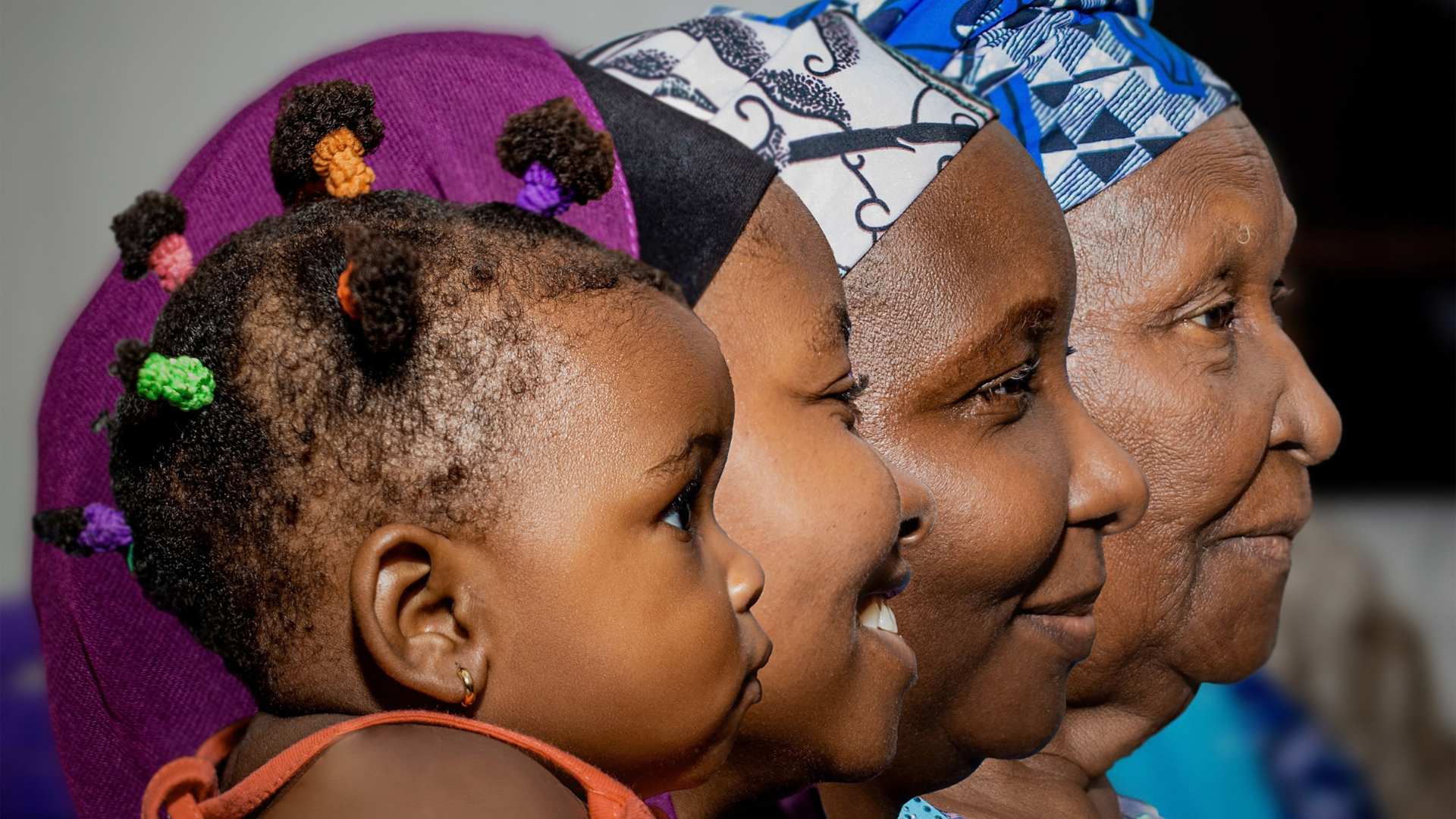
Artificial intelligence (AI) is increasingly entering public life in Ghana, including through digital systems used for identification, verification and service delivery. The ethical question is therefore not simply what AI can do, but what happens to people when digital systems become gateways through which citizenship, mobility or access to services are recognised. In northern Ghana, especially in border communities, this is a concrete question. I was privilege to visit Pusiga community in November 2025 with a Jesuit friend of my mine who is originally from the community. Thus, the topic for this article resonates very well with me.
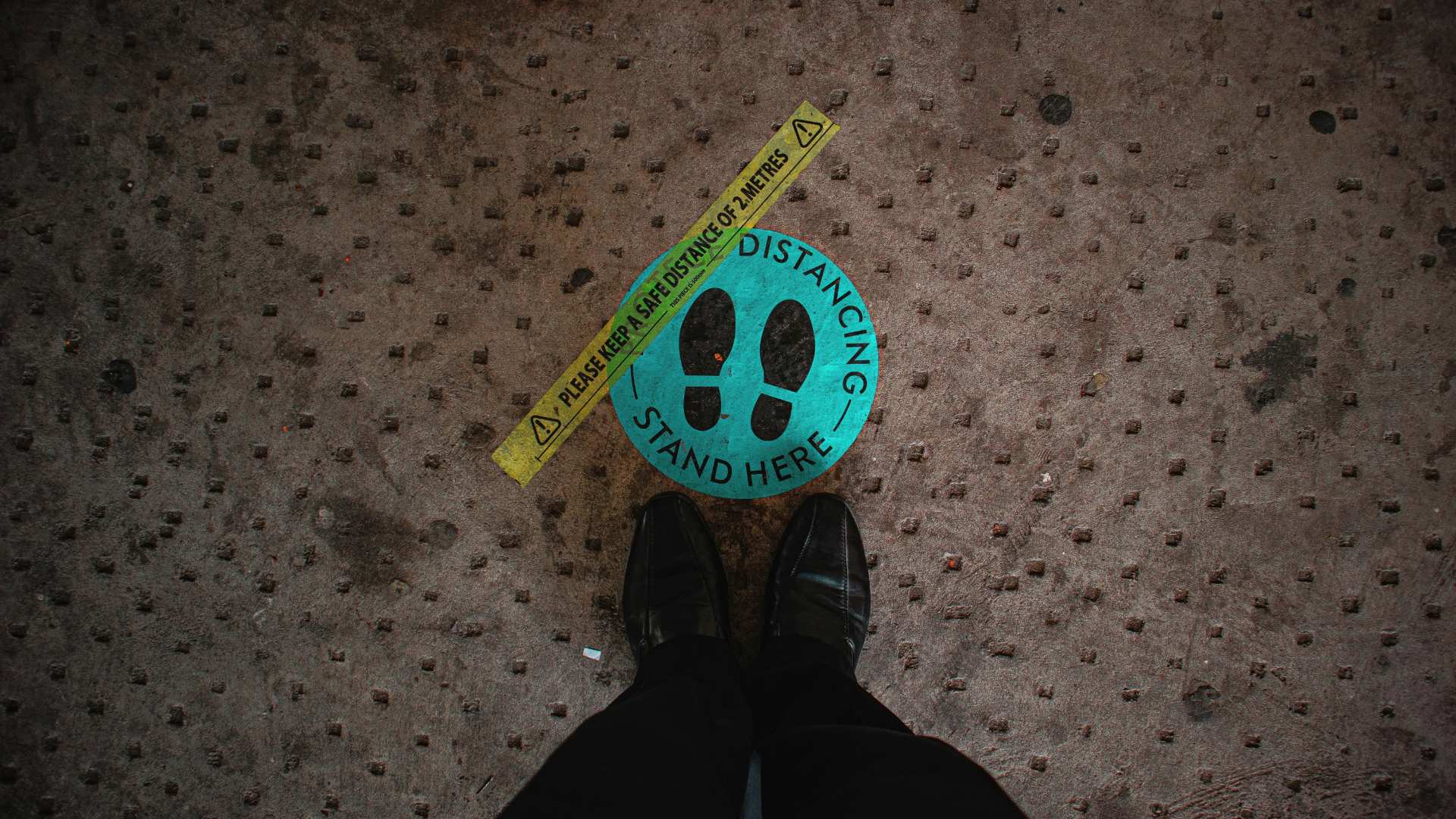
The article ‘Pandemic and Authoritarianism’, by Germán Rosa, SJ, was written in the midst of the COVID-19 crisis, but its insights extend beyond that context. The pandemic appears to reveal and accelerate political trends that were already present: the concentration of power, the weakening of democratic checks and balances, and the acceptance of extraordinary restrictions in the name of collective security. Rosa’s main concern is that fear may lead citizens to silently surrender their freedoms and rights, and that measures which were initially intended to be temporary become normalized and endure. Furthermore, in societies riven by inequality, control is never distributed neutrally: it falls most heavily on the impoverished, marginalized groups, migrants, dissidents and those who defend rights and territories.
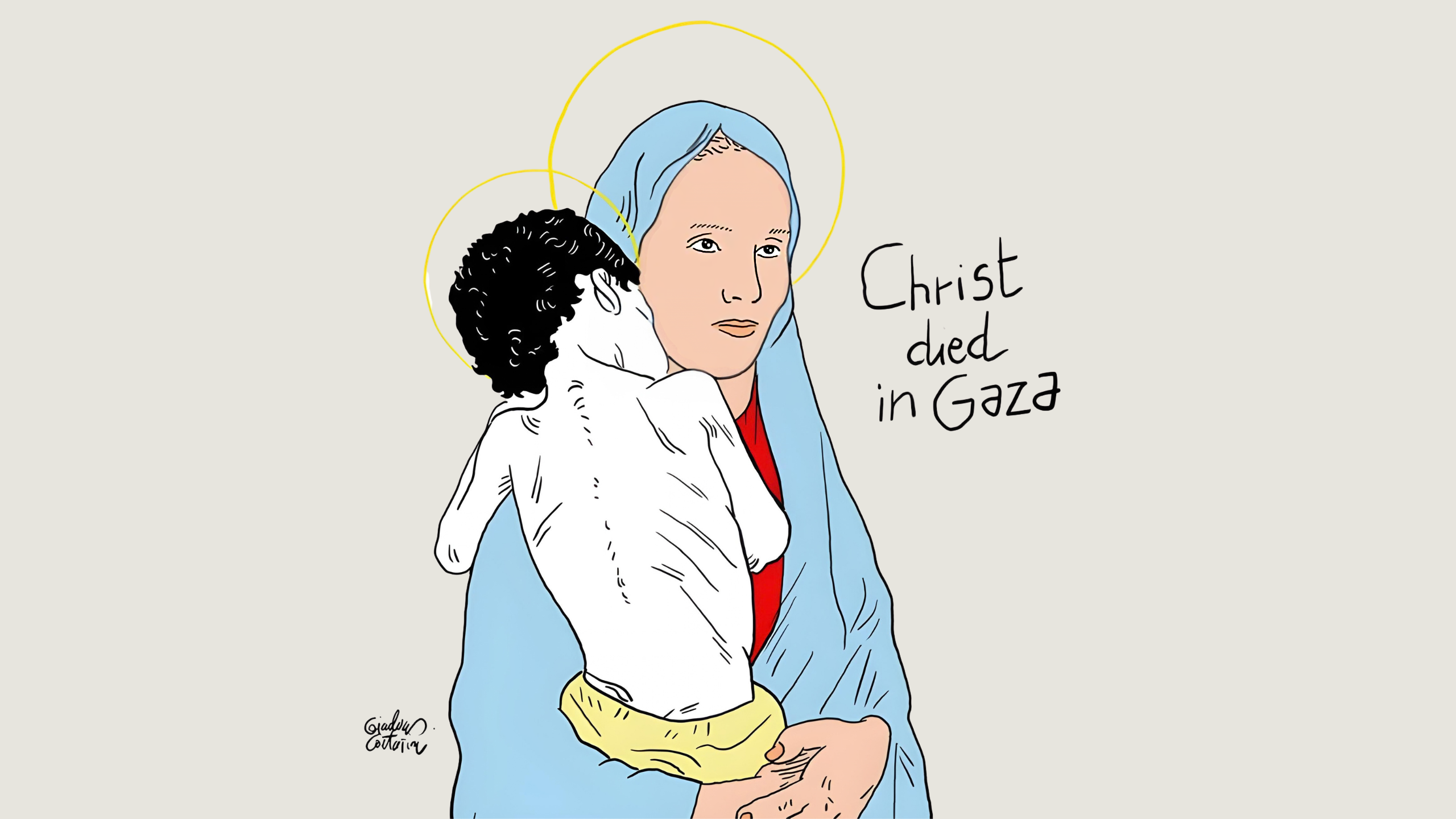
Speaking of dead children is uncomfortable. Yet it can also be healing. As I listened to the stories shared that day, I found myself returning to memories I may at times shy away from remembering. Iremember finding my sister’slifeless body in bed one Saturday morning. Ihad cometo carry her out with me to watch cartoons.As I listened tothe story of Hind Rajab, a 5-year-old girl who had been trapped inside a car attacked by Israeli forces,the memory of a little boy reaching out to touch his sister came back. The young girlhadmanaged to call the Red Crescent for help but hours later she and the paramedics who had come toassisther were all found dead. The chilling story reminded me of the shocking cold that struck my hand as I gently touched my sister’s arm in a futile attempt to wake her up.

Who Are the Victims and Those at Risk of Becoming Victims? When it comes to mining, particular attention must be paid to those who are most vulnerable: Indigenous communities whose livelihoods depend on their land, forests, rivers, and water sources; small-scale farmers; fishers; poor families; women, children, and older people; as well as communities with the least bargaining power in legal, economic, informational, and political matters. They may become victims when land loses its social function, when water sources are polluted or disappear, when the environment is damaged, when livelihoods are disrupted, or when their social and cultural life is transformed without their genuine consent.