
Yes, Miracles are possible through Nonviolent/Compassionate Communication
Let me begin with a brief reflection on Nonviolent or Compassionate Communication. This reflection rests on a few fundamental premises - namely, that human beings are essentially good and, therefore, essentially nonviolent. To be essentially good or nonviolent means to be naturally oriented toward love and compassion. In other words, it is more natural for human beings to love and to be loved, and to act with compassion, than to hate or to harm. Love and compassion constitute the most basic and enduring human urge.
In the ordinary flow of life, human beings strive - both intrinsically and through social interaction - to nurture and enable the natural development and flourishing of this inherent loving and compassionate nature. Yet, paradoxically, human beings are also capable of creating conditions that alienate them from this foundational orientation, leading them to act violently. One such condition is the violent use of language.
Language functions like a double-edged sword: it possesses destructive, generative, and profoundly ambivalent power. Words have been compared to arrows shot into the air, the archer losing control over them once let out. Like shot arrows, words too, go out of control and can generate, justify, and perpetuate hatred and violence. The systematic and intentional misuse of language - through hate speech, propaganda, misinformation, fake news, or coded forms of exclusion - produces violence at multiple levels: personal, structural, and cultural. In such contexts, a conscious and disciplined practice of Nonviolent or Compassionate Communication offers a vital way forward, enabling us to express ourselves truthfully, while listening to others with empathy and care.
The history of nonviolent conflict resolution and transformation offers abundant testimony to the transformative power of compassionate communication. It is replete with instances in which such communication has achieved what once seemed impossible—resolving deep-seated conflicts and fostering genuine reconciliation. In what follows, I will recount two such memorable instances from my own repository of experience as a peace activist.
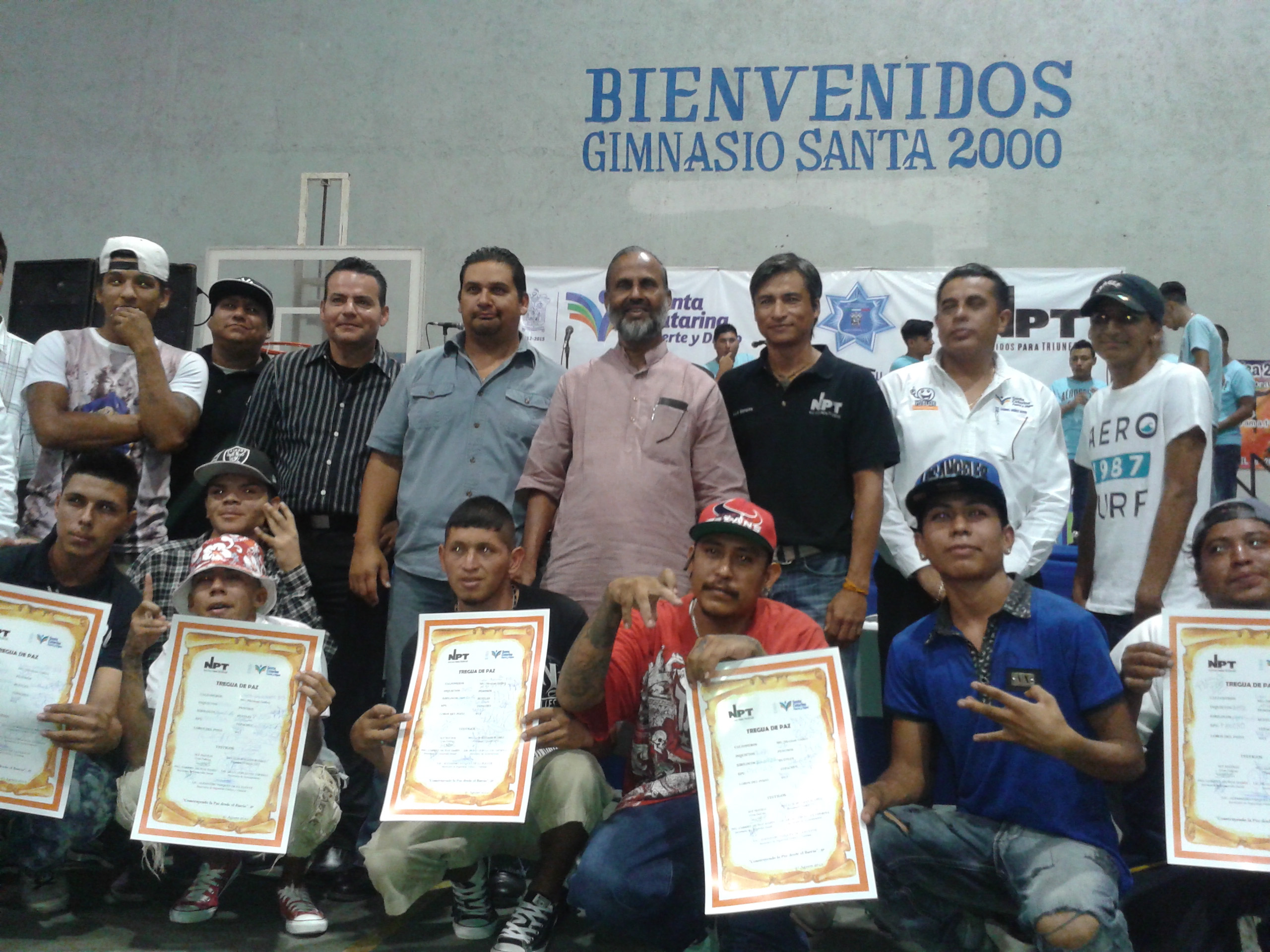
The anecdotes are set in the suburbs of Monterrey, the capital of the Mexican state of Nuevo León, a region long affected by violent conflicts between rival drug cartels. Like many cities across Mexico, Monterrey experienced a climate of fear and insecurity generated by gang warfare. In response, a group of citizens committed to peace and nonviolence formed a voluntary organisation called Uno Uno Paz—One to One for Peace—aimed at fostering harmony within their neighbourhoods.
Within a year of its formation, Uno Uno Paz underwent a remarkable development when a former drug cartel member joined the organisation. Juan Pablo, known as JP, was not an ordinary recruit: he had been a gang leader with firsthand knowledge of cartel operations and personal relationships with many active gang members. Through his own experience, JP recognised that poverty and unemployment were the principal forces driving young people into gangs, despite their often-unacknowledged desire to leave that life and reintegrate into society.
Motivated by this understanding, JP and several colleagues founded another organisation, Nacido Para Triunfar – born to succeed - (NPT), to work directly with vulnerable youth and support their disengagement from gang life. The author was invited to conduct workshops for NPT on Gandhian nonviolence and to train volunteers in nonviolent action. The programme was enthusiastically received, and participants demonstrated strong commitment to its principles.
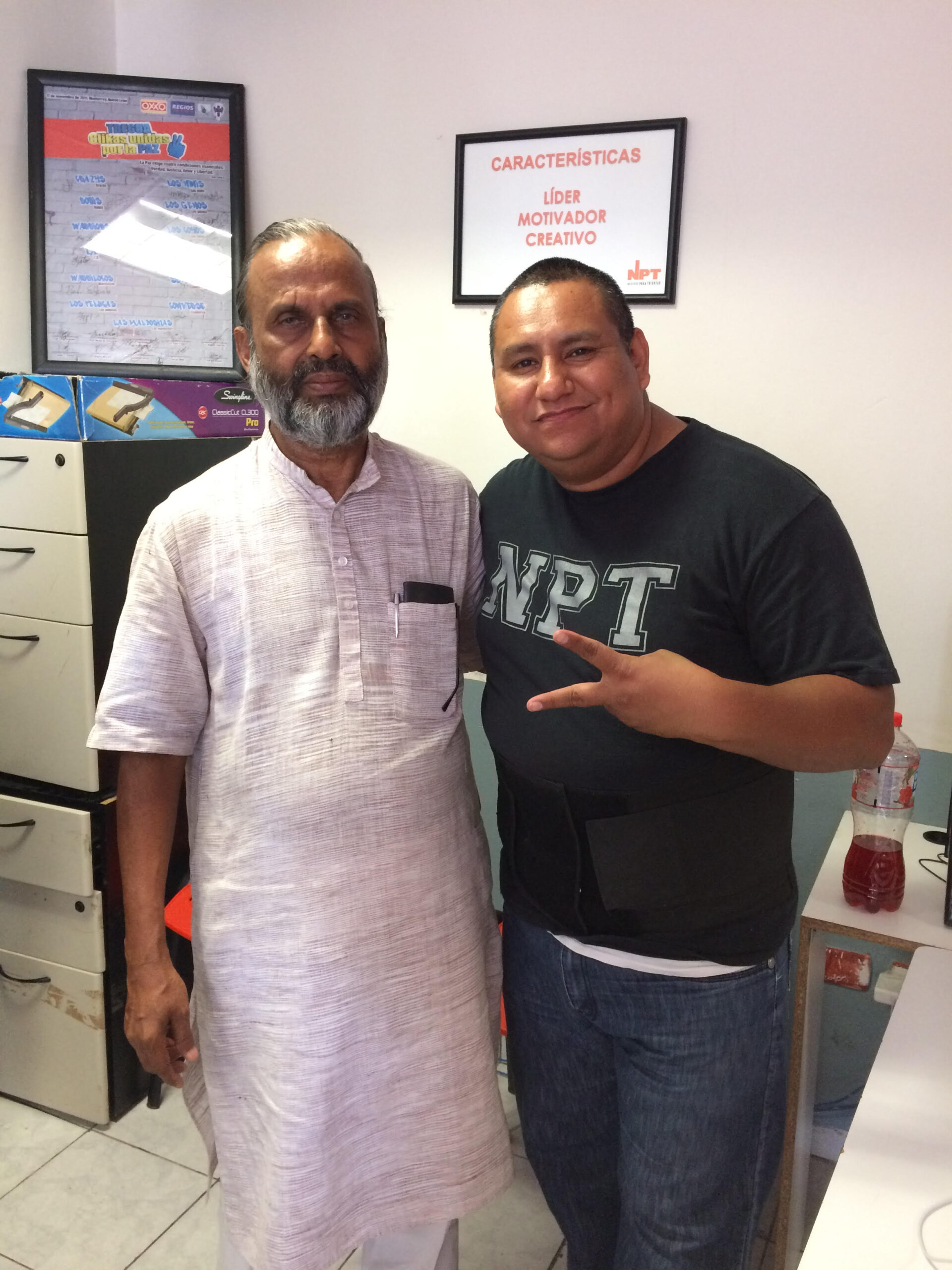
Within a year, NPT volunteers succeeded in persuading and supporting nearly five hundred young men and women who had previously belonged to twelve rival gangs. To publicly affirm this transformation, NPT organised a large ceremony in which former gang members signed a Peace Pledge.The author attended as a witness and was honoured with the title Padrino,signifying a role as mentor and patron. The event brought together former gang members, their families, and observers from federal, state, and municipal authorities. Former rivals who had once fought violently were now celebrating together through song and dance.
During the gathering, a stranger quietly asked JP to step outside. He returned after nearly half an hour, and the event concluded peacefully. Only later, did JP explain what had occurred. The regional leader of the dominant drug cartel had arrived, heavily armed, intending to disperse the gathering. According to cartel rules, no public assembly was permitted without prior approval, and JP was confronted at gunpoint for failing to seek permission.
Rather than responding with fear or defiance, JP apologised calmly and respectfully, explaining that the gathering was peaceful and would immediately disperse if approval were denied. He gently appealed for permission to continue. After a tense pause, the cartel leader unexpectedly granted approval and ordered his men to withdraw. As they were leaving, JP softly asked him why he had allowed the programme to continue despite the serious violation of his code. The leader replied:
“If I had been fortunate enough to meet someone like you ten years ago, I would not have become a confirmed criminal.”
With that, he said goodbye and departed.
This is the alchemy of nonviolent communication. Through a mutual flow of compassion, the gang leader momentarily reconnected with his own humanity - a compassionate self from which he had long been alienated. To many, this story may sound as incredible as a miracle. Yet, it may be worth remembering that the essence of a miracle is precisely this: it occurs when it is least expected.
The second anecdote occurred in 2010, also in a suburb of the city of Monterrey. Two heavily armed gangs were engaged in a gunfight in front of a primary school. When one group began to lose ground, its members took refuge inside the school building, while the opposing gang positioned itself to launch an attack. The lives of nearly one hundred children were placed in imminent danger.
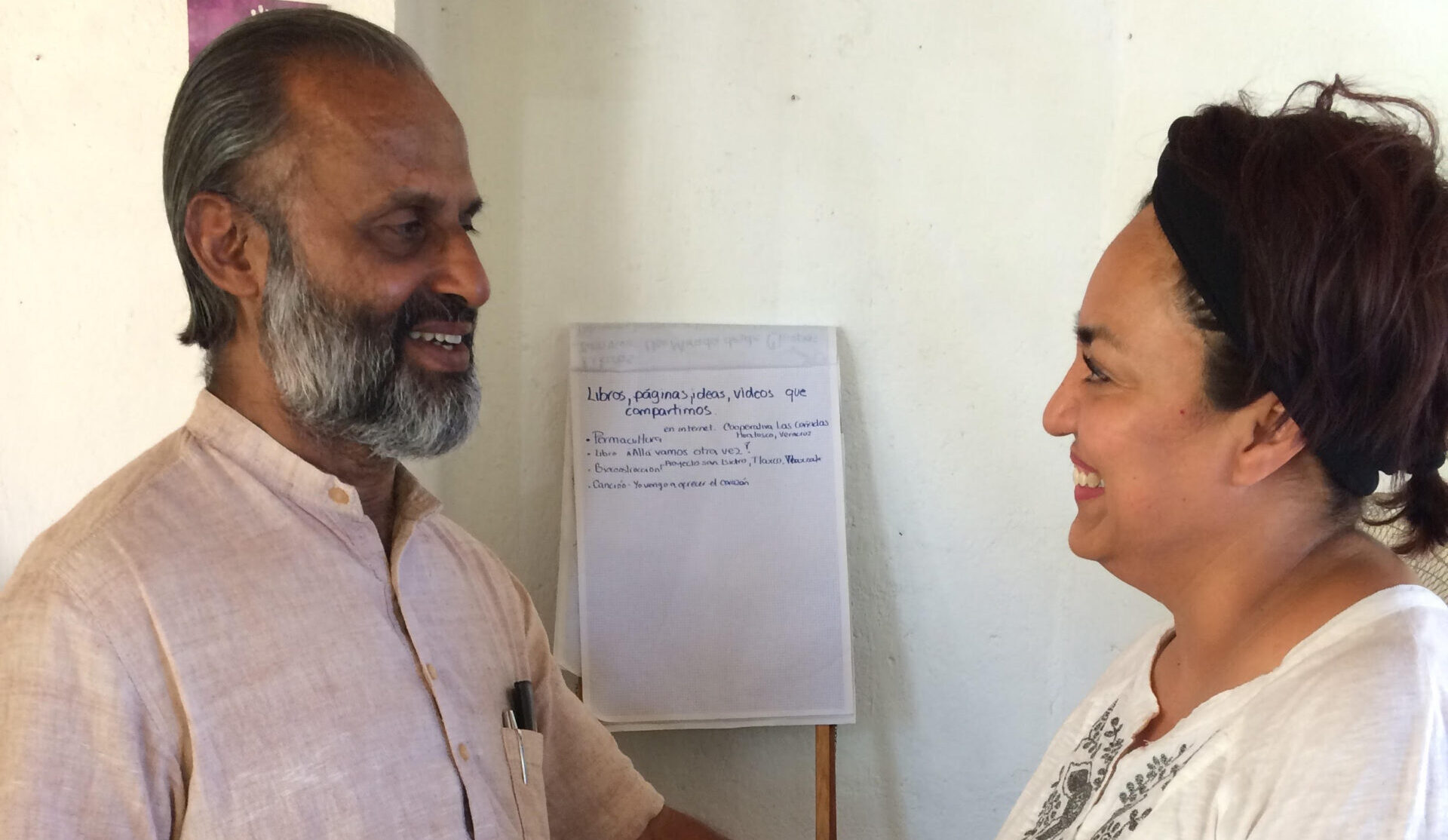
The incident was reported to the Municipal Officer in charge of internal security, a courageous woman named Paula Paloma. Without hesitation, she rushed to the scene. As she advanced to meet the gang leader, she was confronted at gunpoint by a police officer who was colluding with the gang. He threatened to shoot her if she took another step. Remaining calm and composed, Paula gently told him that only God—not he—had power over her life, and that only God could take it. She also reminded him that he was her brother, entrusted with the duty to protect her, not to kill her.
Her poise, courage, and moral clarity profoundly affected the officer. Disarmed not by force but by her words and presence, he lowered his weapon, shared a cup of coffee with her, and allowed her to proceed to meet the gang leader. She appealed to him to spare the lives of the innocent children. The gang withdrew, and the children were saved.
Here we witness the same alchemy, the same miracle. Such is the transformative power of nonviolent and compassionate communication. All that is required is to be trained in it—and, above all, to rediscover our own capacity for compassion and to act without fear.
Originally published in Paxlumina Vol.07 | No.01 | January 2026
 Prof MP Mathai is Academic Dean, LIPI, Kochi and Adjunct Professor, Gujrat Vidyapith.
Related Posts:
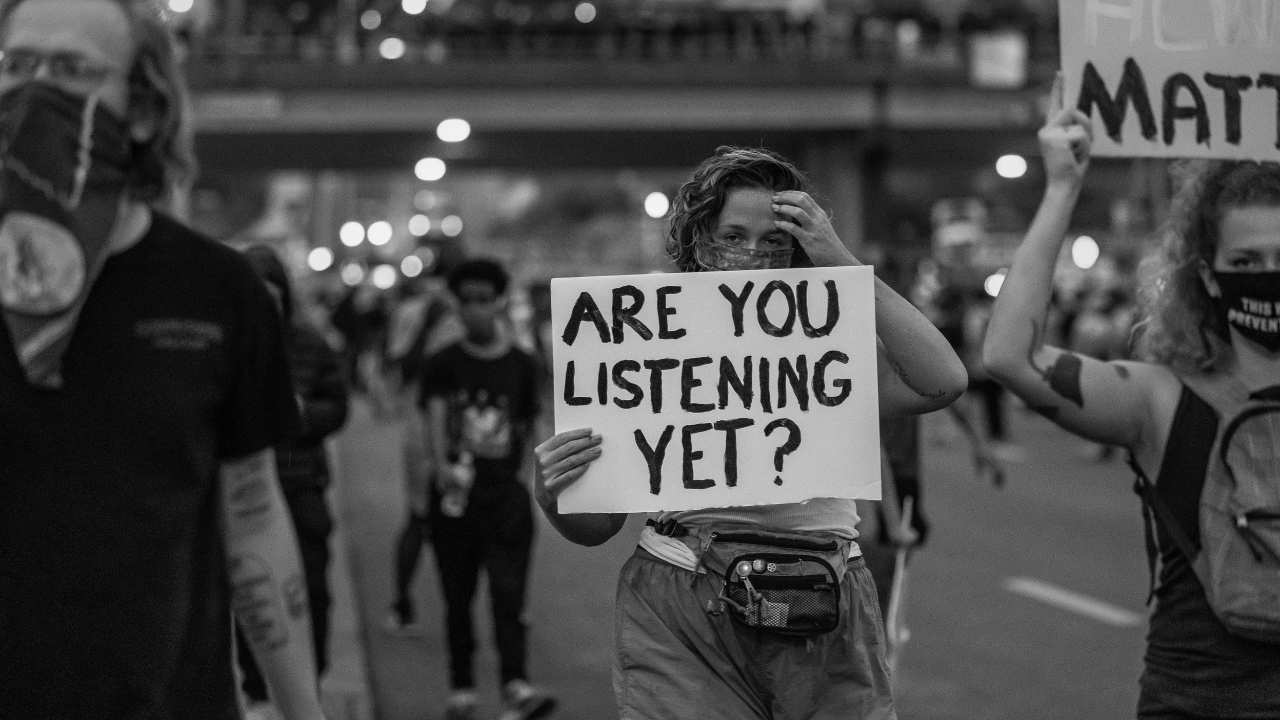
By examining the tensions between democratic institutions, citizen participation, social movements, and the common good, the article opens a path for reflecting on how new forms of power emerge and how societies can respond to them. As AI systems increasingly shape public life and influence collective decision-making, Bado's vision of a more participatory and substantive democracy challenges us to consider how technology can be governed in ways that promote justice, inclusion, accountability, and human dignity. We invite readers to revisit this earlier reflection as a valuable source of inspiration for discerning how democracy may evolve in response to the opportunities and risks posed by AI and for ensuring that technological progress continues to serve people and the common good.

In Magnifica Humanitas, Pope Leo XIV warns that machine intelligence in war ends by “reducing victims to data.” The machine profiling that registers a person for food can also be used to select a person as a target. A small drone circling a road, with no one steering it, can have such a profile as its target. A drone like this is an autonomous weapon system. Once activated, it selects and attacks targets by itself, matching what its sensors detect to a programmed target profile. No human being decides, at the moment of the strike, that this particular person will die or is the right target. The case most often cited as the first use of such a weapon against people, reported by UN experts, was in Africa, in Libya in 2020.

Democracy, which has historically proven most effective in meeting these criteria, cannot be taken for granted. In our AI era, citizens should press for more than multiparty elections and the protection of basic freedoms; that institutional core is not enough. We must carefully regulate and channel powerful technologies with the capacity to divide us from one another and short-circuit social and political participation. That means maintaining spaces in civil society where human contact and social friendship can flourish without the mediation of machines, beginning with the educational systems through which all citizens pass. It means fighting deepfakes and disinformation in the public sphere, so that citizens still operate in a world of facts and evidence and political representation has a strong basis.
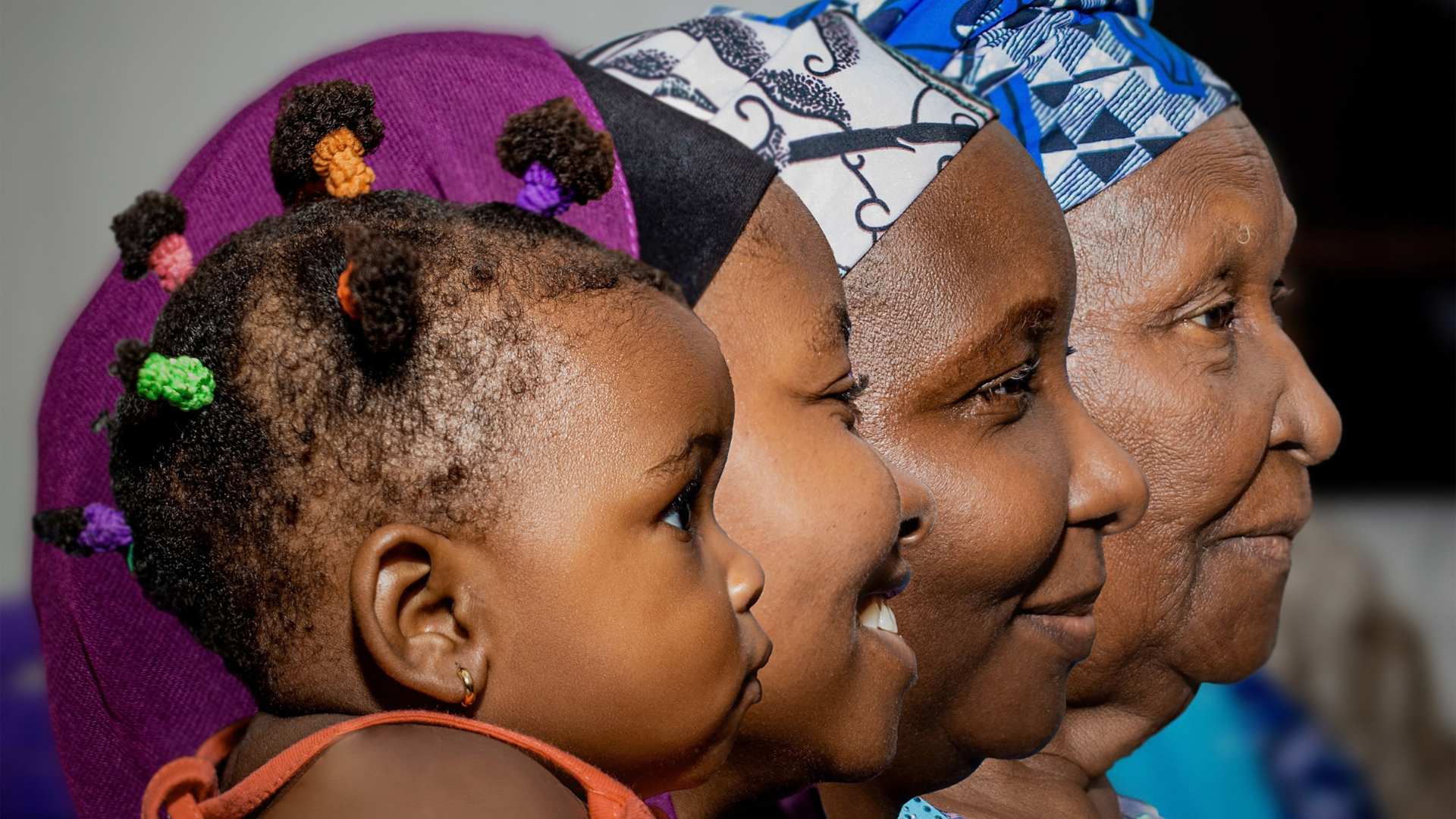
Artificial intelligence (AI) is increasingly entering public life in Ghana, including through digital systems used for identification, verification and service delivery. The ethical question is therefore not simply what AI can do, but what happens to people when digital systems become gateways through which citizenship, mobility or access to services are recognised. In northern Ghana, especially in border communities, this is a concrete question. I was privilege to visit Pusiga community in November 2025 with a Jesuit friend of my mine who is originally from the community. Thus, the topic for this article resonates very well with me.
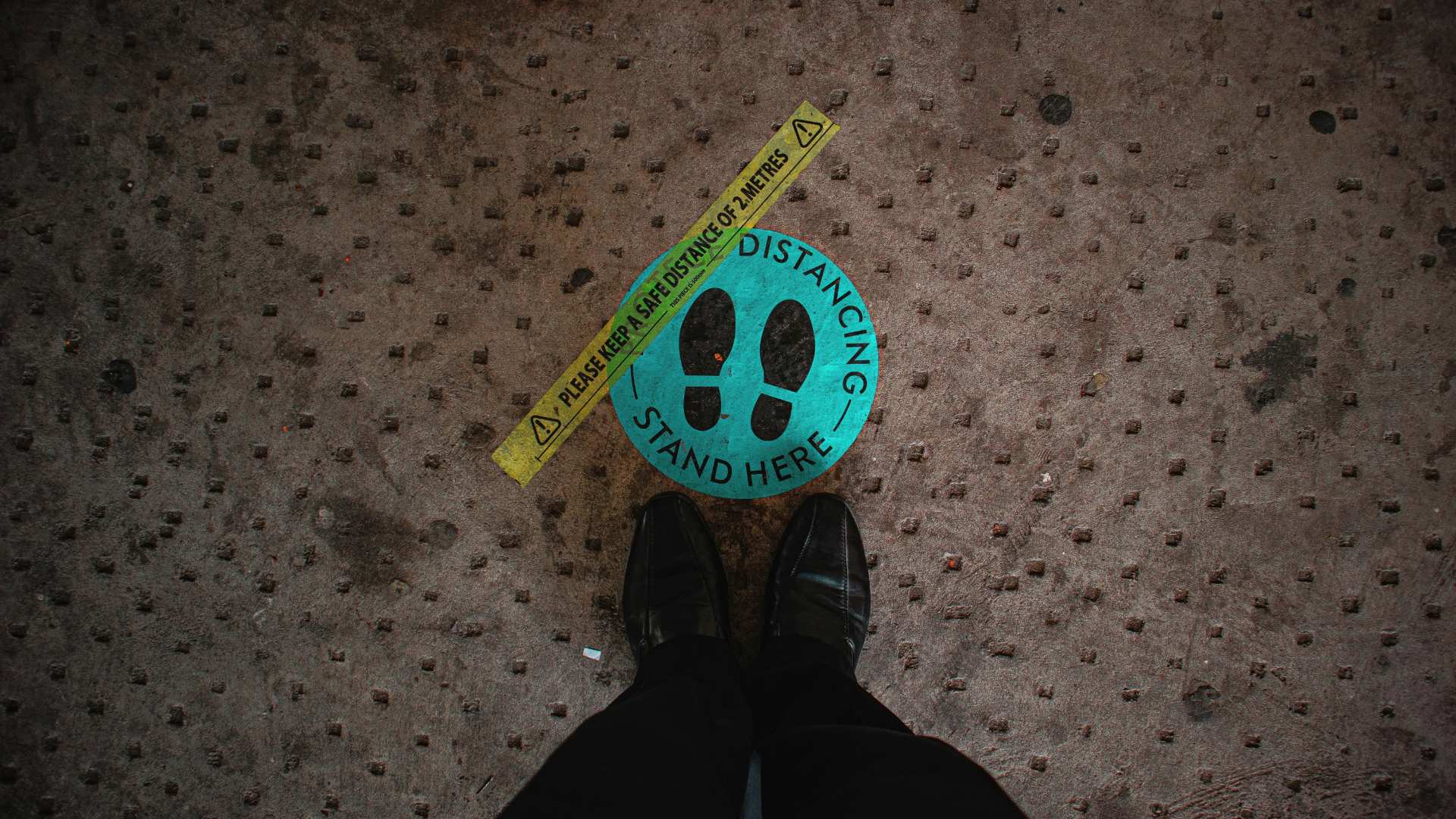
The article ‘Pandemic and Authoritarianism’, by Germán Rosa, SJ, was written in the midst of the COVID-19 crisis, but its insights extend beyond that context. The pandemic appears to reveal and accelerate political trends that were already present: the concentration of power, the weakening of democratic checks and balances, and the acceptance of extraordinary restrictions in the name of collective security. Rosa’s main concern is that fear may lead citizens to silently surrender their freedoms and rights, and that measures which were initially intended to be temporary become normalized and endure. Furthermore, in societies riven by inequality, control is never distributed neutrally: it falls most heavily on the impoverished, marginalized groups, migrants, dissidents and those who defend rights and territories.
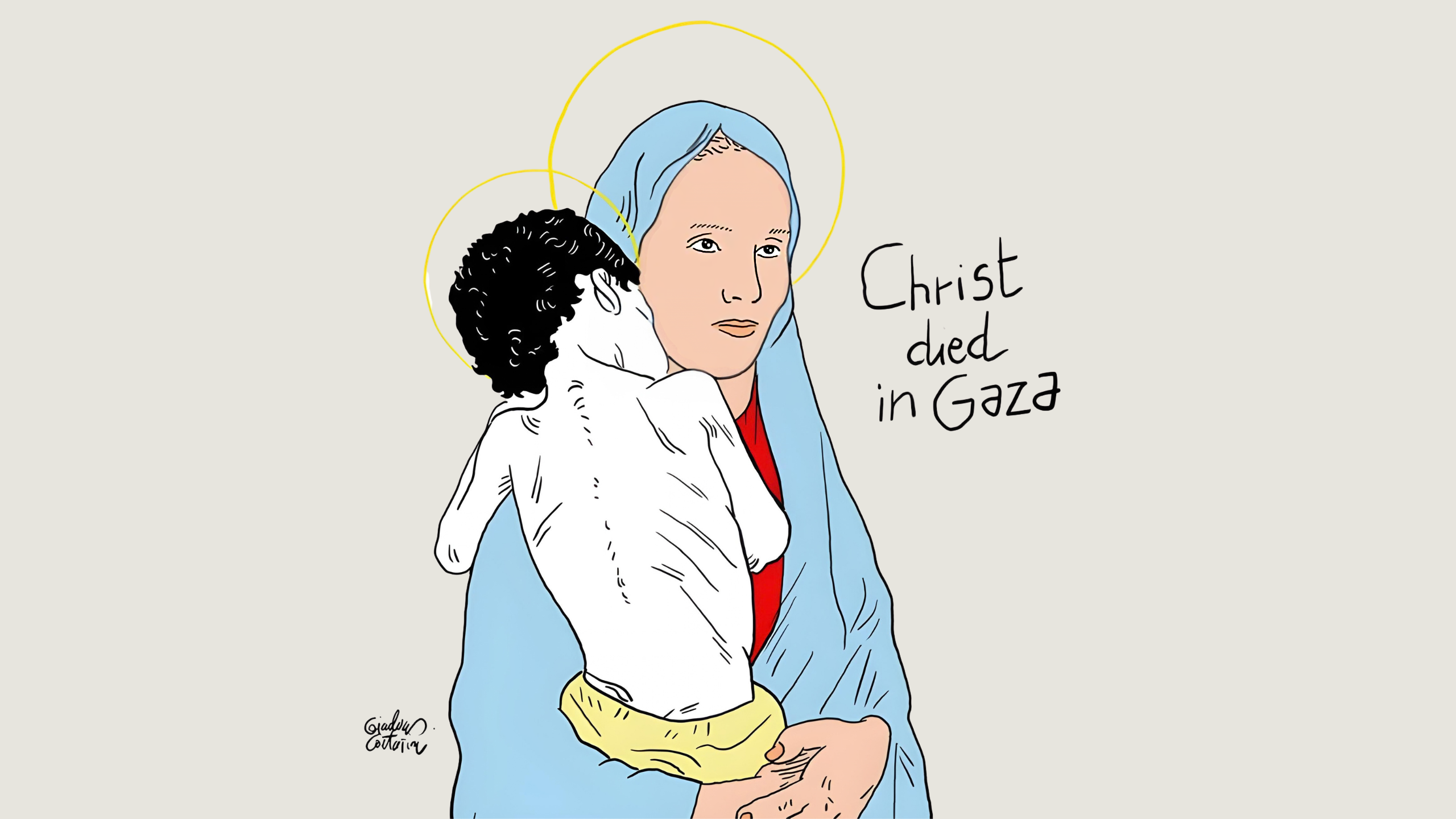
Speaking of dead children is uncomfortable. Yet it can also be healing. As I listened to the stories shared that day, I found myself returning to memories I may at times shy away from remembering. Iremember finding my sister’slifeless body in bed one Saturday morning. Ihad cometo carry her out with me to watch cartoons.As I listened tothe story of Hind Rajab, a 5-year-old girl who had been trapped inside a car attacked by Israeli forces,the memory of a little boy reaching out to touch his sister came back. The young girlhadmanaged to call the Red Crescent for help but hours later she and the paramedics who had come toassisther were all found dead. The chilling story reminded me of the shocking cold that struck my hand as I gently touched my sister’s arm in a futile attempt to wake her up.